Memory Contamination Exhibition 2026 at Shibuya BEAM: Experience the Psychological Horror of Unreliable Memories

Memory Contamination Exhibition 2026 at Shibuya BEAM: Experience the Psychological Horror of Unreliable Memories

Memory Contamination Exhibition

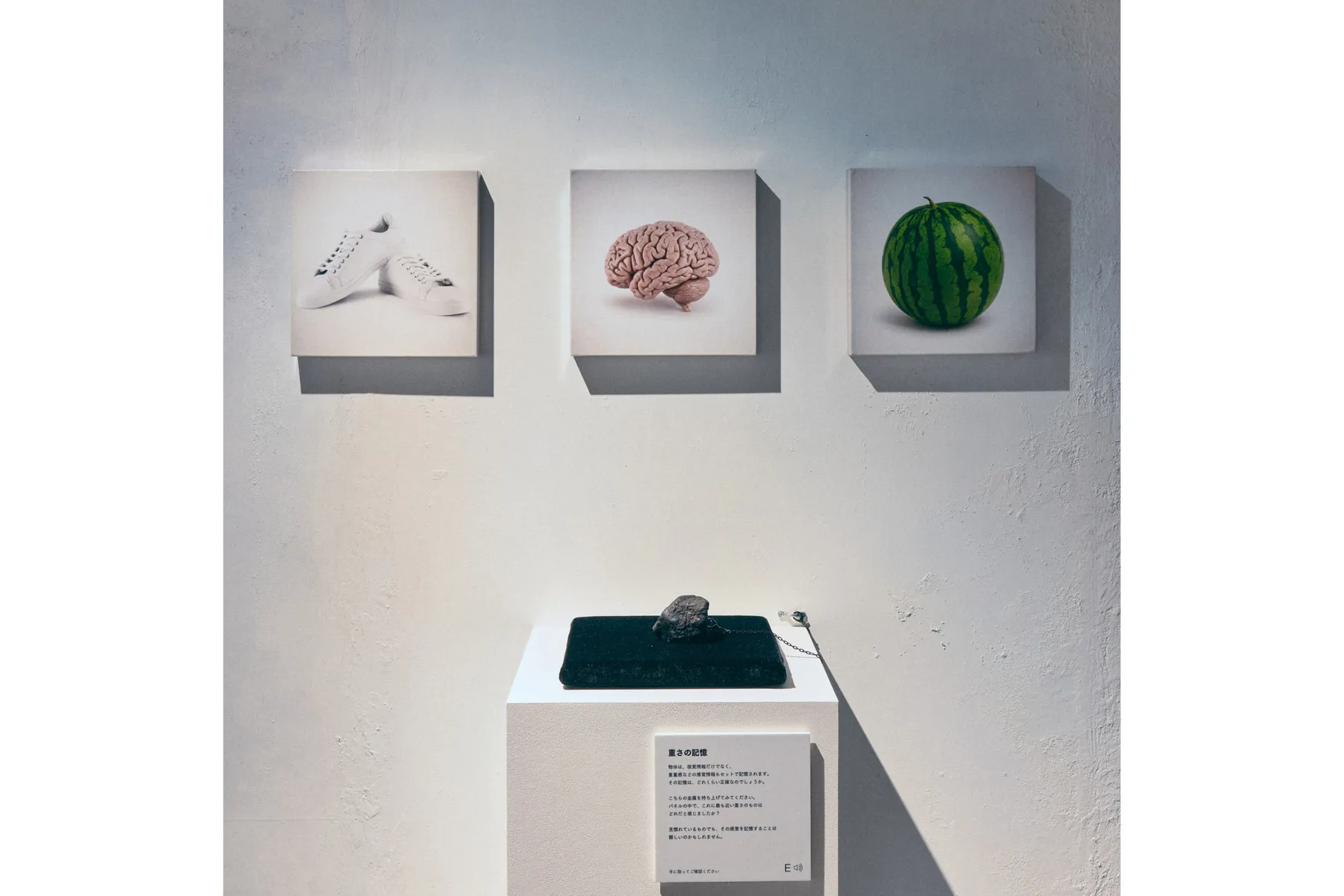
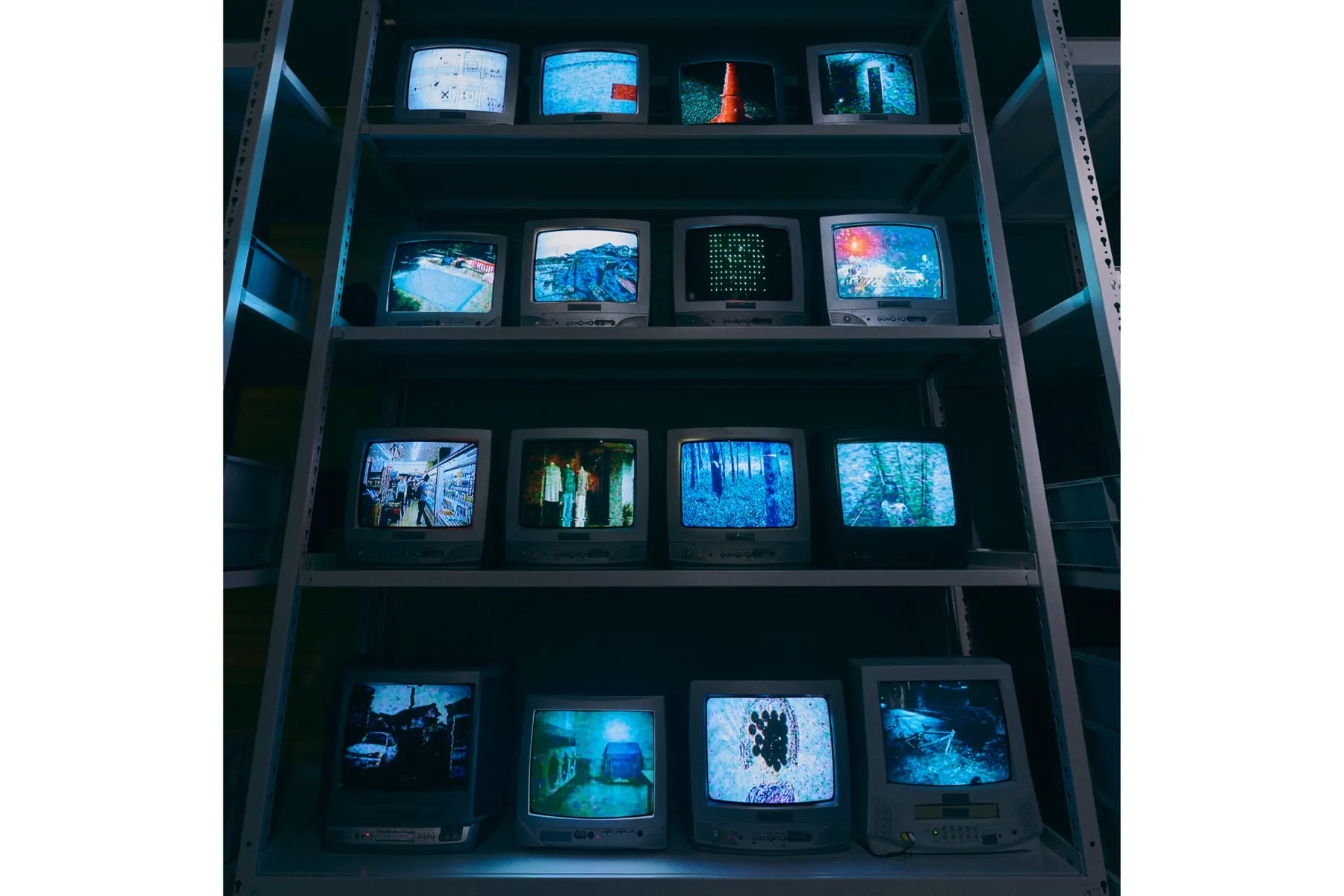
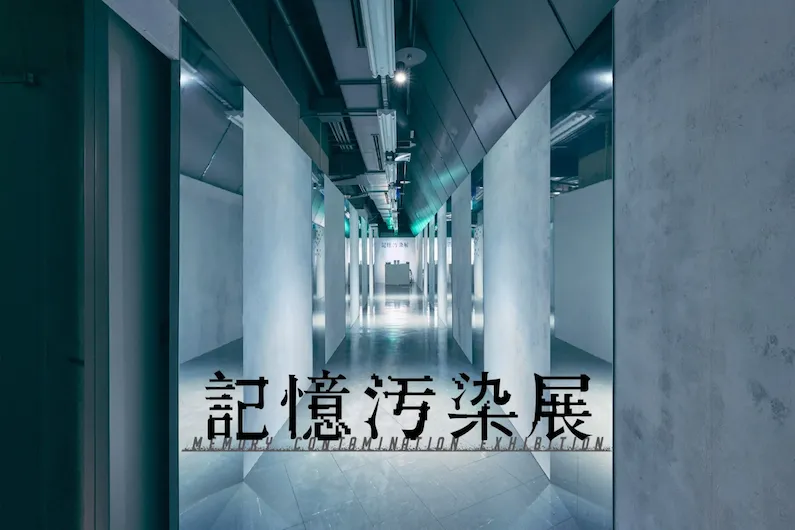
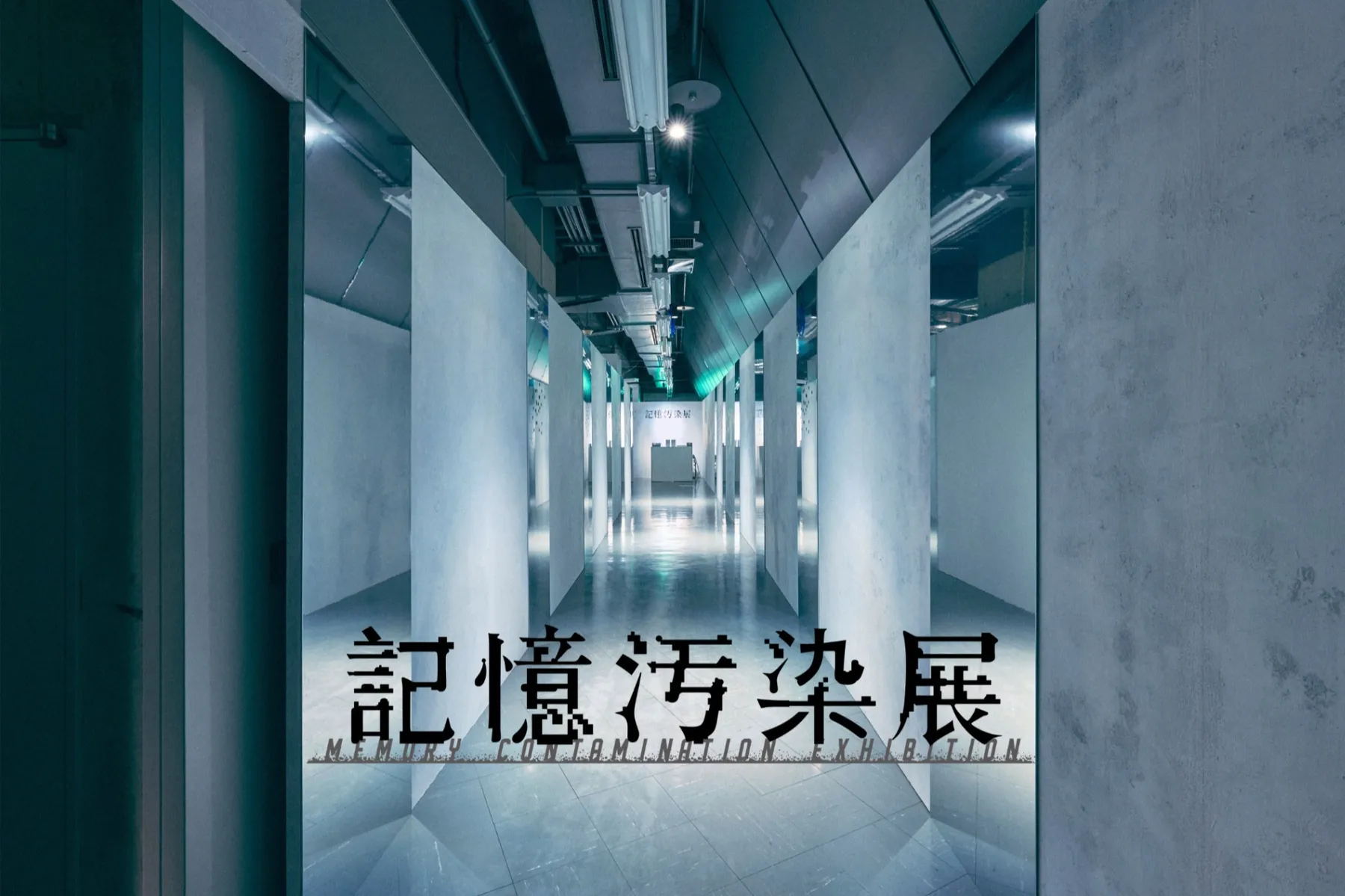
An experiential exhibition exploring the vagueness of memory, the “Memory Contamination Exhibition,” is being held at Shibuya BEAM. It does not aim to frighten visitors with sudden shocks. Instead, it cultivates a quieter and more persistent unease by directing the question of memory’s reliability back at the visitor: to what extent can memories actually be trusted?

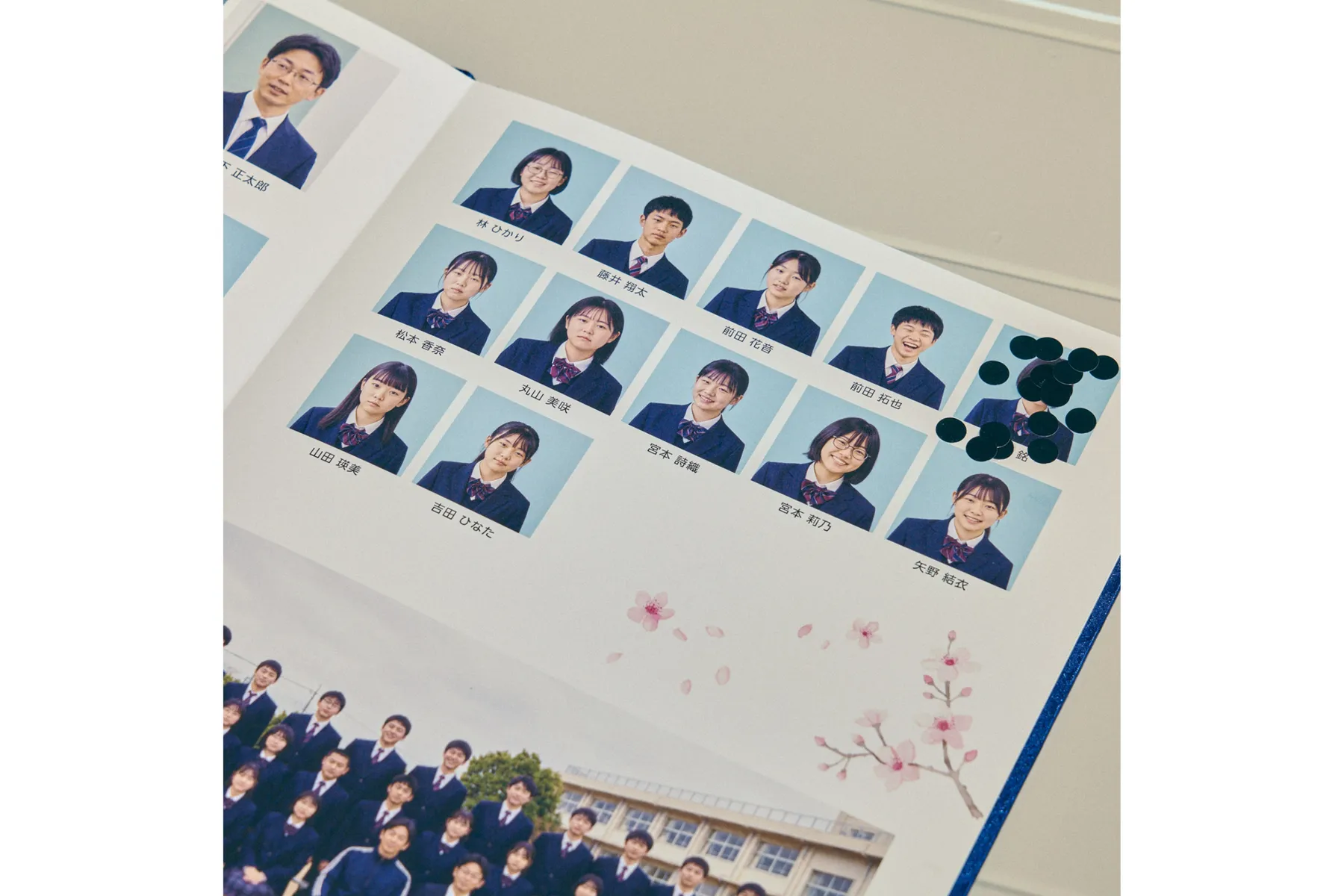
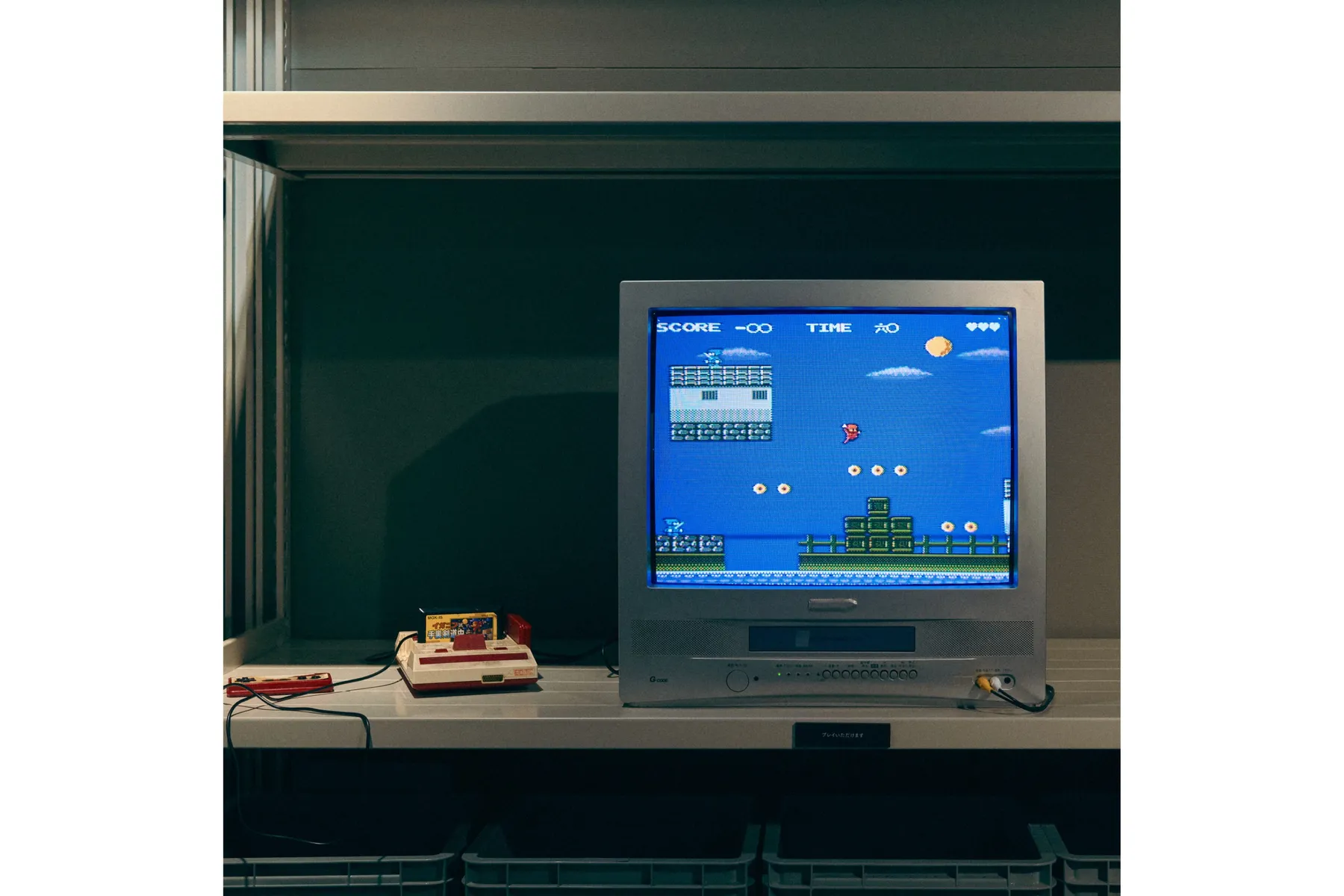
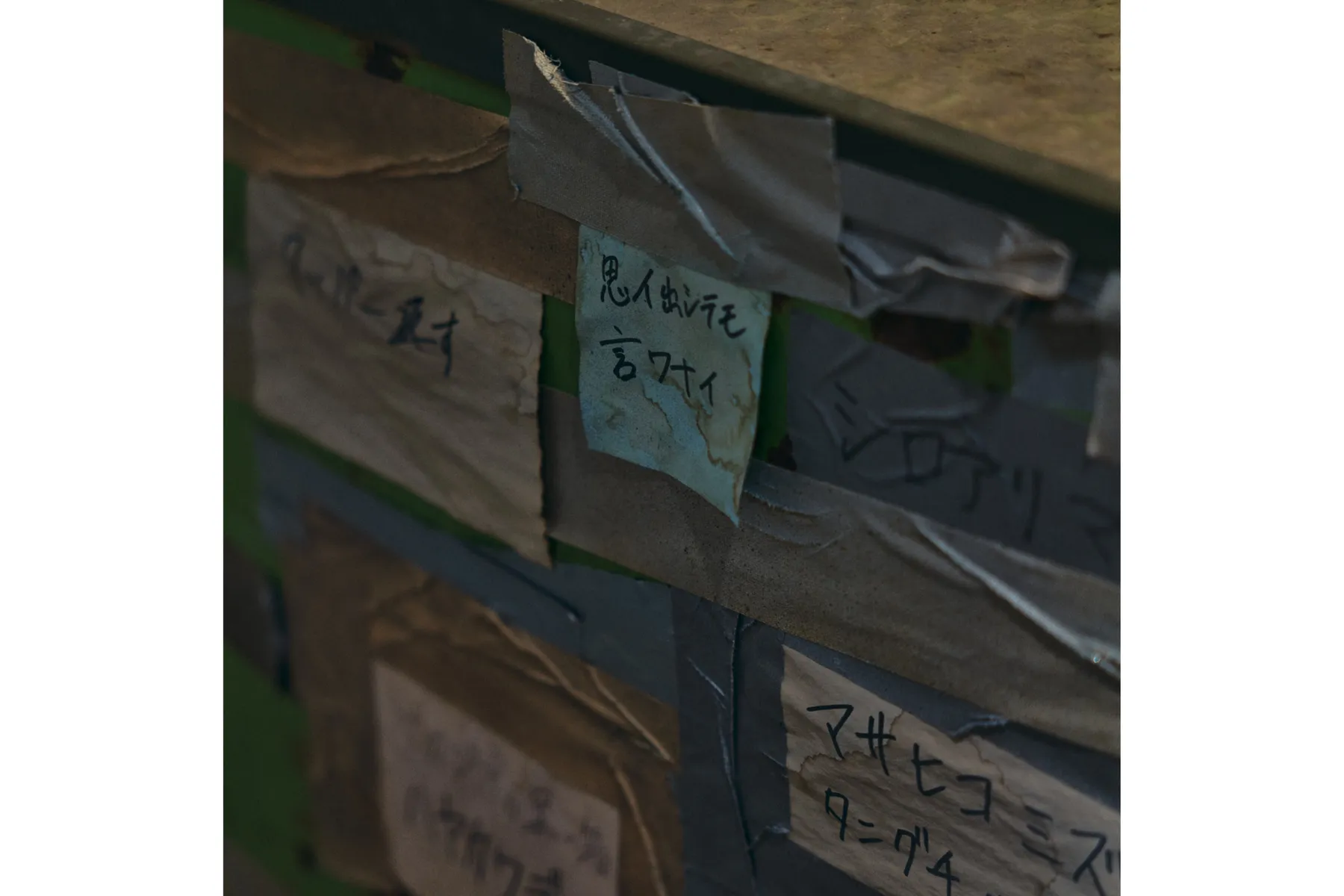
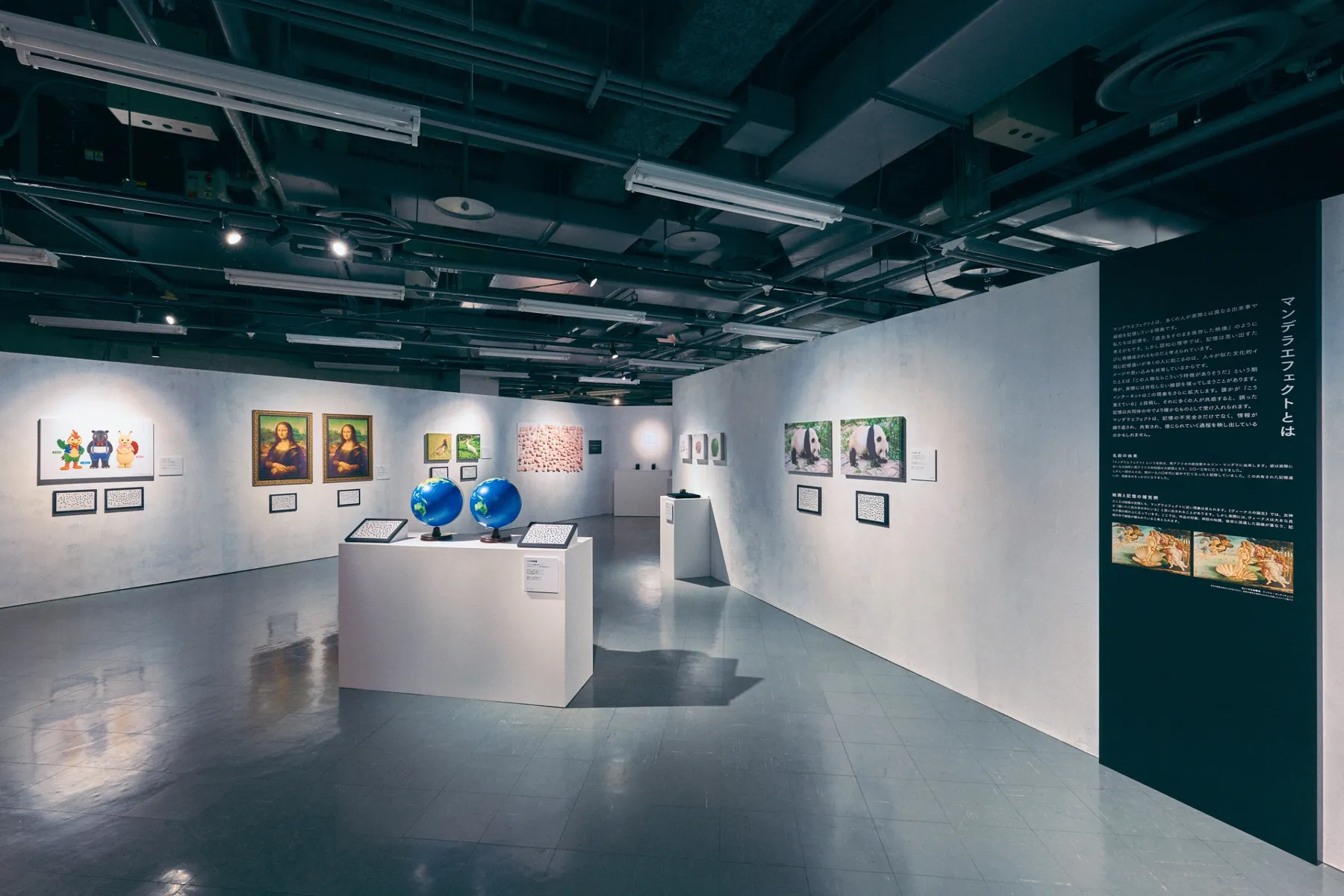
The title states the thesis. Memory, the exhibition suggests, is not a fixed recording but a substance that can be contaminated by suggestion, by misinformation, and by the contradictory accounts of others. The exhibition explores this from multiple angles, including the Mandela Effect and AI hallucinations, along with the uncertain traces left between testimony and records. Visitors are not merely shown examples of these phenomena; through the exhibits, they experience the instability of their own memory. The resulting horror is psychological rather than visceral, rooted in doubt rather than in fright.

The Production Team

The exhibition is the latest project from a tag-team of two experienced production groups. The first created the “Missing Persons Exhibition” and the “Fear Exhibition,” which attracted a cumulative total of approximately 400,000 visitors. The second produced the “Exhibition for Those Who Can See” and the “Paintings You Must Not Look At Exhibition.” The script was written by author Yu Shinada (Da Vinci Koyama).

It has already left a strong impression on early visitors. At a pre-opening preview for media and related parties, reactions included “I stopped knowing how much of my own memory is true” and “Rather than ‘scary,’ it is terrifying—a new sensation of horror.” These responses suggest an experience that continues to work on the visitor after leaving the venue. In effect, it is an experiment that visitors run on themselves.

Second Part of WEB-Exclusive Content: “Questionnaire Regarding Memory”

Prior to opening, the exhibition released the first part of its WEB-exclusive content, a “Memory Ability Test.” It was taken more than 200,000 times, a response that indicates how strongly the theme resonates.

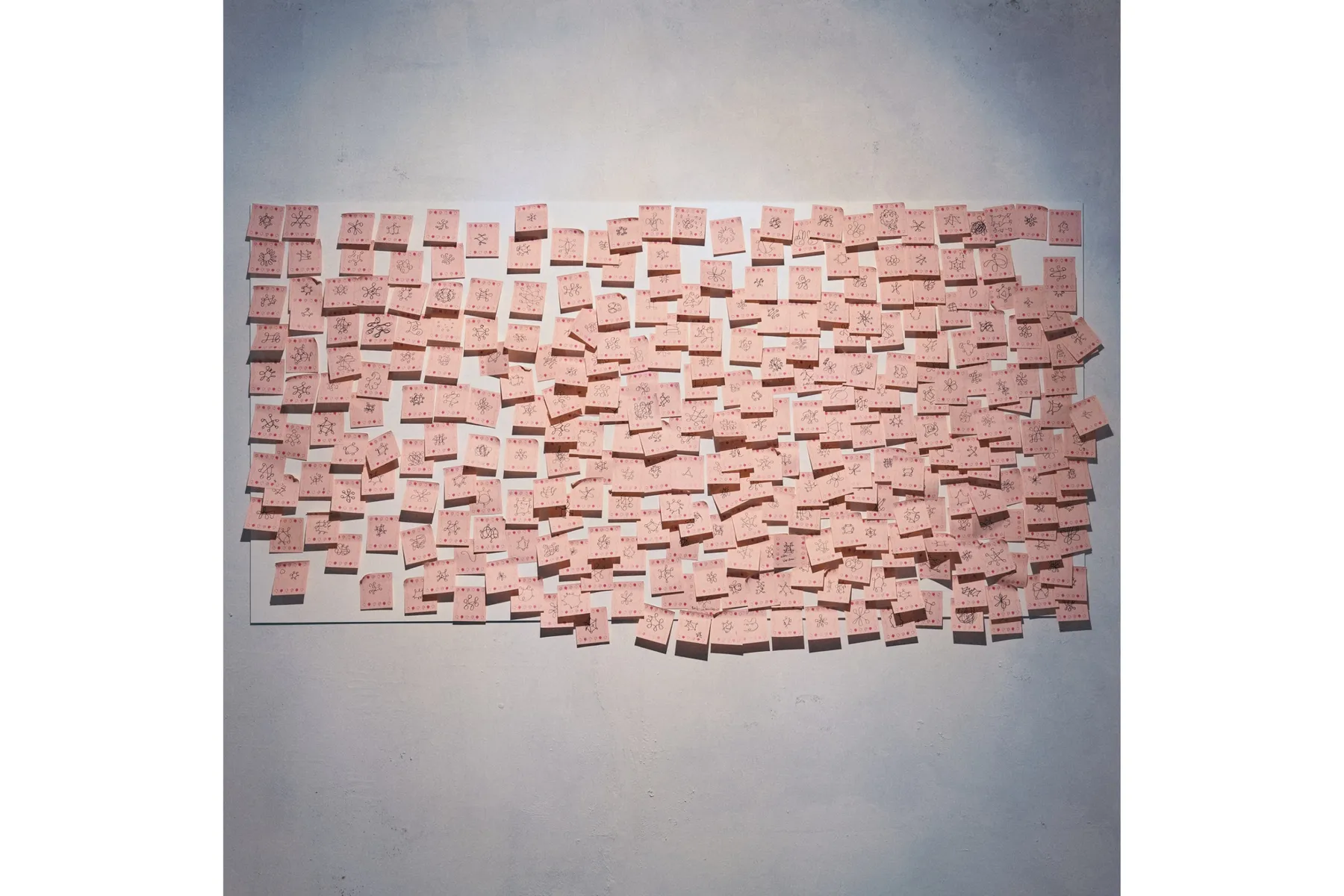
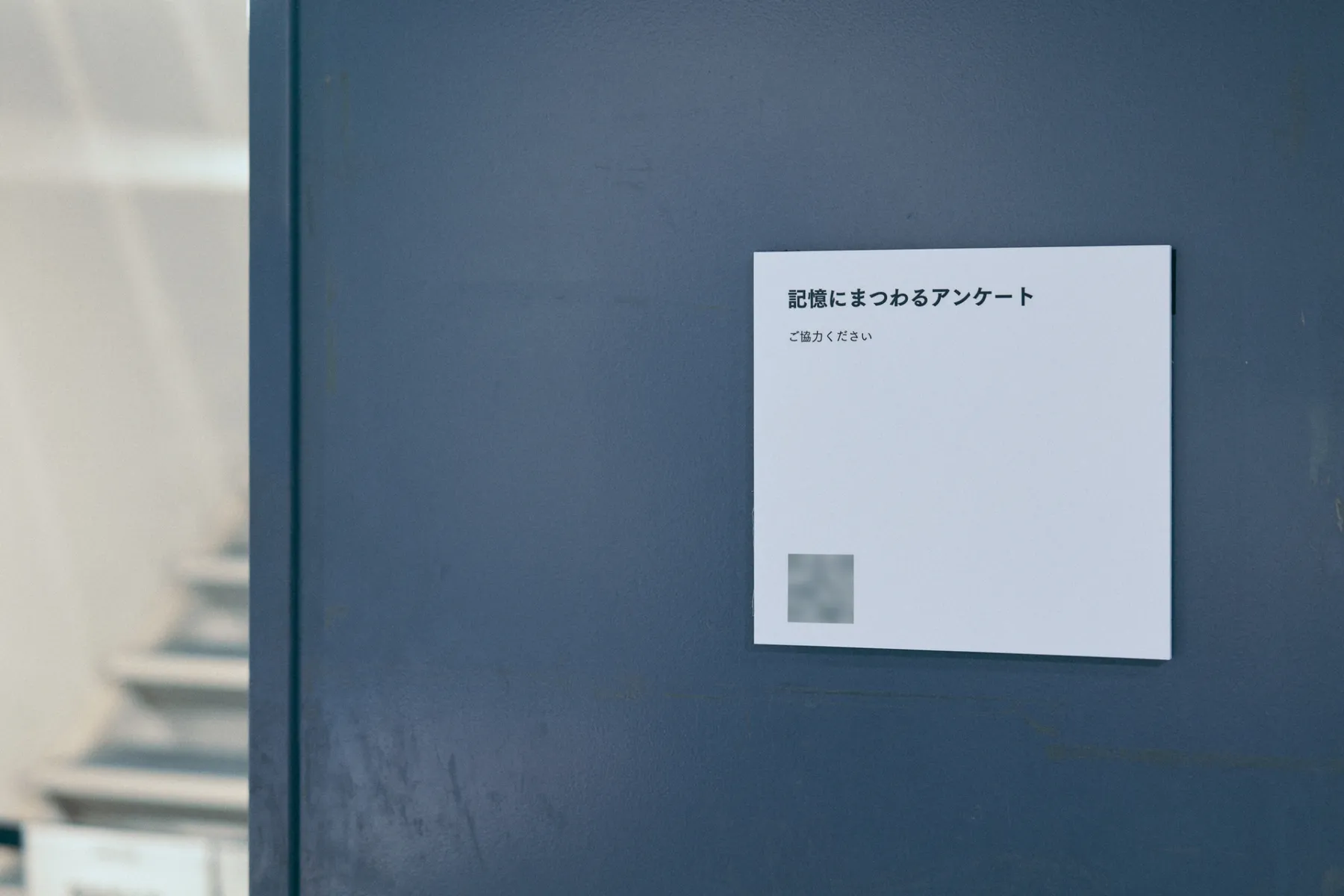
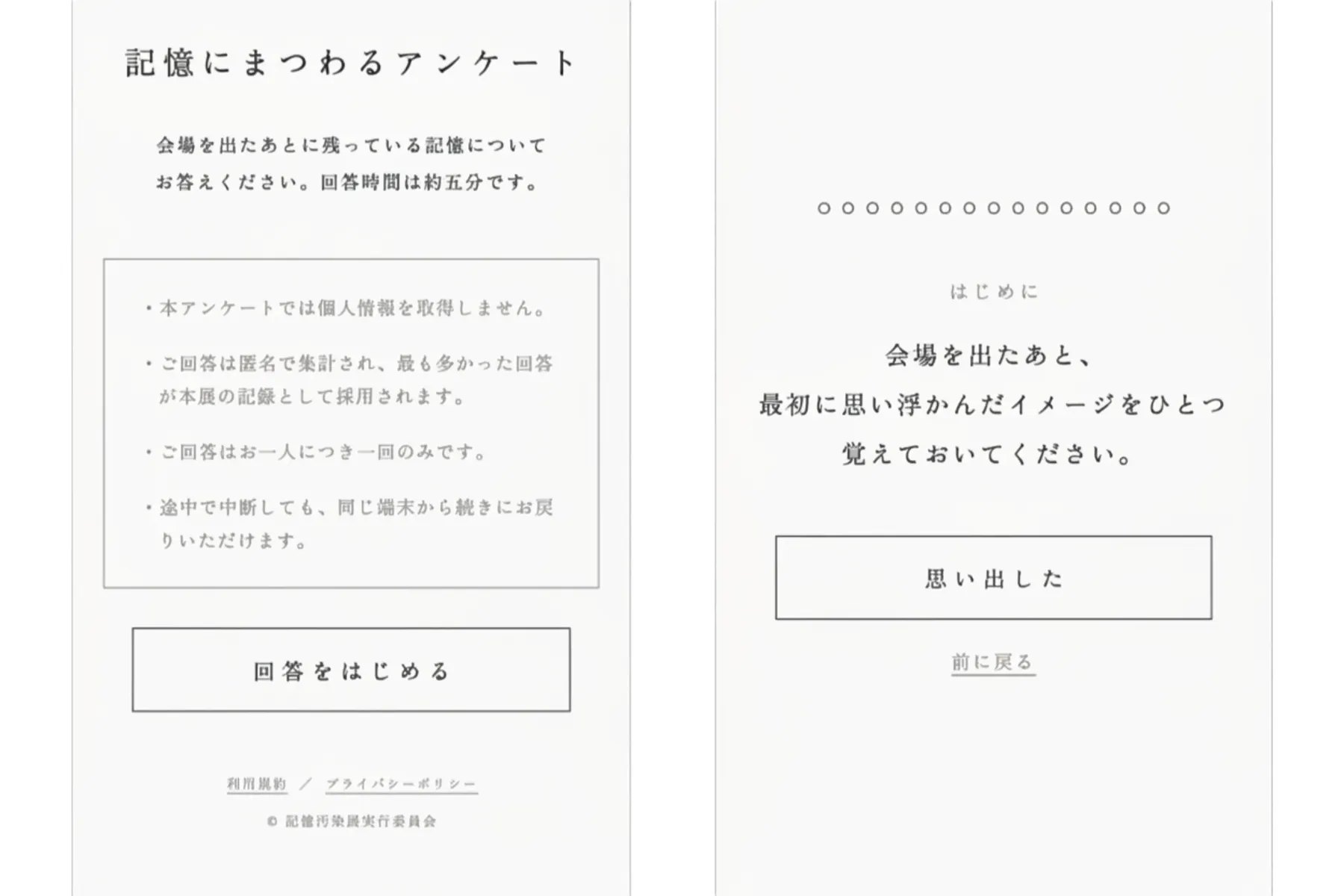
The second part, the “Questionnaire Regarding Memory,” is now open exclusively to visitors. It is not a simple questionnaire. The contents of the questions are not disclosed in advance, and the answers are based on the exhibits actually seen inside the venue. The questionnaire is posted at the venue exit, so it is encountered only after the exhibition is complete—meaning the experience feeds directly into the answers given.

*Please check the official website for detailed information.

Basic Information

  • Location / Nearest Station: Shibuya BEAM / Shibuya Station
  • Address: 〒150-0042 31-2 Udagawacho, Shibuya-ku, Tokyo (MAP)
  • Venue: BEAM Gallery
  • Period: 2026/08/02 (Sun) ~ 2026/09/06 (Sun)
  • Time: Start 10:00 / End 20:00
  • Last Admission: Up to 60 minutes before closing
  • Viewing Time: Approximately 90 minutes
  • Price / Fee: 2,300 yen (tax included)
  • Admission: Fee applies to elementary school students and above
  • Official Website: https://kiokuosen.com/

*The published content may have changed. For the latest information, please check the official website of the venue or organizer.
🛏️ View hotels near Tokyo

Memory Contamination Exhibition_1
Memory Contamination Exhibition_2
Memory Contamination Exhibition_3
Memory Contamination Exhibition_4
Memory Contamination Exhibition_5
Memory Contamination Exhibition_6
Memory Contamination Exhibition_7
Memory Contamination Exhibition_8
Memory Contamination Exhibition_9
Memory Contamination Exhibition_10
Memory Contamination Exhibition_11
Memory Contamination Exhibition_12

Shibuya BEAM is a multi-story exhibition complex a short walk from Shibuya Crossing. The building was originally a warehouse for television studio equipment. It has since been stripped back to its raw concrete shell and turned into a venue for installation art that deals with memory and perception.

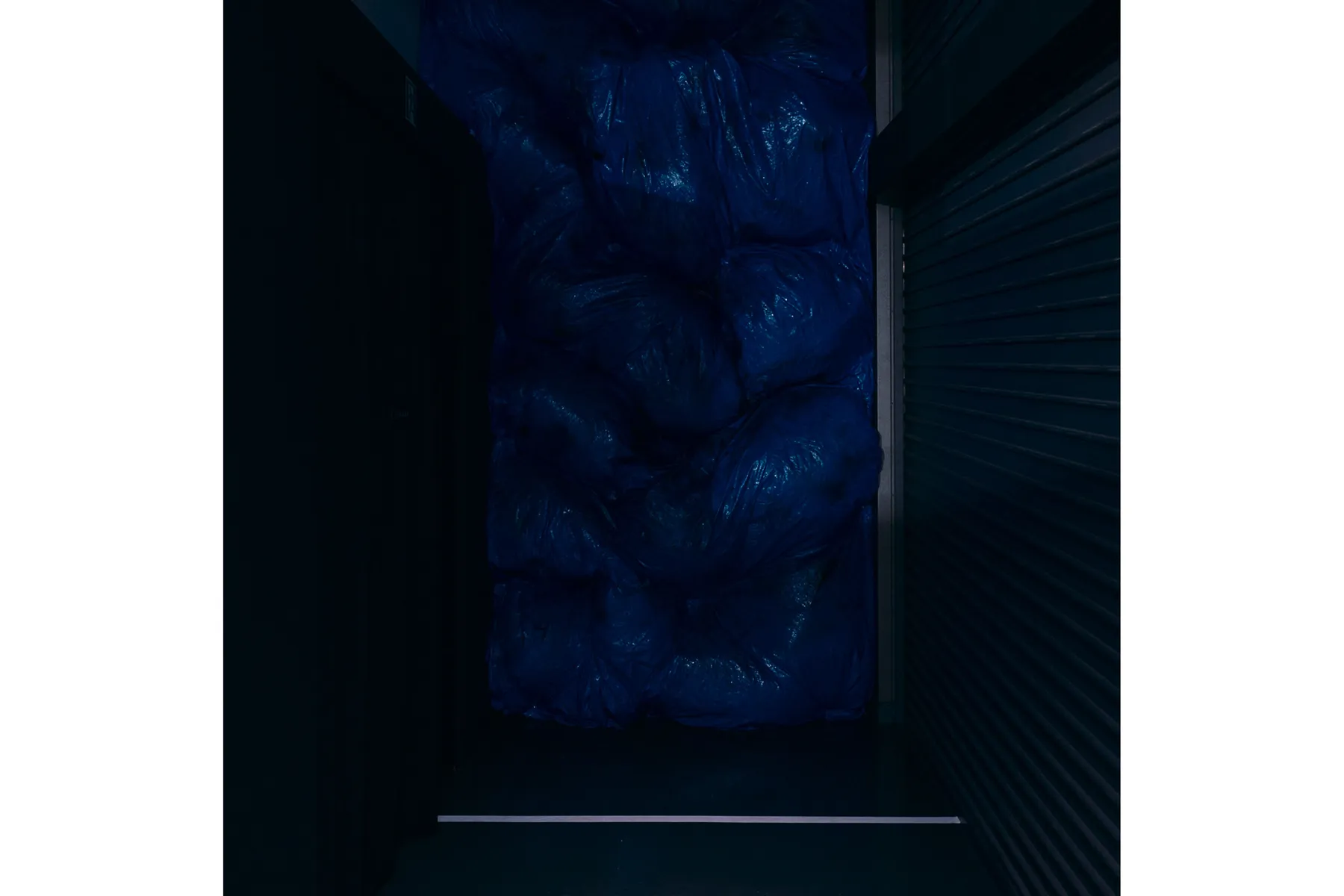
The interior is not arranged for convenience. Corridors are narrow, ceiling heights change without warning, and rooms are shaped asymmetrically enough that the route through the building feels disjointed. The industrial structure gives the space an institutional character—more like a facility built for observation than a place designed to make visitors comfortable. That atmosphere suits the work shown here, which often asks how reliable memory really is.

For the Memory Contamination Exhibition, the building’s peculiarities are put to direct use. Some rooms are set up as dim “recollection chambers,” with projection mapping turning ordinary walls into shifting, contradictory versions of the same past event. In other rooms, the original soundproofing is used to create near-total silence, making the experience of looking feel less certain than usual.

Shibuya BEAM is not a conventional gallery. There are no white walls or tidy labels, and the building is too much of a presence to disappear behind the art. Visitors have to navigate its awkward layout, and that effort becomes part of the exhibition. For a show about how memories can be planted, distorted, or contaminated, the space itself does much of the work.
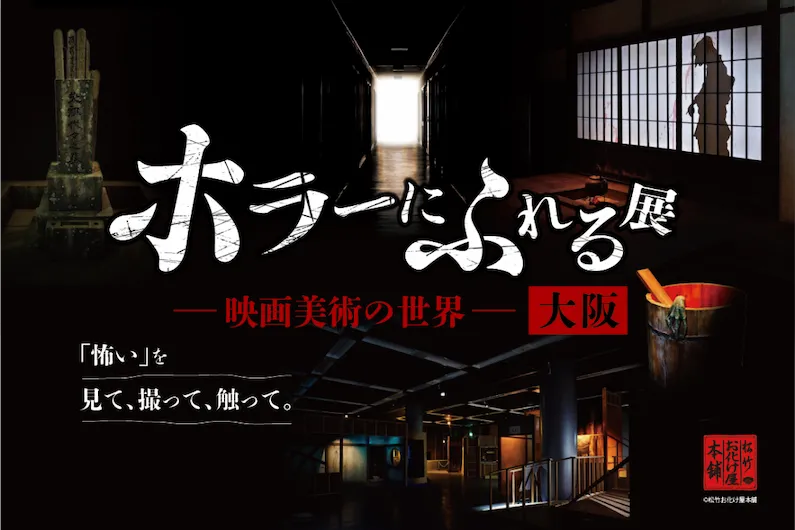

Touching Horror —The World of Movie Art— Exhibition 2026: Experience Sculptural Horror at Namba SkyO, Osaka

Touching Horror —The World of Movie Art— Exhibition 2026: Experience Sculptural Horror at Namba SkyO, Osaka

Exhibition: Touching Horror —The World of Movie Art—

An exhibition where visitors can experience the sculptural art of horror movies, which was highly acclaimed at Tokyo Solamachi® with a satisfaction rate of over 90%, will be held at Namba SkyO. This is not a haunted house. The distinguishing feature of this exhibition is that you can enjoy the world of horror movies by “looking, filming, and touching” — without being frightened. It invites you into the “movie sets and the scenes behind them” that can only be experienced here.

Art sets directed by Japanese movie art directors and the scenes behind them will be specially reproduced, introducing the forbidden spaces of cinema with an overwhelming sense of realism. Photography and video recording are permitted throughout the venue — a rarity for exhibitions of this nature. The experience extends beyond visual appreciation: sculptural objects allow you to feel the difference in materials with your hands, photo spots are positioned for optimal documentation, and an “Art Note” corner sheds light on the largely unknown work of movie art direction.


Practical Information

Period July 25 (Sat) – August 23 (Sun), 2026
Hours 10:00–18:00 (Last entry 17:30)
Location Namba SkyO 7th Floor, Convention Hall<br>5-1-60 Namba, Chuo-ku, Osaka City, Osaka Prefecture
Admission Same-day tickets: Adults 2,400 yen, High school students and younger 1,900 yen<br>*Free for children 3 and under<br>*Date and time specified tickets required for weekends, holidays, and specific periods
Website https://www.shochiku.co.jp/pj/obakeyahonpo/fureru

🛏️ View hotels near the event

What is Namba SkyO?

Namba SkyO is a 31-story commercial complex built above Osaka Namba Station. The building combines retail, dining, office space, and public areas in a single footprint, with direct connections to train lines serving the Kansai region.

What matters for this exhibition is how the building handles people in space. The escalators run in long vertical sequences—up, across, up again—so visitors move through the structure in stages rather than choosing their own routes. The floor plates connect in ways that allow organizers to guide circulation deliberately, sending people past specific views or through transitional zones before they reach the main exhibition areas.

The building also carries the specific texture of its location. Namba functions as Osaka’s primary entertainment district: dense signage, late hours, a concentration of theaters and arcades and restaurants. Standing inside Namba SkyO, you look out at this landscape through large windows at multiple levels. The urban context outside becomes part of the experience inside.

These qualities suit horror exhibitions for practical reasons. The controlled circulation paths can stage encounters sequentially rather than letting visitors self-select. The city views provide a constant reminder of the human environment that horror repeatedly distorts. The building’s own commercial character—its function as a place of leisure and spending—mirrors horror’s historical development through popular entertainment, from early cinema through contemporary media.

Namba SkyO does not become a neutral museum container here. The exhibition uses the building as it actually exists: a vertical commercial structure in a dense entertainment district, with all the particular constraints and possibilities that entails.

Ghibli Park Exhibition 2026 in Osaka: Experience Studio Ghibli’s Magic at Nanko ATC Gallery

Ghibli Park Exhibition 2026 in Osaka: Experience Studio Ghibli’s Magic at Nanko ATC Gallery

Title: Ghibli Park Exhibition

Key visual for the Ghibli Park Exhibition

The architectural and environmental storytelling of Ghibli Park—Studio Ghibli’s expansive permanent facility in Nagakute City, Aichi Prefecture—arrives in Osaka this summer in distilled form. Opening at the Osaka Nanko ATC Gallery, this exhibition extracts the essential interactive and visual elements of the distant park and reconfigures them for an urban museum context, offering an alternative for those unable to make the journey to Aichi while introducing several elements exclusive to this Osaka staging.

Little Ghibli Park exhibition display

Central to the exhibition is the “Little Ghibli Park,” a navigable installation that maps the original park’s five thematic zones onto a compact format. Visitors traverse the space following the mechanics of a sugoroku board game—a traditional Japanese racing game format—encountering mechanical gimmicks and interactive elements at each stage without requiring the extensive walking distances necessary at the Aichi location.

Still from the "Drawing Eating" exhibition showing the Kusakabe family dining table
The Porco Rosso corner at the Ghibli Role-Play Famous Scenes Exhibition

The exhibition also imports two specific installations previously housed exclusively within Ghibli’s Grand Warehouse. “‘Drawing Eating’ Expanded and Revised Edition” examines the studio’s gastronomic animation through original storyboards and three-dimensional recreations of eating sequences, offering insight into the technical execution of the studio’s famously detailed culinary scenes. Complementing this, the “Ghibli Role-Play Famous Scenes Exhibition” provides physical sets calibrated for photography, allowing visitors to occupy specific cinematic moments (including those from Porco Rosso, visible in the gallery documentation) rather than merely observing them.

3D model of Haku in dragon form from Spirited Away

First-time exhibition content includes a newly completed three-dimensional model of Haku in his dragon manifestation from Spirited Away—a piece specifically fabricated for this Osaka showing and not previously displayed at the Aichi park.

■ Complimentary Ticket Giveaway!
Complimentary tickets for this exhibition will be given to 2 pairs (4 people total) via lottery! The application page is here.


Event Period: 2026/7/18 (Sat) – 9/26 (Sat)
Event Hours: 9:00–17:00 (Final admission is 16:30)
Venue: Osaka Nanko ATC Gallery (2-1-10 Nankokita, Suminoe-ku, Osaka City)

Fees: [Date and Time Specified Tickets]

  • General: 1,900 yen
  • Junior High & High School Students: 1,600 yen
  • Ages 4 to Elementary School Students: 1,000 yen

Admission Time Slots:
First slot 9:00–9:30, thereafter admission times are specified at 30-minute intervals (Final admission is 16:30).

All tickets for this exhibition are [Date and Time Specified]. Please purchase your tickets in advance before visiting. Tickets will not be sold at the venue.
Tickets for July and August admission (7/18–8/31) are now on sale.
Tickets for September admission (9/1–26) will go on sale 8/1 (Sat) at 10:00.
Children aged 3 and under are free of charge (no advance reservation required), but please enter with a companion holding a date and time specified ticket.
Those entering at the Junior High/High School student rate are requested to present a student ID.
For every person holding a disability certificate, one “caregiver” may enter at half the general price. Please purchase the “Caregiver Discount” ticket type. The person with the disability requires a standard admission ticket.

Inquiries: 06-6136-5766 (10:00–17:00 *Available weekdays only until 7/17 (Fri))
Website: https://ghiblipark-exhibition.jp/

🛏️ See hotels near the event

Ghibli Park opened in November 2022 in Nagakute, Aichi Prefecture, on the grounds of the former Expo 2005 Aichi Commemorative Park. It is not an amusement park. There are no roller coasters, spinning rides, or queue-based attractions. Instead, the park consists of five walk-through areas built at architectural scale, designed to be explored on foot.

The Hill of Youth contains the antique shop and clock tower from Whisper of the Heart, reconstructed to match the film’s exact dimensions. Dondo Forest centers on Satsuki and Mei’s House from My Neighbor Totoro, built among existing camphor trees that predate the construction. Mononoke Village recreates the ironworks and settlement from Princess Mononoke using traditional timber framing and thatching methods. The Valley of Witches combines structures from Howl’s Moving Castle and Kiki’s Delivery Service into a coherent European townscape. The Ghibli Grand Warehouse, the only indoor area, houses exhibition halls with rotating displays of animation cels and production materials.

Studio Ghibli designed the park to alter the existing terrain as little as possible. Buildings follow the natural slope of the land, and pathways wind around mature trees rather than cutting through them. This construction approach accounts for the uneven footing, varying elevations, and the way structures seem to settle into the landscape rather than sit on top of it.

Visitors encounter specific, tangible details: the brands of canned goods in Calcifer’s kitchen, the handwriting on desk calendars, the wear patterns on wooden stairs. Without guided tours, character actors, or timed shows, visitors move through these spaces at their own pace. The experience resembles walking through a permanent film set where the props are functional objects and the architecture operates as real built space rather than façade.

The Novembers “The Singing Engines” 2026 Seoul Concert: Ticket Guide and Venue Tips for KT\&G Sangsangmadang Live Hall

The Novembers "The Singing Engines" 2026 Seoul Concert: Ticket Guide and Venue Tips for KT&G Sangsangmadang Live Hall

APF Concerts presents The Novembers’ 2026 touring cycle, “The Singing Engines,” for a single Seoul performance at the KT&G Sangsangmadang Live Hall. This standing-room event on July 17, 2026, compresses the band’s current aesthetic into an intimate, general-admission format within one of Hongdae’s established cultural venues, offering a concentrated experience distinct from multi-day festival appearances.

🗓️ Event Schedule

The concert occurs on 2026-07-17 with the performance commencing at 6:00 PM. As a single-date engagement—evidenced by the 2026-07-17 ~ 2026-07-17 scheduling format—the event demands specific logistical planning for attendees residing outside the Mapo-gu district. The Friday evening timing intersects with Seoul’s typical rush hour patterns, suggesting that attendees should calculate transit time to the 📍 Venue: KT&G Sangsangmadang Live Hall accordingly.

📍 Location and Accessibility

The hall’s address at 65 Eoulmadang-ro (Seogyo-dong), Mapo-gu, Seoul, positions it within the Seogyo-dong neighborhood’s dense concentration of independent cultural infrastructure. Unlike larger arena facilities, this venue offers horizontal sightlines across a standing floor area, where the absence of fixed seating creates variable proximity to the stage based on arrival timing. The surrounding Hongdae area provides pre-and-post concert amenities within walking distance of the entrance, integrated into the district’s established network of music venues, galleries, and late-night establishments.

Admission and Practical Considerations

Tickets are priced at 77,000 KRW for standing room (booking price). This admission tier grants access to the floor area without assigned positioning, requiring attendees to remain standing throughout the duration of the performance. The Age Limit is strictly enforced: preschool children not allowed—a restriction that reflects both the physical requirements of standing attendance and the volume levels typical of amplified performances in this space.

Supplemental Arrangements

For visitors requiring overnight accommodation, 🛏️ Accommodation near the concert options are available through the linked travel portal. Additionally, attendees may wish to obtain a 💡 Light Stick via the provided retail affiliate link, suggesting that audience participation through illuminated signaling may form part of the event’s visual culture.

Lineup and Tour Context

The Novembers perform as the sole act on the billing. “The Singing Engines” serves as the organizing concept for the 2026 tour cycle, with this Seoul date maintaining the group’s established pattern of performing in mid-sized halls rather than festival grounds. The venue’s specific acoustic properties and the physical proximity afforded by the standing-room configuration allow for a detailed sonic presentation that larger spaces often diffuse.

Visual Documentation

Promotional Poster

A bit about The Novembers

Hailing from Japan, The Novembers are a masterful quartet who defy easy categorization, weaving a darkly cinematic tapestry from the threads of shoegaze, post-punk, and alternative rock. Formed in 2005 by vocalist and guitarist Yusuke Kobayashi, the band has spent nearly two decades refining a sound that is simultaneously lush and abrasive, balancing fragile, melancholic beauty against a ferocious, textured wall of noise. Their music often feels like a descent into a beautiful nightmare, with Kobayashi’s distinctive, reverb-drenched vocals floating hauntingly over churning guitars and a rhythm section that can shift from a hypnotic pulse to a thunderous assault on a dime. This dynamic mastery of quiet-loud intensity, coupled with an ever-evolving, art-rock sensibility, has cemented them not just as stalwarts of the Japanese underground, but as a singular, vital force on the global stage.

이 포스팅은 쿠팡 파트너스 활동의 일환으로, 이에 따른 일정액의 수수료를 제공받습니다.

Visit the 2026 Nagoya Sword Museum Exhibition: Discover the Legendary Blades of Toyotomi Hideyoshi and Hidenaga

Visit the 2026 Nagoya Sword Museum Exhibition: Discover the Legendary Blades of Toyotomi Hideyoshi and Hidenaga

The Nagoya Sword Museum “Nagoya Token World” hosts a special exhibition from July 11 to September 27, 2026, examining the military culture of Japan’s unification through the specific lens of the Toyotomi brothers. “Swords Associated with Sengoku Warlords: The Toyotomi Hideyoshi and Hidenaga Brothers” brings together National Treasures, Important Cultural Properties, matchlock firearms, and ukiyo-e prints to document the transition from civil war to centralized rule under these two warlords.

Unlike general surveys of Sengoku-period weaponry, this exhibition focuses specifically on artifacts linked to Hideyoshi—the low-born warlord who completed the unification begun by Oda Nobunaga—and his elder brother Hidenaga, who served as both deputy and administrative anchor. The display includes blades certified as National Treasures and Important Cultural Properties, offering direct physical connection to the military elite who ended the Warring States period. Matchlock guns supplement the sword collection, illustrating the evolution of Japanese warfare during the late 16th century, while contemporary ukiyo-e prints demonstrate how later generations visualized these decisive historical figures.

The exhibition emphasizes not merely the martial aspect of these artifacts but the political relationship between the siblings. While Hideyoshi commanded the battlefield and the capital, Hidenaga managed crucial domains and campaigns, including the Kyushu conquest. Their collaboration established the administrative foundation that would last—briefly—until the Tokugawa succession. Visitors can examine how the personal bonds between warlords manifested in material culture, from presentation swords to campaign armaments, and consider how these objects mediated power during the realm’s unification.

The museum occupies a position of particular historical resonance along Sakae’s “Honmachi-dori,” the main thoroughfare constructed during the early Edo period to connect Nagoya Castle with Atsuta Jingu. This 400-year-old corridor anchored Nagoya’s urban development since the castle’s construction, making it an apt setting for examining artifacts from the immediate pre-Edo period of warlord consolidation.

Exhibition Details

Dates and Periods
The exhibition runs in two segments:

  • First Period: Saturday, July 11 – Sunday, August 16, 2026
  • Second Period: Tuesday, August 18 – Sunday, September 27, 2026

While the museum normally closes on Mondays, it will remain open throughout the exhibition run except for Monday, July 13 and Monday, August 17 (the closure between periods). Note that the museum will be closed for installation July 8–10 and for dismantling September 28–30.

Hours
10:00–17:00 (last admission 16:30)

Admission Fees

  • General: 1,200 yen
  • Seniors (65 and older): 1,000 yen
  • University/High school students: 500 yen
  • Junior high/Elementary school students: 300 yen
  • Preschool children: Free
  • Group Discount (20+ persons): 300 yen off general admission / 100 yen off other categories
  • Persons with disabilities (including one accompanying person): Free (disability certificate required)

Location and Access
Nagoya Sword Museum “Nagoya Token World”

  • 10-minute walk from Yabacho Station (Meijo Line)
  • 9-minute walk from Osu Kannon Station (Tsurumai Line)
  • 12-minute walk from Fushimi Station (Higashiyama Line)

Contact Information

What is the Nagoya Sword Museum?

The Nagoya Sword Museum (Nagoya Tōken Hakubutsukan) occupies a distinct position among Japanese cultural institutions, focusing specifically on the evolution of nihontō in the Tokai region rather than presenting a general survey of the craft. Located in Nagoya’s Naka Ward, the museum opened in 1980 to consolidate the preservation of blades and materials from the former Owari Domain, a territory that served as the Tokugawa power base for centuries.

The collection spans the Kamakura through Edo periods, with particular depth in materials from the Muromachi and Azuchi-Momoyama eras. Owari smiths developed identifiable regional characteristics—straight shinogi-ji, active midare hamon, and a preference for itame hada—shaped by the domain’s control of trade routes and the Tokugawa family’s patronage of specialized metalworkers. The galleries include works by Masamine, Kanesada, and other smiths active in Nagoya and surrounding castle towns. Exhibits trace the full technical sequence: tamahagane smelting in tatara furnaces, the folding process that creates the steel’s grain structure, yakiba hardening through differential clay application, and the abrasive polishing that finalizes the blade’s geometry. Examples of koshirae mountings demonstrate the shift from practical wartime gear to the decorative arts of the Edo-period peace.

Research activities occupy much of the museum’s capacity. Staff metallurgists conduct non-invasive analysis of blade composition, maintaining databases that track ore sources and forging techniques across centuries. The archives hold production registers from Edo-period guilds, documenting specific commissions from the Tokugawa household and provincial temples.

In 2026, the museum will present an exhibition on blades associated with Toyotomi Hideyoshi and his younger half-brother Hidenaga. Hideyoshi was born in 1537 at Nakamura, then a modest settlement in the Owari region and now incorporated into Nagoya’s Nakamura Ward. The exhibition will display blades donated by the Toyotomi family to local shrines, alongside comparative pieces showing the metallurgical shift from Sengoku-period field swords to the refined work of the unification era. The curatorial approach examines how blade quality served as a marker of political legitimacy during the transition from fragmented domains to centralized rule.

Odaiba Beach Lantern Festival: Experience the Magic of Floating LED Wishes at Odaiba Kaihin Koen

Odaiba Beach Lantern Festival: Experience the Magic of Floating LED Wishes at Odaiba Kaihin Koen

Odaiba Beach Lantern Festival: Floating LED Wishes Over Tokyo Bay

Send your wishes into the night sky of Odaiba. As Golden Week approaches and recedes, Odaiba Kaihin Koen hosts a distinctive evening event that pairs traditional Japanese aesthetics with modern safety technology. “Odaiba Beach / Odaiba Lantern” offers two opportunities to participate—on April 25, just before the holiday begins, and on May 9, when the long weekend’s relaxation still lingers.

Unlike conventional sky lantern festivals, this event utilizes fire-free LED lanterns constructed with Japanese washi paper rather than synthetic balloon material. Each lantern floats via helium gas and remains tethered by an attached string, allowing for complete recovery after the event concludes—a design that addresses environmental concerns while maintaining the visual impact of floating lights. The washi paper diffuses the LED illumination into a soft, warm glow that distinguishes these lanterns from the harsher light of plastic alternatives, creating a luminous quality that resonates with traditional Japanese design sensibilities.

Participants release their lanterns against the backdrop of Odaiba’s iconic Rainbow Bridge, where the interplay of architectural lighting and floating washi lanterns creates a distinctive urban nightscape. The event provides a structured interval between daily routines and holiday leisure, utilizing the beach setting to anchor the ephemeral quality of light and intention in a specific physical location.

Event Details and Logistics

The festival operates on two Saturdays in 2026, with timing adjusted slightly between dates:

April 25, 2026

  • Reception opens: 18:15
  • Launch event: 19:15 (scheduled)

May 9, 2026

  • Reception opens: 18:30
  • Launch event: 19:30 (scheduled)

Venue and Access

The event takes place at Odaiba Kaihin Koen (Odaiba Beach), located at 1-4 Daiba, Minato-ku, Tokyo 〒135-0091. The venue is accessible via three stations: Daiba Station, Odaiba Kaihin Koen Station, and Tokyo Teleport Station. View map.

Pricing Structure

Admission is structured to accommodate small groups sharing lantern purchases:

  • One lantern package (up to 4 participants): From 5,980 yen
  • Two lantern package (up to 6 participants): From 8,980 yen

This pricing model makes the event viable for families, couples, or small friend groups who wish to participate collectively while managing individual costs.

Additional Information

The official website provides detailed registration procedures and any updates to scheduling or safety protocols: https://event.e-lantern.jp/

Please note that event details are subject to change. Verify current information through the official organizer’s website prior to attendance.

🛏️ See hotels near Tokyo

Odaiba Beach / Odaiba Lantern_1

Odaiba Beach / Odaiba Lantern_2

Odaiba Beach / Odaiba Lantern_3

Odaiba Beach / Odaiba Lantern_4

Odaiba Kaihin Koen, also called Odaiba Marine Park, occupies the northeast shore of the artificial island of Odaiba in Tokyo Bay. The park centers on an 800-meter artificial beach constructed with imported white sand from the Izu Islands, facing central Tokyo across the water. The Rainbow Bridge spans the bay directly behind the beach, placing its suspension towers and white arc within the immediate sightline of anyone on the sand.

Developed in the 1990s as part of the Tokyo Waterfront City project, the beach uses filtered and circulated bay water that produces minimal wave action. Swimming is prohibited, but the gentle slope and calm surface make the water suitable for wading. Behind the sand, paved promenades and grass lawns accommodate cycling, picnicking, and walking. The area serves primarily as a recreational space for nearby residents and office workers during lunch hours and weekends.

The park’s lighting changes character after sunset. The Rainbow Bridge carries both vehicular and pedestrian traffic, and its structural illumination reflects off the still water surface. The surrounding development includes hotels, shopping centers, and office buildings, whose interior lights remain visible across the dark water. This creates a distinct visual environment from the daytime, though the park remains functionally connected to the city’s transit and pedestrian networks.

The water’s stillness makes the location suitable for organized floating lantern events. Without tidal surf or strong currents, illuminated paper lanterns or small boats can drift in predictable patterns rather than dispersing immediately. The beach geometry provides direct water access while maintaining enough open distance for small craft to remain visible against the dark bay. These practical characteristics—minimal wave action, controlled entry points, and an unobstructed horizon—allow the park to function as a venue for evening water-based ceremonies that require stable surface conditions.

LANY soft world tour in Korea 2026: Ticket Prices, Schedule, and KINTEX Venue Guide

LANY soft world tour in Korea 2026: Ticket Prices, Schedule, and KINTEX Venue Guide

LANY Concert in Korea: soft world tour in Korea

Poster

LANY occupies a distinct space within the indie-pop landscape, blending hazy synthesizer textures with emotionally direct songwriting that has translated their initial SoundCloud uploads into global arena capacity. Their “soft world tour” arrives at KINTEX Exhibition Center 2 on October 3, 2026, presenting a production that balances the intimacy of their early work against the scale their audience now demands. For attendees, this represents an opportunity to experience Paul Klein’s falsetto-driven vocals and the band’s signature atmospheric arrangements within one of Korea’s largest convention halls—a setting that permits both the detailed visual staging and the acoustic precision their layered sound requires.

Event Information

  • 🗓️ Date: 2026-10-03 ~ 2026-10-03
  • 📍 Venue: KINTEX Exhibition Center 2, Hall 9
  • 🛏️ Accommodations near the concert
  • 💡 Lightstick
  • Address: KINTEX Exhibition Center 2, Hall 9, 217-59 Kintex-ro, Ilsanseo-gu, Goyang-si, Gyeonggi-do (Daehwa-dong)
  • Age Limit: 12 years old and above

Schedule

The performance occurs on Saturday, October 3, 2026, with the show beginning at 7:00 PM. This timing accommodates travel from Seoul’s city center—approximately 45 minutes via subway or bus—without conflicting with standard working hours, while concluding at a reasonable hour for return transportation. As a standalone headlining event rather than a multi-day festival, the concert promises a focused, full-length set spanning the band’s discography.

Lineup

  • LANY

Ticket Prices

The pricing structure reflects a tiered approach to concert experiences, ranging from general admission floor access to premium packages that likely include early entry privileges, exclusive merchandise, or soundcheck access based on industry standards for similar-tier international acts.

  • The Last Forever Fan Experience (General): 393,000 KRW
  • The Soft VIP Package (General): 269,000 KRW
  • Standing Section (General): 143,000 KRW
  • Reserved Seat P (General): 176,000 KRW
  • Reserved Seat R (General): 165,000 KRW
  • Reserved Seat S (General): 154,000 KRW

The Standing Section offers the lowest price point while positioning attendees closest to the stage, though this requires standing for the duration of the performance. Reserved seats provide fixed locations with the alphabetical tiering (P, R, S) indicating varying proximity to the stage—specific sightlines depend on the seating chart map. The substantial price differential between standard admission and the VIP tiers indicates additional experiential components beyond entry alone, with the “Last Forever” package representing the premium tier at nearly three times the cost of general standing admission.

Festival

※ By reserving a ticket, you are considered to have agreed to the performance guidelines below. These details may be added to or changed depending on the situation. Please be sure to re-check the performance guidelines before attending to avoid any disruptions or disadvantages while watching the performance.

KINTEX Hall 9 accommodates large-scale productions with a floor capacity that supports both the standing pit and elaborate stage designs, while its high ceilings permit the complex lighting arrays that characterize LANY’s visual presentation. The venue’s location in Ilsan—distinct from Seoul’s concentrated concert districts—offers accessibility via the Gyeongui-Jungang Line and surrounding hotel infrastructure, making the accommodation link particularly relevant for those traveling from outside the metropolitan area or preferring to avoid late-night return journeys.

A bit about LANY,

LANY emerged from the post-Adele pop landscape of the mid-2010s with a sound that felt instantly intimate, like a secret whispered through a hazy sunset filter. Formed in Nashville in 2014 by Paul Jason Klein, Les Priest, and Jake Goss, the trio quickly distinguished themselves by merging heartland songwriting with sleek, minimalist synth-pop. Their name, an acronym for “Los Angeles New York,” reflected a sonic ambition that stretched between coastal dreams, but their music was rooted in universal, diaristic emotion. Breaking out with viral singles like “ILYSB,” they perfected an aesthetic of lowercase longing—all neon-lit melodies, gently pulsing drum machines, and Klein’s softly yearning vocal delivery. Self-producing their early work and later graduating to refined, radio-ready anthems on albums like Malibu Nights and gg bb xx, LANY built a deeply loyal global fanbase by treating pop not as a spectacle, but as a direct transmission of feeling, making arenas feel as close as a bedroom recording.

이 포스팅은 쿠팡 파트너스 활동의 일환으로, 이에 따른 일정액의 수수료를 제공받습니다.

Kimoi Exhibition 2026 in Tokyo Solamachi: Explore the Fascinating World of Nature’s Most Unusual Creatures

Kimoi Exhibition 2026 in Tokyo Solamachi: Explore the Fascinating World of Nature's Most Unusual Creatures

Kimoi Exhibition 2026

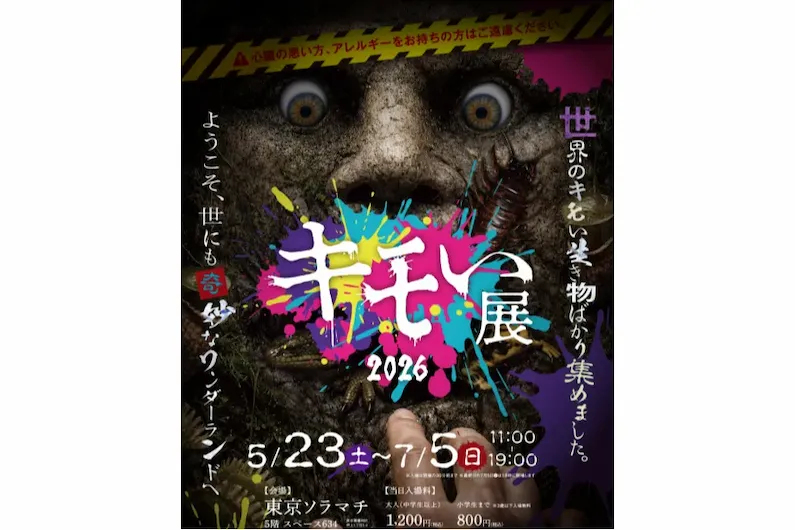
The Kimoi Exhibition has returned to Tokyo Solamachi, presenting its distinctive collection of globally sourced organisms from May 23 through July 5, 2026. Following successful runs in Tokyo, Nagoya, and Osaka that attracted diverse audiences including families and couples, this edition continues to challenge conventional perceptions of biological aesthetics. Rather than showcasing nature’s most charismatic specimens, the exhibition—named after the Japanese kimochi-warui (roughly translating to “disgusting” or “creepy”)—focuses on creatures whose unusual appearances mask sophisticated evolutionary achievements. Visitors have previously reported gaining new perspectives on ecology and rare species behavior, noting that encounters with these highly adapted organisms provoke genuine intellectual engagement beyond initial visceral reactions.

Understanding “Kimoi”

The exhibition operates on the principle that biological value exists independently of human aesthetic preferences. Each creature on display possesses specific morphological traits—unusual body plans, defensive colorations, or specialized feeding apparatuses—that represent optimized solutions to environmental challenges. While these forms may trigger immediate discomfort, they demonstrate the functional ingenuity required for survival in extreme or competitive habitats. The exhibition invites viewers to move beyond reflexive judgment and examine how these organisms influence and participate in their respective ecosystems.

Exhibition Features

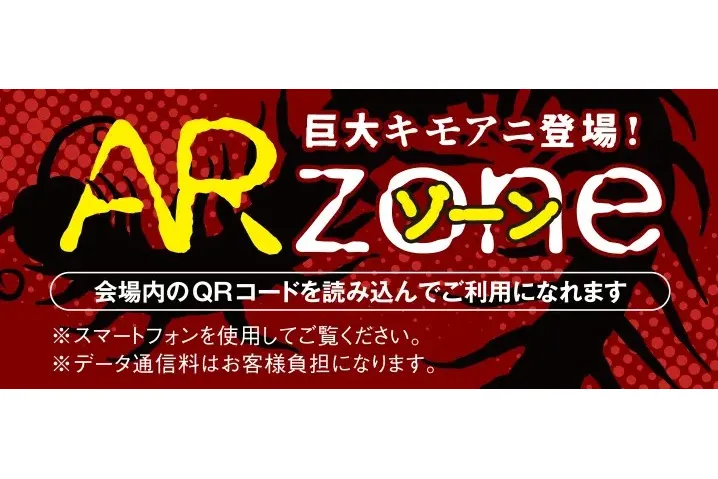
AR Zone
Visitors can scan QR codes positioned throughout the venue to activate augmented reality experiences on their smartphones, revealing giant creature visualizations integrated into the physical space.

GM Street
This area employs projection mapping technology to emphasize the textural and structural details that contribute to the animals’ unsettling appearances.

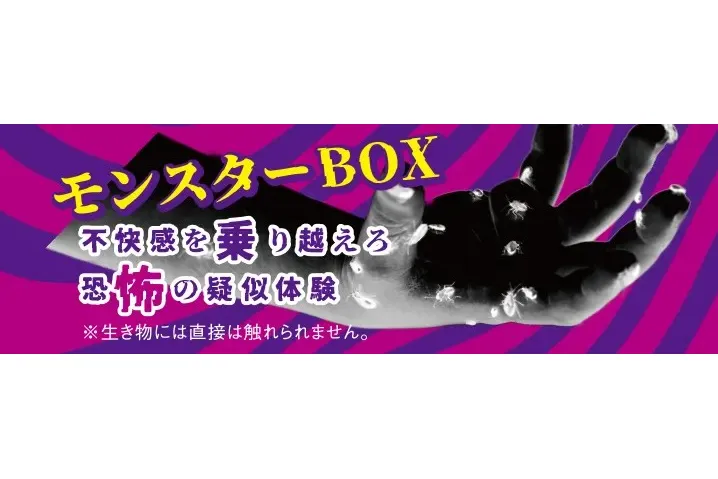
Monster BOX
An interactive installation presenting mission-based challenges designed to engage visitors with the subject matter through structured activities.

Interaction Corner
Available Mondays, Wednesdays, and Fridays from 15:00 to 15:30, this limited-duration program offers direct encounters with “Kimo-Ani” (Kimochi-warui Animals). Check schedules in advance, as this opportunity operates for only thirty minutes on select days.

Edible Insect Sales Corner
The specialized brand TAKEO operates a retail area selling edible insect products, providing a practical extension of the exhibition’s theme regarding alternative food sources and entomophagy.

Detailed programming information is available through the official website.

Visiting Information

Venue Location
Tokyo Solamachi, 5th Floor, Space 634
1-1-2 Oshiage, Sumida-ku, Tokyo 〒131-0045
Nearest Stations: Tokyo Skytree Station / Oshiage <Skytree-mae> Station
MAP

Dates and Hours

  • Period: May 23, 2026 (Saturday) – July 5, 2026 (Sunday)
  • Hours: 11:00 – 19:00 daily
  • Final Day: July 5 closes at 18:00
  • Last Entry: 30 minutes before closing time

Admission

  • Adults (Junior high school students and above): ¥1,200
  • Children (Elementary school students and below): ¥800
  • Toddlers (3 years old and under): Free
  • Tax included in all prices

Contact
Kimoi Exhibition Secretariat
Email: [email protected]
Official Website: https://kimoiten.jp/kimo2026/site_tokyo.html

Exhibition content is subject to change. Please verify current information through the official venue and organizer websites.

🛏️ View hotels near Tokyo

キモい展2026_1 キモい展2026_2 キモい展2026_3 キモい展2026_4 キモい展2026_5 キモい展2026_6 キモい展2026_7

What is Kimoi?

Kimoi (キモい) derives from kimochi warui (気持ち悪い), meaning “unpleasant” or “gross.” The word pins down a specific biological fascination: animals that trigger immediate physiological revulsion yet hold our attention through sheer mechanical oddity.

Consider the blobfish, whose gelatinous body—adapted to high deep-sea pressure—collapses into a sagging mask when brought to the surface; the hagfish, which coats itself in defensive slime and ties its eel-like form into reversible knots to escape predators; or the Surinam toad, whose eggs embed in the skin of her back and hatch directly through. These creatures violate mammalian standards of bodily integrity: the sealed envelope of skin, symmetrical proportions, clear boundaries between interior and exterior. Deep-sea species compound this with translucent flesh, exposed needle teeth, and bioluminescent lures that look like engineered traps rather than organic growth.

This reaction has roots in disease avoidance. Human disgust evolved to detect corruption, parasitism, and boundary violations—signals that something is consumable, contaminated, or unsafe. Yet the same features that trigger recoil often mark extreme specialization. The lamprey’s circular sucker mouth, lined with concentric teeth of cartilage, efficiently anchors the parasite to host fish. The bone-eating worm Osedax extends acid-secreting “roots” into whale skeletons, dissolving collagen and lipids in an energy-scarce abyss. These are not evolutionary errors but precise solutions to specific environmental constraints.

Japanese popular culture has mapped this duality onto consumer aesthetics. Where kawaii culture privileges infantile proportions and softened features, kimoi encompasses the asymmetrical, the porous, and the incomplete. Blobfish plush toys and hagfish keychains share shelf space with traditional cute merchandise, suggesting that biological ingenuity can generate affection without requiring aesthetic comfort. The Kimoi Exhibition relies on this premise: by presenting these animals without sanitizing their strangeness—displaying the intestinal papillae of the hairworm or the prolapsed stomach of the starfish—it allows visitors to move past visceral reaction into an examination of how life actually functions when shaped by pressure, darkness, and scarcity rather than by human preferences for symmetry and fur.

Visit “Swedish Textiles” at Nagoya City Art Museum 2026: Explore Nordic Design and the Sara Ekström Collection

Visit "Swedish Textiles" at Nagoya City Art Museum 2026: Explore Nordic Design and the Sara Ekström Collection

Swedish Textiles: Nordic Design Breathing with Life and Nature

Swedish textiles remain notably underrepresented in Japanese exhibition spaces, a circumstance that renders the upcoming presentation at the Nagoya City Art Museum particularly significant for design enthusiasts and cultural historians alike. In Sweden, where winter dominates the calendar for months on end, textiles have evolved beyond mere decoration to become essential instruments of psychological and aesthetic sustenance—vibrant, season-evoking fabrics that inject warmth and chromatic energy into domestic interiors during periods of prolonged darkness. This exhibition, anchored by the substantial collection of Sara Ekström, offers visitors direct access to this distinctively Nordic design philosophy through approximately 250 carefully selected items and related archival materials, presenting a visual language that manages to feel simultaneously nostalgic and refreshingly contemporary.

What distinguishes this particular assembly is its focus on the private collection of Ms. Ekström, whose curation emphasizes textiles that served functional purposes within Swedish households while maintaining rigorous artistic standards. The works on display illuminate how Swedish designers reinterpreted natural motifs and seasonal cycles into woven and printed forms—translating the brief, intense beauty of Scandinavian summers into enduring fabric designs that counterbalance the monochromatic landscape of winter. Visitors will encounter pieces ranging from domestic handcrafts to industrial productions, each demonstrating the technical precision and organic sensitivity that characterize Swedish textile heritage.

Exhibition Details

Dates: Saturday, July 11, 2026 – Sunday, September 6, 2026
Closed: Mondays (with exceptions noted below)
Hours: 9:30 AM to 5:00 PM (extended until 8:00 PM on Fridays)
Note: Last admission is 30 minutes before closing on all days

Special Schedule Notes: The museum will open on Monday, July 20 (a public holiday) and subsequently close on Tuesday, July 21.

Location: Nagoya City Art Museum

Admission Fees (Prices in parentheses indicate advance ticket and group rates):

  • General: 1,900 (1,700) yen
  • High school/University students: 1,000 (800) yen
  • Junior high school students and younger: Free

Important Pricing Information:

  • Group discount rates apply specifically to groups of 20 or more persons.
  • All stated prices include consumption tax.

Advance Ticket Availability (May 11 – July 10, 2026):
Advance tickets may be purchased through multiple channels: Boo-Woo tickets, Lawson Ticket (L-code: 40102), Ticket Pia (P-code: 687-435), Seven Ticket (Seven-code: 115-013), eplus, major convenience stores, ART PASS, Chunichi Shimbun sales offices, and directly at the Nagoya City Art Museum. Note that museum counter sales cease earlier, on Sunday, June 7.

Discount Programs:

  • Persons with disabilities or patients with intractable diseases, upon presentation of a valid handbook (MiraiID accepted) or recipient certificate, may enter with up to two companions at 50% of the same-day admission fee.
  • Visitors utilizing the Nagoya City Transportation Bureau’s “Donichi Eco Kippu,” “One-Day Pass,” or “24-Hour Pass” on their day of visit receive a 100 yen discount.
  • Presentation of a “Nagoya City Art Museum Permanent Exhibition Regular Admission Ticket” grants a 200 yen discount from the same-day fee.
  • Please note that discount programs cannot be combined with other offers.

Entry Requirements:
Those purchasing high school/university student tickets or disability tickets, as well as junior high school students seeking free admission, must present valid identification (student ID, disability handbook, etc.) at the museum reception upon arrival.

Additional Value:
During the exhibition period, admission tickets for this special exhibition also grant complimentary access to the museum’s permanent collection.

Contact Information:
Nagoya City Art Museum
Telephone: 052-212-0001
Fax: 052-212-0005
Website: https://art-museum.city.nagoya.jp/

Access:

  • Fushimi Station (Higashiyama and Tsurumai Lines): 8-minute walk south from Exit 5
  • Osu Kannon Station (Tsurumai Line): 7-minute walk north from Exit 2
  • Yabacho Station (Meijo Line): 10-minute walk west from Exit 4

🛏️ View hotels near the event

The Sara Ekström Collection comprises over three hundred works of Swedish textile art, ranging from the late nineteenth century to the early twenty-first. Assembled between 1980 and 2018 by Stockholm journalist and design historian Sara Ekström (1942–2018), the archive traces the development of Swedish textile production from regional domestic traditions to studio-based artistic practice.

The collection moves between the hand-weaving traditions of Skåne and Dalarna—where patterns served distinct agricultural and ceremonial functions within specific parishes—and the technical experiments of the twentieth century. Ekström acquired pieces by Märta Måås-Fjetterström, whose monumental flat-weave tapestries adapted baroque compositional strategies to Scandinavian material palettes, alongside functionalist carpets from the 1930s and 1970s studio weavings that applied rya and flossa pile techniques to abstract geometric or organic forms. She also collected works from the National Association of Swedish Handicraft Societies (Föreningen för svensk hemslöjd) and independent weavers who established workshops during the 1970s feminist art movements, documenting the shift from domestic craft to professional artistic identity.

Ekström organized the collection around an extensive documentation system that records the specific farms and studios where textiles were produced, the individual weavers responsible for their execution, and even the sheep breeds that supplied the wool. This material history tracks Sweden’s changing relationship with rural labor, industrial manufacturing, and domestic production. The records demonstrate how women adapted weaving practices through periods of economic upheaval, from the preservation of regional techniques during early twentieth-century agrarian reforms to the commercial strategies of mid-century craft associations.

The Museum of Design in Stockholm acquired the collection in 2020. After conservation treatment to stabilize natural dyes and fiber structures damaged by light exposure and oxidation, the Nagoya City Art Museum now presents the first exhibition of these works outside Scandinavia. The installation emphasizes technical construction—drafting systems, loom types, and knotting methods—while drawing connections to Japanese mingei traditions, particularly the shared emphasis on visible hand-work and the functional integration of textiles into daily life.

XEX Spring Buffet 2026: Enjoy Unlimited Fresh Strawberries and Authentic Italian Cuisine in Tokyo

XEX Spring Buffet 2026: Enjoy Unlimited Fresh Strawberries and Authentic Italian Cuisine in Tokyo

XEX Spring Buffet 2026

All-you-can-eat fresh strawberries & strawberry sweets × approx. 60 types of authentic Italian

XEX Spring Buffet 2026 unites two distinct dining propositions—unlimited fresh strawberries and strawberry desserts alongside approximately sixty varieties of authentic Italian cuisine—across multiple Tokyo locations. Running from late February through late May 2026, this buffet distinguishes itself through a rotating menu system that divides the event into two distinct periods, encouraging repeat visits to experience the full range of seasonal offerings.

The strawberry component centers on unlimited fresh fruit, supported by a sweets selection spanning classics such as panna cotta and tiramisu to rotating seasonal items. A consistent highlight throughout the entire run is the “freshly squeezed strawberry mont blanc,” one of several desserts featuring tableside “finishing touches” that allow guests to customize their presentation. Complementing the sweet courses, the savory menu comprises substantial Italian meal options prepared with seasonal ingredients, ensuring the buffet satisfies as a complete dining experience rather than merely a dessert service.

To maintain variety across the three-month duration, the buffet operates on a two-period schedule. The first half runs from February 25 to April 7, 2026, after which the menu partially transitions for the second half, lasting from April 8 to May 26, 2026. This rotation ensures that ingredients remain at peak seasonality; notably, the second half introduces “Strawberry Neve”—featuring freshly shaved Amaou strawberries—available exclusively at XEX TOKYO and XEX Nihonbashi.

*Please check the official website for details on the content.


Basic Information

Venues & Access

  • XEX ATAGO GREEN HILLS

    • Nearest Station: Onarimon Station
    • Price: 8,250 yen (tax and service charge included)
    • Hours: Lunch 11:30–15:00
    • Time Limit: 120-minute system on weekdays; 90-minute system on weekends and holidays
  • XEX TOKYO

    • Price: 7,600 yen (tax and service charge included)
    • Hours: Lunch 11:00–16:00 (Last Order 14:00)
    • Time Limit: 100-minute system
  • XEX Nihonbashi

    • Nearest Stations: Tokyo Station, Shin-Nihonbashi Station
    • Price: 6,500 yen (tax and service charge included)
    • Hours: Lunch 11:30–15:30 (Last Order 14:00)
    • Time Limit: 120-minute system

Event Period

  • First Half: February 25 to April 7, 2026
  • Second Half: April 8 to May 26, 2026

Official Website

https://www.xexgroup.jp/news/2602-all-you-can-eat-xex-spring-buffet/

The posted content may be subject to change. Please check the official website of the venue/organizer for the latest information.

🛏️ View hotels near Tokyo

XEX Spring Buffet 2026_1 XEX Spring Buffet 2026_2 XEX Spring Buffet 2026_3 XEX Spring Buffet 2026_4 XEX Spring Buffet 2026_5 XEX Spring Buffet 2026_6 XEX Spring Buffet 2026_7 XEX Spring Buffet 2026_8 XEX Spring Buffet 2026_9 XEX Spring Buffet 2026_10 XEX Spring Buffet 2026_11 XEX Spring Buffet 2026_12 XEX Spring Buffet 2026_13 XEX Spring Buffet 2026_14 XEX Spring Buffet 2026_15 XEX Spring Buffet 2026_16 XEX Spring Buffet 2026_17 XEX Spring Buffet 2026_18 XEX Spring Buffet 2026_19 XEX Spring Buffet 2026_20

XEX manages a small group of Italian restaurants in Tokyo, with primary locations at Atago Green Hills—where floor-to-ceiling windows face Tokyo Tower—and in the Nihonbashi commercial district. The venues operate as distinct establishments rather than uniform chain outlets, each organized around open kitchens with wood-burning ovens and dining rooms arranged to capitalize on their elevated views of the city.

The kitchens focus on regional Italian cooking, importing dried pasta, olive oil, and cured meats while building dishes around seasonal domestic produce. Service follows the attentive but unobtrusive style typical of upscale Tokyo dining: staff anticipate needs without hovering, and pacing accommodates both business lunches and lengthy evening meals. While the à la carte menu runs continuously, XEX sustains its reputation through limited-run buffet events that function as temporary culinary installations. The spring strawberry festival presents the fruit across multiple stations—whole berries, laminated pastries, reduction sauces, and gelato—while winter chocolate events feature varying cocoa percentages across truffles, tarts, and warm molten cakes. These engagements typically book within hours of release, drawing diners who schedule them around specific occasions rather than treating them as routine dining options.

Analytics