Memory Contamination Exhibition
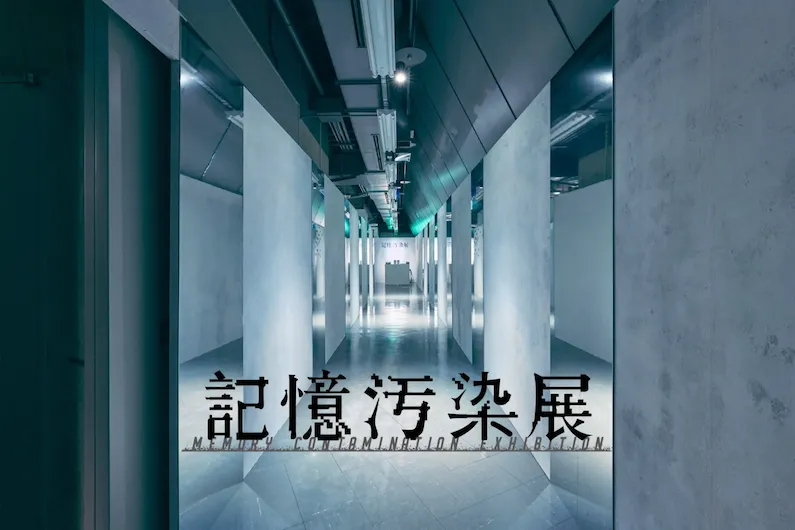
An experiential exhibition exploring the vagueness of memory, the “Memory Contamination Exhibition,” is being held at Shibuya BEAM. It does not aim to frighten visitors with sudden shocks. Instead, it cultivates a quieter and more persistent unease by directing the question of memory’s reliability back at the visitor: to what extent can memories actually be trusted?
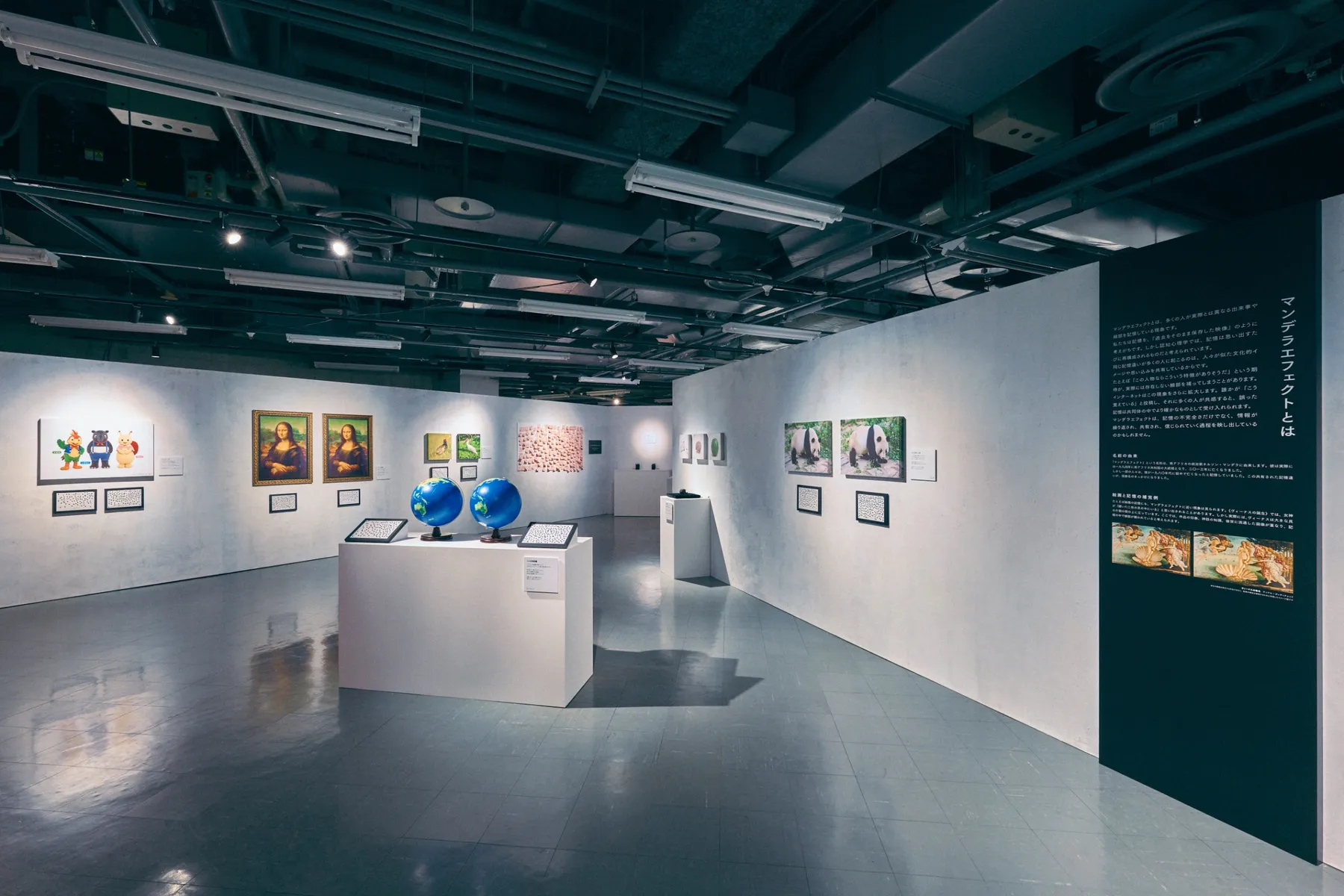
The title states the thesis. Memory, the exhibition suggests, is not a fixed recording but a substance that can be contaminated by suggestion, by misinformation, and by the contradictory accounts of others. The exhibition explores this from multiple angles, including the Mandela Effect and AI hallucinations, along with the uncertain traces left between testimony and records. Visitors are not merely shown examples of these phenomena; through the exhibits, they experience the instability of their own memory. The resulting horror is psychological rather than visceral, rooted in doubt rather than in fright.
The Production Team
The exhibition is the latest project from a tag-team of two experienced production groups. The first created the “Missing Persons Exhibition” and the “Fear Exhibition,” which attracted a cumulative total of approximately 400,000 visitors. The second produced the “Exhibition for Those Who Can See” and the “Paintings You Must Not Look At Exhibition.” The script was written by author Yu Shinada (Da Vinci Koyama).
It has already left a strong impression on early visitors. At a pre-opening preview for media and related parties, reactions included “I stopped knowing how much of my own memory is true” and “Rather than ‘scary,’ it is terrifying—a new sensation of horror.” These responses suggest an experience that continues to work on the visitor after leaving the venue. In effect, it is an experiment that visitors run on themselves.
Second Part of WEB-Exclusive Content: “Questionnaire Regarding Memory”
Prior to opening, the exhibition released the first part of its WEB-exclusive content, a “Memory Ability Test.” It was taken more than 200,000 times, a response that indicates how strongly the theme resonates.
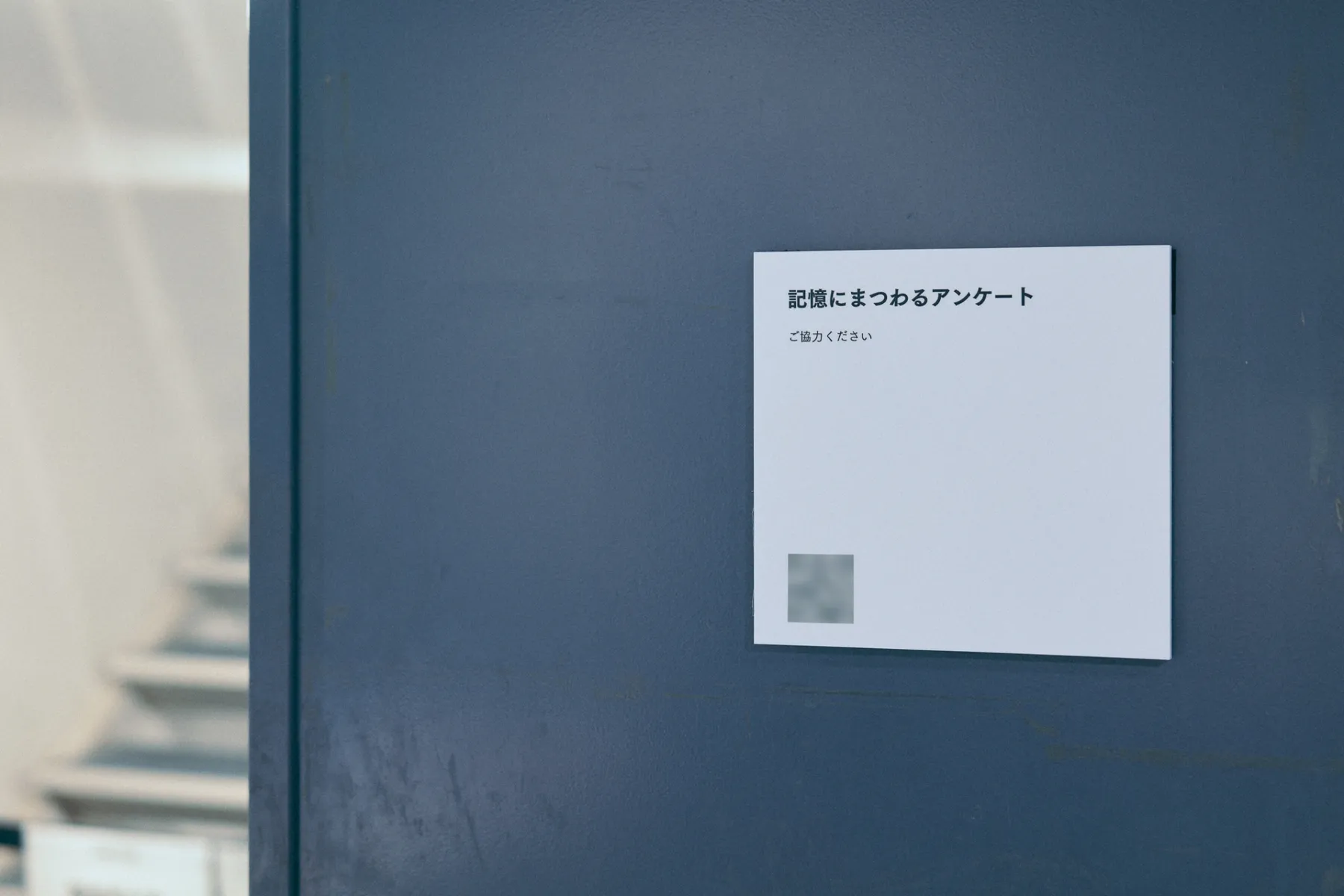
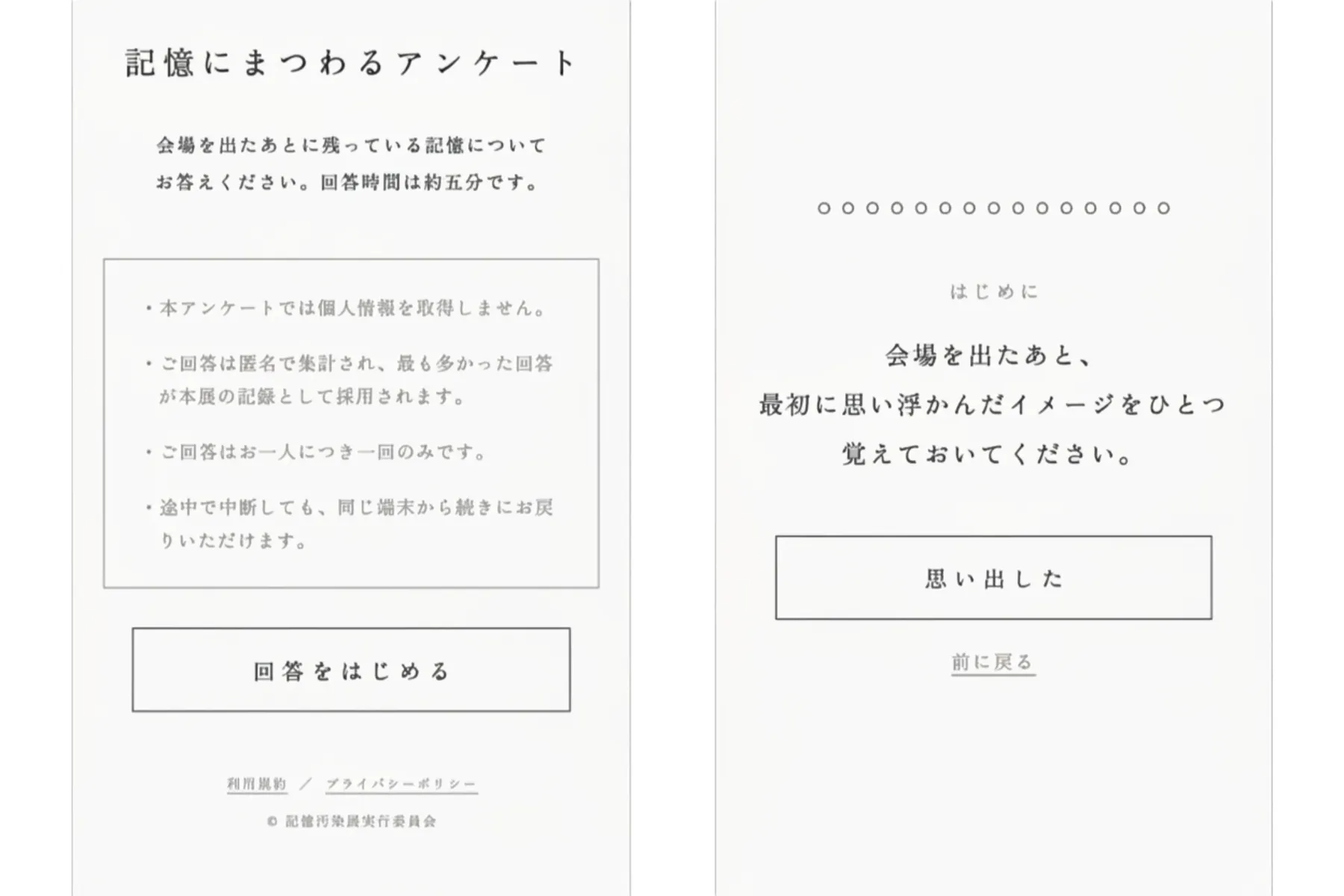
The second part, the “Questionnaire Regarding Memory,” is now open exclusively to visitors. It is not a simple questionnaire. The contents of the questions are not disclosed in advance, and the answers are based on the exhibits actually seen inside the venue. The questionnaire is posted at the venue exit, so it is encountered only after the exhibition is complete—meaning the experience feeds directly into the answers given.
*Please check the official website for detailed information.
Basic Information
- Location / Nearest Station: Shibuya BEAM / Shibuya Station
- Address: 〒150-0042 31-2 Udagawacho, Shibuya-ku, Tokyo (MAP)
- Venue: BEAM Gallery
- Period: 2026/08/02 (Sun) ~ 2026/09/06 (Sun)
- Time: Start 10:00 / End 20:00
- Last Admission: Up to 60 minutes before closing
- Viewing Time: Approximately 90 minutes
- Price / Fee: 2,300 yen (tax included)
- Admission: Fee applies to elementary school students and above
- Official Website: https://kiokuosen.com/
*The published content may have changed. For the latest information, please check the official website of the venue or organizer.
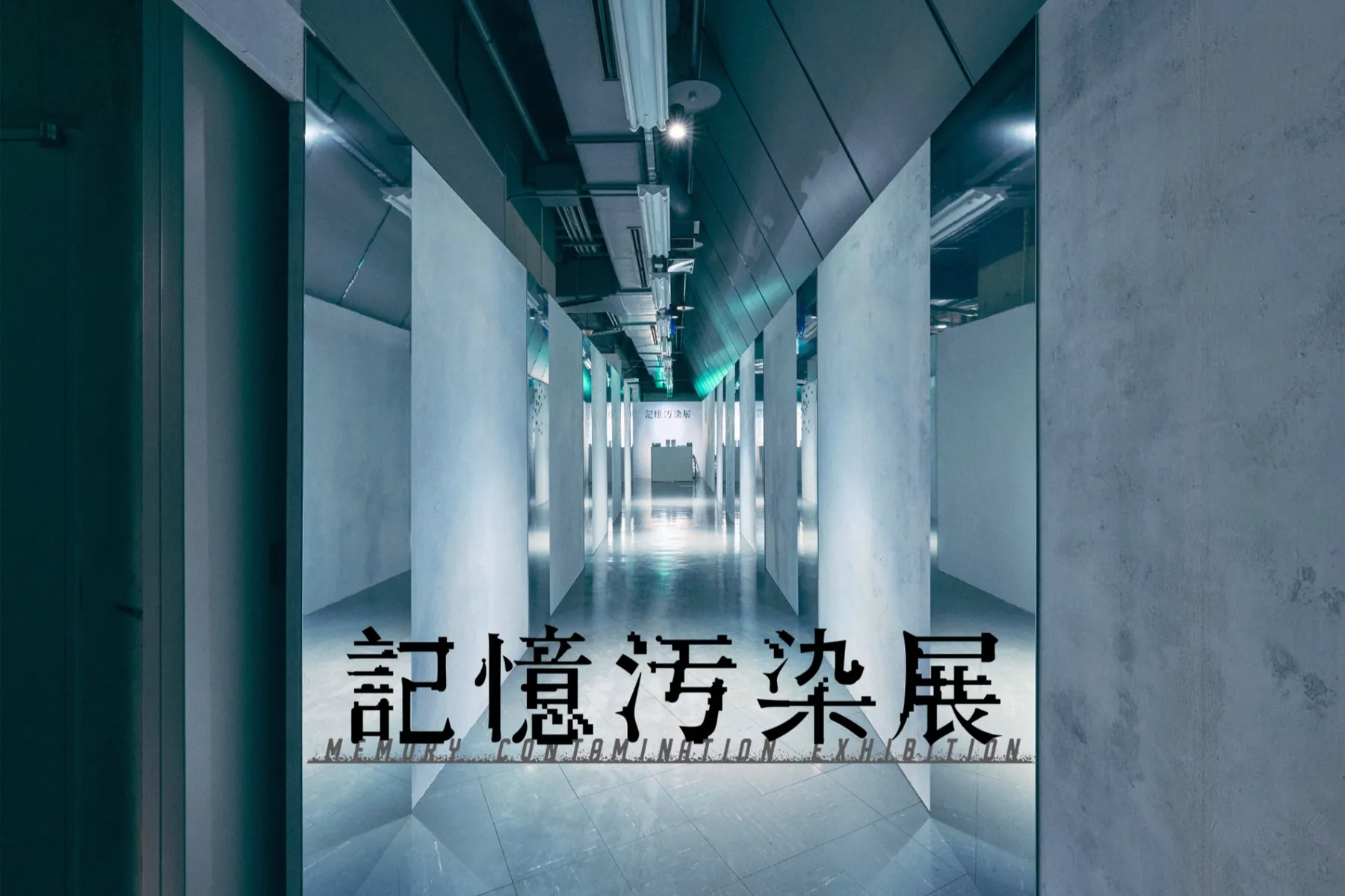
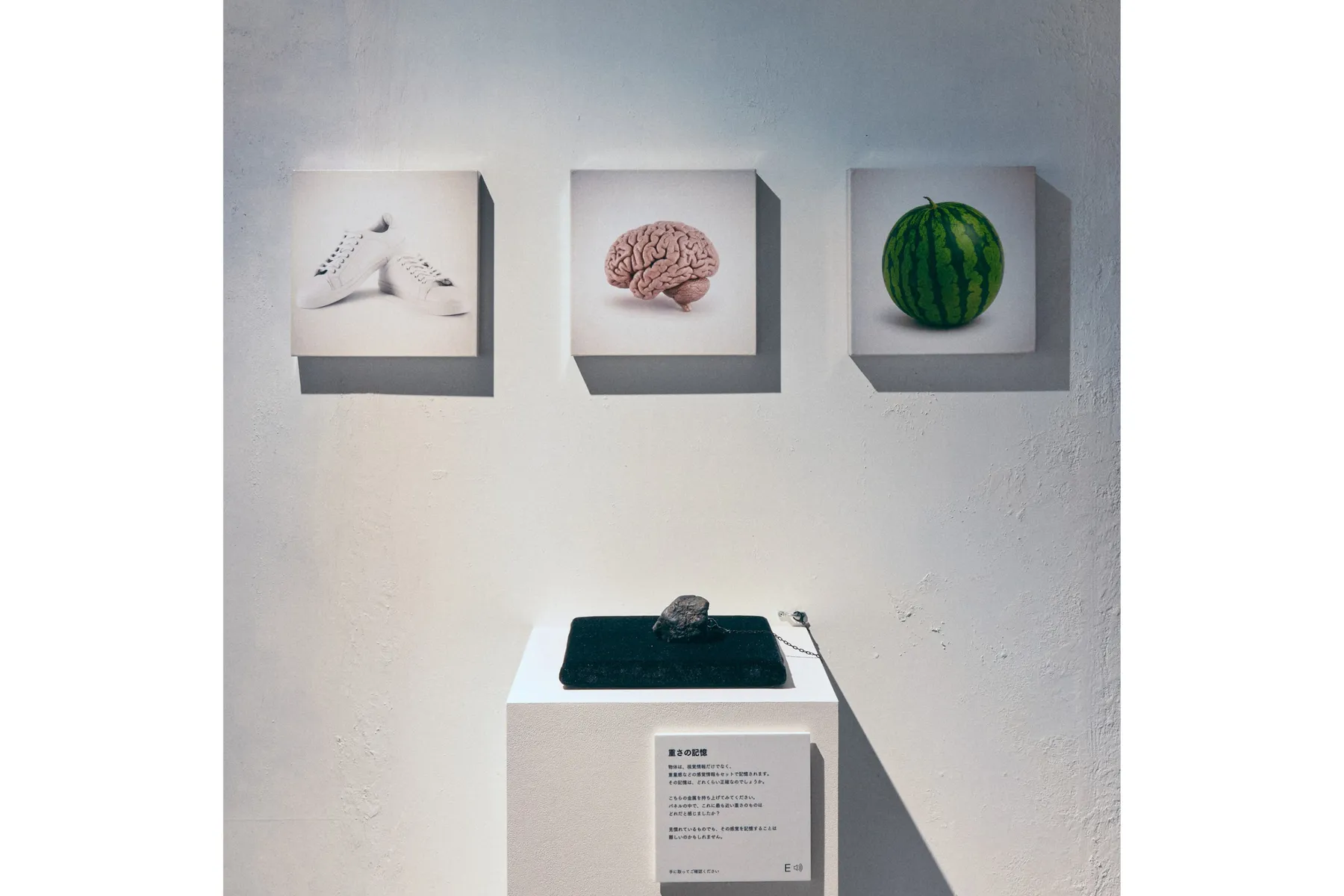
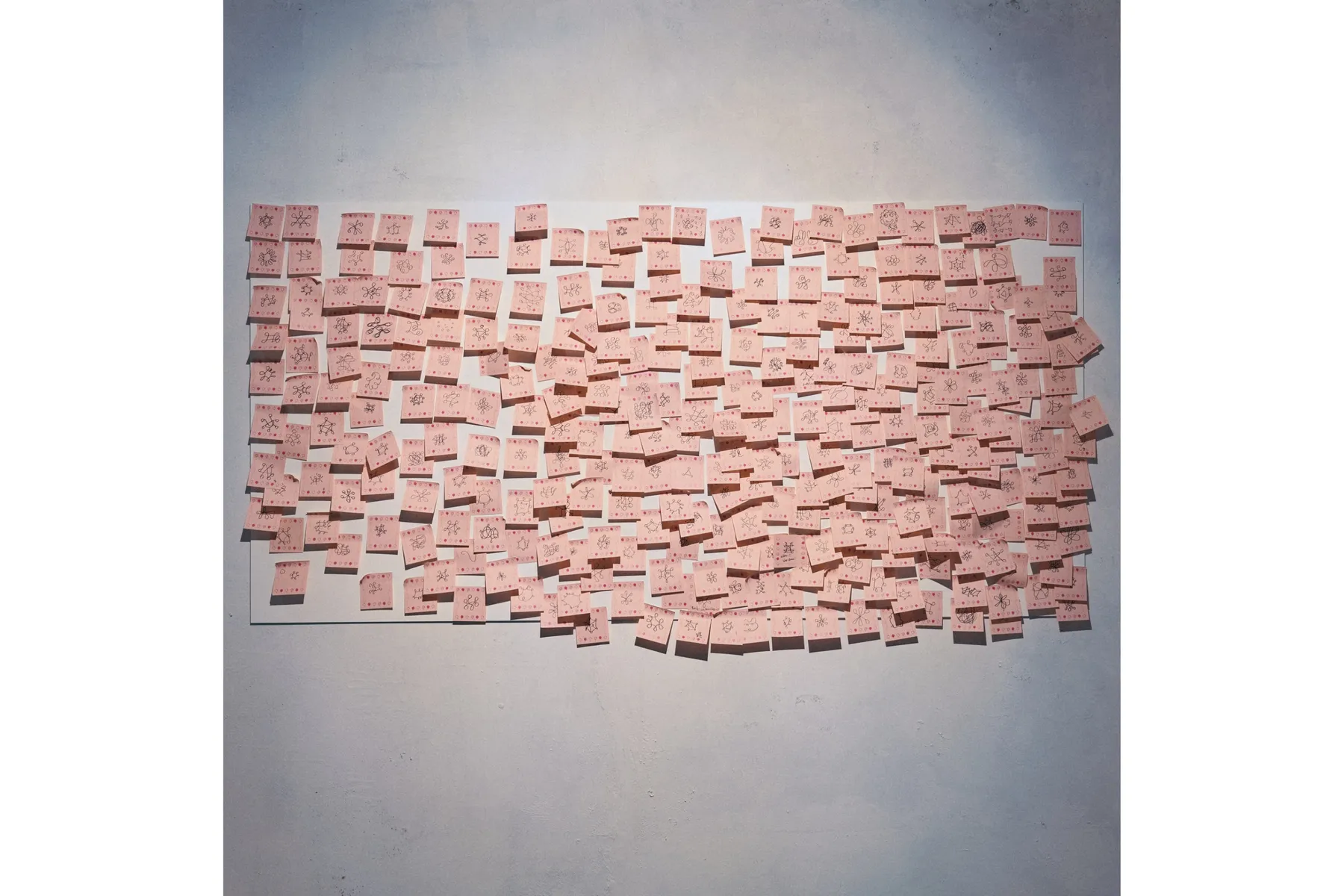
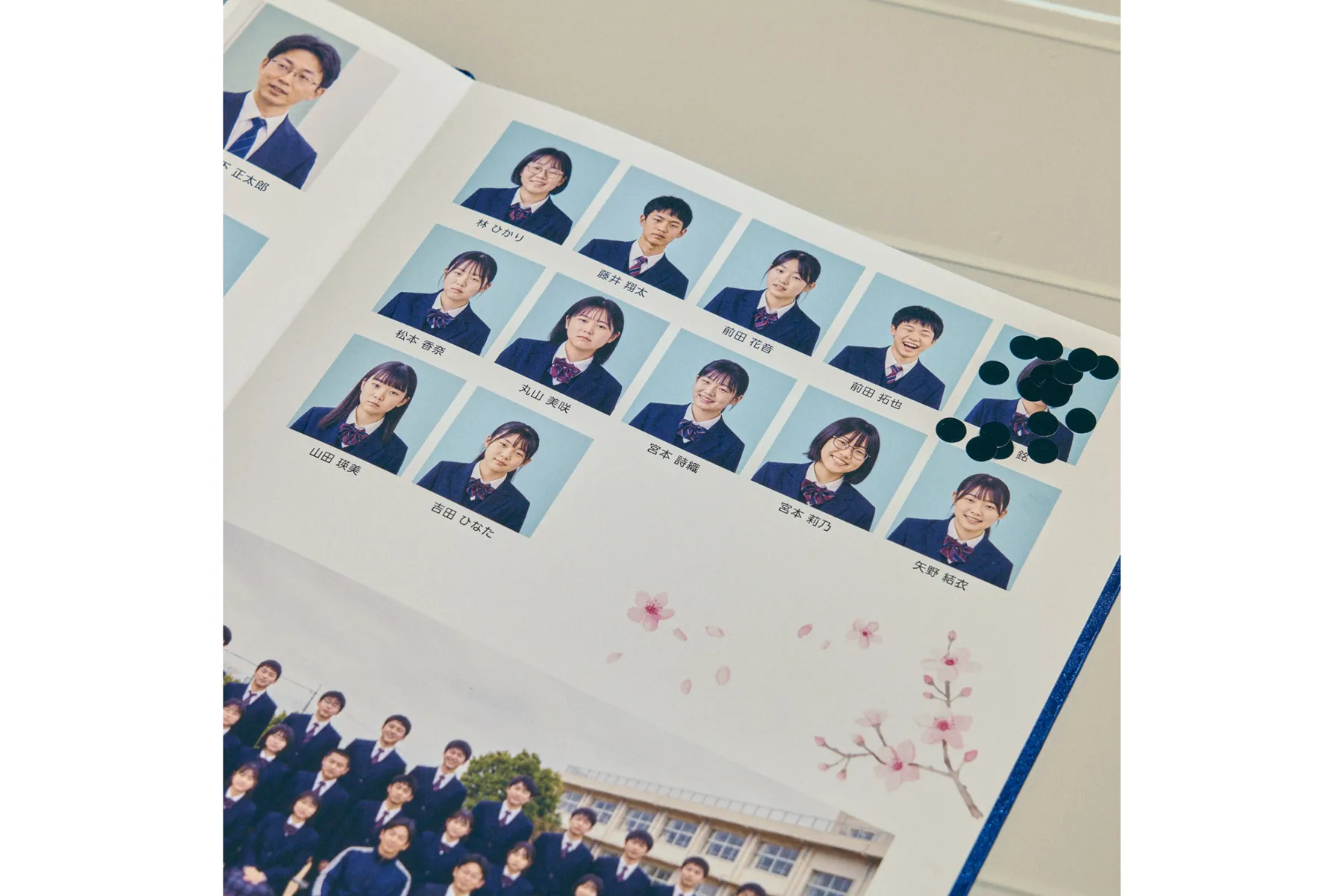
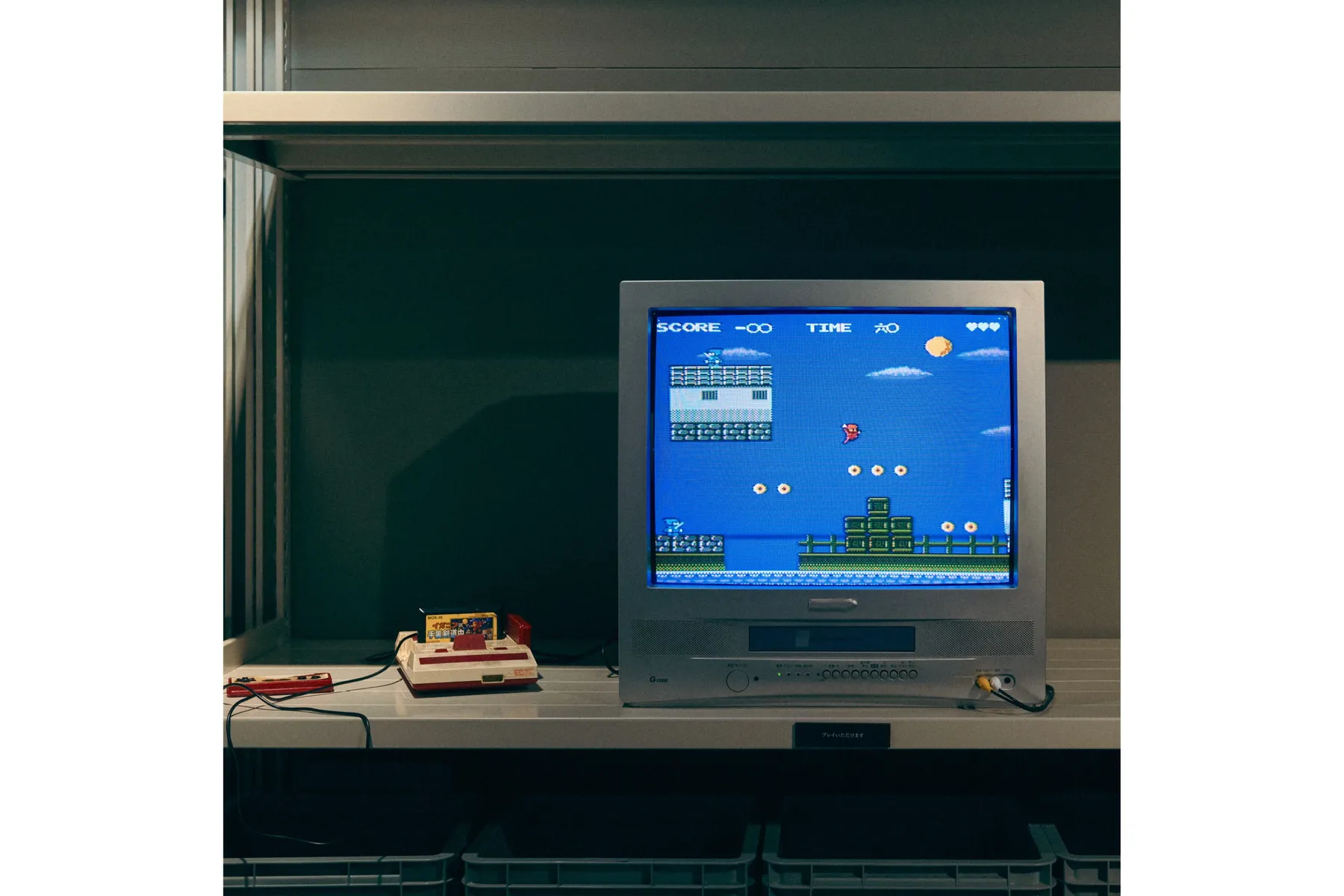
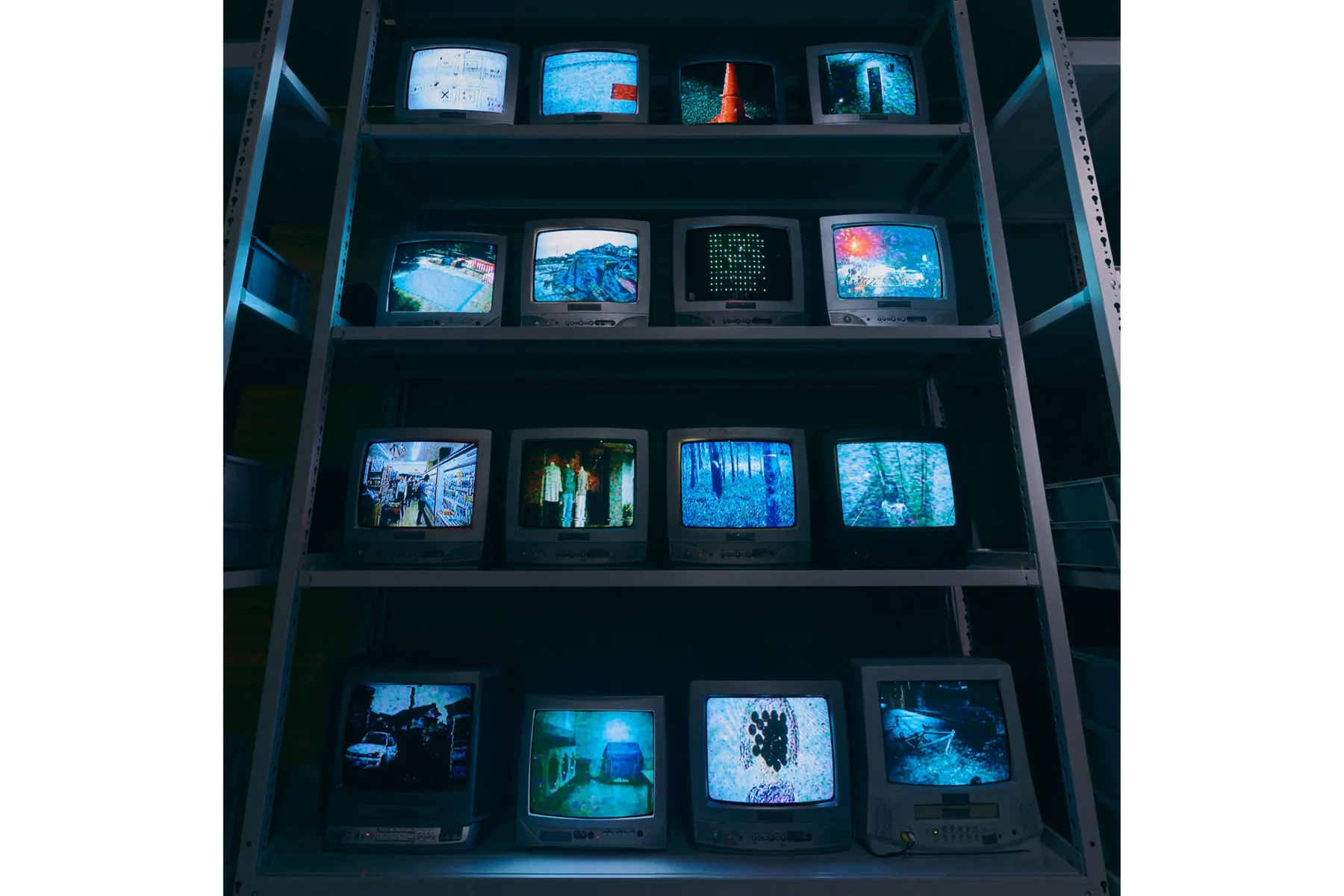
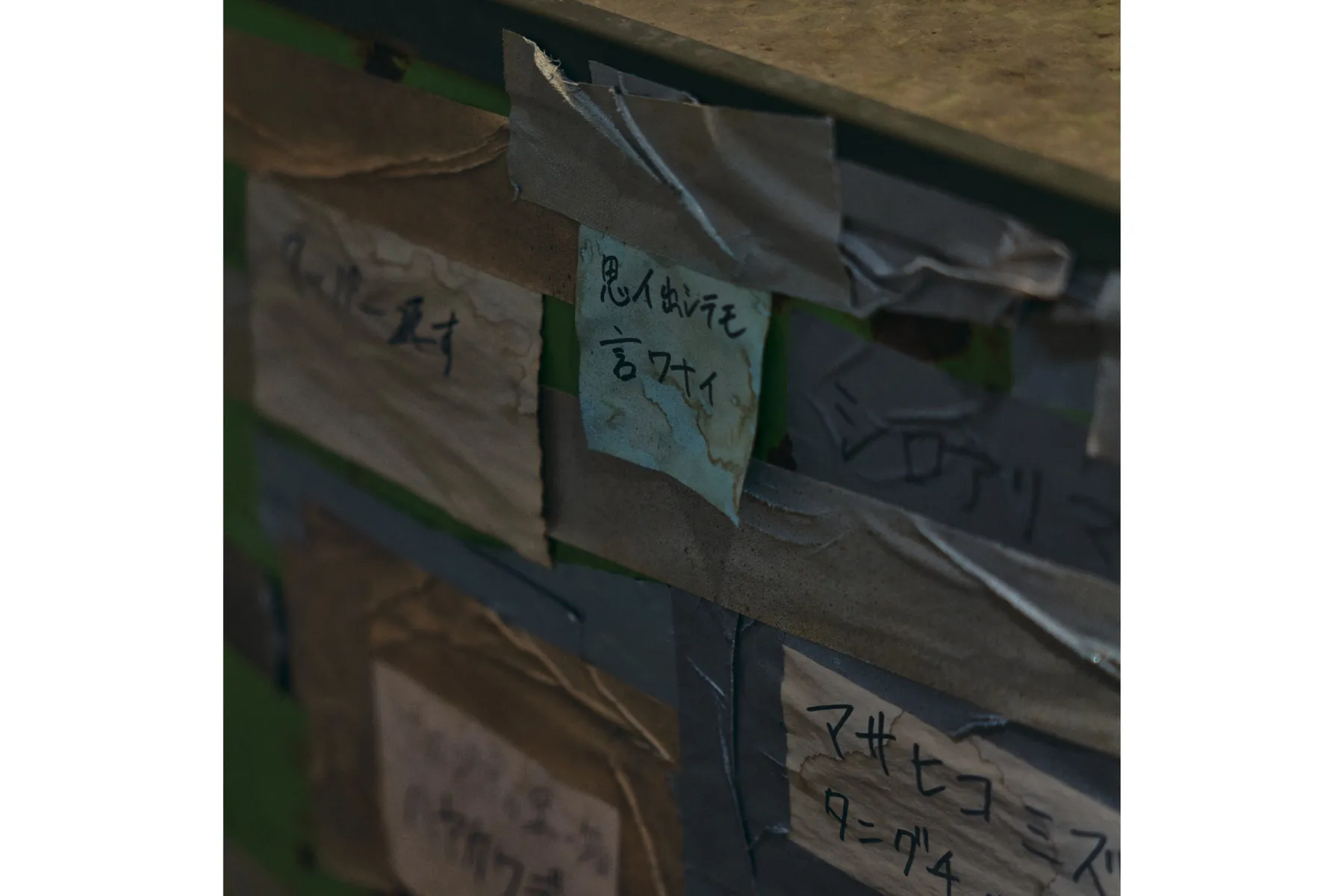
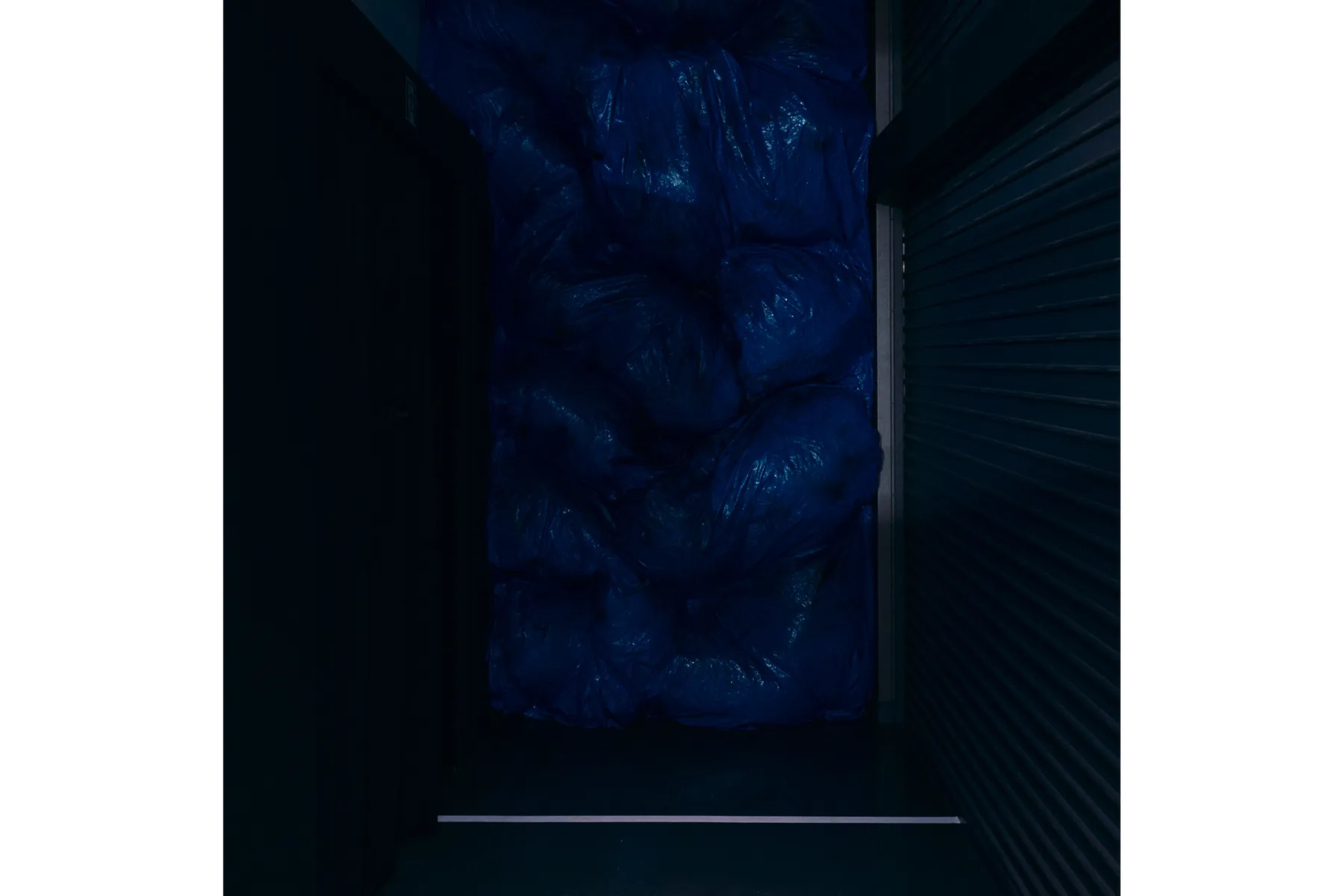
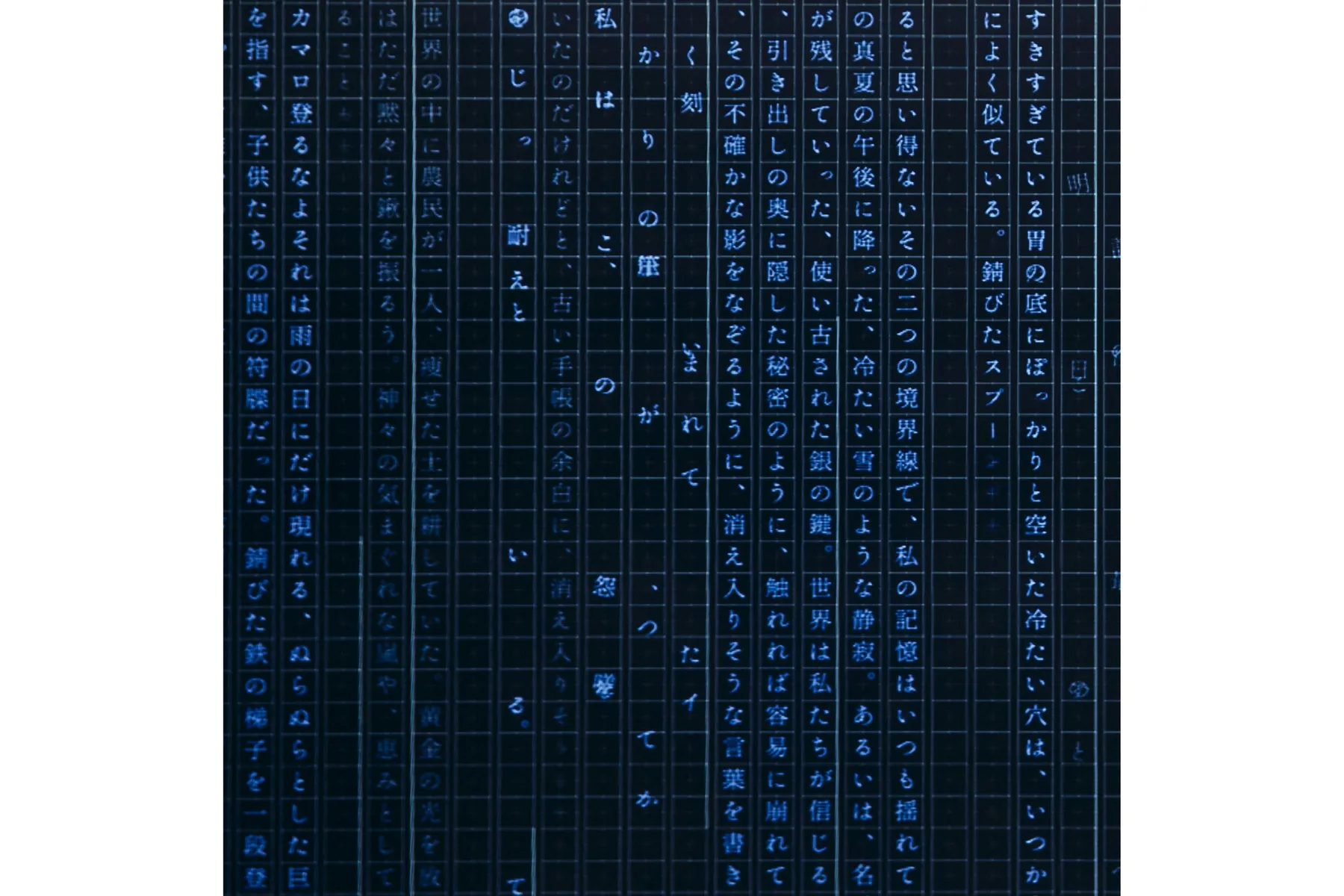
Shibuya BEAM is a multi-story exhibition complex a short walk from Shibuya Crossing. The building was originally a warehouse for television studio equipment. It has since been stripped back to its raw concrete shell and turned into a venue for installation art that deals with memory and perception.
The interior is not arranged for convenience. Corridors are narrow, ceiling heights change without warning, and rooms are shaped asymmetrically enough that the route through the building feels disjointed. The industrial structure gives the space an institutional character—more like a facility built for observation than a place designed to make visitors comfortable. That atmosphere suits the work shown here, which often asks how reliable memory really is.
For the Memory Contamination Exhibition, the building’s peculiarities are put to direct use. Some rooms are set up as dim “recollection chambers,” with projection mapping turning ordinary walls into shifting, contradictory versions of the same past event. In other rooms, the original soundproofing is used to create near-total silence, making the experience of looking feel less certain than usual.
Shibuya BEAM is not a conventional gallery. There are no white walls or tidy labels, and the building is too much of a presence to disappear behind the art. Visitors have to navigate its awkward layout, and that effort becomes part of the exhibition. For a show about how memories can be planted, distorted, or contaminated, the space itself does much of the work.
