Soft Serve Ice Cream History Exhibition 2026 in Shibuya: Explore the Evolution of Dessert and Get Free CREMIA Tastings

Soft Serve Ice Cream History Exhibition 2026 in Shibuya: Explore the Evolution of Dessert and Get Free CREMIA Tastings

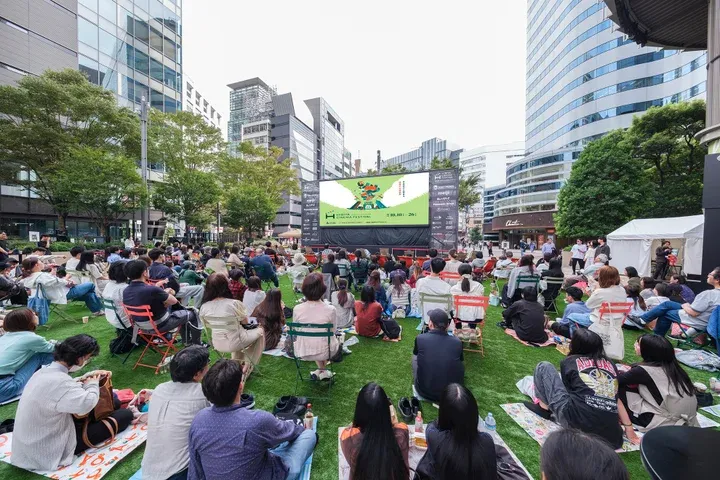
Seventy-five years after soft serve ice cream first arrived in Japan, the dessert’s evolution from novelty to cultural staple is being documented in a comprehensive three-day exhibition. The Soft Serve Ice Cream History Exhibition, held at ZeroBase Shibuya from July 3 to July 5, 2026, commemorates this milestone anniversary while coinciding with Soft Serve Ice Cream Day on July 3rd. Unlike standard product launches or limited-time pop-ups, this exhibition functions simultaneously as an educational archive and a tasting experience, offering visitors complimentary servings of CREMIA—typically a premium-priced soft serve—upon completion of an interactive quiz.

Three Floors of Soft Serve History

The venue occupies three distinct floors, each serving a specific curatorial purpose. On the first floor, the Soft Serve Ice Cream History Exhibition traces the dessert’s trajectory from its introduction to Japan through its establishment as a ubiquitous sweet, organizing the narrative by historical era. The second floor shifts focus to contemporary soft serve technology, specifically examining the development of CREMIA, a premium fresh cream soft serve distinguished by its use of 25% Hokkaido fresh cream and a langue de chat cone—a combination that reportedly required over 400 prototypes to perfect. Here, visitors encounter exhibits detailing the engineering and ingredient sourcing that separate premium soft serve from conventional varieties. The basement level (B1F) provides a photo space featuring a 1.5-meter CREMIA object, scaled to create a surreal visual juxtaposition for photography and video content.

The CREMIA Tasting Experience

The exhibition’s central interactive element involves a quiz distributed throughout the historical displays. Visitors who answer all questions correctly receive a complimentary tasting set containing three distinct CREMIA varieties: the original CREMIA, served in its signature langue de chat cone; CREMIA the Matcha; and CREMIA the Chocolat. The latter two are served in mini cups, and all three come with “E-spoons”—edible spoons manufactured from cone cup material that eliminate waste.

The original CREMIA emphasizes a high butterfat content from Hokkaido dairy, producing what the developers describe as a rich milky texture with a clean finish. The Matcha variant, released in March 2026 after eight years of development, incorporates Uji matcha supervised by a tea master who received Japan’s Minister of Agriculture, Forestry and Fisheries Award; the formulation specifically balances the fresh cream’s richness against the matcha’s natural umami and sweetness rather than masking it. CREMIA the Chocolat targets dark chocolate enthusiasts, utilizing an original blend of Belgian chocolate and cocoa mass derived from Ecuadorian beans to create a rich, bittersweet profile.

Limited-Edition Venue Gifts

Beyond the tasting and exhibition components, visitors who photograph their experience and post to X, TikTok, or Instagram using the hashtag #ソフトクリームの日 (#SoftServeIceCreamDay) may select one limited-edition sticker from three designs corresponding to the available flavors (CREMIA, CREMIA the Matcha, and CREMIA the Chocolat).

Visitor Information

Venue: ZeroBase Shibuya
Access: Shibuya Station
Address: 〒150-0043 2-5-8 Dogenzaka, Shibuya-ku, Tokyo (MAP)
Dates: July 3 (Friday) – July 5 (Sunday), 2026
Hours: 11:00 – 20:00
Admission: Free

Entry Procedure: Numbered tickets are distributed from 10:30 each morning in front of the venue. Distribution ceases once tickets are exhausted. Those without numbered tickets may enter through the general admission line, though admission may be restricted if the facility reaches capacity.

Official Website

Published content may be subject to change. Please check the official website of the venue or organizer for the latest information.

🛏️ View hotels near Tokyo

ソフトクリームの歴史展_1 ソフトクリームの歴史展_2 ソフトクリームの歴史展_3 ソフトクリームの歴史展_4 ソフトクリームの歴史展_5 ソフトクリームの歴史展_6

Nissei has manufactured frozen desserts in Japan since 1951; in 2012, the company introduced CREMIA, a soft-serve product defined primarily by its butterfat content of approximately 12.5%. Standard soft serve typically contains 3% to 6% fat. The higher density creates a heavier, less aerated texture—closer to gelato or frozen custard than to the light, quick-melting soft serve common at convenience stores. This density requires specialized extrusion machines capable of shaping the mixture into a stable spiral while maintaining the structural rigidity that conventional equipment, designed for lighter mixes, cannot provide.

CREMIA’s cone differs from standard industry options. Instead of thick, sugary waffle cones or pale cake cones, it uses a langue de chat biscuit—a thin, crisp butter cookie modeled after the French original. The cone fractures cleanly when bitten, avoiding the chew of a thick waffle cone while adding a distinct butter flavor that matches the dairy-heavy base.

The ingredients are sourced primarily from Hokkaido, the northern island that produces the majority of Japan’s milk. Nissei employs precise temperature control systems to maintain the high-fat mixture at colder temperatures than standard soft serve, preventing the rapid melting associated with richer dairy content.

The result sits between mass-market soft serve and artisanal gelato: manufactured for retail distribution through dedicated kiosks and partnerships, but composed with ingredient specifications that place it at a higher price point. At the Shibuya exhibition, visitors can examine the extrusion mechanics directly and compare how the higher fat content affects mouthfeel and melting speed against conventional formulations.

Yojiya Su-Su! Choco-Mint Pop-Up at Yurakucho Marui and Shibuya MODI: Experience the Ultimate Mint Intensity and Exclusive Skincare

Yojiya Su-Su! Choco-Mint Pop-Up at Yurakucho Marui and Shibuya MODI: Experience the Ultimate Mint Intensity and Exclusive Skincare

Limited-Time Pop-Up Shop ~Like Skincare, Love Choco Mint~

Kyoto-based lifestyle brand Yojiya returns to Tokyo this spring with an expanded iteration of its sensory-focused dessert concept, inviting visitors to calibrate their own experience along a spectrum of mint intensity. Following last year’s successful debut at Yurakucho Marui—which generated consistent daily queues—the “Su-Su! Choco-Mint” Tokyo Tour adds Shibuya MODI as a second location while introducing a reservation-based system designed to eliminate wait times. The pop-up shop, operating under the theme “Like Skincare, Love Choco Mint,” runs simultaneously at both venues with slightly staggered schedules, offering a structured tasting experience that ranges from zero tingling sensation to approximately eighty times the standard peppermint oil concentration.

A Scalable Approach to the Choco-Mint Experience

Where last year’s event established the baseline with the standard Su-Su Parfait and the intense 50x variant, the 2026 tour introduces a modular customization system through the debut of Extra Mint Sauce. This aggressive formulation combines two types of mint syrup with concentrated peppermint oil, allowing patrons to incrementally adjust their parfait’s intensity or immediately escalate the 50x Su-Su Parfait to the maximum 80x level. The sauce can be added gradually for subtle flavor modification or poured entirely for those seeking the full physiological response—what the brand terms the “happy scream” threshold.

The menu maintains its three-tiered architecture to accommodate varying tolerance levels. The Su-Su Parfait (Tokyo ver.) (¥1,750, tax included, with drink) targets newcomers with a balanced ratio of chocolate to mint, featuring mild mint jelly, choco-mint ice cream, chocolate crunch, and raw chocolate. For experienced participants, the 50x Su-Su Parfait (Tokyo ver.) (¥1,850, tax included, with drink) incorporates roughly fifty times the peppermint oil concentration of the standard version, distinguished visually by the tinted green whipped cream. Pregnant women, nursing mothers, children, and those with underlying health conditions are advised to avoid this selection. The All-Chocolate Parfait (¥1,750, tax included, with drink)—an event exclusive—removes mint entirely, layering bitter chocolate ice cream, raw chocolate, chocolate chips, and crunch for those preferring zero tingling sensation.

Two Tasting Comparison Sets allow individuals to experience the range in a single seating. Option A pairs both the standard and 50x parfaits with Extra Mint Sauce, while Option B contrasts the All-Chocolate Parfait against the 50x version with sauce—effectively spanning the full zero-to-80x spectrum. Priced equivalently to individual parfait sets with one included drink (coffee or tea, hot or iced), these sets enforce a strict one-order-per-person policy with no sharing permitted except for children under six. Participants ordering either tasting set gain entry into a daily lottery awarding limited-edition assembly-style cutlery featuring original “Su-Su! Choco-Mint” artwork and storage cases to twenty winners per day; this offer concludes once daily supplies deplete.

Note: Cafe service operates by advance reservation only, releasing same-day seats as vacancies allow. All parfaits require dine-in consumption; takeout is unavailable. The initial order must constitute one parfait-and-drink set per person (excluding children under six).

Expansion into Skincare and Retail

Beyond the culinary offerings, this year’s installation marks the launch of Yojiya’s “Su-Su! Choco-Mint” skincare line, translating the dessert’s sensory profile into cosmetic form. The collection includes water-based hand cream and lip plumpers infused with mint and chocolate aromatics alongside a topical cooling sensation. The retail section also stocks the brand’s standard oil-blotting papers, hand creams, and “Yojiko” character merchandise.

Campaign Details

During the event period, all purchasers at either the shop or cafe receive one limited-design sticker per transaction (designs differ between locations and remain unrevealed until distribution). Separately, customers spending ¥3,000 or more (tax included) at the retail shop—excluding cafe purchases—receive a reusable towel coaster featuring Yojiko; receipts cannot be combined across multiple shoppers. Both giveaways operate while supplies last without guarantee of availability.

Venue and Reservation Information

Yurakucho Marui

  • Location: 1F Calendarium F01/F02, directly accessible from Yurakucho Station
  • Dates: Friday, May 22 – Sunday, June 21, 2026
  • Shop Hours: 11:00–20:00 (closes 19:00 on June 21)
  • Cafe Hours: 11:20–19:00 (closes 16:20 on June 21)
  • Reservations: Details release via official SNS and website on Friday, May 15; booking opens Tuesday, May 19 at 12:00 via dedicated reservation site

Shibuya MODI

  • Location: 1F Calendarium D08, two-minute walk from Shibuya Station
  • Dates: Tuesday, June 2 – Sunday, June 21, 2026
  • Shop Hours: 11:00–20:00 (closes 19:00 on June 21)
  • Cafe Hours: 11:20–19:00 (closes 16:20 on June 21)
  • Reservations: Details to be announced at a later date via official channels

For complete operational updates and reservation links, consult the official Yojiya website. Event specifications are subject to change; verify current conditions with venue management prior to visiting.

🛏️ View hotels near Tokyo

Limited-Time POP UP SHOP ~I Love Skin Care, I Love Choco-Mint~_1
Limited-Time POP UP SHOP ~I Love Skin Care, I Love Choco-Mint~_2
Limited-Time POP UP SHOP ~I Love Skin Care, I Love Choco-Mint~_3
Limited-Time POP UP SHOP ~I Love Skin Care, I Love Choco-Mint~_4
Limited-Time POP UP SHOP ~I Love Skin Care, I Love Choco-Mint~_5
Limited-Time POP UP SHOP ~I Love Skin Care, I Love Choco-Mint~_6
Limited-Time POP UP SHOP ~I Love Skin Care, I Love Choco-Mint~_7
Limited-Time POP UP SHOP ~I Love Skin Care, I Love Choco-Mint~_8
Limited-Time POP UP SHOP ~I Love Skin Care, I Love Choco-Mint~_9

What is Yojiya?

Yojiya (よーじや) began in 1904 as a manufacturer of aburatorigami—oil-blotting papers made from washi processed with gold leaf powder. Geisha and kabuki actors, who needed to maintain thick, wax-based makeup through hours of performance heat, used these sheets to absorb excess oil without disturbing their cosmetic base. The paper’s texture allows it to lift sebum without leaving fibers or residue, a function that remains central to the company’s production today.

The name references the facial expression formed when pressing paper to the nose—pursed lips and concentrated effort—captured in the brand’s logo depicting a pouting face. For decades the company operated a single shop in Kyoto’s Higashiyama district near Kiyomizu-dera, serving primarily theater professionals and local residents. As demand grew beyond the performing arts community, the company expanded into skincare and body care, applying its material expertise to cleansers and masks that minimize skin friction.

The business now includes café operations in Tokyo’s Yurakucho and Shibuya districts, though these locations serve matcha and meals rather than beauty products. The physical stores maintain the utilitarian aesthetic developed in the original Kyoto shop: simple shelving, minimal signage, and packaging designed for function over display.

The Choco-Mint pop-up represents a seasonal departure. While the brand typically focuses on unscented, neutral formulations, this limited edition introduces menthol-cooling agents and chocolate fragrance to the product line—an acknowledgment of summer consumer preferences that diverges from the company’s historical emphasis on invisible, non-disruptive skincare maintenance.

Odaiba Beach Lantern Festival: Experience the Magic of Floating LED Wishes at Odaiba Kaihin Koen

Odaiba Beach Lantern Festival: Experience the Magic of Floating LED Wishes at Odaiba Kaihin Koen

Odaiba Beach Lantern Festival: Floating LED Wishes Over Tokyo Bay

Send your wishes into the night sky of Odaiba. As Golden Week approaches and recedes, Odaiba Kaihin Koen hosts a distinctive evening event that pairs traditional Japanese aesthetics with modern safety technology. “Odaiba Beach / Odaiba Lantern” offers two opportunities to participate—on April 25, just before the holiday begins, and on May 9, when the long weekend’s relaxation still lingers.

Unlike conventional sky lantern festivals, this event utilizes fire-free LED lanterns constructed with Japanese washi paper rather than synthetic balloon material. Each lantern floats via helium gas and remains tethered by an attached string, allowing for complete recovery after the event concludes—a design that addresses environmental concerns while maintaining the visual impact of floating lights. The washi paper diffuses the LED illumination into a soft, warm glow that distinguishes these lanterns from the harsher light of plastic alternatives, creating a luminous quality that resonates with traditional Japanese design sensibilities.

Participants release their lanterns against the backdrop of Odaiba’s iconic Rainbow Bridge, where the interplay of architectural lighting and floating washi lanterns creates a distinctive urban nightscape. The event provides a structured interval between daily routines and holiday leisure, utilizing the beach setting to anchor the ephemeral quality of light and intention in a specific physical location.

Event Details and Logistics

The festival operates on two Saturdays in 2026, with timing adjusted slightly between dates:

April 25, 2026

  • Reception opens: 18:15
  • Launch event: 19:15 (scheduled)

May 9, 2026

  • Reception opens: 18:30
  • Launch event: 19:30 (scheduled)

Venue and Access

The event takes place at Odaiba Kaihin Koen (Odaiba Beach), located at 1-4 Daiba, Minato-ku, Tokyo 〒135-0091. The venue is accessible via three stations: Daiba Station, Odaiba Kaihin Koen Station, and Tokyo Teleport Station. View map.

Pricing Structure

Admission is structured to accommodate small groups sharing lantern purchases:

  • One lantern package (up to 4 participants): From 5,980 yen
  • Two lantern package (up to 6 participants): From 8,980 yen

This pricing model makes the event viable for families, couples, or small friend groups who wish to participate collectively while managing individual costs.

Additional Information

The official website provides detailed registration procedures and any updates to scheduling or safety protocols: https://event.e-lantern.jp/

Please note that event details are subject to change. Verify current information through the official organizer’s website prior to attendance.

🛏️ See hotels near Tokyo

Odaiba Beach / Odaiba Lantern_1

Odaiba Beach / Odaiba Lantern_2

Odaiba Beach / Odaiba Lantern_3

Odaiba Beach / Odaiba Lantern_4

Odaiba Kaihin Koen, also called Odaiba Marine Park, occupies the northeast shore of the artificial island of Odaiba in Tokyo Bay. The park centers on an 800-meter artificial beach constructed with imported white sand from the Izu Islands, facing central Tokyo across the water. The Rainbow Bridge spans the bay directly behind the beach, placing its suspension towers and white arc within the immediate sightline of anyone on the sand.

Developed in the 1990s as part of the Tokyo Waterfront City project, the beach uses filtered and circulated bay water that produces minimal wave action. Swimming is prohibited, but the gentle slope and calm surface make the water suitable for wading. Behind the sand, paved promenades and grass lawns accommodate cycling, picnicking, and walking. The area serves primarily as a recreational space for nearby residents and office workers during lunch hours and weekends.

The park’s lighting changes character after sunset. The Rainbow Bridge carries both vehicular and pedestrian traffic, and its structural illumination reflects off the still water surface. The surrounding development includes hotels, shopping centers, and office buildings, whose interior lights remain visible across the dark water. This creates a distinct visual environment from the daytime, though the park remains functionally connected to the city’s transit and pedestrian networks.

The water’s stillness makes the location suitable for organized floating lantern events. Without tidal surf or strong currents, illuminated paper lanterns or small boats can drift in predictable patterns rather than dispersing immediately. The beach geometry provides direct water access while maintaining enough open distance for small craft to remain visible against the dark bay. These practical characteristics—minimal wave action, controlled entry points, and an unobstructed horizon—allow the park to function as a venue for evening water-based ceremonies that require stable surface conditions.

Aichi-Nagoya Open-Top Bus 2026: Experience the City’s Best Views During the Asian Games

Aichi-Nagoya Open-Top Bus 2026: Experience the City's Best Views During the Asian Games

Aichi-Nagoya Open-Top Bus

To coincide with the 20th Asian Games and the 5th Asian Para Games, Nagoya City—together with Aichi Prefecture and Nagoya Railroad Co., Ltd.—will operate the Aichi-Nagoya Open-Top Bus as a public-private partnership initiative. This limited-time service runs from September 18 through October 24, 2026, offering a distinct vantage point for observing the city during a period of heightened international activity.

What is an Open-Top Bus?

An open-top bus is a double-decker vehicle with the upper deck fully exposed to the elements. Operating at a height of three meters above street level, the bus provides an unobstructed, elevated perspective of the urban landscape. The experience varies significantly depending on the time of day: daylight hours reveal the architectural textures and density of the city center, while night departures focus on illuminated infrastructure and civic buildings.

Tour Courses

All departures originate and conclude at Meieki Parklet, located near Nagoya Station. The operator runs two distinct itineraries—one optimized for daylight sightseeing, the other designed around nighttime illumination.

Day Course (Approx. 60 minutes): Royal Panorama Course

During daylight operations, the bus tours the city center with stops at Oasis 21, the Osu shopping district, and Sakae. A key feature of the daytime route is the option to disembark at Nagoya Castle to explore the grounds independently before making one’s own way back to the city center.

  • Schedule:

    • Day Flight ①: Depart 14:00 → Return 15:00
    • Day Flight ②: Depart 16:00 → Return 17:00
  • Route: Meieki Parklet (Boarding) → FUJI Nagoya Science Museum → Osu → Oasis 21 / Chubu Electric Power MIRAI TOWER → Aichi Prefectural Government Office / Nagoya City Hall → IG Arena → Nagoya Castle (Drop-off possible) → In front of Nagoya Station (Alighting)

Night Course (Approx. 85 minutes): Nagoya Night View Enjoyment Course

The extended evening route incorporates a section of the Nagoya Expressway (Urban Expressway from Kogane to Higashishinmachi), providing a dynamic driving experience above street level. The itinerary positions passengers in close proximity to the illuminated facades of the Aichi Prefectural Government Office, Nagoya City Hall, Nagoya Castle, and the high-rise cluster surrounding Nagoya Station.

  • Schedule:

    • Night Flight ①: Depart 18:00 → Return 19:25
    • Night Flight ②: Depart 20:00 → Return 21:25
  • Route: Meieki Parklet (Boarding) → Nagoya Expressway → Oasis 21 / Chubu Electric Power MIRAI TOWER → Nagoya Castle → Nagoya City Hall → Aichi Prefectural Government Office → In front of Nagoya Station (Alighting)

🛏️ View hotels near the event

Practical Information

Operating Period: September 18, 2026 (Friday) – October 24, 2026 (Saturday)
Closure Days: None—operates daily during the period
Departure Point: Meieki Parklet

Fares:

  • Adults: Day flight 2,000 yen / Night flight 2,500 yen
  • Children (ages 4–12, elementary school and under): Day flight 1,000 yen / Night flight 1,500 yen
  • Children 3 years old and under: Free (however, if occupying a seat, the child fare applies)

Note: Multilingual audio guide devices are available for an additional service fee of 1,000 yen.

Reservations and Inquiries:
Meitetsu Kanko Bus Co., Ltd.
Dragons Pack Reservation Center
Tel: 052-365-1489

Official Website: https://www.dorapack.com/opentopbus

Weather Policy and Safety Precautions

The operator maintains specific protocols for inclement weather. In the event of rain, transparent raincoats are distributed free of charge at boarding; passengers must remain on the roofless second floor and are prohibited from using umbrellas. First-floor seating is not available during precipitation. Operations may be suspended without notice when the Japan Meteorological Agency issues weather advisories or warnings, or when wind conditions compromise safe operation.

Important Safety Notes:

  • Seatbelts are mandatory for all passengers on the upper deck and must remain fastened except when staff provide specific instructions to release them.
  • Second-floor seats are reserved, though specific seat requests cannot be accommodated.
  • The vehicle does not have restrooms; passengers should prepare accordingly before boarding.
  • Do not touch vegetation or extend limbs through the open roof area while the bus is in motion.
  • Routes may be modified due to traffic regulations or road conditions.
  • Operation may be cancelled due to severe weather, mechanical issues, or safety concerns at the organizer’s discretion.
  • Passengers should take appropriate measures against heatstroke or cold exposure depending on daily temperature conditions.

Nagoya ranks as Japan’s primary manufacturing hub and the historical seat of the Owari Tokugawa clan. The castle, reconstructed in 1959 after its wartime destruction, retains its original stone ramparts and moats from the early seventeenth century. Its roof is crowned with two gilded shachihoko—mythical tiger-headed carp cast in gold leaf—that were intended to ward off fire. The Tokugawa Art Museum holds the clan’s former collection, including the twelfth-century illustrated Tale of Genji scrolls designated as National Treasures, alongside samurai armor and tea ceremony implements. Meijo Park encompasses the keep, surrounding it with plum groves and the original foundation stones.

Toyota maintains its headquarters here, continuing the automotive production that began in 1937 when the company spun off from the Toyoda family’s automatic loom business. The Toyota Commemorative Museum of Industry and Technology occupies the original red-brick factory, displaying textile looms beside vehicle assembly lines. The city center reflects this technical history: JR Central Towers house offices and a hotel directly above the Shinkansen platforms, while Oasis 21 in Sakae district suspends a water-filled glass roof above a bus terminal and underground shopping concourse.

Local cuisine relies on akamiso, a red miso fermented for up to three years in the region’s climate to produce a dark, dense paste. Restaurants serve it with miso katsu (breaded pork cutlet), tebasaki (crispy fried chicken wings glazed with garlic and spices), and hitsumabushi (grilled eel chopped over rice, traditionally eaten in three stages: plain, with condiments, then with tea poured over the remainder). Nagoya will host the 2026 Asian Games, utilizing port warehouses repurposed as media centers alongside new athletic venues in Aichi Prefecture.

2026 Hawaii Fair at Hankyu Umeda Main Store: Experience Authentic Culture, Food, and Workshops in Osaka

2026 Hawaii Fair at Hankyu Umeda Main Store: Experience Authentic Culture, Food, and Workshops in Osaka

Hawaii Fair 2026

The 2026 Hawaii Fair transforms Hankyu Umeda Main Store into a concentrated presentation of contemporary Hawaiian culture, operating under the theme “Nā Lei Aloha (The Aloha Spirit Connected by Lei).” This iteration distinguishes itself from previous editions through unprecedented expansion: approximately 110 vendors—the largest participation in the event’s history—will occupy not only the ninth-floor event space and Celebration Square but also multiple additional floors throughout the department store.

The culinary programming focuses specifically on current Hawaiian food trends, featuring burgers and sweets from vendors making their Japanese debut alongside established favorites. Complementing these edible imports, the fair offers fashion items and lifestyle goods rooted in traditions passed down within Hawaii. What separates this market from standard import exhibitions is the direct presence of staff members and artists traveling from Hawaii; these individuals will reside at the venue for the full two-week duration, facilitating authentic cultural exchange rather than mediated retail transactions.

Educational programming runs parallel to commercial activities. Visitors can attend live performances by ukulele and guitar musicians or participate in hands-on lei-making workshops designed to teach traditional craftsmanship techniques. These sessions provide structured opportunities to engage with Hawaiian cultural practices beyond the retail environment, offering context for the goods on display.


Event Details

Period: July 1 (Wednesday) – July 13 (Monday), 2026
The event operates in two distinct phases: the first half runs from July 1 through July 6, while the second half begins July 8 and concludes July 13. The venue closes entirely on Tuesday, July 7.

Hours: 10:00 – 20:00 daily
Exceptions: The ninth-floor event space closes at 17:00 on July 6 and on the final day (July 13).

Location: Hankyu Umeda Main Store, 9th-floor event space, Celebration Square, and various additional floors
Address: 8-7 Kakuda-cho, Kita-ku, Osaka City

Important scheduling notes: While the ninth-floor event space operates only during July 1–13 (closed July 7), floors other than the ninth remain open from July 1 through July 14. Certain areas within these various floors are excluded from the event. On July 6 and July 13, the ninth floor closes early at 17:00.

Admission: Free

Contact: 06-6361-1381 (Main)

Website: https://website.hankyu-dept.co.jp/honten/h/hawaii/index.html

🛏️ View hotels near the event

What is Hankyu Umeda Main Store?

The Hankyu Umeda Main Store is the flagship location of the Hankyu Department Store chain, situated directly above Hankyu Umeda Station in Osaka. The building spans thirteen floors, including two underground levels. The basement depachika stocks ingredients and prepared food from across Japan, while the lower floors focus on cosmetics, luxury accessories, and women’s fashion. Upper floors house men’s clothing, household goods, and restaurants. A rooftop garden occupies the top level, offering open space above the dense Umeda district.

Opened in 1929 and rebuilt several times since, the store functions primarily as a traditional department store, but the upper floors regularly transform into exhibition halls. Throughout the year, these spaces host temporary fairs that bring together vendors, tourism boards, and craftspeople from specific regions. The Hawaii Fair, held annually in various forms, utilizes these floors to display Hawaiian goods, offer regional cuisine, and stage performances, allowing visitors to handle products and speak directly with exhibitors rather than simply observing displays.

The store connects directly to Hankyu rail lines and sits adjacent to one of Osaka’s largest transit hubs. Underground walkways link it to JR Osaka Station, the Midosuji subway line, and the Hanshin railway. This placement makes it a practical stop for commuters and a central meeting point. Visitors often combine attendance at the store’s events with routine errands: purchasing food from the depachika, meeting contacts at the station gates, or accessing the broader Umeda shopping district without surfacing to street level.

Kimoi Exhibition 2026 in Tokyo Solamachi: Explore the Fascinating World of Nature’s Most Unusual Creatures

Kimoi Exhibition 2026 in Tokyo Solamachi: Explore the Fascinating World of Nature's Most Unusual Creatures

Kimoi Exhibition 2026

The Kimoi Exhibition has returned to Tokyo Solamachi, presenting its distinctive collection of globally sourced organisms from May 23 through July 5, 2026. Following successful runs in Tokyo, Nagoya, and Osaka that attracted diverse audiences including families and couples, this edition continues to challenge conventional perceptions of biological aesthetics. Rather than showcasing nature’s most charismatic specimens, the exhibition—named after the Japanese kimochi-warui (roughly translating to “disgusting” or “creepy”)—focuses on creatures whose unusual appearances mask sophisticated evolutionary achievements. Visitors have previously reported gaining new perspectives on ecology and rare species behavior, noting that encounters with these highly adapted organisms provoke genuine intellectual engagement beyond initial visceral reactions.

Understanding “Kimoi”

The exhibition operates on the principle that biological value exists independently of human aesthetic preferences. Each creature on display possesses specific morphological traits—unusual body plans, defensive colorations, or specialized feeding apparatuses—that represent optimized solutions to environmental challenges. While these forms may trigger immediate discomfort, they demonstrate the functional ingenuity required for survival in extreme or competitive habitats. The exhibition invites viewers to move beyond reflexive judgment and examine how these organisms influence and participate in their respective ecosystems.

Exhibition Features

AR Zone
Visitors can scan QR codes positioned throughout the venue to activate augmented reality experiences on their smartphones, revealing giant creature visualizations integrated into the physical space.

GM Street
This area employs projection mapping technology to emphasize the textural and structural details that contribute to the animals’ unsettling appearances.

Monster BOX
An interactive installation presenting mission-based challenges designed to engage visitors with the subject matter through structured activities.

Interaction Corner
Available Mondays, Wednesdays, and Fridays from 15:00 to 15:30, this limited-duration program offers direct encounters with “Kimo-Ani” (Kimochi-warui Animals). Check schedules in advance, as this opportunity operates for only thirty minutes on select days.

Edible Insect Sales Corner
The specialized brand TAKEO operates a retail area selling edible insect products, providing a practical extension of the exhibition’s theme regarding alternative food sources and entomophagy.

Detailed programming information is available through the official website.

Visiting Information

Venue Location
Tokyo Solamachi, 5th Floor, Space 634
1-1-2 Oshiage, Sumida-ku, Tokyo 〒131-0045
Nearest Stations: Tokyo Skytree Station / Oshiage <Skytree-mae> Station
MAP

Dates and Hours

  • Period: May 23, 2026 (Saturday) – July 5, 2026 (Sunday)
  • Hours: 11:00 – 19:00 daily
  • Final Day: July 5 closes at 18:00
  • Last Entry: 30 minutes before closing time

Admission

  • Adults (Junior high school students and above): ¥1,200
  • Children (Elementary school students and below): ¥800
  • Toddlers (3 years old and under): Free
  • Tax included in all prices

Contact
Kimoi Exhibition Secretariat
Email: [email protected]
Official Website: https://kimoiten.jp/kimo2026/site_tokyo.html

Exhibition content is subject to change. Please verify current information through the official venue and organizer websites.

🛏️ View hotels near Tokyo

キモい展2026_1 キモい展2026_2 キモい展2026_3 キモい展2026_4 キモい展2026_5 キモい展2026_6 キモい展2026_7

What is Kimoi?

Kimoi (キモい) derives from kimochi warui (気持ち悪い), meaning “unpleasant” or “gross.” The word pins down a specific biological fascination: animals that trigger immediate physiological revulsion yet hold our attention through sheer mechanical oddity.

Consider the blobfish, whose gelatinous body—adapted to high deep-sea pressure—collapses into a sagging mask when brought to the surface; the hagfish, which coats itself in defensive slime and ties its eel-like form into reversible knots to escape predators; or the Surinam toad, whose eggs embed in the skin of her back and hatch directly through. These creatures violate mammalian standards of bodily integrity: the sealed envelope of skin, symmetrical proportions, clear boundaries between interior and exterior. Deep-sea species compound this with translucent flesh, exposed needle teeth, and bioluminescent lures that look like engineered traps rather than organic growth.

This reaction has roots in disease avoidance. Human disgust evolved to detect corruption, parasitism, and boundary violations—signals that something is consumable, contaminated, or unsafe. Yet the same features that trigger recoil often mark extreme specialization. The lamprey’s circular sucker mouth, lined with concentric teeth of cartilage, efficiently anchors the parasite to host fish. The bone-eating worm Osedax extends acid-secreting “roots” into whale skeletons, dissolving collagen and lipids in an energy-scarce abyss. These are not evolutionary errors but precise solutions to specific environmental constraints.

Japanese popular culture has mapped this duality onto consumer aesthetics. Where kawaii culture privileges infantile proportions and softened features, kimoi encompasses the asymmetrical, the porous, and the incomplete. Blobfish plush toys and hagfish keychains share shelf space with traditional cute merchandise, suggesting that biological ingenuity can generate affection without requiring aesthetic comfort. The Kimoi Exhibition relies on this premise: by presenting these animals without sanitizing their strangeness—displaying the intestinal papillae of the hairworm or the prolapsed stomach of the starfish—it allows visitors to move past visceral reaction into an examination of how life actually functions when shaped by pressure, darkness, and scarcity rather than by human preferences for symmetry and fur.

Visit the Furukawa Art Museum 2026 Special Exhibition: Experience “The World of Shinsuke and Sumie Yamamoto — Scenes of Prayer”

Visit the Furukawa Art Museum 2026 Special Exhibition: Experience "The World of Shinsuke and Sumie Yamamoto — Scenes of Prayer"

Furukawa Art Museum / Tamesaburo Memorial Museum (Annex) Special Exhibition: “The World of Shinsuke and Sumie Yamamoto — Scenes of Prayer”

The Furukawa Art Museum and its annex, the Tamesaburo Memorial Museum, present a contiguous survey of three distinct artistic practices bound by blood and spiritual inquiry. “The World of Shinsuke and Sumie Yamamoto — Scenes of Prayer” gathers the work of sculptor Shinsuke Yamamoto, Western-style painter Sumie Yamamoto, and their daughter Maki Yamamoto—a practitioner of Nihonga—across two exhibition spaces, offering visitors a rare opportunity to observe how a single family articulates beauty through divergent media and generational perspectives.

At the Furukawa Art Museum proper, the exhibition centers on Shinsuke Yamamoto’s transparent female figures—sculptural works characterized by an ethereal, almost weightless presence that seems to dissolve the boundary between solid form and surrounding space—displayed alongside Sumie Yamamoto’s serene landscapes. Sumie’s canvases depict flowers and plants overlaid with mental imagery, creating compositions where observed nature and interior consciousness merge into contemplative visions that resist simple categorization as either purely representational or abstract.

The Tamesaburo Memorial Museum (Annex) shifts focus to the next generation, presenting Maki Yamamoto’s Japanese paintings of flowers executed with soft, deliberate brushwork. Here, the exhibition constructs a dialogue between the Yamamoto parents and their daughter, positioning Maki’s intimate studies of flora against the elder Yamamotos’ respective investigations of the human form and psychological landscape. This spatial division—sculpture and Western painting in the main hall, Nihonga in the annex—creates a curated trajectory that invites comparison between Western and Japanese aesthetic traditions as filtered through one family’s sustained artistic dialogue.

The exhibition title references “prayer” not as overt religious devotion but as an attunement to subtle transience and ephemeral beauty—a sensibility evident in Shinsuke’s translucent sculptural materials, Sumie’s layered pictorial spaces, and Maki’s delicate pigment application. Visitors traversing both venues will encounter how three individuals negotiate the act of seeing and representing the natural world, from mineral pigment on silk to molded synthetic resins and oil on canvas.

Exhibition Details

Dates: Friday, May 22, 2026 – Monday (Public Holiday), July 20
Closed: Mondays (however, open on the final day, July 20)
Hours: 10:00–17:00 (Last admission at 16:30)

Venue:
Furukawa Art Museum and Tamesaburo Memorial Hall (Annex)

Admission:

  • General: ¥1,200
  • High school/College students: ¥500
  • Elementary/Junior high school students and younger: Free

Various discounts available.

Access:
Five minutes east from Exit 1 of “Ikeshita” Station on the Nagoya City Subway Higashiyama Line.

Contact:
Furukawa Chishokukai Public Interest Incorporated Foundation
Furukawa Art Museum, Branch Tamesaburo Memorial Hall
Telephone: (052) 763-1991
Facsimile: (052) 763-1992
Website: https://www.furukawa-museum.or.jp/

🛏️ View hotels near the event

Shinsuke (1918–2004) and Sumie Yamamoto (1922–2011) were Nihonga painters who worked as a husband-and-wife team for seven decades, documenting the religious architecture and daily rituals of postwar Japan. Working primarily in mineral pigments on silk and paper, they based themselves in Kyoto while traveling extensively to produce an archive of Japanese spiritual practice during a period of rapid social change.

Shinsuke trained in traditional ink painting under masters of the Kyoto School. His subjects were the architectural elements of religious spaces: temple gates, shrine corridors, and the specific quality of light passing through shoji screens. He rendered these with attention to structural geometry and the material facts of timber, stone, and paper, avoiding both romantic idealization and stark modernist abstraction.

Sumie’s given name referenced the ink wash technique (sumi-e) fundamental to their practice. Her work focused on human presence within these spaces: hands positioned in gassho, visitors bowing before roadside jizo statues, monks engaged in meditation. Where Shinsuke documented the spatial context of worship, Sumie recorded the physical gestures and worn garments of the people who performed it.

They avoided depictions of clergy or ceremonial spectacle, concentrating instead on anonymous lay practitioners. Their paintings register specific physical details—the grain patterns of old wood, the behavior of incense smoke in still air, the varying textures of seasonal vestments—as evidence of how religious practice integrates into ordinary life rather than existing as separate performance.

The couple shared a studio near Kyoto’s Tetsugaku-no-michi (Philosopher’s Path). They worked on separate canvases simultaneously, often depicting the same locations from different vantage points. Their palettes relied on subdued mineral pigments—malachite, azurite, cinnabar, and carbon-based blacks—rather than the brighter synthetic colors increasingly common in contemporary Nihonga. Compositions typically employ asymmetrical arrangements that leave significant areas of the picture plane empty, a technique derived from Zen ink painting traditions that focuses attention on the relationship between depicted forms and surrounding space.

Early in their careers they exhibited separately. Beginning in the 1960s, they developed a practice of paired installations, hanging Shinsuke’s architectural views adjacent to Sumie’s figure studies. This format creates visual sequences that move from spatial environment to human action, asking the viewer to consider how physical settings shape bodily behavior.

The Furukawa Art Museum’s 2026 exhibition marks the first major retrospective to examine their work as a sustained collaboration. The exhibition traces how their distinct but complementary approaches produced a cumulative record of Japanese religious life across the late twentieth century, capturing both the permanence of sacred architecture and the transient human activity that activates these spaces.

Shaft 50th Anniversary Exhibition at Mixalive TOKYO: Ticket Guide and Event Details

Shaft 50th Anniversary Exhibition at Mixalive TOKYO: Ticket Guide and Event Details

Shaft 50th Anniversary Exhibition

An event, the “Shaft 50th Anniversary Exhibition,” will be held to commemorate the 50th anniversary of the establishment of animation studio Shaft.

The animation studio Shaft marks fifty years of operation with a comprehensive retrospective at Mixalive TOKYO in Ikebukuro. Running across two distinct periods in late December 2025 and January 2026, the Shaft 50th Anniversary Exhibition examines the 50 turning points that shaped the studio’s distinctive creative identity—often referred to as “Shaft-ism”—through original artwork, setting materials, and production documents rarely seen by the public.

The exhibition encompasses the full scope of the studio’s output, from the Monogatari Series—the work that catalyzed Shaft’s commercial breakthrough—to Puella Magi Madoka Magica, which is currently anticipating its first new theatrical release in twelve years. The display also incorporates the studio’s latest production, Ninja and Assassin’s Living Together, alongside earlier works such as Sayonara, Zetsubou-Sensei, offering visitors a comprehensive view of the studio’s evolution from its origins to its current trajectory.

Exhibition Content and Visitor Benefits

The curatorial approach centers on the “encounters” and pivotal moments that generated Shaft’s characteristic visual language. Visitors will encounter behind-the-scenes documentation detailing the conception of the studio’s major works, including commentary from creators and previously unreleased production materials that illuminate the technical and artistic decisions behind the studio’s most influential series.

Entry includes a visitor bonus: a special two-layer sticker (70mm × 70mm) selected randomly from approximately twenty designs. The specific designs available will differ between the exhibition’s first and second halves, effectively creating two distinct collection periods for repeat visitors. The sticker designs are subject to change.

Ticket Information

Admission is structured across several categories, with pricing varying by purchase timing and visitor status.

Exhibition Admission Tickets (Tax Included)

Ticket Type Adults Students (Elementary–High School) Disability Certificate Holders
Advance ¥2,500 ¥1,800 ¥1,500
Same-Day ¥2,700 ¥2,000 ¥1,700

Admission Ticket with Limited Goods: ¥7,500

This premium ticket includes exhibition entry plus an Event Key Visual Big Acrylic Diorama (approximately 200mm × 152.5mm). Note that the contents of the limited goods are subject to change.

Special Talk Show Event

On Saturday, January 10, 2026, the exhibition hosts a collaborative event with Mixa Animation Diary: “Shaft 50th Anniversary Exhibition × Mixa Animation Diary ‘Bakemonogatari'”. This one-day-only talk show reunites the principal voice cast to discuss their memories from the original broadcast of Bakemonogatari.

Event Schedule

  • Day Session: Doors open 13:45; Event starts 14:30
  • Night Session: Doors open 17:45; Event starts 18:30

Venue

Mixalive TOKYO 6F Theater Mixa
1-14-3 Higashi-Ikebukuro, Toshima-ku, Tokyo

Cast

  • Hiroshi Kamiya (Role of Koyomi Araragi)
  • Chiwa Saito (Role of Hitagi Senjougahara)
  • Emiri Katō (Role of Mayoi Hachikuji)
  • Kana Hanazawa (Role of Nadeko Sengoku)
  • Yui Horie (Role of Tsubasa Hanekawa)

Cast members are subject to change without notice. Please be aware of this in advance.

Talk Show Ticket Information

Tickets are available for both physical attendance and streaming, with strict quantity limits (maximum two tickets per person per performance). Preschool children may not enter.
Venue Tickets (Include streaming access for all seats)

  • General (Day/Night): ¥13,000 per session
  • Bench Seat—Rear of 2nd floor (Day/Night): ¥10,000 per session
  • Includes visitor bonus

Streaming Tickets

  • Individual session (Day or Night): ¥3,000
  • Day & Night Combined: ¥5,500

All prices include tax; various fees are separate.

Sales Schedule

Venue Ticket Sales:

  • Playguide Advance Sale (Lottery): Friday, November 21, 2025, 18:00 – Sunday, December 14, 2025, 23:59
  • General Sale (First-come, first-served): Saturday, December 27, 2025, 12:00 – Until sold out

If venue tickets sell out during advance sales, general sales will end.

Streaming Viewing Ticket Sales:
Friday, November 21, 2025, 18:00 – Sunday, January 18, 2026, 20:00

Streaming Archive Period:
Through Sunday, January 18, 2026, 23:59

Practical Information

Location

Venue: Mixalive TOKYO
Nearest Station: Ikebukuro Station

Address:
〒170-0013
1-14-3 Higashi-Ikebukuro, Toshima-ku, Tokyo
MAP

Exhibition Period

  • First Half: Saturday, December 27, 2025 – Tuesday, January 6, 2026
  • Second Half: Thursday, January 8, 2026 – Sunday, January 18, 2026

Closed: Wednesday, January 1, 2026 and Wednesday, January 7, 2026

Hours

11:00 – 21:00 (Final admission 20:00)

Official Website

https://shaft-50th.jp/exhibition/

The listed content may have changed. For the latest information, please check the official website of the venue or organizer.

🛏️ See hotels near Tokyo

シャフト50周年展_1 シャフト50周年展_2 シャフト50周年展_3 シャフト50周年展_4 シャフト50周年展_5

© Shaft 50th Anniversary Exhibition Production Committee
© Nakayama/Ditama / Wani Books / Mahoro Matteic Production Committee
© 2004 Keitaro Arima / Wani Books · Flying Dog
© Hekiru Hikawa / Square Enix · Paniponi Production Committee
© Ken Akamatsu · Kodansha / Kanto Magic Association · TV Tokyo
© minori / “ef” Production Committee
© Jin Kobayashi / Square Enix · Natsu no Arashi! Production Committee
© 2011 Kaisei Endo · KADOKAWA Media Factory / Maria†Holic Alive Production Committee
© Ume Aoki · Houbunsha / Hidamari Apartments Management Association
© Koji Kumeta · Kodansha / Sayonara Zetsubou-Sensei Production Committee
© Hikaru Nakamura / Square Enix · Arakawa UB Production Committee
© Nisio Isin / Kodansha · Aniplex · Shaft
© Magica Quartet/Aniplex, Madoka Project
© Chika Umino · Hakusensha / “March Comes in Like a Lion” Anime Production Committee
© Naoshi Komi / Shueisha · Aniplex · Shaft · MBS
© TYPE-MOON/Marvelous, Aniplex, Notes, SHAFT
© AZONE INTERNATIONAL · acus / Assault Lily Project
© Hamburger / KADOKAWA / Ninkoro Production Committee

Shaft, Inc. (株式会社シャフト) began operations in 1975 as an outsourcing studio, handling in-between animation and production assistance for larger Tokyo-based companies. For decades, the company operated on the industry’s periphery, executing contract work for established outfits before gradually assuming primary production responsibilities in the late 1990s.

The studio’s orientation shifted substantially in the mid-2000s with the arrival of director Akiyuki Shinbo, who brought a visual approach informed by experimental theater, architectural photography, and expressionist cinema. Under his direction, Shaft developed a recognizable formal vocabulary: extreme camera angles (particularly vertical tilts that disorient spatial relationships), dense typographic overlays, flat geometric color blocking, and editing patterns that privilege emotional association over physical continuity. These techniques first consolidated in series like Pani Poni Dash! (2005) and Hidamari Sketch (2007), distinguishing Shaft’s output from prevailing television conventions.

Subsequent productions applied this visual framework to disparate source material. Puella Magi Madoka Magica (2011) adapted the magical girl format through a horror narrative structure, using the studio’s characteristic visual fragmentation to literalize psychological collapse. The Monogatari Series, beginning with Bakemonogatari (2009), translated Nisio Isin’s dialogue-heavy novels through rapid montage and impossible architecture. Later works like March Comes In Like a Lion (2016) muted the house style to accommodate quieter character observation, while Sayonara, Zetsubou-Sensei (2007) deployed exaggerated visual metaphors for absurdist satire.

Now marking fifty years since its founding, Shaft maintains active production with a 2025 exhibition at Mixalive TOKYO tracing its technical evolution. The display encompasses layout drawings and animation cels from their outsourcing period through to contemporary digital productions, documenting the studio’s transition from hand-painted cels to digital compositing while retaining the mid-2000s storyboarding methodologies that define its current output.

Visit the “Target: Wild Birds! Wing-Kyun♥” Exhibition 2026 at MUFG Bank Currency-Ukiyoe Museum: Explore the Art and History of Japanese Avian Culture

Visit the "Target: Wild Birds! Wing-Kyun♥" Exhibition 2026 at MUFG Bank Currency-Ukiyoe Museum: Explore the Art and History of Japanese Avian Culture

Target: Wild Birds! Wing-Kyun♥

Frolicking with Flowers, Singing to the Wind

Long before the “Wing-Kyun” of a charm trend entered modern lexicon, the Japanese archipelago sustained a profound, complicated kinship with its avian populations. Whether regarded with longing or utility, admiration or appetite, birds have occupied a singular position in the cultural imagination—simultaneously quotidian and divine. Ancient belief systems elevated them as messengers of the gods, their graceful trajectories across the sky interpreted as communication between earthly and celestial realms; poetry layered human joys and sorrows onto the contours of their songs, creating a literary tradition where the nightingale’s call or the pheasant’s cry became vessels for existential reflection.

This relationship crystallized into distinct cultural forms during the Edo period (1603–1868), when urbanization and economic growth generated new arenas for artistic expression and leisure. Bird-keeping transcended class boundaries, with shoguns and commoners alike participating in competitive song contests, while ukiyo-e artists documented both rare imported species and native birds with scientific precision and aesthetic sensitivity. Culinary traditions incorporated game birds into haute cuisine, and falconry remained a samurai prerogative that demanded lifelong mastery.

The exhibition Target: Wild Birds! Wing-Kyun♥ examines this multifaceted heritage through the specific lens of wild birds—that is, those creatures soaring beyond the cage, defying domestication—tracing their presence across tangible and visual cultures. Rather than presenting ornithological specimens in isolation, the curators have organized the experience as a journey through four interconnected realms: the practical economies of traditional cormorant fishing and falconry, where human and bird operate as hunting partners; the decorative arts, wherein avian patterns migrated from nature studies onto textiles and fashion objects; the material history of pigments and dyes extracted from plumage; and optical perspectives that attempt to visualize terrain as seen through avian eyes—scales of vision inaccessible to terrestrial observers.

Central to the exhibition are the works of Utagawa Hiroshige, the ukiyo-e master whose landscapes frequently positioned birds as compositional anchors or atmospheric elements. His prints serve not merely as artistic centerpieces but as documentary evidence of how Edo-period observers situated birds within specific topographies and seasonal moments.


Practical Information

Dates: Thursday, May 28, 2026 – Sunday, September 27, 2026
Closed: Public holidays
Hours: 9:00–16:00 (Entry until 15:30)
Location: MUFG Bank Currency-Ukiyoe Museum
Admission: Free

Contact:
MUFG Bank Currency-Ukiyoe Museum
TEL: 052-300-8686 (English inquiries not available)
Website: https://www.bk.mufg.jp/currency_museum/index.html

Access:

  • Approximately 5 minutes walk from Exit 3 of “Fushimi Station” on the Subway Higashiyama Line
  • Approximately 5 minutes walk from Exit 8 of “Sakae Station” on the Subway Higashiyama Line

Important Note: There is no parking available. Please use public transportation.

🛏️ See hotels near the event

The MUFG Bank Currency-Ukiyoe Museum occupies a limestone building in the basement level of Mitsubishi UFJ Financial Group’s headquarters, just south of the Bank of Japan. The space displays corporate collections accumulated since the bank’s earliest predecessors opened in the 1880s: currency artifacts on one side, ukiyo-e woodblock prints on the other, with no admission fee.

The numismatic holdings trace Japanese money from the oval koban gold coins of the Tokugawa period through the rectangular silver pieces that predated decimalization. Cases display minting plates, early checks, and the steel dies used to print Meiji-era banknotes. These industrial objects sit near the ukiyo-e collection, which includes recognized works by Hokusai and Hiroshige alongside anonymous prints depicting the Nihonbashi commercial district and the entertainment quarters where banking families spent their leisure.

The museum makes no artificial distinction between these materials. Currency design required the same engraving skills used in woodblock printing; both involved anti-forgery measures, serial numbering, and the calculation of production costs per impression. Ukiyo-e artists documented the same financial districts where the bank’s predecessors operated, and merchant collectors stored prints in the same fireproof chests used for cash reserves.

The 2026 exhibition on avian imagery maintains this practical curatorial stance. It examines how bird illustrations moved from natural history manuals onto banknote designs and into luxury prints commissioned by banking families, treating these connections as historical facts rather than philosophical revelations. The museum simply presents the artifacts side by side, allowing visitors to observe how Japan’s financial and visual cultures developed through shared techniques, patronage, and daily necessity.

Grand Ace of Diamond Act II Original Art Exhibition 2026 in Nagoya: Experience the Rare Hand-Drawn Masterpieces of the 20th Anniversary Celebration

Grand Ace of Diamond Act II Original Art Exhibition 2026 in Nagoya: Experience the Rare Hand-Drawn Masterpieces of the 20th Anniversary Celebration

The “Ace of Diamond” franchise—comprising the original series and its sequel, “Ace of Diamond act II”—has maintained a consistent presence in Weekly Shonen Magazine (Kodansha) for two decades, a duration that has seen cumulative comic sales exceed 45 million copies. To mark this 20th anniversary of serialization, the “Grand ‘Ace of Diamond act II’ Original Art Exhibition” will open at Telepia Hall in Nagoya, offering viewers direct access to the hand-drawn pages that defined the latter half of the saga.

Unlike broader retrospectives that might survey an entire franchise, this exhibition maintains a specific focus on Act II, the narrative continuation that followed Eijun Sawamura and Seidou High School’s baseball team through their summer championship and autumn tournament arcs. For readers who followed these specific storylines—the evolution of Sawamura’s pitching arsenal, the team dynamics under new captaincy, and the detailed tactical adjustments that characterize Yuji Terajima’s sports storytelling—the display offers proximity to the original artwork, allowing observation of ink density, correction marks, and tonal gradations often obscured in printed reproductions.

🛏️ View hotels near the event

Event Details

Dates: Saturday, July 4, 2026 – Sunday, August 16, 2026
Hours: 10:00–17:00 (Last entry: 16:30)
Location: Telepia Hall, Nagoya

Admission Fees:

  • Advance tickets: General admission 2,000 yen; Admission with bundle 5,000 yen
  • Same-day tickets: General admission 2,200 yen; Admission with bundle 5,200 yen

The 200-yen differential between advance and same-day pricing (applicable to both ticket types) provides a modest incentive for pre-planning, while the bundled option—presumably including exhibition-exclusive merchandise or catalogues—offers additional value for collectors.

Access:

  • Sakae Station (Subway Higashiyama and Meijo Lines) or Sakaemachi Station (Meitetsu Seto Line): 5-minute walk east from Exit 4A
  • Takaoka Station (Subway Sakura-dori Line): 5-minute walk south
  • Higashi-Shinmachi city bus stop

The venue’s location in Sakae—Nagoya’s primary commercial and entertainment district—positions the exhibition within walking distance of multiple subway lines and bus routes, facilitating integration with broader city exploration or dining.

Contact: https://telepiahall.com/contact/
Homepage: https://mixalive.tokyo/dai_diaaceact2_gengaten/

Ace of Diamond (Daiya no Ace) is a baseball manga by Yuji Terajima, serialized in Kodansha’s Weekly Shonen Magazine from 2006 to 2015, with a sequel, Ace of Diamond Act II, running from 2015 to 2022. The story follows Eijun Sawamura, a left-handed pitcher from rural Nagano, who enrolls at Seidou High School in Tokyo—a program with numerous Tokyo Tournament appearances and a documented history of developing professional prospects.

The narrative tracks Sawamura’s evolution from a pitcher relying on enthusiasm and natural athleticism to one mastering control, pitch selection, and game strategy. The supporting cast undergoes similar technical refinement, with the series devoting extensive pages to daily practice drills, intrasquad scrimmages, and the regional qualifying tournaments required to reach Koshien Stadium’s national championship.

Terajima renders the sport with attention to pitching mechanics, the non-verbal communication between battery partners, and the institutional customs of high school baseball in Japan. The artwork employs dense, kinetic linework and unconventional panel angles to translate physical strain and spatial geometry into static images. Rather than focusing solely on game outcomes, the series examines the tedium of repetition, the frustration of plateaued skills, and the internal logic of team hierarchy. As the franchise marks twenty years since the original 2006 serialization, an exhibition of Terajima’s original manuscript pages provides direct access to the draftsmanship underlying the series’ visual documentation of athletic technique.

Analytics