Jeongseon Arirang Festival
🗓️ 2026.10.01 ~ 2026.10.04
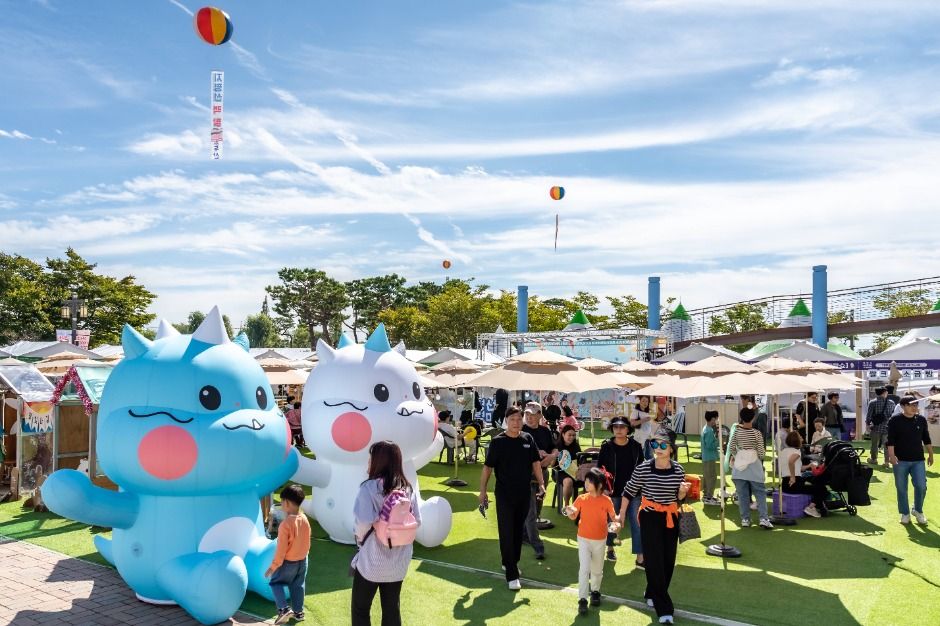
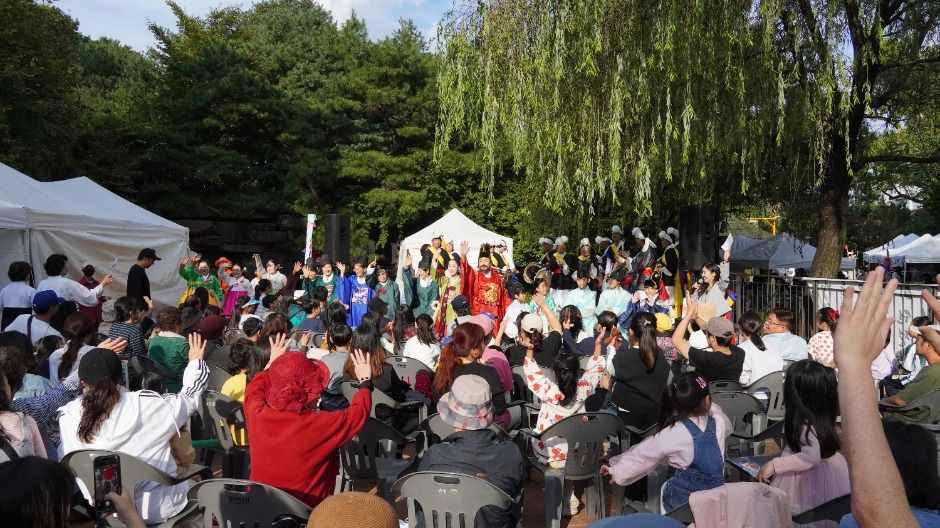
The Jeongseon Arirang Festival is Jeongseon-gun’s representative cultural tourism festival, held to carry forward the history, cultural value, and tradition of Jeongseon Arirang, one of the Republic of Korea’s most iconic folk sounds. Arirang is listed as a UNESCO Intangible Cultural Heritage of Humanity, and this festival is built around promoting that value through a broad range of performances, parades, experience programs, exhibitions, and cultural arts events.
The festival is designed for all generations, with programming that brings together tradition and modernity. It is also notable as a resident-participatory event: local residents are directly involved in planning and operation, not just in attending. This approach helps the festival contribute to the local economy and tourism through programs linked to Jeongseon’s cultural and tourism resources. The larger goal is to establish the event as the Republic of Korea’s representative Arirang cultural festival and to develop it into a global cultural tourism festival that resonates with people around the world.
Main Programs
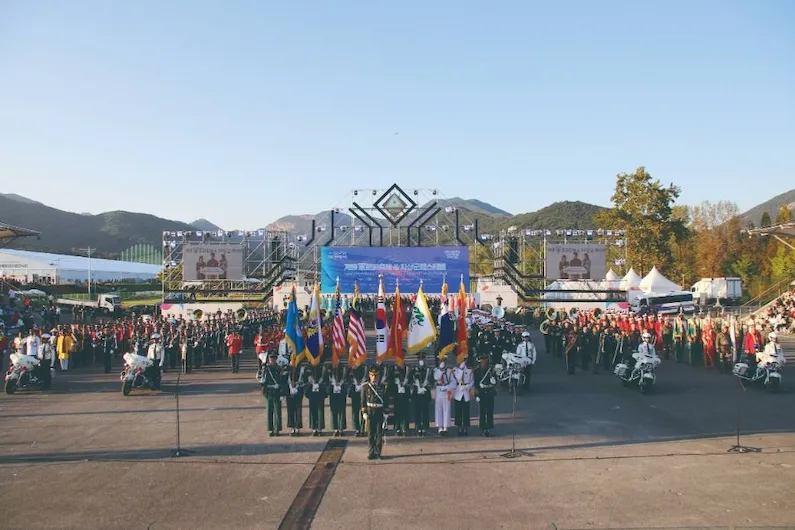
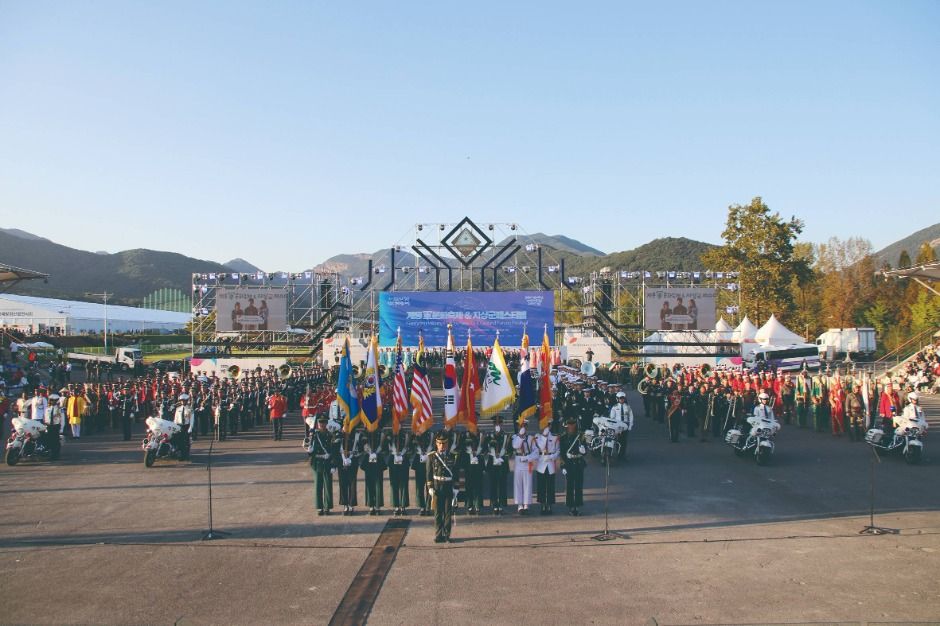
- Opening ceremony theme performance
- Chilhyeon Ritual
Side Programs
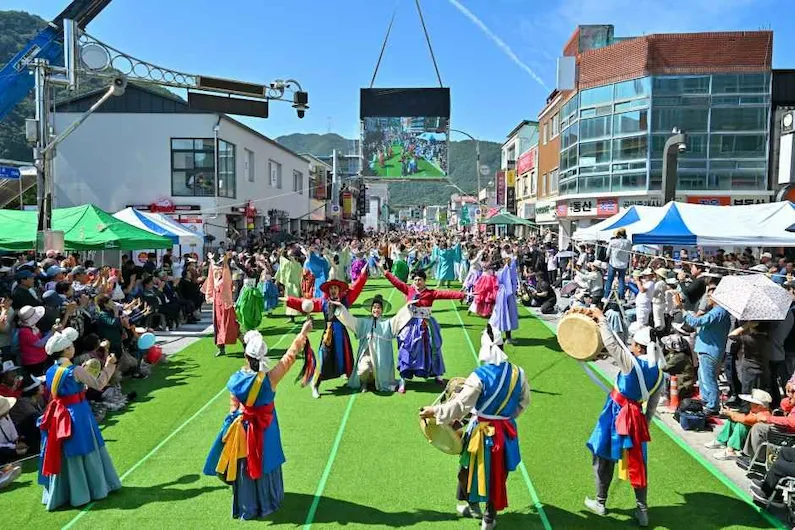
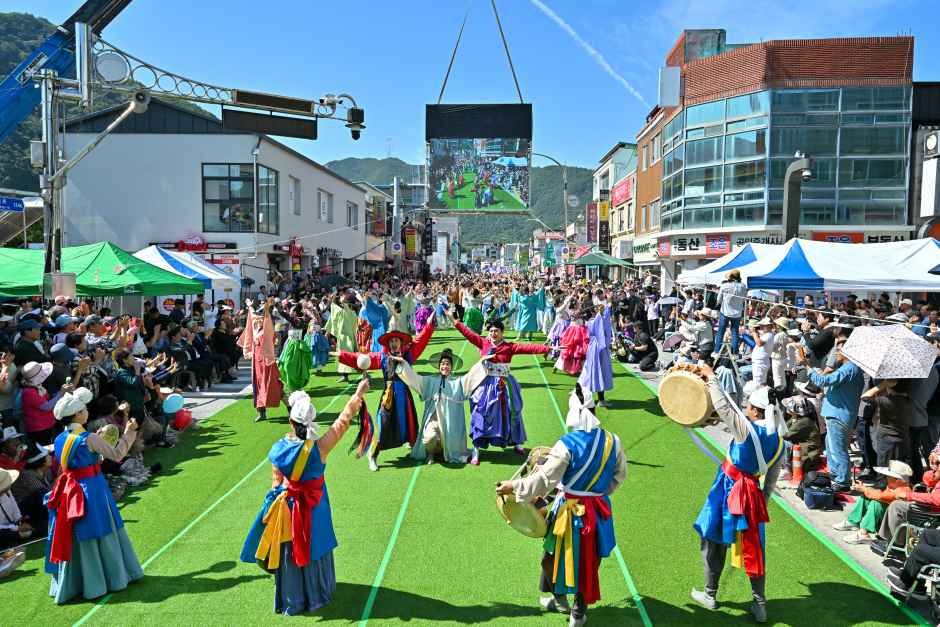
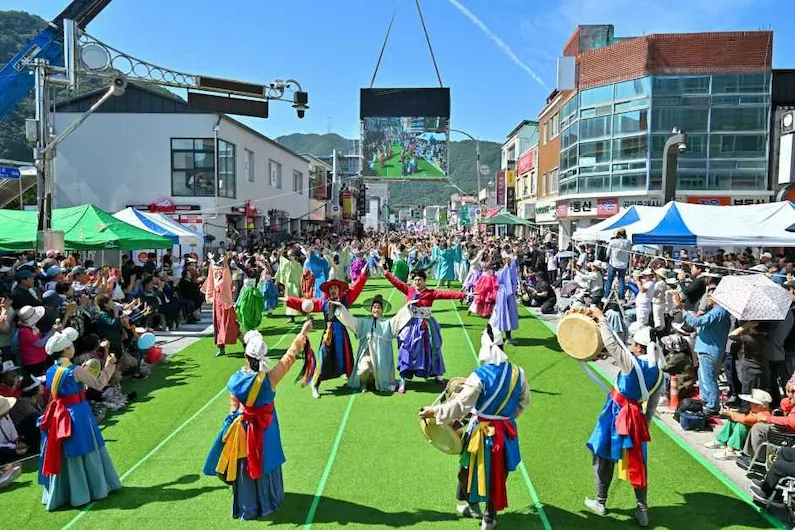
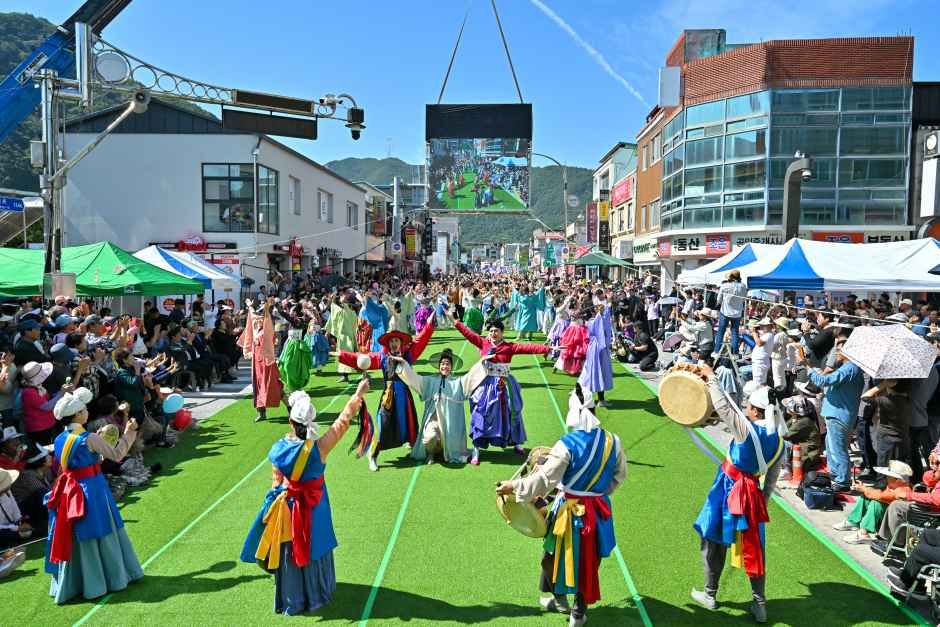
- Arirang Parade
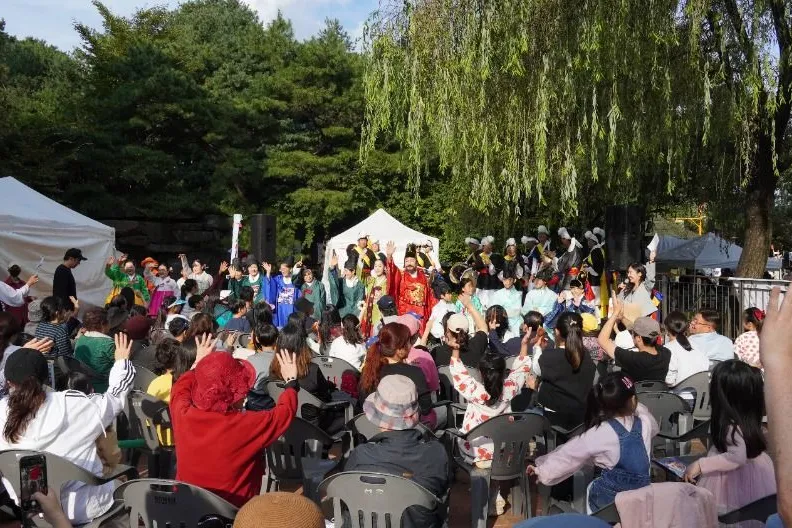
- National Arirang Singing Contest (Children/Youth category, General category)
- A(Arirang)-POP Dance Competition
Visitor Participation Programs
- Experience programs operated by institutions and organizations
Other Details
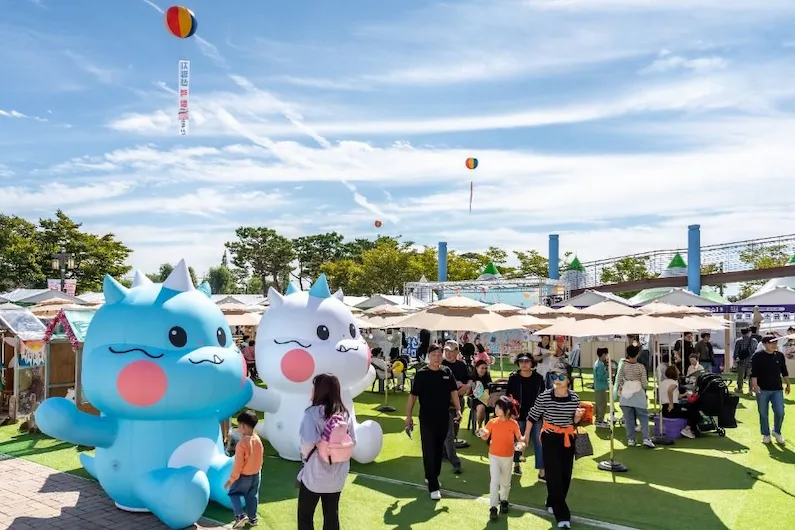
- Night market operation
- Local food
- Food trucks
Location and Admission
📍 Address: Bongyang-ri, Jeongseon-eup, Jeongseon-gun, Gangwon Special Self-Governing Province
💰 Fee: Free
Contact and Links
📞 Inquiry: 033-560-3013~5
⭐️ Instagram: https://www.instagram.com/arirangfestival_official
🖥️ Website: https://arirangfestival.kr/
🛏️ Accommodations near the event
Jeongseon Arirang is a regional variant of the Korean folk song Arirang, associated with Jeongseon county in Gangwon Province. It differs from the standard Seoul-style Arirang that most people recognize. Its tempo is slower, melodic lines are longer and more irregular, and singers often use vibrato and pitch variation that sound closer to oral narrative than to a fixed tune. The text is in the local dialect and covers themes common in regional work songs: parting, longing, physical labor, and the surrounding landscape.
Historically sung by farmers, miners, and travelers, the song served practical and social functions. Its rhythmic structure could coordinate labor, while its lyrics gave voice to isolation and attachment to place. Because it was passed down orally, versions vary from singer to singer. The improvisational element is not decoration but part of how the form works: singers adapt lines to occasion, mood, and audience.
Jeongseon Arirang was included in the 2012 UNESCO listing of Arirang as intangible cultural heritage. The listing is not a single composition but a cluster of regional traditions. Jeongseon Arirang is often called the oldest of these, but claims about age are hard to verify because written records are scarce. What can be said is that its vocal style differs sharply from the polished versions heard in concerts and popular media, and it has been maintained as a living practice in the region. Performances typically use gayageum or daegeum accompaniment, though the voice remains central.
The Jeongseon Arirang Festival is one place where this repertory is regularly performed. The festival gives local singers a formal context to pass songs on to younger generations and introduces visitors to a style of Arirang they are unlikely to hear elsewhere.