Visit the 2026 Nagoya Sword Museum Exhibition: Discover the Legendary Blades of Toyotomi Hideyoshi and Hidenaga

Visit the 2026 Nagoya Sword Museum Exhibition: Discover the Legendary Blades of Toyotomi Hideyoshi and Hidenaga

The Nagoya Sword Museum “Nagoya Token World” hosts a special exhibition from July 11 to September 27, 2026, examining the military culture of Japan’s unification through the specific lens of the Toyotomi brothers. “Swords Associated with Sengoku Warlords: The Toyotomi Hideyoshi and Hidenaga Brothers” brings together National Treasures, Important Cultural Properties, matchlock firearms, and ukiyo-e prints to document the transition from civil war to centralized rule under these two warlords.

Unlike general surveys of Sengoku-period weaponry, this exhibition focuses specifically on artifacts linked to Hideyoshi—the low-born warlord who completed the unification begun by Oda Nobunaga—and his elder brother Hidenaga, who served as both deputy and administrative anchor. The display includes blades certified as National Treasures and Important Cultural Properties, offering direct physical connection to the military elite who ended the Warring States period. Matchlock guns supplement the sword collection, illustrating the evolution of Japanese warfare during the late 16th century, while contemporary ukiyo-e prints demonstrate how later generations visualized these decisive historical figures.

The exhibition emphasizes not merely the martial aspect of these artifacts but the political relationship between the siblings. While Hideyoshi commanded the battlefield and the capital, Hidenaga managed crucial domains and campaigns, including the Kyushu conquest. Their collaboration established the administrative foundation that would last—briefly—until the Tokugawa succession. Visitors can examine how the personal bonds between warlords manifested in material culture, from presentation swords to campaign armaments, and consider how these objects mediated power during the realm’s unification.

The museum occupies a position of particular historical resonance along Sakae’s “Honmachi-dori,” the main thoroughfare constructed during the early Edo period to connect Nagoya Castle with Atsuta Jingu. This 400-year-old corridor anchored Nagoya’s urban development since the castle’s construction, making it an apt setting for examining artifacts from the immediate pre-Edo period of warlord consolidation.

Exhibition Details

Dates and Periods
The exhibition runs in two segments:

  • First Period: Saturday, July 11 – Sunday, August 16, 2026
  • Second Period: Tuesday, August 18 – Sunday, September 27, 2026

While the museum normally closes on Mondays, it will remain open throughout the exhibition run except for Monday, July 13 and Monday, August 17 (the closure between periods). Note that the museum will be closed for installation July 8–10 and for dismantling September 28–30.

Hours
10:00–17:00 (last admission 16:30)

Admission Fees

  • General: 1,200 yen
  • Seniors (65 and older): 1,000 yen
  • University/High school students: 500 yen
  • Junior high/Elementary school students: 300 yen
  • Preschool children: Free
  • Group Discount (20+ persons): 300 yen off general admission / 100 yen off other categories
  • Persons with disabilities (including one accompanying person): Free (disability certificate required)

Location and Access
Nagoya Sword Museum “Nagoya Token World”

  • 10-minute walk from Yabacho Station (Meijo Line)
  • 9-minute walk from Osu Kannon Station (Tsurumai Line)
  • 12-minute walk from Fushimi Station (Higashiyama Line)

Contact Information

What is the Nagoya Sword Museum?

The Nagoya Sword Museum (Nagoya Tōken Hakubutsukan) occupies a distinct position among Japanese cultural institutions, focusing specifically on the evolution of nihontō in the Tokai region rather than presenting a general survey of the craft. Located in Nagoya’s Naka Ward, the museum opened in 1980 to consolidate the preservation of blades and materials from the former Owari Domain, a territory that served as the Tokugawa power base for centuries.

The collection spans the Kamakura through Edo periods, with particular depth in materials from the Muromachi and Azuchi-Momoyama eras. Owari smiths developed identifiable regional characteristics—straight shinogi-ji, active midare hamon, and a preference for itame hada—shaped by the domain’s control of trade routes and the Tokugawa family’s patronage of specialized metalworkers. The galleries include works by Masamine, Kanesada, and other smiths active in Nagoya and surrounding castle towns. Exhibits trace the full technical sequence: tamahagane smelting in tatara furnaces, the folding process that creates the steel’s grain structure, yakiba hardening through differential clay application, and the abrasive polishing that finalizes the blade’s geometry. Examples of koshirae mountings demonstrate the shift from practical wartime gear to the decorative arts of the Edo-period peace.

Research activities occupy much of the museum’s capacity. Staff metallurgists conduct non-invasive analysis of blade composition, maintaining databases that track ore sources and forging techniques across centuries. The archives hold production registers from Edo-period guilds, documenting specific commissions from the Tokugawa household and provincial temples.

In 2026, the museum will present an exhibition on blades associated with Toyotomi Hideyoshi and his younger half-brother Hidenaga. Hideyoshi was born in 1537 at Nakamura, then a modest settlement in the Owari region and now incorporated into Nagoya’s Nakamura Ward. The exhibition will display blades donated by the Toyotomi family to local shrines, alongside comparative pieces showing the metallurgical shift from Sengoku-period field swords to the refined work of the unification era. The curatorial approach examines how blade quality served as a marker of political legitimacy during the transition from fragmented domains to centralized rule.

Odaiba Beach Lantern Festival: Experience the Magic of Floating LED Wishes at Odaiba Kaihin Koen

Odaiba Beach Lantern Festival: Experience the Magic of Floating LED Wishes at Odaiba Kaihin Koen

Odaiba Beach Lantern Festival: Floating LED Wishes Over Tokyo Bay

Send your wishes into the night sky of Odaiba. As Golden Week approaches and recedes, Odaiba Kaihin Koen hosts a distinctive evening event that pairs traditional Japanese aesthetics with modern safety technology. “Odaiba Beach / Odaiba Lantern” offers two opportunities to participate—on April 25, just before the holiday begins, and on May 9, when the long weekend’s relaxation still lingers.

Unlike conventional sky lantern festivals, this event utilizes fire-free LED lanterns constructed with Japanese washi paper rather than synthetic balloon material. Each lantern floats via helium gas and remains tethered by an attached string, allowing for complete recovery after the event concludes—a design that addresses environmental concerns while maintaining the visual impact of floating lights. The washi paper diffuses the LED illumination into a soft, warm glow that distinguishes these lanterns from the harsher light of plastic alternatives, creating a luminous quality that resonates with traditional Japanese design sensibilities.

Participants release their lanterns against the backdrop of Odaiba’s iconic Rainbow Bridge, where the interplay of architectural lighting and floating washi lanterns creates a distinctive urban nightscape. The event provides a structured interval between daily routines and holiday leisure, utilizing the beach setting to anchor the ephemeral quality of light and intention in a specific physical location.

Event Details and Logistics

The festival operates on two Saturdays in 2026, with timing adjusted slightly between dates:

April 25, 2026

  • Reception opens: 18:15
  • Launch event: 19:15 (scheduled)

May 9, 2026

  • Reception opens: 18:30
  • Launch event: 19:30 (scheduled)

Venue and Access

The event takes place at Odaiba Kaihin Koen (Odaiba Beach), located at 1-4 Daiba, Minato-ku, Tokyo 〒135-0091. The venue is accessible via three stations: Daiba Station, Odaiba Kaihin Koen Station, and Tokyo Teleport Station. View map.

Pricing Structure

Admission is structured to accommodate small groups sharing lantern purchases:

  • One lantern package (up to 4 participants): From 5,980 yen
  • Two lantern package (up to 6 participants): From 8,980 yen

This pricing model makes the event viable for families, couples, or small friend groups who wish to participate collectively while managing individual costs.

Additional Information

The official website provides detailed registration procedures and any updates to scheduling or safety protocols: https://event.e-lantern.jp/

Please note that event details are subject to change. Verify current information through the official organizer’s website prior to attendance.

🛏️ See hotels near Tokyo

Odaiba Beach / Odaiba Lantern_1

Odaiba Beach / Odaiba Lantern_2

Odaiba Beach / Odaiba Lantern_3

Odaiba Beach / Odaiba Lantern_4

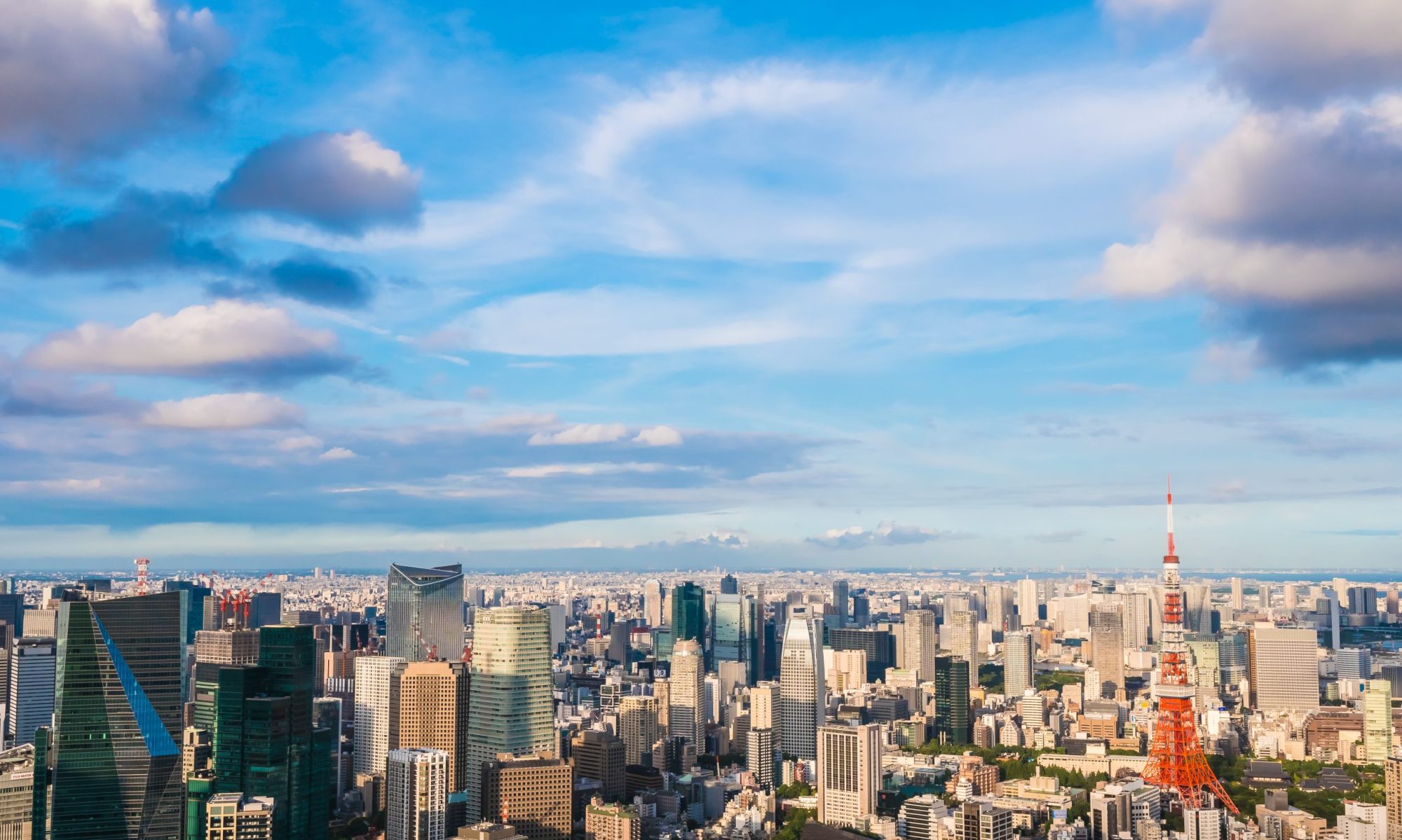
Odaiba Kaihin Koen, also called Odaiba Marine Park, occupies the northeast shore of the artificial island of Odaiba in Tokyo Bay. The park centers on an 800-meter artificial beach constructed with imported white sand from the Izu Islands, facing central Tokyo across the water. The Rainbow Bridge spans the bay directly behind the beach, placing its suspension towers and white arc within the immediate sightline of anyone on the sand.

Developed in the 1990s as part of the Tokyo Waterfront City project, the beach uses filtered and circulated bay water that produces minimal wave action. Swimming is prohibited, but the gentle slope and calm surface make the water suitable for wading. Behind the sand, paved promenades and grass lawns accommodate cycling, picnicking, and walking. The area serves primarily as a recreational space for nearby residents and office workers during lunch hours and weekends.

The park’s lighting changes character after sunset. The Rainbow Bridge carries both vehicular and pedestrian traffic, and its structural illumination reflects off the still water surface. The surrounding development includes hotels, shopping centers, and office buildings, whose interior lights remain visible across the dark water. This creates a distinct visual environment from the daytime, though the park remains functionally connected to the city’s transit and pedestrian networks.

The water’s stillness makes the location suitable for organized floating lantern events. Without tidal surf or strong currents, illuminated paper lanterns or small boats can drift in predictable patterns rather than dispersing immediately. The beach geometry provides direct water access while maintaining enough open distance for small craft to remain visible against the dark bay. These practical characteristics—minimal wave action, controlled entry points, and an unobstructed horizon—allow the park to function as a venue for evening water-based ceremonies that require stable surface conditions.

LANY soft world tour in Korea 2026: Ticket Prices, Schedule, and KINTEX Venue Guide

LANY soft world tour in Korea 2026: Ticket Prices, Schedule, and KINTEX Venue Guide

LANY Concert in Korea: soft world tour in Korea

Poster

LANY occupies a distinct space within the indie-pop landscape, blending hazy synthesizer textures with emotionally direct songwriting that has translated their initial SoundCloud uploads into global arena capacity. Their “soft world tour” arrives at KINTEX Exhibition Center 2 on October 3, 2026, presenting a production that balances the intimacy of their early work against the scale their audience now demands. For attendees, this represents an opportunity to experience Paul Klein’s falsetto-driven vocals and the band’s signature atmospheric arrangements within one of Korea’s largest convention halls—a setting that permits both the detailed visual staging and the acoustic precision their layered sound requires.

Event Information

  • 🗓️ Date: 2026-10-03 ~ 2026-10-03
  • 📍 Venue: KINTEX Exhibition Center 2, Hall 9
  • 🛏️ Accommodations near the concert
  • 💡 Lightstick
  • Address: KINTEX Exhibition Center 2, Hall 9, 217-59 Kintex-ro, Ilsanseo-gu, Goyang-si, Gyeonggi-do (Daehwa-dong)
  • Age Limit: 12 years old and above

Schedule

The performance occurs on Saturday, October 3, 2026, with the show beginning at 7:00 PM. This timing accommodates travel from Seoul’s city center—approximately 45 minutes via subway or bus—without conflicting with standard working hours, while concluding at a reasonable hour for return transportation. As a standalone headlining event rather than a multi-day festival, the concert promises a focused, full-length set spanning the band’s discography.

Lineup

  • LANY

Ticket Prices

The pricing structure reflects a tiered approach to concert experiences, ranging from general admission floor access to premium packages that likely include early entry privileges, exclusive merchandise, or soundcheck access based on industry standards for similar-tier international acts.

  • The Last Forever Fan Experience (General): 393,000 KRW
  • The Soft VIP Package (General): 269,000 KRW
  • Standing Section (General): 143,000 KRW
  • Reserved Seat P (General): 176,000 KRW
  • Reserved Seat R (General): 165,000 KRW
  • Reserved Seat S (General): 154,000 KRW

The Standing Section offers the lowest price point while positioning attendees closest to the stage, though this requires standing for the duration of the performance. Reserved seats provide fixed locations with the alphabetical tiering (P, R, S) indicating varying proximity to the stage—specific sightlines depend on the seating chart map. The substantial price differential between standard admission and the VIP tiers indicates additional experiential components beyond entry alone, with the “Last Forever” package representing the premium tier at nearly three times the cost of general standing admission.

Festival

※ By reserving a ticket, you are considered to have agreed to the performance guidelines below. These details may be added to or changed depending on the situation. Please be sure to re-check the performance guidelines before attending to avoid any disruptions or disadvantages while watching the performance.

KINTEX Hall 9 accommodates large-scale productions with a floor capacity that supports both the standing pit and elaborate stage designs, while its high ceilings permit the complex lighting arrays that characterize LANY’s visual presentation. The venue’s location in Ilsan—distinct from Seoul’s concentrated concert districts—offers accessibility via the Gyeongui-Jungang Line and surrounding hotel infrastructure, making the accommodation link particularly relevant for those traveling from outside the metropolitan area or preferring to avoid late-night return journeys.

A bit about LANY,

LANY emerged from the post-Adele pop landscape of the mid-2010s with a sound that felt instantly intimate, like a secret whispered through a hazy sunset filter. Formed in Nashville in 2014 by Paul Jason Klein, Les Priest, and Jake Goss, the trio quickly distinguished themselves by merging heartland songwriting with sleek, minimalist synth-pop. Their name, an acronym for “Los Angeles New York,” reflected a sonic ambition that stretched between coastal dreams, but their music was rooted in universal, diaristic emotion. Breaking out with viral singles like “ILYSB,” they perfected an aesthetic of lowercase longing—all neon-lit melodies, gently pulsing drum machines, and Klein’s softly yearning vocal delivery. Self-producing their early work and later graduating to refined, radio-ready anthems on albums like Malibu Nights and gg bb xx, LANY built a deeply loyal global fanbase by treating pop not as a spectacle, but as a direct transmission of feeling, making arenas feel as close as a bedroom recording.

이 포스팅은 쿠팡 파트너스 활동의 일환으로, 이에 따른 일정액의 수수료를 제공받습니다.

Kimoi Exhibition 2026 in Tokyo Solamachi: Explore the Fascinating World of Nature’s Most Unusual Creatures

Kimoi Exhibition 2026 in Tokyo Solamachi: Explore the Fascinating World of Nature's Most Unusual Creatures

Kimoi Exhibition 2026

The Kimoi Exhibition has returned to Tokyo Solamachi, presenting its distinctive collection of globally sourced organisms from May 23 through July 5, 2026. Following successful runs in Tokyo, Nagoya, and Osaka that attracted diverse audiences including families and couples, this edition continues to challenge conventional perceptions of biological aesthetics. Rather than showcasing nature’s most charismatic specimens, the exhibition—named after the Japanese kimochi-warui (roughly translating to “disgusting” or “creepy”)—focuses on creatures whose unusual appearances mask sophisticated evolutionary achievements. Visitors have previously reported gaining new perspectives on ecology and rare species behavior, noting that encounters with these highly adapted organisms provoke genuine intellectual engagement beyond initial visceral reactions.

Understanding “Kimoi”

The exhibition operates on the principle that biological value exists independently of human aesthetic preferences. Each creature on display possesses specific morphological traits—unusual body plans, defensive colorations, or specialized feeding apparatuses—that represent optimized solutions to environmental challenges. While these forms may trigger immediate discomfort, they demonstrate the functional ingenuity required for survival in extreme or competitive habitats. The exhibition invites viewers to move beyond reflexive judgment and examine how these organisms influence and participate in their respective ecosystems.

Exhibition Features

AR Zone
Visitors can scan QR codes positioned throughout the venue to activate augmented reality experiences on their smartphones, revealing giant creature visualizations integrated into the physical space.

GM Street
This area employs projection mapping technology to emphasize the textural and structural details that contribute to the animals’ unsettling appearances.

Monster BOX
An interactive installation presenting mission-based challenges designed to engage visitors with the subject matter through structured activities.

Interaction Corner
Available Mondays, Wednesdays, and Fridays from 15:00 to 15:30, this limited-duration program offers direct encounters with “Kimo-Ani” (Kimochi-warui Animals). Check schedules in advance, as this opportunity operates for only thirty minutes on select days.

Edible Insect Sales Corner
The specialized brand TAKEO operates a retail area selling edible insect products, providing a practical extension of the exhibition’s theme regarding alternative food sources and entomophagy.

Detailed programming information is available through the official website.

Visiting Information

Venue Location
Tokyo Solamachi, 5th Floor, Space 634
1-1-2 Oshiage, Sumida-ku, Tokyo 〒131-0045
Nearest Stations: Tokyo Skytree Station / Oshiage <Skytree-mae> Station
MAP

Dates and Hours

  • Period: May 23, 2026 (Saturday) – July 5, 2026 (Sunday)
  • Hours: 11:00 – 19:00 daily
  • Final Day: July 5 closes at 18:00
  • Last Entry: 30 minutes before closing time

Admission

  • Adults (Junior high school students and above): ¥1,200
  • Children (Elementary school students and below): ¥800
  • Toddlers (3 years old and under): Free
  • Tax included in all prices

Contact
Kimoi Exhibition Secretariat
Email: [email protected]
Official Website: https://kimoiten.jp/kimo2026/site_tokyo.html

Exhibition content is subject to change. Please verify current information through the official venue and organizer websites.

🛏️ View hotels near Tokyo

キモい展2026_1 キモい展2026_2 キモい展2026_3 キモい展2026_4 キモい展2026_5 キモい展2026_6 キモい展2026_7

What is Kimoi?

Kimoi (キモい) derives from kimochi warui (気持ち悪い), meaning “unpleasant” or “gross.” The word pins down a specific biological fascination: animals that trigger immediate physiological revulsion yet hold our attention through sheer mechanical oddity.

Consider the blobfish, whose gelatinous body—adapted to high deep-sea pressure—collapses into a sagging mask when brought to the surface; the hagfish, which coats itself in defensive slime and ties its eel-like form into reversible knots to escape predators; or the Surinam toad, whose eggs embed in the skin of her back and hatch directly through. These creatures violate mammalian standards of bodily integrity: the sealed envelope of skin, symmetrical proportions, clear boundaries between interior and exterior. Deep-sea species compound this with translucent flesh, exposed needle teeth, and bioluminescent lures that look like engineered traps rather than organic growth.

This reaction has roots in disease avoidance. Human disgust evolved to detect corruption, parasitism, and boundary violations—signals that something is consumable, contaminated, or unsafe. Yet the same features that trigger recoil often mark extreme specialization. The lamprey’s circular sucker mouth, lined with concentric teeth of cartilage, efficiently anchors the parasite to host fish. The bone-eating worm Osedax extends acid-secreting “roots” into whale skeletons, dissolving collagen and lipids in an energy-scarce abyss. These are not evolutionary errors but precise solutions to specific environmental constraints.

Japanese popular culture has mapped this duality onto consumer aesthetics. Where kawaii culture privileges infantile proportions and softened features, kimoi encompasses the asymmetrical, the porous, and the incomplete. Blobfish plush toys and hagfish keychains share shelf space with traditional cute merchandise, suggesting that biological ingenuity can generate affection without requiring aesthetic comfort. The Kimoi Exhibition relies on this premise: by presenting these animals without sanitizing their strangeness—displaying the intestinal papillae of the hairworm or the prolapsed stomach of the starfish—it allows visitors to move past visceral reaction into an examination of how life actually functions when shaped by pressure, darkness, and scarcity rather than by human preferences for symmetry and fur.

Visit “Swedish Textiles” at Nagoya City Art Museum 2026: Explore Nordic Design and the Sara Ekström Collection

Visit "Swedish Textiles" at Nagoya City Art Museum 2026: Explore Nordic Design and the Sara Ekström Collection

Swedish Textiles: Nordic Design Breathing with Life and Nature

Swedish textiles remain notably underrepresented in Japanese exhibition spaces, a circumstance that renders the upcoming presentation at the Nagoya City Art Museum particularly significant for design enthusiasts and cultural historians alike. In Sweden, where winter dominates the calendar for months on end, textiles have evolved beyond mere decoration to become essential instruments of psychological and aesthetic sustenance—vibrant, season-evoking fabrics that inject warmth and chromatic energy into domestic interiors during periods of prolonged darkness. This exhibition, anchored by the substantial collection of Sara Ekström, offers visitors direct access to this distinctively Nordic design philosophy through approximately 250 carefully selected items and related archival materials, presenting a visual language that manages to feel simultaneously nostalgic and refreshingly contemporary.

What distinguishes this particular assembly is its focus on the private collection of Ms. Ekström, whose curation emphasizes textiles that served functional purposes within Swedish households while maintaining rigorous artistic standards. The works on display illuminate how Swedish designers reinterpreted natural motifs and seasonal cycles into woven and printed forms—translating the brief, intense beauty of Scandinavian summers into enduring fabric designs that counterbalance the monochromatic landscape of winter. Visitors will encounter pieces ranging from domestic handcrafts to industrial productions, each demonstrating the technical precision and organic sensitivity that characterize Swedish textile heritage.

Exhibition Details

Dates: Saturday, July 11, 2026 – Sunday, September 6, 2026
Closed: Mondays (with exceptions noted below)
Hours: 9:30 AM to 5:00 PM (extended until 8:00 PM on Fridays)
Note: Last admission is 30 minutes before closing on all days

Special Schedule Notes: The museum will open on Monday, July 20 (a public holiday) and subsequently close on Tuesday, July 21.

Location: Nagoya City Art Museum

Admission Fees (Prices in parentheses indicate advance ticket and group rates):

  • General: 1,900 (1,700) yen
  • High school/University students: 1,000 (800) yen
  • Junior high school students and younger: Free

Important Pricing Information:

  • Group discount rates apply specifically to groups of 20 or more persons.
  • All stated prices include consumption tax.

Advance Ticket Availability (May 11 – July 10, 2026):
Advance tickets may be purchased through multiple channels: Boo-Woo tickets, Lawson Ticket (L-code: 40102), Ticket Pia (P-code: 687-435), Seven Ticket (Seven-code: 115-013), eplus, major convenience stores, ART PASS, Chunichi Shimbun sales offices, and directly at the Nagoya City Art Museum. Note that museum counter sales cease earlier, on Sunday, June 7.

Discount Programs:

  • Persons with disabilities or patients with intractable diseases, upon presentation of a valid handbook (MiraiID accepted) or recipient certificate, may enter with up to two companions at 50% of the same-day admission fee.
  • Visitors utilizing the Nagoya City Transportation Bureau’s “Donichi Eco Kippu,” “One-Day Pass,” or “24-Hour Pass” on their day of visit receive a 100 yen discount.
  • Presentation of a “Nagoya City Art Museum Permanent Exhibition Regular Admission Ticket” grants a 200 yen discount from the same-day fee.
  • Please note that discount programs cannot be combined with other offers.

Entry Requirements:
Those purchasing high school/university student tickets or disability tickets, as well as junior high school students seeking free admission, must present valid identification (student ID, disability handbook, etc.) at the museum reception upon arrival.

Additional Value:
During the exhibition period, admission tickets for this special exhibition also grant complimentary access to the museum’s permanent collection.

Contact Information:
Nagoya City Art Museum
Telephone: 052-212-0001
Fax: 052-212-0005
Website: https://art-museum.city.nagoya.jp/

Access:

  • Fushimi Station (Higashiyama and Tsurumai Lines): 8-minute walk south from Exit 5
  • Osu Kannon Station (Tsurumai Line): 7-minute walk north from Exit 2
  • Yabacho Station (Meijo Line): 10-minute walk west from Exit 4

🛏️ View hotels near the event

The Sara Ekström Collection comprises over three hundred works of Swedish textile art, ranging from the late nineteenth century to the early twenty-first. Assembled between 1980 and 2018 by Stockholm journalist and design historian Sara Ekström (1942–2018), the archive traces the development of Swedish textile production from regional domestic traditions to studio-based artistic practice.

The collection moves between the hand-weaving traditions of Skåne and Dalarna—where patterns served distinct agricultural and ceremonial functions within specific parishes—and the technical experiments of the twentieth century. Ekström acquired pieces by Märta Måås-Fjetterström, whose monumental flat-weave tapestries adapted baroque compositional strategies to Scandinavian material palettes, alongside functionalist carpets from the 1930s and 1970s studio weavings that applied rya and flossa pile techniques to abstract geometric or organic forms. She also collected works from the National Association of Swedish Handicraft Societies (Föreningen för svensk hemslöjd) and independent weavers who established workshops during the 1970s feminist art movements, documenting the shift from domestic craft to professional artistic identity.

Ekström organized the collection around an extensive documentation system that records the specific farms and studios where textiles were produced, the individual weavers responsible for their execution, and even the sheep breeds that supplied the wool. This material history tracks Sweden’s changing relationship with rural labor, industrial manufacturing, and domestic production. The records demonstrate how women adapted weaving practices through periods of economic upheaval, from the preservation of regional techniques during early twentieth-century agrarian reforms to the commercial strategies of mid-century craft associations.

The Museum of Design in Stockholm acquired the collection in 2020. After conservation treatment to stabilize natural dyes and fiber structures damaged by light exposure and oxidation, the Nagoya City Art Museum now presents the first exhibition of these works outside Scandinavia. The installation emphasizes technical construction—drafting systems, loom types, and knotting methods—while drawing connections to Japanese mingei traditions, particularly the shared emphasis on visible hand-work and the functional integration of textiles into daily life.

XEX Spring Buffet 2026: Enjoy Unlimited Fresh Strawberries and Authentic Italian Cuisine in Tokyo

XEX Spring Buffet 2026: Enjoy Unlimited Fresh Strawberries and Authentic Italian Cuisine in Tokyo

XEX Spring Buffet 2026

All-you-can-eat fresh strawberries & strawberry sweets × approx. 60 types of authentic Italian

XEX Spring Buffet 2026 unites two distinct dining propositions—unlimited fresh strawberries and strawberry desserts alongside approximately sixty varieties of authentic Italian cuisine—across multiple Tokyo locations. Running from late February through late May 2026, this buffet distinguishes itself through a rotating menu system that divides the event into two distinct periods, encouraging repeat visits to experience the full range of seasonal offerings.

The strawberry component centers on unlimited fresh fruit, supported by a sweets selection spanning classics such as panna cotta and tiramisu to rotating seasonal items. A consistent highlight throughout the entire run is the “freshly squeezed strawberry mont blanc,” one of several desserts featuring tableside “finishing touches” that allow guests to customize their presentation. Complementing the sweet courses, the savory menu comprises substantial Italian meal options prepared with seasonal ingredients, ensuring the buffet satisfies as a complete dining experience rather than merely a dessert service.

To maintain variety across the three-month duration, the buffet operates on a two-period schedule. The first half runs from February 25 to April 7, 2026, after which the menu partially transitions for the second half, lasting from April 8 to May 26, 2026. This rotation ensures that ingredients remain at peak seasonality; notably, the second half introduces “Strawberry Neve”—featuring freshly shaved Amaou strawberries—available exclusively at XEX TOKYO and XEX Nihonbashi.

*Please check the official website for details on the content.


Basic Information

Venues & Access

  • XEX ATAGO GREEN HILLS

    • Nearest Station: Onarimon Station
    • Price: 8,250 yen (tax and service charge included)
    • Hours: Lunch 11:30–15:00
    • Time Limit: 120-minute system on weekdays; 90-minute system on weekends and holidays
  • XEX TOKYO

    • Price: 7,600 yen (tax and service charge included)
    • Hours: Lunch 11:00–16:00 (Last Order 14:00)
    • Time Limit: 100-minute system
  • XEX Nihonbashi

    • Nearest Stations: Tokyo Station, Shin-Nihonbashi Station
    • Price: 6,500 yen (tax and service charge included)
    • Hours: Lunch 11:30–15:30 (Last Order 14:00)
    • Time Limit: 120-minute system

Event Period

  • First Half: February 25 to April 7, 2026
  • Second Half: April 8 to May 26, 2026

Official Website

https://www.xexgroup.jp/news/2602-all-you-can-eat-xex-spring-buffet/

The posted content may be subject to change. Please check the official website of the venue/organizer for the latest information.

🛏️ View hotels near Tokyo

XEX Spring Buffet 2026_1 XEX Spring Buffet 2026_2 XEX Spring Buffet 2026_3 XEX Spring Buffet 2026_4 XEX Spring Buffet 2026_5 XEX Spring Buffet 2026_6 XEX Spring Buffet 2026_7 XEX Spring Buffet 2026_8 XEX Spring Buffet 2026_9 XEX Spring Buffet 2026_10 XEX Spring Buffet 2026_11 XEX Spring Buffet 2026_12 XEX Spring Buffet 2026_13 XEX Spring Buffet 2026_14 XEX Spring Buffet 2026_15 XEX Spring Buffet 2026_16 XEX Spring Buffet 2026_17 XEX Spring Buffet 2026_18 XEX Spring Buffet 2026_19 XEX Spring Buffet 2026_20

XEX manages a small group of Italian restaurants in Tokyo, with primary locations at Atago Green Hills—where floor-to-ceiling windows face Tokyo Tower—and in the Nihonbashi commercial district. The venues operate as distinct establishments rather than uniform chain outlets, each organized around open kitchens with wood-burning ovens and dining rooms arranged to capitalize on their elevated views of the city.

The kitchens focus on regional Italian cooking, importing dried pasta, olive oil, and cured meats while building dishes around seasonal domestic produce. Service follows the attentive but unobtrusive style typical of upscale Tokyo dining: staff anticipate needs without hovering, and pacing accommodates both business lunches and lengthy evening meals. While the à la carte menu runs continuously, XEX sustains its reputation through limited-run buffet events that function as temporary culinary installations. The spring strawberry festival presents the fruit across multiple stations—whole berries, laminated pastries, reduction sauces, and gelato—while winter chocolate events feature varying cocoa percentages across truffles, tarts, and warm molten cakes. These engagements typically book within hours of release, drawing diners who schedule them around specific occasions rather than treating them as routine dining options.

Silica Gel Asia Tour 〈Syn.THE.Size: Ballad of You〉 in Seoul 2026: Ticket Prices, Dates, and Booking Guide for KSPO DOME

Silica Gel Asia Tour 〈Syn.THE.Size: Ballad of You〉 in Seoul 2026: Ticket Prices, Dates, and Booking Guide for KSPO DOME

Silica Gel Asia Tour 〈Syn.THE.Size: Ballad of You〉 in Seoul

Poster

The innovative sounds of Silica Gel return to the capital as part of their broader Asian circuit with the 〈Syn.THE.Size: Ballad of You〉 tour. For those attending, the appeal lies in the band’s ability to blend complex sonic textures with a high-concept visual presentation—an experience that is uniquely amplified by the scale of the KSPO DOME. This particular tour iteration focuses on the “Ballad of You” concept, distinguishing it from previous showcases through its specific thematic curation and atmospheric direction.

Event Information

Schedule

The tour consists of two evening performances:

  • Saturday, September 26, 2026, at 6 PM
  • Sunday, September 27, 2026, at 5 PM

Lineup

The event features a headline performance by Silica Gel.

Ticket Prices

Pricing is tiered based on the proximity to the stage and seating type, with specific rates for the Hyundai Card Pre-sale:

  • Standing VIP Seat: 143,000 KRW
  • Reserved VIP Seat: 143,000 KRW
  • Reserved R Seat: 121,000 KRW
  • Reserved S Seat: 110,000 KRW

Ticket Reservation and Guidelines

Pre-sale Details

The Hyundai Card pre-sale is restricted to domestic reservationists and exclusively available to Hyundai Card holders (excluding anonymous corporate or Gift cards). This pre-sale phase is open regardless of the cardholder’s usage performance, though it is important to note that no separate Hyundai Card discounts or M Point redemptions are available.

  • Reservation Period: June 5, 2026 (Fri) 20:00 (KST) ~ June 8, 2026 (Mon) 14:00 (KST)
  • Ticket Limit: Up to 4 tickets per person per session
  • Booking Channel: Reservations must be made through NOL and NOL Ticket (domestic page).

Seating Availability

During the pre-sale period, only specific areas are accessible. All remaining seats—including those not opened for pre-sale—will be released during the general sales window.

  • Pre-sale Areas: FLOOR Area A, 1st Floor Areas 8-15, and 2nd Floor Areas 34-41 (limited availability in some areas).
  • General Sale Areas: All venue areas.

Critical Booking Policies

Payment methods are automatically restricted to Hyundai Card during the pre-sale phase. If a reservation is made via bank transfer without a book, the deposit must be completed by 23:59 (KST) on the day of the reservation to avoid automatic cancellation; however, because bank inspection times vary, it is advised to deposit by 23:29:59 (KST).

Please be aware that by reserving a ticket, you agree to the performance guidelines, which may be adjusted based on the situation. Furthermore, reservation details are only viewable on the specific channel used for the purchase (NOL and NOL Ticket).

Specialized Services and Delivery

For attendees requiring accessibility, wheelchair seats must be reserved via telephone through the NOL Ticket Customer Center at 1544-1555 between 09:00 and 18:00 (KST).

To minimize congestion at the KSPO DOME on the event dates, a collective delivery system will be utilized.

  • Collective Delivery Period: August 26, 2026 (Wed) ~ August 28, 2026 (Fri)

Attendees are urged to verify their delivery address and recipient contact information before purchasing. Because re-issuance and entry are impossible if a ticket is lost or damaged, careful storage is essential.

Additional Terms

Reservation waiting services and identical seat re-reservation services are unavailable for this performance. The event utilizes the Safe Reservation service to ensure a fair booking process. Detailed information regarding this service can be found here: https://ticket.interpark.com/service/serviceGuide.asp.

A bit about Silica Gel

Silica Gel is a South Korean indie rock band that has become one of the most dynamic and unpredictable forces in the country’s music scene. Formed in 2013 and hailing from Seoul, the group initially emerged from the city’s vibrant Hongdae club circuit. The core members—vocalist and multi-instrumentalist Kim Geonjay, guitarist Kim Chunchu, drummer Kim Hanjoo, and bassist Choi Woonghee, who joined later—are known for their eclectic and theatrical live performances, which often blur the line between concert and avant-garde performance art.

Their music defies easy categorization, fusing psychedelic rock, post-punk, shoegaze, and electronic elements into a sound that is both chaotic and meticulously crafted. This unique sonic identity was crystallized on their critically acclaimed 2016 full-length debut, Silica Gel, which featured the sprawling, shape-shifting fan-favorite “Tik Tak Tok.” After a period of hiatus and the members completing South Korea’s mandatory military service, the band returned with renewed creative energy, releasing the sleek and propulsive POWER ANDRE 99 (2023) and the expansive project Machine Boy (2024). These later works showcase a refined, groove-oriented approach while retaining the band’s core experimental spirit, cementing their status as one of the most innovative and essential acts in modern Korean rock.

이 포스팅은 쿠팡 파트너스 활동의 일환으로, 이에 따른 일정액의 수수료를 제공받습니다.

Summer Peach Afternoon Tea 2026 at Tokyo Marriott Hotel: Limited-Time Menu with Yamanashi’s Maruto Farm Peaches, Plus Yukata Experience Option

Summer Peach Afternoon Tea 2026 at Tokyo Marriott Hotel: Limited-Time Menu with Yamanashi's Maruto Farm Peaches, Plus Yukata Experience Option

Summer Peach Afternoon Tea【Tokyo Marriott Hotel】

Launching “Summer Peach Afternoon Tea,” a limited-time summer afternoon tea featuring peaches from “Maruto Farm” in Yamanashi Prefecture.

Afternoon tea at the Tokyo Marriott Hotel offers a rare opportunity to experience the progression of Japan’s four seasons within the verdant setting of Gotenyama—an enclave of nature that persists despite its urban location. For July and August, Pastry Chef Satoru Ishiwa has crafted a collection of sweets centered on peaches from Yamanashi Prefecture’s “Maruto Farm,” a grower whose produce seldom reaches general markets. The selection is deliberate: varieties are chosen to peak precisely during their serving window. The first half of the season features cultivars prized for their yielding, melting texture—”Hikawa Hakuhou” and “Hakuhou” among them—while the latter half transitions to firmer, intensely sweet varieties including “Asama Hakutou” and “Kawanakajima Hakutou.” Approximately ten cultivars will appear sequentially across the two-month period.

Eight sweets place peach at their center. The parfait layers tonka bean brulée with the fruit’s sweet, mellow aroma; a shortcake demonstrates how restraint can amplify flavor; and a rare cheese mousse assumes the rounded form of a peach itself. Four savory items—including lobster penne and a chilled peach soup—round out the menu. The setting matters: Gotenyama’s greenery and bright summer light provide the backdrop for an experience that arrives, appropriately, with the scent of ripe fruit.


<Upper Tier>

・Yamanashi Peach and Tonka Bean Brulée Parfait

Seasonal Yamanashi peaches and jelly layered with chantilly cream and black tea crumble, garnished with tonka bean brulée and peach.

・Peach Rare Cheese Mousse with Embedded Yamanashi Peaches

A piece that catches the eye with its large peach shape, featuring Yamanashi peach compote wrapped in a light, peach-flavored rare cheese mousse.

・Yamanashi Peach Shortcake

Finished with Yamanashi peach compote, sponge cake, and red peach and raspberry cream. Despite its simple composition, it is a masterpiece filled with the pastry chef’s commitment to flavor.

・Pink Poppin’ Chocolate Peach Ganache

Poppin’ chocolates filled with red peach confiture and white peach ganache.


<Lower Tier>

・Yamanashi Peach Tarte Flan

A pie crust tart filled and baked with a rich, vanilla-scented custard flan, luxuriously topped with Yamanashi peach compote.

・Peach and Framboise Sablé Sandwich

Peach and framboise butter cream sandwiched between pink raspberry sablés, accented with framboise jam for a touch of flavor.

・Yamanashi Peach Compote and Jersey Milk Blancmange

Yamanashi peach compote and peach jelly layered over rich, creamy Jersey milk, finished with a refreshing taste.

・Peach Scone served with Kochi Prefecture Guava Confiture

Scones with dried peaches kneaded in, with a meticulous blend of ingredients to create a moist texture despite being egg-free. Please enjoy it with a slightly tart guava confiture from Kochi Prefecture.


<Savories>

・Octopus and Itaya Shell Marinade with a Lime Accent

Octopus and Itaya shell marinated in a refreshing lime dressing.

・Lobster and Penne Composition

An appetising dish combining the umami of lobster with basil-scented penne.

・Salami and Mascarpone Stick Sandwich

A simple sandwich of salami and mascarpone cheese. A hint of framboise flavor is tucked in as an accent.

・Chilled Red Peach Soup served with Prosciutto Bread

A chilled soup that brings out the gentle sweetness of red peaches, served with crispy prosciutto bread.


【Tea or Coffee】

Brand changes and refills are free

・”TWG Tea” 8 types of tea selection

5 types of coffee variations


Recommended Plan: “Yukata de Afternoon Tea”

A special arrangement links summer attire with the afternoon tea experience. Guests select their preferred yukata for dressing and hair styling at the Aiko Yamano Beauty Salon within the hotel, then proceed to the open atrium of Lounge & Dining G—surrounded by Gotenyama’s greenery—for fruit-forward afternoon tea.

Period Wednesday, July 1, 2026 – Wednesday, September 30, 2026
Time 11:30~ / 14:00~
Location Aiko Yamano Beauty Salon (dressing/hair set); Lounge & Dining G (afternoon tea)
Price ¥27,300 per person

Includes yukata, obi, geta, dressing, hair set, and afternoon tea

Complete reservation system required up to 7 days before the date of use. Cancellations 3 days or less before incur a 100% cancellation fee.

From Tuesday, September 1, 2026, the afternoon tea menu content will change.

The above prices include consumption tax and service charges.

The described contents of the offer are subject to change.


Basic Information

Venue Tokyo Marriott Hotel
Nearest Stations Kita-Shinagawa Station / Shinagawa Station
Address 〒140-0001 4-7-36 Kita-Shinagawa, Shinagawa-ku, Tokyo [MAP]
Specific Venue Lounge & Dining G
Period Wednesday, July 1, 2026 – Monday, August 31, 2026
Time 13:00~ / 15:30~
Price ¥7,500 per person

Reservations: advance reservation system for 2 or more people, up to 2 days in advance.

The above prices include consumption tax and service charges.

The described contents of the offer are subject to change.

Official Site


The posted content may have changed. Please check the official website of the venue/organizer for the latest information.

🛏️ See hotels near Tokyo

Summer Peach Afternoon Tea【Tokyo Marriott Hotel】_1
Summer Peach Afternoon Tea【Tokyo Marriott Hotel】_2
Summer Peach Afternoon Tea【Tokyo Marriott Hotel】_3
Summer Peach Afternoon Tea【Tokyo Marriott Hotel】_4
Summer Peach Afternoon Tea【Tokyo Marriott Hotel】_5
Summer Peach Afternoon Tea【Tokyo Marriott Hotel】_6
Summer Peach Afternoon Tea【Tokyo Marriott Hotel】_7

What is Maruto Farm?

Maruto Farm sits in Yamanashi Prefecture, Japan’s most productive peach-growing region. The family operation has cultivated stone fruit since the mid-1960s, working without synthetic pesticides or the hormone treatments common in commercial orchards. Their hand-pollination method—brushing pollen from flower to flower with rabbit-hair brushes—dates to the farm’s founding and remains unchanged despite the labor intensity.

The farm’s reputation rests on two cultivars developed through decades of selective breeding: the Momoko, which balances acidity against concentrated sweetness, and the less common Yumeaki, prized for its near-white flesh and pronounced honey aroma. Yamanashi’s geography shapes these characteristics. The valley traps heat during the day while elevation allows rapid cooling at night. Volcanic soils from the surrounding Minami Alps range lend subtle mineral notes that persist in the finished fruit.

Harvesting runs from mid-July through August. Workers move through the orchards daily, testing individual peaches for sugar content using refractometers before clipping stems by hand. Rejected fruit—roughly sixty percent of the crop—goes to processors for jam or juice. The remainder enters a tiered grading system: approximately twenty-five percent qualifies for standard retail, fifteen percent for department store gift boxes, and the remaining ten percent for partnerships with hotels and inns that specify harvest-to-service intervals of forty-eight hours or less.

Tokyo Marriott Hotel’s pastry kitchen established contact with Maruto Farm in 2017, initially through a mutual supplier who handled logistics for both properties. After two seasons of sample testing and visits by the farm’s quality manager to the hotel’s Shinjuku location, the properties arranged direct procurement. The afternoon tea menu receives allocations from the top tier, with specific weight requirements (minimum 280 grams) and brix measurements (minimum 13 percent) written into the purchase agreement. The farm’s output of qualifying fruit varies annually with weather conditions; the 2023 harvest yielded 8,400 kilograms meeting Marriott specifications, against 11,200 in the previous year.

Tokyo Skytree BBQ Beer Garden 2026: World Beer Museum Rooftop with 100 Craft Beers and American or Korean BBQ Courses

Tokyo Skytree BBQ Beer Garden 2026: World Beer Museum Rooftop with 100 Craft Beers and American or Korean BBQ Courses

BBQ Garden Overlooking Tokyo Skytree(R) / World Beer Museum

Choose from two courses: American BBQ or Korean BBQ! An open-air beer restaurant on a rooftop overlooking Tokyo Skytree, where you can enjoy empty-handed BBQ and 100 types of draft beers from around the world.


Perched on the 7th floor rooftop of Tokyo Skytree Town Solamachi, this beer restaurant delivers what few venues in the capital can match: direct sightlines to the 634-meter Tokyo Skytree while you eat. The terrace seating puts the tower overhead during daylight hours, then shifts to a panoramic cityscape as evening falls and the urban landscape lights up. The space has been designed with photography in mind—designated Instagrammable seats and photo spots are integrated throughout, and the overall aesthetic leans toward stylish rather than casual.

The operational concept centers on removing friction from outdoor dining. Guests arrive without equipment—the kitchen handles all grilling—while heat management comes via large fans and outdoor spot coolers that keep the terrace functional through Tokyo’s humid summers.

Beer selection represents the venue’s other primary draw. The restaurant ranks among Japan’s largest dedicated beer establishments, with 100 draft varieties sourced internationally. Domestic options from Asahi, Kirin, Suntory, and Sapporo anchor the list, supplemented by 100 types of overseas craft beers. This breadth allows for progression through styles over the course of an evening, or direct comparison between regional brewing traditions.

Two distinct BBQ courses structure the food offering:

  • American BBQ Course: Grilled steaks and specialty hamburgers, calibrated for pairing with fuller-bodied beers
  • Korean BBQ Course: Samgyeopsal, UFO chicken, and specialty cold noodles, served alongside Korean beer selections

The split format lets groups align their meal with specific occasions or preferences without leaving the venue.

Additional service elements include all-you-can-eat BBQ options, dedicated kids’ menus, and indoor contingency seating—when weather turns, operations either move inside or continue under the rooftop’s permanent roof structure.


Practical Information

Category Details
BBQ Style Empty-handed (equipment provided, no preparation required)
Heat Countermeasures Large fans, outdoor spot coolers
Beer Range 100 types of overseas craft draft beers; plus Asahi, Kirin, Suntory, Sapporo
Total Capacity 320 seats (150 outdoor terrace seats)
Group Maximum 300 people
Reservations Web reservations available
Payment Methods Credit card, QR code, electronic money, cash
Rain Response Move indoors, or continue outdoors under roof coverage

Access & Location

Venue: World Beer Museum Tokyo Skytree Solamachi Store

Nearest Stations: Tokyo Skytree Station / Honjo-Azumabashi Station / Oshiage <Skytree-mae> Station

Address: 〒131-0045 Tokyo-to, Sumida-ku, Oshiage 1-1-2 Tokyo Skytree Town Solamachi 7F

MAP


Operating Schedule

Event Period March 1, 2026 (Sun) – October 31, 2026 (Sat)
Hours 11:00 – 23:00
Last Order Food 22:00 / Drinks 22:30
Regular Holiday None

Contact

Phone: 03-5610-2648 (11:00–23:00)

Official Website: https://www.zato.co.jp/restaurant/worldbeermuseum/worldbeermuseum_tokyo/

The published content may be subject to change. Please check the official website of the venue or organizer for the latest information.

🛏️ See hotels near Tokyo


Gallery

東京スカイツリー(R)を見上げるBBQガーデン/世界のビール博物館_1
東京スカイツリー(R)を見上げるBBQガーデン/世界のビール博物館_2
東京スカイツリー(R)を見上げるBBQガーデン/世界のビール博物館_3
東京スカイツリー(R)を見上げるBBQガーデン/世界のビール博物館_4
東京スカイツリー(R)を見上げるBBQガーデン/世界のビール博物館_5
東京スカイツリー(R)を見上げるBBQガーデン/世界のビール博物館_6
東京スカイツリー(R)を見上げるBBQガーデン/世界のビール博物館_7
可愛いオットセイに会いに行こう!すみだ水族館で「すみだオットセイファン感謝祭」開催中

What is Tokyo Skytree?

Tokyo Skytree is a broadcasting tower and landmark in Sumida City, Tokyo. At 634 meters, it is the tallest structure in Japan. Completed in 2012, it took over primary broadcast duties for the greater Tokyo region from the older Tokyo Tower.

The tower has two observation decks: one at 350 meters and another at 450 meters. On clear days, visitors can see Mount Fuji in the distance. The lower deck features a glass floor section and a restaurant; the upper deck, called the “Tembo Galleria,” has a sloping ramp that spirals upward to the 451.2-meter summit.

At ground level, Tokyo Skytree Town houses shops, restaurants, an aquarium, and a planetarium. The complex connects directly to Oshiage Station, making it accessible by train, subway, and bus lines. The area draws roughly 30 million visitors annually.

The tower’s design has practical roots. Its height was chosen to clear nearby buildings for broadcast signals, and its tripod base and central shaft are engineered to withstand earthquakes and typhoons common to the region. The exterior lighting changes seasonally—white for winter, blue for summer—based on traditional Japanese color schemes.

Tokyo Skytree operates as a commercial facility managed by Tobu Railway Group and Tobu Tower Skytree. Broadcast equipment occupies the upper sections; the remainder supports tourism, retail, and observation functions.

TOKYO Matcha Time at SKYTREE 2026: First-Ever Matcha Event with Gion Tsujiri – Menu, Workshop Tickets & How to Visit

TOKYO Matcha Time at SKYTREE 2026: First-Ever Matcha Event with Gion Tsujiri – Menu, Workshop Tickets & How to Visit

TOKYO Matcha Time at SKYTREE(R) ~Savoring Japanese Harmony in the Sky~

First-ever event to enjoy “Matcha” at Tokyo Skytree(R)

Tokyo Skytree(R) hosts its inaugural matcha-focused event, bringing together panoramic city views with the refined traditions of Japanese tea culture. In collaboration with Gion Tsujiri—the venerable Kyoto tea house established in Gion’s historic district—the observation deck transforms into a space where visitors can experience matcha in multiple dimensions: through taste, sight, and atmosphere.

The program extends beyond themed cafe menus. Exclusive photo spots and decorations introduce Japanese tea culture to the Tembo Deck for the first time. A new special lighting installation, “Kissa-ko,” reinterprets the meditative movements of tea preparation as flowing illumination. Sorakara-chan, the tower’s beloved mascot, will appear in a newly designed costume evoking the fresh green of shincha (new tea). For those seeking deeper immersion, “Savoring the New Tea Season ~Tokyo Sora-cha-kai~” offers private morning access to the Tembo Deck, where participants can learn tea ceremony fundamentals from a Sumida Ward instructor.

Whether you are a resident of Japan or visiting from abroad, the combination of Tokyo’s skyline and the contemplative traditions of matcha offers something genuinely difficult to replicate elsewhere: elevation in both the literal and figurative sense.

Event-Exclusive Cafe Menu at SKYTREE CAFE (Tembo Deck Floor 350)

Gion Tsujiri’s Uji matcha—cultivated in the region most celebrated for its tea—forms the foundation of four limited-edition items. The cafe interior itself will carry limited-time Gion Tsujiri branding.

Drinks & Sweets Menu:

Item Description Price
Wasanbon Uji Matcha Au Lait Wasanbon sugar’s subtle sweetness complements aromatic Uji matcha in a Japanese-style latte with a smooth, mellow richness ¥1,100
Yuzu Uji Matcha Gin Soda A gin-based cocktail layering yuzu fragrance with matcha’s gentle bitterness; light carbonation and depth create a clean finish ¥1,300
Fragrant Uji Matcha Wa-Sundae Uji matcha powder dusted over vanilla soft serve, with azuki beans adding contrast to the elegant flavor profile ¥1,430
Rich Uji Matcha Affogato Matcha and vanilla ice creams atop sponge cake, served with separate rich matcha sauce for customized intensity ¥1,650

Location: Tokyo Skytree Tembo Deck Floor 350, “SKYTREE CAFE”

Special Planning Tickets: Matcha Set + Admission

Two bundled ticket options combine Tembo Deck admission with a Gion Tsujiri collaboration item, offering savings of up to ¥400 compared to separate purchases.

Ticket Type Contents Price
Matcha/Drink Set Ticket ① Tembo Deck admission + ② 1 collaboration drink (from above menu) From ¥2,700
Matcha/Sweets Set Ticket ① Tembo Deck admission + ② 1 collaboration sweet (from above menu) From ¥3,050

Sales Start: April 9, 2026 (Thursday) 14:00
Sales Period: Through the day of visit
Purchase Method: Tokyo Skytree official website

Note: Tokyo Skytree employs variable pricing for observation deck admission, meaning ticket prices fluctuate based on the selected date.

Private Workshop: “Savoring the New Tea Season ~Tokyo Sora-cha-kai~”

An early-morning private rental of the Tembo Deck allows participants to engage with tea ceremony culture before the public arrives. The workshop, led by an instructor from Senho-an (a tea ceremony school based in Sumida Ward), requires no prior experience—attendees will learn matcha preparation and basic etiquette in a setting removed from ordinary life.

Detail Information
Dates May 9, 2026 (Saturday); June 13, 2026 (Saturday)
Time 7:45 – 8:45
Location Tokyo Skytree Tembo Deck Floor 350
Program ① Lecture and demonstration on tea ceremony culture ② Hands-on matcha preparation (Japanese sweets included)
Fee ¥6,500 (includes Tembo Deck and Tembo Galleria admission)
Capacity 30 participants
Sales Start April 10, 2026 (Friday) 11:00 (first-come, first-served)
Age Requirement 18 years and older

Installation & Photo Spots

Decorative elements throughout Floors 350 and 340 create what the organizers describe as “a tea room in the sky”—with the gentle aroma of new tea serving as an atmospheric detail.

Sorakara-chan Appearances in Fresh Greenery Costume

Sorakara-chan will greet visitors in a costume unveiled specifically for this event, its design inspired by the vivid green of shincha season.

Period April 23, 2026 (Thursday) – July 6, 2026 (Monday)
Times 10:30 / 12:00 / 13:30 / 15:00 / 16:30 / 18:00
Location Tembo Deck Floor 350 (18:00 session: 4F Entrance Floor)

Appearances subject to change or cancellation without notice.

Special Lighting: “Kissa-ko”

The tower’s exterior illumination will feature a new program translating the choreographed movements of tea preparation—measuring, whisking, presenting—into flowing light. Greens merge, blend, and intensify, culminating in an effect suggesting the rising aroma of a freshly prepared bowl.

Lighting times and content may change without prior notice.


Basic Information

Venue Tokyo Skytree(R)
Address 1-1-2 Oshiage, Sumida-ku, Tokyo 〒131-0045 [MAP]
Nearest Stations Tokyo Skytree Station (Tobu Skytree Line); Oshiage <Skytree-mae> Station (Toei Asakusa Line, Tokyo Metro Hanzomon Line, Tobu Skytree Line)
Event Areas Tembo Deck Floor 350, Floor 340; SKYTREE CAFE (Floor 350)
Period April 23, 2026 (Thursday) – July 6, 2026 (Monday)
Hours In accordance with facility operating hours
Inquiry Tokyo Skytree Call Center: 0570-55-0634 (10:00–18:00)
Official Website https://www.tokyo-skytree.jp/event/matcha/

Event details are subject to change. Please verify current information through the official website.

🛏️ See hotels near Tokyo

What is Gion Tsijiri?

Gion Tsujiri is a Kyoto tea house that opened in 1860 in the Gion district. Founded by Riemon Tsuji, it began as a small operation serving matcha and traditional sweets to the local community.

The company has survived on straightforward practices: shade-grown tencha cultivation and stone-milling. These methods produce matcha with a distinct color and depth of flavor. The business has stayed in the family for over 160 years, passing from one generation to the next with minimal fanfare.

Currently, Gion Tsujiri runs stores in Kyoto and Tokyo. The Kyoto location offers prepared matcha in a traditional setting. The Tokyo locations, particularly in busier districts, serve soft-serve ice cream and blended drinks alongside conventional preparations. The company also supplies matcha to restaurants and retailers domestically and abroad.

For the TOKYO SKYTREE event, Gion Tsujiri will serve its products in a temporary space. This is a standard commercial arrangement—a food vendor at a high-traffic location.

Analytics