Mamoru Hosoda’s Origins Exhibition 2026: Rare Early Works, Summer Wars “OZ” Immersive Experience & 300+ Production Materials at CREATIVE MUSEUM TOKYO

Mamoru Hosoda's Origins Exhibition 2026: Rare Early Works, Summer Wars "OZ" Immersive Experience & 300+ Production Materials at CREATIVE MUSEUM TOKYO

Mamoru Hosoda’s Origins Exhibition

An exhibition approaching the “origins” before The Girl Who Leapt Through Time and an area where you can experience the world-view of “OZ” from Summer Wars

What precedes a celebrated directorial career? For Mamoru Hosoda—whose films have redefined contemporary Japanese animation—that question leads to unexpected places: 8mm film experiments shot during junior high school, live-action video projects crafted at Kanazawa College of Art, and oil paintings that reveal a visual imagination in constant evolution. This exhibition traces the complete arc of Hosoda’s development, from these early independent works through the breakthrough that established his reputation.

The exhibition’s scope extends well beyond the trilogy of The Girl Who Leapt Through Time, Summer Wars, and Wolf Children that most viewers associate with his name. Visitors will encounter production materials from his pre-feature directorial period—works that rarely receive public exhibition—alongside the familiar touchstones of his later career. The result is a comprehensive portrait of an artist whose commercial success emerged from decades of formal experimentation across multiple media.

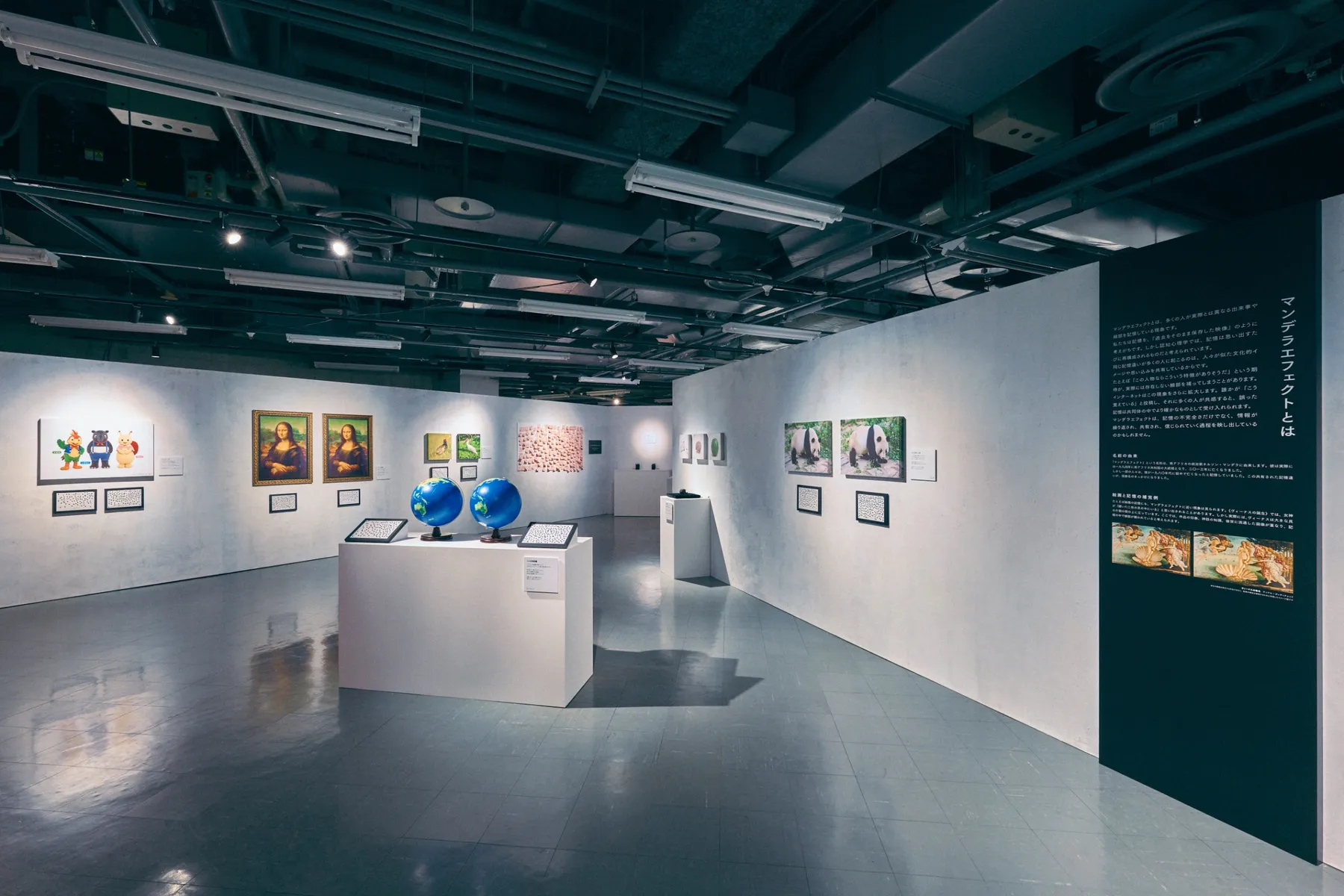
A particular architectural feature of this exhibition distinguishes it from standard animation retrospectives: the venue’s 5-meter ceiling height has been leveraged to create an immersive “OZ” environment, reproducing the virtual internet world central to Summer Wars. Within this space, life-sized figures of King Kazuma and Love Machine—characters who embodied the film’s exploration of digital identity and community—will be on display. The scale of this installation offers something unavailable in home viewing: physical confrontation with the aesthetic logic of Hosoda’s most technologically ambitious fictional world.

The production material collection is substantial—over 300 pieces encompassing storyboards, layouts, director’s corrections, original drawings, art boards, and character setting materials. For viewers interested in animation craft, these materials permit direct comparison between initial conception and final execution, illuminating the revision processes that shape finished films.

The exhibition also functions as a retail environment, with more than 100 original goods developed specifically for this showing. The merchandise strategy emphasizes portability: items designed to extend the exhibition experience into daily life. The product range includes pieces themed around the “blue sky” imagery that recurs throughout Hosoda’s work, alongside goods featuring signature scenes from his filmography. The positioning suggests these objects serve as mnemonic devices—tangible connections to narrative experiences that resist simple summary.


Practical Information

Venue
CREATIVE MUSEUM TOKYO
Nearest Station: Kyobashi (Tokyo)

Address
〒104-0031
TODA BUILDING 6F, 1-7-1 Kyobashi, Chuo-ku, Tokyo
MAP

Exhibition Period
June 20, 2026 (Saturday) – August 31, 2026 (Monday)

Hours
Standard: 10:00 – 18:00 (last admission 17:30)
Extended hours: 10:00 – 20:00 on Fridays, Saturdays, days before public holidays, and August 11–14 (last admission 19:30)

Admission Prices

Ticket Type Advance Same-day
General / University Students ¥2,300 ¥2,500
High School Students ¥1,300 ¥1,500
Elementary / Junior High Students ¥800 ¥1,000

Advance tickets available until 23:59 on June 19, 2025

Inquiries
050-5541-8600

Official Channels
Website: https://hosodagenten.exhibit.jp/
X (formerly Twitter): https://x.com/hosodagenten_
Instagram: https://www.instagram.com/hosodagenten
TikTok: https://www.tiktok.com/@hosodagenten_

Exhibition details subject to change. Confirm current information through official channels prior to visiting.

🛏️ View hotels near Tokyo

Mamoru Hosoda's Origins Exhibition_1
Mamoru Hosoda's Origins Exhibition_2
Mamoru Hosoda's Origins Exhibition_3
Mamoru Hosoda's Origins Exhibition_4
Mamoru Hosoda's Origins Exhibition_5
Mamoru Hosoda's Origins Exhibition_6
Mamoru Hosoda's Origins Exhibition_7
Mamoru Hosoda's Origins Exhibition_8
Mamoru Hosoda's Origins Exhibition_9
Mamoru Hosoda's Origins Exhibition_10
Mamoru Hosoda's Origins Exhibition_11
Mamoru Hosoda's Origins Exhibition_12
Mamoru Hosoda's Origins Exhibition_13

What is Mamoru Hosoda known for?

Mamoru Hosoda makes animated films about families under pressure. He left Studio Ghibli in the early 2000s after a falling-out over a proposed Howl’s Moving Castle adaptation, then left Madhouse to found Studio Chizu in 2011. This independence matters: his work carries the marks of someone building a visual language without the institutional weight of Japan’s established animation houses.

His films typically begin with a speculative premise—a time loop, a virtual world takeover, a woman raising wolf-human children—and use it to examine how households absorb disruption. In The Girl Who Leapt Through Time (2006), a teenager discovers temporal displacement and uses it mostly to fix awkward social situations, until the mechanism itself becomes a source of loss. Summer Wars (2009) sends a math prodigy to a rural family reunion where a hacked global network threatens his future employer; the set pieces alternate between a digitized apocalypse and a grandmother rallying her scattered descendants through traditional competence. The film became his biggest domestic hit, though its actual insight about online infrastructure aging poorly gives it an unintentional period quality now.

Wolf Children (2012) remains his most fully realized work. The central conceit—a widow raising children who transform unpredictably—functions as a literalization of parental uncertainty that never collapses into allegory. Hosoda renders the children’s dual nature through mundane practical problems: school enrollment, medical records, a rural house that needs actual maintenance. The film’s attention to physical labor distinguishes it from more ethereal treatments of transformation.

The Boy and the Beast (2015) returns to surrogate parenthood with less discipline, though its depiction of a parallel Tokyo populated by anthropomorphic deities demonstrates his continuing interest in architectural space. Mirai (2018) condenses his themes into domestic scale: a four-year-old’s jealousy of his newborn sister generates temporal intrusions that remain ambiguous in origin, possibly imaginary, possibly not. The Academy nomination it received drew overdue attention to his work outside Japan, though the film itself sacrifices narrative clarity for emotional beats.

Bell (2021) revisited virtual spaces with explicit reference to Beauty and the Beast, this time concerned with how online identity enables both performance and genuine connection. The film’s release during pandemic conditions gave its imagery of physically separated people finding intimacy through screens an unplanned resonance.

Hosoda’s animation tends toward rounded, physically plausible figures rather than the more stylized conventions of television anime. His action sequences emphasize weight and momentum; his quiet scenes hold on faces longer than genre pacing typically permits. The Miyazaki comparisons he receives reflect less his actual aesthetic—he lacks Miyazaki’s ecological mysticism and appetite for mechanical detail—than the scarcity of Japanese animators who secure theatrical distribution abroad while treating children asthinking, feeling agents rather than marketing demographics.

His limitations are real. His female protagonists often exist in relation to maternal or romantic obligation; his technology narratives date quickly; his screenplays can resolve through emotional assertion rather than earned development. But within contemporary animation, his commitment to family as a subject rather than a backdrop remains distinctive.

Seoul Summer Beach 2026: Enjoy Free Water Parks and Urban Leisure at Gwanghwamun Square

Seoul Summer Beach 2026: Enjoy Free Water Parks and Urban Leisure at Gwanghwamun Square

🗓️ 2026.07.20 ~ 2026.08.09

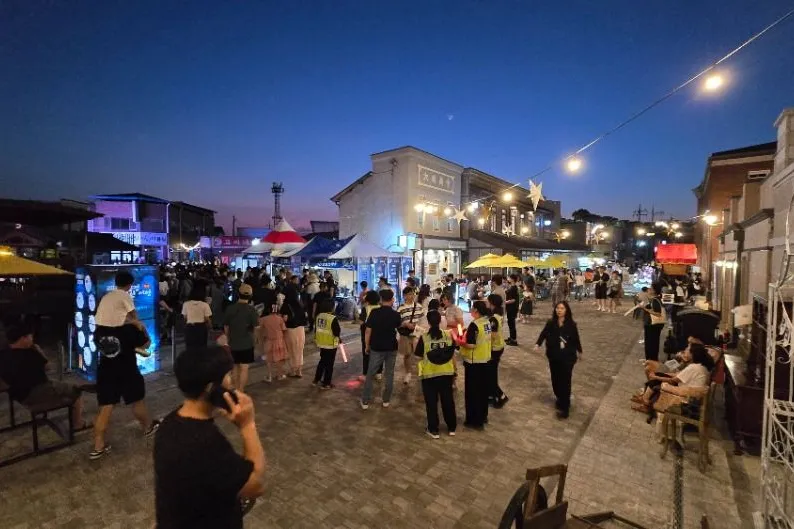
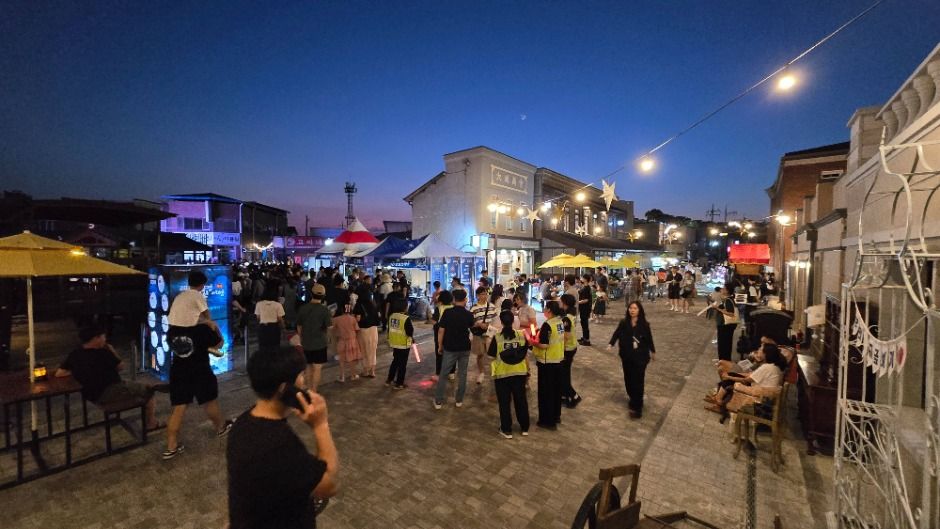
Seoul Summer Beach marks its 4th anniversary in 2026, returning to Gwanghwamun Square and Sejong-ro Park from July 20 through August 9 as Seoul’s representative summer festival that both tourists and citizens can enjoy in the city center during the hot summer. Operating under the slogan “Wave Summer, Play Seoul,” the event converts a portion of central Seoul’s primary civic plaza—terrain typically reserved for political gatherings and cultural exhibitions—into a special summer vacation space where people can enjoy cool water activities and relaxing rest simultaneously in the heart of downtown Seoul. This twenty-one-day installation creates an unusual juxtaposition of aquatic leisure and administrative architecture, allowing visitors to experience water recreation without traveling to the coast while surrounded by government ministries and historic Joseon dynasty landmarks.

The programming divides into three functional zones, each addressing different preferences for how urban dwellers might spend a summer afternoon. The Water Play Zone contains active recreation infrastructure: swimming pools, water slides, overhead water buckets, and bounce pools designed for physical cooling and family use. Those seeking less strenuous activity can move to the Play Wave Zone, which centers on the Sand Agit—a hybrid installation combining a sand playground with a shelter for overhead cover—alongside promotional booths operated by various institutions and companies. Commercial activity concentrates in the Play Market Zone, where small business flea markets and food trucks create a marketplace atmosphere that operates alongside the corporate promotional programming to provide diverse retail and dining options.

What separates this festival from conventional water parks or coastal tourism is its location within the metropolitan core combined with its pricing structure. Installing water facilities on the asphalt of Sejong-daero rather than riverside sand requires different engineering constraints and creates a distinct visitor experience specific to this plaza. The absence of admission fees removes economic barriers that typically restrict access to private aquatic facilities in the capital, while the 4th anniversary indicates operational experience that should manifest in practical logistics like queue management, hygiene protocols, and crowd flow. The integration of small business vending with corporate promotional events also distinguishes the commercial structure from standard municipal festivals that rely exclusively on government funding or single-source sponsorship.

📍 Address: 175 Sejong-daero (Sejong-ro), Jongno-gu, Seoul

🛏️ Accommodations near the event

💰 Fee: Free

📞 Inquiry: 02-6941-0645

⭐️ Instagram: https://www.instagram.com/seoulsummerbeach/

Seoul Summer Beach

Gwanghwamun Square occupies the space directly in front of Gyeongbokgung Palace’s main gate in central Seoul. Until 2022, this area functioned as a major traffic intersection with twelve lanes of vehicles passing between the palace and the downtown business district. The renovation completed that year removed the road entirely, expanding the public space from 11,000 to 40,000 square meters and restoring a pedestrian connection between the palace and the city that had been severed since the Japanese colonial period.

The redesigned plaza centers on two bronze monuments that predate the square itself. The statue of Admiral Yi Sun-sin has stood here since 1968, depicting the 16th-century naval commander who repelled the Japanese invasion using ironclad turtle ships and innovative tactics. To the south, added in 2009, sits King Sejong the Great, the 15th-century monarch who oversaw the creation of Hangul, the Korean writing system. Both figures face south toward the city, positioned along a sight line that runs from the palace gate down to Cheonggyecheon Stream, while Bugaksan Mountain rises behind the palace to the north.

The square serves practical daily functions for the city. Office workers from the surrounding Jongno skyscrapers cross it during lunch breaks. Tourists use it as a staging area before entering Gyeongbokgung Palace. Protestors gather here because of its visibility and accessibility via Gwanghwamun Station on subway lines 3 and 5. The flat, open granite surface accommodates large crowds without fixed seating or barriers.
During Seoul Summer Beach 2026, the city will install artificial sand beaches across the northern section of the plaza, along with shallow wading pools and mist-generating machines. This temporary conversion will turn the civic space into a seasonal facility for cooling off during the humid summer months. The installation demonstrates how the square accommodates changing uses without permanent alteration, returning to its standard granite surface each autumn.

2026 Dalseong Water Splash Youth Festival in Daegu: Enjoy Free K-Pop Concerts and Local Youth Markets

2026 Dalseong Water Splash Youth Festival in Daegu: Enjoy Free K-Pop Concerts and Local Youth Markets

The Dalseong Water Splash Youth Festival returns on July 18, 2026, for its second iteration following a successful 2025 debut that established it as the first government-initiated water festival in the Daegu metropolitan area. While municipal festivals often prioritize broad demographic appeal, this event targets youth participation specifically—not merely as attendees but as economic stakeholders and cultural producers.

What distinguishes this festival from conventional summer music events is its structural integration of commerce and performance. Rather than outsourcing vendor operations to established chains, the festival reserves its Youth Market and food truck allocations exclusively for local young entrepreneurs and small business owners. These vendors sell handmade props, accessories, clothing, and aromatherapy products alongside coffee and snacks—categories selected to highlight craft-based and culinary startups rather than standardized festival fare.
The performance programming balances commercial appeal with regional representation. Headliners Chungha, Haon, Zion.T, Nucksal, and DJ Subin—spanning genres from K-pop and R&B to hip-hop and electronic music—perform alongside local youth teams. This dual-tier approach provides professional production values while maintaining visibility for emerging regional talent, a combination rarely available in free municipal events.
Practical design choices differentiate the experience from typical open-air concerts. The signature Water Splash Time operates simultaneously with DJ sets and live performances, allowing attendees to cool off within the main festival grounds rather than retreating to distant water stations. This integration addresses the physical reality of July heat in Daegu—where temperatures regularly exceed 30°C—without disrupting engagement with the stage.

Side programs extend beyond passive consumption. Youth Experience Programs include face painting and temporary tattoo stations (specific activities subject to final confirmation), alongside informational booths for the Dalseong Youth Innovation Center. These elements provide interactive alternatives during set changes or for attendees seeking respite from the central crowd.

The festival’s operational model reflects a specific municipal strategy: establishing Dalseong-gun as a youth-cultural destination while providing infrastructure for the area’s entrepreneurial ecosystem. For attendees, this translates to free admission—a rarity for events featuring nationally recognized musical acts—supported by government funding rather than commercial ticket sales.

🗓️ 2026.07.18 ~ 2026.07.18

📍 Address: 57 Gangjeongbon-gil, Dasa-eup, Dalseong-gun, Daegu

🛏️ Accommodation near the event

💰 Fee: Free

📞 Inquiry: 053-668-4267

⭐️ Instagram: https://www.instagram.com/dalseong_culture/

🖥️ Website: https://www.dsart.or.kr/

Youth Festival Dalseong Water Splash

What is Dalseong?

Dalseong, formally Dalseong-gun, occupies the southern periphery of Daegu Metropolitan City. It stretches across the flat alluvial plain of the Nakdong River, a landscape defined by rice paddies, vegetable fields, and the wide, slow-moving waterway that forms its western boundary. While central Daegu compresses itself into vertical towers and narrow streets, Dalseong spreads horizontally. The district contains the city’s largest continuous tracts of undeveloped land, making it an inevitable choice when the city needs to accommodate crowds, stages, or temporary infrastructure that would overwhelm the urban core.

For centuries, this area supplied produce to Daegu’s markets. The soil here grows watermelons, peppers, and tomatoes in rotation with rice, and the agricultural patterns remain visible even as the city has expanded around them.

This practical geography has determined its modern function. When Daegu hosts summer music festivals, youth markets, or water-based recreation events, they usually happen here. The flat terrain allows for the installation of temporary stages and vendor stalls without extensive preparation, while the riverbank provides natural access for swimming, boating, or beach events that would be impossible downtown. Dalseong does not function as a tourist destination in the traditional sense; it serves as the city’s overflow space, the place where large gatherings can occur without disrupting the normal rhythm of urban life. It offers room—the simple, physical luxury of distance and sky that the crowded center cannot provide.

Fingerstyle Korea Special Concert in Seoul (April 19, 2025): See Kim Yeong-so, Jang Jae-hoon, Cheon Sang-hyeok, & Wang Ye-min Live at Yeonnam Space

Fingerstyle Korea Special Concert in Seoul (April 19, 2025): See Kim Yeong-so, Jang Jae-hoon, Cheon Sang-hyeok, & Wang Ye-min Live at Yeonnam Space

Fingerstyle Korea Special Concert: Kim Yeong-so, Jang Jae-hoon, Cheon Sang-hyeok, Wang Ye-min

Poster

Event Information

For fans of acoustic guitar music, the upcoming Fingerstyle Korea Special Concert offers a unique opportunity to see four accomplished artists in a single performance. The concert will be held in a relatively intimate venue, providing a rare chance to appreciate the subtle nuances of fingerstyle guitar.

  • 🗓️ Date: April 19, 2025
  • 📍 Venue: Yeonnam Space, located at 16, Seongmisan-ro 22-gil, Mapo-gu, Seoul (Yeonnam-dong), Basement 1st floor.
  • 🛏️ Accommodation near the concert
  • 💡 Light stick
  • Age Restriction: The event is open to individuals aged 7 and above; preschoolers are not permitted.

Schedule

The concert is scheduled for a single performance:

  • Saturday, April 19th at 5:00 PM.

Lineup

The concert features a diverse roster of fingerstyle guitarists:

  • Kim Young-so
  • Jang Jae-hoon
  • Cheon Sang-hyeok
  • Wang Ye-min

Ticket Price

  • General Admission: All seats are priced at 63,000 KRW.

Festival

Important Notices

  • Age Restriction: Please note the age restriction of 7 years and older.
  • Designated Seating: All seats are assigned.
  • Parking: Parking is not available at the venue. Attendees are advised to use nearby public parking facilities.
  • Recording Policy: Unauthorized video and audio recording are strictly prohibited. Violators will be denied entry or ejected from the venue.
  • Instruments and Belongings: Due to the limited space within the concert hall, attendees are requested to leave instruments and other large belongings at home. The organizers and venue are not responsible for any loss or damage to personal items.
  • Ticket Booth and Merchandise: The ticket booth, along with CD and music book sales, will open at 3:30 PM. Due to the small lobby, early arrival is recommended for ticket pickup and merchandise purchases.
  • Autograph Session: An autograph session will be held inside the concert hall after the performance. All audience members are welcome to participate. Autographs will only be available on A4 paper provided by the staff, or on the performers’ CDs or music books. The autograph session will proceed sequentially, starting from the front row. Photography is not permitted during the autograph session.

(http://ticketimage.interpark.com/Play/image/etc/25/25002957-01.jpg)

Ticket Purchase Information

  • Prohibited Ticket Sales: The purchase, forgery, transfer, or purchase agency of tickets through any means other than the designated ticket agency is strictly forbidden. This includes paying additional fees for tickets.
  • Consequences of Illegal Transactions: Tickets obtained through illegal channels are non-refundable and non-exchangeable. Such tickets may be voided without prior notice, and legal action may be taken.
  • Liability: The responsibility for any damages resulting from illegal ticket transactions lies solely with the parties involved. The organizer, host, and ticket agency are not responsible and cannot resolve issues arising from such transactions.
  • Agreement to Terms: By purchasing a ticket, you are deemed to have agreed to all information provided, which may be subject to change.
  • Review Guidelines: It is strongly recommended that all attendees carefully review the performance guidelines to avoid any inconvenience or disadvantages.

On-Site Ticket Collection

  • Ticket Office Hours: The on-site ticket office will be open from 1 hour and 30 minutes before the performance until 30 minutes after it begins. These hours are subject to change.
  • Required Documents: To collect your ticket, you must present your reservation confirmation (printed or mobile) and a valid physical ID of the person who made the reservation.
  • Valid Identification:
    • Domestic (Korean citizens): Resident Registration Card, Driver’s License, Youth ID Card, Passport, or Resident Registration Card Re-issuance Application Form.
    • Foreigners (non-Korean citizens): Passport or Alien Registration Card.
  • Student IDs: Only card-type (printed) student IDs with a photo, name, date of birth, and school seal are accepted. Paper student IDs are not valid. If the date of birth is not on the card-type student ID, a resident registration copy or family relation certificate is required for verification.
  • Identity Verification: Due to frequent instances of unauthorized ticket collection, identification and ticket collection are strictly enforced. Failure to provide the required valid ID will result in denial of ticket collection, and refunds will not be issued.
  • Ticket Cancellation/Refund: Tickets cannot be canceled, changed, or refunded on the day of the performance.
  • Ticket Loss/Damage: Lost or damaged tickets will not be re-issued, and entry to the concert hall will be denied.
  • On-Site Sales: On-site ticket sales will only occur if there are remaining seats after reservations close. If the event is sold out, on-site sales will not be conducted.

Admission and Viewing Precautions

  • Admission Time: Admission to the auditorium begins 30 minutes before the performance, though this is subject to change.
  • One Ticket Per Person: Each attendee must have a valid ticket for admission. Entry will be denied without a ticket, regardless of the circumstances.
  • Late Arrivals: Latecomers may be restricted from entering. If late entry is permitted, it will be at a designated time and attendees may be directed to available seats near the gate, rather than their reserved seats.
  • Seat Changes: Moving to seats other than the ones reserved is strictly prohibited.
  • Ticket Retention: Attendees must keep their tickets for verification upon re-entry to the auditorium.
  • Cooperation with Staff: Attendees are expected to cooperate with the instructions of safety personnel.
  • Photography and Recording: All forms of photography, video recording, and audio recording are prohibited during the performance. Violators will have their recorded materials deleted and may be forcibly removed from the venue without a refund.
  • Disruptive Behavior: Actions that disturb other audience members are prohibited. Excessive disruption may result in sanctions by the staff.
  • Prohibited Items: Dangerous items such as fireworks, bottles, cans, lasers, flags, pets, balloons, and bouquets are prohibited. Items that may disturb other attendees, such as LED cheering tools, are also not allowed. Food and drinks, except for bottled water with a cap, are prohibited inside the concert hall.
  • Valuables: Attendees are responsible for their valuables. The concert organizer, host, and venue are not responsible for loss or theft due to personal negligence.
  • Program Changes: The start time, running time, and program of the performance are subject to change.

이 포스팅은 쿠팡 파트너스 활동의 일환으로, 이에 따른 일정액의 수수료를 제공받습니다.

Experience Ancient Korea at the 2025 Mahan History and Culture Festival in Yeongam-gun

Experience Ancient Korea at the 2025 Mahan History and Culture Festival in Yeongam-gun

Mahan History and Culture Festival

🗓️ April 18-19, 2025

The Mahan History and Culture Festival, held in Yeongam-gun, Jeollanam-do, offers an immersive experience into the history and culture of the Mahan people. Visitors to the festival, which takes place at the Mahan Culture Park, can explore a variety of programs designed to showcase Mahan’s historical heritage. These include Mahan relic exhibitions, cultural experiences, and hands-on relic excavation events.

Yeongam-gun is also actively promoting the establishment of the National Mahan History and Culture Center. This center is expected to become a crucial institution for the research and preservation of Mahan history, further underscoring the region’s commitment to its ancient past. The festival provides a unique opportunity to engage directly with the captivating history of ancient Korea.

The festival’s diverse programs are categorized as follows:

  1. Main Program: Featuring significant events such as the Namhae Shrine Haesinje (Sea God Festival), a grand procession representing the 54 countries of Mahan, and a variety of cultural arts performances.
  2. Side Program: Includes an exhibition of Mahan relics, displays and sales of Yeongam’s specialty products, and food experience booths offering local delicacies.
  3. Consumer Participation Program: Offers interactive activities like relic excavation, a burial mound making experience, and a treasure hunt stamp rally – perfect for those who enjoy a hands-on approach.
  4. Other Details: Encompasses a range of related events that complement the main festival activities.

For those planning to attend, the festival presents a compelling reason to visit Yeongam-gun, combining educational content with engaging activities. It’s an ideal destination for anyone interested in Korean history, from casual visitors to dedicated enthusiasts.

📍 Address: Okya-ri, Sijong-myeon, Yeongam-gun, Jeollanam-do

🛏️ Accommodation near the event

💰 Fee: Free

📞 Contact: 061-471-9094

Mahan History and Culture Festival

What was the Mahan civilization?

The Mahan civilization was an ancient Korean confederacy that existed during the early Iron Age, from the 1st century BCE to the 3rd century CE. It was part of the Samhan, a term for the three confederacies of Mahan, Jinhan, and Byeonhan, located in the southern Korean Peninsula. Mahan was the largest of these, consisting of numerous small polities and tribes in the southwestern region of present-day South Korea.

Mahan is noted for its agricultural developments, especially in rice cultivation, which supported its population and enabled trade with neighboring regions, including China and Japan. The society was organized into a confederation of chiefdoms, each led by local chieftains who maintained autonomy while collaborating on common interests like defense and trade.

Culturally, Mahan contributed to Korean identity through its customs, religious practices, and art. Archaeological discoveries, such as pottery, burial mounds, and artifacts, offer insights into their daily life and social structure. The Mahan people practiced shamanism and ancestor worship, which were central to their spiritual and communal activities.

The Mahan civilization eventually became part of the Baekje Kingdom, one of the Three Kingdoms of Korea, as Baekje expanded its territory. Despite this absorption, Mahan’s legacy continued to influence Korea’s cultural and historical landscape. The 2025 Mahan History and Culture Festival in Yeongam-gun provides an opportunity to explore and celebrate this ancient civilization’s history and contributions.

Experience the 2025 April 19 Revolution National Cultural Festival in Seoul: Free Events, Concerts, and Historical Reenactments

Experience the 2025 April 19 Revolution National Cultural Festival in Seoul: Free Events, Concerts, and Historical Reenactments

April 19 Revolution National Cultural Festival 2025

The April 19 Revolution National Cultural Festival is a nationwide, government-supported event held to commemorate the April 19 Revolution, a pivotal moment in the history of the Republic of Korea. This cultural festival has been carefully curated as a place of harmony, where all citizens can communicate, reflect, and celebrate. It carries on the legacy of freedom, democracy, and justice that the 4·19 Revolution embodies, allowing visitors to fully experience the profound emotion of this historic event and the enduring hope it instilled in the nation.

Schedule and Location

The festival will take place over eight days:

🗓️ Dates: April 12, 2025 – April 19, 2025

📍 Address: 13, Dobong-ro 89-gil, Gangbuk-gu, Seoul (Suyu-dong)

For those planning to attend from out of town, accommodations can be found in the vicinity of the event:

🛏️ Accommodation near the event

Programs and Activities

The festival offers a diverse range of programs designed to engage citizens of all ages and interests. These include:

  1. Main Program: Eve Rock Music Festival
    • A vibrant rock music festival serving as the centerpiece of the event, providing a high-energy experience for attendees.
  2. Auxiliary Programs:
    • 4·19 Choir Competition: Showcasing the talent and harmony of various choir groups.
    • 4·19 Theatre Festival: Presenting theatrical performances that reflect the spirit and themes of the revolution.
    • Spring Together 4·19: An event designed to foster a sense of community and togetherness.
    • 1960 Street Reenactment Parade Competition: A visually engaging parade that recreates the atmosphere of 1960, complete with participants competing for the best reenactment.
  3. Participation Programs:
    • Citizen Participation and Era Experience Booth Operation: Interactive booths that allow citizens to actively participate and experience aspects of the era, providing a hands-on approach to understanding history.

Further Information

💰 Fee: Admission to the festival is completely free, making it accessible to everyone.

📞 Inquiries: For any questions or additional information, please contact the organizers at 02-901-6206.

Stay up-to-date with the latest news and announcements through the festival’s official social media and website:

⭐️ Instagram: https://www.instagram.com/festiv419

🖥️ Homepage: https://festival419.org

4·19혁명국민문화제

What was the April 19 Revolution?

The April 19 Revolution, occurring in 1960, was a significant event in South Korean history. It was a student-led movement that led to the removal of President Syngman Rhee’s authoritarian government. The uprising was driven by public dissatisfaction with electoral fraud, corruption, and political repression. The movement intensified following the death of a student protester, which spurred widespread demonstrations. These protests ultimately resulted in Rhee’s resignation on April 26, 1960, paving the way for democratic reforms in South Korea. The April 19 Revolution remains an important symbol of the pursuit of democracy and justice.

Experience JoJo’s Bizarre Adventure at JOJO WORLD 3 (2025): New Attractions, Games, and Exclusive Merchandise in Tokyo

Experience JoJo's Bizarre Adventure at JOJO WORLD 3 (2025): New Attractions, Games, and Exclusive Merchandise in Tokyo

JOJO WORLD 3

Experience the World of JoJo’s Bizarre Adventure Anew at this Limited-Time Event

Fans of the popular anime series "JoJo’s Bizarre Adventure" have a unique opportunity to immerse themselves in its distinct world, as the limited-time theme park event, "JOJO WORLD 3," is now open. This iteration distinguishes itself from previous events by featuring entirely new content across all its attractions and mini-games, offering fresh experiences for returning visitors and newcomers alike.

All-New Attractions and Mini-Games

"JOJO WORLD 3" invites attendees to engage directly with the series’ universe through four distinct attractions designed for deeper immersion:

  • Training! Joseph and Caesar’s Ripple Training!: Participate in a training simulation inspired by the Ripple techniques of Joseph Joestar and Caesar A. Zeppeli.
  • Nightmare World Escape ~It’s Punishment Time, Baby~: Test your wits in an escape challenge themed around the perils faced by the characters.
  • Morioh-cho Stroll Mission Rally ~Josuke Higashikata’s Bizarre Day~: Embark on a mission rally through a representation of Morioh-cho, following in the footsteps of Josuke Higashikata.
  • Passione Special Mission: Next Mission: Undertake a special mission aligned with the goals of the Passione organization.

In addition to these attractions, three prize-winning mini-games offer further engagement:

  • Joestar Family Dinner: British Gentleman’s Table Manners Roulette: A game of chance themed around the Joestar family’s origins.
  • Heaven’s Door Roulette: Can You Become a ‘Masterpiece’!?: Test your luck with a roulette game inspired by Rohan Kishibe’s Stand ability.
  • Get it Back! DISC Lottery: A lottery game centered around retrieving vital items, reminiscent of key plot points.

Exclusive Character Art, Merchandise, and Food

Original full-body illustrations created specifically for "JOJO WORLD 3" will be prominently featured. These illustrations depict a total of 12 characters drawn from across the various parts of the anime series:

  • Jonathan Joestar
  • Dio Brando
  • Joseph Joestar
  • Caesar A. Zeppeli
  • Jotaro Kujo
  • Noriaki Kakyoin
  • Josuke Higashikata
  • Rohan Kishibe
  • Giorno Giovanna
  • Bruno Bucciarati
  • Jolyne Cujoh
  • Ermes Costello

Attendees can capture memories at a dedicated photo spot designed to place them within the world depicted in the main visual art for "JOJO WORLD 3," alongside these character illustrations. Furthermore, the event showcases 12 unique "chibi character" illustrations rendered by the illustrator Yu-pon. A range of original merchandise utilizing both the full-body and "chibi character" illustrations will be available for purchase, alongside food and beverages inspired by the series.

Event Details

Please note that published content is subject to change. For the most current information, consulting the official websites of the venue and the event organizer is recommended.

🛏️ See hotels near Tokyo

JOJO WORLD 3 Main Visual
JOJO WORLD 3 Attraction Example 1
JOJO WORLD 3 Attraction Example 2
JOJO WORLD 3 Mini-Game Example 1
JOJO WORLD 3 Mini-Game Example 2
JOJO WORLD 3 Mini-Game Example 3
JOJO WORLD 3 Merchandise Example 1
JOJO WORLD 3 Merchandise Example 2
JOJO WORLD 3 Merchandise Example 3
JOJO WORLD 3 Merchandise Example 4
JOJO WORLD 3 Merchandise Example 5
JOJO WORLD 3 Merchandise Example 6
JOJO WORLD 3 Food Example 1
JOJO WORLD 3 Food Example 2
JOJO WORLD 3 Food Example 3
JOJO WORLD 3 Food Example 4
JOJO WORLD 3 Chibi Character Art

What is JoJo’s Bizarre Adventure?

"JoJo’s Bizarre Adventure" is a Japanese manga and anime series by Hirohiko Araki, first serialized in 1987. The series is known for its supernatural elements, complex plotlines, and distinctive art style. It follows the Joestar family across multiple generations, with each part focusing on a different member, all nicknamed "JoJo."

The series features imaginative adventures where characters wield unique powers called "Stands," which are manifestations of their fighting spirit. These powers lead to strategic battles, adding depth to the narrative.

"JoJo’s Bizarre Adventure" is noted for its diverse characters, bold fashion, and musical references. It has influenced pop culture significantly, resulting in adaptations like anime, video games, and merchandise. Its global fanbase appreciates its creativity and originality.

The franchise remains popular for its storytelling and memorable moments, inviting fans to explore its unique world.

Kim Yoon-ah Solo Concert in Seoul 2025: Get Tickets to See the Jaurim Vocalist at LG Arts Center This April!

Kim Yoon-ah Solo Concert in Seoul 2025: Get Tickets to See the Jaurim Vocalist at LG Arts Center This April!

Kim Yoon-ah Solo Concert: April is the Cruelest Month

Poster

Event Information

Performance Schedule

The concert will be held over three days, with varied start times to accommodate different schedules:

  • Friday: 7:30 PM
  • Saturday: 6:00 PM
  • Sunday: 5:00 PM

Artist Lineup

The concert will feature a solo performance by Kim Yoon-ah.

Ticket Pricing

Tickets for the concert are available in two categories, each offering a different seating experience:

  • SR Seat (General): 143,000 KRW
  • R Seat (General): 132,000 KRW

It’s worth noting the difference in price between the two seating options is 11,000 KRW, which might influence your choice depending on budget and seating preference.

Additional Information

This performance is directly linked with the LG Arts Center Seoul. Due to this partnership, certain services typically available for other events, such as a waiting list and cancellation or re-booking services, will not be provided for this concert. Attendees should consider this when planning their purchase.

A bit about 김윤아

김윤아 (Kim Yoon-ah) is a renowned South Korean singer-songwriter, best known as the lead vocalist of the rock band Jaurim. Since their formation in 1997, Jaurim has been a significant force in the Korean music scene, celebrated for their eclectic sound that blends rock, pop, and alternative influences. 김윤아’s distinctive voice and emotive performances have captivated audiences, earning her a reputation as one of Korea’s most talented and versatile artists. Beyond her work with Jaurim, she has also pursued a successful solo career, releasing several albums that showcase her range as a musician and lyricist. Her contributions to Korean music have not only solidified her status as a cultural icon but have also inspired a new generation of artists.

이 포스팅은 쿠팡 파트너스 활동의 일환으로, 이에 따른 일정액의 수수료를 제공받습니다.

Yeongdeungpo Yeouido Spring Flower Festival 2025: Experience Seoul’s Vibrant Cherry Blossoms & Cultural Events

Yeongdeungpo Yeouido Spring Flower Festival 2025: Experience Seoul's Vibrant Cherry Blossoms & Cultural Events

Yeongdeungpo Yeouido Spring Flower Festival

🗓️ April 4 – April 8, 2025

Every year, when the warmth of spring is in the air, the streets of Yeouido are lined with thousands of blooming trees and flowers. Specifically, there are 1,886 cherry blossom trees and 87,859 spring flowers of 13 species, including azaleas, forsythias, and royal azaleas, all coming into full bloom. The Yeongdeungpo Yeouido Spring Flower Festival, which was first held in 2005, has the wide-open Han River as its backdrop, making it Korea’s representative spring festival, overflowing with abundant sights to see and experiences to partake in.

The Spring Flower Festival is alive with beautiful spring flowers and diverse cultural arts. Starting with the opening ceremony in early April, it features performances, exhibitions, and hands-on events held on Yeouiseo-ro and in Han River Park, filling the hearts of visitors with excitement.

The festival’s offerings are divided into six categories:

  1. Performance: The opening parade, taking place on April 4 at 5 PM, kicks off the festivities, which also include the Spring Flower Stage and Spring Flower Busking performances.
  2. Exhibition: The Art Cube Special Exhibition and Art Cube Local Artist Exhibition showcase a variety of artistic talent.
  3. Experience: There are permanent experiences available throughout the festival, as well as weekend pop-up experiences and sponsor experiences.
  4. Cafe Zone: This includes the Gourmet Garden with The Hyundai and the Cherry Blossom Road Cafe.
  5. Photo Zone: Capture memories at various sponsor photo zones and pop-up gardens located throughout the venue.
  6. Tourism Program: The Yeongdeungpo Spring Flower Sale Festa and a dedicated Festival Tour for the Visually Impaired ensure that the festival is inclusive and offers something for everyone.

📍 Address: Yeouido-dong, Yeongdeungpo-gu, Seoul

🛏️ Find accommodations near the event on Expedia

💰 Fee: Admission to the festival is free of charge.

📞 Inquiries: For further information, please call 02-2670-3128

⭐️ Instagram: Stay updated by following the festival’s official Instagram account

🖥️ Homepage: Visit the official website for more details

Yeongdeungpo Yeouido Spring Flower Festival

What is Yeouido?

Yeouido is an island on the Han River in Seoul, South Korea, known for its role as a financial and political center. It hosts the National Assembly of South Korea, major broadcasting stations, and various corporate headquarters, establishing its importance in business and governance. Yeouido also offers expansive parks and recreational areas, providing a peaceful retreat within the city. Yeouido Park is particularly notable for its cherry blossoms, which attract visitors during the Yeongdeungpo Yeouido Spring Flower Festival. This event features cultural performances and food stalls, drawing both locals and tourists. Yeouido’s combination of urban development and natural beauty makes it a noteworthy destination in Seoul.

Experience Joseon Dynasty Life at the Korean Folk Village’s “Welcome to Joseon: You and I, Yangban” Festival (Spring 2025)

Experience Joseon Dynasty Life at the Korean Folk Village's "Welcome to Joseon: You and I, Yangban" Festival (Spring 2025)

Welcome to Joseon: You and I, Yangban 🗓️

The Korean Folk Village, located in Yongin, Gyeonggi Province, invites you to its spring season festival, "Welcome to Joseon: You and I, Yangban". Running from March 29th to June 8th, 2025, the festival offers an immersive experience centered around a playful reinterpretation of the Joseon Dynasty’s social class system and the intriguing practice of genealogy forgery.

The festival’s unique premise allows visitors to become active participants in the narrative. Rather than simply observing, you’ll find yourself engaged in activities that directly reflect the themes of the event.

Festival Highlights

The festival features a variety of engaging activities, broadly categorized into three types:

  1. Visitor Participation Content:

    • Identity Laundry: Details on this activity are scarce, but the name suggests a playful exploration of social mobility within the Joseon context.
    • 겉다속족 (Geotdasokjok): While a direct translation isn’t available, the term hints at the complexities and potential discrepancies within family lineages and genealogies, a core theme of the festival.
  2. Experiential Content:

    • Mother-of-pearl Hoppae (Identification Tag) Making: Craft your own personalized hoppae, a traditional identification tag used during the Joseon Dynasty.
    • Giwa (Roof Tile) House Making: Construct a miniature house using traditional giwa roof tiles.
    • Gat (Traditional Hat) Keychain Making: Create a small, wearable souvenir inspired by the iconic gat, a traditional Korean hat.
    • Letter Writing: Experience the art of traditional Korean calligraphy.
    • Yeopjeon (Traditional Coin) Exchange: Handle and learn about yeopjeon, the currency of the Joseon era.
  3. Photo Exhibition Zone:
    These zones provide picturesque backdrops for capturing memories:

    • Wall Flower
    • Under the Trumpet Creeper
    • Café Sumuk (Ink Painting)

Essential Information

The "Welcome to Joseon: You and I, Yangban" festival presents a carefully curated blend of historical context, interactive experiences, and opportunities for creative expression. It is an opportunity to engage with history in a tangible and memorable way.

Welcome to Joseon: You and I, Yangban

Understanding the Joseon Dynasty

The Joseon Dynasty, spanning from 1392 to 1897, stands as one of the longest-lasting dynasties in Korean history. Founded by Yi Seong-gye, it established its capital in present-day Seoul. This era is notable for its profound impact on Korean culture, governance, and social structure. Confucianism was adopted as the state ideology, significantly shaping the educational, political, and social systems of the time. The period was marked by the development of a well-organized bureaucratic state, progress in science and technology, and a rich cultural output in arts and literature. The dynasty also maintained a strict class hierarchy, with the yangban, or scholarly aristocracy, holding significant influence. The enduring legacy of the Joseon Dynasty continues to influence modern Korean culture and identity.

Analytics