Soraepogu Festival
🗓️ 2026.10.02 ~ 2026.10.04
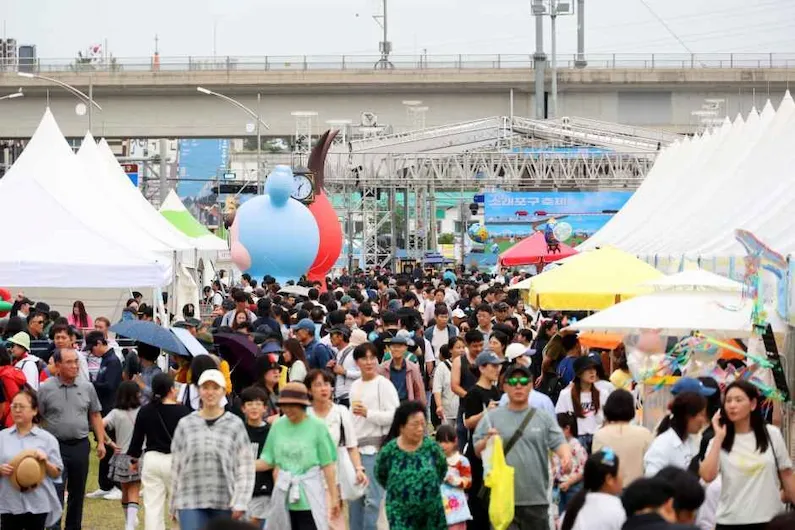
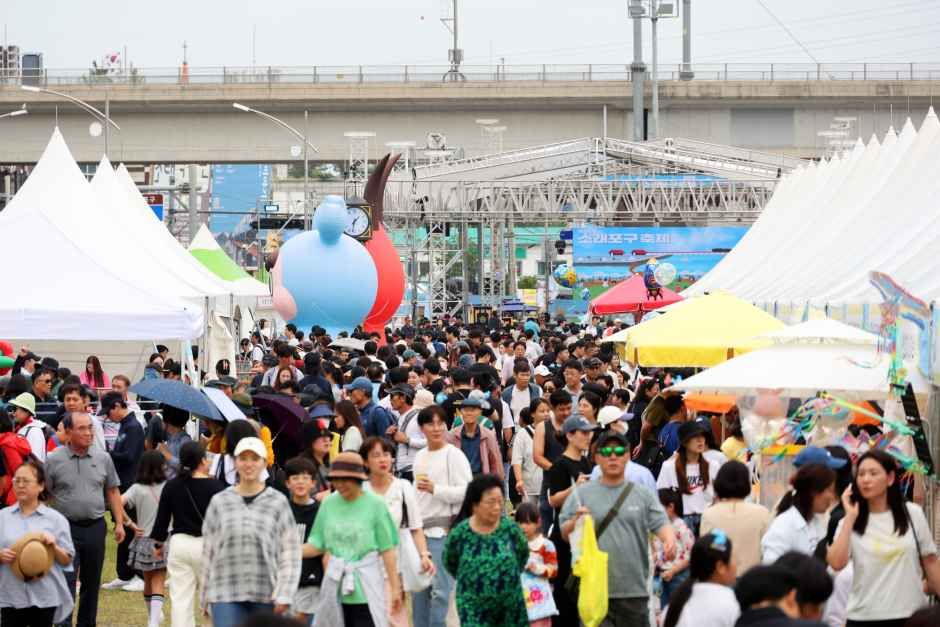
The Soraepogu Festival is a representative festival that captures the identity of the region based on the rich ecological resources and historical and cultural value of Soraepogu. The festival grounds consist of various themed spaces, including the Main Stage Zone, Experience Zone, Booth Zone, Art Zone, History Zone, Tower Zone, and Landscape Zone, presenting a variety of programs that people of all ages can enjoy.
Ecological programs where visitors can directly experience the natural environment of Sorae, such as the children’s tidal flat playground, children’s salt playground, and shrimp catching experience, are operated along with resident-participation programs created together by local residents, merchants, artists, and related organizations, such as the resident-participation fish-shaped lantern making and the Sorae youth drawing contest. In addition, it provides abundant attractions such as a spectacular drone show, “Squid Game” for the whole family to enjoy, cultural arts performances and exhibitions, and nighttime landscape content.
Connecting the past, present, and future of Soraepogu, the Soraepogu Festival is a special festival where ecology, history, culture, art, people, and the region harmonize, offering visitors unforgettable memories and emotions.
Main Programs
- Drone performance – A spectacular nighttime show that illuminates the sky above Soraepogu.
- Seafood cooking contest – A competitive event where participants showcase their skills with fresh local seafood.
- Beauty festival – A stage celebrating beauty and confidence.
- Sorae King selection contest – A lighthearted competition to crown the festival’s King.
- King of Kings concert – A headline concert featuring performances by popular artists.
Side Programs
- Soraepogu plogging stamp tour – A walking tour that combines collecting stamps with plogging (picking up litter while walking), allowing visitors to explore the festival grounds while contributing to the environment.
- Sorae youth drawing contest – A creative outlet for young visitors to express their vision of Soraepogu.
Consumer Participation Programs
- Food booths and food trucks – A variety of culinary options ranging from local specialties to street food.
- Sorae art flea market – A market where visitors can browse and purchase unique artisanal goods and artworks.
Other Details
- Children’s boat fishing playground – A safe, hands-on fishing experience designed for children.
- Children’s tidal flat playground – An ecological play area where children can experience the mudflats of Sorae firsthand.
- Children’s salt playground – A play space themed around the region’s salt production heritage.
- Squid Game – A family-friendly version of the popular Korean game, adapted for participants of all ages.
- 2026-portion fish porridge tasting event – A tasting opportunity for a comforting local dish.
📍 Address: 86-17 Jangdo-ro, Namdong-gu, Incheon (Nonhyeon-dong)
🛏️ Accommodations near the event
💰 Fee: Free (some experiences require payment)
📞 Inquiry: 070-8820-4038
Soraepogu is a village on the southern edge of Incheon, where the Yellow Sea’s shallow waters meet salt marshes and reed beds. The harbor has supported local fishing for generations. Its mudflats provide habitat for clams, crabs, and other shellfish, and the salt fields have been producing sea salt since the early 20th century. The fish market operates daily, selling fresh catches and processed seafood.
The name Soraepogu comes from the Korean words for pine and port, referring to the pine trees that once covered the hills around the inlet and provided shelter for boats. The trees are fewer now, but the name remains.
The tidal flats are recognized as an important stopover for migratory birds. Species such as the black-faced spoonbill, the endangered great knot, and the common greenshank feed on the mudflats during their migrations. A boardwalk about 1.2 kilometers long runs through the wetland, allowing visitors to observe the birds without disturbing them. The salt flats are also visible from the walkway, and interpretive signs explain the history of salt production and the local ecology.
In the village itself, the market streets offer a range of seafood—blue crabs, shrimp, and a variety of fish—along with small restaurants and shops. The harbor still has working boats, and the infrastructure for processing and storing seafood is in place.
Soraepogu has developed a secondary role as a destination for visitors interested in coastal ecology and traditional fishing culture. The festival held here each year focuses on the community’s relationship with the sea and the tidal flats, with events such as mudflat walks, salt harvesting demonstrations, and seafood tastings. The setting is functional and specific, shaped by the tides and the fishing economy, rather than presented as an idealized backdrop.
