Naju Yeongsan River Festival
🗓️ 2026.10.07 ~ 2026.10.11
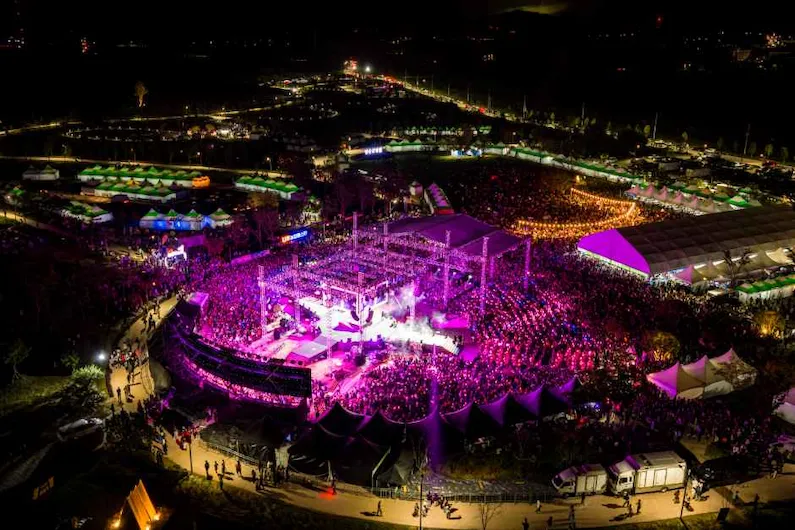
The 2026 Naju Yeongsan River Festival is Naju’s representative autumn festival, held for five days from October 7th to 11th in the Yeongsan River Garden area. Set against the vast Yeongsan River and its surrounding gardens, it forms a single venue where Naju’s history, culture, and tourism resources meet. The program includes spectacular performances, citizen participation programs, family-oriented experiential events, and food stalls that carry the flavors of Naju. It is also a stay-over festival: during the day, visitors can enjoy the autumn garden and daytime activities; at night, they can take in the illuminated riverside views and performances. As a cultural tourism festival, it gives citizens and tourists a chance to gather while promoting the ecological value of the Yeongsan River and the distinct charm of Naju.
Main Programs
- Opening Ceremony
- Drone Light Show & Fireworks Show
- Opening Celebration Performance
- Musical Dramatic Show
- Yeongsan River River Wave Water Show
- Moonlight Symphony
- Closing Ceremony & Fireworks Show
Side Programs
- Yeongsan River Theme Pavilion
- Board Game Outing
- KidZania in Naju
- Yeongsan River Gourmet Pavilion
- Naju Agriculture Festa
- Yeongsan River Family Garden Festival
Consumer Participation Programs
Lucky Lottery Event, etc.
Other Contents
Teenieping Sing-along Show, Pinkfong Sing-along Show, Food Orchestra with Master Ahn Yu-seong, Moksa Procession with Citizens, Natural Dyeing Fashion Show with Supermodel Park Dul-seon, etc.
Visitor Information
📍 Address: Yeongsan-dong, Naju-si, Jeonnam-Gwangju Integrated Special City
🛏️ Accommodations near the event
💰 Fee: Free
📞 Inquiry: 061-339-8594
🖥️ Website: https://www.naju.go.kr/tour/festival/river

The Yeongsan River is one of the major rivers of South Korea. It rises in the mountains of Damyang and Jangseong, flows through Hwasun, Naju, and other parts of South Jeolla Province, and empties into the Yellow Sea near Mokpo. Its length is about 129 kilometers. The river and its tributaries drain much of the southwestern part of the province, and the surrounding plains have supported rice farming and other agriculture for centuries.
The river has also shaped the settlement of the region. Towns developed along its banks, and its water served both irrigation and daily needs. In the mid-twentieth century, population growth and industrial development increased pressure on the river, leading to a series of flood control and water management projects along its course. In recent decades, attention has shifted toward restoration and public access. Several cities along the river have built parks, walking trails, and waterfront spaces, making the river a more visible part of everyday life.
In autumn, these public spaces are used for seasonal events, including festivals in Naju. The events use the river as a setting rather than as a backdrop for spectacle. Visitors can walk along the banks, watch migratory birds, and see the surrounding hills change color. The Yeongsan River is not unusual in its geography or hydrology, but its combination of agricultural history, settlement, and recent urban renewal gives it a steady place in the region’s identity.
