Silica Gel Asia Tour 〈Syn.THE.Size: Ballad of You〉 in Seoul 2026: Ticket Prices, Dates, and Booking Guide for KSPO DOME

Silica Gel Asia Tour 〈Syn.THE.Size: Ballad of You〉 in Seoul 2026: Ticket Prices, Dates, and Booking Guide for KSPO DOME

Silica Gel Asia Tour 〈Syn.THE.Size: Ballad of You〉 in Seoul

Poster

The innovative sounds of Silica Gel return to the capital as part of their broader Asian circuit with the 〈Syn.THE.Size: Ballad of You〉 tour. For those attending, the appeal lies in the band’s ability to blend complex sonic textures with a high-concept visual presentation—an experience that is uniquely amplified by the scale of the KSPO DOME. This particular tour iteration focuses on the “Ballad of You” concept, distinguishing it from previous showcases through its specific thematic curation and atmospheric direction.

Event Information

Schedule

The tour consists of two evening performances:

  • Saturday, September 26, 2026, at 6 PM
  • Sunday, September 27, 2026, at 5 PM

Lineup

The event features a headline performance by Silica Gel.

Ticket Prices

Pricing is tiered based on the proximity to the stage and seating type, with specific rates for the Hyundai Card Pre-sale:

  • Standing VIP Seat: 143,000 KRW
  • Reserved VIP Seat: 143,000 KRW
  • Reserved R Seat: 121,000 KRW
  • Reserved S Seat: 110,000 KRW

Ticket Reservation and Guidelines

Pre-sale Details

The Hyundai Card pre-sale is restricted to domestic reservationists and exclusively available to Hyundai Card holders (excluding anonymous corporate or Gift cards). This pre-sale phase is open regardless of the cardholder’s usage performance, though it is important to note that no separate Hyundai Card discounts or M Point redemptions are available.

  • Reservation Period: June 5, 2026 (Fri) 20:00 (KST) ~ June 8, 2026 (Mon) 14:00 (KST)
  • Ticket Limit: Up to 4 tickets per person per session
  • Booking Channel: Reservations must be made through NOL and NOL Ticket (domestic page).

Seating Availability

During the pre-sale period, only specific areas are accessible. All remaining seats—including those not opened for pre-sale—will be released during the general sales window.

  • Pre-sale Areas: FLOOR Area A, 1st Floor Areas 8-15, and 2nd Floor Areas 34-41 (limited availability in some areas).
  • General Sale Areas: All venue areas.

Critical Booking Policies

Payment methods are automatically restricted to Hyundai Card during the pre-sale phase. If a reservation is made via bank transfer without a book, the deposit must be completed by 23:59 (KST) on the day of the reservation to avoid automatic cancellation; however, because bank inspection times vary, it is advised to deposit by 23:29:59 (KST).

Please be aware that by reserving a ticket, you agree to the performance guidelines, which may be adjusted based on the situation. Furthermore, reservation details are only viewable on the specific channel used for the purchase (NOL and NOL Ticket).

Specialized Services and Delivery

For attendees requiring accessibility, wheelchair seats must be reserved via telephone through the NOL Ticket Customer Center at 1544-1555 between 09:00 and 18:00 (KST).

To minimize congestion at the KSPO DOME on the event dates, a collective delivery system will be utilized.

  • Collective Delivery Period: August 26, 2026 (Wed) ~ August 28, 2026 (Fri)

Attendees are urged to verify their delivery address and recipient contact information before purchasing. Because re-issuance and entry are impossible if a ticket is lost or damaged, careful storage is essential.

Additional Terms

Reservation waiting services and identical seat re-reservation services are unavailable for this performance. The event utilizes the Safe Reservation service to ensure a fair booking process. Detailed information regarding this service can be found here: https://ticket.interpark.com/service/serviceGuide.asp.

A bit about Silica Gel

Silica Gel is a South Korean indie rock band that has become one of the most dynamic and unpredictable forces in the country’s music scene. Formed in 2013 and hailing from Seoul, the group initially emerged from the city’s vibrant Hongdae club circuit. The core members—vocalist and multi-instrumentalist Kim Geonjay, guitarist Kim Chunchu, drummer Kim Hanjoo, and bassist Choi Woonghee, who joined later—are known for their eclectic and theatrical live performances, which often blur the line between concert and avant-garde performance art.

Their music defies easy categorization, fusing psychedelic rock, post-punk, shoegaze, and electronic elements into a sound that is both chaotic and meticulously crafted. This unique sonic identity was crystallized on their critically acclaimed 2016 full-length debut, Silica Gel, which featured the sprawling, shape-shifting fan-favorite “Tik Tak Tok.” After a period of hiatus and the members completing South Korea’s mandatory military service, the band returned with renewed creative energy, releasing the sleek and propulsive POWER ANDRE 99 (2023) and the expansive project Machine Boy (2024). These later works showcase a refined, groove-oriented approach while retaining the band’s core experimental spirit, cementing their status as one of the most innovative and essential acts in modern Korean rock.

이 포스팅은 쿠팡 파트너스 활동의 일환으로, 이에 따른 일정액의 수수료를 제공받습니다.

Summer Peach Afternoon Tea 2026 at Tokyo Marriott Hotel: Limited-Time Menu with Yamanashi’s Maruto Farm Peaches, Plus Yukata Experience Option

Summer Peach Afternoon Tea 2026 at Tokyo Marriott Hotel: Limited-Time Menu with Yamanashi's Maruto Farm Peaches, Plus Yukata Experience Option

Summer Peach Afternoon Tea【Tokyo Marriott Hotel】

Launching “Summer Peach Afternoon Tea,” a limited-time summer afternoon tea featuring peaches from “Maruto Farm” in Yamanashi Prefecture.

Afternoon tea at the Tokyo Marriott Hotel offers a rare opportunity to experience the progression of Japan’s four seasons within the verdant setting of Gotenyama—an enclave of nature that persists despite its urban location. For July and August, Pastry Chef Satoru Ishiwa has crafted a collection of sweets centered on peaches from Yamanashi Prefecture’s “Maruto Farm,” a grower whose produce seldom reaches general markets. The selection is deliberate: varieties are chosen to peak precisely during their serving window. The first half of the season features cultivars prized for their yielding, melting texture—”Hikawa Hakuhou” and “Hakuhou” among them—while the latter half transitions to firmer, intensely sweet varieties including “Asama Hakutou” and “Kawanakajima Hakutou.” Approximately ten cultivars will appear sequentially across the two-month period.

Eight sweets place peach at their center. The parfait layers tonka bean brulée with the fruit’s sweet, mellow aroma; a shortcake demonstrates how restraint can amplify flavor; and a rare cheese mousse assumes the rounded form of a peach itself. Four savory items—including lobster penne and a chilled peach soup—round out the menu. The setting matters: Gotenyama’s greenery and bright summer light provide the backdrop for an experience that arrives, appropriately, with the scent of ripe fruit.


<Upper Tier>

・Yamanashi Peach and Tonka Bean Brulée Parfait

Seasonal Yamanashi peaches and jelly layered with chantilly cream and black tea crumble, garnished with tonka bean brulée and peach.

・Peach Rare Cheese Mousse with Embedded Yamanashi Peaches

A piece that catches the eye with its large peach shape, featuring Yamanashi peach compote wrapped in a light, peach-flavored rare cheese mousse.

・Yamanashi Peach Shortcake

Finished with Yamanashi peach compote, sponge cake, and red peach and raspberry cream. Despite its simple composition, it is a masterpiece filled with the pastry chef’s commitment to flavor.

・Pink Poppin’ Chocolate Peach Ganache

Poppin’ chocolates filled with red peach confiture and white peach ganache.


<Lower Tier>

・Yamanashi Peach Tarte Flan

A pie crust tart filled and baked with a rich, vanilla-scented custard flan, luxuriously topped with Yamanashi peach compote.

・Peach and Framboise Sablé Sandwich

Peach and framboise butter cream sandwiched between pink raspberry sablés, accented with framboise jam for a touch of flavor.

・Yamanashi Peach Compote and Jersey Milk Blancmange

Yamanashi peach compote and peach jelly layered over rich, creamy Jersey milk, finished with a refreshing taste.

・Peach Scone served with Kochi Prefecture Guava Confiture

Scones with dried peaches kneaded in, with a meticulous blend of ingredients to create a moist texture despite being egg-free. Please enjoy it with a slightly tart guava confiture from Kochi Prefecture.


<Savories>

・Octopus and Itaya Shell Marinade with a Lime Accent

Octopus and Itaya shell marinated in a refreshing lime dressing.

・Lobster and Penne Composition

An appetising dish combining the umami of lobster with basil-scented penne.

・Salami and Mascarpone Stick Sandwich

A simple sandwich of salami and mascarpone cheese. A hint of framboise flavor is tucked in as an accent.

・Chilled Red Peach Soup served with Prosciutto Bread

A chilled soup that brings out the gentle sweetness of red peaches, served with crispy prosciutto bread.


【Tea or Coffee】

Brand changes and refills are free

・”TWG Tea” 8 types of tea selection

・ 5 types of coffee variations


Recommended Plan: “Yukata de Afternoon Tea”

A special arrangement links summer attire with the afternoon tea experience. Guests select their preferred yukata for dressing and hair styling at the Aiko Yamano Beauty Salon within the hotel, then proceed to the open atrium of Lounge & Dining G—surrounded by Gotenyama’s greenery—for fruit-forward afternoon tea.

Period Wednesday, July 1, 2026 – Wednesday, September 30, 2026
Time 11:30~ / 14:00~
Location Aiko Yamano Beauty Salon (dressing/hair set); Lounge & Dining G (afternoon tea)
Price ¥27,300 per person

Includes yukata, obi, geta, dressing, hair set, and afternoon tea

Complete reservation system required up to 7 days before the date of use. Cancellations 3 days or less before incur a 100% cancellation fee.

From Tuesday, September 1, 2026, the afternoon tea menu content will change.

The above prices include consumption tax and service charges.

The described contents of the offer are subject to change.


Basic Information

Venue Tokyo Marriott Hotel
Nearest Stations Kita-Shinagawa Station / Shinagawa Station
Address 〒140-0001 4-7-36 Kita-Shinagawa, Shinagawa-ku, Tokyo [MAP]
Specific Venue Lounge & Dining G
Period Wednesday, July 1, 2026 – Monday, August 31, 2026
Time 13:00~ / 15:30~
Price ¥7,500 per person

Reservations: advance reservation system for 2 or more people, up to 2 days in advance.

The above prices include consumption tax and service charges.

The described contents of the offer are subject to change.

Official Site


The posted content may have changed. Please check the official website of the venue/organizer for the latest information.

🛏️ See hotels near Tokyo

Summer Peach Afternoon Tea【Tokyo Marriott Hotel】_1
Summer Peach Afternoon Tea【Tokyo Marriott Hotel】_2
Summer Peach Afternoon Tea【Tokyo Marriott Hotel】_3
Summer Peach Afternoon Tea【Tokyo Marriott Hotel】_4
Summer Peach Afternoon Tea【Tokyo Marriott Hotel】_5
Summer Peach Afternoon Tea【Tokyo Marriott Hotel】_6
Summer Peach Afternoon Tea【Tokyo Marriott Hotel】_7

What is Maruto Farm?

Maruto Farm sits in Yamanashi Prefecture, Japan’s most productive peach-growing region. The family operation has cultivated stone fruit since the mid-1960s, working without synthetic pesticides or the hormone treatments common in commercial orchards. Their hand-pollination method—brushing pollen from flower to flower with rabbit-hair brushes—dates to the farm’s founding and remains unchanged despite the labor intensity.

The farm’s reputation rests on two cultivars developed through decades of selective breeding: the Momoko, which balances acidity against concentrated sweetness, and the less common Yumeaki, prized for its near-white flesh and pronounced honey aroma. Yamanashi’s geography shapes these characteristics. The valley traps heat during the day while elevation allows rapid cooling at night. Volcanic soils from the surrounding Minami Alps range lend subtle mineral notes that persist in the finished fruit.

Harvesting runs from mid-July through August. Workers move through the orchards daily, testing individual peaches for sugar content using refractometers before clipping stems by hand. Rejected fruit—roughly sixty percent of the crop—goes to processors for jam or juice. The remainder enters a tiered grading system: approximately twenty-five percent qualifies for standard retail, fifteen percent for department store gift boxes, and the remaining ten percent for partnerships with hotels and inns that specify harvest-to-service intervals of forty-eight hours or less.

Tokyo Marriott Hotel’s pastry kitchen established contact with Maruto Farm in 2017, initially through a mutual supplier who handled logistics for both properties. After two seasons of sample testing and visits by the farm’s quality manager to the hotel’s Shinjuku location, the properties arranged direct procurement. The afternoon tea menu receives allocations from the top tier, with specific weight requirements (minimum 280 grams) and brix measurements (minimum 13 percent) written into the purchase agreement. The farm’s output of qualifying fruit varies annually with weather conditions; the 2023 harvest yielded 8,400 kilograms meeting Marriott specifications, against 11,200 in the previous year.

Tokyo Skytree BBQ Beer Garden 2026: World Beer Museum Rooftop with 100 Craft Beers and American or Korean BBQ Courses

Tokyo Skytree BBQ Beer Garden 2026: World Beer Museum Rooftop with 100 Craft Beers and American or Korean BBQ Courses

BBQ Garden Overlooking Tokyo Skytree(R) / World Beer Museum

Choose from two courses: American BBQ or Korean BBQ! An open-air beer restaurant on a rooftop overlooking Tokyo Skytree, where you can enjoy empty-handed BBQ and 100 types of draft beers from around the world.


Perched on the 7th floor rooftop of Tokyo Skytree Town Solamachi, this beer restaurant delivers what few venues in the capital can match: direct sightlines to the 634-meter Tokyo Skytree while you eat. The terrace seating puts the tower overhead during daylight hours, then shifts to a panoramic cityscape as evening falls and the urban landscape lights up. The space has been designed with photography in mind—designated Instagrammable seats and photo spots are integrated throughout, and the overall aesthetic leans toward stylish rather than casual.

The operational concept centers on removing friction from outdoor dining. Guests arrive without equipment—the kitchen handles all grilling—while heat management comes via large fans and outdoor spot coolers that keep the terrace functional through Tokyo’s humid summers.

Beer selection represents the venue’s other primary draw. The restaurant ranks among Japan’s largest dedicated beer establishments, with 100 draft varieties sourced internationally. Domestic options from Asahi, Kirin, Suntory, and Sapporo anchor the list, supplemented by 100 types of overseas craft beers. This breadth allows for progression through styles over the course of an evening, or direct comparison between regional brewing traditions.

Two distinct BBQ courses structure the food offering:

  • American BBQ Course: Grilled steaks and specialty hamburgers, calibrated for pairing with fuller-bodied beers
  • Korean BBQ Course: Samgyeopsal, UFO chicken, and specialty cold noodles, served alongside Korean beer selections

The split format lets groups align their meal with specific occasions or preferences without leaving the venue.

Additional service elements include all-you-can-eat BBQ options, dedicated kids’ menus, and indoor contingency seating—when weather turns, operations either move inside or continue under the rooftop’s permanent roof structure.


Practical Information

Category Details
BBQ Style Empty-handed (equipment provided, no preparation required)
Heat Countermeasures Large fans, outdoor spot coolers
Beer Range 100 types of overseas craft draft beers; plus Asahi, Kirin, Suntory, Sapporo
Total Capacity 320 seats (150 outdoor terrace seats)
Group Maximum 300 people
Reservations Web reservations available
Payment Methods Credit card, QR code, electronic money, cash
Rain Response Move indoors, or continue outdoors under roof coverage

Access & Location

Venue: World Beer Museum Tokyo Skytree Solamachi Store

Nearest Stations: Tokyo Skytree Station / Honjo-Azumabashi Station / Oshiage <Skytree-mae> Station

Address: 〒131-0045 Tokyo-to, Sumida-ku, Oshiage 1-1-2 Tokyo Skytree Town Solamachi 7F

MAP


Operating Schedule

Event Period March 1, 2026 (Sun) – October 31, 2026 (Sat)
Hours 11:00 – 23:00
Last Order Food 22:00 / Drinks 22:30
Regular Holiday None

Contact

Phone: 03-5610-2648 (11:00–23:00)

Official Website: https://www.zato.co.jp/restaurant/worldbeermuseum/worldbeermuseum_tokyo/

The published content may be subject to change. Please check the official website of the venue or organizer for the latest information.

🛏️ See hotels near Tokyo


Gallery

東京スカイツリー(R)を見上げるBBQガーデン/世界のビール博物館_1
東京スカイツリー(R)を見上げるBBQガーデン/世界のビール博物館_2
東京スカイツリー(R)を見上げるBBQガーデン/世界のビール博物館_3
東京スカイツリー(R)を見上げるBBQガーデン/世界のビール博物館_4
東京スカイツリー(R)を見上げるBBQガーデン/世界のビール博物館_5
東京スカイツリー(R)を見上げるBBQガーデン/世界のビール博物館_6
東京スカイツリー(R)を見上げるBBQガーデン/世界のビール博物館_7
可愛いオットセイに会いに行こう!すみだ水族館で「すみだオットセイファン感謝祭」開催中

What is Tokyo Skytree?

Tokyo Skytree is a broadcasting tower and landmark in Sumida City, Tokyo. At 634 meters, it is the tallest structure in Japan. Completed in 2012, it took over primary broadcast duties for the greater Tokyo region from the older Tokyo Tower.

The tower has two observation decks: one at 350 meters and another at 450 meters. On clear days, visitors can see Mount Fuji in the distance. The lower deck features a glass floor section and a restaurant; the upper deck, called the “Tembo Galleria,” has a sloping ramp that spirals upward to the 451.2-meter summit.

At ground level, Tokyo Skytree Town houses shops, restaurants, an aquarium, and a planetarium. The complex connects directly to Oshiage Station, making it accessible by train, subway, and bus lines. The area draws roughly 30 million visitors annually.

The tower’s design has practical roots. Its height was chosen to clear nearby buildings for broadcast signals, and its tripod base and central shaft are engineered to withstand earthquakes and typhoons common to the region. The exterior lighting changes seasonally—white for winter, blue for summer—based on traditional Japanese color schemes.

Tokyo Skytree operates as a commercial facility managed by Tobu Railway Group and Tobu Tower Skytree. Broadcast equipment occupies the upper sections; the remainder supports tourism, retail, and observation functions.

TOKYO Matcha Time at SKYTREE 2026: First-Ever Matcha Event with Gion Tsujiri – Menu, Workshop Tickets & How to Visit

TOKYO Matcha Time at SKYTREE 2026: First-Ever Matcha Event with Gion Tsujiri – Menu, Workshop Tickets & How to Visit

TOKYO Matcha Time at SKYTREE(R) ~Savoring Japanese Harmony in the Sky~

First-ever event to enjoy “Matcha” at Tokyo Skytree(R)

Tokyo Skytree(R) hosts its inaugural matcha-focused event, bringing together panoramic city views with the refined traditions of Japanese tea culture. In collaboration with Gion Tsujiri—the venerable Kyoto tea house established in Gion’s historic district—the observation deck transforms into a space where visitors can experience matcha in multiple dimensions: through taste, sight, and atmosphere.

The program extends beyond themed cafe menus. Exclusive photo spots and decorations introduce Japanese tea culture to the Tembo Deck for the first time. A new special lighting installation, “Kissa-ko,” reinterprets the meditative movements of tea preparation as flowing illumination. Sorakara-chan, the tower’s beloved mascot, will appear in a newly designed costume evoking the fresh green of shincha (new tea). For those seeking deeper immersion, “Savoring the New Tea Season ~Tokyo Sora-cha-kai~” offers private morning access to the Tembo Deck, where participants can learn tea ceremony fundamentals from a Sumida Ward instructor.

Whether you are a resident of Japan or visiting from abroad, the combination of Tokyo’s skyline and the contemplative traditions of matcha offers something genuinely difficult to replicate elsewhere: elevation in both the literal and figurative sense.

Event-Exclusive Cafe Menu at SKYTREE CAFE (Tembo Deck Floor 350)

Gion Tsujiri’s Uji matcha—cultivated in the region most celebrated for its tea—forms the foundation of four limited-edition items. The cafe interior itself will carry limited-time Gion Tsujiri branding.

Drinks & Sweets Menu:

Item Description Price
Wasanbon Uji Matcha Au Lait Wasanbon sugar’s subtle sweetness complements aromatic Uji matcha in a Japanese-style latte with a smooth, mellow richness ¥1,100
Yuzu Uji Matcha Gin Soda A gin-based cocktail layering yuzu fragrance with matcha’s gentle bitterness; light carbonation and depth create a clean finish ¥1,300
Fragrant Uji Matcha Wa-Sundae Uji matcha powder dusted over vanilla soft serve, with azuki beans adding contrast to the elegant flavor profile ¥1,430
Rich Uji Matcha Affogato Matcha and vanilla ice creams atop sponge cake, served with separate rich matcha sauce for customized intensity ¥1,650

Location: Tokyo Skytree Tembo Deck Floor 350, “SKYTREE CAFE”

Special Planning Tickets: Matcha Set + Admission

Two bundled ticket options combine Tembo Deck admission with a Gion Tsujiri collaboration item, offering savings of up to ¥400 compared to separate purchases.

Ticket Type Contents Price
Matcha/Drink Set Ticket ① Tembo Deck admission + ② 1 collaboration drink (from above menu) From ¥2,700
Matcha/Sweets Set Ticket ① Tembo Deck admission + ② 1 collaboration sweet (from above menu) From ¥3,050

Sales Start: April 9, 2026 (Thursday) 14:00
Sales Period: Through the day of visit
Purchase Method: Tokyo Skytree official website

Note: Tokyo Skytree employs variable pricing for observation deck admission, meaning ticket prices fluctuate based on the selected date.

Private Workshop: “Savoring the New Tea Season ~Tokyo Sora-cha-kai~”

An early-morning private rental of the Tembo Deck allows participants to engage with tea ceremony culture before the public arrives. The workshop, led by an instructor from Senho-an (a tea ceremony school based in Sumida Ward), requires no prior experience—attendees will learn matcha preparation and basic etiquette in a setting removed from ordinary life.

Detail Information
Dates May 9, 2026 (Saturday); June 13, 2026 (Saturday)
Time 7:45 – 8:45
Location Tokyo Skytree Tembo Deck Floor 350
Program ① Lecture and demonstration on tea ceremony culture ② Hands-on matcha preparation (Japanese sweets included)
Fee ¥6,500 (includes Tembo Deck and Tembo Galleria admission)
Capacity 30 participants
Sales Start April 10, 2026 (Friday) 11:00 (first-come, first-served)
Age Requirement 18 years and older

Installation & Photo Spots

Decorative elements throughout Floors 350 and 340 create what the organizers describe as “a tea room in the sky”—with the gentle aroma of new tea serving as an atmospheric detail.

Sorakara-chan Appearances in Fresh Greenery Costume

Sorakara-chan will greet visitors in a costume unveiled specifically for this event, its design inspired by the vivid green of shincha season.

Period April 23, 2026 (Thursday) – July 6, 2026 (Monday)
Times 10:30 / 12:00 / 13:30 / 15:00 / 16:30 / 18:00
Location Tembo Deck Floor 350 (18:00 session: 4F Entrance Floor)

Appearances subject to change or cancellation without notice.

Special Lighting: “Kissa-ko”

The tower’s exterior illumination will feature a new program translating the choreographed movements of tea preparation—measuring, whisking, presenting—into flowing light. Greens merge, blend, and intensify, culminating in an effect suggesting the rising aroma of a freshly prepared bowl.

Lighting times and content may change without prior notice.


Basic Information

Venue Tokyo Skytree(R)
Address 1-1-2 Oshiage, Sumida-ku, Tokyo 〒131-0045 [MAP]
Nearest Stations Tokyo Skytree Station (Tobu Skytree Line); Oshiage <Skytree-mae> Station (Toei Asakusa Line, Tokyo Metro Hanzomon Line, Tobu Skytree Line)
Event Areas Tembo Deck Floor 350, Floor 340; SKYTREE CAFE (Floor 350)
Period April 23, 2026 (Thursday) – July 6, 2026 (Monday)
Hours In accordance with facility operating hours
Inquiry Tokyo Skytree Call Center: 0570-55-0634 (10:00–18:00)
Official Website https://www.tokyo-skytree.jp/event/matcha/

Event details are subject to change. Please verify current information through the official website.

🛏️ See hotels near Tokyo

What is Gion Tsijiri?

Gion Tsujiri is a Kyoto tea house that opened in 1860 in the Gion district. Founded by Riemon Tsuji, it began as a small operation serving matcha and traditional sweets to the local community.

The company has survived on straightforward practices: shade-grown tencha cultivation and stone-milling. These methods produce matcha with a distinct color and depth of flavor. The business has stayed in the family for over 160 years, passing from one generation to the next with minimal fanfare.

Currently, Gion Tsujiri runs stores in Kyoto and Tokyo. The Kyoto location offers prepared matcha in a traditional setting. The Tokyo locations, particularly in busier districts, serve soft-serve ice cream and blended drinks alongside conventional preparations. The company also supplies matcha to restaurants and retailers domestically and abroad.

For the TOKYO SKYTREE event, Gion Tsujiri will serve its products in a temporary space. This is a standard commercial arrangement—a food vendor at a high-traffic location.

Mamoru Hosoda’s Origins Exhibition 2026: Rare Early Works, Summer Wars “OZ” Immersive Experience & 300+ Production Materials at CREATIVE MUSEUM TOKYO

Mamoru Hosoda's Origins Exhibition 2026: Rare Early Works, Summer Wars "OZ" Immersive Experience & 300+ Production Materials at CREATIVE MUSEUM TOKYO

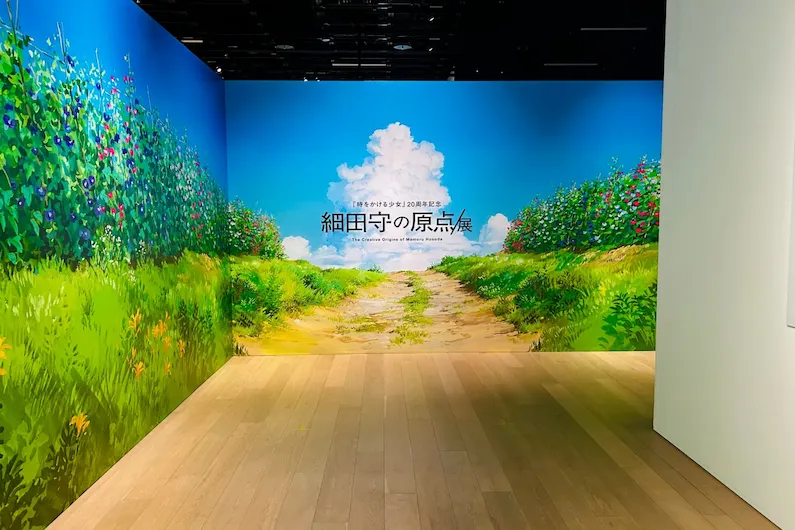
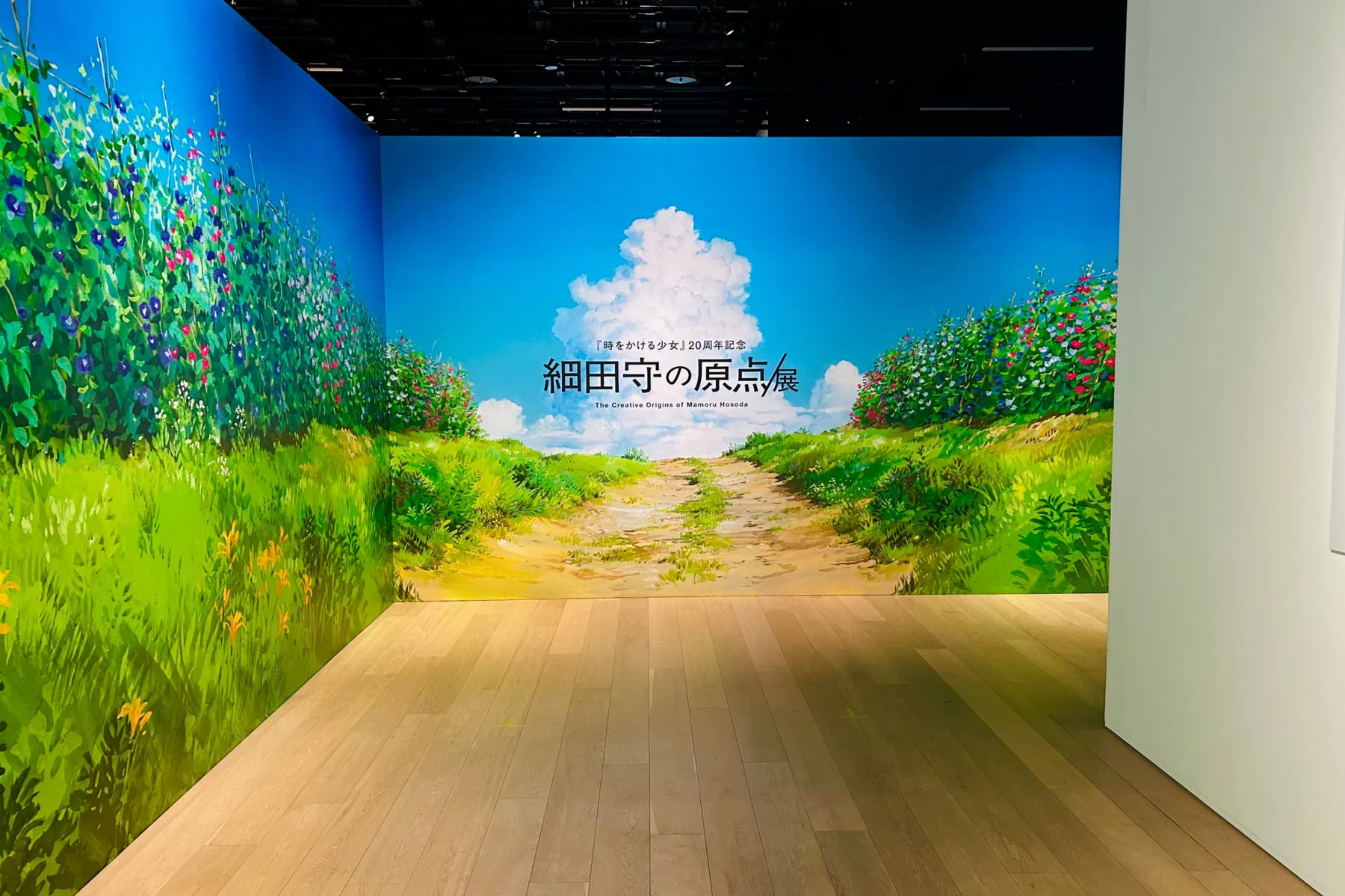
Mamoru Hosoda’s Origins Exhibition

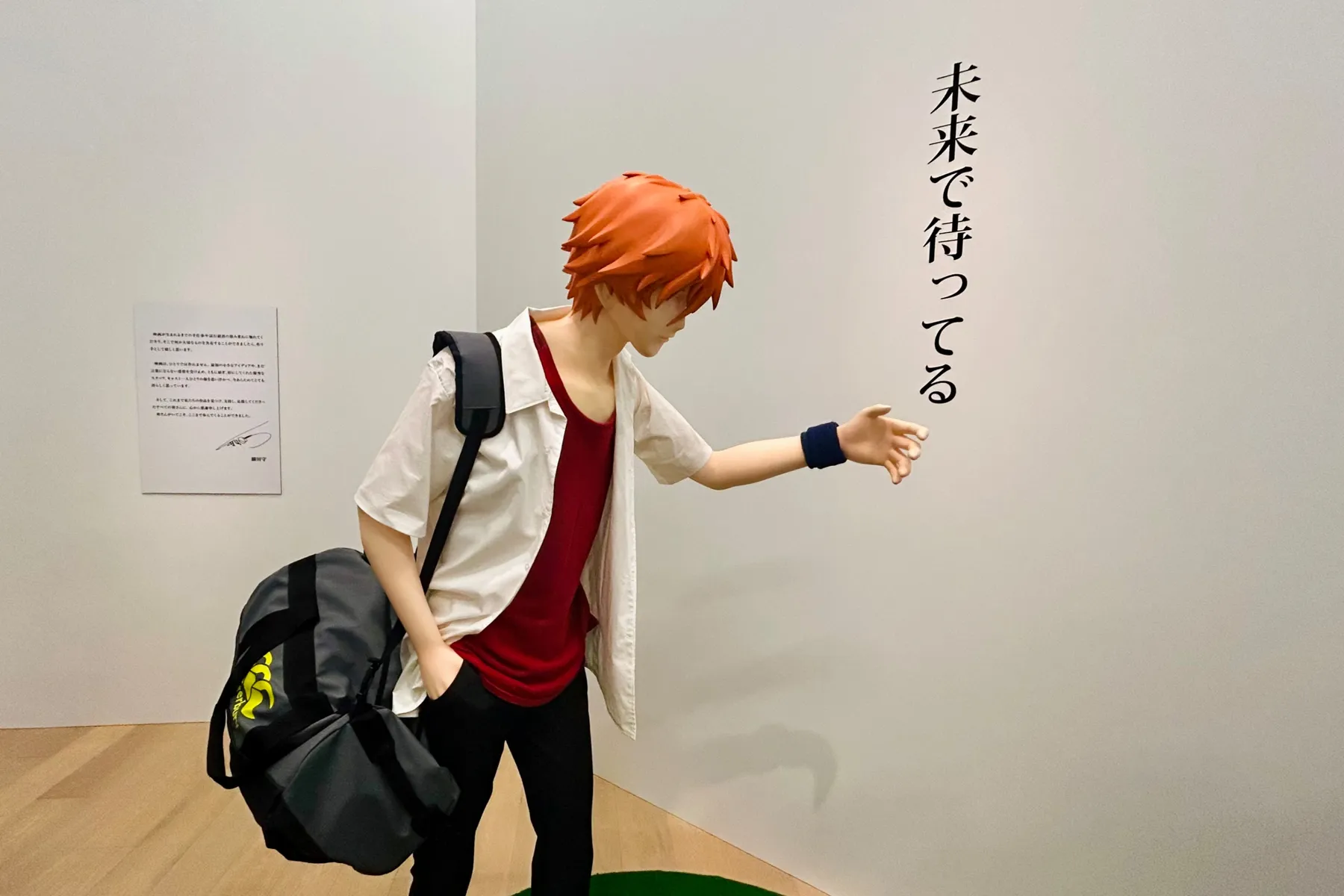
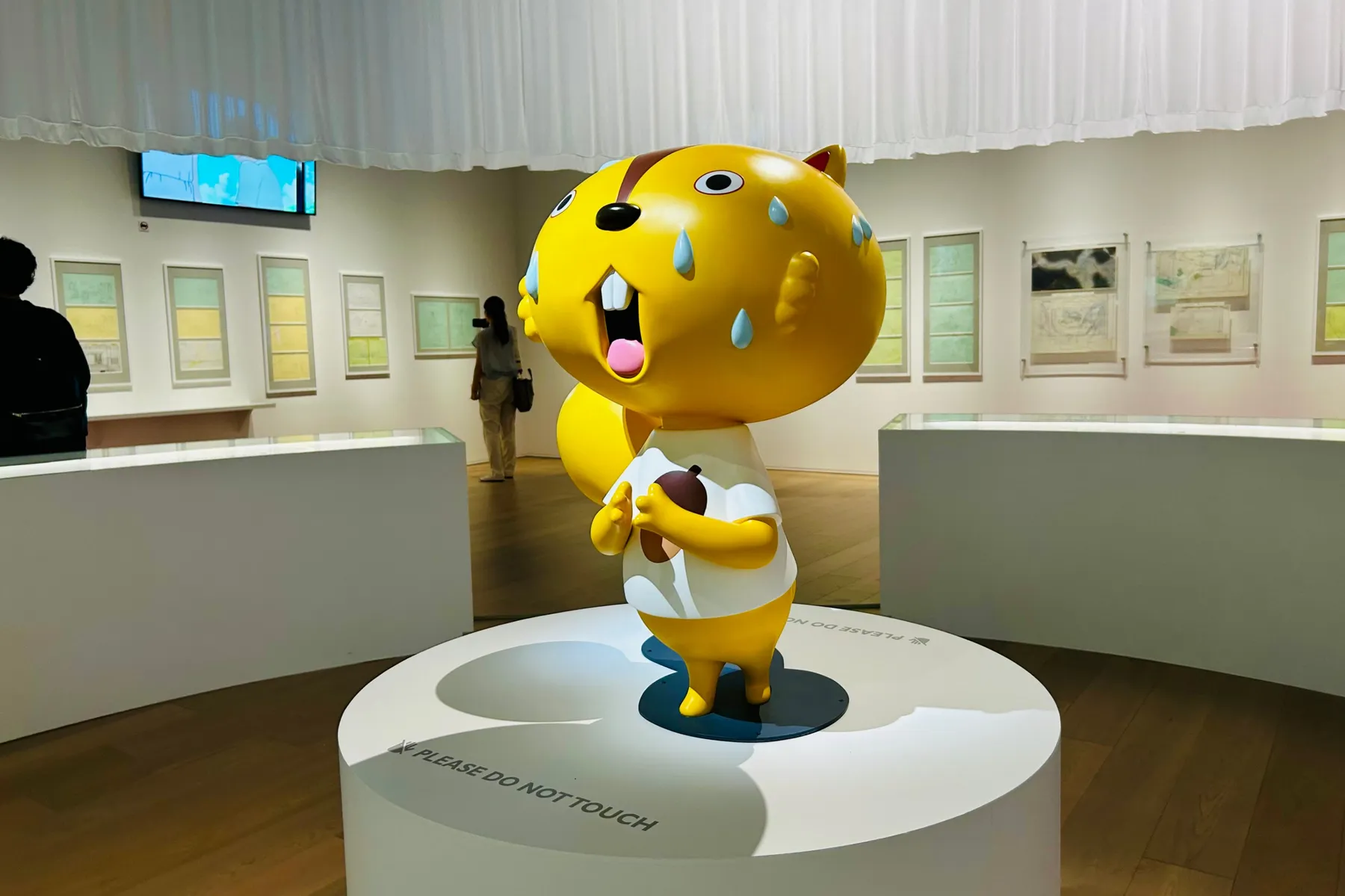
An exhibition approaching the “origins” before The Girl Who Leapt Through Time and an area where you can experience the world-view of “OZ” from Summer Wars

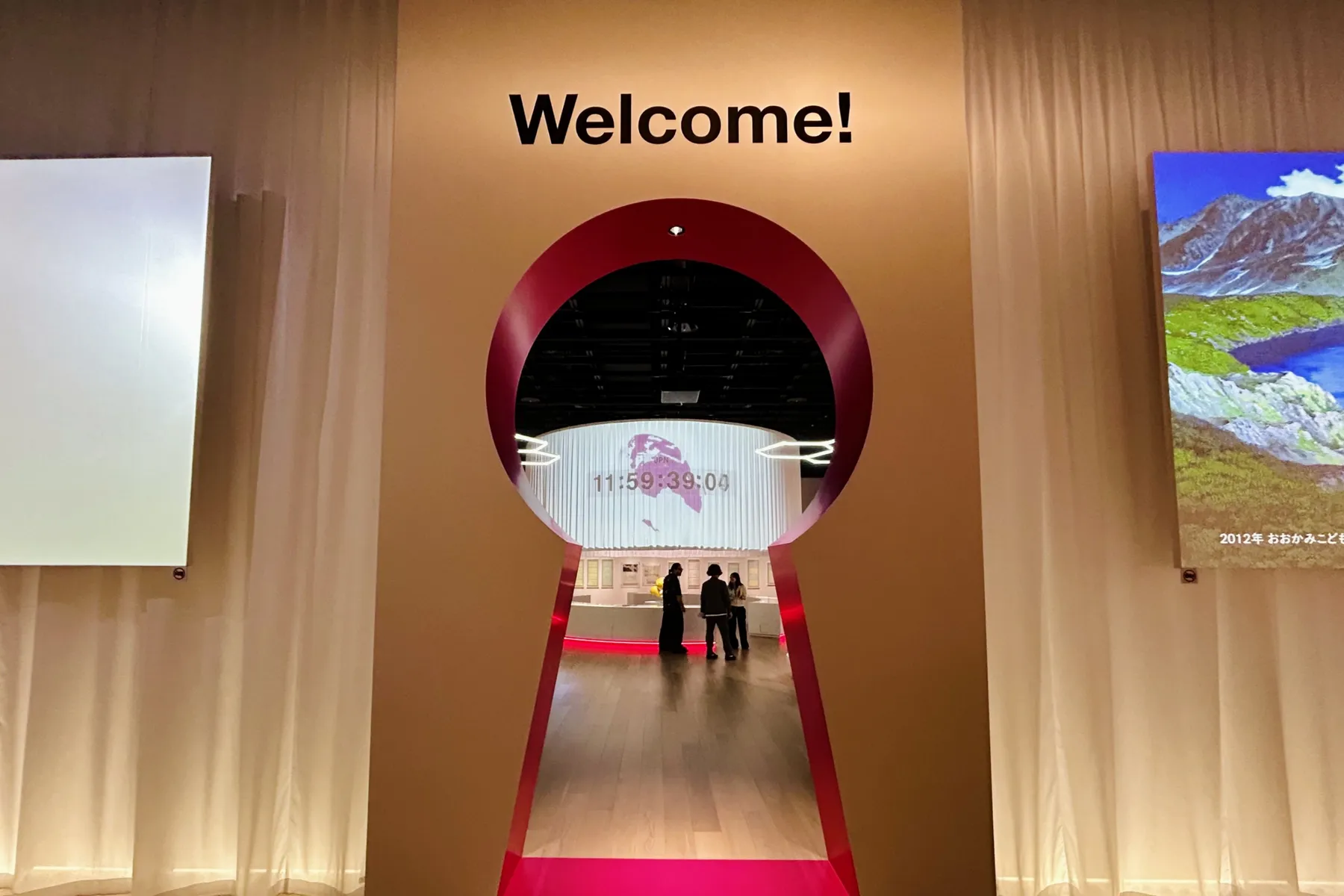
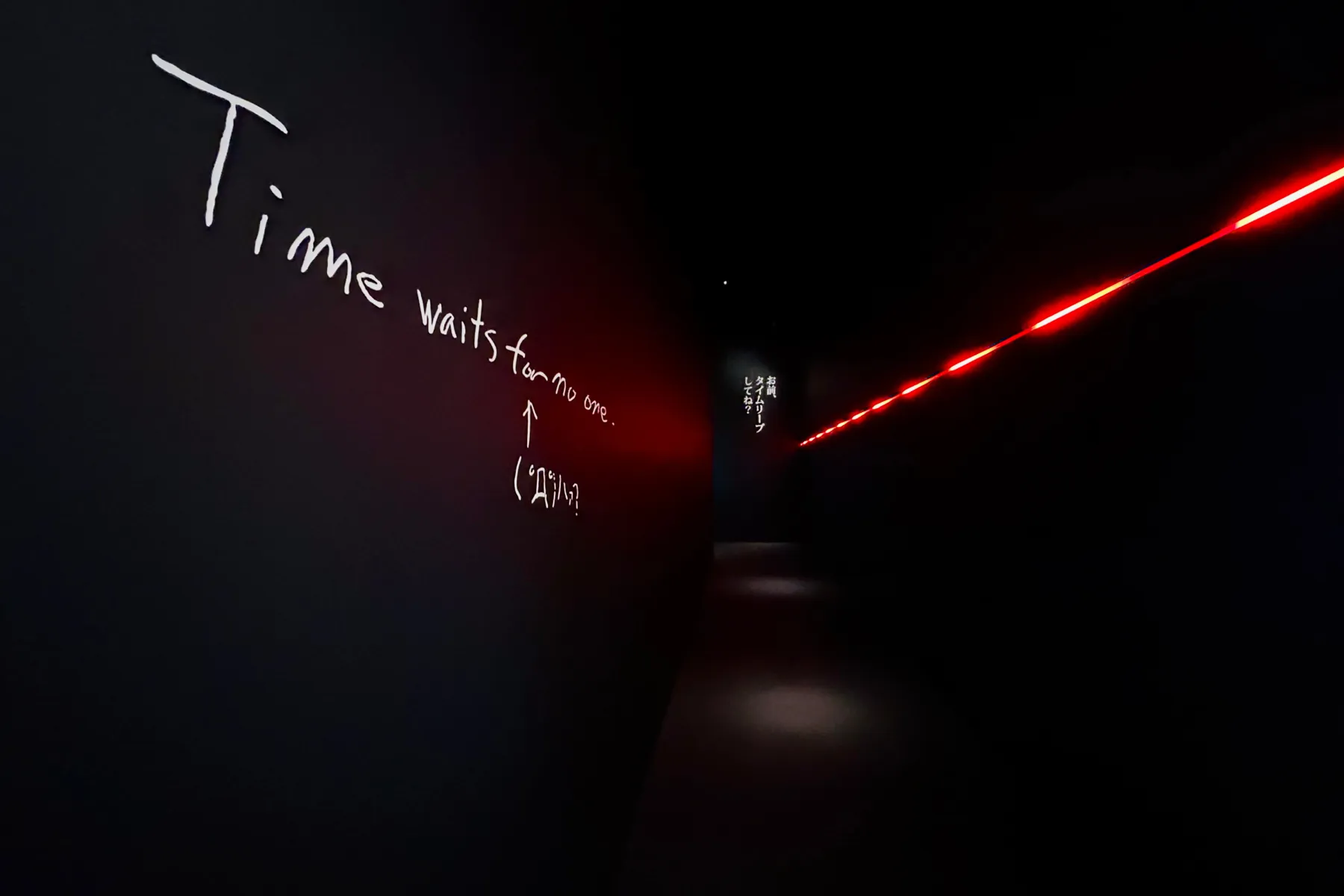
What precedes a celebrated directorial career? For Mamoru Hosoda—whose films have redefined contemporary Japanese animation—that question leads to unexpected places: 8mm film experiments shot during junior high school, live-action video projects crafted at Kanazawa College of Art, and oil paintings that reveal a visual imagination in constant evolution. This exhibition traces the complete arc of Hosoda’s development, from these early independent works through the breakthrough that established his reputation.

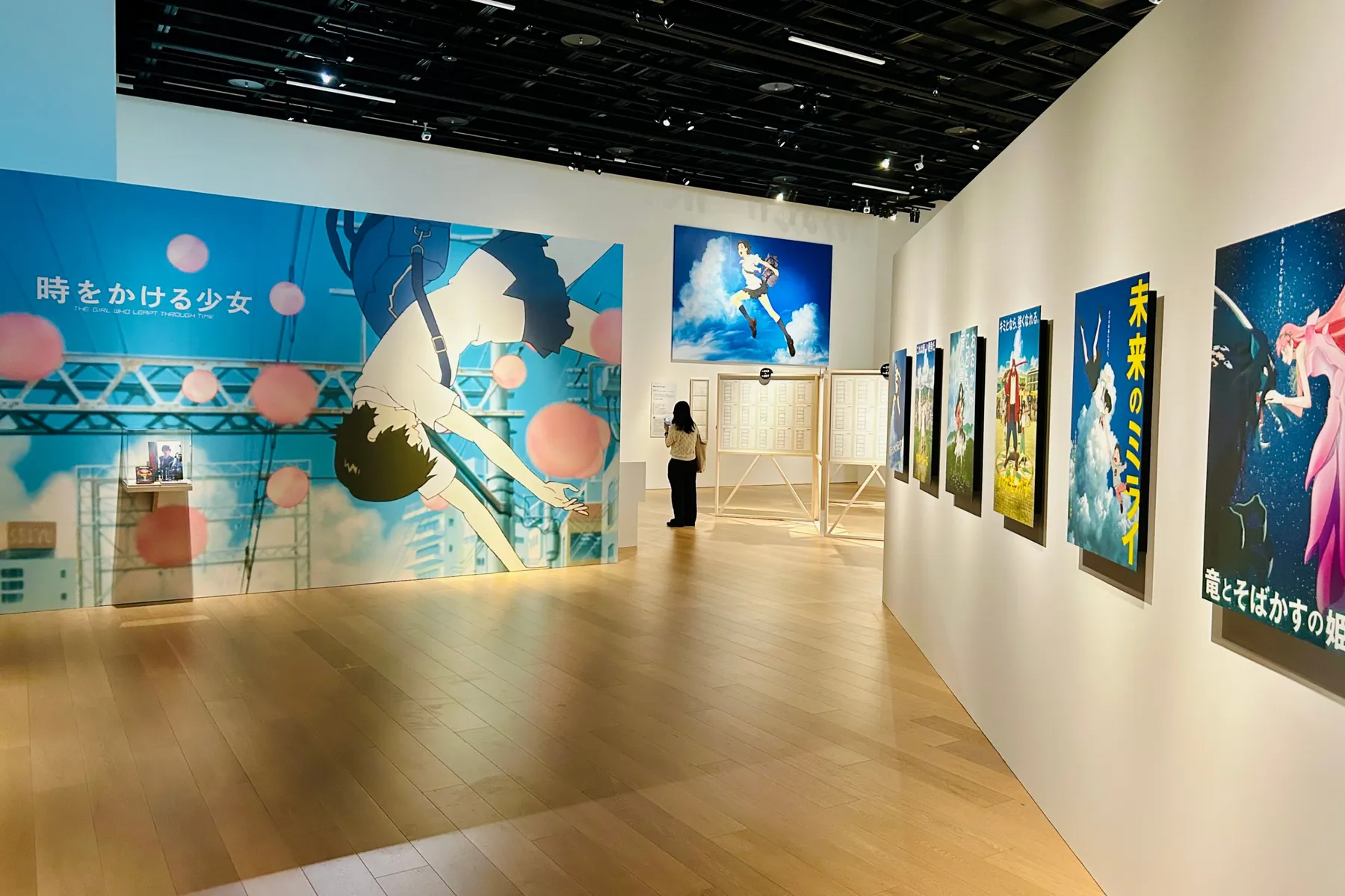
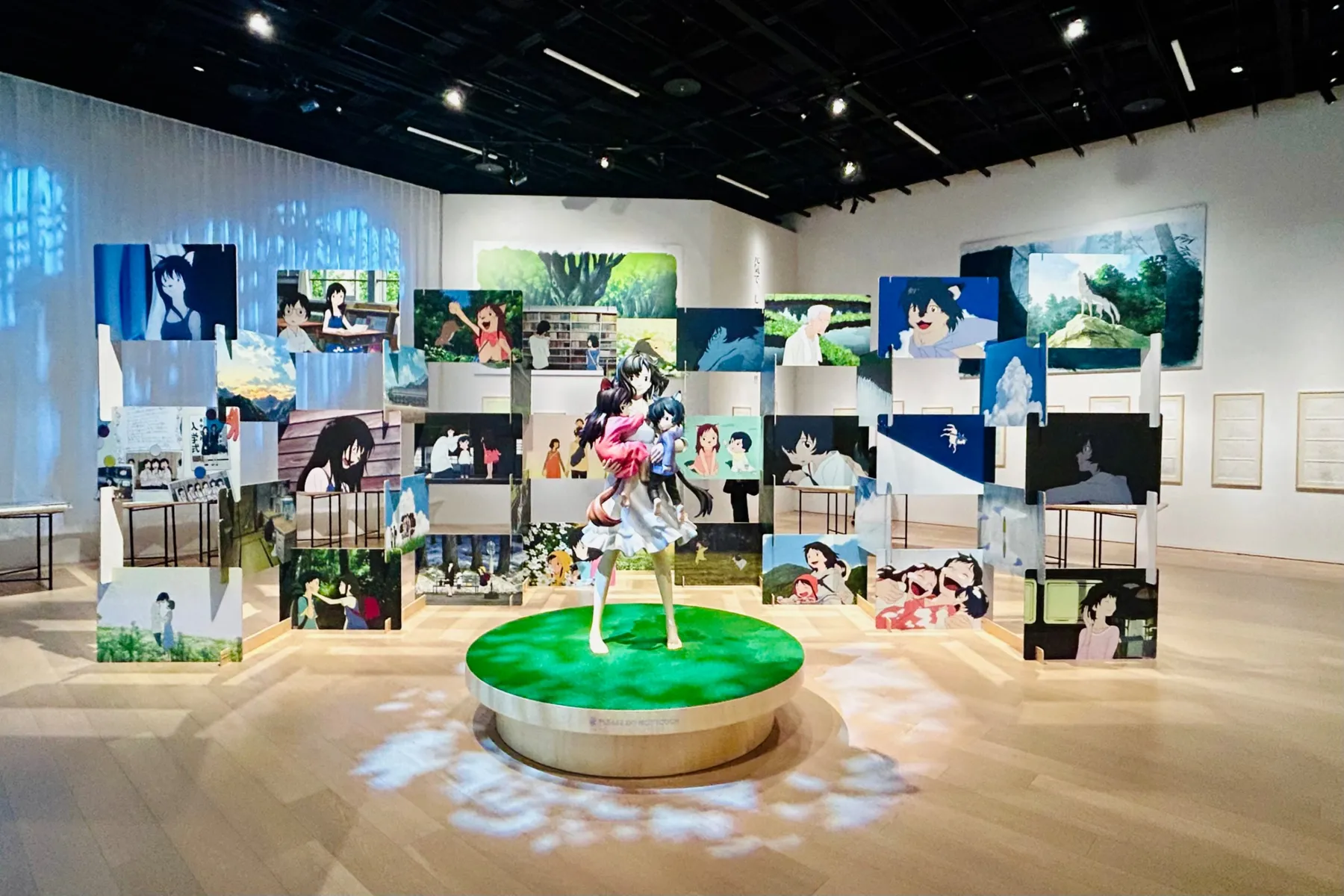
The exhibition’s scope extends well beyond the trilogy of The Girl Who Leapt Through Time, Summer Wars, and Wolf Children that most viewers associate with his name. Visitors will encounter production materials from his pre-feature directorial period—works that rarely receive public exhibition—alongside the familiar touchstones of his later career. The result is a comprehensive portrait of an artist whose commercial success emerged from decades of formal experimentation across multiple media.

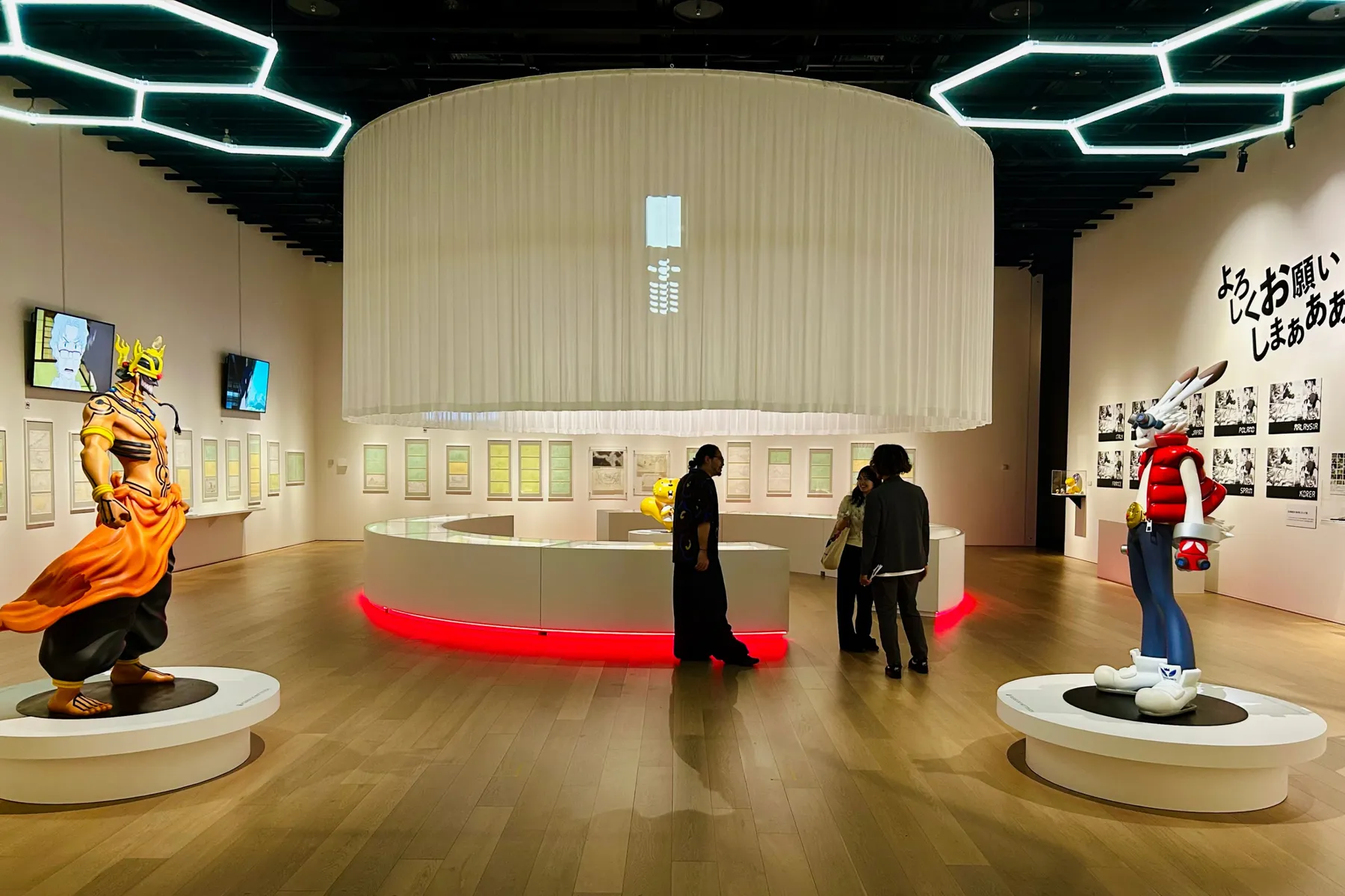
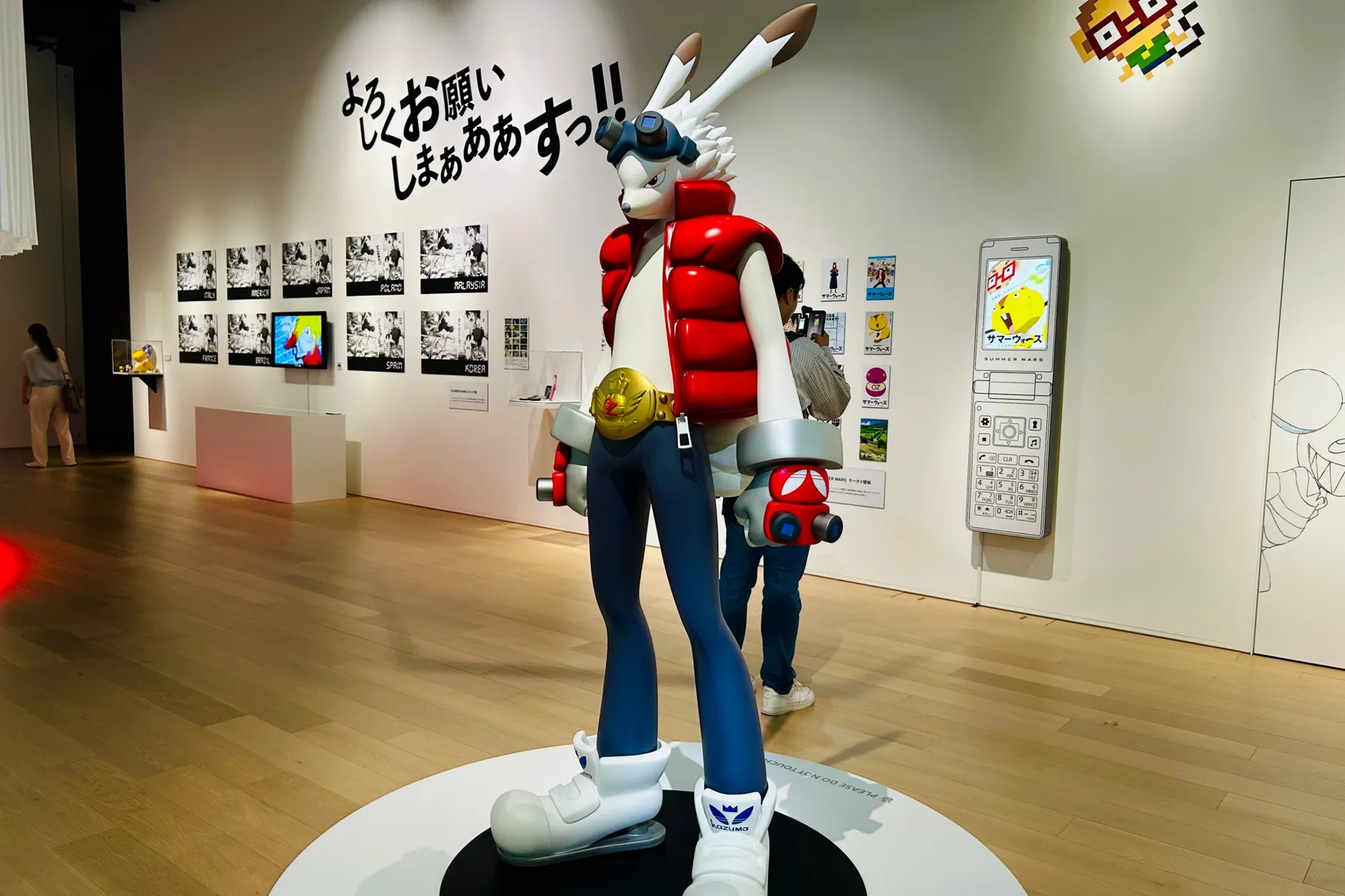
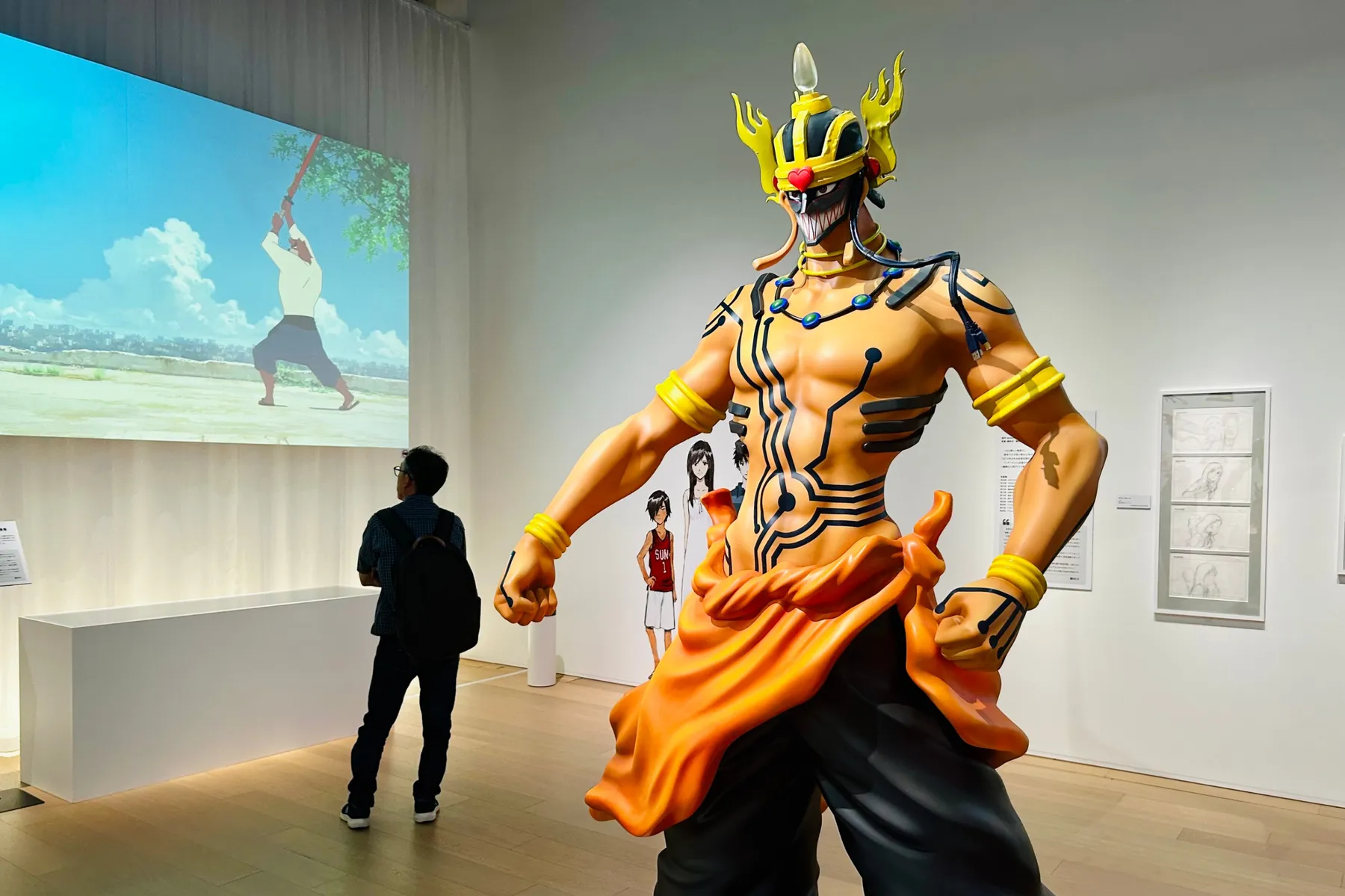
A particular architectural feature of this exhibition distinguishes it from standard animation retrospectives: the venue’s 5-meter ceiling height has been leveraged to create an immersive “OZ” environment, reproducing the virtual internet world central to Summer Wars. Within this space, life-sized figures of King Kazuma and Love Machine—characters who embodied the film’s exploration of digital identity and community—will be on display. The scale of this installation offers something unavailable in home viewing: physical confrontation with the aesthetic logic of Hosoda’s most technologically ambitious fictional world.

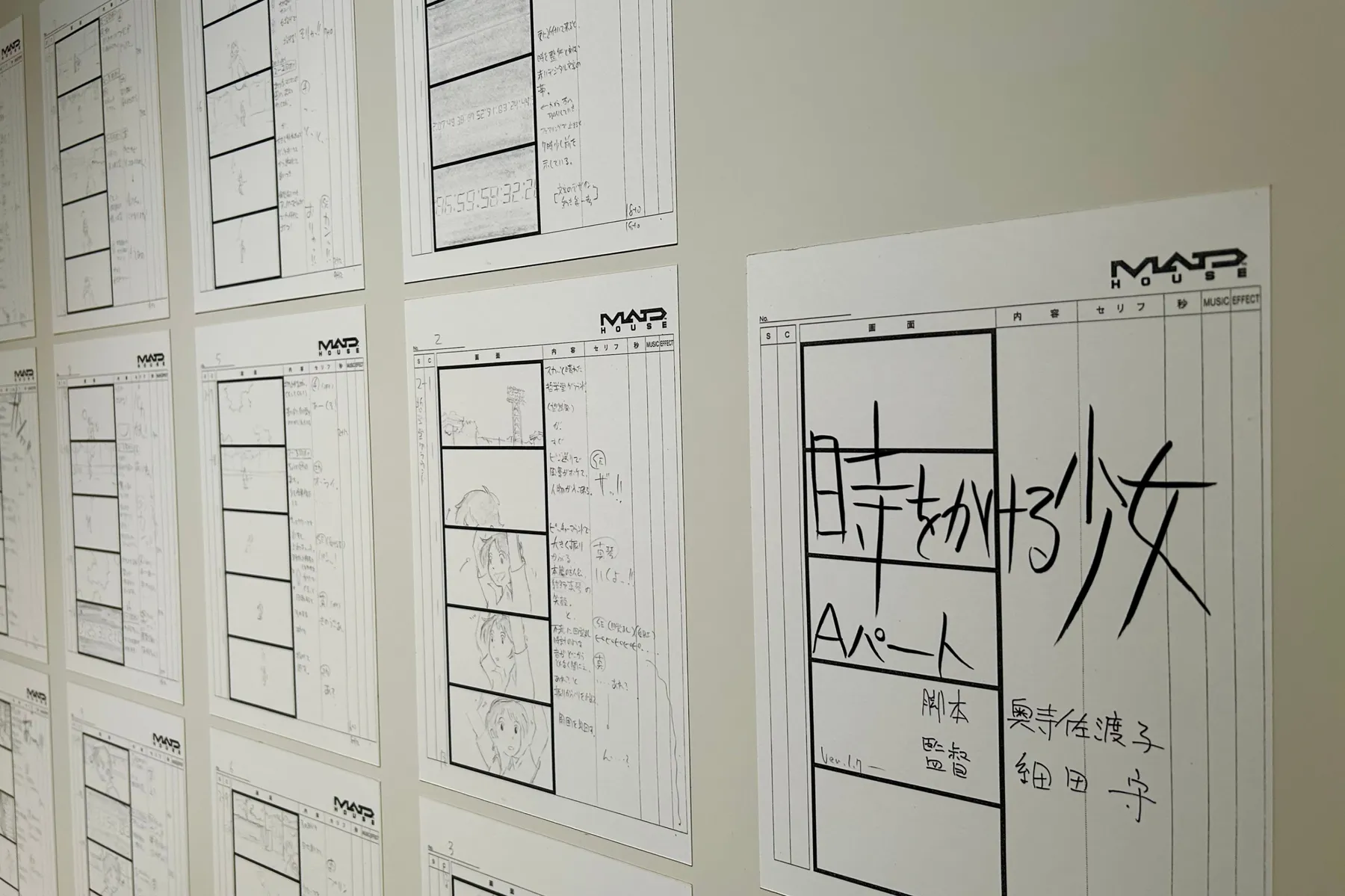
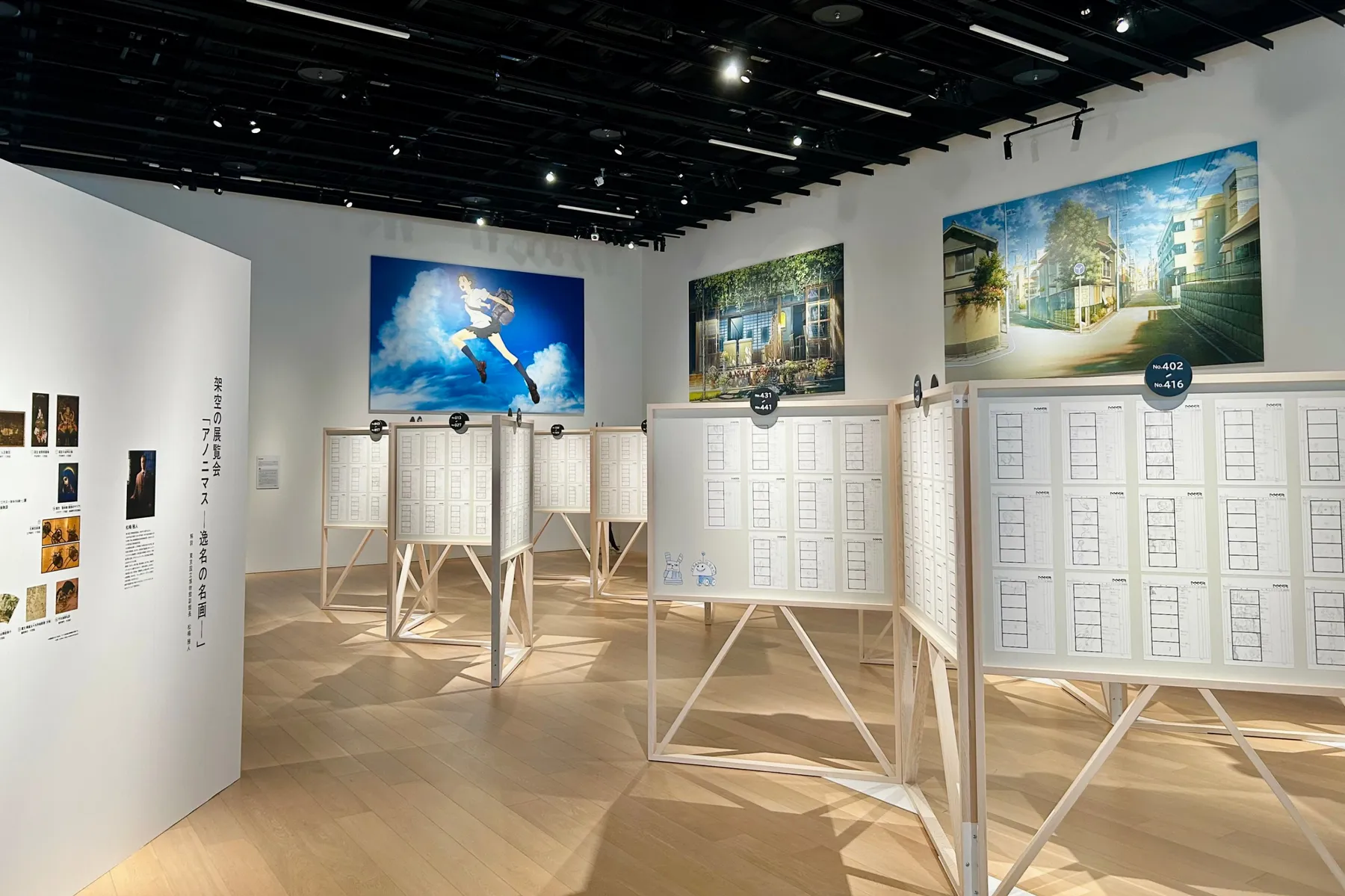
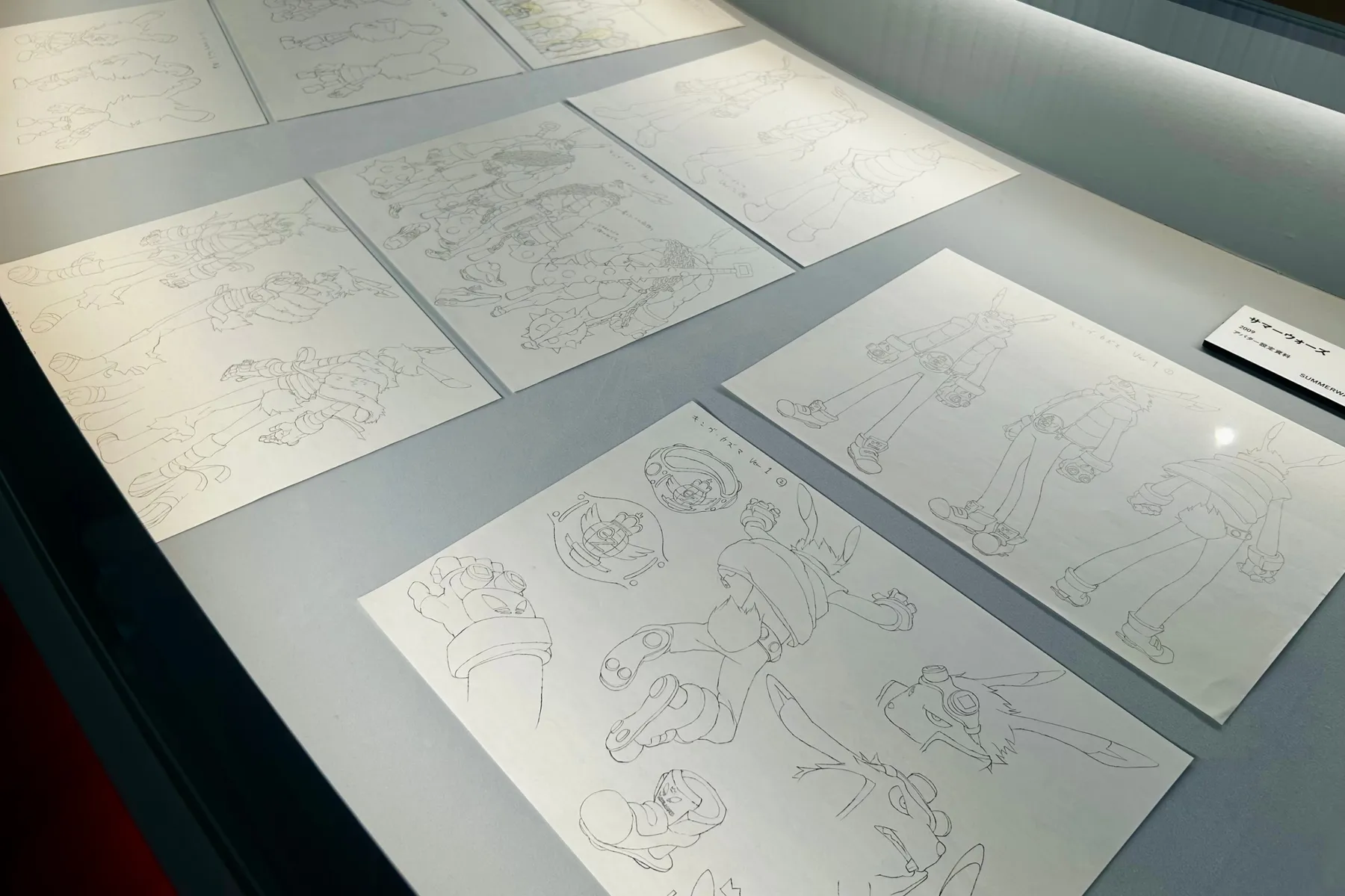
The production material collection is substantial—over 300 pieces encompassing storyboards, layouts, director’s corrections, original drawings, art boards, and character setting materials. For viewers interested in animation craft, these materials permit direct comparison between initial conception and final execution, illuminating the revision processes that shape finished films.

The exhibition also functions as a retail environment, with more than 100 original goods developed specifically for this showing. The merchandise strategy emphasizes portability: items designed to extend the exhibition experience into daily life. The product range includes pieces themed around the “blue sky” imagery that recurs throughout Hosoda’s work, alongside goods featuring signature scenes from his filmography. The positioning suggests these objects serve as mnemonic devices—tangible connections to narrative experiences that resist simple summary.


Practical Information

Venue
CREATIVE MUSEUM TOKYO
Nearest Station: Kyobashi (Tokyo)

Address
〒104-0031
TODA BUILDING 6F, 1-7-1 Kyobashi, Chuo-ku, Tokyo
MAP

Exhibition Period
June 20, 2026 (Saturday) – August 31, 2026 (Monday)

Hours
Standard: 10:00 – 18:00 (last admission 17:30)
Extended hours: 10:00 – 20:00 on Fridays, Saturdays, days before public holidays, and August 11–14 (last admission 19:30)

Admission Prices

Ticket Type Advance Same-day
General / University Students ¥2,300 ¥2,500
High School Students ¥1,300 ¥1,500
Elementary / Junior High Students ¥800 ¥1,000

Advance tickets available until 23:59 on June 19, 2025

Inquiries
050-5541-8600

Official Channels
Website: https://hosodagenten.exhibit.jp/
X (formerly Twitter): https://x.com/hosodagenten_
Instagram: https://www.instagram.com/hosodagenten
TikTok: https://www.tiktok.com/@hosodagenten_

Exhibition details subject to change. Confirm current information through official channels prior to visiting.

🛏️ View hotels near Tokyo

Mamoru Hosoda's Origins Exhibition_1
Mamoru Hosoda's Origins Exhibition_2
Mamoru Hosoda's Origins Exhibition_3
Mamoru Hosoda's Origins Exhibition_4
Mamoru Hosoda's Origins Exhibition_5
Mamoru Hosoda's Origins Exhibition_6
Mamoru Hosoda's Origins Exhibition_7
Mamoru Hosoda's Origins Exhibition_8
Mamoru Hosoda's Origins Exhibition_9
Mamoru Hosoda's Origins Exhibition_10
Mamoru Hosoda's Origins Exhibition_11
Mamoru Hosoda's Origins Exhibition_12
Mamoru Hosoda's Origins Exhibition_13

What is Mamoru Hosoda known for?

Mamoru Hosoda makes animated films about families under pressure. He left Studio Ghibli in the early 2000s after a falling-out over a proposed Howl’s Moving Castle adaptation, then left Madhouse to found Studio Chizu in 2011. This independence matters: his work carries the marks of someone building a visual language without the institutional weight of Japan’s established animation houses.

His films typically begin with a speculative premise—a time loop, a virtual world takeover, a woman raising wolf-human children—and use it to examine how households absorb disruption. In The Girl Who Leapt Through Time (2006), a teenager discovers temporal displacement and uses it mostly to fix awkward social situations, until the mechanism itself becomes a source of loss. Summer Wars (2009) sends a math prodigy to a rural family reunion where a hacked global network threatens his future employer; the set pieces alternate between a digitized apocalypse and a grandmother rallying her scattered descendants through traditional competence. The film became his biggest domestic hit, though its actual insight about online infrastructure aging poorly gives it an unintentional period quality now.

Wolf Children (2012) remains his most fully realized work. The central conceit—a widow raising children who transform unpredictably—functions as a literalization of parental uncertainty that never collapses into allegory. Hosoda renders the children’s dual nature through mundane practical problems: school enrollment, medical records, a rural house that needs actual maintenance. The film’s attention to physical labor distinguishes it from more ethereal treatments of transformation.

The Boy and the Beast (2015) returns to surrogate parenthood with less discipline, though its depiction of a parallel Tokyo populated by anthropomorphic deities demonstrates his continuing interest in architectural space. Mirai (2018) condenses his themes into domestic scale: a four-year-old’s jealousy of his newborn sister generates temporal intrusions that remain ambiguous in origin, possibly imaginary, possibly not. The Academy nomination it received drew overdue attention to his work outside Japan, though the film itself sacrifices narrative clarity for emotional beats.

Bell (2021) revisited virtual spaces with explicit reference to Beauty and the Beast, this time concerned with how online identity enables both performance and genuine connection. The film’s release during pandemic conditions gave its imagery of physically separated people finding intimacy through screens an unplanned resonance.

Hosoda’s animation tends toward rounded, physically plausible figures rather than the more stylized conventions of television anime. His action sequences emphasize weight and momentum; his quiet scenes hold on faces longer than genre pacing typically permits. The Miyazaki comparisons he receives reflect less his actual aesthetic—he lacks Miyazaki’s ecological mysticism and appetite for mechanical detail—than the scarcity of Japanese animators who secure theatrical distribution abroad while treating children asthinking, feeling agents rather than marketing demographics.

His limitations are real. His female protagonists often exist in relation to maternal or romantic obligation; his technology narratives date quickly; his screenplays can resolve through emotional assertion rather than earned development. But within contemporary animation, his commitment to family as a subject rather than a backdrop remains distinctive.

Seoul Summer Beach 2026: Enjoy Free Water Parks and Urban Leisure at Gwanghwamun Square

Seoul Summer Beach 2026: Enjoy Free Water Parks and Urban Leisure at Gwanghwamun Square

🗓️ 2026.07.20 ~ 2026.08.09

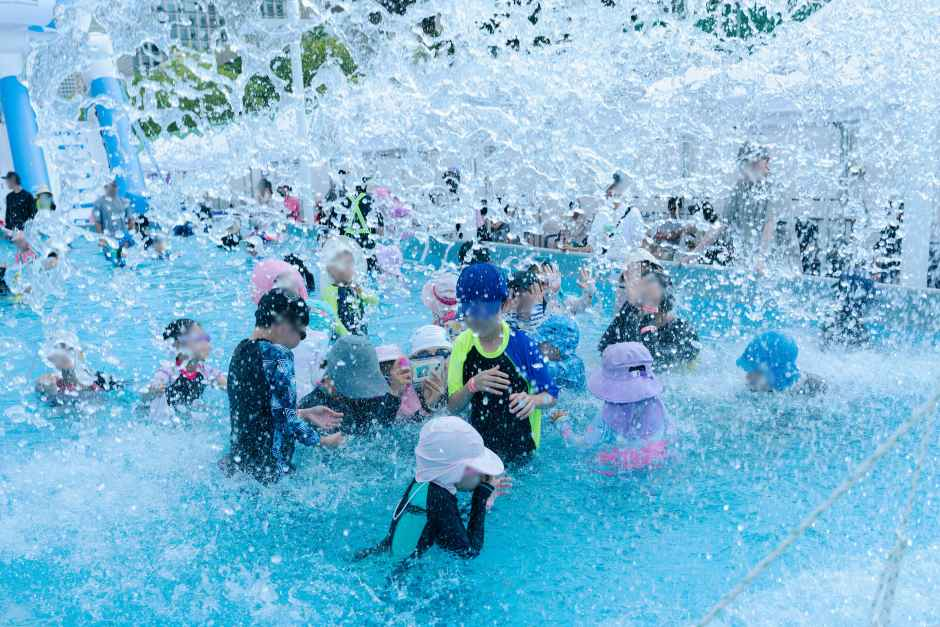
Seoul Summer Beach marks its 4th anniversary in 2026, returning to Gwanghwamun Square and Sejong-ro Park from July 20 through August 9 as Seoul’s representative summer festival that both tourists and citizens can enjoy in the city center during the hot summer. Operating under the slogan “Wave Summer, Play Seoul,” the event converts a portion of central Seoul’s primary civic plaza—terrain typically reserved for political gatherings and cultural exhibitions—into a special summer vacation space where people can enjoy cool water activities and relaxing rest simultaneously in the heart of downtown Seoul. This twenty-one-day installation creates an unusual juxtaposition of aquatic leisure and administrative architecture, allowing visitors to experience water recreation without traveling to the coast while surrounded by government ministries and historic Joseon dynasty landmarks.

The programming divides into three functional zones, each addressing different preferences for how urban dwellers might spend a summer afternoon. The Water Play Zone contains active recreation infrastructure: swimming pools, water slides, overhead water buckets, and bounce pools designed for physical cooling and family use. Those seeking less strenuous activity can move to the Play Wave Zone, which centers on the Sand Agit—a hybrid installation combining a sand playground with a shelter for overhead cover—alongside promotional booths operated by various institutions and companies. Commercial activity concentrates in the Play Market Zone, where small business flea markets and food trucks create a marketplace atmosphere that operates alongside the corporate promotional programming to provide diverse retail and dining options.

What separates this festival from conventional water parks or coastal tourism is its location within the metropolitan core combined with its pricing structure. Installing water facilities on the asphalt of Sejong-daero rather than riverside sand requires different engineering constraints and creates a distinct visitor experience specific to this plaza. The absence of admission fees removes economic barriers that typically restrict access to private aquatic facilities in the capital, while the 4th anniversary indicates operational experience that should manifest in practical logistics like queue management, hygiene protocols, and crowd flow. The integration of small business vending with corporate promotional events also distinguishes the commercial structure from standard municipal festivals that rely exclusively on government funding or single-source sponsorship.

📍 Address: 175 Sejong-daero (Sejong-ro), Jongno-gu, Seoul

🛏️ Accommodations near the event

💰 Fee: Free

📞 Inquiry: 02-6941-0645

⭐️ Instagram: https://www.instagram.com/seoulsummerbeach/

Seoul Summer Beach

Gwanghwamun Square occupies the space directly in front of Gyeongbokgung Palace’s main gate in central Seoul. Until 2022, this area functioned as a major traffic intersection with twelve lanes of vehicles passing between the palace and the downtown business district. The renovation completed that year removed the road entirely, expanding the public space from 11,000 to 40,000 square meters and restoring a pedestrian connection between the palace and the city that had been severed since the Japanese colonial period.

The redesigned plaza centers on two bronze monuments that predate the square itself. The statue of Admiral Yi Sun-sin has stood here since 1968, depicting the 16th-century naval commander who repelled the Japanese invasion using ironclad turtle ships and innovative tactics. To the south, added in 2009, sits King Sejong the Great, the 15th-century monarch who oversaw the creation of Hangul, the Korean writing system. Both figures face south toward the city, positioned along a sight line that runs from the palace gate down to Cheonggyecheon Stream, while Bugaksan Mountain rises behind the palace to the north.

The square serves practical daily functions for the city. Office workers from the surrounding Jongno skyscrapers cross it during lunch breaks. Tourists use it as a staging area before entering Gyeongbokgung Palace. Protestors gather here because of its visibility and accessibility via Gwanghwamun Station on subway lines 3 and 5. The flat, open granite surface accommodates large crowds without fixed seating or barriers.

During Seoul Summer Beach 2026, the city will install artificial sand beaches across the northern section of the plaza, along with shallow wading pools and mist-generating machines. This temporary conversion will turn the civic space into a seasonal facility for cooling off during the humid summer months. The installation demonstrates how the square accommodates changing uses without permanent alteration, returning to its standard granite surface each autumn.

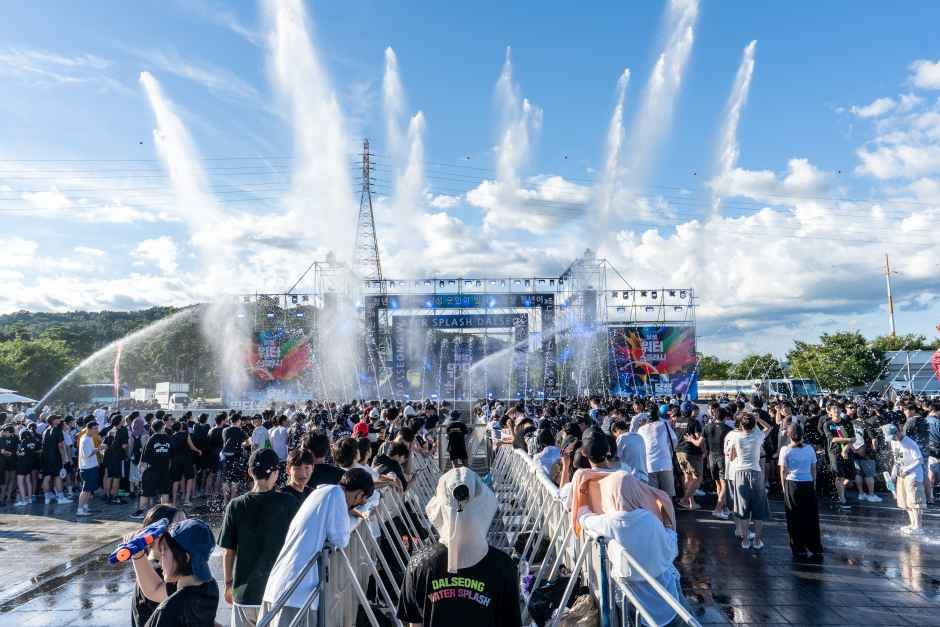
2026 Dalseong Water Splash Youth Festival in Daegu: Enjoy Free K-Pop Concerts and Local Youth Markets

2026 Dalseong Water Splash Youth Festival in Daegu: Enjoy Free K-Pop Concerts and Local Youth Markets

The Dalseong Water Splash Youth Festival returns on July 18, 2026, for its second iteration following a successful 2025 debut that established it as the first government-initiated water festival in the Daegu metropolitan area. While municipal festivals often prioritize broad demographic appeal, this event targets youth participation specifically—not merely as attendees but as economic stakeholders and cultural producers.

What distinguishes this festival from conventional summer music events is its structural integration of commerce and performance. Rather than outsourcing vendor operations to established chains, the festival reserves its Youth Market and food truck allocations exclusively for local young entrepreneurs and small business owners. These vendors sell handmade props, accessories, clothing, and aromatherapy products alongside coffee and snacks—categories selected to highlight craft-based and culinary startups rather than standardized festival fare.

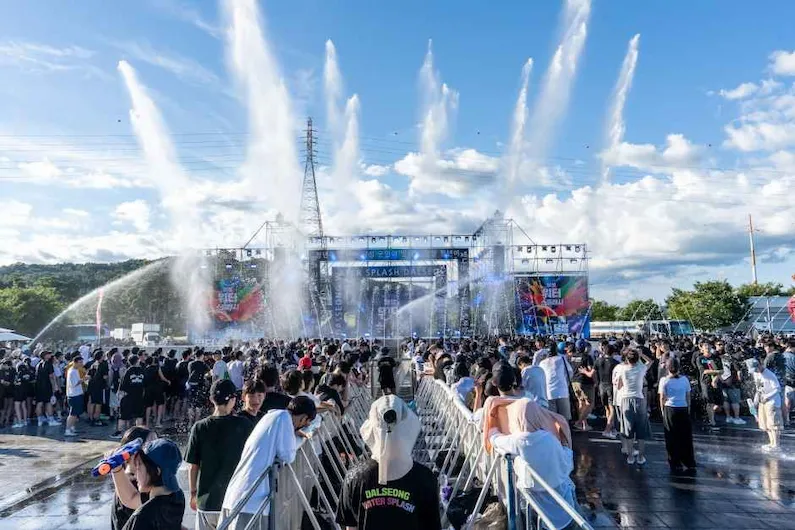
The performance programming balances commercial appeal with regional representation. Headliners Chungha, Haon, Zion.T, Nucksal, and DJ Subin—spanning genres from K-pop and R&B to hip-hop and electronic music—perform alongside local youth teams. This dual-tier approach provides professional production values while maintaining visibility for emerging regional talent, a combination rarely available in free municipal events.

Practical design choices differentiate the experience from typical open-air concerts. The signature Water Splash Time operates simultaneously with DJ sets and live performances, allowing attendees to cool off within the main festival grounds rather than retreating to distant water stations. This integration addresses the physical reality of July heat in Daegu—where temperatures regularly exceed 30°C—without disrupting engagement with the stage.

Side programs extend beyond passive consumption. Youth Experience Programs include face painting and temporary tattoo stations (specific activities subject to final confirmation), alongside informational booths for the Dalseong Youth Innovation Center. These elements provide interactive alternatives during set changes or for attendees seeking respite from the central crowd.

The festival’s operational model reflects a specific municipal strategy: establishing Dalseong-gun as a youth-cultural destination while providing infrastructure for the area’s entrepreneurial ecosystem. For attendees, this translates to free admission—a rarity for events featuring nationally recognized musical acts—supported by government funding rather than commercial ticket sales.

🗓️ 2026.07.18 ~ 2026.07.18

📍 Address: 57 Gangjeongbon-gil, Dasa-eup, Dalseong-gun, Daegu

🛏️ Accommodation near the event

💰 Fee: Free

📞 Inquiry: 053-668-4267

⭐️ Instagram: https://www.instagram.com/dalseong_culture/

🖥️ Website: https://www.dsart.or.kr/

Youth Festival Dalseong Water Splash

What is Dalseong?

Dalseong, formally Dalseong-gun, occupies the southern periphery of Daegu Metropolitan City. It stretches across the flat alluvial plain of the Nakdong River, a landscape defined by rice paddies, vegetable fields, and the wide, slow-moving waterway that forms its western boundary. While central Daegu compresses itself into vertical towers and narrow streets, Dalseong spreads horizontally. The district contains the city’s largest continuous tracts of undeveloped land, making it an inevitable choice when the city needs to accommodate crowds, stages, or temporary infrastructure that would overwhelm the urban core.

For centuries, this area supplied produce to Daegu’s markets. The soil here grows watermelons, peppers, and tomatoes in rotation with rice, and the agricultural patterns remain visible even as the city has expanded around them.

This practical geography has determined its modern function. When Daegu hosts summer music festivals, youth markets, or water-based recreation events, they usually happen here. The flat terrain allows for the installation of temporary stages and vendor stalls without extensive preparation, while the riverbank provides natural access for swimming, boating, or beach events that would be impossible downtown. Dalseong does not function as a tourist destination in the traditional sense; it serves as the city’s overflow space, the place where large gatherings can occur without disrupting the normal rhythm of urban life. It offers room—the simple, physical luxury of distance and sky that the crowded center cannot provide.

Fingerstyle Korea Special Concert in Seoul (April 19, 2025): See Kim Yeong-so, Jang Jae-hoon, Cheon Sang-hyeok, & Wang Ye-min Live at Yeonnam Space

Fingerstyle Korea Special Concert in Seoul (April 19, 2025): See Kim Yeong-so, Jang Jae-hoon, Cheon Sang-hyeok, & Wang Ye-min Live at Yeonnam Space

Fingerstyle Korea Special Concert: Kim Yeong-so, Jang Jae-hoon, Cheon Sang-hyeok, Wang Ye-min

Poster

Event Information

For fans of acoustic guitar music, the upcoming Fingerstyle Korea Special Concert offers a unique opportunity to see four accomplished artists in a single performance. The concert will be held in a relatively intimate venue, providing a rare chance to appreciate the subtle nuances of fingerstyle guitar.

  • 🗓️ Date: April 19, 2025
  • 📍 Venue: Yeonnam Space, located at 16, Seongmisan-ro 22-gil, Mapo-gu, Seoul (Yeonnam-dong), Basement 1st floor.
  • 🛏️ Accommodation near the concert
  • 💡 Light stick
  • Age Restriction: The event is open to individuals aged 7 and above; preschoolers are not permitted.

Schedule

The concert is scheduled for a single performance:

  • Saturday, April 19th at 5:00 PM.

Lineup

The concert features a diverse roster of fingerstyle guitarists:

  • Kim Young-so
  • Jang Jae-hoon
  • Cheon Sang-hyeok
  • Wang Ye-min

Ticket Price

  • General Admission: All seats are priced at 63,000 KRW.

Festival

Important Notices

  • Age Restriction: Please note the age restriction of 7 years and older.
  • Designated Seating: All seats are assigned.
  • Parking: Parking is not available at the venue. Attendees are advised to use nearby public parking facilities.
  • Recording Policy: Unauthorized video and audio recording are strictly prohibited. Violators will be denied entry or ejected from the venue.
  • Instruments and Belongings: Due to the limited space within the concert hall, attendees are requested to leave instruments and other large belongings at home. The organizers and venue are not responsible for any loss or damage to personal items.
  • Ticket Booth and Merchandise: The ticket booth, along with CD and music book sales, will open at 3:30 PM. Due to the small lobby, early arrival is recommended for ticket pickup and merchandise purchases.
  • Autograph Session: An autograph session will be held inside the concert hall after the performance. All audience members are welcome to participate. Autographs will only be available on A4 paper provided by the staff, or on the performers’ CDs or music books. The autograph session will proceed sequentially, starting from the front row. Photography is not permitted during the autograph session.

(http://ticketimage.interpark.com/Play/image/etc/25/25002957-01.jpg)

Ticket Purchase Information

  • Prohibited Ticket Sales: The purchase, forgery, transfer, or purchase agency of tickets through any means other than the designated ticket agency is strictly forbidden. This includes paying additional fees for tickets.
  • Consequences of Illegal Transactions: Tickets obtained through illegal channels are non-refundable and non-exchangeable. Such tickets may be voided without prior notice, and legal action may be taken.
  • Liability: The responsibility for any damages resulting from illegal ticket transactions lies solely with the parties involved. The organizer, host, and ticket agency are not responsible and cannot resolve issues arising from such transactions.
  • Agreement to Terms: By purchasing a ticket, you are deemed to have agreed to all information provided, which may be subject to change.
  • Review Guidelines: It is strongly recommended that all attendees carefully review the performance guidelines to avoid any inconvenience or disadvantages.

On-Site Ticket Collection

  • Ticket Office Hours: The on-site ticket office will be open from 1 hour and 30 minutes before the performance until 30 minutes after it begins. These hours are subject to change.
  • Required Documents: To collect your ticket, you must present your reservation confirmation (printed or mobile) and a valid physical ID of the person who made the reservation.
  • Valid Identification:
    • Domestic (Korean citizens): Resident Registration Card, Driver’s License, Youth ID Card, Passport, or Resident Registration Card Re-issuance Application Form.
    • Foreigners (non-Korean citizens): Passport or Alien Registration Card.
  • Student IDs: Only card-type (printed) student IDs with a photo, name, date of birth, and school seal are accepted. Paper student IDs are not valid. If the date of birth is not on the card-type student ID, a resident registration copy or family relation certificate is required for verification.
  • Identity Verification: Due to frequent instances of unauthorized ticket collection, identification and ticket collection are strictly enforced. Failure to provide the required valid ID will result in denial of ticket collection, and refunds will not be issued.
  • Ticket Cancellation/Refund: Tickets cannot be canceled, changed, or refunded on the day of the performance.
  • Ticket Loss/Damage: Lost or damaged tickets will not be re-issued, and entry to the concert hall will be denied.
  • On-Site Sales: On-site ticket sales will only occur if there are remaining seats after reservations close. If the event is sold out, on-site sales will not be conducted.

Admission and Viewing Precautions

  • Admission Time: Admission to the auditorium begins 30 minutes before the performance, though this is subject to change.
  • One Ticket Per Person: Each attendee must have a valid ticket for admission. Entry will be denied without a ticket, regardless of the circumstances.
  • Late Arrivals: Latecomers may be restricted from entering. If late entry is permitted, it will be at a designated time and attendees may be directed to available seats near the gate, rather than their reserved seats.
  • Seat Changes: Moving to seats other than the ones reserved is strictly prohibited.
  • Ticket Retention: Attendees must keep their tickets for verification upon re-entry to the auditorium.
  • Cooperation with Staff: Attendees are expected to cooperate with the instructions of safety personnel.
  • Photography and Recording: All forms of photography, video recording, and audio recording are prohibited during the performance. Violators will have their recorded materials deleted and may be forcibly removed from the venue without a refund.
  • Disruptive Behavior: Actions that disturb other audience members are prohibited. Excessive disruption may result in sanctions by the staff.
  • Prohibited Items: Dangerous items such as fireworks, bottles, cans, lasers, flags, pets, balloons, and bouquets are prohibited. Items that may disturb other attendees, such as LED cheering tools, are also not allowed. Food and drinks, except for bottled water with a cap, are prohibited inside the concert hall.
  • Valuables: Attendees are responsible for their valuables. The concert organizer, host, and venue are not responsible for loss or theft due to personal negligence.
  • Program Changes: The start time, running time, and program of the performance are subject to change.

이 포스팅은 쿠팡 파트너스 활동의 일환으로, 이에 따른 일정액의 수수료를 제공받습니다.

Experience Ancient Korea at the 2025 Mahan History and Culture Festival in Yeongam-gun

Experience Ancient Korea at the 2025 Mahan History and Culture Festival in Yeongam-gun

Mahan History and Culture Festival

🗓️ April 18-19, 2025

The Mahan History and Culture Festival, held in Yeongam-gun, Jeollanam-do, offers an immersive experience into the history and culture of the Mahan people. Visitors to the festival, which takes place at the Mahan Culture Park, can explore a variety of programs designed to showcase Mahan’s historical heritage. These include Mahan relic exhibitions, cultural experiences, and hands-on relic excavation events.

Yeongam-gun is also actively promoting the establishment of the National Mahan History and Culture Center. This center is expected to become a crucial institution for the research and preservation of Mahan history, further underscoring the region’s commitment to its ancient past. The festival provides a unique opportunity to engage directly with the captivating history of ancient Korea.

The festival’s diverse programs are categorized as follows:

  1. Main Program: Featuring significant events such as the Namhae Shrine Haesinje (Sea God Festival), a grand procession representing the 54 countries of Mahan, and a variety of cultural arts performances.
  2. Side Program: Includes an exhibition of Mahan relics, displays and sales of Yeongam’s specialty products, and food experience booths offering local delicacies.
  3. Consumer Participation Program: Offers interactive activities like relic excavation, a burial mound making experience, and a treasure hunt stamp rally – perfect for those who enjoy a hands-on approach.
  4. Other Details: Encompasses a range of related events that complement the main festival activities.

For those planning to attend, the festival presents a compelling reason to visit Yeongam-gun, combining educational content with engaging activities. It’s an ideal destination for anyone interested in Korean history, from casual visitors to dedicated enthusiasts.

📍 Address: Okya-ri, Sijong-myeon, Yeongam-gun, Jeollanam-do

🛏️ Accommodation near the event

💰 Fee: Free

📞 Contact: 061-471-9094

Mahan History and Culture Festival

What was the Mahan civilization?

The Mahan civilization was an ancient Korean confederacy that existed during the early Iron Age, from the 1st century BCE to the 3rd century CE. It was part of the Samhan, a term for the three confederacies of Mahan, Jinhan, and Byeonhan, located in the southern Korean Peninsula. Mahan was the largest of these, consisting of numerous small polities and tribes in the southwestern region of present-day South Korea.

Mahan is noted for its agricultural developments, especially in rice cultivation, which supported its population and enabled trade with neighboring regions, including China and Japan. The society was organized into a confederation of chiefdoms, each led by local chieftains who maintained autonomy while collaborating on common interests like defense and trade.

Culturally, Mahan contributed to Korean identity through its customs, religious practices, and art. Archaeological discoveries, such as pottery, burial mounds, and artifacts, offer insights into their daily life and social structure. The Mahan people practiced shamanism and ancestor worship, which were central to their spiritual and communal activities.

The Mahan civilization eventually became part of the Baekje Kingdom, one of the Three Kingdoms of Korea, as Baekje expanded its territory. Despite this absorption, Mahan’s legacy continued to influence Korea’s cultural and historical landscape. The 2025 Mahan History and Culture Festival in Yeongam-gun provides an opportunity to explore and celebrate this ancient civilization’s history and contributions.

Experience the 2025 April 19 Revolution National Cultural Festival in Seoul: Free Events, Concerts, and Historical Reenactments

Experience the 2025 April 19 Revolution National Cultural Festival in Seoul: Free Events, Concerts, and Historical Reenactments

April 19 Revolution National Cultural Festival 2025

The April 19 Revolution National Cultural Festival is a nationwide, government-supported event held to commemorate the April 19 Revolution, a pivotal moment in the history of the Republic of Korea. This cultural festival has been carefully curated as a place of harmony, where all citizens can communicate, reflect, and celebrate. It carries on the legacy of freedom, democracy, and justice that the 4·19 Revolution embodies, allowing visitors to fully experience the profound emotion of this historic event and the enduring hope it instilled in the nation.

Schedule and Location

The festival will take place over eight days:

🗓️ Dates: April 12, 2025 – April 19, 2025

📍 Address: 13, Dobong-ro 89-gil, Gangbuk-gu, Seoul (Suyu-dong)

For those planning to attend from out of town, accommodations can be found in the vicinity of the event:

🛏️ Accommodation near the event

Programs and Activities

The festival offers a diverse range of programs designed to engage citizens of all ages and interests. These include:

  1. Main Program: Eve Rock Music Festival
    • A vibrant rock music festival serving as the centerpiece of the event, providing a high-energy experience for attendees.
  2. Auxiliary Programs:
    • 4·19 Choir Competition: Showcasing the talent and harmony of various choir groups.
    • 4·19 Theatre Festival: Presenting theatrical performances that reflect the spirit and themes of the revolution.
    • Spring Together 4·19: An event designed to foster a sense of community and togetherness.
    • 1960 Street Reenactment Parade Competition: A visually engaging parade that recreates the atmosphere of 1960, complete with participants competing for the best reenactment.
  3. Participation Programs:
    • Citizen Participation and Era Experience Booth Operation: Interactive booths that allow citizens to actively participate and experience aspects of the era, providing a hands-on approach to understanding history.

Further Information

💰 Fee: Admission to the festival is completely free, making it accessible to everyone.

📞 Inquiries: For any questions or additional information, please contact the organizers at 02-901-6206.

Stay up-to-date with the latest news and announcements through the festival’s official social media and website:

⭐️ Instagram: https://www.instagram.com/festiv419

🖥️ Homepage: https://festival419.org

4·19혁명국민문화제

What was the April 19 Revolution?

The April 19 Revolution, occurring in 1960, was a significant event in South Korean history. It was a student-led movement that led to the removal of President Syngman Rhee’s authoritarian government. The uprising was driven by public dissatisfaction with electoral fraud, corruption, and political repression. The movement intensified following the death of a student protester, which spurred widespread demonstrations. These protests ultimately resulted in Rhee’s resignation on April 26, 1960, paving the way for democratic reforms in South Korea. The April 19 Revolution remains an important symbol of the pursuit of democracy and justice.

Analytics