Exhibition: Touching Horror —The World of Movie Art—
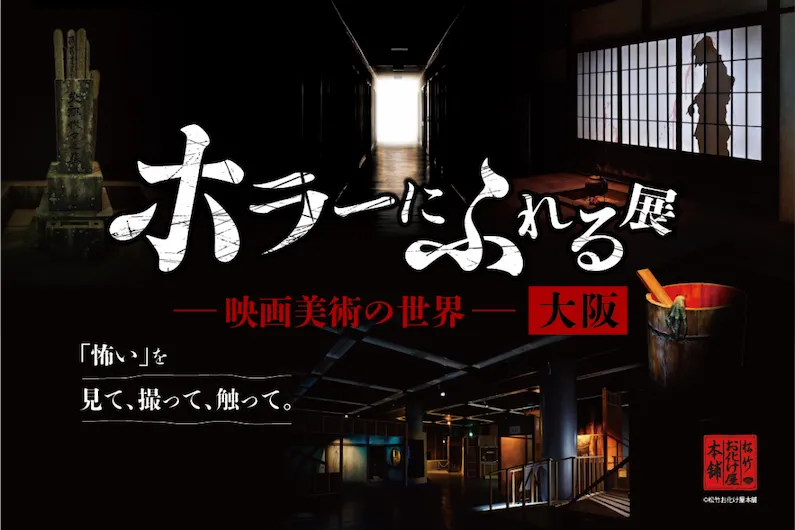
An exhibition where visitors can experience the sculptural art of horror movies, which was highly acclaimed at Tokyo Solamachi® with a satisfaction rate of over 90%, will be held at Namba SkyO. This is not a haunted house. The distinguishing feature of this exhibition is that you can enjoy the world of horror movies by “looking, filming, and touching” — without being frightened. It invites you into the “movie sets and the scenes behind them” that can only be experienced here.
Art sets directed by Japanese movie art directors and the scenes behind them will be specially reproduced, introducing the forbidden spaces of cinema with an overwhelming sense of realism. Photography and video recording are permitted throughout the venue — a rarity for exhibitions of this nature. The experience extends beyond visual appreciation: sculptural objects allow you to feel the difference in materials with your hands, photo spots are positioned for optimal documentation, and an “Art Note” corner sheds light on the largely unknown work of movie art direction.
Practical Information
| Period | July 25 (Sat) – August 23 (Sun), 2026 |
| Hours | 10:00–18:00 (Last entry 17:30) |
| Location | Namba SkyO 7th Floor, Convention Hall<br>5-1-60 Namba, Chuo-ku, Osaka City, Osaka Prefecture |
| Admission | Same-day tickets: Adults 2,400 yen, High school students and younger 1,900 yen<br>*Free for children 3 and under<br>*Date and time specified tickets required for weekends, holidays, and specific periods |
| Website | https://www.shochiku.co.jp/pj/obakeyahonpo/fureru |
What is Namba SkyO?
Namba SkyO is a 31-story commercial complex built above Osaka Namba Station. The building combines retail, dining, office space, and public areas in a single footprint, with direct connections to train lines serving the Kansai region.
What matters for this exhibition is how the building handles people in space. The escalators run in long vertical sequences—up, across, up again—so visitors move through the structure in stages rather than choosing their own routes. The floor plates connect in ways that allow organizers to guide circulation deliberately, sending people past specific views or through transitional zones before they reach the main exhibition areas.
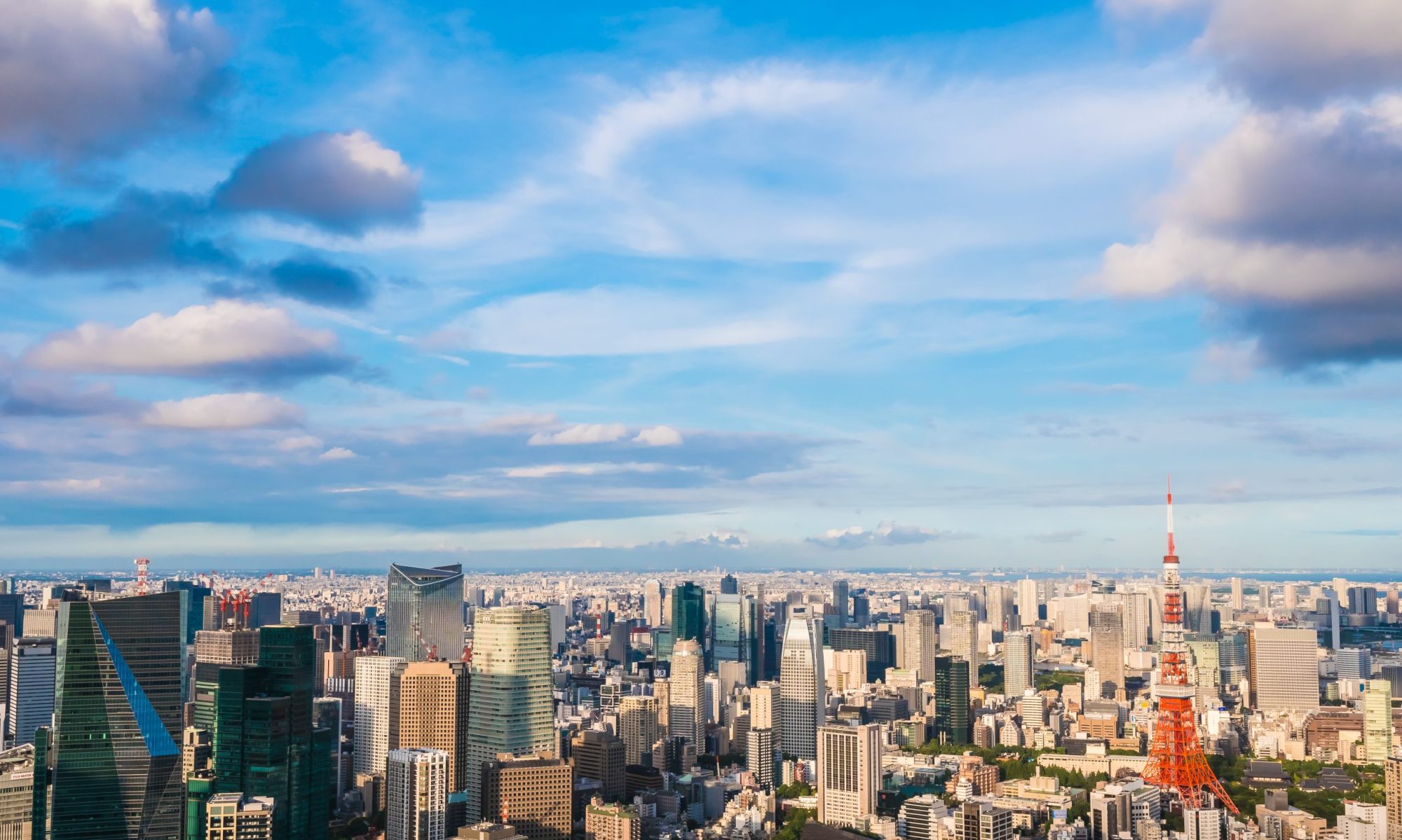
The building also carries the specific texture of its location. Namba functions as Osaka’s primary entertainment district: dense signage, late hours, a concentration of theaters and arcades and restaurants. Standing inside Namba SkyO, you look out at this landscape through large windows at multiple levels. The urban context outside becomes part of the experience inside.
These qualities suit horror exhibitions for practical reasons. The controlled circulation paths can stage encounters sequentially rather than letting visitors self-select. The city views provide a constant reminder of the human environment that horror repeatedly distorts. The building’s own commercial character—its function as a place of leisure and spending—mirrors horror’s historical development through popular entertainment, from early cinema through contemporary media.
Namba SkyO does not become a neutral museum container here. The exhibition uses the building as it actually exists: a vertical commercial structure in a dense entertainment district, with all the particular constraints and possibilities that entails.
