2026 World Heritage Joseon Royal Tombs Festival: Experience the History and Beauty of UNESCO Heritage Sites

World Heritage Joseon Royal Tombs Festival

🗓️ 2026.10.17 ~ 2026.10.25

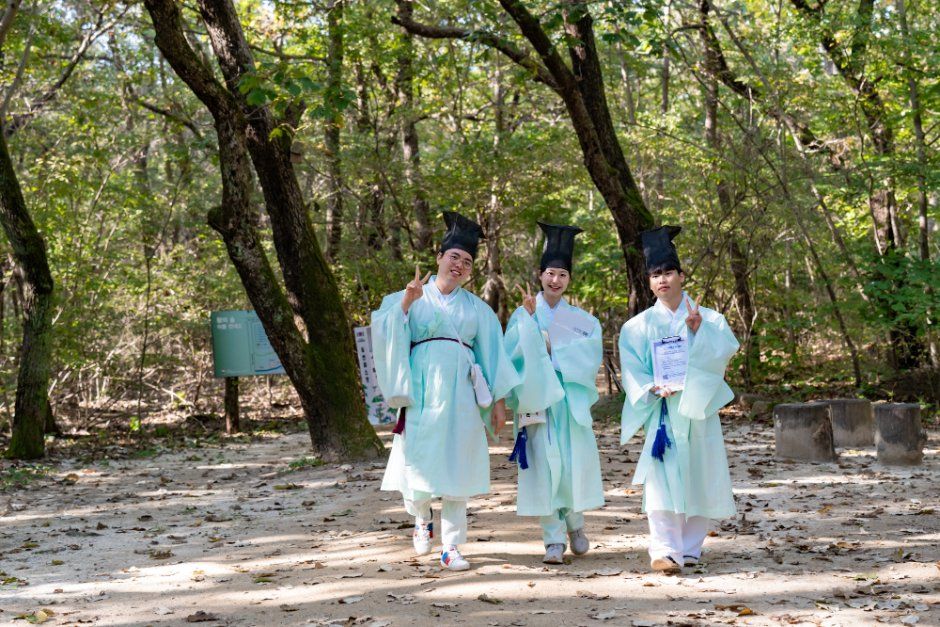
The World Heritage Joseon Royal Tombs Festival is a curated cultural event designed to convey the historical significance and inherent dignity of the UNESCO World Heritage Joseon Royal Tombs. By bridging the gap between tradition and modernity, the festival allows visitors to experience these sacred sites more closely through a diverse array of performances, tours, exhibitions, and immersive experiences.

Since its inception in 2020, the festival has grown into a cornerstone of regional cultural heritage, marking its 7th anniversary this year. The [2026 World Heritage Joseon Royal Tombs Festival] will commence with an opening ceremony on 10.16.(Fri) and conclude on 10.25.(Sun). What distinguishes this year’s iteration is the introduction of newly organized programs based on the unique narratives and specific historical values associated with each individual royal tomb. Visitors are invited to engage their five senses—walking through various sites and following the specific stories of the tombs—to encounter the beauty and historical depth preserved within these landscapes.

1. Main Event

The festival’s programming is divided into several thematic categories to ensure a comprehensive exploration of Joseon dynasty heritage.

Opening Ceremony
The festivities begin on 10.16.(Fri) at Yunggeonneung.

Performance Programs
These events translate history into art, featuring:

  • Royal Tomb Musical ‘Peach Blossoms, Thinking of You Makes Me Sad’ (hosted at Yunggeonneung)
  • Royal Stage
  • Royal Tomb Humanities School
  • Royal Tomb Stories Told by the Neung-chambong (Tomb Official)
  • Creative Pansori ‘Longing and Longing’

Tour Programs
Guided explorations offer a deeper dive into the architecture and mystery of the sites:

  • ‘Dream of the Tomb Keeper’
  • Joseon Great Detective: Royal Tomb Historian’s Records
  • Special Opening of Tomb Chambers – Encountering the Royal Tombs Deeply

Experience Programs
Interactive segments allow visitors to step into the roles of Joseon era figures:

  • Royal Tomb Culture Lounge
  • Royal Tomb Book Yard
  • Joseon Royal Tomb Ancestral Rite Experience

Exhibition Programs
Visual and auditory galleries showcase the artistry of the era:

  • Royal Tomb Sound Gallery ‘Sounds of Nature, Resonance of Ancestral Rites’
  • Royal Tomb Ancestral Rite Exhibition Hall
  • King’s Garden

Academic Program
For those seeking a scholarly perspective, the Yongjusa Academic Seminar will explore the relationship between ‘Joseon Royal Tombs and Wonchal (Royal Temples)’.

2. Pre-event Programs

To build anticipation and extend the reach of the festival, two preliminary programs are available:

  • Royal Tomb Sound Gallery ‘Sounds of Nature, Resonance of Ancestral Rites’: Available from 9.30.(Wed) to 10.25.(Sun).
  • Joseon Royal Tombs Mobile Stamp Tour: Running from 9.26.(Sat) to 10.25.(Sun).

Visitor Information

📍 Address: 21, Hyohaeng-ro 481beon-gil, Byeongjeom-gu, Hwaseong-si, Gyeonggi-do (Annyeong-dong)

🛏️ Accommodations near the event

💰 Fee: Admission fee applies (Note that some performance and experience programs are paid)

📞 Inquiry: 1522-2295

⭐️ Instagram: https://www.instagram.com/royaltombs_festival/

🖥️ Homepage: https://www.jrtf.or.kr/
World Heritage Joseon Royal Tombs Festival

The Joseon Royal Tombs are a group of 40 burial sites for kings and queens of the Joseon dynasty, which ruled the Korean Peninsula from 1392 to 1910. The tombs were created over the course of the dynasty, and they remain in their original form to an unusual degree. In 2009, UNESCO listed them as a World Heritage Site, recognizing the group as one of the most complete royal burial ensembles from the premodern era.

The tombs are spread across 18 sites, mostly in South Korea and clustered around Seoul and Gyeonggi Province. In selecting each location, court officials applied pungsu, the Korean system of geomancy derived from Chinese principles. The configuration of mountains, watercourses, and solar orientation was assessed in order to find a place that would be in harmony with the surroundings. A favorable site was expected to protect the spirit of the deceased and to secure the continued well-being of the royal lineage and the country.

A royal tomb is not a lone mound but a planned complex. It is approached by a long road that is now often bordered by trees, leading to a T-shaped wooden shrine called a jeongjagak. Behind the shrine stands a stone table that was used for offerings. The burial mound itself sits on a raised platform and is framed by stone statues of civil and military officials, along with images of tigers and sheep. The shape of the mound is rounded, in some cases resembling a half-moon, and was meant to represent the endurance of the dynasty. The surrounding forests were set aside and protected, so the grounds have kept a quiet, wooded character even in urban settings.

The complex was designed to serve a ritual function. The entrance path, the court in front of the shrine, and the raised area of the mound outlined a clear sequence from the ordinary world to a restricted sacred zone. Court ritual dictated the times and forms of memorial services, and descendants of the royal family still conduct offerings at several sites today. The tombs therefore retain both their physical structure and the ceremonial practices associated with them, providing a continuous link to the institution they were built to commemorate.
2026 Nowon Moonlight Walk in Seoul: Experience a Magical Night of Light Art and Culture at Danghyeoncheon

2026 Nowon Moonlight Walk in Seoul: Experience a Magical Night of Light Art and Culture at Danghyeoncheon

Nowon Moonlight Walk

🗓️ 2026.10.16 ~ 2026.11.08

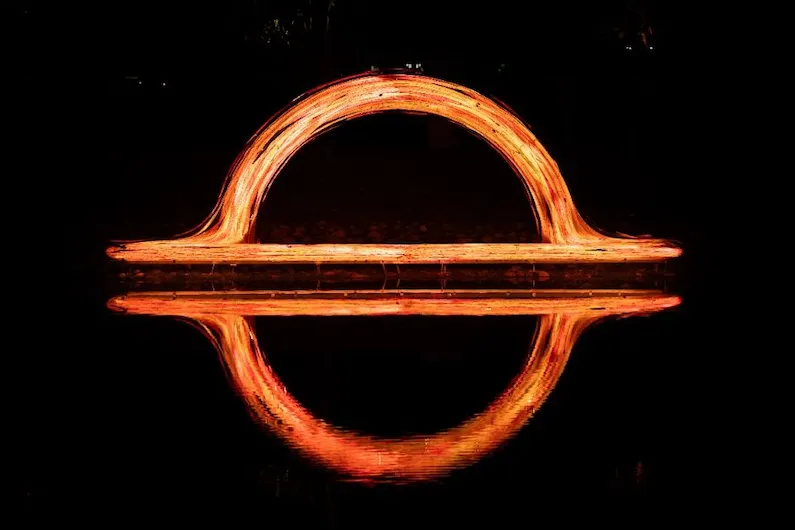
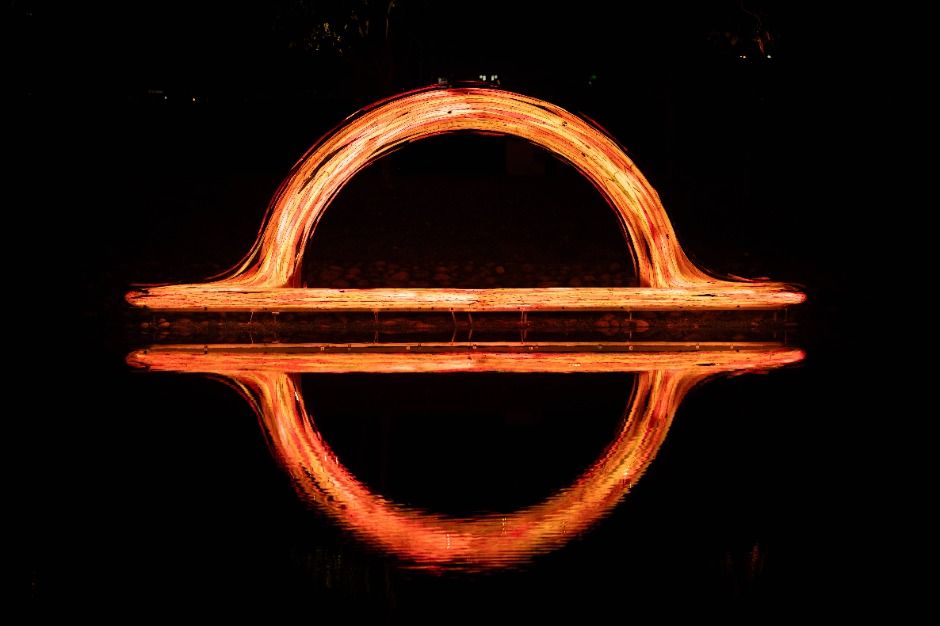
Nowon Moonlight Walk is a nighttime public art festival with a theme unique to Nowon-gu. The festival showcases lantern and light sculpture works that balance broad appeal with artistic quality, set along Danghyeoncheon, an eco-friendly ecological stream in the district. Visitors can walk the streamside path after dark, taking in illuminated installations while the surrounding natural landscape adds its own atmosphere to the experience.

The festival began in 2014 as the Nowon Lantern Festival, held every spring through 2019. In 2020, amid the COVID-19 pandemic and under the goal of “healing through art,” it was renamed Nowon Moonlight Walk and moved to autumn. That shift in season means the event now takes place during cooler evenings, when the lighting works stand out more clearly against longer nights.

Beyond the main exhibition of artistic lanterns and light sculptures, the festival includes several programs that draw the local community into the event:

  1. Exhibition of artistic lanterns and light sculptures – The core of the festival, featuring works installed along and around Danghyeoncheon.
  2. Weekend culture and arts performances – Live performances by local artists, held on weekends during the festival period.
  3. Resident participation community art – Artists and local residents are matched to create and exhibit works together, giving the festival a collaborative, neighborhood-driven character.
  4. Moonlight Commentators – Residents serve as docents, explaining the artworks to visitors and offering personal perspectives on the installations.
  5. Opening and lighting ceremony – A formal start to the festival, marking the moment the exhibitions are illuminated for the season.

📍 Address: 1322-70 Dongil-ro, Nowon-gu, Seoul (Sangye-dong)

🛏️ Accommodations near the event

💰 Fee: Free

📞 Inquiry: 02-2289-3461
02-2116-7143

⭐️ Instagram: nowon_moonlightwalk

🖥️ Website: moonlightwalk.kr

Nowon Moonlight Walk

What is Danghyeoncheon?

Danghyeoncheon is an urban stream in Nowon-gu, in the northeastern part of Seoul. It is not comparable to the Han River or even to Cheonggyecheon; it is a neighborhood-scale waterway, running between apartment blocks and local roads before joining Jungnangcheon. It originates in the low hills north of the district. Before the area was fully urbanized, the stream functioned as a natural drainage channel for those hills. During Seoul’s rapid growth in the second half of the twentieth century, it was covered over in sections and treated as part of the stormwater system.

The stream’s current form dates from a restoration project that uncovered the channel and rebuilt its banks as public space. The work added walking paths, plantings, small bridges, and a series of stepping-stone crossings. The water flow is modest, and the channel is shallow enough to look more like a landscaped drainage course than a river. The scale is a practical advantage: the stream fits into the spaces left between buildings and roads, and it provides a continuous, shaded route through a dense residential district.

On a normal weekday, Danghyeoncheon is used by nearby residents. Some walk from one part of the neighborhood to another; others use the paths for exercise. The area around the stream is shaded, and the water keeps the immediate surroundings cooler in summer. It is a practical amenity rather than a tourist destination. The lack of commercial development along the banks helps keep it quiet, though it is never far from the sound of traffic.

For the 2026 Nowon Moonlight Walk, the stream’s physical conditions make it a suitable site for light art. Its route contains enough bends that installations can be seen one at a time, and the narrow channel gives each work a defined viewing area. Overhanging trees and existing footbridges provide mounting points and framing. Because the event is at night, the water will reflect the light installations, and the path will be dark enough to make them visible. The sound of the water is continuous but low, and it contributes to the atmosphere without competing with the event. The route follows the stream; the installations will be placed along the water, and visitors will move from one work to the next on the existing paths.

2026 Ganggyeong Salted Seafood Festival in Nonsan: Enjoy Traditional Korean Gourmet, Cultural Performances, and Local Specialties

2026 Ganggyeong Salted Seafood Festival in Nonsan: Enjoy Traditional Korean Gourmet, Cultural Performances, and Local Specialties

Ganggyeong Jeotgal Festival

🗓️ 2026.10.15 ~ 2026.10.18

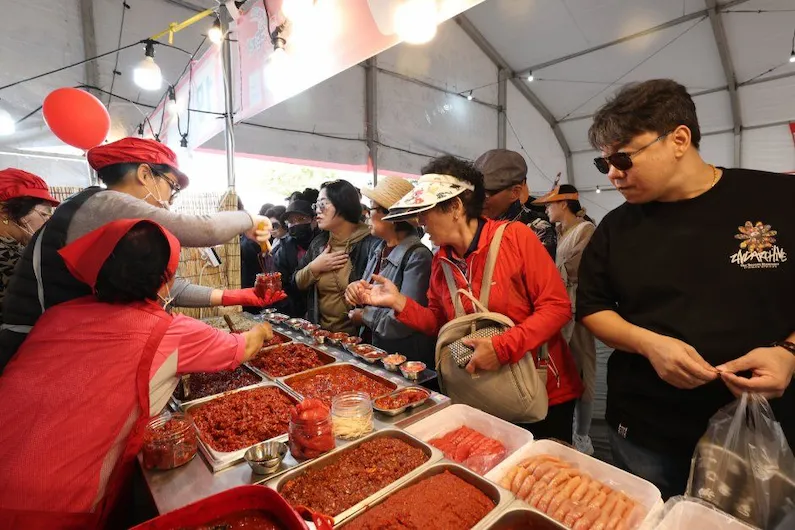
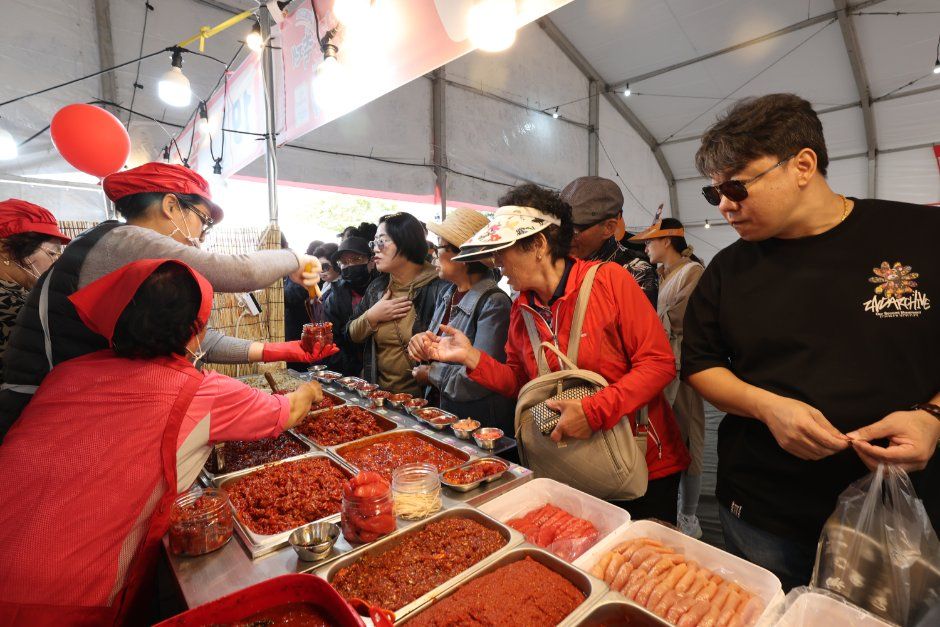
The 2026 30th Ganggyeong Salted Seafood Festival is a representative regional festival held with themes of Ganggyeong’s history, culture, and local specialties, including salted seafood. The event takes place over four days, from October 15 to October 18, 2026, around the Geumgang Riverbank in Ganggyeong-eup, Nonsan-si. This year’s theme is “Ganggyeong Salted Seafood · Sangwol Sweet Potato, Finally Becoming the Best!”, pairing two of the region’s best-known products in a program built around gourmet food, culture, and hands-on experiences.

Ganggyeong was once a busy river port where salted seafood moved along the Geumgang waterway, and that history gives the festival its character. Jeotgal — fermented, salted seafood — remains a staple of Korean cooking and an essential ingredient in kimchi, and this year’s 30th edition leans into that heritage while also spotlighting Sangwol sweet potatoes, another local specialty. The result is a broad program that draws on historical resources and local produce to give visitors plenty to taste, watch, make, and explore.

Main programs

  • Global Ganggyeong Salted Seafood Kimchi Making Festa 2026 — Ganggyeong salted seafood kimchi making experience, with the finished kimchi available for purchase.
  • Ganggyeong Port Market Hanmadang — Ganggyeong Port Market opening ceremony and pungmul street parade, market experience yard, peddler play, tightrope walking, and more.
  • Ganggyeong Salted Seafood Sangwol Sweet Potato Promotion and Sales Center — alongside the Ganggyeong Salted Seafood Sangwol Sweet Potato BBQ Camp and the Ganggyeong Salted Seafood Sangwol Sweet Potato Bibimbap Experience.
  • Opening and closing ceremonies — the opening ceremony features a fireworks show, and both days include celebration performances.
  • Music and performances — Riverside Concert, Companion Concert, Nonsan Artists’ Masil Festa, Ganggyeong Sunset Music Festival, Nonsan-si Residents’ Council Harmony Hanmadang, Ganggyeong Port Market Pungmul Hanmadang, Ganggyeong Sunset EDM Party, and the Ganggyeong Sunset Magic Balloon Show.
  • Hands-on experiences — Sangwol Sweet Potato Pizza Making Experience Class, Ganggyeong Salted Seafood Fusion Cooking Experience, and seasoned salted seafood (young oyster) matkkal-jeot making experience.
  • Ganggyeong Salted Seafood Bio LAP — a specialized salted seafood program.
  • Tours and sights — Ganggyeong Geumgang Waterway History and Culture Tour, Ganggyeong Sunset Chrysanthemum Exhibition, and the Ganggyeong Sunset Train with its fantasy playground and memory play yard.
  • Food and shopping — Nonsan 5-pum (5 Specialties) Dessert Cafe, Ganggyeong Salted Seafood Sangwol Sweet Potato Goods Shop, Nonsan-si Agricultural and Special Products Promotion and Sales Center, Global Food Corner, Local Food Corner, Ganggyeong Sunset Market, and Industry-Academic Exchange Promotion Hall.

📍 Address: 198 Hwangsan-ri, Ganggyeong-eup, Nonsan-si, Chungcheongnam-do

🛏️ Accommodation near the event

💰 Fee: Free admission (Some experiences, promotion/sales food trucks, etc., are paid)

📞 Inquiry: 041-730-2971, 2973

⭐️ Instagram: https://www.instagram.com/gss_festival/

🖥️ Website: https://www.nonsan.go.kr/ggfestival/

Ganggyeong Salted Seafood Festival

What is Ganggyeong?

Ganggyeong is a port town in Nonsan, South Chungcheong Province, on the Geumgang River. During the Joseon period, it functioned as a transfer point between coastal shipping and inland routes to the capital. Goods such as grain, salt, and fish moved through its warehouses, and salted seafood—jeotgal—became the town’s main commodity. The Geumgang estuary’s tidal flats supplied the raw material, while Ganggyeong’s position on the river made it possible to distribute salted goods to inland markets.

That trade is the basis for the Ganggyeong Salted Seafood Festival, held every autumn. The festival is organised around the town’s history: visitors can sample different types of jeotgal, watch demonstrations of salting and fermentation, and take part in small workshops. It is a local event rather than a large commercial fair, and most activities take place within walking distance of the river.

Apart from the festival, Ganggyeong remains a quiet town. The old commercial district has narrow lanes and a number of early-twentieth-century buildings, including former warehouses and shops that once served the river trade. The riverside embankment offers a view of the Geumgang and the surrounding floodplain. There is little direct evidence of the port’s former scale on the streets today, but the layout of the town, and the continued presence of jeotgal shops, show where its economy once stood.

Hibiya Cinema Festival 2026: Enjoy Free Open-Air Movie Screenings Across Tokyo Midtown Hibiya, Hibiya Park, and Hibiya OKUROJI

Hibiya Cinema Festival 2026: Enjoy Free Open-Air Movie Screenings Across Tokyo Midtown Hibiya, Hibiya Park, and Hibiya OKUROJI

HIBIYA CINEMA FESTIVAL 2026

Enjoy movies across the entire town!

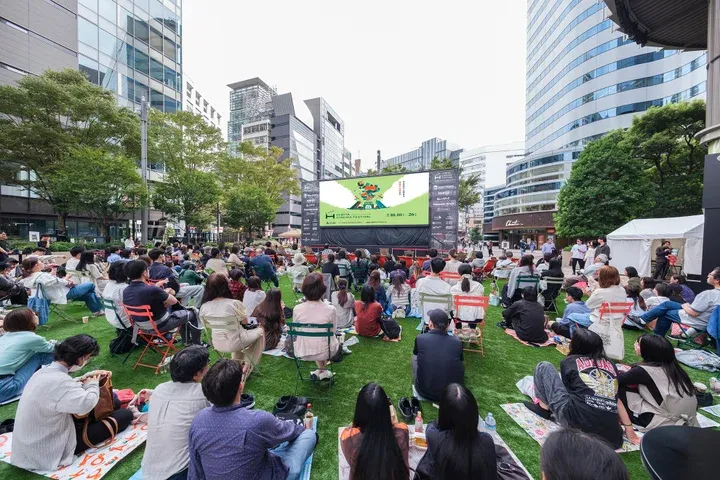
HIBIYA CINEMA FESTIVAL 2026, a cinema festival in the “Town of Cinema,” Hibiya, will be held from October 9 (Fri) to October 25 (Sun), 2026. True to its name, the festival extends across the district rather than confining itself to a single theater, with screens appearing in three public spaces of distinctly different character. Visitors can come and go freely throughout the period — admission is free — and move between open-air screenings under a large LED vision, a lawn in the park, and an atmospheric indoor space beneath the elevated tracks.

Key Highlights of HIBIYA CINEMA FESTIVAL 2026

  • Screens will appear in three public spaces: Tokyo Midtown Hibiya / Hibiya Park / Hibiya OKUROJI
  • The theme is “Immerse Yourself” Cinema — select movies based on emotions and share impressions on SNS
  • Photo spots to enjoy the world of cinema are also available

Enjoy the different faces of Hibiya! Screens will appear in three public spaces

Tokyo Midtown Hibiya, Hibiya Step Plaza (Main Venue)

At the main venue, movies are screened on a large LED vision at Hibiya Step Plaza. In addition to the screenings, talk sessions featuring directors and cast members will be held, offering visitors a chance to experience the world of cinema more deeply.

  • Period: October 9 (Fri) – October 25 (Sun)

Hibiya Park (Satellite Venue)

Held jointly with the Hibiya Park-hosted event “HIBIYA PARK TERRACE,” the satellite venue in Hibiya Park screens movies in the lush green Shibaniwa Plaza. The lineup focuses on works that children can also enjoy, making it a relaxed open-air experience on the lawn.

  • Dates: October 10 (Sat) – October 12 (Mon/Holiday)

Hibiya OKUROJI (Satellite Venue)

Set in Hibiya OKUROJI, which spreads beneath the elevated tracks, this satellite venue offers an atmospheric and calm indoor space with a mature atmosphere. It invites visitors to settle in and immerse themselves leisurely in the world of cinema.

  • Dates: October 10 (Sat), 11 (Sun), October 15 (Thu) – 17 (Sat) from 19:00 (Scheduled)

The theme is “Immerse Yourself” Cinema

The festival’s organizing concept is “Immerse Yourself” Cinema, built around the idea of matching a film to the mood of the moment. Visitors can choose from themed selections depending on whether they feel like immersing themselves in tears, in a romantic mood, or in something else entirely. To this end, “〇〇 Movie Days” — themed around emotions such as “Smile,” “Tears,” and “Romance” — are deployed on a daily basis. The festival proposes a new way of enjoying movies: selecting a film by emotion and sharing impressions afterward on SNS.

To bring the world of cinema even closer, a giant “clapperboard” object will appear on-site as a photo spot. Designed to make visitors want to take a picture, it enriches the time before and after watching a film.

With screenings and photo experiences combined, the festival offers a movie experience unique to Tokyo Midtown Hibiya — one where visitors can immerse themselves in the works and preserve memories in photos. Why not visit to find a movie that perfectly matches your mood for the day?

Screening Schedule

Hibiya Step Plaza — 12 “Immerse Yourself” selections based on the mood of the day (Day Screen)

At the Hibiya Step Plaza Day Screen, screenings are held daily, built around 12 emotional themes such as “Excitement,” “Fluttering and Sadness,” and “Exaltation.”

Excitement Day — Let’s immerse ourselves in a world beyond imagination — October 11 (Sun)

  • “Jurassic World: Rebirth” 13:00–
  • “Big Fish” 15:30–

Love Day — Let’s immerse ourselves in fluttering and sadness — October 18 (Sun)

  • “Notting Hill” 13:00–
  • “We Made a Beautiful Bouquet” 15:30–

Thrill Day — Let’s immerse ourselves in an unpredictable day — October 19 (Mon)

  • “Happy Death Day 2U” 15:00–

Soul-Stirring Day — Let’s immerse ourselves in an overwhelming singing voice — October 22 (Thu)

  • “Les Misérables” 15:00–

Hibiya Park

Held jointly with the Hibiya Park-hosted event “HIBIYA PARK TERRACE,” the screenings here feature works that can be enjoyed together by everyone, from children to adults, in the lush green Shibaniwa Plaza.

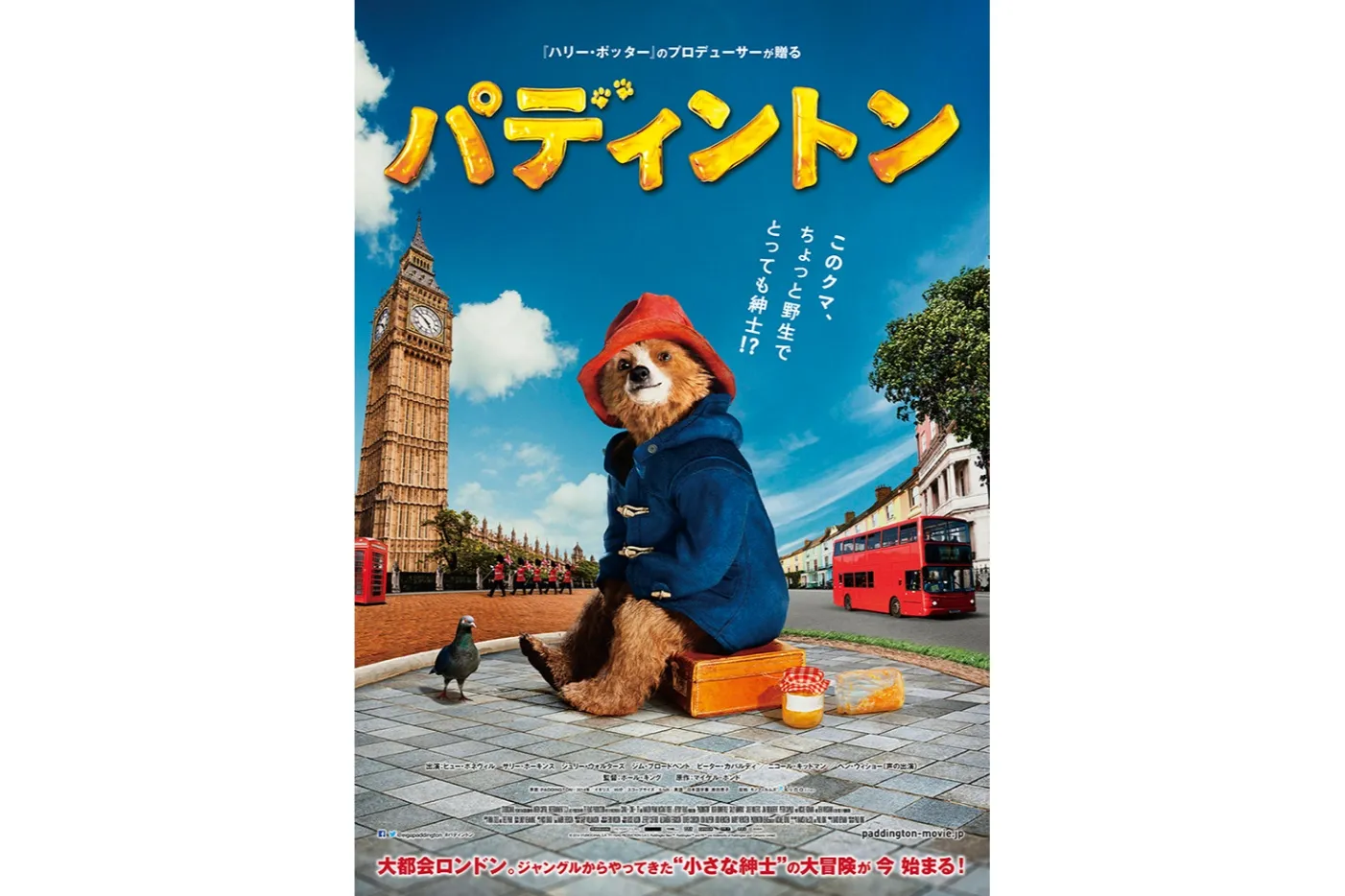
  • October 10 (Sat) 13:00– “Paddington”
  • October 12 (Mon/Holiday) 13:00– “E.T.”

Hibiya OKUROJI

At Hibiya OKUROJI, masterpieces supported across generations are screened in an atmospheric space unique to the area beneath the elevated tracks.

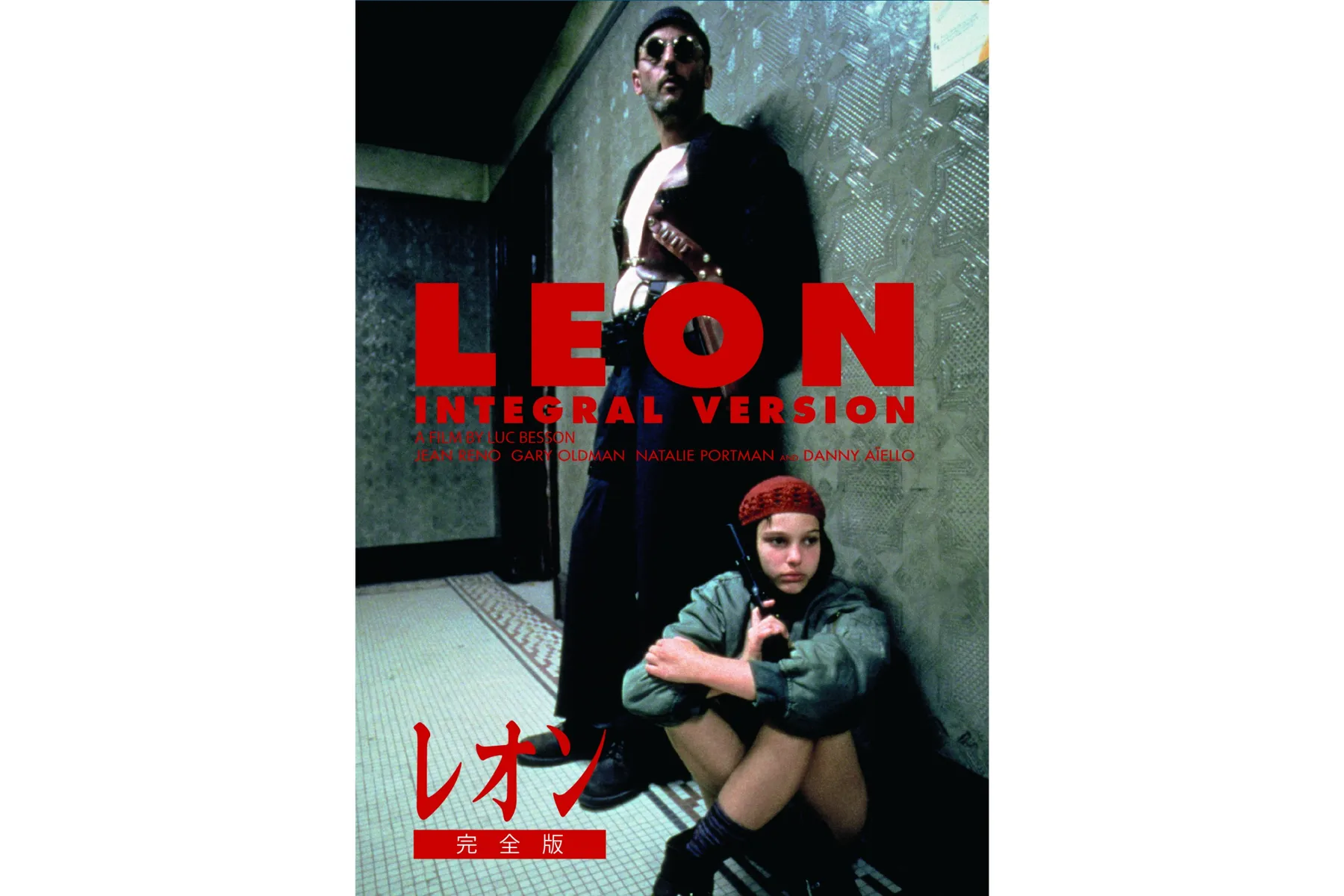
  • October 10 (Sat) 19:00– “Léon: The Professional”
  • October 16 (Fri) 19:00– “The Dark Knight”

For other details such as the full screening schedule, please check the official website.

Basic Info

  • Location / Nearest Station: Tokyo Midtown Hibiya — Hibiya Station / Yurakucho Station
  • Address: 〒100-0006, 1-1-2 Yurakucho, Chiyoda-ku, Tokyo — MAP
  • Venue: Tokyo Midtown Hibiya Hibiya Step Plaza, Hibiya Park, Hibiya OKUROJI
  • Period: 2026/10/09 (Fri) ~ 2026/10/25 (Sun)
  • Application: Some areas of the Night Screen are by prior reservation. Please check the official website for details.
  • Fee/Cost: Admission free, free entry and exit
  • Official Website: https://www.hibiya.tokyo-midtown.com/hibiya-cinema-festival/
  • Rainy Day Information: Cancelled in case of severe weather

The posted content may be subject to change. Please check the official website of the venue or organizer for the latest information.

🛏️ View hotels near Tokyo

HIBIYA CINEMA FESTIVAL 2026_1
HIBIYA CINEMA FESTIVAL 2026_2
HIBIYA CINEMA FESTIVAL 2026_3
HIBIYA CINEMA FESTIVAL 2026_4
HIBIYA CINEMA FESTIVAL 2026_5
HIBIYA CINEMA FESTIVAL 2026_6
HIBIYA CINEMA FESTIVAL 2026_7
HIBIYA CINEMA FESTIVAL 2026_8
HIBIYA CINEMA FESTIVAL 2026_9
HIBIYA CINEMA FESTIVAL 2026_10
HIBIYA CINEMA FESTIVAL 2026_11
HIBIYA CINEMA FESTIVAL 2026_12
HIBIYA CINEMA FESTIVAL 2026_13
HIBIYA CINEMA FESTIVAL 2026_14
HIBIYA CINEMA FESTIVAL 2026_15
HIBIYA CINEMA FESTIVAL 2026_16
HIBIYA CINEMA FESTIVAL 2026_17
HIBIYA CINEMA FESTIVAL 2026_18
HIBIYA CINEMA FESTIVAL 2026_19
HIBIYA CINEMA FESTIVAL 2026_20

Hibiya

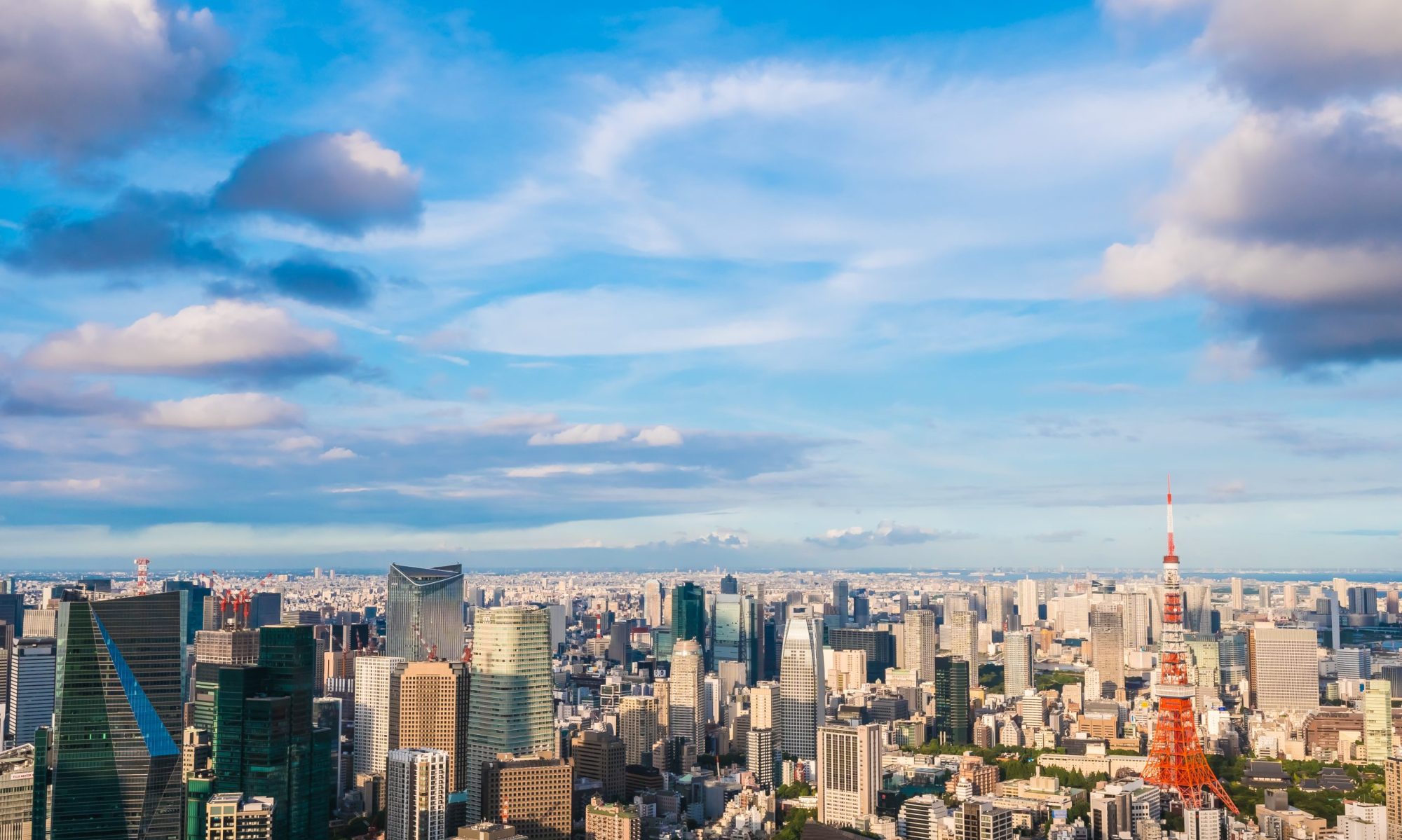
Hibiya is a district in central Tokyo, a short walk from the Imperial Palace and adjacent to Ginza and Yurakucho. It is part of Chiyoda Ward. For more than a century it has functioned as a civic and cultural area, with office buildings, government facilities, theaters, and public open space all within a compact radius.

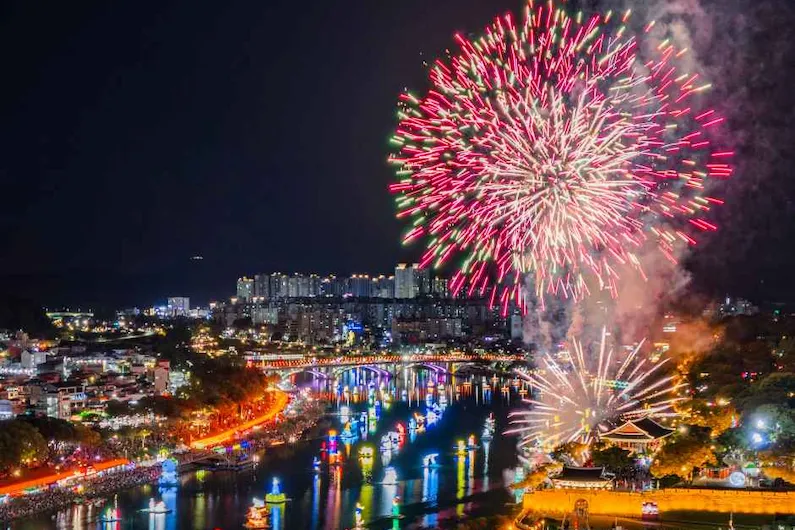
The main draw is Hibiya Park, opened in 1903 as Tokyo’s first public park in the Western style. Its central fountain, rose garden, and lawns were designed for strolling rather than for formal garden viewing, which was common at the time. The park has since served a wide range of uses: lunch breaks, flower exhibitions, concerts, political rallies, and weekend events. It is not a large park, but it sits at the center of a dense office district, and the change in noise and temperature once you enter it is immediate.
The area around the park has changed in stages. For much of the twentieth century, it was mainly a business district. Tokyo Midtown Hibiya, completed in 2018, brought a mix of shops, restaurants, offices, and a cinema into one large complex. Its lower floors open onto plazas and planted terraces, so the building does not stand apart from the street. A short walk away, Hibiya OKUROJI occupies a row of brick arches under the elevated railway lines. The space is narrow, covered, and lined with specialty shops, cafés, and food stalls. It is the kind of place that works better as a detour than as a destination in itself.

The district has a long association with film and theater. Several of the theaters that opened here in the mid-twentieth century are still in use. The wide pavements around the park and the arrangement of open space make outdoor events easy to hold, and in summer they host open-air screenings and night markets. Because the Imperial Palace grounds sit to the north, they remove a large area of traffic from the district, and the public spaces feel less crowded than those in neighboring Ginza.
Hibiya is not a dramatic part of Tokyo, but it is a practical and social one. It has a rare mix of greenery, transit access, and generous paved public spaces. The combination works best at street level, where a park bench, a cinema queue, and a restaurant entrance are usually within sight of one another.

Enlightenment Japan 2026 in Osaka: Experience Vivaldi’s Four Seasons with 360-Degree Projection Mapping at Osaka City Museum of Fine Arts

Enlightenment Japan 2026 in Osaka: Experience Vivaldi's Four Seasons with 360-Degree Projection Mapping at Osaka City Museum of Fine Arts

ENLIGHTENMENT JAPAN

An immersive sound and light spectacle based on Vivaldi’s “The Four Seasons” is coming to Osaka. The production has already been performed in over 100 historical buildings across more than 90 cities worldwide, and its Japanese edition will take over the 1st floor central hall of the Osaka City Museum of Fine Arts—a venue designated as a national Registered Tangible Cultural Property.

Enlightenment Liverpool by Matt Wild

A 360-Degree Experience in a Historic Hall

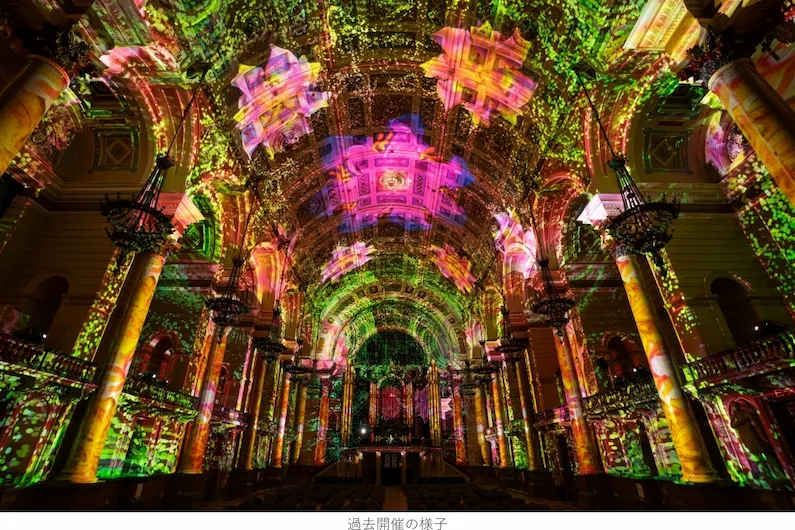
The show transforms the entire architectural space into a canvas. A 360-degree projection mapping display unfolds across all walls, ceilings, and pillars of the central hall, a solemn marble-clad room with a ceiling height of 13 metres. The visuals are specially created to match the venue’s dimensions and character, while Vivaldi’s most famous work provides the score. Composed around 1720 and published in 1725, “The Four Seasons” remains one of the most recognisable pieces of Baroque music; here, its four concertos—each evoking a different season—anchor a programme that runs for approximately 30 minutes across six parts.

Enlightenment Antwerp by AP Films

The organisers provide not only chairs but also bead cushions, so visitors can lounge comfortably while taking in the projections. Photography and video recording are permitted throughout the performance, allowing guests to document the experience. Early bird tickets go on sale from Wednesday, July 1, 2026, through Friday, July 31.

Ticket Fees

Early Bird Tickets (July 1–31)
Note: Special tickets with programs are not available for early bird tickets.

Weekdays Saturdays, Sundays, and Holidays
Adults 2,600 yen 2,900 yen
Junior high school students and younger 1,400 yen 1,600 yen

Regular Tickets (from August 1)

Weekdays Saturdays, Sundays, and Holidays
Adults 2,900 yen 3,200 yen
Adults with program 3,400 yen 3,700 yen
Junior high school students and younger 1,700 yen 1,900 yen

Special tickets with programs are sold for adult prices only.

Event Schedule

The event runs from Saturday, October 10, 2026 to Sunday, November 29, 2026.
Excluded dates: 10/13 (Tue), 10/19 (Mon), 10/26 (Mon), 11/2 (Mon), 11/9 (Mon), 11/16 (Mon), 11/24 (Tue).

Five performances are held daily:

Performance Show Time Entry Starts
1st 17:45–18:15 17:30
2nd 18:30–19:00 18:15
3rd 19:15–19:45 19:00
4th 20:00–20:30 19:45
5th 20:45–21:15 20:30

Location: Osaka City Museum of Fine Arts, 1st Floor Central Hall (1-82 Chausuyama-cho, Tennoji-ku, Osaka City)

Practical Information

  • All seats are unreserved; entry is in order of arrival.
  • A wheelchair viewing area is available.
  • Preschool children may enter for free only if accompanied by a guardian and sitting on their lap. Due to the nature of the production, strong lights and loud sounds will occur in the dark space within the venue.
  • There are no ticket sales at the window. Tickets can be purchased through various ticket sites up to 15 minutes before the performance.
  • Date and time specified; complete replacement system. Electronic tickets only. Purchase here.
  • Inquiries: None
  • Website: https://enlightenment-immersive.jp/

🛏️ View hotels near the event

What is the Osaka City Museum of Fine Arts?

The Osaka City Museum of Fine Arts sits inside Tennoji Park, in the southern part of the city. It opened in 1936 and is one of the older public art museums in Osaka. The permanent collection is centered on Japanese and other East Asian art: Buddhist sculptures, painted screens, calligraphy, and ceramics form the core, with modern and contemporary works shown in separate galleries. The building’s pre-war facade remains, while the interior has been renovated in stages to meet current display standards.

The park location is practical as well as pleasant. The museum is within walking distance of several transit stops and can be reached easily from central Osaka, but the surrounding grounds keep it noticeably quieter than the streets outside. The galleries themselves have high ceilings and flexible layouts, which allow the museum to present large-scale temporary installations in addition to its permanent collection. One such presentation is Enlightenment Japan 2026 in Osaka, an exhibition that uses 360-degree projection mapping to stage Vivaldi’s Four Seasons. The same spaces are also suited to the museum’s older works, which require careful lighting and climate control.

For a visitor, the museum offers a single location to see historical Asian art and contemporary exhibition design without the need to choose between the two.

NHK VR “A Samurai’s Dream: The Phantom Toyotomi Osaka Castle” 2026-2027: Experience the History of Toyotomi Hideyoshi in Immersive VR

NHK VR "A Samurai's Dream: The Phantom Toyotomi Osaka Castle" 2026-2027: Experience the History of Toyotomi Hideyoshi in Immersive VR

NHK VR “A Samurai’s Dream: The Phantom Toyotomi Osaka Castle” Osaka Venue


Historical entertainment where you walk and float through a famous castle built by the ruler of the realm! The phantom Toyotomi Osaka Castle, which currently hides its form deep underground, is revived after 400 years.

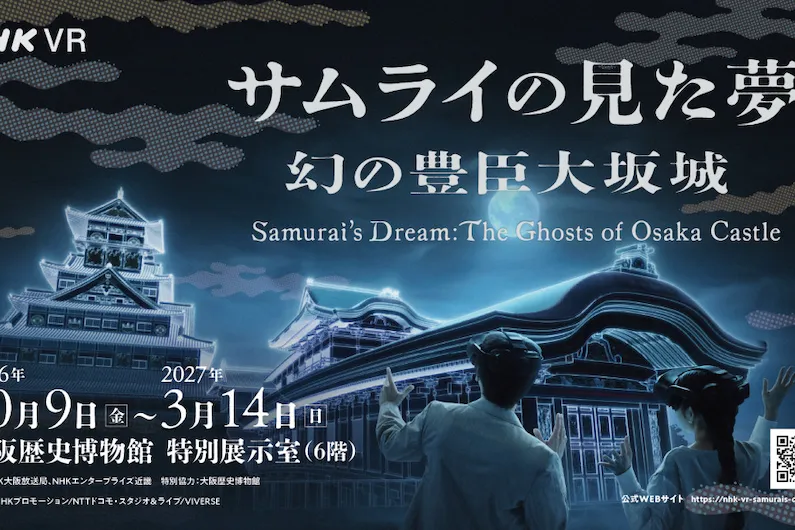
When you put on the VR goggles, the Osaka Castle built by Toyotomi Hideyoshi—praised as “unrivaled among the three kingdoms”—appears before your eyes. The experience moves from the view from the keep as seen by the ruler himself to encounters with exotic animals from foreign lands that terrified the samurai, and then to the “Siege of Osaka,” one of the largest battles of the Warring States period.

At the Osaka venue, additional content appears: the Golden Tea Room, where Hideyoshi himself prepared tea to entertain guests, and the offensive and defensive battles at “Sanada-maru” during the Siege of Osaka. You experience the ruler’s omotenashi (hospitality) in one scene and the battle in the next. The result is an immersive 40-minute experience of the phantom Toyotomi Osaka Castle from a realistic perspective unique to VR.

Event information

Event Period: 2026/10/9 (Fri) – 2027/3/14 (Sun)
Closed: Tuesdays (the following day if Tuesday is a public holiday), year-end and New Year holidays (12/28 – 1/4)
Hours: 9:30 – 17:00 (Admission until 16:00)
Duration: Approx. 50 minutes (Experience: approx. 40 minutes + 10 minutes for explanations and fitting, etc.)
Location: Osaka Museum of History, 6th Floor Special Exhibition Room (4-1-32 Otemae, Chuo-ku, Osaka City)
Fees: Advance reservation and date-and-time specified tickets are required

  • Weekdays: Adults 3,500 yen, Elementary/Junior High/High School students 1,500 yen
  • Weekends/Holidays: Adults 4,000 yen, Elementary/Junior High/High School students 2,000 yen

Please note that children under 7 years old and individuals who fall under the descriptions in the NHK VR Terms of Use cannot experience the VR content.

Inquiries: 050-5541-8600 (Hello Dial, open daily 9:00 – 20:00)
Website: https://nhk-vr-samurais-dream.jp/

🛏️ View hotels near the event

Who was Toyotomi Hideyoshi?

Toyotomi Hideyoshi (1537–1598) ended a long period of civil war in Japan by completing the country’s reunification. He was born in Owari Province to a peasant family, and his rise from that background to the highest levels of power is often treated as remarkable. It owed much to the opportunities created by the wars of the 16th century, as well as to his own abilities.

He first served Oda Nobunaga, the warlord who began the campaign to unify Japan, as a low-ranking soldier. Over time he rose to become one of Nobunaga’s senior generals, primarily through a combination of tactical skill and an understanding of how to manage men and alliances. After Nobunaga was killed in 1582, Hideyoshi moved quickly against his rivals and won a series of engagements that left him as the most powerful figure in the country.

By 1590 he had defeated or neutralised the remaining independent warlords and brought Japan under a single authority for the first time since the early 16th century. His birth prevented him from taking the traditional title of shōgun, which was reserved for families of recognised samurai lineage. The imperial court instead gave him the title of kanpaku, or regent, and later taikō, a term for a retired regent. These titles gave him formal legitimacy without requiring a noble ancestry.

Hideyoshi made Osaka Castle the centre of his administration. He ordered its construction in the 1580s, and it functioned both as a fortress and as a residence that displayed his authority. The castle remained politically significant after his death and was fought over repeatedly in later conflicts.

His domestic policies were extensive. The “sword hunt” of 1588 required farmers to surrender weapons, and it was followed by regulations that defined the social boundary between samurai and commoners. These measures helped consolidate control over the countryside and shaped the status system of the Edo period. In his final years, however, Hideyoshi overreached. He launched two invasions of Korea, in 1592 and 1597, which failed after heavy losses and put severe strain on his regime. He died in 1598, leaving a young heir. The resulting power struggle culminated in the Battle of Sekigahara in 1600, which brought Tokugawa Ieyasu to power.

The NHK VR experience, A Samurai’s Dream: The Phantom Toyotomi Osaka Castle, presents a reconstruction of Hideyoshi’s castle and the world around it. It offers a way to examine the built environment of the period rather than a biographical portrait of the man himself.

Gwangju Nostalgic Chungjang Festival 2026: Experience Korea’s Premier Memory-Themed Celebration and Cultural Parades

Gwangju Nostalgic Chungjang Festival 2026: Experience Korea's Premier Memory-Themed Celebration and Cultural Parades

Gwangju’s Nostalgic Chungjang Festival

🗓️ 2026.10.07 ~ 2026.10.11

The food information for the festival venue below is based on the previous year’s (2025) festival content, and the 2026 festival content is currently being updated.

Gwangju Recollection Chungjang Festival

The Gwangju Recollection Chungjang Festival is the largest representative festival in Gwangju, held in and around Chungjang-ro in Dong-gu, Gwangju Integrated Metropolitan City, South Jeolla Province — the region’s top commercial district. It carries the distinction of being Korea’s first memory-themed festival, built around the universal subject of recollection and designed to reach across generations and classes. The premise is that everyone holds precious memories, and the festival gives those memories a public stage. By sharing them, visitors take part in what the festival frames as the production of memories: people of different ages and backgrounds come together, and new memories are created in the process.

The setting adds a deeper layer of meaning. Because the festival unfolds around Geumnam-ro and May 18th Democracy Square, spaces with a significant place in the global history of democracy, it embodies historical and cultural value that goes beyond a simple local festival. Held in the sanctuary of democratization, it carries a symbolic dimension, showing the will of citizens to overcome the pain of the past and move toward a hopeful future.

External recognition has followed. The Ministry of Culture, Sports and Tourism first designated the festival an Honorary Cultural Tourism Festival in 2024 and re-selected it for 2026–2027, maintaining the honor for four consecutive years (2024–2027). At the 2026 Korea Festival Contents Awards, the festival won the Grand Prize in the Global Luxury Category, achieving a Grand Prize for the tenth consecutive year and proving its status as a global luxury festival representing Korea.

The festival’s ambition now extends beyond the local region. Through cooperation with the Asia Culture Center, it aims to develop into an international festival that encompasses the culture and memories of all of Asia. In doing so, it provides a venue for communication and harmony through culture while enhancing Gwangju’s status as the Asian Cultural Hub City.

2026 Festival Programs

Daily Geumnam-ro Main Programs

Each day of the main program on Geumnam-ro features a different lineup:

  • Day 1: Opening Show
  • Day 2: Chungjang Dream Tree Festival, Youth March, Chungjang Glowing Night
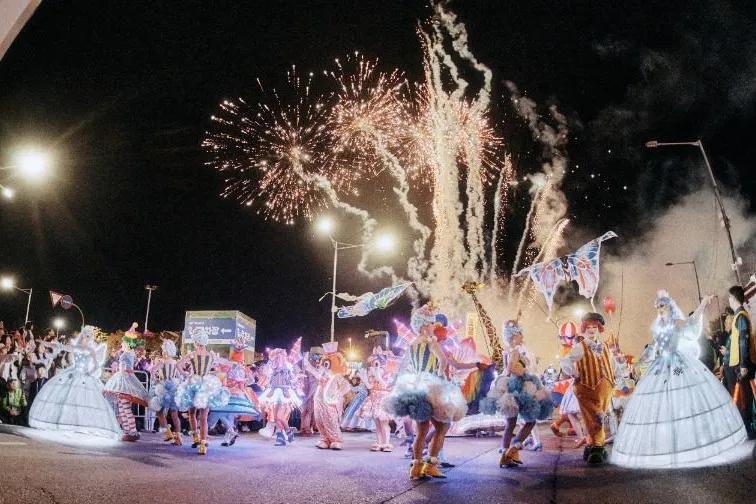
  • Day 3: K-Beauty & Hanbok Show, Asia Culture Show, Chungjang W(world) Parade
  • Day 4: Gwangju Jumeokbap (Rice Ball) Contest, Chungjang K(korea) Parade, Chungjang O(original) Parade
  • Day 5: Resident Autonomy Festival Finals, Chungjang Golden Parade, Closing Performance

The World, Korea, and Original parades on Days 3 through 5 each bring a different theme to the street, while the Gwangju Jumeokbap (Rice Ball) Contest on Day 4 adds a culinary element to the program.

Geumnam-ro Side Programs

The side programs on Geumnam-ro include food trucks and healing shelters, an exhibition of administrative district parade symbols, a boxing competition, and the participatory dance program Let’s GO! Just Dance!, among others.

Sinseoseok-ro Programs

On Sinseoseok-ro, the Memory Song Theme Street and the Memory Wandering Troupe bring songs and street performances tied to the festival’s recollective theme.

Chungjang-ro and Street of Art Programs

Along Chungjang-ro and the Street of Art, Pan-Pan-Pan (Dance Pan, Play Pan, Song Pan) and Life’s Greatest Boulevard extend the festival into the surrounding arts district.

Collaborative Events

The 5th Gwangju Busking World Cup is the main collaborative event, turning the festival streets into stages for busking performances in a competition format. Additional collaborative events round out the program.

Practical Information

📍 Address: Geumnam-ro 3-ga, Dong-gu, Gwangju Integrated Metropolitan City, South Jeolla Province

🛏️ Accommodations near the event

💰 Fee: Free

📞 Inquiry: 062-608-4672

⭐️ Instagram: https://www.instagram.com/recollectionkr/

🖥️ Website: http://recollection.kr/index.php

Chungjang-ro is the main thoroughfare in downtown Gwangju. It has long served as a commercial center, and its sidewalks and buildings have hosted the everyday routines and occasional public events that make up the city’s recent history. The street is named for an ideal of loyalty and integrity, but its appearance is defined by older structures: theaters, market stalls, restaurants, and small shops that have survived several decades of redevelopment.

During the annual Chungjang Festival, organizers use this setting to stage a return to the 1980s. Retro arcades, period performances, and reconstructed classrooms occupy the street, inviting visitors to engage with recent local culture as something tangible rather than abstract. The festival depends on Chungjang-ro’s physical continuity: the street supplies the context, and the programming supplies the period detail. This arrangement lets visitors experience a version of the city’s past on its actual ground, without turning the avenue into a monument or a theme park.

2026 Suwon Hwaseong Cultural Festival: Experience Korea’s Largest Royal Procession and Joseon History

2026 Suwon Hwaseong Cultural Festival: Experience Korea's Largest Royal Procession and Joseon History

Suwon Hwaseong Cultural Festival

🗓️ 2026.10.04 ~ 2026.10.11

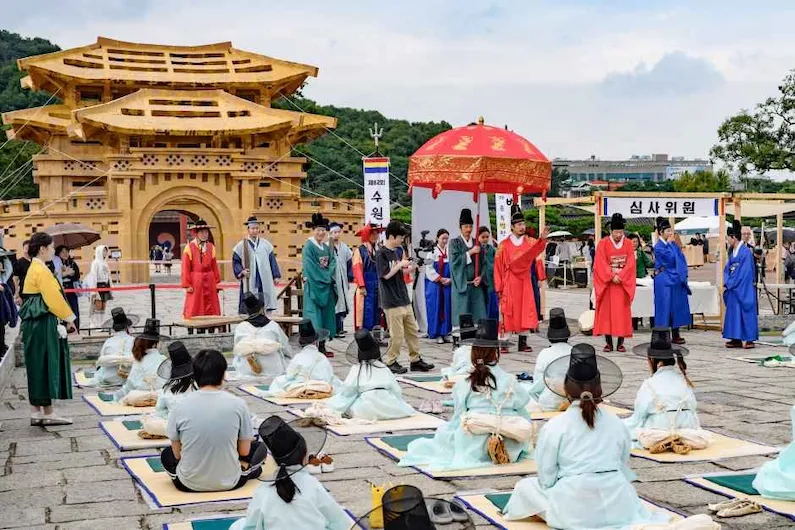
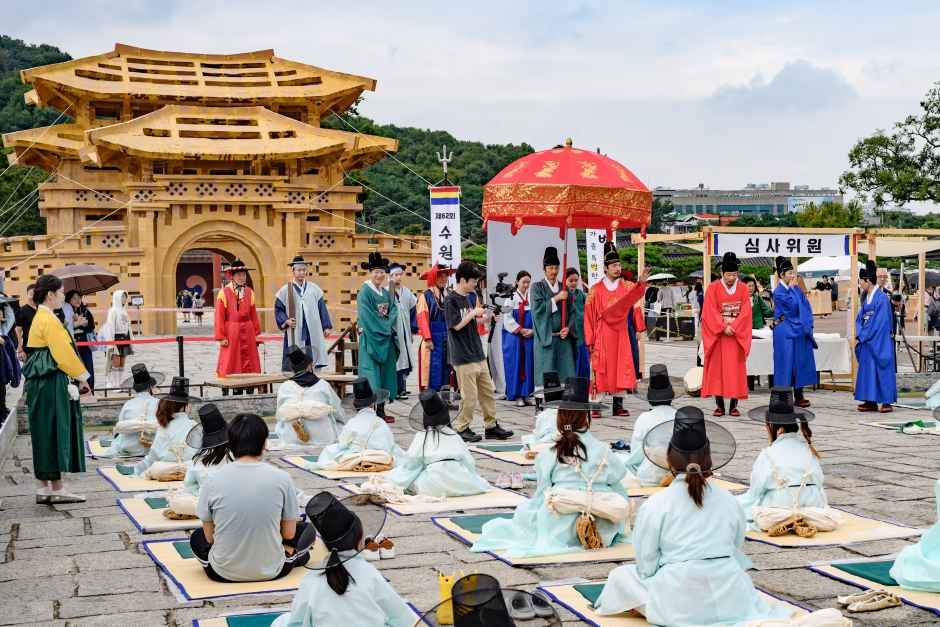
The Suwon Hwaseong Cultural Festival is Suwon’s representative comprehensive cultural arts festival, reinterpreting King Jeongjo’s 8-day royal procession to Hwaseong in 1795 through a modern lens. The historical moments recorded in the Wonhaeng Eulmyo Jeongri Uigwe are brought back to life across performances, parades, hands-on experiences, and citizen participation programs, all set around the UNESCO World Heritage site Suwon Hwaseong Fortress and Hwaseong Haenggung Palace.

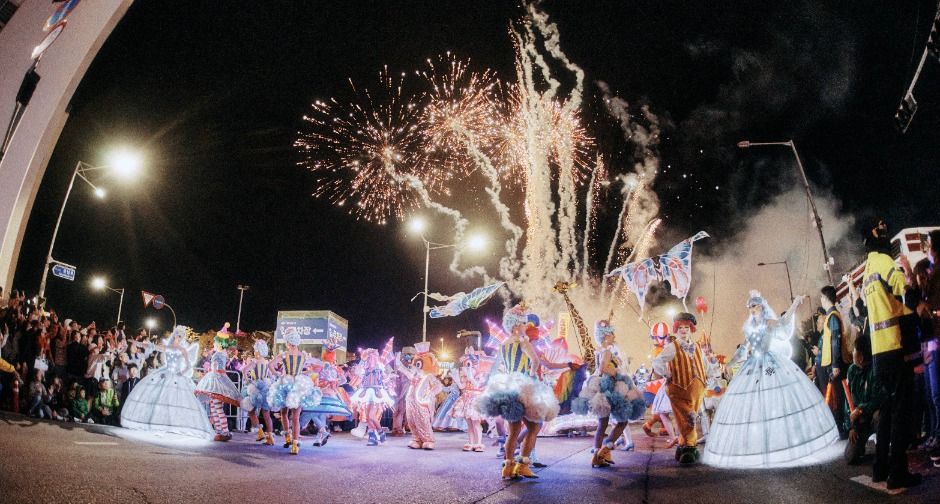
The festival’s signature program, King Jeongjo’s Royal Procession, is the largest royal parade in Korea and is enjoyed by citizens and tourists alike, capturing the full grandeur of the Joseon-era pageantry. During the day, visitors can immerse themselves in traditional culture experiences and participatory programs. After nightfall, the festival shifts into a different mode, pairing high-quality performances with the beautifully illuminated scenery of Suwon Hwaseong. The result is a multi-layered festival experience designed for both domestic and international visitors.

King Jeongjo’s Royal Procession

2026. 10. 4. (Sun)

Also called the Eulmyo-year Hwaseong Expedition, this parade recreates the grand royal journey that King Jeongjo conducted for a total of 8 days, from the 9th to the 16th of the leap second month in the Eulmyo year (1795), to celebrate the 60th birthday of his mother, Lady Hyegyeong. The recreation is based on the documentary heritage Wonhaeng Eulmyo Jeongri Uigwe, which recorded the original procession in remarkable detail. Adapted for modern times, the parade re-emerges as the largest royal procession in Korea, forming the centerpiece of the festival and offering citizens and visitors the chance to witness — and participate in — a spectacular piece of living history.

Main Programs

  1. Theme Performance — Suwon Fantasy – Yajo
  2. Water Performance — Seonyumong
  3. *Time Travel_That Day: Haenggung Night Story
  4. Citizens’ Great Architecture — Hwahong

Experience & Participation Programs

  • Citizen’s Dohwaseo
  • Byeolsinal
  • Yangroyon (Banquet for the Elderly)
  • Suwon Palanquin Race
  • New Nakseongyeon [Masquerade Ball]
  • Fortress Construction Playground

Global Village

The festival also runs a Global Village featuring a lounge exclusively for foreign visitors, along with traditional games and refreshments — an accessible entry point into the atmosphere of a Joseon-era celebration.

Visitor Information

As there are no food booths within the festival grounds, please use restaurants in the nearby area.

🛏️ Accommodations near the event

Suwon Hwaseong Cultural Festival

What is Suwon Hwaseong?

Suwon Hwaseong is an 18th-century fortress and walled city complex in Suwon, Gyeonggi-do, South Korea. It was built between 1794 and 1796 under King Jeongjo of the Joseon dynasty. Jeongjo had moved the remains of his father, Crown Prince Sado, to the nearby tomb of Yungneung, and the fortress served both to guard that burial site and to establish a royal presence outside the factional disputes of Hanyang, now Seoul.

The fortress is notable for adapting its defenses to the local terrain. Its walls run roughly 5.7 kilometers and include gates, bastions, command posts, observation pavilions, and floodgates. The design makes use of angled walls and concealed firing positions, so defenders could target attackers along the curtain walls instead of firing only straight ahead. Jeongjo planned the works with the scholar-official Jeong Yak-yong, and the entire undertaking was documented in the Hwaseong Seongyeok Uigwe, a detailed official record of materials, labor, and construction methods. That documentation has made Hwaseong one of the best-understood large-scale projects of its period in Korea.

The fortress has been a UNESCO World Heritage Site since 1997. It is open year-round, and walking the wall circuit remains the most direct way to see how the structure relates to the surrounding landscape. The site will also host the 2026 Suwon Hwaseong Cultural Festival, including reenactments of King Jeongjo’s royal processions to the fortress. These events use the historical route and buildings as their setting, and the architecture itself continues to be the central reason for visiting.

2026 Jinju Namgang Yudeung Festival Guide: Experience the Magic of Floating Lanterns and Korean Tradition

2026 Jinju Namgang Yudeung Festival Guide: Experience the Magic of Floating Lanterns and Korean Tradition

Jinju Nam River Floating Lantern Festival

Also known as the Jinju Namgang Yudeung Festival.

🗓️ 2026.10.03 ~ 2026.10.18

Yudeung (floating lanterns) originated during the Battle of Jinju Castle, one of the three major victories of the Imjin War. Lanterns were floated on the Namgang River as military signals to communicate with righteous army soldiers outside the fortress and as a means of communication for family members to send greetings during the battle. Jinju citizens carried this tradition through the Yudeung Contest, a program of the Gaecheon Arts Festival, which has been held since 1949 and is the pioneer of Korea’s local comprehensive arts festivals. Since 2000, the event has been held independently as the Jinju Namgang Yudeung Festival.

Yudeung has been sublimated into a festival wishing for peace, love, happiness, and the fulfillment of desires. It has grown into a global festival that shares the value of peace with people around the world. Every autumn in Jinju, the City of Light and Peace, the Namgang River and the Jinju Fortress area become the setting for a landscape of floating lanterns, where visitors can reflect on the historical meaning embedded in the scenery.

Main Programs

  • Floating lantern exhibition – The core display, covering the Namgang River with floating lanterns.
  • Land lantern exhibition – Lantern installations throughout the Jinju Fortress area.
  • Drone light show – A coordinated drone display above the festival.
  • Water fireworks display – Fireworks staged over the water.

Side Programs

  • Night parade – A parade held after dark through the festival area.
  • Gaecheon Arts Festival – Accompanying festival running 10.9.–10.18.
  • Korea Drama Festival – Accompanying festival running 10.9.–10.18.

Consumer Participation Programs

  • Hanging wish lanterns – Write wishes and hang lanterns as part of the display.
  • Floating lanterns – Send your own lantern onto the Namgang River.
  • Crossing the floating bridge – Walk across the floating bridge for a closer view of the river lanterns.

Other Details

  • Cruise ship experience – View the illuminated river from a cruise ship.

Practical Information

📍 Address: 626 Namgang-ro, Jinju-si, Gyeongsangnam-do (Bonseong-dong)

🛏️ Accommodation near the event

💰 Fee: Free

📞 Inquiry: 055-761-9111, 055-755-9111

⭐️ Instagram: https://www.instagram.com/yudeung_festival/

🖥️ Website: https://yudeung.com/

Jinju Namgang Yudeung Festival

The association between floating lanterns and Jinju’s Namgang River begins with the Imjin War (1592–1598). In 1592, during the first Siege of Jinju, the fortress commander General Kim Si-min ordered lanterns to be launched on the river as a defensive measure. The Namgang ran along the southern side of the fortress and was the most likely approach for a night attack. Hundreds of lit lanterns were placed on the water, making the river visible and exposing anyone trying to cross. The lights also served as a signaling system. Different arrangements and movements of lanterns allowed units stationed along the river and inside the fortress to communicate without sending runners or raising an alarm.

The tactic worked well enough that it became one of the memorable features of the battle. After the war, the military use of lanterns developed into a commemorative custom. The people of Jinju released lanterns on the Namgang to honor the defenders who had died in the siege, and the practice later came to include expressions of personal hope or remembrance. It was not an unbroken ritual from 1592, but the memory of the wartime origin is what gave the later custom its meaning.

The Jinju Namgang Yudeung Festival is the modern continuation of that history. Held each autumn, it reconstructs the scene of lanterns drifting on the river. Visitors are invited to launch their own lanterns, and the festival’s main program is designed around this act. What links the contemporary event to the original is not sentimentality but the continuity of a practical technique: a method of lighting a river at night, first used as defense, later becoming a way of marking what was lost and what was hoped for.

Experience the 2026 Anseongmachum Namsadang Baudeogi Festival: A Complete Guide to Korea’s UNESCO Heritage Performances and Traditions

Experience the 2026 Anseongmachum Namsadang Baudeogi Festival: A Complete Guide to Korea's UNESCO Heritage Performances and Traditions

Perfect fit Namsadang Bawudeugi Festival

Anseongmachum Namsadang Baudeogi Festival

The Anseongmachum Namsadang Baudeogi Festival is a comprehensive celebration based on Namsadangnori, a traditional performing art that has earned its place as a UNESCO Intangible Cultural Heritage of Humanity. By inheriting and developing the artistic spirit of Baudeogi—who served as the first female Kkokdusoe (leader) during the Joseon Dynasty—and the distinct style of the Anseong Namsadang troupe, the festival offers a curated variety of programs accessible to visitors of all ages.

What sets this event apart is its ability to harmonize tradition with modernity, allowing visitors to encounter the essence of tightrope walking and Namsadangnori in a vivid, close-up setting. The festival effectively combines history, culture, performance, and tourism to establish itself as a representative traditional culture festival of the Republic of Korea, attracting both domestic and international tourists.

One of the most immersive aspects of the event is the Anseong Old Market, which reproduces the abundance and atmosphere of one of the three largest markets in the country during the Joseon Dynasty. Beyond this historical recreation, guests can engage with traditional culture experiences, domestic and international traditional art performances, and overseas folk performances.

Event Programming

The festival is structured across several distinct categories to ensure a multifaceted experience:

1. Official Events
The formal progression of the festival is marked by the Memorial Ceremony, the Eve Festival, the Market Opening Ceremony, and the official Opening and Closing Ceremonies.

2. Experiences
Visitors can explore the Baudeogi Theme Park, participate in the Baudeogi Culture Tour, or wander through the Anseong Old Market and the Anseong Culture Market.

3. Exhibition & Promotion
The event features a dedicated Anseong Livestock Grilled Meat Zone and various agricultural and livestock product sales. Educational and visual highlights include the Anseong Master Exhibition, the Baudeogi Light Festival, and the Global Studio.

4. Performances
The core of the festival’s artistic offering includes Namsadangnori, Traditional Wedding reenactments, Geuknori (traditional play), and the World Heritage Masterclass.

5. Citizen Stage
Community involvement is highlighted through THE NEXT Baudeogi Competition, the Citizen Choir Festival, a 100-person Saxophone performance, and the Citizen Art Stage.

Essential Visitor Information

🗓️ 2026.10.02 ~ 2026.10.05

📍 Address: 198 Namsadang-ro, Bogae-myeon, Anseong-si, Gyeonggi-do

💰 Fee: Free

📞 Inquiry: 031-678-5414

⭐️ Instagram: https://www.instagram.com/baudeogi26/

🖥️ Website: https://www.anseong.go.kr/

🛏️ Accommodation near the event

What is Namsadang?

Namsadang refers to the itinerant all-male entertainment troupes that traveled across Korea during the Joseon dynasty (1392–1897). The name means “wandering male shows,” and the troupes did exactly that: they moved from village to town with instruments, props, and costumes, performing for commoners at local markets, festivals, and rural gatherings.

A Namsadang performance was not a single act but a full program combining music, acrobatics, comedy, dance, and storytelling. The traditional lineup had six parts: pungmul (percussion and dance), beona (plate spinning and balancing tricks), salpan (acrobatics and tumbling), deotboegi (masked dance-comedy), deolmi (a puppet play), and jultagi (tightrope walking). Every role required sustained training, and troupes were organized with clear hierarchies and specialized duties, much like small communities.

In Joseon society, Namsadang performers were largely landless wanderers, placed outside the accepted social order. Their status was marginal, but their art reached a wide audience. The performances were loud, comic, and technically demanding. Through satire and parody, they could mock the ruling class, acknowledge the difficulties of ordinary life, and keep folk culture active in a period when official institutions offered it little support.

Certain troupes were tied to particular regions. One of the most important bases was Anseong, and it was there in the 19th century that a performer named Baudeogi became the first documented woman to lead a Namsadang troupe. In a tradition that had been exclusively male, her position was remarkable, and accounts of her skill and leadership have survived in local memory. Anseong now honors her through the Anseongmachum Namsadang Baudeogi Festival, where Namsadang arts are staged alongside other folk practices.

The festival continues to draw on a performance tradition that has been passed down through generations. Namsadang remains distinct from more formal, court-centered Korean performance arts, and its modern presentations preserve an approach to entertainment that was built around direct contact with village audiences. Seeing it today means encountering not a relic but a living practice, shaped by centuries of wandering performers and their audiences.

Analytics