2026 Chuncheon Summer Water Festival: Dates, Attractions & How to Get Tickets

2026 Chuncheon Summer Water Festival: Dates, Attractions & How to Get Tickets

Chuncheon Summer Water Festival

🗓️ 2026.07.17 ~ 2026.08.17

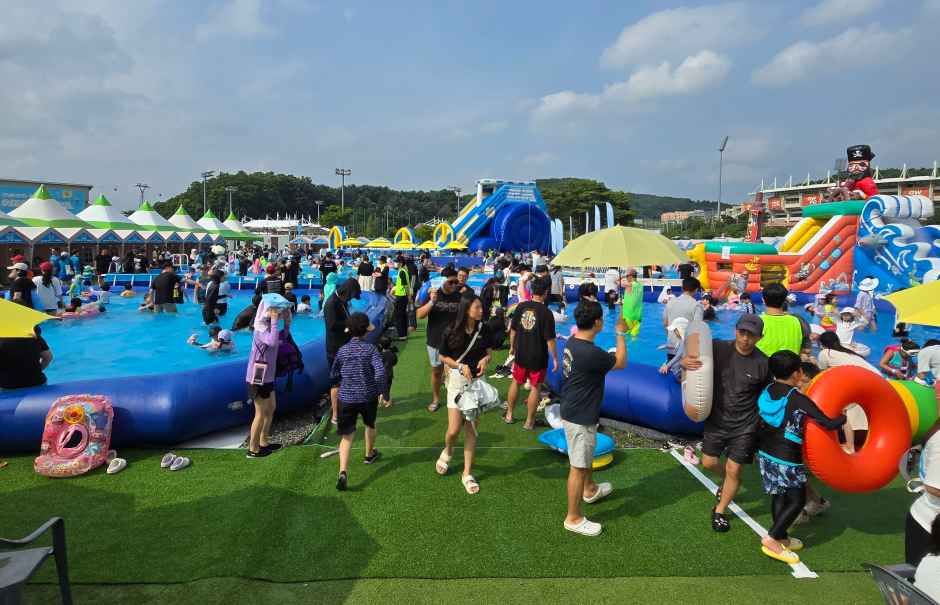
The 2026 Chuncheon Summer Water Festival returns for its second year, occupying the Chuncheon Waterfront Park throughout the height of summer. What distinguishes this event from typical municipal water parks is its deliberate calibration across age groups—toddlers, adolescents, and adults each retain dedicated zones without the compromise of shared overcrowded spaces.

The 30-meter giant slide remains the defining attraction, engineered for velocity sufficient to satisfy thrill-seekers while maintaining controlled descent parameters. New for 2026, the Challenge Bounce introduces obstacle-course mechanics: participants navigate pneumatic structures requiring agility rather than mere speed, a format uncommon in Korean summer festivals where passive tubing or straightforward slides predominate.

Water-play infrastructure includes:

  • Main Pool: Central gathering space for general swimming and group activities
  • Lazy River: Circulating current for low-exertion movement, suited to recovery between more demanding attractions
  • Toddler Pool: Shallow-depth zone with moderated water features
  • Giant Slide: 30-meter length, the festival’s established signature
  • Challenge Bounce: Obstacle-escape installation (2026 addition)

Practical Information

📍 Address: 200-9 Samcheon-dong, Chuncheon-si, Gangwon-do

💰 Admission: 8,000 KRW standard; 6,000 KRW for verified Chuncheon residents (identification required)

📞 Inquiries: 033-250-0920

🛏️ Accommodation near the event

⭐️ Instagram: https://www.instagram.com/ccwf_26

Chuncheon Summer Water Festival

Where is Chuncheon located?

Chuncheon is the capital of Gangwon Province, in northeastern South Korea. It sits in a valley roughly 75 kilometers northeast of Seoul, surrounded by mountains and lakes. The distance makes it manageable for weekend trips, and the elevation brings cooler temperatures that draw people out of the capital during summer months.

The city borders Soyang Lake, Uiam Lake, and Chuncheon Lake. Soyang ranks among Asia’s largest artificial reservoirs. These water bodies shape how the city functions, from water management to recreation. The annual Summer Water Festival, for example, operates directly on these lakes.

Chuncheon marks the entry point to broader Gangwon Province, situated where the Soyang River meets the Han River. The basin topography creates a microclimate with summers milder than Seoul or the southern coast. This temperature difference, combined with accessible water, establishes the conditions for outdoor activity in July and August.

The geography has practical consequences. The surrounding mountains limit urban sprawl, concentrating development along the valley floor. The lakes provide both drinking water and flood control for the region. And the location—close enough to Seoul for commuting, far enough to feel removed—shapes Chuncheon’s role as a secondary city rather than a satellite of the capital.

1999 Exhibition Osaka 2026: Experience the End of the World That Never Came—Dates, Tickets & What to Expect

1999 Exhibition Osaka 2026: Experience the End of the World That Never Came—Dates, Tickets & What to Expect

1999 Exhibition—Memories of That Day That Never Existed—

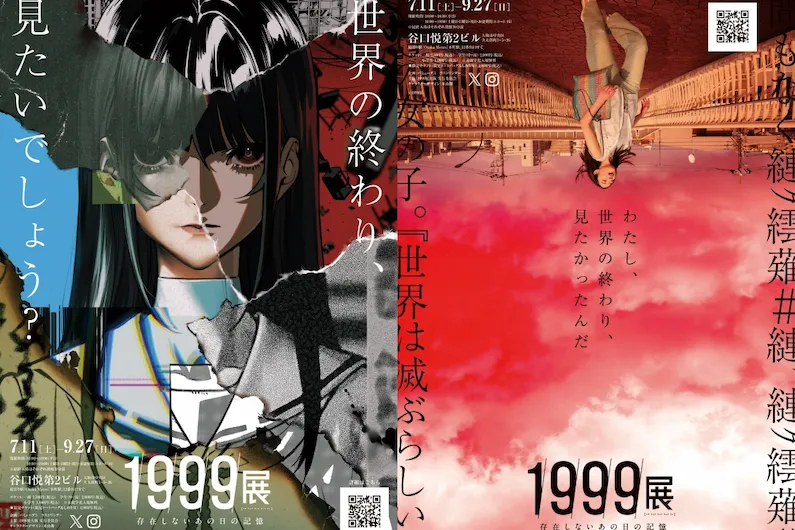
The “1999 Exhibition,” which generated significant attention during its run in Roppongi, Tokyo last summer and drew approximately 100,000 visitors, has arrived in Osaka for its first regional showing.


In 1999, Nostradamus prophesied that “the world would end.”
We are now living in that “future that did not perish.”
But did the world truly not end on “that day”?
You will now witness “that day” of 1999 that never came.

—Won’t you come to see the end of the world?—


(The above photos are from the Tokyo venue)

What if the world really had ended in July 1999?

This horror experiential exhibition invites visitors to trace the prophesied “end of the world” while immersed in the distinctive atmosphere of anxiety and anticipation that preceded 1999. The narrative unfolds through the guidance of the “Girl of the Apocalypse,” a character created specifically for this exhibition.

The project was developed by Bermuda 3, a three-person creative unit: Sesuji, a horror novelist whose works including “About a Certain Place in the Kinki Region” have sold over 1.5 million copies; Naoko Sato, screenwriter of the cult horror game “SIREN”; and Masaki Nishiyama, an emerging horror film director. The exhibition features a newly illustrated “Girl of the Apocalypse” by the popular illustrator Mai Yumeumi, and visitors will receive an original short story written by Sesuji as a complimentary benefit.


Exhibition Details

Period July 11 (Saturday) – September 27 (Sunday), 2026
Weekday Hours 10:00–18:00
Weekend/Holiday Hours 10:00–19:00 (Saturdays, Sundays, holidays, and Obon period: August 8–16)
Final Entry 30 minutes before closing
Location Taniguchi Etsu Second Building, 3-5-26 Kyutaromachi, Chuo-ku, Osaka City

Admission Fees

Category Price
General ¥2,500
Junior/Senior High School Students ¥2,000
Elementary School Students ¥1,000
Preschoolers Free

Important Notes:

  • Junior high and high school students must present a student ID
  • Elementary school students must present identification or a student ID
  • Persons with disabilities require a ticket, though one accompanying caregiver may enter free of charge
  • Same-day tickets are available at the venue (Taniguchi Etsu Second Building) via cashless payment only
  • Date-and-time reservations are required for Saturdays, Sundays, holidays, and the Obon period (August 8–16)

Contact Information

🛏️ View hotels near the event

What was the Y2K problem?

In the late 1990s, a quirk in computer programming drove widespread concern about what would happen when the year 2000 arrived. The issue stemmed from how early systems stored dates. Throughout the 1960s and 1970s, programmers routinely abbreviated four-digit years to two digits to conserve limited memory. “1999” became “99.” The worry was that when systems rolled over to “00,” they would interpret it as 1900 rather than 2000—potentially causing errors in calculations, record-keeping, and system operations.

The scope of potential disruption was genuinely significant. Financial institutions relied on date-sensitive interest calculations. Industrial control systems, transportation networks, and government databases all depended on accurate date processing. The fear that these systems might fail simultaneously led to substantial preparation efforts. Governments and corporations worldwide spent between $300 and $600 billion on code remediation, system testing, and contingency planning. Some individuals prepared personally, stocking supplies or reinforcing homes against possible utility failures.

The response was not uniform. Critics questioned whether the expenditure matched the actual risk, pointing out that many systems would simply process incorrect dates without catastrophic failure. Others noted that the problem had been understood and worked on for years before it reached public attention. The alarm itself became a subject of debate—was it prudent preparation or a self-perpetuating panic amplified by media coverage and commercial interests in selling solutions?

When January 1st, 2000 arrived, the transition was largely uneventful. Reported failures were minor: some parking meters, videocassette rental systems, and small business accounting programs showed date errors. The absence of major disruption suggested that preparation had worked, that the risk had been overstated, or both. The debate has never fully resolved.

What remains of Y2K is instructive. It demonstrated how technical debt—compromises made for immediate convenience—can accumulate systemic risk over decades. It showed how information about technical risk spreads unevenly through public and institutional channels, sometimes amplifying and sometimes attenuating accurately. And it established a pattern for how societies respond to predicted technological crises: mobilization, expenditure, and retrospective argument about proportionality. Subsequent events, from pandemic preparation to climate policy, have echoed this dynamic in different forms.

The Y2K incident also preserved a snapshot of computing at its transition from specialized infrastructure to omnipresent utility. The systems being corrected were often decades old, written in languages now obsolete, maintained by programmers who had retired or died. The urgent need to understand them created temporary demand for obsolete expertise and focused attention on how organizations had quietly become dependent on software they no longer fully comprehended. This condition—technological opacity combined with infrastructural dependence—has only intensified in the years since.

Van Gogh’s Drawbridge and the Impressionists 2026: Visit the Wallraf-Richartz Museum Exhibition at Abeno Harukas Art Museum, Osaka

Van Gogh's Drawbridge and the Impressionists 2026: Visit the Wallraf-Richartz Museum Exhibition at Abeno Harukas Art Museum, Osaka

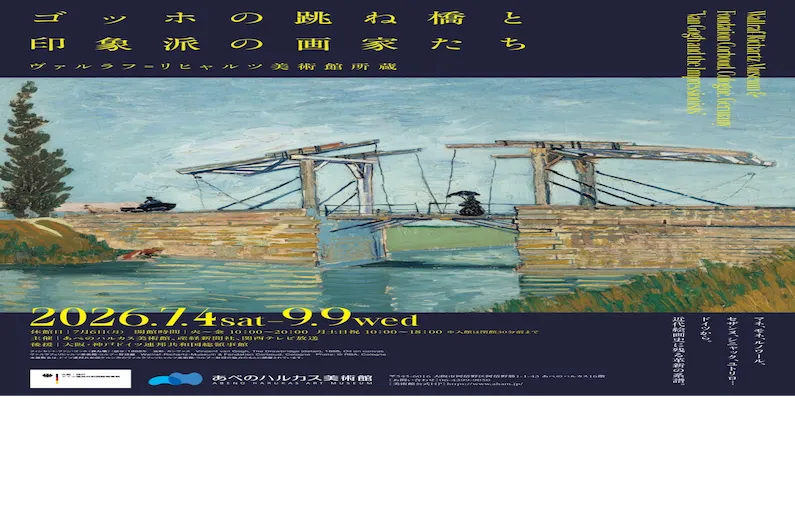
Van Gogh’s Drawbridge and the Impressionists: From the Wallraf-Richartz Museum Collection

Exhibition promotional image

This summer, the Abeno Harukas Art Museum hosts a major survey of French Impressionism and its legacy, drawn from the storied collection of the Wallraf-Richartz Museum and the Corboud Foundation (Kolb Foundation) in Cologne, Germany. Housing approximately 70,000 works spanning from medieval panels to Post-Impressionist canvases, the Wallraf-Richartz ranks among Europe’s premier institutions; the Osaka presentation marks a rare opportunity to examine how its holdings trace the theoretical evolution of modern painting.

The Network of Influence

Van Gogh’s The Drawbridge

Rather than isolating individual geniuses, the exhibition emphasizes the dialogues that shaped nineteenth-century French art. Through seventy works by forty-two artists—including Édouard Manet, Claude Monet, Pierre-Auguste Renoir, Paul Cézanne, Paul Signac, Maurice Utrillo, Jean-Baptiste-Camille Corot, and Henri Matisse—the presentation maps how aesthetic innovations emerged through generational exchange.

The curatorial progression begins with Manet and Corot, artists who negotiated the fraught territory between academic tradition and emergent modernist methodologies. From this foundational tension, the exhibition moves to Monet and Renoir’s empirical investigations of light and atmospheric conditions, then advances to the systematic color theories of Signac and the geometric underpinnings explored by Cézanne. The trajectory culminates with Matisse and Utrillo, who leveraged these technical developments to liberate purely personal sensibilities through color.

Additional exhibition work

Key Works

Additional exhibition work

Among the seventy canvases, two works anchor the historical narrative. Manet’s Bundle of Asparagus (1880) acquires particular significance from its provenance: commissioned by the collector Charles Ephrussi and acquired by the museum during the critical period when German art criticism and practice were entering a new phase, the still life exemplifies the French avant-garde’s influence on pan-European taste.

Equally commanding is Vincent van Gogh’s The Drawbridge (1888), painted during the artist’s residency in Arles. The canvas retains a distinctive presence within the Post-Impressionist movement, demonstrating Van Gogh’s transformation of Impressionist chromatic principles into an expressive, architectonic vision of the Provençal landscape. The work’s inclusion highlights the museum’s strength in the period immediately following Impressionism’s height.

Exhibition caption or detail view

Complimentary Ticket Giveaway

Complimentary tickets for this exhibition will be given to 2 pairs (4 people) via lottery. The application page is here.


Visitor Information

Exhibition Period: Saturday, July 4, 2026 – Wednesday, September 9, 2026
Closed: Monday, July 6 (note: the museum typically operates on Mondays; however, July 6 is a designated closing date)
Hours:

  • Tuesday–Friday: 10:00–20:00
  • Monday/Saturday/Sunday/Holidays: 10:00–18:00

Last admission is 30 minutes before closing.

Location: Abeno Harukas Art Museum (Abeno Harukas 16F, 1-1-43 Abenosuji, Abeno-ku, Osaka City)

Admission:

  • Adults: 2,100 yen (1,900 yen)
  • High School Students: 1,700 yen (1,500 yen)
  • Elementary/Junior High Students: 500 yen (300 yen)
  • Preschool children: Free

*Prices in parentheses indicate advance tickets and group rates for 15 or more persons. Advance tickets are available for purchase until Friday, July 3.

Special Invitation for Children:
One elementary or junior high school student receives free admission per one general admission ticket. This offer is limited to simultaneous entry with an adult; additional children pay standard student fares.

*Persons holding a disability certificate and one accompanying person receive half off the same-day fare when purchased at the museum ticket counter.

Inquiries: 06-4399-9050 (Abeno Harukas Art Museum)
Website: https://www.ktv.jp/event/gogh_hanebashi

🛏️ View hotels near the event

The Wallraf-Richartz Museum opened in Cologne in 1861, founded through the combined bequests of Ferdinand Franz Wallraf and Johann Heinrich Richartz. Wallraf, a canon at Cologne Cathedral, spent decades acquiring works during the Napoleonic secularizations, amassing medieval altarpieces and early German paintings that state collections had overlooked. Richartz, a merchant and civic leader, funded the building and endowment. The arrangement created one of Germany’s first civic painting museums independent of royal or ecclesiastical collections.

The museum built its nineteenth-century French collection through early acquisitions of Impressionist work, beginning before World War I when many German institutions still excluded the style. The sequence includes Monet, Renoir, Pissarro, Sisley, Cézanne, and Gauguin, installed to show the progression from Corot and the Barbizon School through the plein-air innovations of the 1870s to the structural experiments of the 1880s. This layout follows the actual chronology of the movement rather than organizing works by school or donor.

Vincent van Gogh painted The Langlois Bridge at Arles (1888) during his fifteen months in Provence. The canvas shows a working drawbridge crossing the canal that linked Arles to the Mediterranean, with a cart moving across the span and a woman operating the chains. Van Gogh adapted the strong outlines and high horizon lines of Japanese woodblock prints, while the yellow roadway against violet shadows demonstrates his adaptation of Impressionist color theory to the light of southern France. The museum acquired the painting in 1955.

The Osaka exhibition will display this work alongside approximately sixty others tracing the technical development of French painting from 1830 to 1900. The loan occurs while the Cologne museum renovates its galleries, offering Japanese audiences direct access to paintings that have defined the Rhine collection for generations.

Senshu Beach Lantern Festival 2026: Guide to Tickets, Schedule, and Highlights at SENNAN LONG PARK

Senshu Beach Lantern Festival 2026: Guide to Tickets, Schedule, and Highlights at SENNAN LONG PARK

Senshu Beach Lantern Festival Vol. 7: With Everyone’s Wishes, the World Becomes a Little Brighter

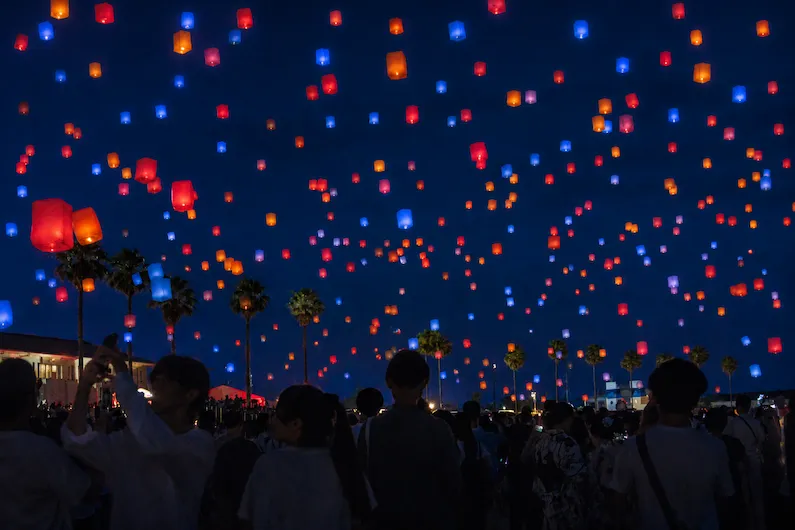
The seventh iteration of the Senshu Beach Lantern Festival returns to the coastal stretch of SENNAN LONG PARK and Tarui Southern Beach, where the Myaku Myaku monument “Waku Waku” remains installed through August 31. This year’s edition operates under its thematic subtitle—suggesting that collective intention creates incremental illumination—manifested literally through the evening lantern release. Unlike previous volumes, the 2026 event incorporates a special project tied to the Expo: alongside the standard orange lanterns, organizers will deploy red and blue variants, creating a tricolor illuminated environment available exclusively this summer. The chromatic expansion transforms the seaside venue—already photogenic during the golden hour—into a distinct nightscape as paper lanterns ascend.

Lanterns illuminating the beach venue

Programming spans a twelve-hour window designed to accommodate varying energy levels and age groups. The daytime component—running from the 12:00 opening until the evening launch—retains popular standard contents including festival stalls and oversized bouncy balloon equipment while introducing two participatory additions. A “Treasure Hunt” makes its first appearance at the event, offering a structured exploration of the grounds, while the “Water Gun Tournament” provides a summer-specific competitive outlet designed specifically for adult participants. These newer elements complement ongoing attractions: street performers demonstrating technical proficiency ranked among Japan’s best, stage presentations by local community groups, and hands-on workshops requiring active creation rather than passive observation.

Festival activities and equipment

Event attendees and performers

Evening lantern release atmosphere

The architectural logic of the schedule builds toward the 20:00 lantern launch, scheduled for both evenings. While admission to the grounds and general viewing require no payment, participation in the release itself operates through an exchange-ticket system. Advance purchases cost ¥5,000 per unit; same-day purchases increase to ¥5,500. Each unit accommodates up to four individuals, allowing families or small groups to distribute the cost. For those preferring guaranteed seating, paid reserved seating will be available for separate purchase.

Event Details

Period: Saturday, July 4, 2026 and Sunday, July 5, 2026
Hours: 12:00–21:00
Lantern Launch: 20:00 (scheduled)
Location: SENNAN LONG PARK and Tarui Southern Beach (2-201 Rinku Minamihama, Sennan City, Osaka Prefecture)
Access: 10-minute walk from Tarui Station on the Nankai Main Line
Admission: Free (lantern participation requires exchange ticket)
Lantern Exchange Ticket: Advance ¥5,000; Same-day ¥5,500 (up to 4 people per unit)
Paid Seating: Available for separate purchase
Inquiries: [email protected] (SBI MUSIC CIRCUS Co., Ltd.)
Website: https://www.senshu-beachlantern.com/

🛏️ View hotels near the event

SENNAN LONG PARK occupies a 2.5-kilometer stretch of Osaka Bay shoreline, accommodating an annual illumination festival structured around three distinct lighting zones. The installation incorporates approximately 10,000 lanterns, varying in construction from traditional washi paper to programmable LED systems.

The western zone, labeled Sunset Lounge, features oversized paper lanterns suspended between mature pine specimens. The spacing creates intermittent shade during daylight hours and concentrated light pools after dark. The eastern Digital Wave section employs projection mapping technology cast directly onto the sand surface; sensors detect pedestrian movement and trigger visual responses in the projected imagery, typically depicting marine ecosystems found in Osaka Bay. At the waterline, the “Sea of Stars” installation arranges LED candles in concentric rings, visible from the elevated boardwalk near the central plaza without obstruction from the dunes.

Programming runs from 18:00 to 21:30 nightly across three stages. The Main Stage presents Awaji puppet theater, a tradition dating to the sixteenth century when ritual performances accompanied religious festivals on Awaji Island. Troupe members manipulate traditional figures carved from lightweight wood, performing narratives drawn from local folklore and classical literature. Contemporary folk bands follow the puppet theater, typically featuring shamisen, taiko, and western string instruments. The Beach Stage hosts smaller acoustic ensembles; audiences sit directly on the sand, surrounded by paper bag lanterns placed at two-meter intervals. At 20:00 each evening, the Lantern Release Ceremony involves the collective release of biodegradable wish lanterns into the surf. Slots are limited and require advance registration at the cultural booth situated near the central plaza entrance.

The Hikari Food Market lines the park’s central pedestrian alley with approximately forty vendors. The selection emphasizes Senshu regional specialties—takoyaki prepared with visible flame finishing, and kakigori flavored with natural butterfly pea flower, which produces a blue-gray tint. Several vendors offer limited-edition ramune in translucent bottles that collect and refract ambient light; purchasers receive LED bases that convert empty bottles into portable lanterns.

Workshops operate at the Lantern Craft Village from 16:00 to 19:00. For ¥1,500, participants receive materials to construct either washi-paper shades or simplified bamboo frames. Instructors demonstrate traditional joining techniques used in Japanese lantern construction. Completed pieces may be added to designated public display areas or retained by the maker. The workshop accepts walk-ins, though reservations are advised for weekend sessions.

First-time visitors should note that the Sunset Boardwalk offers unobstructed sightlines during the twilight period, approximately 18:30 to 19:15, when the remaining natural light balances with the artificial installations. After 19:15, the scene shifts to complete reliance on the festival lighting, which changes photographic exposure requirements significantly.

Tanabata 2026 at Manshuji Temple, Nagoya: How to Participate in Traditional Prayer Services and Collect Limited Edition Goshuin

Tanabata 2026 at Manshuji Temple, Nagoya: How to Participate in Traditional Prayer Services and Collect Limited Edition Goshuin

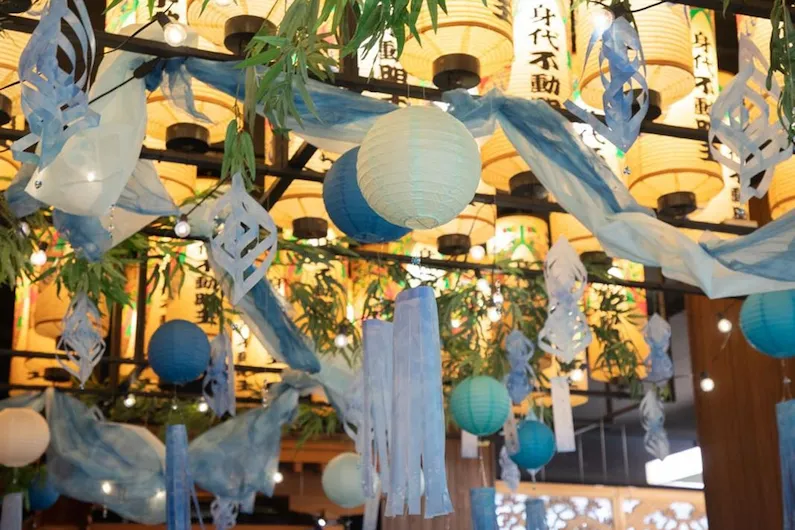
Manshuji Temple hosts an extended observance of Tanabata that distinguishes itself through both duration and astronomical precision, decorating the temple grounds from Friday, June 19th through Wednesday, August 19th, 2026. While many venues celebrate the festival on July 7th according to the Gregorian calendar, this event culminates on the traditional lunar calendar date—August 19th—allowing visitors to align their participation with older celestial calculations that determined the original timing of this star festival.

The temple invites visitors to engage directly with the tradition through tanzaku, vertical paper strips distributed on the grounds upon which you inscribe personal wishes before displaying them among the bamboo and decorative arrangements. These written aspirations receive formal recognition during a dedicated prayer service held specifically on August 19th, commencing at 17:00, during which monks will perform rituals intended to help the wishes materialize; notably, this service carries no admission fee.

For collectors of religious seals, the temple has produced a limited edition Goshuin available exclusively during this Tanabata period, with distribution beginning Sunday, June 28th. Unlike standard seals, these special editions depict the celestial lovers Orihime and Hikoboshi suspended against a night sky—an artistic representation achieved through foil stamping and holographic elements that capture the specific quality of summer starlight. Each seal costs 1,200 yen, though prospective buyers should note that production is strictly limited and sales will conclude immediately upon exhaustion of stock; the temple will announce via social media channels when supplies are depleted.

🛏️ View hotels near the event

Event Details

Dates: Friday, June 19, 2026 – Wednesday, August 19, 2026
Tanabata-mode Goshuin available starting Sunday, June 28th

Hours: 10:00 – 18:00
Tanabata prayer service: Wednesday, August 19th, 17:00 onwards

Location: Kiedake-rin Manshuji Temple

Admission and Fees:

  • Prayer tanzaku (2 strips): 100 yen offering fee
  • Tanabata-mode Goshuin: 1,200 yen each
  • Tanabata prayer service: Free

Access: Approximately 3 minutes walk from Exit 8 of Kamimaezu Station on the Nagoya City Subway Meijo Line

Contact:
Manshuji Temple
TEL: 052-262-0735
FAX: 052-262-2269
Website: https://www.banshoji.or.jp/

Note regarding Tanabata-mode Goshuin: These are available in limited quantities and will end once they run out. The temple will announce via SNS when the limit has been reached.

Goshuin are handwritten inscriptions and seal impressions given to visitors at Japanese temples and shrines. An attendant presses carved wooden stamps into red ink paste, then brushes the temple name, date, and sometimes a short sutra onto a page in the visitor’s book. The practice began during the Edo period, when travel restrictions eased and pilgrimage became popular among common people who needed to document their religious journeys. The thick, textured paper absorbs the ink slowly, leaving a raised, tactile impression that distinguishes these from printed souvenirs.

Collectors carry a goshuincho—an accordion-fold book designed so pages lie flat when open and fold compactly when closed. These range from simple paper covers costing ¥1,000 to elaborate silk-bound editions at ¥3,000 or more. At the temple office, you present your open book with a fee, typically ¥300 to ¥500. The attendant completes the work in three to five minutes, returning the book open to allow the ink to dry. Closed too soon, the wet ink transfers to the facing page, ruining both impressions—a mistake that teaches collectors patience quickly.

For Tanabata 2026, Manshuji Temple will offer designs available only during the festival week. Their Tanabata stamps replace the standard black and red with green bamboo stalks and metallic gold accents, referencing the tanzaku papers where visitors hang written wishes. Some versions depict Orihime and Hikoboshi, the separated celestial lovers, against a star-field background. The application process remains unchanged: present your goshuincho at the temple office, provide the donation, and wait while the staff completes the inscription.

2026 \&TEAM ‘BLAZE THE WAY’ in Incheon: Ticket Prices, Venue Guide, and Booking Tips for LUNÉ

2026 &TEAM ‘BLAZE THE WAY’ in Incheon: Ticket Prices, Venue Guide, and Booking Tips for LUNÉ

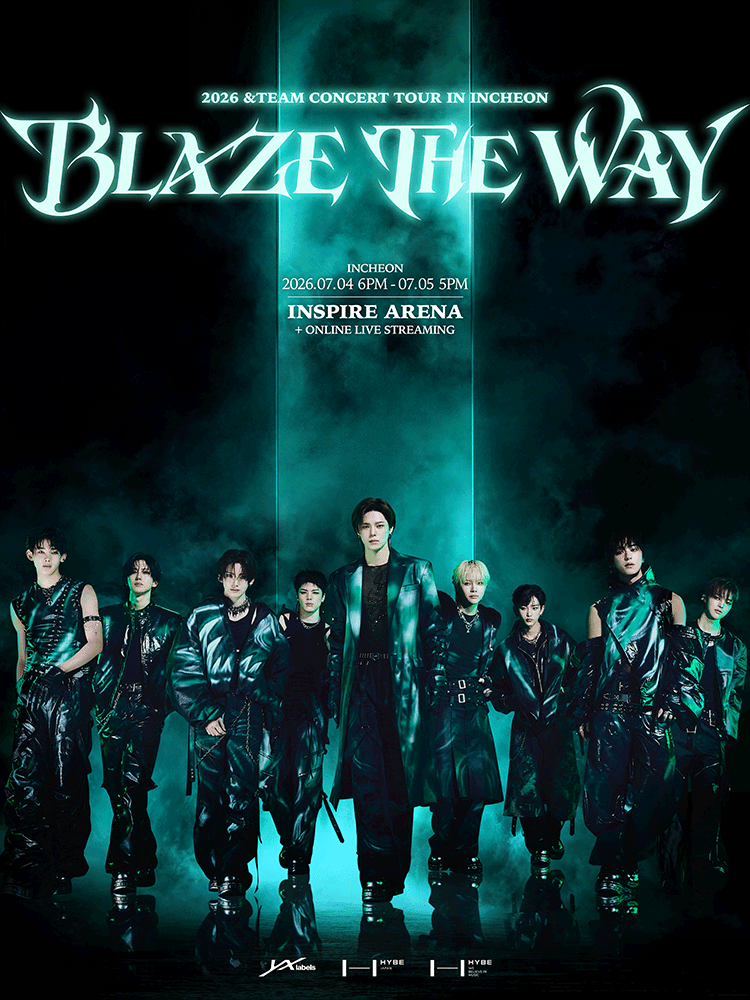
2026 &TEAM CONCERT TOUR ‘BLAZE THE WAY’ in INCHEON

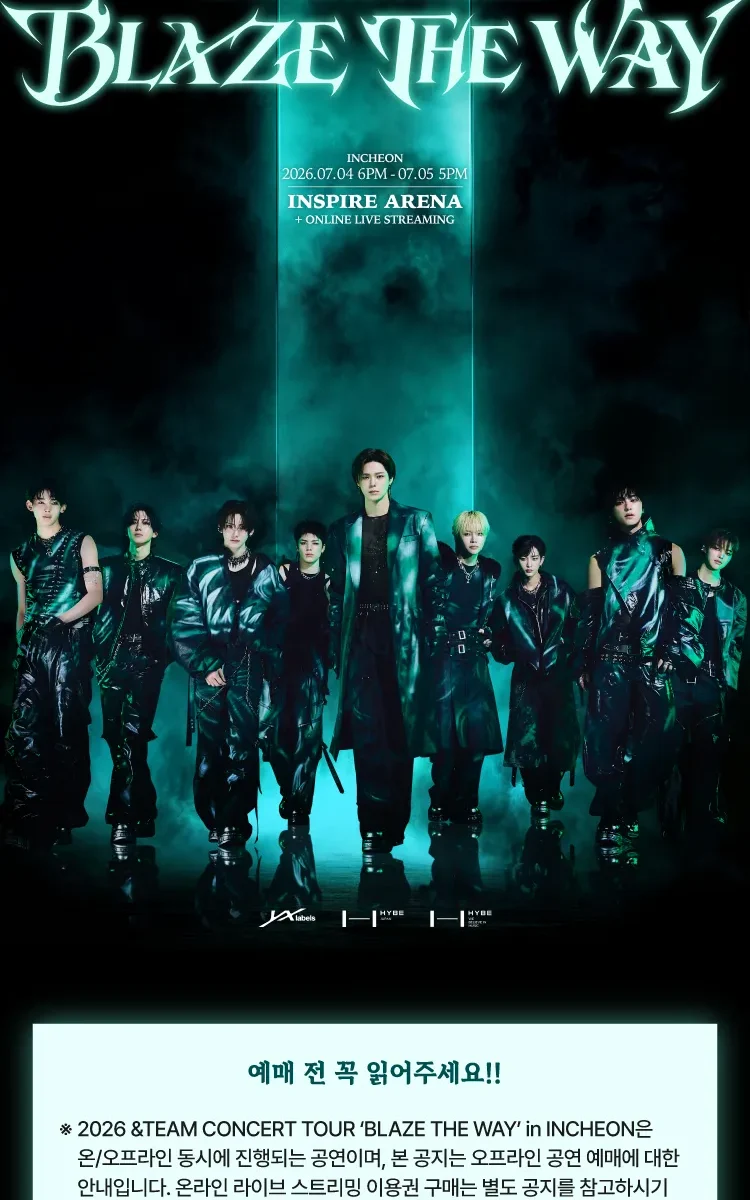
Poster

&TEAM brings their “BLAZE THE WAY” world tour to INCHEON this July, occupying the INSPIRE Arena for two consecutive evenings. The nine-member group—composed of K, FUMA, NICHOLAS, EJ, YUMA, JO, HARUA, TAKI, and MAKI—presents a concert structure that allows attendees to select their preferred level of engagement, from standard concert viewing to premium pre-show access. Held at a purpose-built entertainment venue adjacent to Incheon International Airport, this stop offers both metropolitan accessibility and the technical infrastructure required for a production of this scale.

Event Information

The INSPIRE Arena, situated within the larger INSPIRE Entertainment Resort complex, opened in late 2023 as a dedicated performance venue capable of accommodating large-scale productions while maintaining proximity to airport transportation links. Its location in Jung-gu places it approximately fifteen minutes from Incheon International Airport’s terminals via shuttle or taxi, making it accessible for both domestic attendees and international visitors.

Schedule

Saturday, July 4, 2026, 6PM (KST)
Sunday, July 5, 2026, 5PM (KST)

Note the varying start times between the Saturday and Sunday performances—Saturday commences one hour later than Sunday—when planning your arrival and any connecting travel arrangements.

Lineup

  • &TEAM

Ticket Prices

The ticketing structure operates on three tiers, offering graduated levels of access to the pre-show experience:

  • SOUND CHECK Seat (General): 220,000 KRW
    (Includes access to the group’s rehearsal and sound check prior to the main concert)

  • M&G Seat (General): 253,000 KRW
    (Meet & Greet package; typically includes high-touch or photo opportunities in addition to sound check access—though specific interaction formats follow venue and organizer guidelines)

  • General Seat (General): 165,000 KRW
    (Standard concert admission without pre-show components)

Booking Guidelines and Entry Protocols

This performance implements strict security measures to prevent fraudulent booking and ticket scalping—measures that, while requiring additional preparation from attendees, ultimately ensure that tickets remain in the hands of genuine fans rather than resale markets.

Identity Verification Requirements

From July 11, 2024, the NOL Ticket service revised its identity verification protocols. Attendees must complete identity verification through the ‘Member Information Edit Page > Verify Now’ function; this verification remains valid for one year from the completion date. If your verification has expired, you must renew it before attempting to book. This performance is available only through mobile ticket service—physical tickets are not provided, and neither delivery nor on-site pickup is available for standard bookings.

Anti-Fraud Measures

In accordance with announced guidelines regarding this performance, ticket purchases confirmed to have used abnormal or fraudulent methods (e.g., use of macros, etc.) will be subject to cancellation. This performance also applies the Safe Booking service—refer to the service guide for details. Additionally, booking waitlist services and identical seat re-booking services are restricted for this performance.

Entry Procedures

To prevent scalping transactions and illegal transfers, identity verification will be conducted on-site. After completing identity verification via FacePass and IN-PASS, you can enter only after receiving and wearing the entry wristband. Entry times vary by ticket and section; check the specific entry time for your seat tier.

When accessing mobile tickets at the venue, the service may be unstable due to data traffic; open your ticket before leaving your accommodation and then arrive at the venue to avoid connectivity issues. By booking a ticket, you are considered to have agreed to the performance guidelines, and these contents may be added to or changed depending on the performance situation—re-check the guidelines before attending to avoid any interference or disadvantages. This product has FacePass applied; refer to the FAQ for booking details.

Wheelchair Accessibility

Wheelchair seat booking is available exclusively via telephone reservation through the NOL Ticket Customer Center (1544-1555) beginning Tuesday, April 21, 2026, at 9 AM (KST). Operating hours for the Customer Center are 9 AM to 6 PM. On the performance day, ticket pickup requires verification of the disability registration card (or welfare card) and the person’s ID (physical copy); if not brought, neither the booker nor the accompanying person can enter. Wheelchair seat tickets are available for on-site pickup only, and as a rule, the purchaser themselves must pick up the ticket—proxy pickup and transfer are not possible.

Seating chart 1

Seating chart 2

FacePass Video

A bit about &TEAM

&TEAM is a dynamic nine-member boy group formed through the reality survival show &AUDITION – The Howling –, a project that connected trainees rooted in the global success of ENHYPEN. Operating as a joint venture between HYBE Labels Japan and YGEX, the group officially debuted on December 7, 2022, with their first EP, First Howling : ME. Their core concept revolves around forging a deep bond with their fanbase, known as LUNÉ (meaning “Moonlight”), symbolizing that just as the moon reflects the light of the sun, the group shines brightest thanks to their fans. The name &TEAM itself represents the unity of diverse individuals coming together to build a team and connect across worlds. The multinational lineup—consisting of EJ, Fuma, K, Nicholas, Yuma, Jo, Harua, Taki, and Maki—allows them to seamlessly bridge the Japanese and Korean music markets, performing primarily in Japanese. Sonically, they are known for an energetic, lupine-themed pop sound that emphasizes synchronized choreography and a narrative of a wolf pack running toward the future together. With a discography that expanded rapidly through the First Howling and Samidare eras, &TEAM has quickly established themselves as leading figures in the next generation of global pop, embodying a perfect blend of athletic performance and youthful storytelling.

이 포스팅은 쿠팡 파트너스 활동의 일환으로, 이에 따른 일정액의 수수료를 제공받습니다.

Hatena Exhibition 2026 at Seibu Shibuya Store: Discover Your Perception and Explore the Collective Mind

Hatena Exhibition 2026 at Seibu Shibuya Store: Discover Your Perception and Explore the Collective Mind

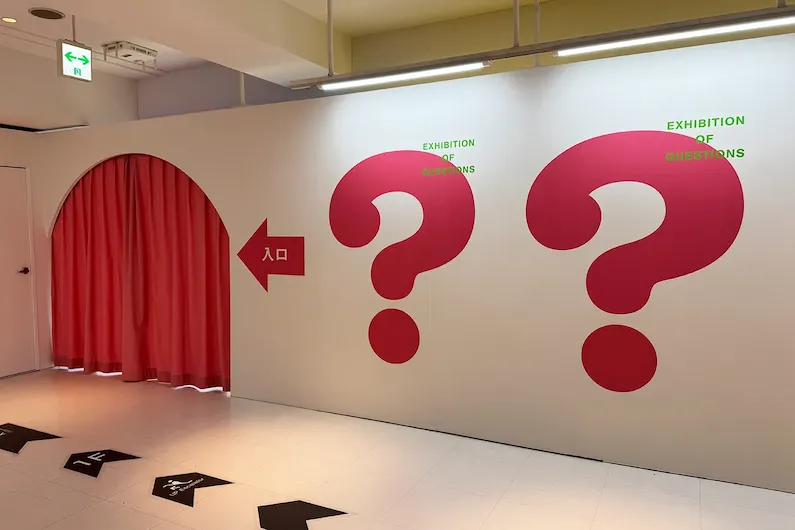
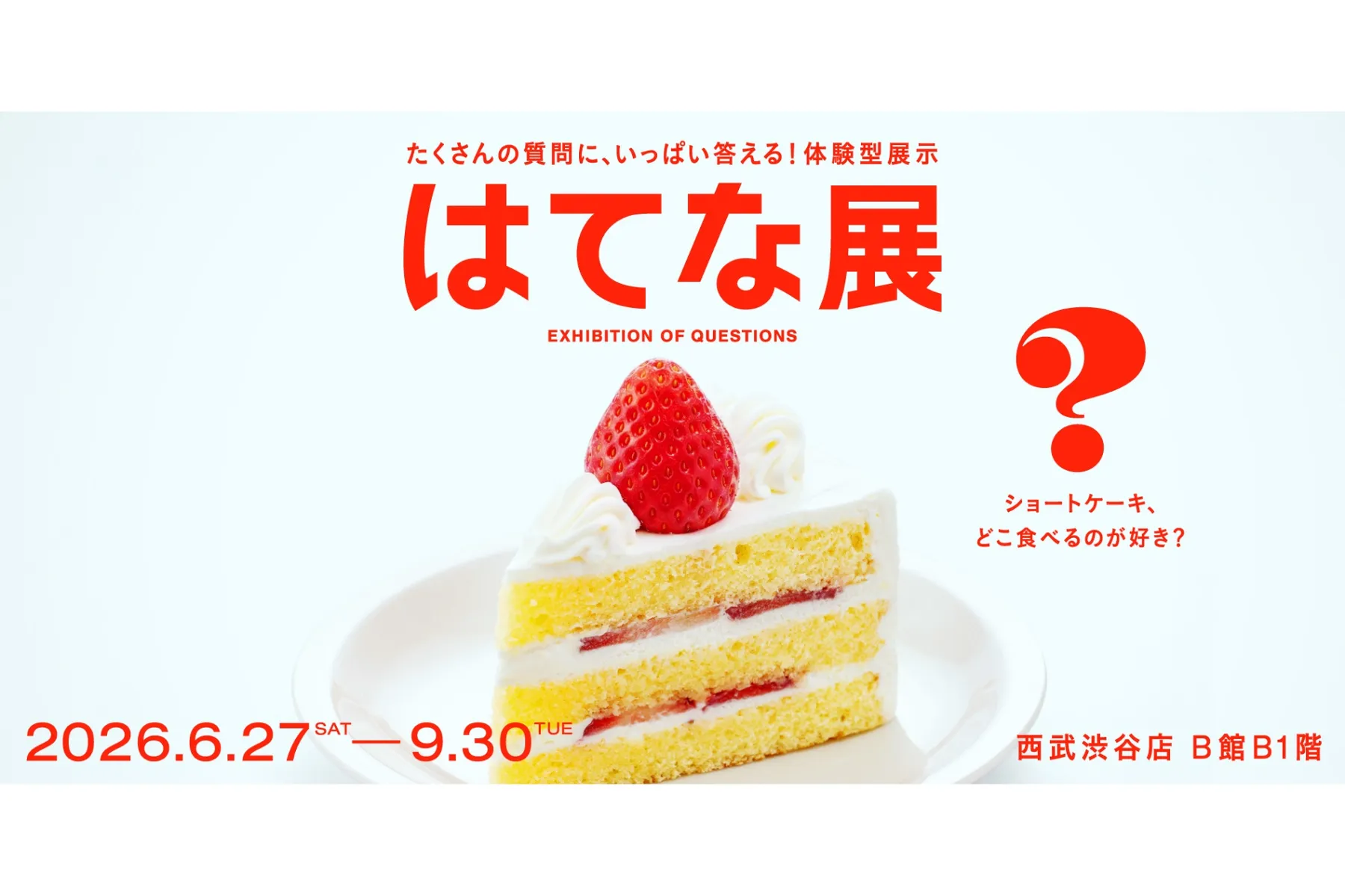
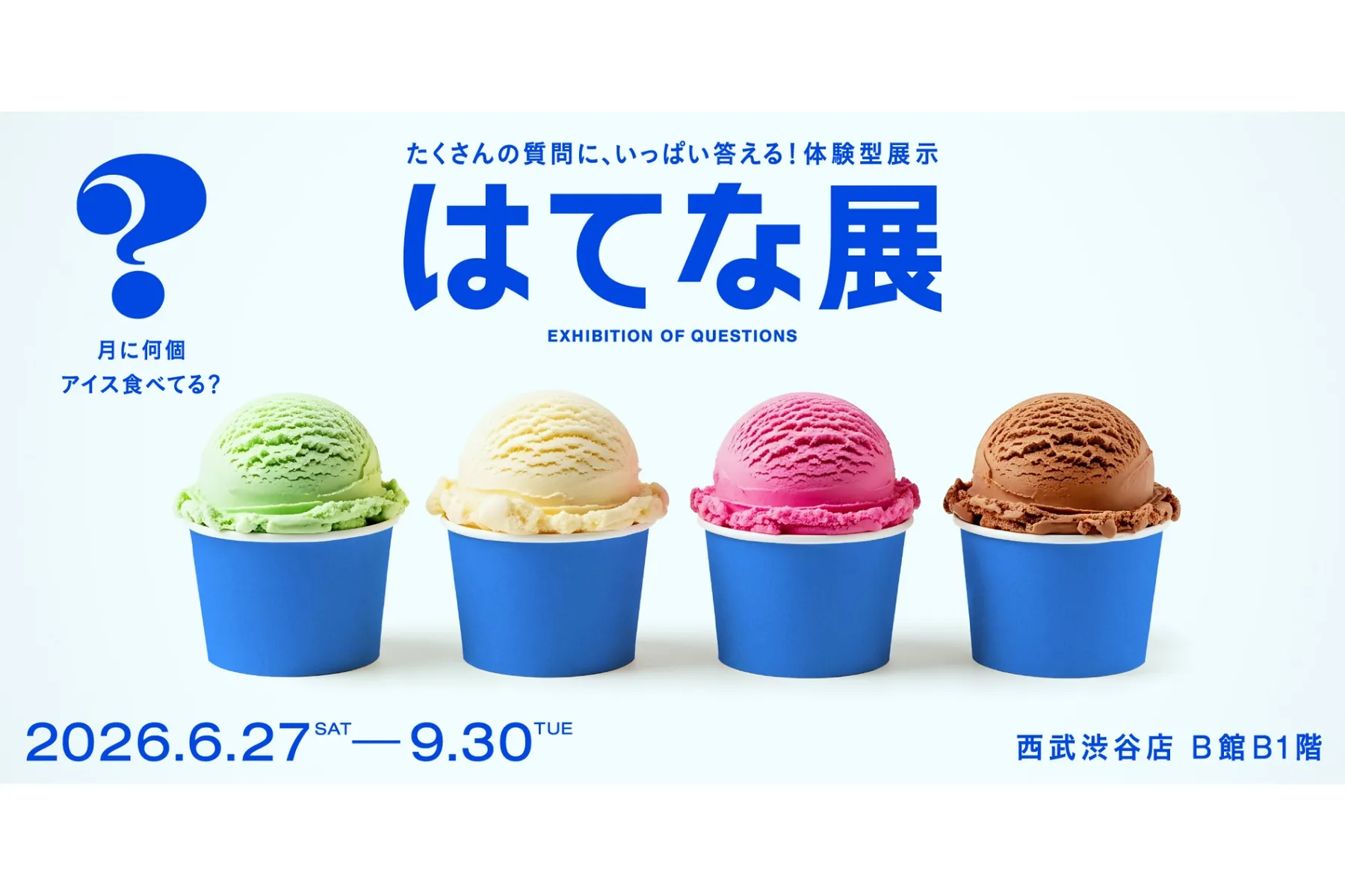
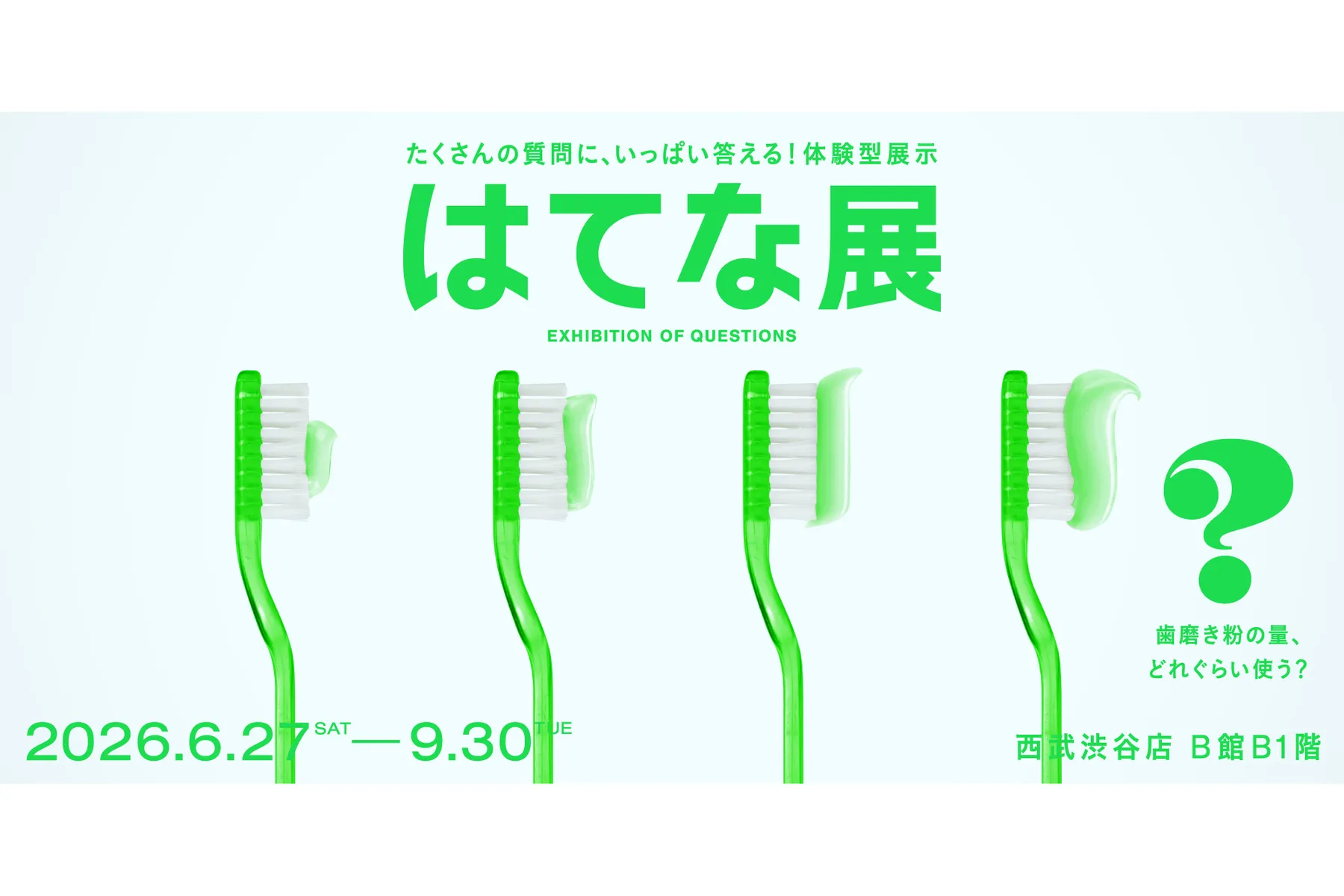
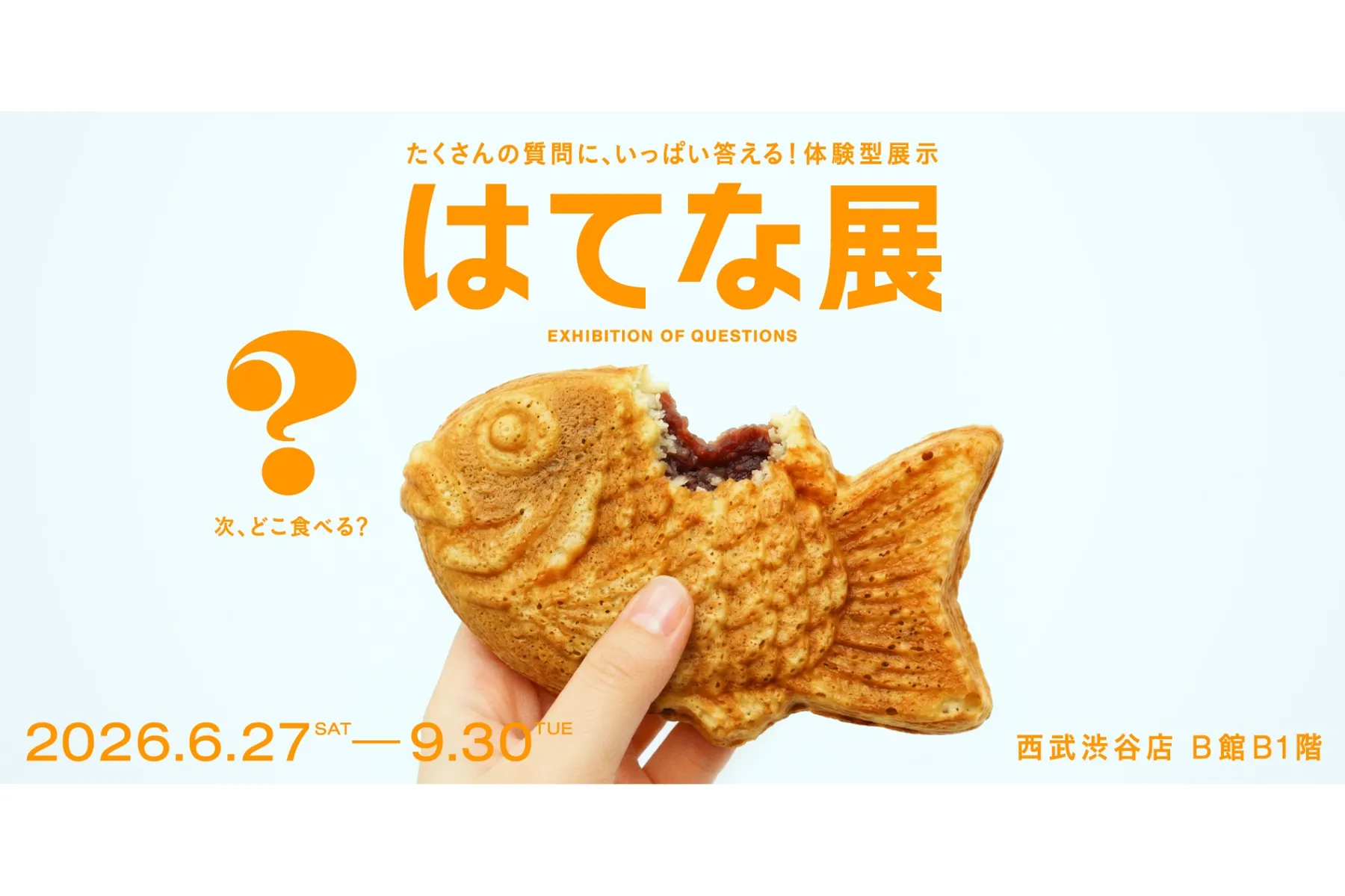
Hatena Exhibition: Mapping the Landscape of Human Perception

What does “normal” actually mean? The interactive exhibition Hatena (Question Mark), now open at Seibu Shibuya Store, operates from the premise that while we assume shared definitions of everyday concepts, our internal standards diverge in subtle, revealing ways. Created by entaku—the team behind the contemplative “You’re Too Kind Exhibition” and “That’s Not What I Meant Exhibition”—this summer project transforms abstract questions about perception into tangible, visual data.

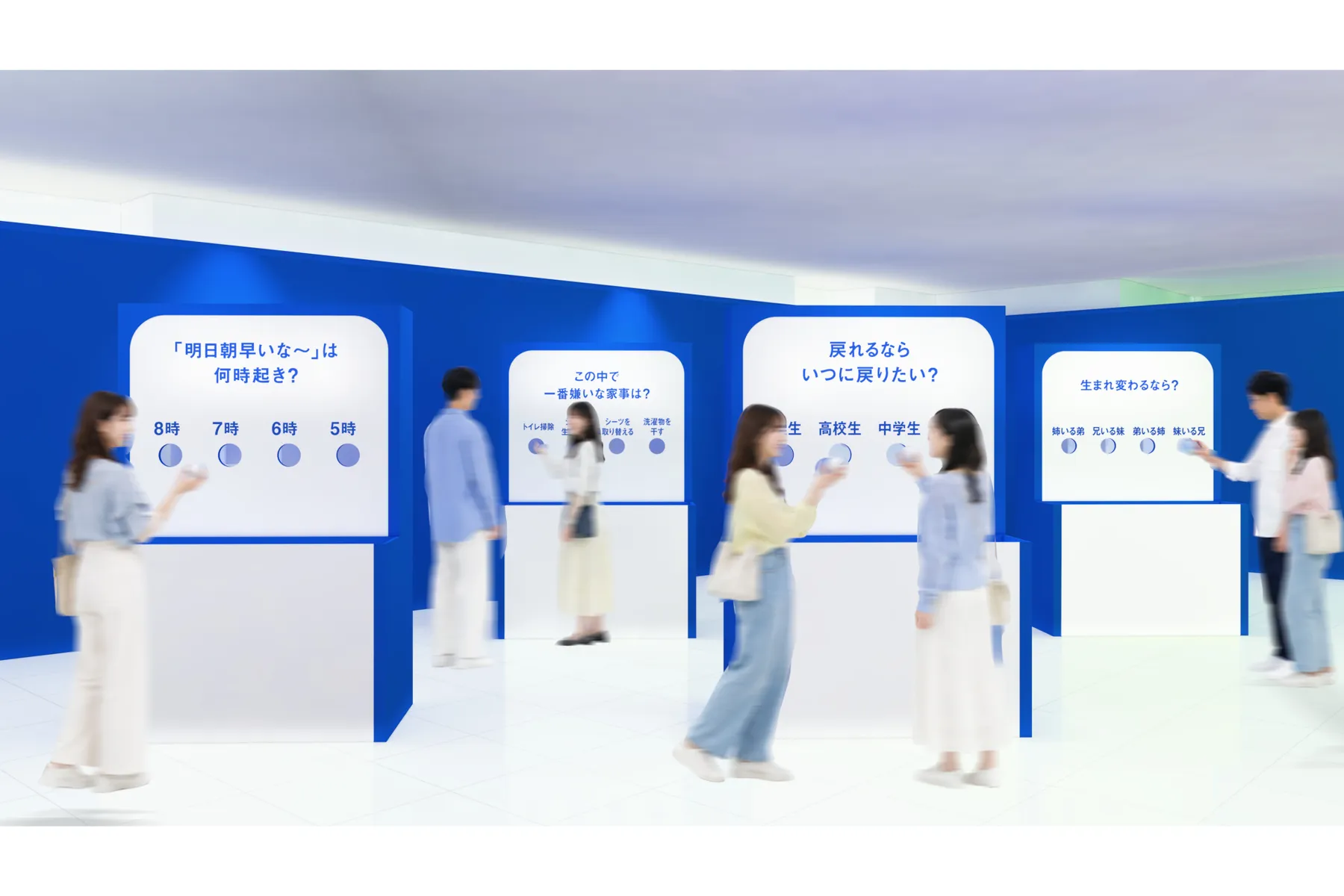
Unlike passive gallery experiences, Hatena functions as a living survey. Visitors navigate the space alone or with companions, responding to questions that expose the gap between personal assumptions and collective reality. The exhibition collects these responses in real-time, creating a dynamic portrait of how differently—or similarly—we perceive the world.

Three Dimensions of the Experience

1. Excavating Internal Standards Through Ambiguity

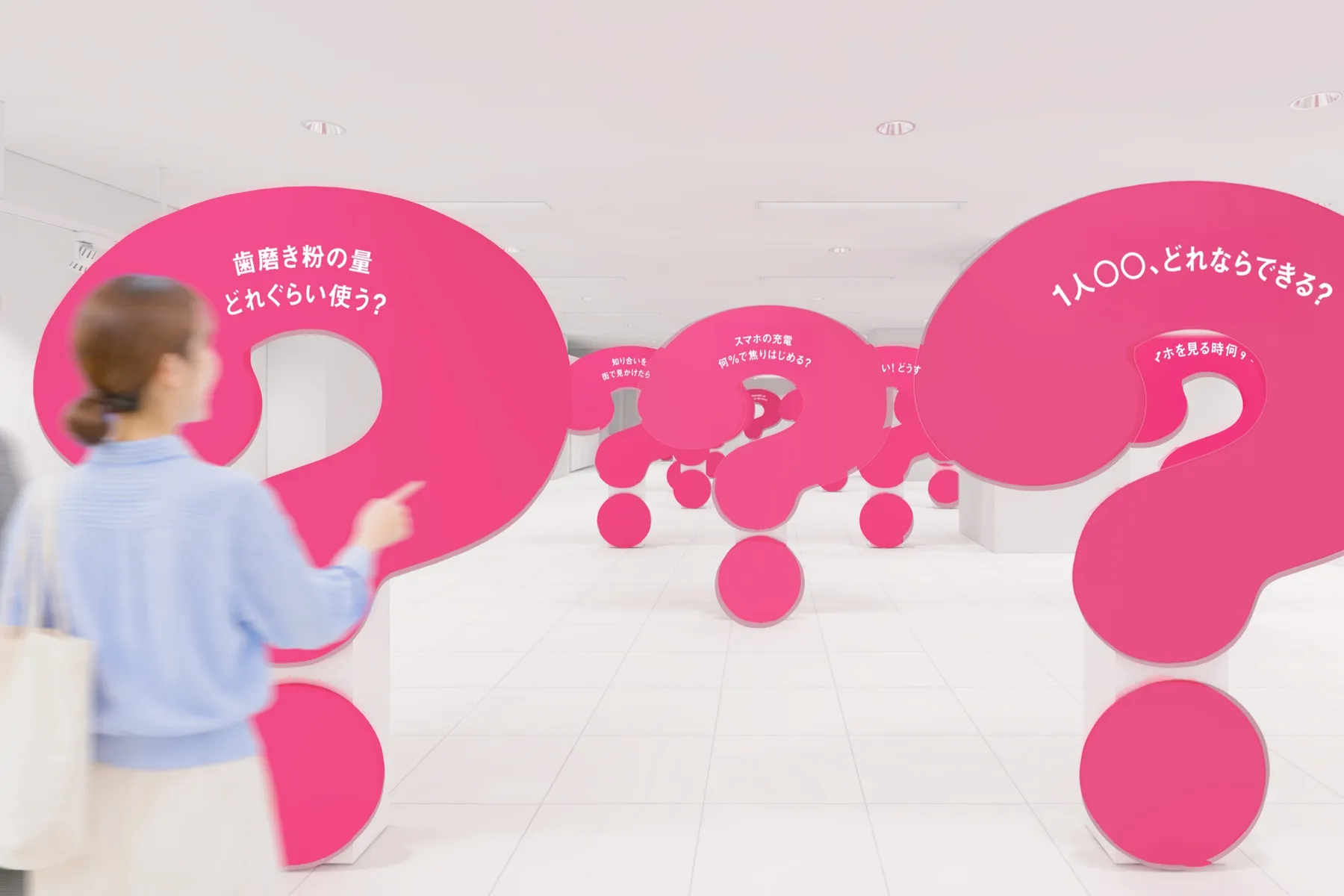
The exhibition confronts visitors with questions that resist easy answers. These are not trivia queries with correct responses, but probes into the murky territory of personal values and unexamined assumptions. When forced to choose a position on concepts we typically leave unverbalized, we reveal the specific architecture of our own “normal.” The questions function as mirrors, reflecting back the standards we did not know we had until required to articulate them.

2. Visualizing the Collective Mind

Your answer does not disappear into a database; it becomes part of the display itself. The exhibition visualizes response distributions, allowing visitors to locate themselves within the spectrum of answers. Are you aligned with the majority, or do you inhabit the statistical fringe? Does the collective response match your prediction, or does it expose the limitations of your assumptions? This aggregation transforms individual introspection into social discovery, expanding a single question into a network of conversations about why we differ.

3. Conversation as Medium

The exhibition is designed to reward social attendance. When exploring with others, the space naturally generates dialogue: comparisons of positions, justifications for choices, surprise at where alliances form or fracture. Whether you arrive seeking solitary reflection on your own perceptual frameworks or arrive hoping to discover the differences between yourself and your companions, the installation accommodates both modes of discovery—though the conversations that emerge from comparing answers often yield the most unexpected insights.

Essential Information

Location & Access
Venue: Seibu Shibuya Store, Building B, 1st Basement Floor
Nearest Station: Shibuya Station
Address: 〒150-8330 21-1 Udagawacho, Shibuya-ku, Tokyo
MAP

Dates & Hours
Period: June 27 (Saturday) – September 30 (Wednesday), 2026
Hours: 10:00 – 21:00 (Last entry 20:00)
Final day only: 10:00 – 20:00 (Last entry 18:30)

Admission
Weekdays: ¥1,800
Holidays: ¥2,100
Elementary school students and younger: Free

Optional Services
“Actually, you are [???] Diagnosis” (includes sticker): ¥400

Discounts
Persons with a disability handbook receive ¥500 off admission (applicable to the holder and one attendant).

Contact
ENTAKU produce: [email protected]
Official Site: https://entaku.ticket-store.jp/pages/hatena-2026

Note: Event details are subject to change. Please verify current information on the official website before visiting.

🛏️ See hotels near Tokyo

Hatena Exhibition_1 Hatena Exhibition_2 Hatena Exhibition_3 Hatena Exhibition_4 Hatena Exhibition_5 Hatena Exhibition_6

What is Hatena?

In Japanese, hatena (はてな) is the spoken and written word for the question mark, though it carries a distinct emphasis from its English counterpart. Where “question mark” describes a grammatical stop—a final notation of interrogation—hatena operates as an expressive utterance, something closer to “I wonder” or “what could this be.” It names the moment of hesitation itself rather than the punctuation that contains it.

We have adopted hatena as a working method for this exhibition, not merely as a thematic title. The artworks on display are not arranged to deliver definitive statements or authoritative narratives. Instead, they are positioned to generate friction between different modes of looking—scientific, emotional, historical, speculative—without requiring visitors to synthesize these views into a single, coherent interpretation.

The gallery layout enforces this multiplicity. Sightlines cut across open walls, allowing you to observe other visitors observing works you cannot currently see from your physical position. You become aware of your own perspective as exactly that: one angle among several, limited by your height, your movement through the space, and the cultural references you bring to the encounter. The exhibition asks you to hold this awareness without resolving it—to resist the reflex to collapse the difference between what you see and what others might be seeing.

This practice differs from passive uncertainty. Maintaining hatena requires attending to the specific conditions under which you perceive: the gallery lighting, your distance from the work, the sound of another visitor’s footsteps approaching from behind. It treats the exhibition not as an archive of answers, but as a site where questions gain precision through the collision of multiple, simultaneous viewpoints.

PSY SUMMERSWAG 2026 Suwon: Ticket Prices, Schedule, and Essential Booking Guide

PSY SUMMERSWAG 2026 Suwon: Ticket Prices, Schedule, and Essential Booking Guide

Poster

PSY’s Summer Swag concerts have established a distinct category within the Korean live music landscape—outdoor stadium events characterized by extended setlists and production scales that exceed standard arena configurations. The 2026 edition relocates to Suwon World Cup Stadium Auxiliary Stadium, shifting the operational base from central Seoul to Gyeonggi-do while maintaining the structural format that differentiates these performances from typical summer music festivals. For attendees, this translates to an evening-length program within a World Cup venue infrastructure, complete with the sightline and acoustic considerations inherent to such spaces.

Event Information

Schedule

Performances commence at 6:00 PM on both dates:

  • Saturday, August 1, 2026, 6:00 PM
  • Sunday, August 2, 2026, 6:00 PM

Ticket Prices

Three pricing tiers are available, differentiated primarily by proximity to the stage and seating configuration:

  • Standing SR (General): 185,000 KRW
  • Standing R (General): 175,000 KRW
  • Reserved Seat (General): 185,000 KRW

The 10,000 KRW differential between the two standing tiers corresponds to stage proximity, while Reserved Seats—matched in price to the premium standing tier—feature stepped elevation designed to provide sightlines over the standing crowd.

Festival

[Delivery Guide]
To prevent congestion on the day of the performance, bookings made by Wednesday, July 8th will be delivered sequentially starting from Thursday, July 9th.
※ Pre-sale tickets can only be collected on-site on the day of the performance, and can only be collected by the original purchaser.
※ Re-issuance is impossible under any circumstances such as loss, damage, or theft of the ticket. Please be careful with your ticket as entry is not possible without it.

[Precautions for Booking]
※ Reserved seats will be installed as stepped seating with a height difference.
※ If you booked using ‘Bank Transfer’ among the payment methods, you must deposit by 23:59 on the day of the booking to prevent the booking from being cancelled. (However, since inspection times vary by bank, please deposit by 23:30.)
※ The Secure Booking service applies to this performance. Please refer to this when booking.

※ This performance does not support the booking waiting list service.
※ Due to recent cases of misuse of the ‘Same Seat Re-booking Service’ at other performances, this performance does not provide the same seat re-booking service for smooth ticket booking.
※ Fraudulent booking through abnormal methods/routes such as macro programs is prohibited under any circumstances as it causes interference and risk to the operation and maintenance of the booking system. Please note that bookings suspected of being fraudulent and the corresponding bookers may be subject to sanctions such as booking cancellation and blocking access without prior notice.
※ To ensure a pleasant booking environment and prevent indiscriminate fraudulent booking attempts, only one waiting queue number can be received per account. If you create waiting queues simultaneously using multiple devices or browsers, the existing queue will be terminated, so please refer to this when booking. (Go to FAQ: https://url.kr/cie98v)
※ Customers whose identity verification has expired must undergo identity verification again to proceed with the booking, so please re-check your identity verification status. Identity verification is valid for one year from the final date of completion.

이 포스팅은 쿠팡 파트너스 활동의 일환으로, 이에 따른 일정액의 수수료를 제공받습니다.

adidas FIFA World Cup Store 2026: Get Your Japan National Team Uniforms and Join Exclusive Events in Tokyo and Chiba

adidas FIFA World Cup Store 2026: Get Your Japan National Team Uniforms and Join Exclusive Events in Tokyo and Chiba

adidas FIFA World Cup Store

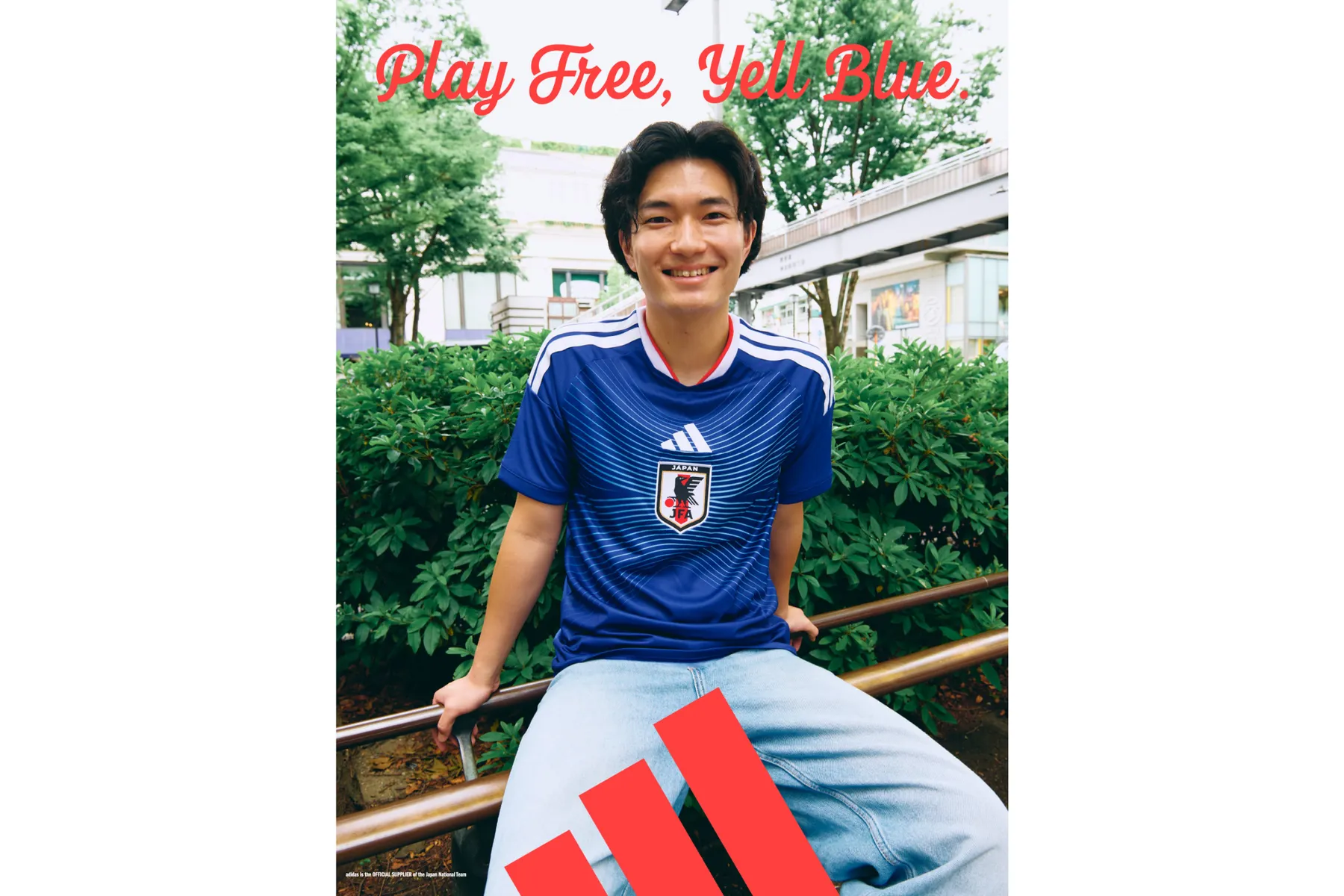
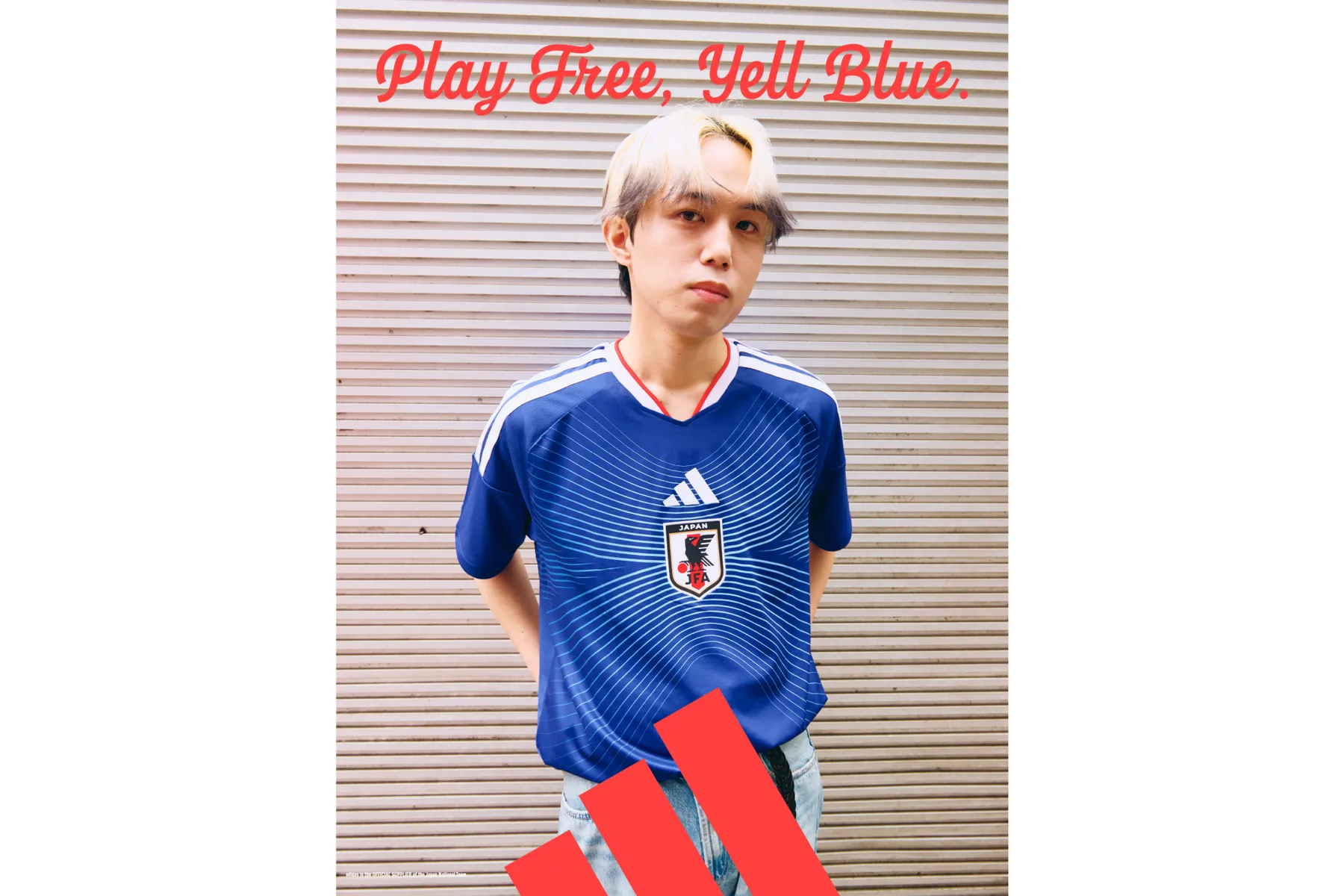
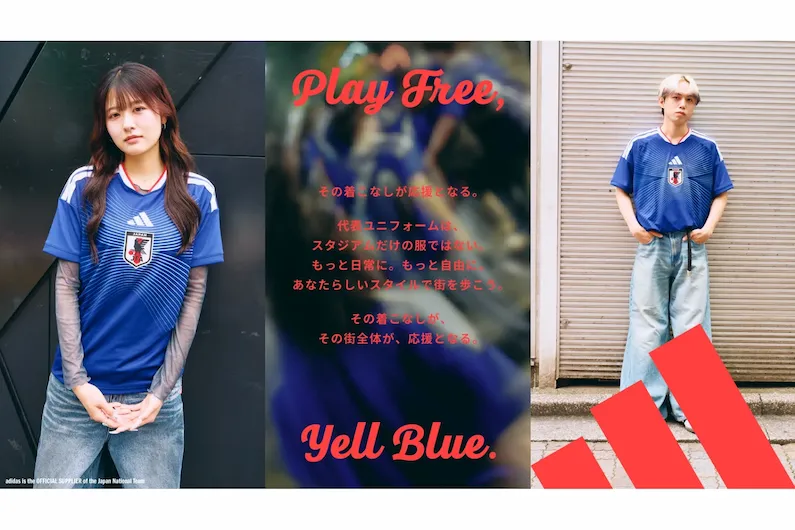
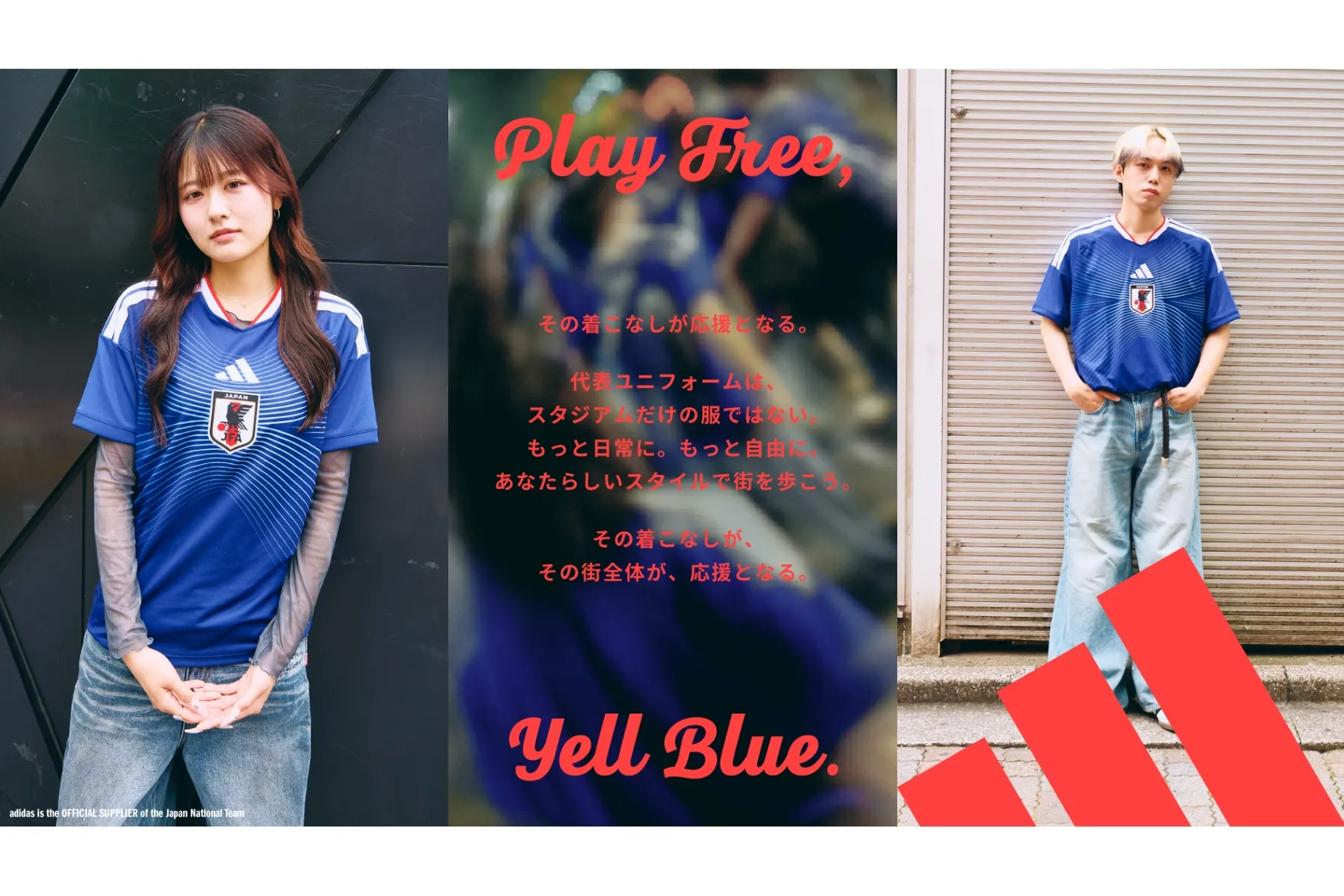
adidas Japan K.K. will open 88 temporary pop-up stores nationwide under the banner “adidas FIFA World Cup Store,” promoting a “Football Lifestyle” where the Japan National Football Team 2026 uniforms function as everyday fashion rather than occasion-specific sportswear. Operating under the concept of “Play Free, Yell Blue,” these spaces emphasize football’s democratic essence—the idea that anyone with the desire to play or enjoy the sport can participate regardless of location, technique, or skill. As the tournament approaches, the stores aim to cultivate a new urban culture of support that merges athletic enthusiasm with contemporary style.

Programming and Features

The stores function as hybrid retail and cultural venues. Core offerings include the Japan National Football Team 2026 uniforms and related merchandise, while select locations host public viewings and talk events featuring former national team players. This programming creates environments where visitors engage with football culture beyond traditional match-day contexts.

#adidasPlayFreeSnap Street Photography Project

At venues hosting public viewings, the “#adidasPlayFreeSnap” project invites visitors wearing the Japan National Team 2026 uniform to participate in a street-style photography session. Photographers will document how individuals incorporate the jerseys into their personal style, with selected images shared across social media platforms. The initiative explicitly aims to normalize football kits as city-appropriate attire and foster a visible culture of support that exists outside stadiums.

Novelty Campaign: Limited-Edition Marking Sheets

To commemorate the release of the uniform song “Kira,” customers purchasing a Japan National Team 2026 uniform will receive a limited-edition marking sheet featuring key visuals of Ado wearing the home and away kits, alongside characters from the music video. These apparel stickers can be attached directly to the uniform. This offer is exclusive to adidas FIFA World Cup Store locations, available at select venues while supplies last.


Venue Information

Tokyo Locations

adidas FIFA World Cup Store Rayard Miyashita Park “PLAY FREE STORE”
📍 Rayard Miyashita Park Park in Park, 6-20-10 Jingumae, Shibuya-ku, Tokyo (Nearest: Shibuya Station, 3 min walk)
📅 Thursday, June 11 – Tuesday, July 7, 2026 | 11:00–21:00
Note: Sunday, June 21 opening delayed to 18:00 due to an event

  • #adidasPlayFreeSnap: Sunday, June 21, 9:00–13:00 & 15:00–16:00 (Photographer: Keita Sugeno)
  • Public Viewing Event: Sunday, June 21, Doors open 11:00, Kick-off 13:00
    • 11:00 Doors open
    • 12:30 Special Talk Show (Guest: Former Japan National Team player Hayuma Tanaka / MC: Yu Fukuda)
    • 13:00 Japan National Team vs. Tunisia National Team
    • Free admission for adiClub members (joinable upon application). Apply here by Wednesday, June 10, 23:59.

adidas FIFA World Cup Store at Laforet Harajuku
📍 1-11-6 Jingumae, Shibuya-ku, Tokyo (Nearest: Meiji-Jingumae [Harajuku] Station, 1 min walk; Harajuku Station, 5 min walk; Omotesando Station, 7 min walk)
📅 Thursday, June 11 – Sunday, June 21, 2026 | 11:00–20:00

  • #adidasPlayFreeSnap: Sunday, June 21 (Photographer: Koichiro Funatsu)
  • Public Viewing Event: Sunday, June 21, Doors open 11:00, Kick-off 13:00
    • 11:00 Doors open
    • 12:30 Special Talk Show (Guests: Former Japan National Team player Yasuhiro Hato / Former Japan Women’s National Team player Aya Sameshima / MC: Shota Kibe)
    • 13:00 Japan National Team vs. Tunisia National Team
    • Pre-registration required. Application period: Thursday, May 28, 12:00 – Sunday, June 14, 23:59. Winners notified by Tuesday, June 16, 19:00. Application Site

adidas FIFA World Cup Store Shinjuku Takashimaya
📍 5-24-2 Sendagaya, Shibuya-ku, Tokyo (Nearest: Shinjuku Station)
📅 Wednesday, June 10 – Tuesday, June 16, 2026 | 10:30–19:30

  • #adidasPlayFreeSnap: Sunday, June 14, 10:30–19:30 (Photographer: Ryoma Kawakami)
  • Special Event: Sunday, June 14, 13:00–15:00 — Photo session with guest Hayuma Tanaka (former Japan National Team player)

adidas FIFA World Cup Store Sunshine City Ikebukuro
📍 Sunshine City Fountain Square, 3-1-1 Higashi-Ikebukuro, Toshima-ku, Tokyo (Nearest: Higashi-Ikebukuro Station / Ikebukuro Station)
📅 Monday, June 15, 2026 only | 3:00–8:00

  • #adidasPlayFreeSnap: Monday, June 15, 3:00–5:00 & 7:00–8:00 (Photographer: Kaoru Goto)
  • Public Viewing Event: Monday, June 15, Doors open 3:00, Kick-off 5:00
    • 3:00 Doors open
    • 4:30 Special Talk Show (Guest: Former Japan National Team player Naohiro Ishikawa / MC: MC YUI)
    • 5:00 Japan National Team vs. Netherlands National Team
    • *Details here. Applications have closed.

adidas FIFA World Cup Store Daimaru Tokyo Store
📍 Daimaru Tokyo 1F, 1-9-1 Marunouchi, Chiyoda-ku, Tokyo (Nearest: Tokyo Station / Nihonbashi [Tokyo] Station)
📅 Wednesday, June 10 – Tuesday, June 30, 2026 | 10:00–20:00
Retail sales only; no public viewing or street snap events scheduled.

Chiba Locations

adidas FIFA World Cup Store Mitsui Outlet Park Kisarazu
📍 3-1-1 Kanatahigashi, Kisarazu-shi, Chiba (Nearest: Sodegaura Station)
📅 Friday, June 12 – Tuesday, July 7, 2026 | 10:00–20:00


Street Snap “#adidasPlayFreeSnap” Locations

The street photography project operates at the following venues during the specified periods:

  • Rayard Miyashita Park — Sunday, June 21, 9:00–13:00 & 15:00–16:00
  • Laforet Harajuku — Sunday, June 21 (during business hours)
  • Shinjuku Takashimaya — Sunday, June 14, 10:30–19:30
  • Sunshine City Ikebukuro — Monday, June 15, 3:00–5:00 & 7:00–8:00

Photographers will capture visitors wearing the Japan National Football Team 2026 uniform to showcase individual styling approaches and cheering aesthetics. Selected images will be distributed via social media to promote the integration of football apparel into daily wardrobe choices.


Basic Information

Event Period:
Wednesday, June 10 – Tuesday, July 7, 2026
Opening dates and operating hours vary by specific location; individual venue schedules take precedence.

Official Site:
https://www.adidas.jp/fifa_world_cup_store

Note:
Event content and schedules are subject to change. Confirm current details via official venue or organizer websites before visiting.

🛏️ See hotels near Tokyo
adidas FIFA World Cup Store_1 adidas FIFA World Cup Store_2 adidas FIFA World Cup Store_3 adidas FIFA World Cup Store_4 adidas FIFA World Cup Store_5 adidas FIFA World Cup Store_6 adidas FIFA World Cup Store_7 adidas FIFA World Cup Store_8

What is Chiba?

Chiba sits on the eastern shore of Tokyo Bay, a prefecture defined by industrial ports, reclaimed waterfront, and urban centers built on fill land. It operates as Tokyo’s logistical counterpart—hosting Narita Airport, the country’s busiest seaport, and the distribution networks that supply the capital—while maintaining a character distinct from the dense verticality across the water. Chiba City, the prefectural capital, anchors the western coast with a population of nearly one million, its skyline of residential towers and commercial complexes facing Tokyo across the bay.

For visitors attending the adidas FIFA World Cup Store 2026, Chiba provides a straightforward alternative to central Tokyo’s congestion. The JR Sobu Line and Keisei Electric Railway connect Chiba Station to Tokyo Station in approximately thirty to forty minutes, making the journey shorter for fans staying in eastern neighborhoods like Ueno or Asakusa than traveling across the city center.

The store itself occupies space within Chiba’s retail districts, likely near the port area or within one of the bayside shopping complexes—buildings constructed on land that formerly served industrial purposes. Unlike Tokyo’s vertical retail environments, Chiba’s commercial areas spread horizontally across the flat coastal terrain, with wider streets and open plazas that accommodate large temporary installations without the logistical constraints of Shibuya or Shinjuku. Visitors can purchase Japan National Team merchandise, test equipment on display surfaces, or view match screenings without navigating the dense pedestrian flows that characterize central Tokyo during major tournaments.

Jack White Live in Seoul 2026: Ticket Prices, Venue Guide, and Everything You Need to Know for YES24 Live Hall

Jack White Live in Seoul 2026: Ticket Prices, Venue Guide, and Everything You Need to Know for YES24 Live Hall

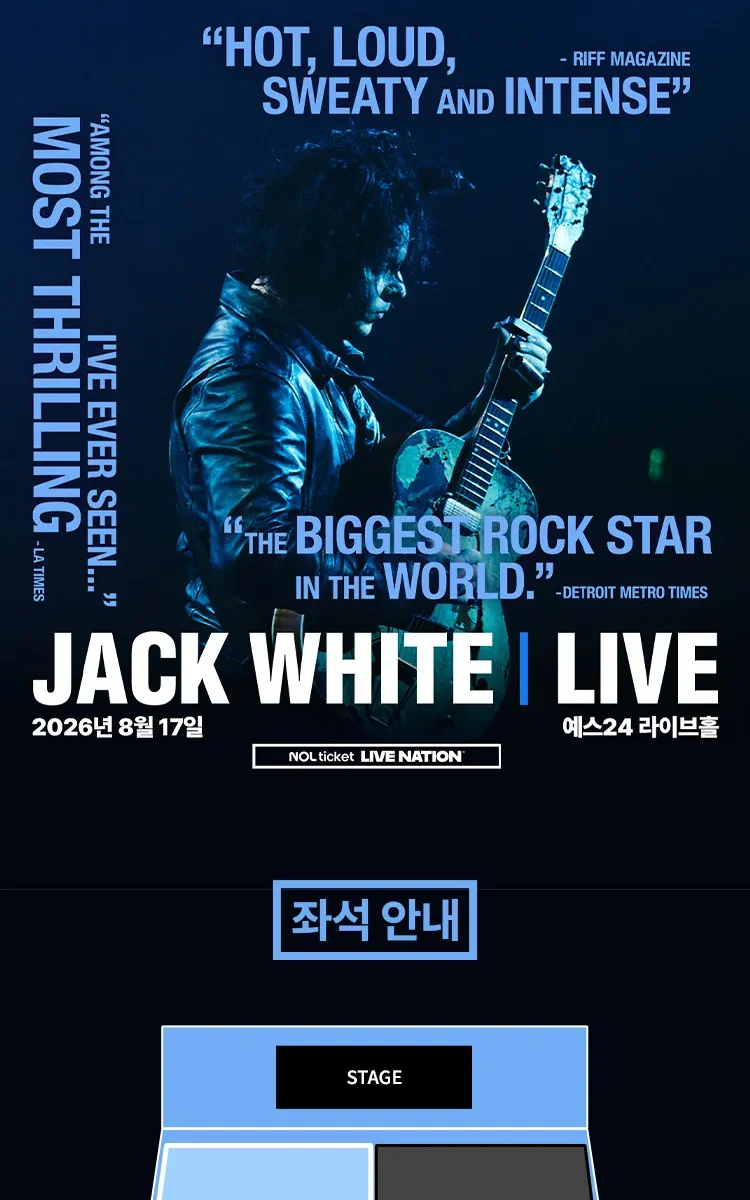
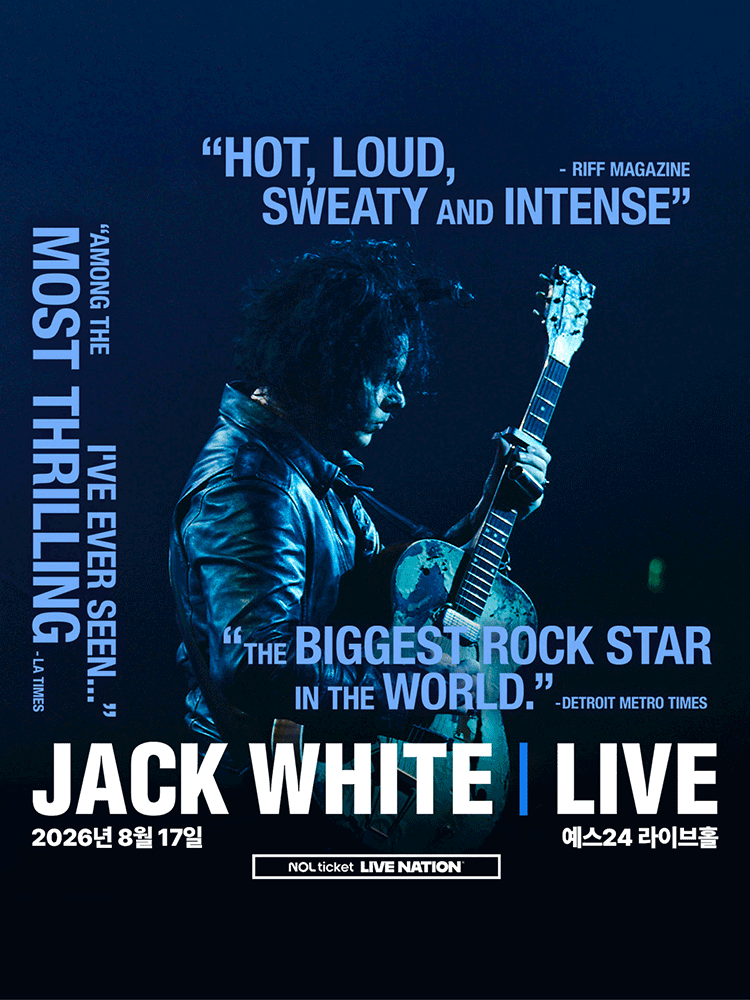
Poster

Jack White brings his solo project to Seoul this August for a single evening of blues-rock at YES24 Live Hall. Best known as the driving force behind The White Stripes and for a solo catalog that spans garage rock, Delta blues, and experimental composition, White occupies a singular space in contemporary rock—equally comfortable with vintage analog equipment and boundary-pushing sonic textures. The Seoul date arrives as part of his 2026 touring cycle, offering fans in Korea direct access to material from across his four solo studio albums alongside selections from The White Stripes canon and his various side projects.

🗓️ Date: August 17, 2026
📍 Venue: YES24 Live Hall
Address: Gwangjin-gu Performance Hall, 20 Gucheonmyeon-ro, Gwangjin-gu, Seoul

The Monday evening performance begins at 6:00 PM, an earlier start than typical arena concerts that accommodates the venue’s location in eastern Seoul and weekday transit schedules. YES24 Live Hall, situated in the Gwangjin district near Konkuk University and the Han River, offers a capacity of approximately 2,000 to 3,000 with both general admission floor and reserved seating tiers—providing closer sightlines and more immediate sound than stadium shows allow.

Schedule
Performance Date and Time: Monday, August 17, 2026, at 6:00 PM

Lineup
Jack White

Ticket Prices

  • Standing Seat (General): 132,000 KRW
  • Reserved Seat (General): 132,000 KRW

Both ticket categories are priced identically at 132,000 KRW. The standing option places attendees on the general admission floor, suitable for those who prioritize proximity to the stage, while reserved seating offers assigned chairs with fixed sightlines toward the center of the action. Admission is restricted to attendees aged 12 and older.

Practical Information
🛏️ Accommodations near the concert
Hotels and guesthouses within Gwangjin-gu or the nearby Konkuk University and Jamsil areas provide the shortest transit times to the venue, typically less than twenty minutes by bus or subway.

💡 Lightstick

For those traveling from outside Seoul, the venue sits within walking distance of Guui Station on Line 2 and is accessible via bus routes connecting to Gangbyeon Station. Given the YES24 Live Hall’s compact architecture—originally designed as a dedicated concert space rather than a converted sports arena—acoustics remain detailed and balanced throughout both the standing and reserved sections, regardless of position.

Event Detail

A bit about Jack White,

Jack White is the preeminent rock and roll archivist of the 21st century, a paradox wrapped in a mystery and sealed with a distinctive color palette of red, white, and black. Bursting onto the scene as the guitar-playing, vocal-singing half of The White Stripes, he revitalized blues-rock minimalism with a raw, primal energy that made a two-piece band sound like an apocalypse. From the iconic, earth-shaking riff of “Seven Nation Army” to the frenetic garage-punk deconstruction of “Fell in Love with a Girl,” his work with drummer Meg White proved that limitation is the ultimate catalyst for creativity. Beyond The White Stripes, he expanded his sonic universe as the frontman of The Raconteurs, the drummer and vocalist for The Dead Weather, and through a voraciously inventive solo career that veers from furious rockabilly to strange, electronic-tinged experiments. A Third Man Records founder and obsessive upholsterer of analog sound in a digital world, Jack White isn’t just a musician; he’s a self-mythologizing guardian of raw expression, treating the entire history of music as a playground to be both preserved and blown apart.

이 포스팅은 쿠팡 파트너스 활동의 일환으로, 이에 따른 일정액의 수수료를 제공받습니다.

Analytics