Nowon Moonlight Walk
🗓️ 2026.10.16 ~ 2026.11.08
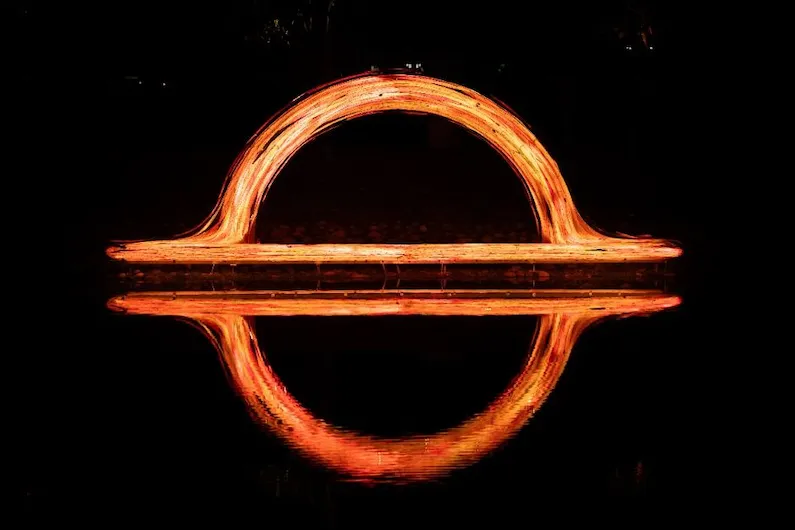
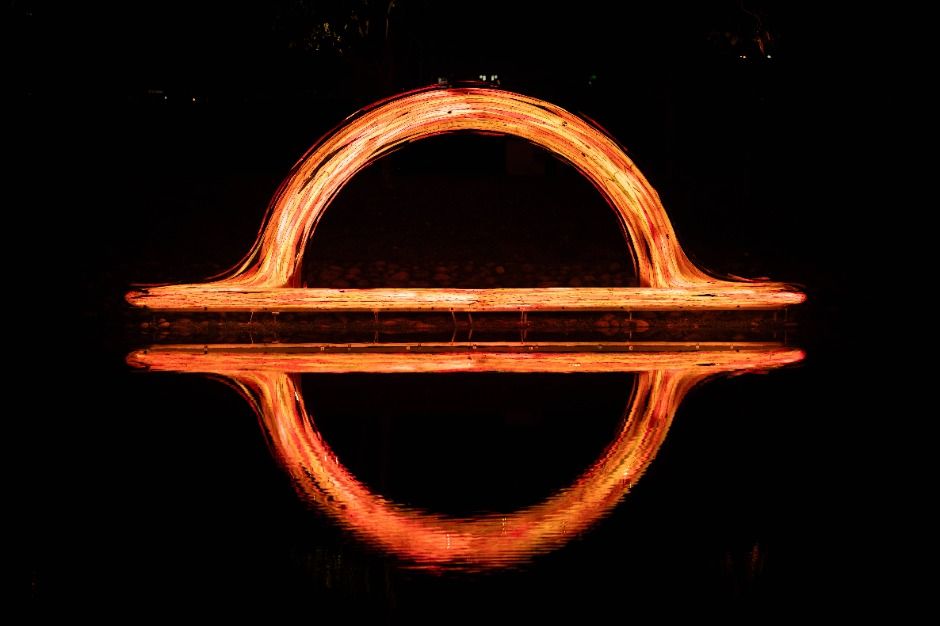
Nowon Moonlight Walk is a nighttime public art festival with a theme unique to Nowon-gu. The festival showcases lantern and light sculpture works that balance broad appeal with artistic quality, set along Danghyeoncheon, an eco-friendly ecological stream in the district. Visitors can walk the streamside path after dark, taking in illuminated installations while the surrounding natural landscape adds its own atmosphere to the experience.
The festival began in 2014 as the Nowon Lantern Festival, held every spring through 2019. In 2020, amid the COVID-19 pandemic and under the goal of “healing through art,” it was renamed Nowon Moonlight Walk and moved to autumn. That shift in season means the event now takes place during cooler evenings, when the lighting works stand out more clearly against longer nights.
Beyond the main exhibition of artistic lanterns and light sculptures, the festival includes several programs that draw the local community into the event:
- Exhibition of artistic lanterns and light sculptures – The core of the festival, featuring works installed along and around Danghyeoncheon.
- Weekend culture and arts performances – Live performances by local artists, held on weekends during the festival period.
- Resident participation community art – Artists and local residents are matched to create and exhibit works together, giving the festival a collaborative, neighborhood-driven character.
- Moonlight Commentators – Residents serve as docents, explaining the artworks to visitors and offering personal perspectives on the installations.
- Opening and lighting ceremony – A formal start to the festival, marking the moment the exhibitions are illuminated for the season.
📍 Address: 1322-70 Dongil-ro, Nowon-gu, Seoul (Sangye-dong)
🛏️ Accommodations near the event
💰 Fee: Free
📞 Inquiry: 02-2289-3461
02-2116-7143
⭐️ Instagram: nowon_moonlightwalk
🖥️ Website: moonlightwalk.kr
What is Danghyeoncheon?
Danghyeoncheon is an urban stream in Nowon-gu, in the northeastern part of Seoul. It is not comparable to the Han River or even to Cheonggyecheon; it is a neighborhood-scale waterway, running between apartment blocks and local roads before joining Jungnangcheon. It originates in the low hills north of the district. Before the area was fully urbanized, the stream functioned as a natural drainage channel for those hills. During Seoul’s rapid growth in the second half of the twentieth century, it was covered over in sections and treated as part of the stormwater system.
The stream’s current form dates from a restoration project that uncovered the channel and rebuilt its banks as public space. The work added walking paths, plantings, small bridges, and a series of stepping-stone crossings. The water flow is modest, and the channel is shallow enough to look more like a landscaped drainage course than a river. The scale is a practical advantage: the stream fits into the spaces left between buildings and roads, and it provides a continuous, shaded route through a dense residential district.
On a normal weekday, Danghyeoncheon is used by nearby residents. Some walk from one part of the neighborhood to another; others use the paths for exercise. The area around the stream is shaded, and the water keeps the immediate surroundings cooler in summer. It is a practical amenity rather than a tourist destination. The lack of commercial development along the banks helps keep it quiet, though it is never far from the sound of traffic.
For the 2026 Nowon Moonlight Walk, the stream’s physical conditions make it a suitable site for light art. Its route contains enough bends that installations can be seen one at a time, and the narrow channel gives each work a defined viewing area. Overhanging trees and existing footbridges provide mounting points and framing. Because the event is at night, the water will reflect the light installations, and the path will be dark enough to make them visible. The sound of the water is continuous but low, and it contributes to the atmosphere without competing with the event. The route follows the stream; the installations will be placed along the water, and visitors will move from one work to the next on the existing paths.
