2026 Gwangju Seochang Silver Grass Festival: Experience Nature Healing and Autumn Beauty in the Heart of the City

2026 Gwangju Seochang Silver Grass Festival: Experience Nature Healing and Autumn Beauty in the Heart of the City

Gwangju Seochang Silver Grass Festival

🗓️ 2026.10.15 ~ 2026.10.18

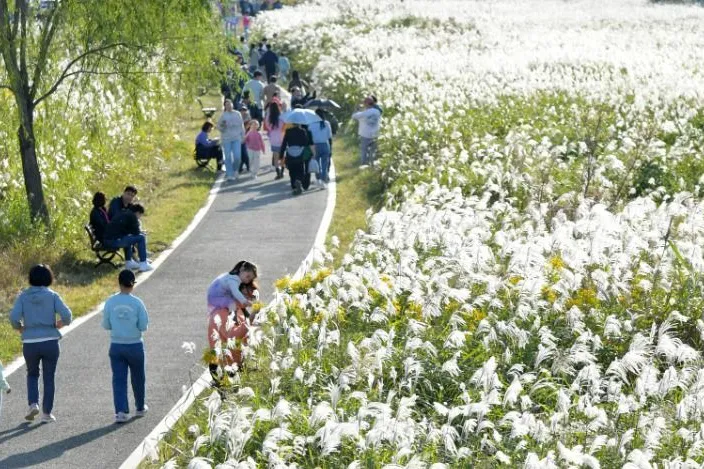
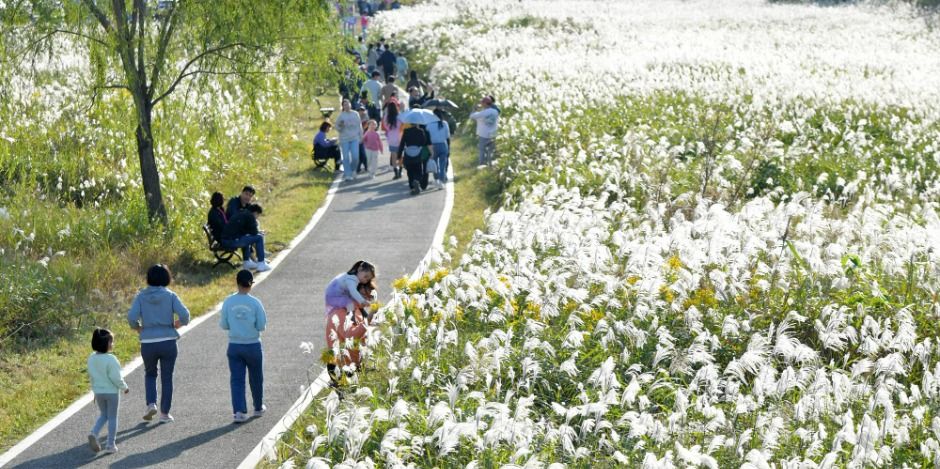
The Gwangju Seochang Silver Grass Festival is a representative nature healing festival of the Namdo region, set in the Yeongsan River area. It combines cultural art performances, experiential events, sunset runs, and unique photo zones with the area’s natural silver grass. Visitors can walk through the Seochang fields’ sunset and silver grass paths—one of the eight scenic views of Seo-gu—and experience the only nature festival held in a city center in the Namdo region.

This year’s edition runs for four days, from October 15th to 18th, under the theme “A Walk into Autumn Delivered by Silver Silver Grass.” The program turns walking and sound into content, with offerings such as the Silver Grass Path Where Melodies Flow, the SG Silver Grass Field Lounge with LP music, soundscape sessions, and a sound walking map-making activity. It also includes festival-exclusive events such as “Find the Rest King!” and the “Wal-Wal Run.”

The festival is organized into the following program categories:

1. Representative Programs

  • Silver Grass Path Where Melodies Flow
  • Step-by-Step Silver Grass Expedition
  • SG Silver Grass Field Lounge
  • Find the Rest King
  • Sunset 530

2. Theme Programs

  • Silver Grass Soundscape
  • Wal-Wal Run!
  • Making a Sound Walking Map
  • Emotional Trolley Bus Trip
  • Silver Grass Photo Zone

3. Performance Programs

  • Silver Grass Busking
  • Sunset Live
  • Family Healing Performance
  • Resident Participation Festa

4. Experiential Programs

  • Silver Grass Field Experience Playground
  • Visiting Social Economy Connection Market
  • Seochang Village Tour

5. Linked Events

  • 2026 Gwangju Seochang Silver Grass Sunset Marathon
  • 16th Bitgoeul Literary Contest
  • Korea Racing Authority Horse Riding Experience

6. Visitor Convenience

  • Information: General Information Center, Gwangju Tourism Information Center, Seo-gu Tourism Information Center
  • Food: Seochang Tavern, 1,000-won Guksu (Noodles), Senior Cafe, F&B Flea Market
  • Convenience: Shared Bicycle Rental Station

📍 Address: 377 Seochangduk-gil, Seo-gu, Gwangju Integrated Special City, Jeonnam (Byeokjin-dong)

🛏️ Accommodations near the event

💰 Fee: Free admission (Some paid experiences – food, certain activities)

📞 Inquiry: 062-350-4792

⭐️ Instagram: instagram.com/sg.festival

🖥️ Website: www.seogu.gwangju.kr
Gwangju Seochang Silver Grass Festival

What is silver grass?

Silver grass—eoksae in Korean—is a tall perennial bunchgrass native to East Asia. It grows in dense clumps, with slender leaves that arch outward and, from late September through November, feathery flower heads rising above the foliage. The plumes are pale beige to silver, and in low autumn light they stand out clearly against hillsides and fields. The plant is common along roadsides, riverbanks, and abandoned farmland, where it establishes quickly and requires little care.

In Korea, silver grass has long been part of the seasonal landscape. Its flowering coincides with harvest time, and the dried stems have traditionally been used for thatching and weaving. The sound of wind moving through a stand—a continuous, dry rustle—is also a familiar autumn sound in rural areas. None of this requires treating the grass as a symbol. It is simply a plant that is easy to see and easy to hear, and it happens to be at its best when the weather cools.

At the Gwangju Seochang Silver Grass Festival, the grass is the main attraction. The festival site consists of open fields and mowed pathways through large stands of silver grass, allowing visitors to walk among the plumes rather than only view them from a distance. Typical festival offerings include photo spots, evening lighting, and local food stalls, but the central experience is straightforward: walking a path lined with silver grass and looking at it. Because the plant is tall—often over a meter and a half—it can enclose a walkway and change the scale of the surrounding landscape. That alone is a good reason to visit in late autumn. The festival runs for a limited period, and the grass fades quickly after the first strong winds or frost, so timing matters.
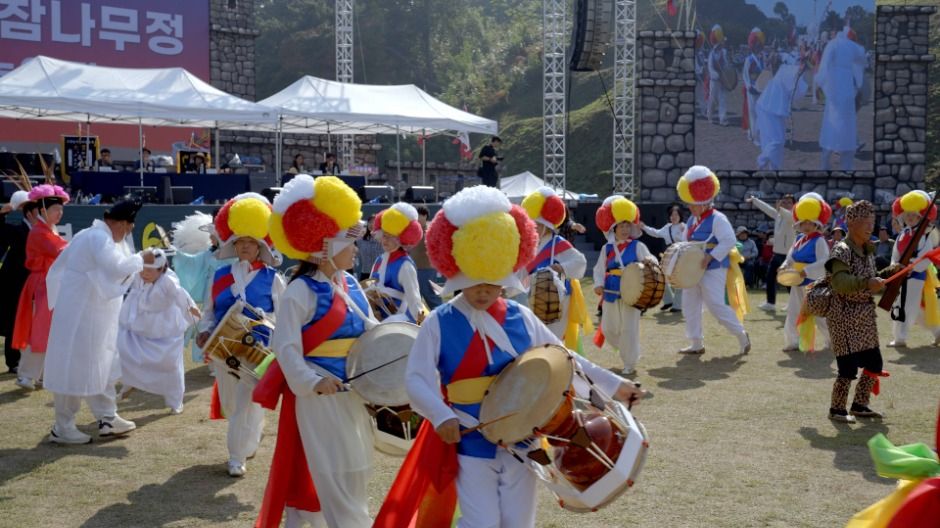
2026 Gochang Moyang Fortress Festival: Experience Traditional Korean Culture and the Healing Power of Dap Seong Nori

2026 Gochang Moyang Fortress Festival: Experience Traditional Korean Culture and the Healing Power of Dap Seong Nori

Gochang Moyang Fortress Festival

🗓️ 2026.10.15 ~ 2026.10.19

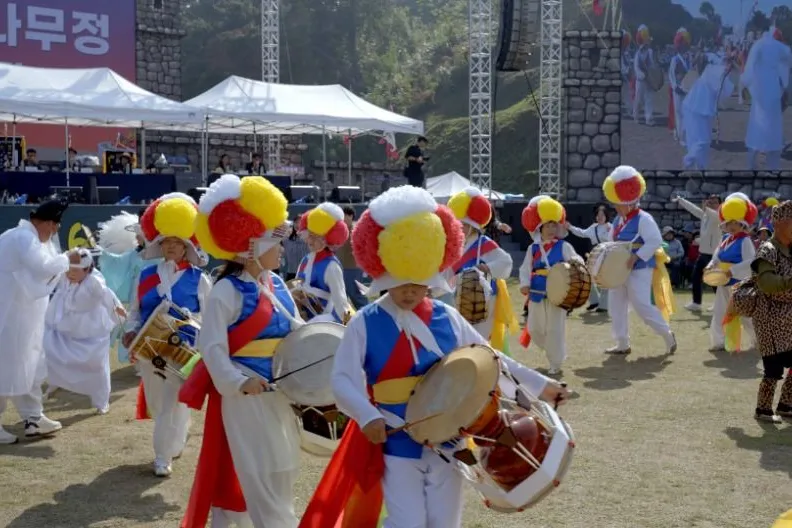
The Gochang Moyangseong Festival is a historical and cultural event built around Moyangseong Fortress, widely regarded as the best-preserved original fortress in Korea. Held in Gochang-eup, Jeonbuk State, the five-day festival centers on Dap Seong Nori, an experiential walk along the fortress walls. The program is based on the local legend that one circuit cures leg ailments, two circuits bring a long and healthy life, and three circuits lead to ascension to paradise.

The festival’s main lineup includes Dap Seong Nori, Night Dap Seong Nori, Ganggangsullae DalBAM, a street parade, and Returns 1453. In Night Dap Seong Ganggangsullae Moonlight, residents and visitors come together for a nighttime combination of Dap Seong Nori and the traditional Korean circle dance Ganggangsullae. The street parade involves roughly 1,000 residents and expresses the past, present, and future of the region. Returns 1453 shifts the focus to Gochang Eupseong, allowing visitors to explore the interior of the old walled town under the theme of a journey to the past. Food stalls featuring local specialties of the Gochang region and direct sales markets round out the main offerings.

Main Programs

  • Dap Seong Nori, Night Dap Seong Nori, Ganggangsullae DalBAM, Street Parade, Returns 1453

Side Programs

  • Flea Market, Drone Show, Family Zone, Food Booths, Direct Sales Market, Tavern (Jumak)

Consumer Participation Programs

  • Children’s Carrot Market, Traditional Game Experiences, Experiential Programs

Gochang Moyangseong Festival

📍 Address: 11 Moyangseong-ro, Gochang-eup, Gochang-gun, Jeonbuk State

🛏️ Accommodations near the event

💰 Fee: Free

📞 Inquiry: 063-560-2949

🖥️ Website: https://www.모양성제.com/

What is Dap Seong Nori?

Dap Seong Nori is a traditional Korean folk play associated with the Gochang Moyang Fortress Festival. Its name means “stepping on the fortress” or “treading the castle wall.” The practice is a walk along the stone ramparts of Gochangeupseong, a historic walled fortress in Gochang County. The fortress, also called Moyangseong, was built in the mid-fifteenth century as an administrative and defensive town wall. Its perimeter still encircles the older part of Gochang.

The custom grew from a local belief about the walls. A full circuit of the ramparts was thought to transfer worry, illness, and bad luck to the stones underfoot. The higher the wall, the stronger the effect, and completing the route was said to crush sickness with each step. For this reason, Dap Seong Nori was especially common on the first full moon of the lunar year. Families and neighbors climbed the walls in groups, singing and talking as they walked. It was a holiday outing that combined sociability with a shared purpose.

At the festival today, Dap Seong Nori is presented without turning it into a staged performance. There is no script, and no one is only a spectator. Participants, many in simple hanbok or comfortable walking clothes, form a line along the wall. The route follows the fortress perimeter and opens onto views of the surrounding fields and the old town below. Local performers lead the group, and traditional music accompanies the walk. The mood is relaxed and sociable, more like a communal stroll than a ceremony.

The activity works on two levels. It offers a physical walk with a clear view of the area, and it connects those who take part to a practice continued on the same walls for centuries. The older belief in transferred misfortune is not required for the experience to make sense. The walk itself is the event: a shared route through a historic place, taken in company and at a steady pace.

2026 Ganggyeong Salted Seafood Festival in Nonsan: Enjoy Traditional Korean Gourmet, Cultural Performances, and Local Specialties

2026 Ganggyeong Salted Seafood Festival in Nonsan: Enjoy Traditional Korean Gourmet, Cultural Performances, and Local Specialties

Ganggyeong Jeotgal Festival

🗓️ 2026.10.15 ~ 2026.10.18

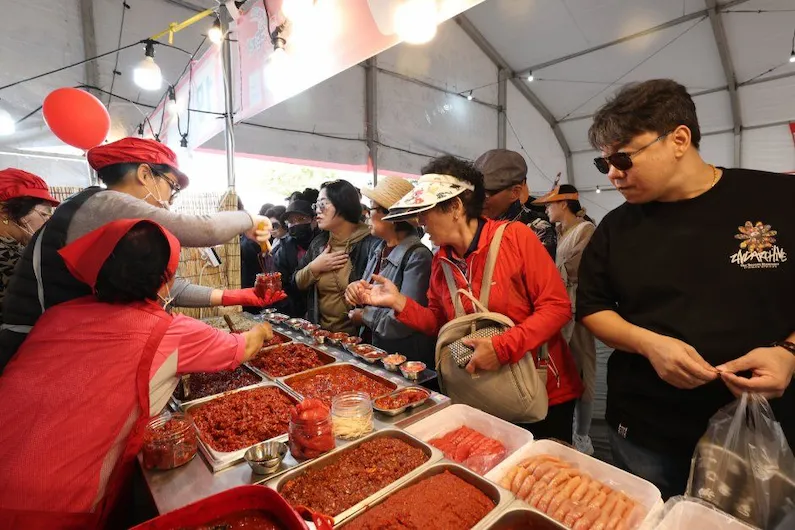
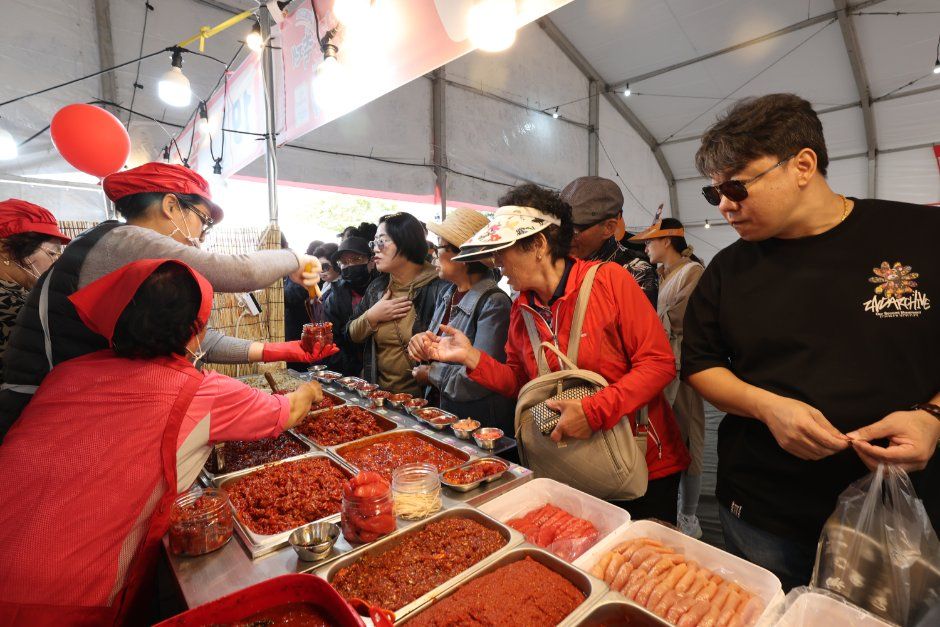
The 2026 30th Ganggyeong Salted Seafood Festival is a representative regional festival held with themes of Ganggyeong’s history, culture, and local specialties, including salted seafood. The event takes place over four days, from October 15 to October 18, 2026, around the Geumgang Riverbank in Ganggyeong-eup, Nonsan-si. This year’s theme is “Ganggyeong Salted Seafood · Sangwol Sweet Potato, Finally Becoming the Best!”, pairing two of the region’s best-known products in a program built around gourmet food, culture, and hands-on experiences.

Ganggyeong was once a busy river port where salted seafood moved along the Geumgang waterway, and that history gives the festival its character. Jeotgal — fermented, salted seafood — remains a staple of Korean cooking and an essential ingredient in kimchi, and this year’s 30th edition leans into that heritage while also spotlighting Sangwol sweet potatoes, another local specialty. The result is a broad program that draws on historical resources and local produce to give visitors plenty to taste, watch, make, and explore.

Main programs

  • Global Ganggyeong Salted Seafood Kimchi Making Festa 2026 — Ganggyeong salted seafood kimchi making experience, with the finished kimchi available for purchase.
  • Ganggyeong Port Market Hanmadang — Ganggyeong Port Market opening ceremony and pungmul street parade, market experience yard, peddler play, tightrope walking, and more.
  • Ganggyeong Salted Seafood Sangwol Sweet Potato Promotion and Sales Center — alongside the Ganggyeong Salted Seafood Sangwol Sweet Potato BBQ Camp and the Ganggyeong Salted Seafood Sangwol Sweet Potato Bibimbap Experience.
  • Opening and closing ceremonies — the opening ceremony features a fireworks show, and both days include celebration performances.
  • Music and performances — Riverside Concert, Companion Concert, Nonsan Artists’ Masil Festa, Ganggyeong Sunset Music Festival, Nonsan-si Residents’ Council Harmony Hanmadang, Ganggyeong Port Market Pungmul Hanmadang, Ganggyeong Sunset EDM Party, and the Ganggyeong Sunset Magic Balloon Show.
  • Hands-on experiences — Sangwol Sweet Potato Pizza Making Experience Class, Ganggyeong Salted Seafood Fusion Cooking Experience, and seasoned salted seafood (young oyster) matkkal-jeot making experience.
  • Ganggyeong Salted Seafood Bio LAP — a specialized salted seafood program.
  • Tours and sights — Ganggyeong Geumgang Waterway History and Culture Tour, Ganggyeong Sunset Chrysanthemum Exhibition, and the Ganggyeong Sunset Train with its fantasy playground and memory play yard.
  • Food and shopping — Nonsan 5-pum (5 Specialties) Dessert Cafe, Ganggyeong Salted Seafood Sangwol Sweet Potato Goods Shop, Nonsan-si Agricultural and Special Products Promotion and Sales Center, Global Food Corner, Local Food Corner, Ganggyeong Sunset Market, and Industry-Academic Exchange Promotion Hall.

📍 Address: 198 Hwangsan-ri, Ganggyeong-eup, Nonsan-si, Chungcheongnam-do

🛏️ Accommodation near the event

💰 Fee: Free admission (Some experiences, promotion/sales food trucks, etc., are paid)

📞 Inquiry: 041-730-2971, 2973

⭐️ Instagram: https://www.instagram.com/gss_festival/

🖥️ Website: https://www.nonsan.go.kr/ggfestival/

Ganggyeong Salted Seafood Festival

What is Ganggyeong?

Ganggyeong is a port town in Nonsan, South Chungcheong Province, on the Geumgang River. During the Joseon period, it functioned as a transfer point between coastal shipping and inland routes to the capital. Goods such as grain, salt, and fish moved through its warehouses, and salted seafood—jeotgal—became the town’s main commodity. The Geumgang estuary’s tidal flats supplied the raw material, while Ganggyeong’s position on the river made it possible to distribute salted goods to inland markets.

That trade is the basis for the Ganggyeong Salted Seafood Festival, held every autumn. The festival is organised around the town’s history: visitors can sample different types of jeotgal, watch demonstrations of salting and fermentation, and take part in small workshops. It is a local event rather than a large commercial fair, and most activities take place within walking distance of the river.

Apart from the festival, Ganggyeong remains a quiet town. The old commercial district has narrow lanes and a number of early-twentieth-century buildings, including former warehouses and shops that once served the river trade. The riverside embankment offers a view of the Geumgang and the surrounding floodplain. There is little direct evidence of the port’s former scale on the streets today, but the layout of the town, and the continued presence of jeotgal shops, show where its economy once stood.

2026 Heosimcheong Brau Oktoberfest in Busan: Enjoy Unlimited Craft Beer and Live Performances at the 20th Anniversary Celebration

2026 Heosimcheong Brau Oktoberfest in Busan: Enjoy Unlimited Craft Beer and Live Performances at the 20th Anniversary Celebration

Heosimcheong Brau Oktoberfest

The 2026 Heosimcheong Brau Oktoberfest celebrates its 20th anniversary this year. The three-day festival runs from October 23rd to 25th in the outdoor courtyard of Hotel Nongshim in Busan, under the slogan ‘HAPPY ANNI-BEER-SARY.’ The anniversary edition is designed to mark two decades of the event while keeping the atmosphere that has made it last. It also plans to offer diverse content for longtime attendees and those joining for the first time, so the programme is not only about nostalgia.

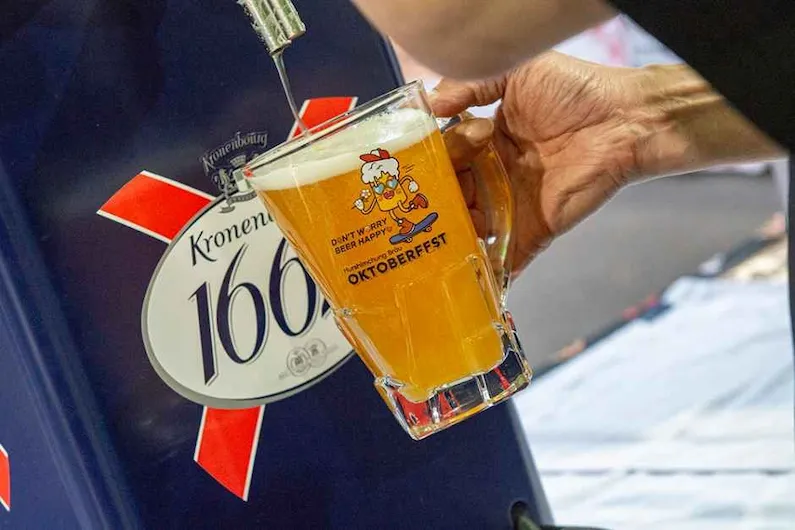
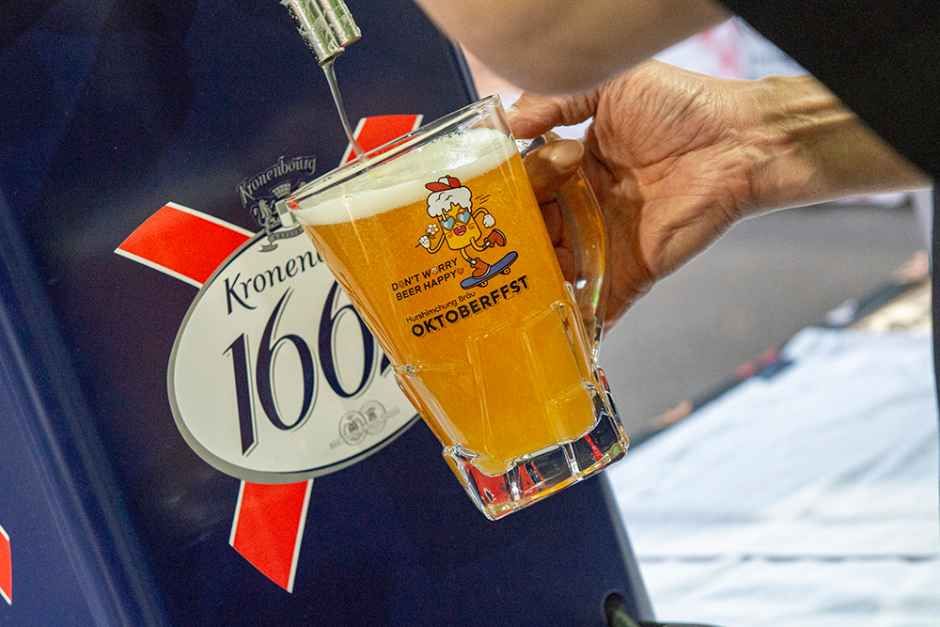
Beer remains the centerpiece. Visitors get unlimited pours of authentic German-style craft beers—Pilsner and Dunkel—brewed by the Heosimcheong brewmaster. That unlimited format is supported by abundant food prepared by hotel chefs, which makes the festival feel more like a full meal and less like a standard beer booth. Live performances, unique performance acts, and audience participation programmes complete the weekend and turn the courtyard into an autumn-night venue for the 20th anniversary.

Main programs

  • Unlimited beer
  • Live performances
  • Trot
  • Dance performances
  • Other acts

Side programs

  • Food sales booths
  • Nongshim new product promotion booths

Consumer participation programs

  • Beer drinking contest

The beer drinking contest is the most visible participatory event, while the stage acts—including live music and trot—carry the entertainment between pours.

Event information

🗓️ 2026.10.23 ~ 2026.10.25

📍 Address: Hotel Nongshim, 23 Geumganggongwon-ro 20beon-gil, Dongrae-gu, Busan

🛏️ Accommodation near the event

💰 Fee: Paid entry 34,000 KRW (Early bird special: 31,000 KRW)

📞 Inquiry: 051-550-2511

🖥️ Website: https://litt.ly/hscoktober

Heosimcheong Brau Oktoberfest

Heosimcheong Brau is a German-style brewery in Busan, South Korea. It opened in 2006 as a small local brewhouse and has since become a recognized name in the country’s beer market. The name combines Heosimcheong, the hot spring landmark in Busan’s Dongnae district, with Brau, the German word for brewing house. The hot spring has been a public gathering place for centuries, and the brewery uses that association deliberately: the beer is tied to the idea of unhurried, shared leisure rather than quick consumption.

The core range has stayed consistent throughout most of the brewery’s history. It consists of a Pilsner, a Hefeweizen, and a Dunkel. The Pilsner is crisp and dry, the Hefeweizen is cloudy and mildly spiced, and the Dunkel is dark and malt-forward. All three are brewed from barley, hops, yeast, and purified water, and the brewery follows German brewing methods, including a cold fermentation and conditioning period. It has not built its name on novelty ingredients or frequent limited releases. Its reputation rests on making these three styles reliably.

In Busan, Heosimcheong Brau is a familiar presence in restaurants and bars. Its beers are routinely paired with grilled pork and fresh seafood, two staples of the region. For local drinkers, the brewery’s name functions as shorthand for a dependable, traditional German-style beer. As it reaches its 20th year in 2026, the brewery has not announced any major change in direction. The lineup is still the one it started with, and the label still carries the Dongnae name. That consistency is the clearest expression of what the brewery set out to do.

2026 Chuncheon Makguksu and Dakgalbi Festival: Your Complete Guide to Korea’s Ultimate Gourmet Experience

2026 Chuncheon Makguksu and Dakgalbi Festival: Your Complete Guide to Korea's Ultimate Gourmet Experience

Chuncheon Makguksu and Dakgalbi Festival

🗓️ October 14–18, 2026

Chuncheon, often described as the representative gourmet city of Korea, hosts its annual Makguksu and Dakgalbi Festival along the scenic Gongjicheon Stream. The 2026 edition brings together the city’s two signature foods—Makguksu, or buckwheat noodles, and Dakgalbi, spicy stir-fried chicken—in a five-day celebration of taste, culture, and tourism. It is a gourmet festival built around local identity, with a program that includes restaurants, farms, breweries, local businesses, performances, and hands-on experiences.

The festival grounds stretch along the stream and offer visitors the chance to experience the taste, style, and warm atmosphere of Chuncheon with all five senses. Organizers intend for the event to become a representative K-gourmet festival, and the lineup reflects that goal: it promotes the region’s food culture and tourism resources while giving locals and visitors alike a reason to spend several days in Chuncheon. With content designed for families, friends, couples, and foreign tourists, it aims to create lasting autumn memories through food, culture, and shared activities.

Main Programs

The centerpiece of the festival is the Chuncheon Representative Dakgalbi & Makguksu Gourmet Hall, where visitors can sample dishes from some of the city’s best-known specialty shops.

  • Dakgalbi: 15 participating specialty shops, sold at 9,900 won per serving
  • Makguksu: 8 participating specialty shops, sold at 6,900 won per serving

These booths offer a practical way to compare the cooking styles of multiple famous restaurants in one place.

The Main Stage Cultural Performances run alongside the food halls. The schedule includes performances by Chuncheon local artists, invited celebrity performers, and stage programs that bring visitors into the show, adding a live entertainment layer to the gastronomic experience.

Side Programs

Beyond the two main dishes, the festival is a wider showcase of what Chuncheon produces.

  • Chuncheon Local Gourmet Content: A food sales zone featuring 25 local F&B businesses from the Chuncheon area, offering snacks, desserts, and beverages.
  • Chuncheon Traditional Liquor Promotion & Sales Hall: Eight breweries based in Chuncheon exhibit and sell traditional liquors and local alcoholic beverages.
  • Farmer’s Market: A direct-transaction market where consumers can buy fresh agricultural products and processed goods from farms in the Chuncheon area, meeting producers face to face.
  • Chuncheon Lake Garden: A relaxation and exhibition space themed around Chuncheon’s lakes and nature, with photo zones and shelters for visitors within the festival grounds.
  • Local Enterprise Promotion Hall: Booths introducing products and services from companies located in Chuncheon.
  • International Promotion Hall: International exchange and festival promotion booths for foreigners residing in Chuncheon and visiting tourists.

Consumer Participation Programs

The festival includes a variety of hands-on and digital activities for visitors who want to do more than taste.

  • Mak-Dak Photo Booth: Commemorative festival photos themed around Makguksu and Dakgalbi.
  • Old Brass Wood Playground: 20 types of eco-friendly wooden play content for families to enjoy together.
  • Augmented Reality Character Drawing: A digital experience that brings user drawings to life using augmented reality technology.
  • Magic Sand Sand Play: Tactile sand play for children and families.
  • Chuncheon Mak-Dak MBTI: A customized program that recommends a festival course based on your personality.
  • Bomnae Crew Doll Claw Machine: A claw machine event featuring Chuncheon Bomnae Crew character dolls.
  • Mak-Dak Let’s Ride: A special horseback riding experience run with the Korea Racing Authority.
  • Makguksu Experience Hall: A cooking experience where visitors can personally make Chuncheon’s representative buckwheat noodles.

Other Information

  • A gourmet festival where Chuncheon’s representative foods, Makguksu and Dakgalbi, can be tasted at reasonable prices.
  • A region-win-win festival involving local restaurants, farms, small business owners, breweries, and companies.
  • A family-friendly festival where food, performances, experiences, exhibitions, and relaxation content are available in one space.
  • Stay-over tourism content linking Chuncheon’s gourmet culture with its nature and tourism resources.
  • A program designed for a wide range of visitors: families, couples, friends, and foreign tourists.

Event Details

📍 Address: 586 Onui-dong, Chuncheon-si, Gangwon-do

🛏️ Accommodation near the event

💰 Fee: Free

📞 Inquiry: 070-7576-1657

⭐️ Instagram: https://www.instagram.com/mdfestival/

🖥️ Website: https://mdfestival26.imweb.me/

Chuncheon Makguksu and Dakgalbi Festival

What are makguksu and dakgalbi?

Makguksu is Chuncheon’s signature buckwheat noodle dish. The name is often translated as “coarse noodles” or “noodles eaten roughly,” and it points to the dish’s origins as a practical meal made from simple ingredients. Buckwheat flour gives the noodles a firm, slightly chewy texture and a flavor that is more earthy and nutty than that of wheat noodles. The noodles are served cold in a broth made from beef or anchovy stock, seasoned until it is tangy and savory. Standard toppings include shredded cabbage, cucumber, a slice of hard-boiled egg, and sometimes a spoonful of spicy mustard. The mustard is meant to be mixed into the broth, where its heat cuts against the cold of the noodles. Makguksu is especially popular in summer, but locals do not limit themselves to warm weather.

Dakgalbi is a stir-fried chicken dish. In Chuncheon, the chicken is cut into bite-size pieces and marinated in a sauce built on gochujang, with garlic, ginger, soy sauce, and red pepper flakes. The chicken is then cooked at the table on a large round griddle with cabbage, sweet potatoes, rice cakes, and onions. As the liquid reduces, it forms a glossy coating on the chicken and vegetables. Toward the end of the meal, diners often add rice or noodles to the pan and stir them into the remaining sauce, which has by then concentrated beyond the flavor of the initial marinade.

These two dishes are what most people think of when they think of Chuncheon food. They are distinct in form—one cold, one hot—but they share a reliance on strong, direct seasoning and on cooking methods that suit shared meals. Makguksu is often ordered alongside other dishes for the table, and dakgalbi requires time at the griddle while it cooks. Neither dish is complicated in concept, and both have become standard references for the city’s cooking.

Experience the Magic of the 2026 Pohang Night of Nakhwa: A Guide to Korea’s Traditional Falling Flower Fireworks

Experience the Magic of the 2026 Pohang Night of Nakhwa: A Guide to Korea's Traditional Falling Flower Fireworks

Pohang’s Night of Falling Flowers

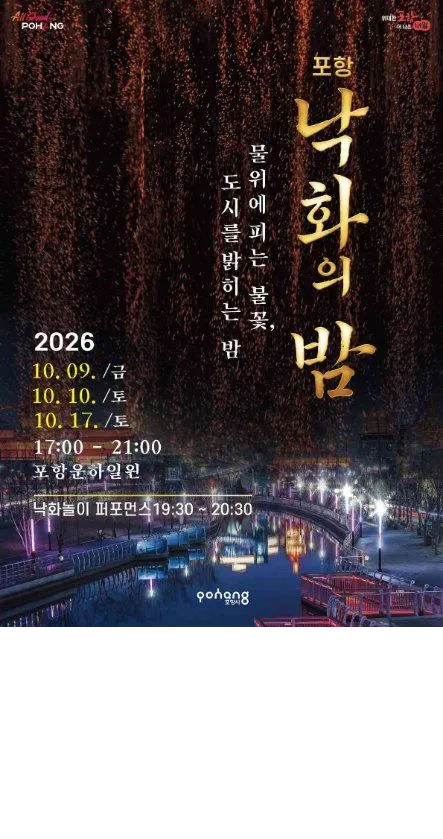
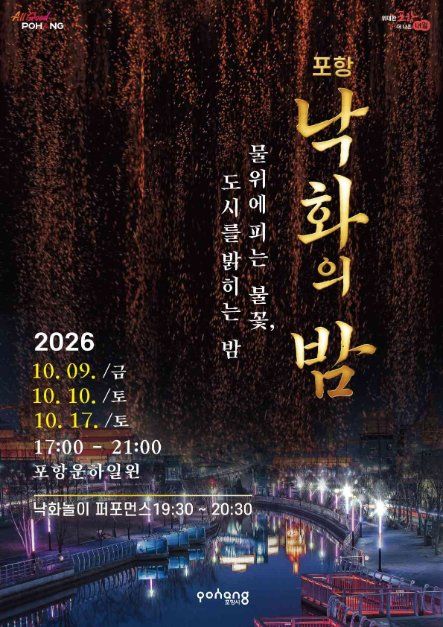
For nine autumn nights, from 9 to 17 October 2026, the Pohang Canal becomes the stage for a different kind of fireworks display. Known officially as Pohang Night of Nakhwa, the event centers on nakhwa-nori, a traditional Korean firework technique that uses charcoal powder wrapped in Hanji, or traditional Korean paper.

The name Nakhwa translates as “falling flowers,” and in this case it describes the embers that drift down as the paper burns. Because no gunpowder is used, the display does not explode. The paper burns slowly, and the light spreads along the Nakhwa lines stretched across the canal. Two 75-meter Nakhwa lines are installed diagonally over the water, creating the festival’s central sight: a band of fire reflected on the canal’s surface.

The setting carries its own meaning. The canal was once cut off but was revived through citizen effort. In Pohang, an industrial city, fire and water appear in the same frame—fire evoking the city’s industrial identity, water standing for restoration. The program is deliberately spare: only Nakhwa and music, with no official ceremonies or singer performances. The evening belongs to the fire, the water, and the people watching.

🗓️ 2026.10.09 ~ 2026.10.17

Main Program

  • Nakhwa Performance: 19:30–20:30

Side Programs

  • Local artist performances, including Pungmulnori and traditional dance
  • Food booths linked with local commercial districts

Concurrent Festivals

  • 10.10 (Sat) Handong International Bread Festival
  • 10.17 (Sat) Pwang-Pwang Horror Night

📍 Address: 45 Chukhang-ro, Nam-gu, Pohang-si, Gyeongsangbuk-do (Haedo-dong)

🛏️ Accommodations near the event

💰 Fee: Free

📞 Inquiry: 054-270-2248

🖥️ Website: https://www.pohang.go.kr/

Pohang Night of Nakhwa

What is Nakhwa (Korean falling flower fireworks)?

Nakhwa (낙화) is a traditional Korean firework that releases glowing embers into the air. The name comes from nak (“fall”) and hwa (“flower”), and the embers are meant to resemble flower petals drifting down. It is distinct from conventional fireworks: instead of a loud explosion and a short burst of light, nakhwa produces a slow shower of small flames that fall for several seconds before fading.

The practice dates to the Joseon Dynasty, when artisans made nakhwa from charcoal, paper, and metal. The burning charcoal is placed inside a perforated container, often made of woven material or metal, which is suspended from a pole or swung in a circle. Air moving through the holes keeps the charcoal hot, and glowing fragments are thrown out by the motion. The resulting trails of light appear red-gold against the dark sky and gradually die out as they fall.

Because the effect is simple and close to the ground, nakhwa is often compared to natural sights such as falling leaves, cherry blossoms, or rain in the wind. It is not intended to startle or impress through noise, but to be watched in a relatively quiet setting. At the Pohang Night of Nakhwa, this type of fireworks is staged along the coast, where the falling sparks are reflected in the water. That combination of flame, sky, and sea is the main point, and it is the reason the event continues to draw spectators.

2026 Paju Book & Culture Fair: Explore K-Books and Creative Performances at Paju Publishing City

2026 Paju Book & Culture Fair: Explore K-Books and Creative Performances at Paju Publishing City

Paju Book & Culture Fair

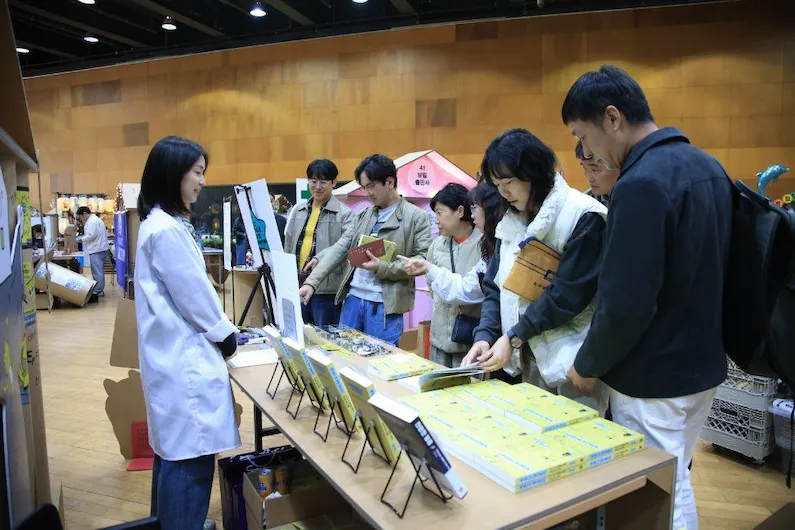
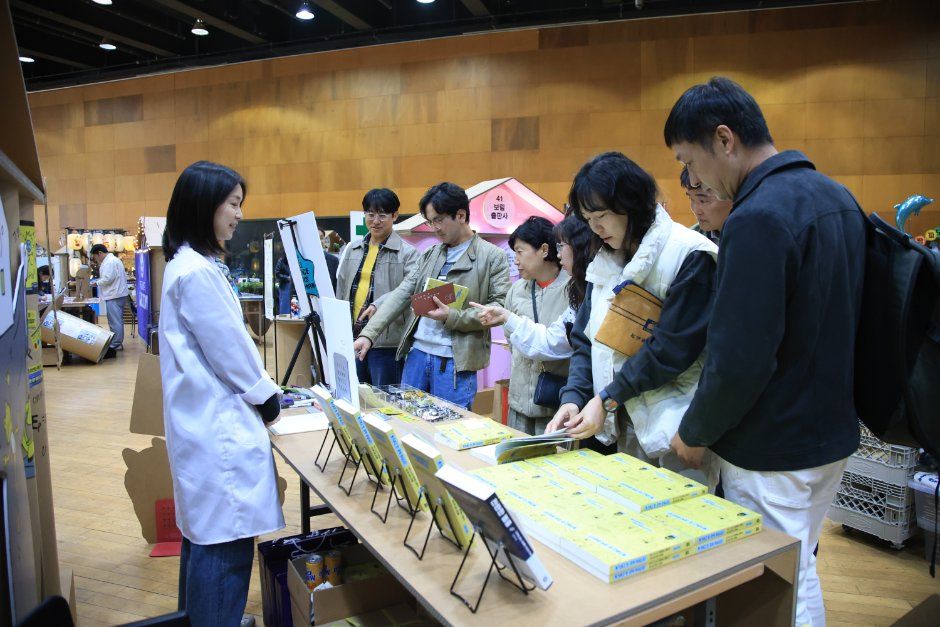
The 2026 Paju Book & Culture Fair runs from October 9 to October 18, 2026, at the Paju Publishing City. It provides a special venue where major publishers, authors, readers, and bookstores gather in one place to look at and enjoy books from a new perspective, rather than simply as objects to be read. By presenting visitors with performances, exhibitions, and hands-on experiences derived from books, the fair expands reading culture into a broader creative arena. At the same time, it serves as a global market for K-Books, introducing excellent Korean books and related content to overseas markets and supporting the scalability of K-Books through new sales channels beyond domestic borders.

The fair’s roughly ten-day program includes performances, the book market, youth companion programs, international business meetings, and cultural networking activities spread throughout the Publishing City.

Paju Fair Book & Culture

Performances

The performance lineup covers the opening ceremony, an indie music and dance festival, and a youth dance festival.

  • Opening Ceremony: BOOKS ALIVE! – Books and Music We Love
  • Indie Music Festival: MOBBO: Let Me Go
  • Dance Festival: BOOK TO MOVE – Paju Dance Festival

Book Sound

  • Book Market: Nan-Geot-Deul – Participation of 291 publishers, bookstores, goods creators, designers, and others.
  • Book Market Program: Nan-Jang-Pan – Programs prepared by participating companies.
  • Additional activities include thematic exhibitions, regional linkages, and stamp rallies.

Youth Companion

  • Performances: Listening session “Let’s Just Listen First”, Paju Brewery Concert
  • Experience: Paju Publishing City Booknic – A rental service providing items needed for a picnic

IP Export Support Project

  • Consultation Meeting: Global Publishing/IP Business Consultation Meeting – B2B consultation for the export of books and IP
  • Forum: Paju Publishing City International Forum – “Connection and Expansion of Publishing IP in the AI Era”

Cultural Networking

  • Lectures, experience programs, flea markets, and other activities take place throughout the Publishing City.

Food & Beverage

  • Food trucks, F&B booths, and more will be available.

Others

  • Book purchase certification event

Practical Information

What is Paju Publishing City?

Paju Publishing City—also called Paju Book City—is a planned district in Paju, Gyeonggi Province, South Korea, built around the country’s publishing trade. The idea was formed in the late 1980s, and the area was developed from the 1990s onward. It now contains hundreds of publishers, printing companies, bookbinders, distributors, and design studios in a campus-like setting on the western edge of Seoul.

The district’s layout is part of its reason to visit. Instead of individual buildings set behind parking lots, the area is organized around pedestrian streets, open squares, and landscaped courtyards. Many of the structures were designed by notable Korean architects, and the public spaces are intended to support reading and conversation as well as work. Visitors can walk between publishers’ offices, stop at independent bookshops, and see exhibitions that follow the making of a book from manuscript through design, printing, and binding.

Paju Publishing City also functions as a place for literary culture outside the publishing companies themselves. Its meeting rooms and exhibition halls are used for lectures, seminars, and workshops; the on-site cafés and bookstores make it a practical day trip for readers. The annual Paju Book & Culture Fair attracts a wider audience, with author talks, book markets, children’s programs, and demonstrations of bookmaking techniques. The fair is organized around a straightforward idea: publishing is a craft that can be examined, and the district where it happens can be open to the public.

2026 National Heritage Media Art Yeosu: Experience the Legacy of Yi Sun-sin and Jinnamgwan Through Immersive Light Shows

2026 National Heritage Media Art Yeosu: Experience the Legacy of Yi Sun-sin and Jinnamgwan Through Immersive Light Shows

National Heritage Media Art: Yeosu Jinnamgwan

🗓️ 2026.10.09 ~ 2026.11.08

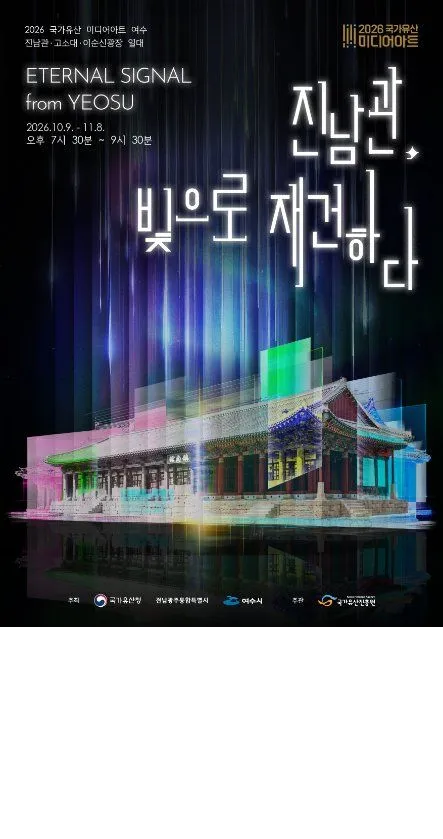
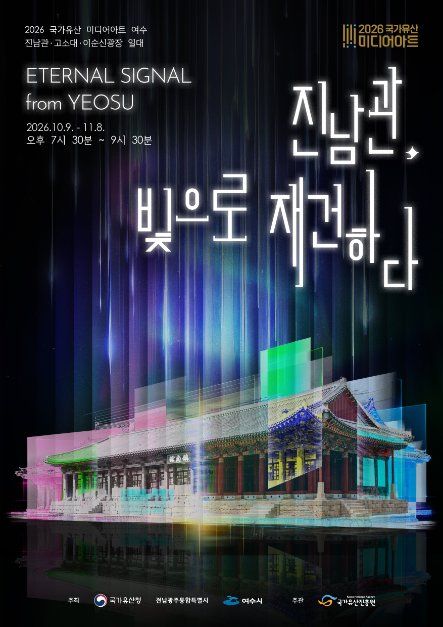
The 2026 National Heritage Media Art Yeosu is a nighttime cultural event that illuminates the national heritage of Yeosu alongside the stories of Yi Sun-sin and the Jeolla Left Naval Base. Under the theme “Jinnamgwan, Reconstructed with Light,” the event runs from October 9 to November 8, 2026, across the grounds of Jinnamgwan, Gosodae, and Yi Sun-sin Square. Drawing on the historical character and spatial features of these key sites, the exhibition expresses the Nanjung Ilgi (War Diary of Yi Sun-sin), the admiral’s devotion to the people, and the voyage of the Turtle Ship through projected images and light.

Jinnamgwan itself is a fitting centerpiece. Originally built in 1598 and rebuilt in 1718, it is the largest single-story wooden pavilion in Korea and served as the command post of the Jeolla Left Naval Base during the Imjin War. This architectural history gives the media projections an uncommon depth: the building is not merely a screen, but the very place where the events depicted were once commanded.

The event consists of three main media art installations, each tailored to its location:

  1. Jinnamgwan: Reconstruct with Immortal Light — The pavilion’s grand wooden structure becomes a canvas for imagery drawn from the Nanjung Ilgi and the spirit of the admiral who commanded from this very spot.

  2. Gosodae: Light of Love for the People, Formed on the Land — The commemorative pavilion and its protected tree at Gosodae are incorporated into a work centered on Yi Sun-sin’s care for the common people, a theme that resonates strongly in the historical record of his campaigns.

  3. Yi Sun-sin Square Turtle Ship: Light of the Square, Spreading to the City — A media facade depicts the Turtle Ship’s voyage through rough seas, extending the story outward from the square into the surrounding city.

Beyond the projections, the event also operates programs that link viewing with hands-on participation:

  • AI Meta-human Yi Sun-sin — An experience program where visitors can converse with Yi Sun-sin, recreated as an AI meta-human, displayed on a large monitor inside the Jinnamgwan Artifact Exhibition Hall.

  • Stamp Tour — A participatory program that guides visitors to collect stamps by visiting three points: Jinnamgwan, Tarubi, and the Turtle Ship.

During the weekends of the event period, additional experience programs and flea markets operate alongside the main exhibition, giving local visitors and travelers alike more reasons to linger in the historic district after dark.

📍 Address: 11 Dongmun-ro (Gunja-dong), Yeosu-si, Jeonnam-Gwangju Integrated Special City

🛏️ Accommodation near the event

💰 Fee: Free

📞 Inquiry: 070-8064-0807

⭐️ Instagram: https://www.instagram.com/media_art_yeosu/

National Heritage Media Art Yeosu Jinnamgwan

What is Jinnamgwan?

Jinnamgwan is a government hall in Yeosu, South Korea. During the Joseon Dynasty, it served as the headquarters of the Jeolla Left Naval Station, the command post from which Admiral Yi Sun-sin directed naval operations during the Imjin War (1592–1598). The building is associated with the planning and coordination of several engagements along the southern coast, including battles in which Korean forces disrupted Japanese supply lines.

The hall is among the largest single-story wooden buildings in Korea. Its wide façade and regularly spaced columns give it an imposing, formal character appropriate to a command center. The structure was rebuilt in 1718 after a fire, and it has been designated National Treasure No. 304. Its preservation reflects both its architectural value and its place in Korean maritime history.

Jinnamgwan is now part of the 2026 National Heritage Media Art Yeosu. The event uses the building as a backdrop for projected light and media installations that illustrate the site’s history. The program is intended to make the heritage accessible to contemporary audiences while keeping the building itself the focus of the presentation.

2026 Hoengseong Hanwoo Beef Festival Guide: Experience Korea’s Finest Beef and Spectacular Fireworks

2026 Hoengseong Hanwoo Beef Festival Guide: Experience Korea's Finest Beef and Spectacular Fireworks

Hoengseong Hanwoo Beef Festival

🗓️ 2026.10.07 ~ 2026.10.11

Hoengseong Hanwoo Beef Festival

Wait, I need ensure URL exact: draft URL is https://kfescdn.visitkorea.or.kr/kfes/upload/contents/db/2c18520d-8813-4c1f-867a-3608ede7b446_56.jpg? Let’s check original URL: https://kfescdn.visitkorea.or.kr/kfes/upload/contents/db/2c18520d-8813-4c1f-867a-3608ede7b446_56.jpg? Actually original: https://kfescdn.visitkorea.or.kr/kfes/upload/contents/db/2c18520d-8813-4c1f-867a-3608ede7b446_56.jpg? Wait original says https://kfescdn.visitkorea.or.kr/kfes/upload/contents/db/2c18520d-8813-4c1f-867a-3608ede7b446_56.jpg? Actually user content: ![Hoengseong Hanwoo Beef Festival](https://kfescdn.visitkorea.or.kr/kfes/upload/contents/db/2c18520d-8813-4c1f-867a-3608ede7b446_56.jpg)? Let’s scroll up: ![Hoengseong Hanwoo Beef Festival](https://kfescdn.visitkorea.or.kr/kfes/upload/contents/db/2c18520d-8813-4c1f-867a-3608ede7b446_56.jpg? Wait in user prompt near bottom: ![Hoengseong Hanwoo Beef Festival](https://kfescdn.visitkorea.or.kr/kfes/upload/contents/db/2c18520d-8813-4c1f-867a-3608ede7b446_56.jpg)? Let’s carefully copy exact URL from initial draft:
![Hoengseong Hanwoo Beef Festival](https://kfescdn.visitkorea.or.kr/kfes/upload/contents/db/2c18520d-8813-4c1f-867a-3608ede7b446_56.jpg)? Actually initial says: ![Hoengseong Hanwoo Beef Festival](https://kfescdn.visitkorea.or.kr/kfes/upload/contents/db/2c18520d-8813-4c1f-867a-3608ede7b446_56.jpg no, the extension maybe _56.jpg. In prompt: 2c18520d-8813-4c1f-867a-3608ede7b446_56.jpg. Let’s look at prompt: “Hoengseong Hanwoo Beef Festival“? Wait, there is _56.jpg maybe. Let’s review user message exactly: after inquiry:

![Hoengseong Hanwoo Beef Festival](https://kfescdn.visitkorea.or.kr/kfes/upload/contents/db/2c18520d-8813-4c1f-867a-3608ede7b446_56.jpg)

Actually I think it says ...b446_56.jpg. Let’s check early in prompt: The draft article:
“Hoengseong Hanwoo Beef Festival“? Wait I see the text now at top: “Hoengseong Hanwoo Beef Festival“? There is no .kr/kfes? Let’s reread initial from user: It says:

![Hoengseong Hanwoo Beef Festival](https://kfescdn.visitkorea.or.kr/kfes/upload/contents/db/2c18520d-8813-4c1f-867a-3608ede7b446_56.jpg)

Need not worry. The exact URL from original is in prompt. We can use exact if we can copy: “https://kfescdn.visitkorea.or.kr/kfes/upload/contents/db/2c18520d-8813-4c1f-867a-3608ede7b446_56.jpg” Wait the UUID includes “2c18520d-8813-4c1f-867a-3608ede7b446_56.jpg” or “2c18520d-8813-4c1f-867a-3608ede7b446_56.jpg” Actually maybe extension _56.jpg after uuid. We’ll use exact. Let me in final use exact from prompt. Need ensure no typo. I need not add “kr” incorrectly. The draft: “https://kfescdn.visitkorea.or.kr/kfes/upload/contents/db/2c18520d-8813-4c1f-867a-3608ede7b446_56.jpg” Yes.

Let’s use /2c18520d-8813-4c1f-867a-3608ede7b446_56.jpg? The prompt includes _56.jpg after? It is 2c18520d-8813-4c1f-867a-3608ede7b446_56.jpg. The original: “db/2c18520d-8813-4c1f-867a-3608ede7b446_56.jpg” likely. Good.

Need final output now. Need maybe use “Hoengseong” correct.

Let’s write full<output>

Hoengseong Hanwoo Beef Festival

🗓️ 2026.10.07 ~ 2026.10.11

Hoengseong Hanwoo Beef Festival

The 22nd Hoengseong Hanwoo Beef Festival is a representative stay-over tourism festival of Korea, held for five days from October 7 to 11, 2026, in the Seomgang-dunchi area of Hoengseong-gun, Gangwon State. The festival runs under the slogan ‘Delicious, Stay, Shine and the theme ‘A Lingering Autumn, Hoengseong, the City of Shining Taste!’. Its purpose is to promote the excellence and brand competitiveness of Hoengseong Hanwoo beef nationwide and to revitalize the local economy. It is hosted and organized by the Hoengseong Culture and Tourism Foundation.

The festival consists of 14 programs across three themes: food, culture/arts, and experience. It operates as a time-expansion festival that extends the duration of stay by linking daytime (10:00~18:00) and nighttime (18:00~21:00) programs, and it is a win-win festival in which local merchants, farms, and residents participate together. Visitors can move from daytime food and market programs into evening performances and late-night fireworks without the schedule breaking momentum.

Main Programs

  • Elegant (牛) Music Festa: Performances by popular singers and local art groups, daily 19:00~21:00 at the main stage.
  • Cosmic (牛) Fireworks Show: Large-scale multimedia fireworks production performance, October 7 and 10 at 21:00 (2 times).
  • Opening and Closing Ceremonies: October 7 (Opening) and October 11 (Closing).

Side Programs

  • Hoengseong Hanwoo Grilling Areas (3 locations): Operated by Livestock Cooperative, Nonghyup, and Hanwoo Cooperative, self-service restaurant style, always available.
  • Hoengseong Hanwoo Sales Outlets (3 locations): All cuts of Hanwoo beef are sold, always available.
  • Hoengseong Mat-madang Food Zone: Food booths with participation from local shops, always available.
  • Hoengseong Local Farm Market: Direct transaction market for agricultural and special products with participation from local farms, always available.

Event Information

📍 Address: Bukcheon-ri, Hoengseong-eup, Hoengseong-gun, Gangwon State

🛏️ Accommodation near the event

💰 Fee: Free (Food items at Hanwoo grilling areas, sales outlets, etc., are separately paid)

📞 Inquiry: 033-808-8007
033-808-8009

What is Hanwoo beef?

Hanwoo (한우) is the native cattle breed of Korea, raised on the Korean Peninsula for generations. The name simply means “Korean cow.” The beef is valued for its fine marbling, which gives cooked cuts a tender texture and a mild, slightly sweet flavor.

The production process differs from conventional beef systems in several respects. Hanwoo cattle are typically raised for a longer period—often 30 months or more—before slaughter. The extra time allows intramuscular fat to accumulate gradually in thin, even layers throughout the lean meat. When cooked, this fat renders and keeps the meat moist without needing added butter or oil. The result is a clean, beefy flavor with a faint sweetness, and it does not depend on heavy sauces or aggressive seasoning.

In Korea, Hanwoo also has a social role. It is commonly served at holidays, weddings, and family gatherings, and the choice of cut is often tied to the occasion. The government operates a strict grading system for Hanwoo carcasses, with the top grades—1++ and 1+—reserved for carcasses with the most consistent marbling and overall eating quality. Hoengseong, a county in Gangwon Province with a long history of cattle farming and a relatively clean mountain environment, is one of the more well-regarded production areas. Its annual Hanwoo festival gives visitors the chance to compare beef from different farms in one place.

Common ways to eat Hanwoo include grilled sirloin, thinly sliced brisket for hot-pot dishes, and slow-braised short ribs. Each method suits a different part of the animal: grilling works well with naturally tender, well-marbled cuts, while braising draws flavor from tougher cuts with more connective tissue. The flavor is distinct from both American grain-fed beef and Japanese wagyu, although all three are prized in different ways for their fat. For anyone trying to understand Korean beef, Hanwoo is a good place to begin.

2026 Hamyang Wild Ginseng Festival: Experience Luxury Wellness and Traditional Culture at Sangrim Park

2026 Hamyang Wild Ginseng Festival: Experience Luxury Wellness and Traditional Culture at Sangrim Park

Hamyang Wild Ginseng Festival

🗓️ 2026.10.07 ~ 2026.10.11

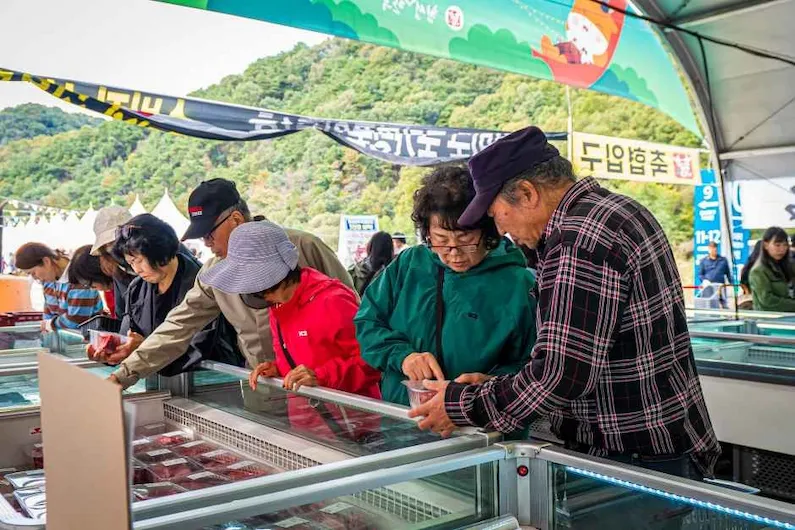
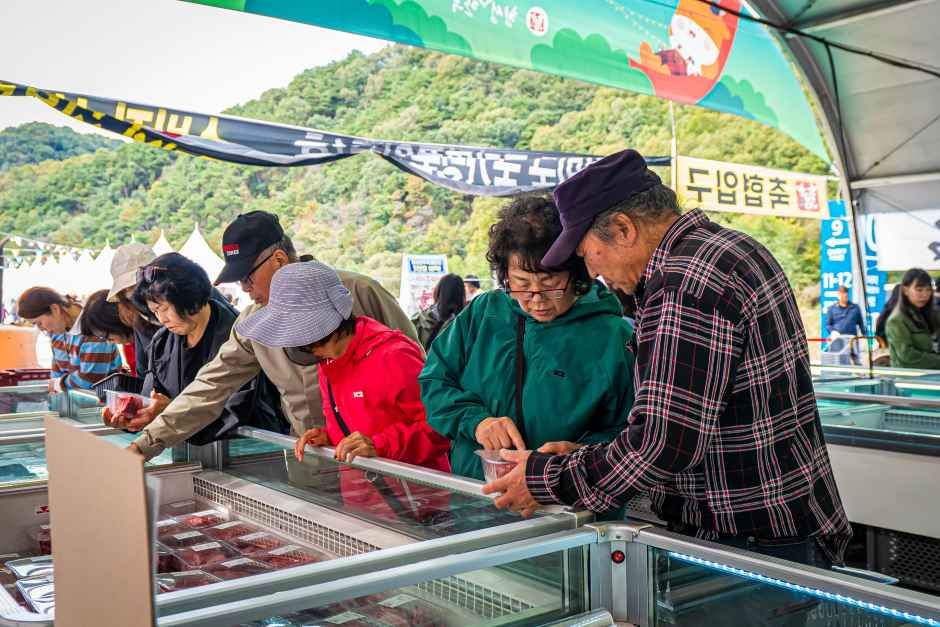
Hamyang wild ginseng is grown in germanium soil at altitudes of over 500 meters, where its dense and firm texture and high saponin content make it a luxury wild ginseng of very superior quality. By implementing the nation’s first wild ginseng traceability system, the region lets consumers accurately know the production information behind every product. Quality control is maintained continuously through “wild ginseng guardian” activities, which preserve the differentiated characteristics that set this ginseng apart as a luxury wild ginseng.

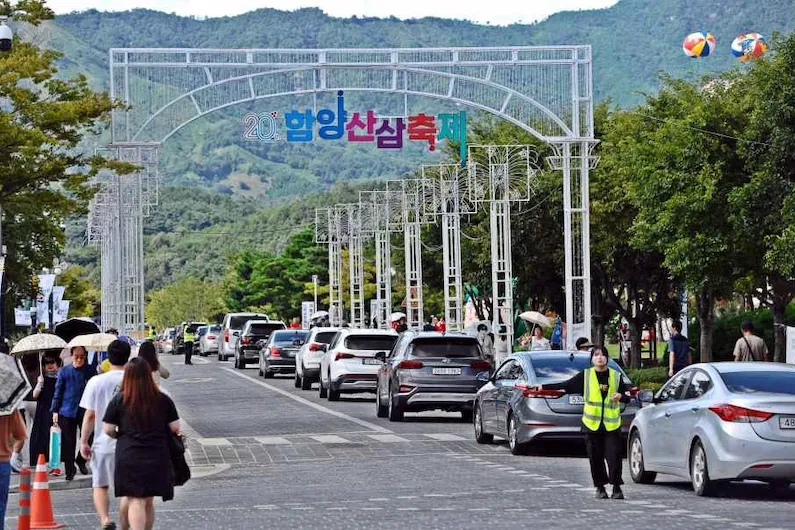
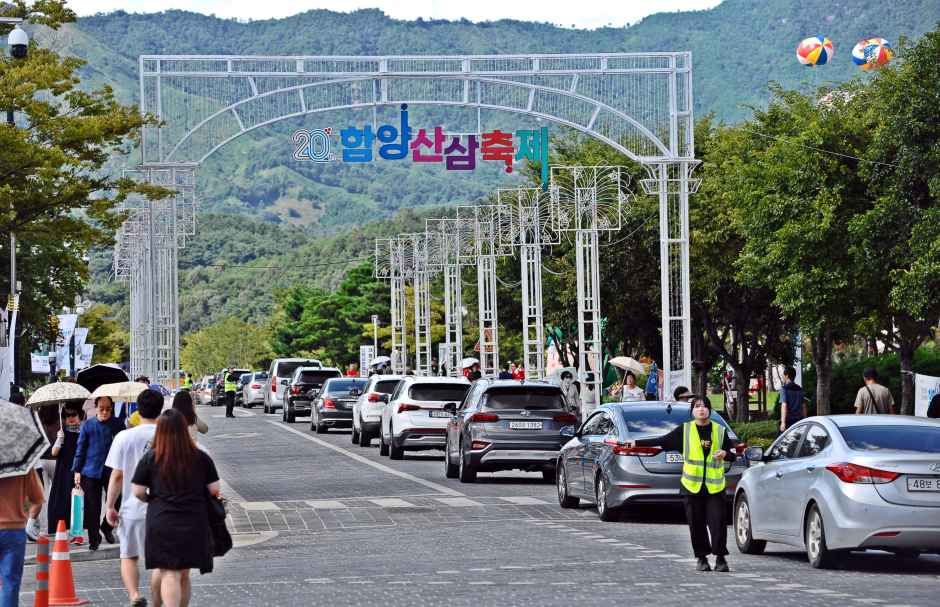
The festival is organized to re-examine the meaning and historical value of wild ginseng. Held at Hamyang Sangrim Park, Natural Monument No. 154, where the mystery of a thousand years breathes, the programs use content that carries on the fading history and culture of wild ginseng and of the simmani (ginseng diggers) who once harvested it. Beyond heritage, the festival doubles as an economic driver. By drawing on the image of clean forest products—the county’s representative brand—it aims to expand sales channels for local agricultural and special products. Linked programs connecting forest, culture, and tourism resources are designed to revitalize the local economy. The festival is held every year around September to October.

  1. Sales and Exhibition — Sales and exhibition of raw wild ginseng, processed wild ginseng products, agricultural and special products, and various market zones.
  2. Experiences — Digging for wild ginseng, a wild ginseng auction, “Find the Golden Wild Ginseng,” health and anti-aging experiences, and more.
  3. Performances and Events — Opening and closing ceremony performances, Sanmak Night, and performances by local singers and clubs.
  4. Auxiliary Facilities — A local food pavilion, food trucks, a family zone, and other amenities.
  5. Linked Events — Hanwoo and Handon tastings, “Wife’s Love” pancakes, Hamyang Arcade, and a flea market.

📍 Address: 49 Pilbongsan-gil, Hamyang-eup, Hamyang-gun, Gyeongsangnam-do

🛏️ Accommodation near the event

💰 Fee: Free

📞 Inquiry: 055-960-6432

🖥️ Website: www.sansamfestival.or.kr

Hamyang Wild Ginseng Festival

What is wild ginseng?

Wild ginseng is ginseng that grows naturally in mountain forests, without planting or cultivation. It is not a separate species from farmed ginseng; the term describes the plant’s origin and growing conditions. Cultivated ginseng is grown in managed fields and typically harvested within a few years. Wild ginseng matures over a much longer period, drawing nutrients from forest soil and the surrounding ecosystem. That slow development is the main reason it is scarce and highly valued.

In Korean traditional medicine, wild ginseng has a long history as a restorative herb. It is used to support vital energy, immune function, blood circulation, and general health and well-being. Since the plant takes decades to reach maturity and is difficult to locate, true wild ginseng is rare and commands a high price.

The 2026 Hamyang Wild Ginseng Festival, held at Sangrim Park, is designed for people who want to learn about the plant directly. Visitors can see how wild ginseng is identified in its natural habitat, observe traditional methods of processing and preservation, and join wellness programs organized around its medicinal uses. The park setting also offers a chance to understand the environment in which wild ginseng grows and the cultural traditions that have built up around it over centuries.

Analytics