Well Being ESAKA 2026 at Esaka Park: Free September 26 Autumn Marche with Gourmet Food, Handmade Goods, and Live Performances

Well Being ESAKA 2026 at Esaka Park: Free September 26 Autumn Marche with Gourmet Food, Handmade Goods, and Live Performances

Well Being ESAKA

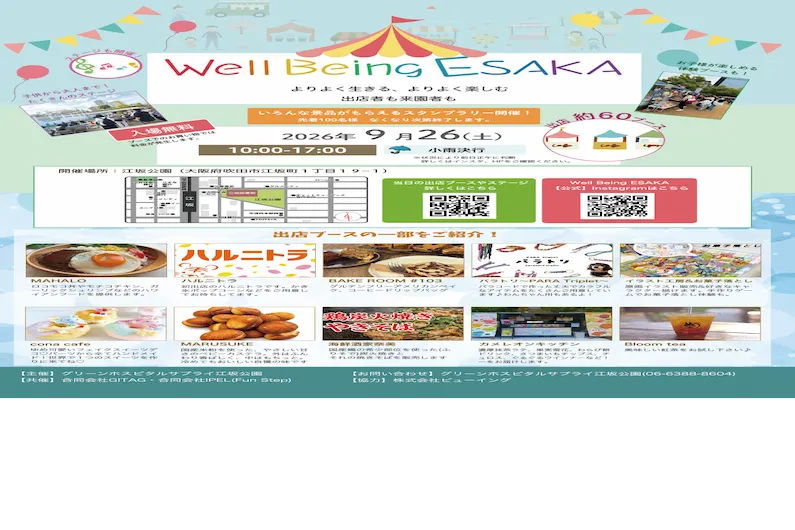
Esaka Park will host a free-admission marche event on Saturday, September 26, 2026, under the theme “A day in autumn to live better and enjoy better.” With the autumn breeze expected to make the open-air setting comfortable, the event combines food stalls, shopping booths, and live stage performances in one place. The theme points to a simple idea: taking a day in autumn to eat well, browse, and enjoy the outdoors.

Since the event is outdoors, visitors should note that it will be held in light rain but cancelled in stormy weather.

Gourmet and shopping booths

A long line of booths will extend through the venue, offering an array of gourmet options. Visitors can find curry, Hawaiian food, fried chicken, and crepes, as well as sales booths featuring one-of-a-kind handmade accessories and miscellaneous goods. Because admission is free, the only cost is whatever visitors choose to spend on food or items. The mix of gourmet stalls and handcrafted goods gives attendees a reason to linger, whether for a full meal or just to browse.

Stage performances

Live music, dance, and hula performances are scheduled during the event. These stage acts are meant to bring the crowd together and will fill the venue with enthusiasm and smiles. With performances running throughout the day, visitors can plan their time around both the stages and the booths.

Event details

  • Event Period: Saturday, September 26, 2026 (Held in light rain, cancelled in stormy weather)
  • Event Time: 10:00–17:00
  • Event Location: Esaka Park (1-19-1 Esakamachi, Suita City, Osaka Prefecture)
  • Fee: Free admission
  • Website: https://wellbeingesaka.com/

🛏️ View hotels near the event

What is Esaka Park?

Esaka Park is a public green space in Suita City, Osaka Prefecture, Japan. It sits in the Esaka neighborhood, a dense area of offices, shops, and apartment buildings. The park’s main features are its open lawns, shaded pathways, seasonal flower beds, and a children’s playground. People use it for walking, jogging, picnicking, or simply sitting on a bench away from traffic.

The park also serves as a venue for community events. Local festivals, morning markets, and outdoor gatherings are held here throughout the year. Its open layout allows for market stalls, a small stage, and room for visitors without feeling cramped. One upcoming event is the Well Being ESAKA 2026 Autumn Marche, a market planned to include food vendors, handmade goods, and live performances. For people who live or work nearby, the park is a practical and pleasant place to meet others and spend time outside.

Pet Expo 2026 Osaka: Enjoy Dog Shows, Cat Grooming Tips, and Exclusive Pet Shopping at Intex Osaka

Pet Expo 2026 Osaka: Enjoy Dog Shows, Cat Grooming Tips, and Exclusive Pet Shopping at Intex Osaka

Pet Expo 2026 Osaka

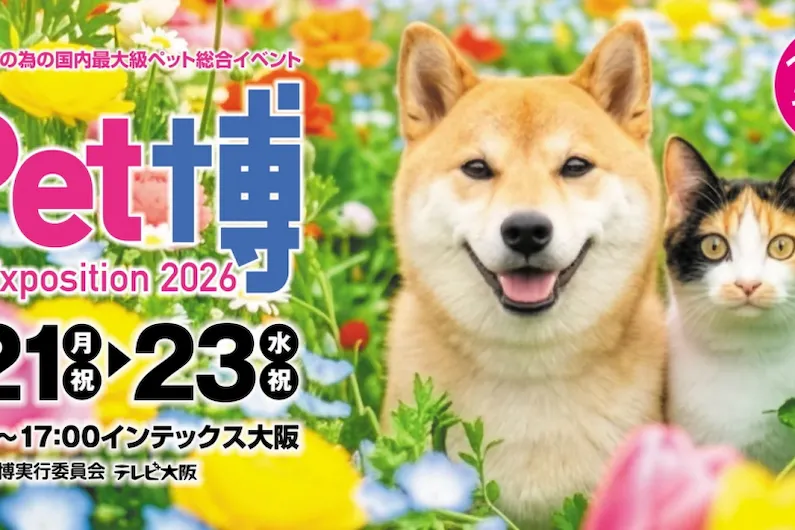
Pet Expo 2026 Osaka key visual
Pet Expo 2026 Osaka

Pet Expo 2026 Osaka is a large-scale participatory event where pets are very welcome, held over three days during the latter half of Silver Week at Intex Osaka Halls 1 and 2. From a sports day and 30m sprints that you can challenge together with your dog, to the “Interaction Farm” where you can experience interacting with and feeding small animals such as goats and rabbits as well as reptiles, along with powerful shows, shopping, and kitchen car gourmet, the expo is an experiential event that anyone—whether bringing a pet or simply an animal lover—can enjoy all day long.

A dog enjoying the expo

Participatory Events to Challenge with Your Dog & Powerful Dog Shows

The event offers plenty of physical activities that are easy to join with your dog, including a sports day and 30m sprints. For those who prefer watching, the “Guenta☆Show” features trained dogs performing “Quadrille,” a team performance showcasing synchronized formations, as well as powerful obstacle jumps.

A cat at the expo

Recommended for Cat Lovers! Cat Shows and Grooming Competitions

Cat lovers will find plenty to see. The TICA-certified Cat Show, held on September 21 and 22 only, brings beautiful cats to the stage one after another. On September 23 only, the Kitten Grooming Competition—greatly acclaimed last year—will demonstrate grooming techniques that keep cats both beautiful and healthy. This is a must-see section for anyone interested in cat care.

Pet Expo 2026 Osaka venue area

Great Deals on Latest Goods and Apparel! Kitchen Cars Also Appear

Many shops will open inside the venue, offering pet apparel at bargain prices, specially selected food and treats, and the latest convenient goods. Because re-entry is permitted, you can take your time shopping with your pet or enjoy gourmet food from kitchen cars located both indoors and outdoors.

Event Overview

  • Dates: September 21 (Mon/Holiday) – 23 (Wed/Holiday), 2026
  • Hours: 10:00–17:00 (last entry at 16:30)
  • Location: Intex Osaka Hall 1 & Hall 2, 1-5-102 Nanko Kita, Suminoe-ku, Osaka City
  • Fees: Adults (junior high school students and above): 1,500 yen (advance: 1,300 yen); Children (4 years old to elementary school students): 800 yen (advance: 700 yen); Children 3 years old and under: free. Some corners require separate participation fees or feed costs.
  • Inquiries: 06-6947-1912 (within TV Osaka Business Bureau)
  • Website: pethaku.com/osaka

🛏️ View hotels near the event

What is Intex Osaka?

Intex Osaka is an international exhibition and convention center on reclaimed land in Osaka Bay, adjacent to the Asia and Pacific Trade Center (ATC). It has been in operation since 1985 and is used for trade fairs, public exhibitions, corporate events, and cultural programs. Exhibitors and visitors come from within Japan and from other countries.

The facility contains multiple exhibition halls, along with the usual support spaces for large events: conference rooms, catering areas, registration spaces, and service docks. The separation of public access from logistical operations is a practical advantage, since it lets organizers move materials and equipment in and out without interfering with visitors. Access from central Osaka is straightforward: the nearest station, Trade Center-mae, is on the Nanko Port Town Line, which connects to the Osaka Metro Chuo Line at Nakafuto. There is also on-site parking for those driving. The site is a short walk from the waterfront, which is a minor but welcome detail between sessions.

For Pet Expo, the venue’s strengths are functional rather than decorative. The halls are large enough to run dog show rings, grooming demonstration stages, and exhibitor booths in parallel, while the aisle widths and entrance points help manage visitor flow around animals and queues. The transport options are relevant for an event where attendees bring pets, carry purchases, or need to move heavy equipment. This combination of space and access is what makes Intex Osaka suited to Pet Expo.

Nagoya Welcome Festival 2026: Free Sports, Culture, and Nagoya-meshi Events at Nagoya Station, City Museum, and Kinjo Futo

Nagoya Welcome Festival 2026: Free Sports, Culture, and Nagoya-meshi Events at Nagoya Station, City Museum, and Kinjo Futo

NAGOYA WELCOME FESTIVAL

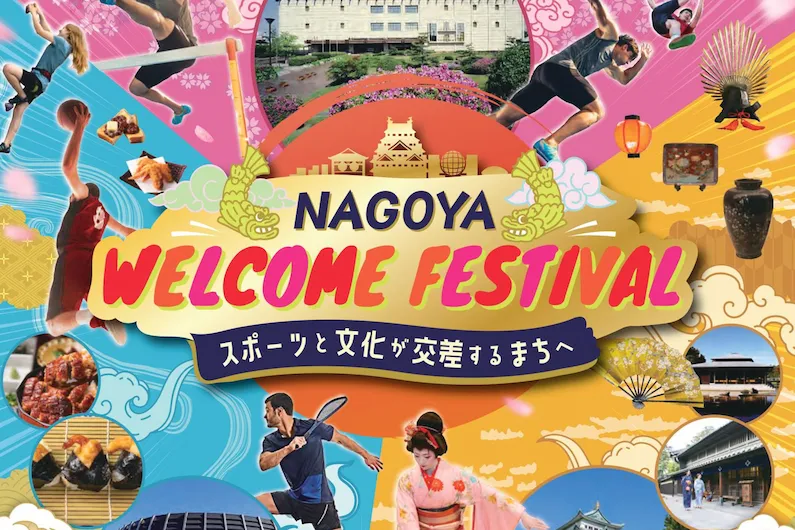
As the eyes of the world turn toward the city this summer, Nagoya is launching a series of coordinated events designed to capitalize on this global attention. These festivities offer a multifaceted experience, blending the high-energy excitement of international sports with curated exhibitions that showcase the city’s charms from a fresh perspective. Whether you are a lifelong local resident or a visitor arriving for the first time, the festival provides an opportunity to engage with the unique energy currently permeating the region.

MEIEKI ASIA GATEWAY

Located at the heart of the city’s transit hub, this venue serves as a gateway to the region’s heritage and industrial prowess. Visitors can expect a diverse range of content—including interactive workshops, stage events, and curated exhibitions—that highlight the intersection of Nagoya’s traditional culture and its modern industrial achievements.

Venue: Special Venue at Nagoya Station West Side Station Plaza
Period: Saturday, September 5, 2026 – Saturday, October 24, 2026

Monument Exhibition
A specialized monument exhibition focusing on traditional industry will be on display, allowing guests to appreciate the intricate craftsmanship and cultural depth that define Nagoya.

  • Exhibition Period: Saturday, September 12, 2026 – Saturday, October 24, 2026

Float Exhibition
The event will feature two distinct floats from Nakamura Ward, exhibited sequentially.

  • Karako-sha: Saturday, September 5, 2026
  • Koyo-gari-sha: Sunday, September 6, 2026

MEIEKI SPORTS GATE
This segment offers a “Digital × Sports Experience,” merging athletic engagement with modern technology.

  • Experience Period: Saturday, September 19, 2026 – Sunday, October 4, 2026, and Sunday, October 18 – Saturday, October 24, 2026
  • Time: 10:00 – 21:00 (Note: On Sunday, October 11, hours are limited to 12:00 – 15:00)

For comprehensive details regarding the specific workshops and scheduled stage events, please visit the Official Website (External Link).

THE SPORTS LAB

For those interested in the mechanics and prestige of the Games, THE SPORTS LAB provides an educational environment where the highlights of the tournament are introduced through guided experiences. To commemorate the visit, a photo spot modeled after an official podium has been installed, where guests can take photographs utilizing special medals.

Venue: Special Venue inside the Nagoya City Museum
Period: Saturday, September 5, 2026 – Saturday, October 24, 2026

Sports Experience
These sessions allow participants to move their bodies and experience the physical appeal of the featured sports firsthand.

  • Time: 9:30 – 17:00 (Please note that event suspension days will align with the museum’s scheduled closing days)

Further information can be found on the Official Website (External Link).

ASIA MEETS NAGOYA

Spanning three days, this event is designed as a full-day destination for all ages, combining athletic activity with the city’s famous culinary scene.

Venue: Special Venue at Kinjo Futo Central Green Space
Period: Monday (Holiday), September 21, 2026 – Wednesday (Holiday), September 23, 2026

Sports Experience Classes
These classes provide a hands-on way to experience the specific events of the Games. Participation is open to parents and children; while pre-registration is encouraged, same-day slots are available on a first-come, first-served basis.

  • Featured Sports: Basketball, Climbing, and Squash
  • Time: 30-minute sessions held between 11:00 – 18:00

Stage Events
The atmosphere will be driven by a variety of programmed activities, ranging from citizen-led stages to talk shows featuring luxury guests.

Nagoya-meshi Expo
This culinary gathering brings together the representative gourmet foods of the city. This food and drink booth is the primary destination for those wishing to sample flavors unique to Nagoya.

Workshops & Fair
A dedicated fair corner for families will be operational, featuring various craft experiences and workshops♪

Detailed programming is available on the Official Website (External Link).

🛏️ See hotels near the event


Event Summary

  • Dates:
    • MEIEKI ASIA GATEWAY: Saturday, September 5, 2026 – Saturday, October 24, 2026
    • THE SPORTS LAB: Saturday, September 5, 2026 – Saturday, October 24, 2026
    • ASIA MEETS NAGOYA: Monday (Holiday), September 21, 2026 – Wednesday (Holiday), September 23, 2026
  • Time: Varies by venue
  • Locations: Special venues at Nagoya Station West Side Station Plaza, inside Nagoya City Museum, and Kinjo Futo Central Green Space (Note: The access map specifically points to the Nagoya Station West Side Station Plaza)
  • Price: Free admission
  • Contact: Nagoya City General Affairs Bureau, Asia/Asian Para Games Promotion Division
  • Telephone: 052-972-4620
  • Website: https://nagoya-awp.jp/

What is Nagoya-meshi?

Nagoya-meshi is the collective name for local dishes that developed in Nagoya and the surrounding area. The term comes from meshi, meaning “meal” or “rice,” and is used for a range of foods that originated in the city and later became common across Japan. Nagoya’s food culture differs from Kyoto’s lighter, subtler cooking and Tokyo’s brothy styles in that it relies on stronger flavors, with red miso, soy sauce, and dried seafood as recurring ingredients.

The most important of these is hatcho miso, a dark, reddish-brown soybean paste with a concentrated, slightly bitter taste. It is the base of miso katsu, a breaded and deep-fried pork cutlet served with a thick miso sauce, and miso nikomi udon, a pot of firm noodles simmered in a dark, salty broth. Hitsumabushi is grilled eel served over rice; it is eaten first on its own, then with condiments such as spring onion and wasabi, and finally with green tea or broth poured over it as chazuke. Tebasaki are chicken wings coated in a sweet, spicy, soy-based glaze, while kishimen are flat, wide wheat noodles served in a light soy broth.

Nagoya-meshi also includes parts of the city’s café culture. Ogura toast is a thick slice of bread topped with butter and sweet red bean paste, a standard breakfast item in local coffee shops. Ankake spaghetti is thick spaghetti covered in a glossy, black-pepper-heavy sauce, another dish created in Nagoya.

The common thread is not refinement but directness. The food is filling, heavily seasoned, and served in generous portions. At the Nagoya Welcome Festival 2026, food stalls and tasting events will give visitors an introduction to these dishes and the cooking traditions behind them.
Haman Ara Gaya Cultural Festival 2026: Experience Ancient History Through Immersive Activities and Youth Art

Haman Ara Gaya Cultural Festival 2026: Experience Ancient History Through Immersive Activities and Youth Art

Ara Gaya Cultural Festival

🗓️ 2026.09.18 ~ 2026.09.20

The Haman Ara Gaya Culture Festival is a representative local cultural festival designed to shed new light on the brilliant history and culture of Ara Gaya from a modern perspective. It also aims to discover various historical and cultural contents so that many people can experience the value of Ara Gaya easily and enjoyably. For three days, the festival transforms the area around the Marisan Tumuli in Haman-gun, Gyeongsangnam-do, into a space where an ancient state and its living heritage take center stage.

What distinguishes this festival from the typical historical reenactment is the sheer degree of participation it offers. During the festival period, various performances and celebratory presentations themed around the history and culture of Ara Gaya are held, providing visitors with a rich array of sights. In particular, programs that anyone of all ages can participate in are prepared, including a historical experience course where one can directly feel the life and culture of Ara Gaya, as well as cavalry warrior experiences and procession experiences. These are not pageants to observe from a distance — they are activities to step into.

The festival also carries a distinctly youthful energy. The Marisan Healing series forms a core part of this. From Ye (Art) to Yo (Song), Bi (Fly), Mu (Dance), So (Stroll), Bo (Step), and Ui (Clothing), the series interprets Ara Gaya culture through a broad spectrum of creative media. Notably, the Marisan Healing Ye (Art) performance program is directly planned and executed by young people, while the Youth Orchestra, youth busking, and an AI Video Contest reinforce the same forward-looking spirit.

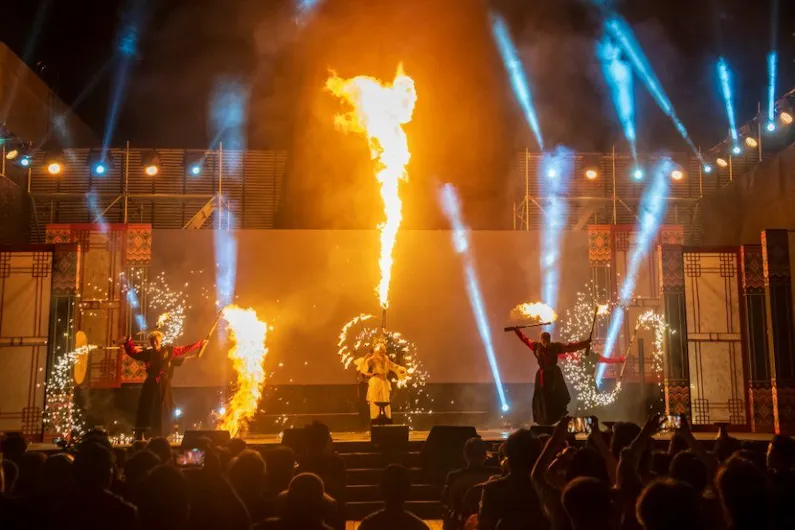
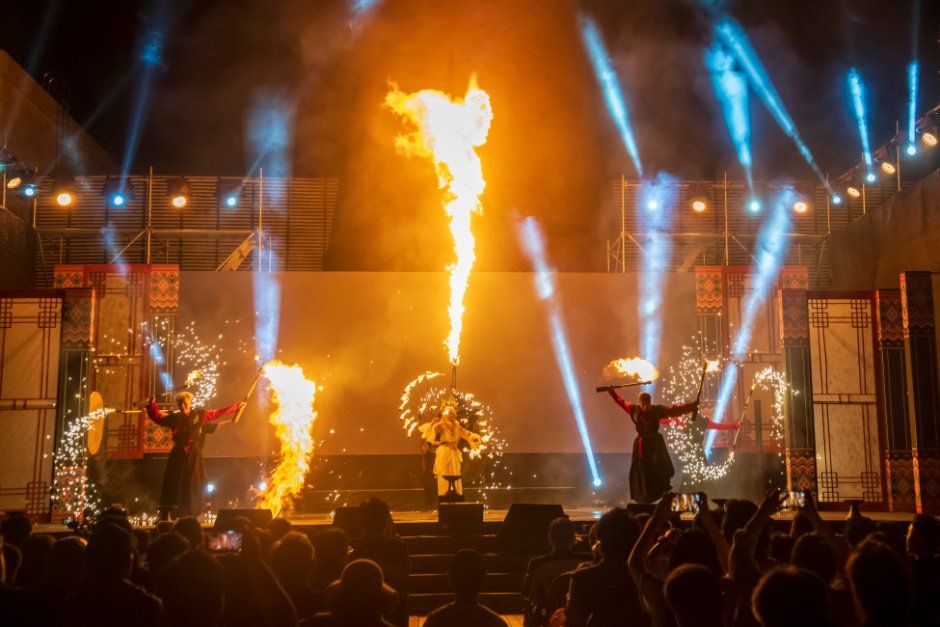
The festival’s historical narratives come to life through programs such as the World Intangible Heritage Festival, the Ara Gaya Royal Guard Changing Ceremony, and the King Ara Procession. Around the Marisan Tumuli area, a wide range of experience events for families and tourists are held, from hands-on crafts to food tastings. And as the highlight of the festival, the theme performance ‘Ara Hongryeon’ unfolds with spectacular fireworks, delivering a special emotion where the history and culture, as well as the tradition and modernity, of Ara Gaya harmonize. In the end, the Haman Ara Gaya Culture Festival is a venue for a living historical and cultural festival — one where visitors go beyond simply watching and instead enter into the history of Ara Gaya by seeing, hearing, and experiencing it firsthand.

Pre-event

The pre-event sets the stage with rituals and pageantry drawn from Ara Gaya’s spiritual and royal traditions:

  • Ara Gaya Cheonshinje (Heavenly Ritual)
  • King Ara Procession

Pre-event Celebration Performance

  • Pre-event Celebration Performance

Opening Ceremony and Post-event

  • Opening Ceremony
  • VR Drawing Performance
  • Fireworks, Ara Hongryeon
  • Special Performance (Kim Soo-chan, Kim Ji-hyun)

Museum Programs

The museum programs span the widest range of activities, combining hands-on craft workshops, interactive play, and live performances:

  • Fringe Performance (Balloons, Magic, Bubbles)
  • Ara Gaya Traditional Play Yard
  • World Intangible Heritage Festival: Youth, Meeting the Future of Intangible Heritage (Namsadang Nori, Tightrope Walking)
  • Youth Orchestra
  • Ara Gaya Musical Gala Show
  • Marisan Healing Ui (Clothing): Wearing Ara Gaya
  • AI Video Contest (Video Promotion Create)
  • Marisan Healing Bo (Step)
  • Making 3D Ara Gaya with Wood
  • 3D Block Miniature Experience
  • Making Ara Gaya Flame Leather Keyrings
  • Namduyungseong Ring, Ara Hongryeon Deform Block, Clicker Keycap, Gilt-bronze Crown Shrinkles, Dreamcatcher, Ara Gaya Relic Mini Terrarium
  • Ara Hongryeon Slime, Flame Pattern Worry Stone, Relic Polymer Clay Accessories, Marisan Tumuli The Ocean Diorama
  • Haman-inspired Art Canvas Action Painting
  • Containing the Treasures of Haman
  • Making Ara Gaya Pottery Mini-book Keyrings
  • Tasting Haman

Ara Gaya Experience Center Programs

  • Sand Art Performance
  • Ara Gaya History Experience Course: Ara Gaya Play-ground! 2
  • Blacksmith Ironware Armor Making Experience
  • Pony Feeding Experience

Marisan Tumuli Programs

The Marisan Tumuli programs unfold both day and night, with processions, performances, and interactive experiences set against the backdrop of the ancient burial mounds:

  • Walking through the night of “Ara Gaya” (Ara Gaya Flame Garden)
  • Marisan Healing Yo (Song): Open Festival, Youth Busking
  • Marisan Healing Bi (Fly): The Dreams of Youth Flying Toward the Sky
  • Marisan Healing Mu (Dance): Gestures of Youth, Dancing Ara Gaya
  • Marisan Healing Ye (Art): World Heritage Awakened by Youth through Art
  • Ara Gaya Cultural Experience (Costumes, Crowns, Goods)
  • Ara Gaya Cavalry Warrior Experience
  • Royal Guard ∙ Procession Experience
  • Royal Guard Changing Ceremony
  • Marisan Healing So (Stroll): Walking through the Ara Gaya Night

Promotion, Exhibition, and Food Events

Alongside the performances and hands-on experiences, the festival includes exhibition and market events that round out the visit:

  • Engraving Gaya in Gold
  • Promotion for Reducing the Use of Disposable Products
  • Carbon Neutral Point Registration Promotion
  • Multi-use Container Supply and Collection Center
  • Youth Dining Table! The Taste of Ara Gaya!
  • Ara Gaya Taste! Market Street

Linked Events

A set of linked events extends the festival’s reach, connecting Ara Gaya culture with seasonal traditions and local institutions:

  • Chuseok Ara Gaya Market
  • Goodwill Store Eco-friendly Program & Climate Crisis Promotion
  • Gisan-hak Festival (Drone Experience)
  • Masan University Local Growth Human Resource Training Program

📍 Address: 153-31 Gobun-gil, Gaya-eup, Haman-gun, Gyeongsangnam-do

🛏️ Accommodation near the event

💰 Fee: Free

📞 Inquiry: 055-585-9400

⭐️ Instagram: https://www.instagram.com/aragaya_/

🖥️ Website: http://www.araje.or.kr/

Ara Gaya Culture Festival

Ara Gaya was a state within the Gaya confederacy, a group of polities that occupied the southern part of the Korean Peninsula from around the 1st to the 6th century CE. Its political center was in present-day Haman County, South Gyeongsang Province, and its territory extended toward the southern coast, where it made use of harbors along key maritime routes.

The state’s economy was based largely on iron production and trade. Excavations in the Haman area have recovered iron ingots, weapons, armor, and smelting-related materials, indicating that iron was both a local industry and an export. Pottery and other artifacts from neighboring regions also point to regular exchange with Baekje, Silla, and other Gaya polities, as well as with societies in China and Japan. Ara Gaya’s coastal position allowed it to participate in these networks, though its location between larger kingdoms also shaped its political options.

Archaeological sites in the region include earthen burial mounds and fortified hill settlements. These reveal a society with defined social roles and distinctive local craft traditions. Historical records and archaeological evidence together suggest that Ara Gaya maintained a degree of autonomy until it was absorbed by Silla in the mid-6th century.

This history is the basis of the Haman Ara Gaya Cultural Festival 2026. The program focuses on ironworking and pottery demonstrations, visits to the relevant archaeological sites, and exhibitions by contemporary artists whose work responds to the material culture of Ara Gaya. The festival presents the kingdom in terms of what is actually known about it, allowing visitors to engage with the evidence directly rather than through a simplified or dramatized version of the past.

2026 Hampyeong Moaksan Red Spider Lily Festival: Experience Emotional Healing and Autumn Beauty in Jeonnam

2026 Hampyeong Moaksan Red Spider Lily Festival: Experience Emotional Healing and Autumn Beauty in Jeonnam

Hampyeong Moaksan Red Spider Lily Festival

🗓️ 2026.09.16 ~ 2026.09.20

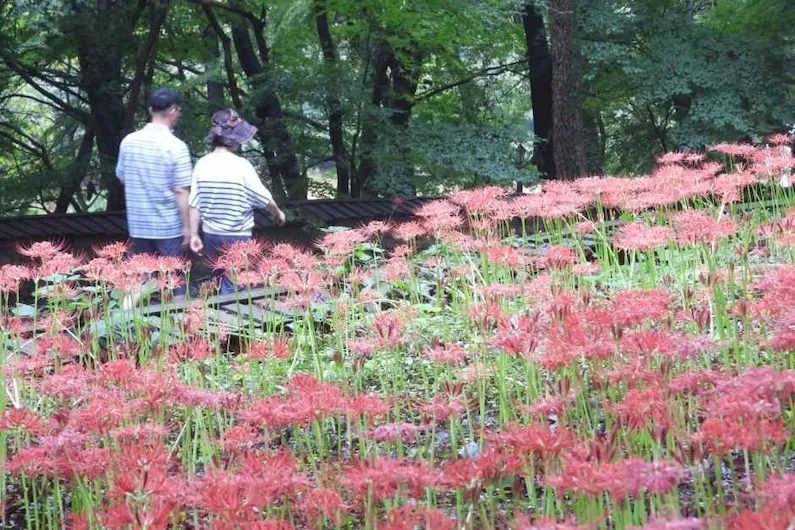
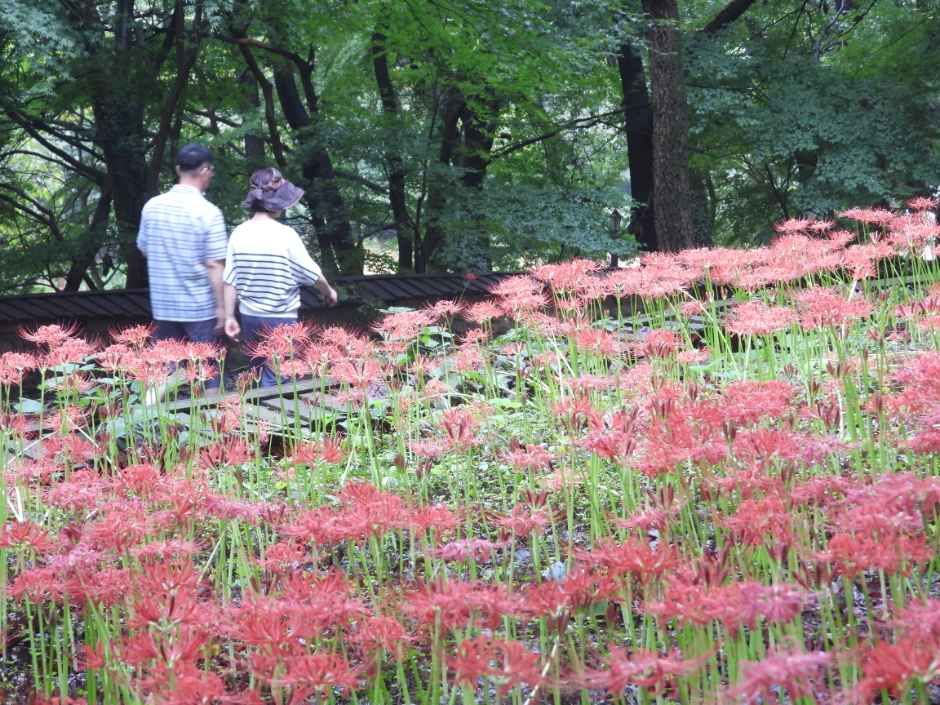
The 27th Hampyeong Moaksan Red Spider Lily Festival takes place over five days in September, set against the red spider lily colonies and natural forest landscape of Moaksan in Hampyeong-gun. Designed as an emotional healing festival, the event gives visitors the chance to shake off everyday fatigue and spend time at leisure in autumn scenery where red spider lilies and trees coexist. The program centers on walking, resting, and recharging in nature, with particular emphasis on meditation and forest healing experiences along Moaksan’s forest paths. The festival also aims to promote the ecological and scenic value of the Moaksan red spider lilies by bringing together nature, people, and rest in a single setting.

The festival’s activities are organized into performances, hands-on experiences, special events, and sales booths, with a few additional services to make the site easier to navigate.

Performance Programs

  • Red Spider Lily Concert
  • Red Spider Lily Laughter Healing Talk Concert
  • Lifelong Learning Performance
  • Regional Culture and Arts Group Performance
  • Resident Harmony Festival Performance
  • Red Spider Lily Forest Busking
  • Red Spider Lily Singing Contest

Experience Programs

  • Red Spider Lily Forest Outing
  • Hanging Wish Ribbons on Hiking Trails
  • Taking Red Spider Lily Memory Photos
  • Aroma Fragrance Necklace Experience
  • Shine Muscat Dessert Tasting
  • Red Spider Lily Healing Center Program

Event Programs

  • Moaksan Summit Visit Event
  • Red Spider Lily Festival Consumption Promotion Certification Event

Sales Booths

  • Agricultural and Specialty Product Sales Outlets (8 locations)
  • Handicraft Sales Outlets (4 locations)
  • Haebyeon-myeon Resident Specialty Product Sales Outlets (3 locations)

Other Details

  • Stroller/Wheelchair Rental Office
  • Red Spider Lily Path Circular Bus

📍 Address: 209 Yongcheon-sa gil, Haebyeon-myeon, Hampyeong-gun, Jeonnam-Gwangju Integrated Special City

🛏️ Accommodation near the event

💰 Fee: Free

📞 Inquiry: 061-320-2247

⭐️ Instagram: https://www.instagram.com/hp_festival/

🖥️ Homepage: www.hpftf.or.kr

Hampyeong Moaksan Red Spider Lily Festival

What is the red spider lily?

The red spider lily (Lycoris radiata) is a bulbous perennial that flowers in autumn. Its leafless stem rises from the ground and ends in a cluster of six to eight flowers. The petals curve backward, and the stamens are long and thread-like, giving the bloom its common name. In the Northern Hemisphere, flowering occurs from late September to early October. Leaves emerge only after the flowers have faded; they remain green through winter and spring, then die back in summer. This sequence—flowers first, leaves later—is not common among garden perennials.

The species is widely grown across East Asia. In Japan it is called higanbana, after the Buddhist autumn equinox period (higan), and it appears in temple gardens, along roadsides, and in cemeteries. Its bulbs contain toxic alkaloids, and for that reason the plant was often used to mark the edges of rice paddies and keep rodents from the fields. It is also a frequent subject in art and seasonal writing.

In the hills of Moaksan, stands of red spider lilies bloom in autumn. The flowers grow in dense patches and are visible at a distance as bands of red across the hillsides. The bloom period is short, so the display appears and ends within a few weeks.

2026 Pocheon Hantan River Garden Festa: Complete Guide to Dates, Programs, Tickets, and Family Attractions

2026 Pocheon Hantan River Garden Festa: Complete Guide to Dates, Programs, Tickets, and Family Attractions

Pocheon Hantan River Garden Festa

🗓️ 2026.09.12 ~ 2026.11.01

The 2026 Pocheon Hantan River Garden Festa is a large-scale ecological and garden festival held at the Pocheon Hantan River Ecological Landscape Complex, themed around seasonal flowers and nature. Running from mid-September through early November, the festival offers visitors the vast natural scenery of the Hantan River area—listed as a UNESCO Global Geopark—along with the thrill of crossing a 410m-long Y-shaped suspension bridge.

The festival grounds hold a number of prepared attractions: photo zones with an autumn camping concept featuring the popular children’s characters Pororo and friends, a River Market where visitors can sample Pocheon’s representative agricultural and specialty products and assorted foods, themed gardens created with local artists, and electric bicycle experiences suited to families. Rest areas are set up throughout the site so visitors can pause and enjoy the autumn breeze over the Hantan River.

Main Programs

  • Family Electric Bicycle Experience – an electric bicycle experience for families
  • Seasonal Flower Garden – a garden arranged with autumn seasonal flowers
  • River Market – Pocheon’s representative agricultural and specialty products, along with assorted foods

Side Programs

  • Busking Program – classical performances held near the lake garden

Linked Festival

  • Pocheon Hanwoo (Korean Beef) Festival – Saturday, September 12 to Sunday, September 13, taking place over the Garden Festa’s opening weekend

Admission Fees

Category Fee
Adults Entrance fee 7,000 won / Voucher refund 4,000 won
Youth and Children Entrance fee 5,000 won / Voucher refund 3,000 won
Exempt (Free) Disabled persons (1 person for mild disability, 2 persons including guardian for severe disability), 6 years old or younger (excluding elementary students)
Discount (50%) Senior citizens and residents of mutually partnered cities (Nowon-gu, Jung-gu, Gangdong-gu residents)
Free Admission (Free admission tickets distributed) Pocheon citizens, disabled persons, persons of national merit, under 7 years old (preschoolers), etc.

※ ID card is mandatory for those eligible for discounts and exemptions. General rates will apply if relevant supporting documents are not presented.

📍 Address: 832 Changdong-ro, Gwanin-myeon, Pocheon-si, Gyeonggi-do

🛏️ Accommodation near the event

💰 Fee: Paid

📞 Inquiry: 031-538-3030

Pocheon Hantan River Garden Festa

What is the Hantan River?

The Hantan River is a tributary of the Imjin River, flowing through the central-northern part of Gyeonggi Province and Cheorwon County in Gangwon Province, South Korea. Its course crosses terrain that was covered by lava in past volcanic periods. The river later cut into the basalt, forming a gorge with cliffs, columnar joints, flat shelves, and pools. In some stretches the channel widens and runs over bare rock; in others it narrows between walls of basalt and drops over ledges.

The riverbed’s composition has practical consequences. Because much of the channel is solid rock rather than sediment, the water stays cold and clear, and the aquatic environment is shaped by a hard, stable substrate. The gorge is sometimes called the Grand Canyon of Korea. The comparison is useful but inexact: the Hantan is smaller, and its formation involved a specific sequence of lava flows and river erosion rather than the processes that formed the American canyon.

The area was near the front line during the Korean War. Some bunkers and fortifications from that period remain on the bluffs. The river is now used mainly for recreation. Rafters and kayakers work the faster stretches, while hikers and cyclists use the riverside paths. Suspension bridges cross the gorge in a few places, providing views of the water without requiring access off the main trails. The busiest periods are spring, when snowmelt raises the river, and autumn, when the surrounding slopes change color.

The Pocheon Hantan River Garden Festa is organized along these existing trails and the river’s edge. The festival adds flower beds, lighting, and temporary stage structures to the landscape. The experience depends on the local terrain: paths follow the contours of the gorge, and events are spread across the floodplain rather than concentrated in a single venue. The visible contrast between the basalt cliffs and the planted beds is a result of that placement, not an idea imposed on the site.

Sinchon Global University Culture Festival 2026 in Seoul: Free Global Food, Performances, and Youth Events at Yonsei-ro

Sinchon Global University Culture Festival 2026 in Seoul: Free Global Food, Performances, and Youth Events at Yonsei-ro

Sinchon Global University Culture Festival

🗓️ 2026.09.11 ~ 2026.09.13

The Shinchon Global University Culture Festival is a representative festival of Seodaemun-gu that establishes the global city brand image of Shinchon, the city of youth, and embodies Shinchon’s identity of “global” and “university culture” through a festival. Across the event, cultural and experiential programs unfold where youth and young people encounter cultures from around the world. Various global WAVEs are added to the program, allowing visitors to feel the special VIBE unique to Shinchon.

During the festival period, Shinchon Yonsei-ro is filled with programs directly planned and participated in by university students. These include global culture experience booths where visitors can encounter cultures from around the world, world food booths offering unique foods from various countries, and university culture booths operated directly by university students. The main stage features university student performances, participatory programs, global cultural performances, and various youth content, providing a time for citizens and domestic and international youth visiting the festival site to enjoy and communicate together.

Shinchon Global University Culture Festival

Program highlights

  • Booths: Global culture, university student, and world food booths
  • Performances: Cheerleading squads, clubs, invited singers, and more
  • Shinchon SWYFT Athletic Meet: Earth Big-Ballun Relay, Dance Stop Challenge, Shinchon Daebak Water Gun Performance
  • Global Village Culture Trip
  • International Student Song Festival

Visitor information

Sinchon is a university neighborhood in western Seoul, next to Yonsei University and Ewha Womans University. The area has long served the students and staff of both campuses, with a dense mix of cafés, inexpensive restaurants, clothing shops, bookstores, and small music venues. The main commercial streets and side alleys are closed to traffic in places and tend to be busy from late morning through the evening.

The district is also a venue for student activities and local events. Street festivals, live performances, and seasonal markets are held regularly, and the area is a short walk from Hongdae, which gives visitors access to a larger stretch of nightlife and independent culture. Sinchon is reachable by subway on Line 2 and by several bus routes. It offers a more everyday version of Seoul’s youth culture than the tourist-oriented districts further east.

2026 Gwangmyeong Madanggeuk Festival X Korea Madanggeuk Festival: Experience Traditional Korean Performing Arts for Free

2026 Gwangmyeong Madanggeuk Festival X Korea Madanggeuk Festival: Experience Traditional Korean Performing Arts for Free

Gwangmyeong Madanggeuk Festival X Korea Madanggeuk Festival

🗓️ 2026.09.11 ~ 2026.09.13

The Gwangmyeong Madanggeuk Festival is a performing arts festival built around Madanggeuk—a traditional Korean outdoor theater form known for its satire, humor, and lively spirit—reinterpreted with a contemporary sensibility. Since its debut in 2024, the festival has grown with the support of Gwangmyeong citizens and now enters its third year in 2026. This edition, presented as the Gwangmyeong Madanggeuk Festival X Korea Madanggeuk Festival, brings together high-quality works and experienced performing groups for a program that spans Madanggeuk, fusion gugak (traditional Korean music), circus, and street performances.

What makes this festival stand out is the format itself. Madanggeuk breaks down the barrier between stage and audience: performers and spectators share the same open space, and the energy flows both ways. By turning the area around Gwangmyeong City Stadium into one large open venue, the festival has established itself as Gwangmyeong’s representative performing arts event—where citizens and artists laugh, enjoy, and communicate together. The program is also designed for all ages, with citizen participation activities woven throughout the event.

Main Programs

  • Performances of approximately 30 works in the domestic Madanggeuk and outdoor play genres, plus performances of overseas entries
  • 21 one-person plays
  • Gwangmyeong citizen Madanggeuk performances, with participation from 4 teams from the National Citizen Madanggeuk Festival
  • Opening play (Gilnori) and closing play (Dansimjul-nori, Daedong-nori)

Side Programs

  • Food market
  • Art market with Saenggi-ballal Culture House (flea market)
  • Forums and roundtables

Experience Programs

  • Traditional play experience
  • Art market with Saenggi-ballal Culture House (experience)

📍 Address: 20 Sicheong-ro, Gwangmyeong-si, Gyeonggi-do (Cheolsan-dong)

🛏️ Accommodations near the event

💰 Fee: Free

📞 Inquiry: 02-2621-8853

⭐️ Instagram: https://www.instagram.com/gmcf_festival/

🖥️ Website: www.gmcf.or.kr

Gwangmyeong Madanggeuk Festival X Korea Madanggeuk Festival

What is madanggeuk?

Madanggeuk is a Korean performing art whose name translates roughly as “yard drama.” The word comes from madang (an open courtyard or village square) and geuk (drama or play). As the name suggests, it is performed outdoors, usually in a public space where the audience surrounds the performance on all sides.

A madanggeuk performance combines several older traditions: storytelling, music, dance, acrobatics, and satire. Performers use drums such as the janggu, the small gong called kkwaenggwari, and deliberately exaggerated movements and vocal styles. The staging is not centered on a fixed stage or a seated auditorium. The actors work in the middle of the crowd, and the crowd’s reactions are part of the performance. Performers may pause for laughter, challenge individual spectators to respond, or bring someone into the action for a scene. This is not merely audience engagement; it is the basic arrangement of the form.

Madanggeuk draws from pansori and traditional mask dances, but it is distinct from those older forms in how directly it addresses its audience. Its recurring subjects include the daily lives of ordinary people, the absurdities of social hierarchy, and the misuse of power. These themes are treated with humor, but the humor is not decorative. It gives the performers a way to make a point without reducing the performance to a lecture.

At the 2026 Gwangmyeong Madanggeuk Festival, performances will be open to the public free of charge. Since the form depends on an active audience, the festival is best approached as an event to participate in rather than simply watch.

2026 Boeun Hoein National Heritage Night Tour: Experience Korean History and Mystical Goblin Stories Under the Moonlight

2026 Boeun Hoein National Heritage Night Tour: Experience Korean History and Mystical Goblin Stories Under the Moonlight

Boeun Hoein National Heritage Night Tour

🗓️ 2026.09.11 ~ 2026.09.13

The 2026 Boeun Hoein National Heritage Night is a local cultural heritage event that opens the national heritage sites and village spaces of Hoein-myeon, Boeun-gun, Chungcheongbuk-do, to the public after dark. The festival takes its narrative from the Pibanryeong Goblin descending on Hoein Village to invite visitors to a mysterious playhouse. Around that storyline, the program is organized into night views (Yagyeong), night walks (Yaro), night stories (Yaseol), night history (Yasa), night flowers (Yahwa), and night markets and snacks (Yasi/Yashik), with night stays (Yasuk) also available.

Visitors follow the magistrate’s procession through historic spaces: Hoein Insan Gaeksa (guest house), Dongheon Naea (magistrate’s official residence), Sajikdan (altar to the gods of earth and grain), Hoein Hyanggyo (local Confucian school), and Pungrimjeongsa. Along the route, the event stages a Manggwollye (ritual to salute the king), professional storyteller performances, traditional games, calligraphy, natural dyeing, and intangible heritage demonstrations and experiences. The venue itself is transformed with night landscapes that use the national heritage as a backdrop, goblin character displays, a moonlight stamp tour, resident participation programs, family experience areas, food areas, flower gardens, and photo zones. It is a night-type cultural heritage festival where visitors can walk through Hoein’s history and living culture and share the value of national heritage and local stories with residents.

Main Programs

  • Magistrate’s Procession and Hoein Insan Gaeksa Manggwollye — A procession of the magistrate and a ritual to salute the king, set at the Hoein Insan Gaeksa guest house.
  • Pibanryeong Goblin Opening Performance — The opening event that introduces the goblin narrative and sets the tone for the evening.
  • Insan Gaeksa Night Performances and Traditional Culture Performances — Evening performances held at the guest house, featuring traditional culture.
  • Intangible Heritage Demonstrations and Performances — Opportunities to observe and experience living heritage practices.

Side Programs

  • Hoein National Heritage Night Landscapes — Night views of heritage buildings and village spaces.
  • Hoein Night Path Stories with a Professional Storyteller — Guided storytelling along the night paths.
  • Goblin Busking and Street Performances — Casual performances that animate the streets.
  • Hoein Moonlight Camp — A camping program under the moonlight.
  • Flower Gardens and Night Photo Zones — Designated areas for nighttime photography.
  • Hoein Moonlight Walls and Alley Landscapes — Illuminated walls and alleyways that add to the night atmosphere.

📍 Address: Jungang-ri, Hoein-myeon, Boeun-gun, Chungcheongbuk-do

🛏️ Accommodation near the event

💰 Fee: Free admission (Some experience programs require advance reservation)

📞 Inquiry: 043-540-3407

⭐️ Instagram: @boeunhoein_26

🖥️ Website: yahang.imweb.me

Boeun Hoein National Heritage Night

Hoein is a town in Boeun County, North Chungcheong Province, South Korea. During the Joseon period it functioned as a local administrative and cultural center. The name is commonly interpreted as “returning to benevolence,” and the town’s historic buildings and institutions reflect a community organized around Confucian education, ritual, and agriculture.

The main heritage district contains a row of traditional houses, stone boundary walls, and narrow lanes that have been maintained rather than rebuilt. The most important landmark is Hoein Hyanggyo, a Confucian academy where local students were prepared for the civil service exams and where seasonal rites were performed. The buildings are not large, but their proportions, placement, and simple detailing are typical of provincial academic architecture in the Joseon period.

The town also appears in local folklore, particularly stories about dokkaebi, the goblins of Korean mythology. These tales are tied to specific places in and around Hoein, and they are the basis of the Boeun Hoein National Heritage Night Tour. The tour leads visitors through the heritage district after dark, with stops for storytelling and performances at historic sites. The route makes use of the existing nighttime atmosphere of the district rather than relying on elaborate staging, and the result is a quiet kind of theater in which the town’s history and its myths are allowed to stand side by side.

2026 Jangsu Hanwoo and Apple Festival: Experience Korea’s Premier Red Food Celebration and Local Delicacies

2026 Jangsu Hanwoo and Apple Festival: Experience Korea's Premier Red Food Celebration and Local Delicacies

Jangsu Hanwoo and Apple Festival

🗓️ 2026.09.10 ~ 2026.09.13

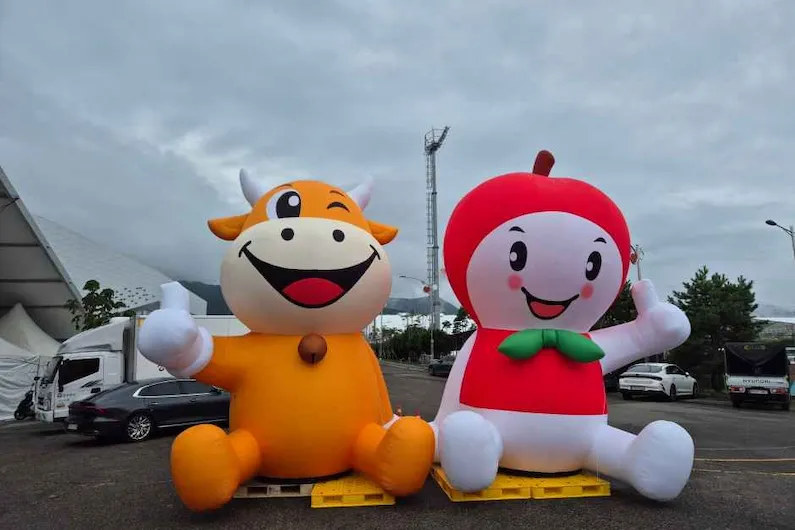
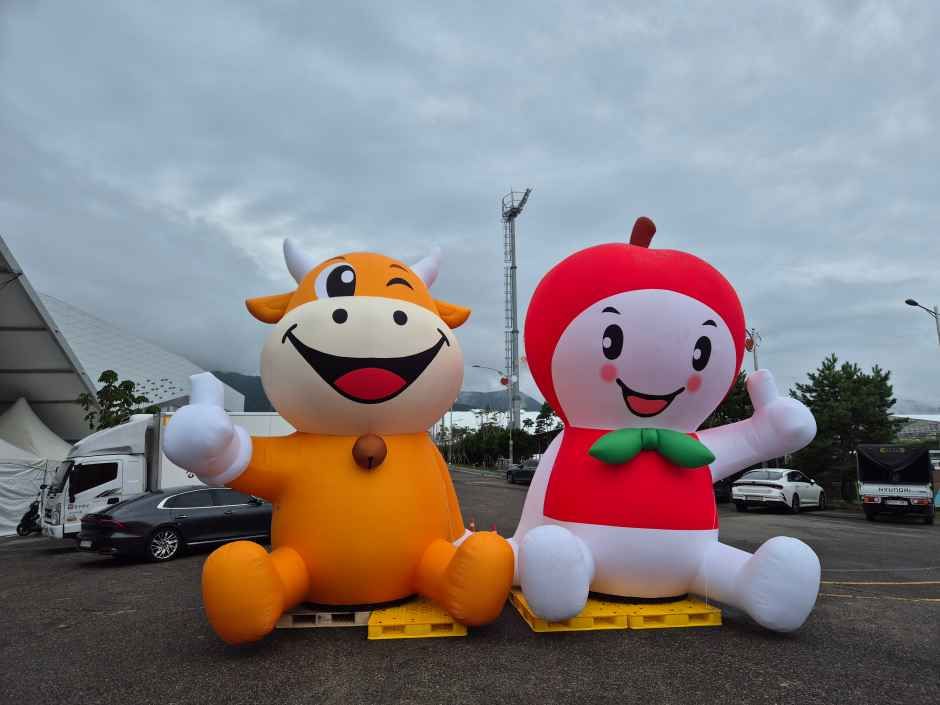
Jangsu-gun is the country’s leading production area for Hanwoo (Korean beef) and apples, and this festival is built around both. First held in 2007, the Jangsu Hanwoo and Apple Festival is Korea’s first red-color festival and reaches its 20th edition in 2026. In 2024, the festival expanded its scope beyond individual agricultural specialties to include Jangsu Red Food, a category covering Hanwoo, apples, omija, and tomatoes. That expansion also brought in processed products such as apple beer, apple soju, apple bread, and omija liquor. What began as Korea’s first red-color festival has since grown into Korea’s first red-food festival, and it is now positioned as a major cultural tourism festival in the country.

Main programs

  • Jangsu Hanwoo Yard and Apple Yard: the nation’s largest-scale display of the region’s two signature products, along with a Red Food Zone
  • Jangsu Red Food cooking with Hong Seok-cheon
  • Making Jangsu temple food

Side programs

  • National Hanwoo carcass carrying experience
  • Jangsu Cultural Center Gitjeol-nori
  • Jangsu Cultural Center Shining Orchestra

Consumer participation programs

Visitors can join hands-on activities throughout the festival, including making apple keyrings, making apple keycaps, apple golf, apple fishing, and apple and omija rice cake pounding.

Other content

  • 1,700kg Hanwoo seed bull experience

Visitor information

📍 Address: 378 Hannuri-ro, Jangsu-eup, Jangsu-gun, Jeonbuk Special Self-Governing Province

🛏️ Accommodation near the event

💰 Fee: Free

📞 Inquiry: 063-350-2356

🖥️ Homepage: Jangsu Hanwoo and Apple Festival

장수한우랑사과랑축제

What is Hanwoo?

Hanwoo is the native cattle breed of Korea, raised on the peninsula for more than two thousand years. It is used for beef and is known for heavy intramuscular fat, which appears as fine white marbling. The fat has a relatively low melting point, so it softens quickly during cooking and contributes to a tender texture. The flavor is mild, slightly sweet, and not overpowering, with a short finish rather than a lingering aftertaste.

Production is regulated in stages, from calf rearing through feeding and aging. Hanwoo cattle are typically raised longer than commodity beef cattle and are fed a diet that often includes locally grown grain and forage. Carcasses are graded on marbling, color, and maturity, with the top grades reserved for beef with the most even fat distribution. This system is one reason Hanwoo is more expensive than imported beef.

Jangsu County, in North Jeolla Province, is a major Hanwoo-producing area. Its inland location gives it cool nights and a wide temperature range, which farmers say helps cattle develop fat slowly. The county also has granite-based soil and clean water, both relevant to the feed and pasture used for the herds. Jangsu farmers maintain a regional certification system and market their beef under the Jangsu Hanwoo brand. The cattle are generally processed after two to three years, longer than typical beef production, and the resulting meat is sold through local co-ops, direct orders, and restaurants.

The annual Hanwoo and Apple Festival in Jangsu combines the region’s two main agricultural products. It offers tastings, cooking demonstrations, and direct sales from farms. For anyone interested in Korean beef, the festival is a convenient place to compare several producers in one setting. Hanwoo is also available in Korean barbecue restaurants in major cities, where it is usually grilled over charcoal and served with salt, ssamjang, or a light soy-based sauce.

Analytics