Jangsu Hanwoo and Apple Festival
🗓️ 2026.09.10 ~ 2026.09.13
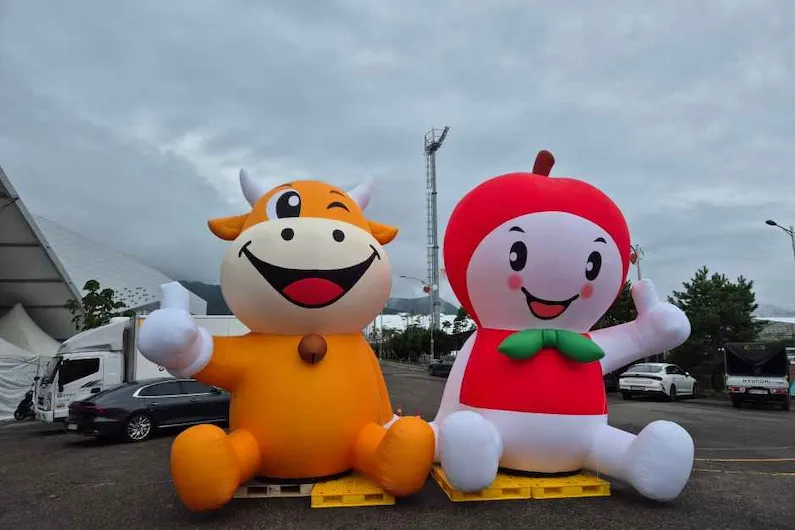
Jangsu-gun is the country’s leading production area for Hanwoo (Korean beef) and apples, and this festival is built around both. First held in 2007, the Jangsu Hanwoo and Apple Festival is Korea’s first red-color festival and reaches its 20th edition in 2026. In 2024, the festival expanded its scope beyond individual agricultural specialties to include Jangsu Red Food, a category covering Hanwoo, apples, omija, and tomatoes. That expansion also brought in processed products such as apple beer, apple soju, apple bread, and omija liquor. What began as Korea’s first red-color festival has since grown into Korea’s first red-food festival, and it is now positioned as a major cultural tourism festival in the country.
Main programs
- Jangsu Hanwoo Yard and Apple Yard: the nation’s largest-scale display of the region’s two signature products, along with a Red Food Zone
- Jangsu Red Food cooking with Hong Seok-cheon
- Making Jangsu temple food
Side programs
- National Hanwoo carcass carrying experience
- Jangsu Cultural Center Gitjeol-nori
- Jangsu Cultural Center Shining Orchestra
Consumer participation programs
Visitors can join hands-on activities throughout the festival, including making apple keyrings, making apple keycaps, apple golf, apple fishing, and apple and omija rice cake pounding.
Other content
- 1,700kg Hanwoo seed bull experience
Visitor information
📍 Address: 378 Hannuri-ro, Jangsu-eup, Jangsu-gun, Jeonbuk Special Self-Governing Province
🛏️ Accommodation near the event
💰 Fee: Free
📞 Inquiry: 063-350-2356
🖥️ Homepage: Jangsu Hanwoo and Apple Festival
What is Hanwoo?
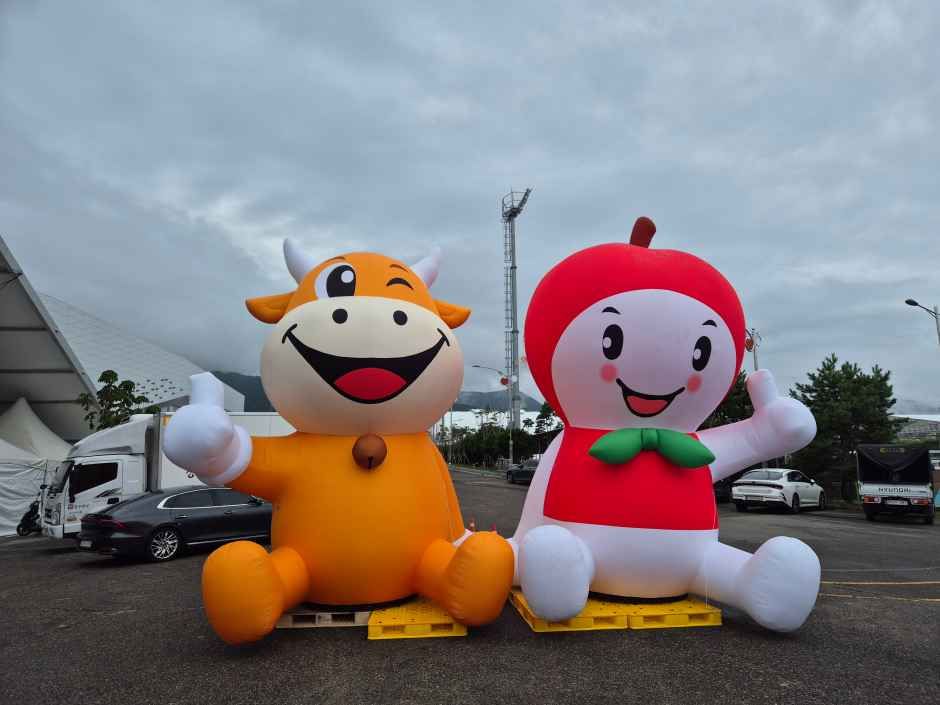
Hanwoo is the native cattle breed of Korea, raised on the peninsula for more than two thousand years. It is used for beef and is known for heavy intramuscular fat, which appears as fine white marbling. The fat has a relatively low melting point, so it softens quickly during cooking and contributes to a tender texture. The flavor is mild, slightly sweet, and not overpowering, with a short finish rather than a lingering aftertaste.
Production is regulated in stages, from calf rearing through feeding and aging. Hanwoo cattle are typically raised longer than commodity beef cattle and are fed a diet that often includes locally grown grain and forage. Carcasses are graded on marbling, color, and maturity, with the top grades reserved for beef with the most even fat distribution. This system is one reason Hanwoo is more expensive than imported beef.
Jangsu County, in North Jeolla Province, is a major Hanwoo-producing area. Its inland location gives it cool nights and a wide temperature range, which farmers say helps cattle develop fat slowly. The county also has granite-based soil and clean water, both relevant to the feed and pasture used for the herds. Jangsu farmers maintain a regional certification system and market their beef under the Jangsu Hanwoo brand. The cattle are generally processed after two to three years, longer than typical beef production, and the resulting meat is sold through local co-ops, direct orders, and restaurants.
The annual Hanwoo and Apple Festival in Jangsu combines the region’s two main agricultural products. It offers tastings, cooking demonstrations, and direct sales from farms. For anyone interested in Korean beef, the festival is a convenient place to compare several producers in one setting. Hanwoo is also available in Korean barbecue restaurants in major cities, where it is usually grilled over charcoal and served with salt, ssamjang, or a light soy-based sauce.
