Upcycling Festival
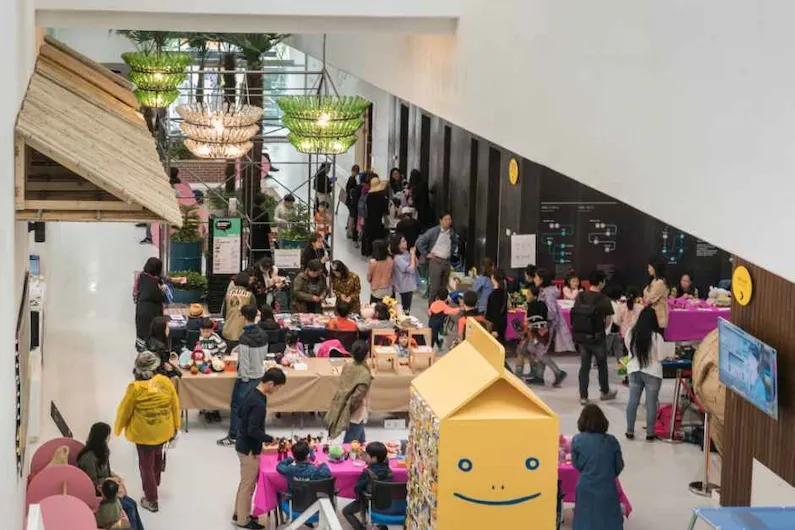
The Upcycling Festival is an environmental culture festival held with the aim of spreading the culture of resource circulation and upcycling. It takes place over three days in early September in Seongdong-gu, Seoul, and brings together upcycling companies, organizations, creators, and citizens in a single space. The festival is designed to inform visitors about the value of upcycling and sustainable lifestyles while building a shared consensus on resource circulation—through experiences, exhibitions, performances, and participation programs rather than passive viewership.
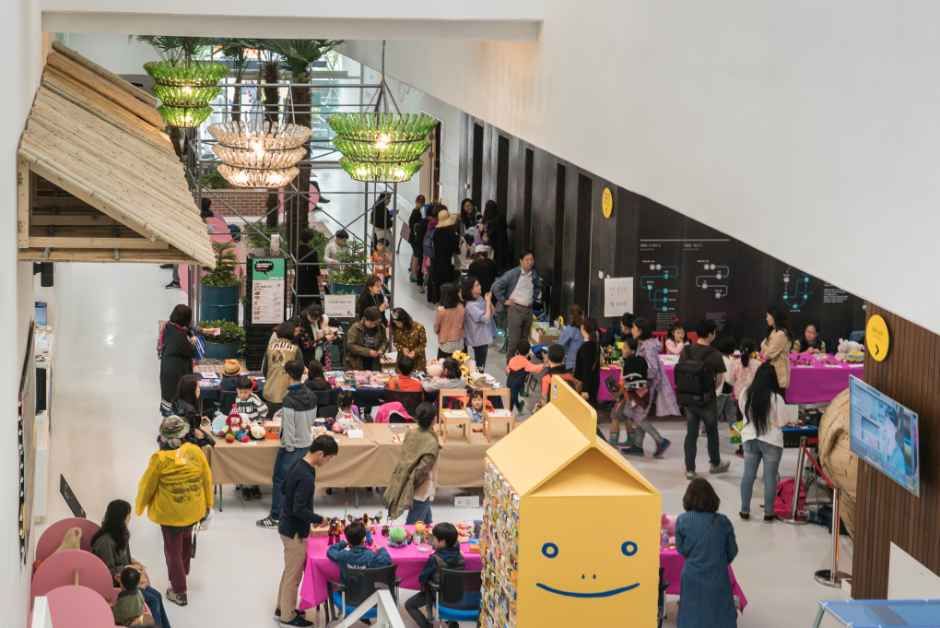
The event is structured as a complex cultural festival open to anyone regardless of age or social class. Its contents include an upcycling market, repair programs, hands-on experiences, exhibitions, performances, and picnic spaces. That breadth is part of what sets it apart from a conventional eco-fair or flea market: it combines the commercial energy of a market with the participatory nature of a workshop, the showcase function of an exhibition, and the atmosphere of a street festival. For visitors, the appeal lies in doing as much as seeing—repairing a broken item, bidding in an auction, joining a competition, or settling into a picnic space while performances go on around them.
Another distinguishing feature is the festival’s commitment to applying eco-friendly methods to its own operation. It aims to implement a sustainable festival model, meaning the event is organized to practice the resource circulation it promotes.
Program Highlights
Opening Ceremony
The festival begins with an opening ceremony featuring guest greetings, citizen events, and stage performances. It functions as a formal start to the three-day program and a welcome to visitors.
Contest
A central component of the festival is the upcycle contest, which includes an awards ceremony and an exhibition of the entries. The contest gives creators and citizens a platform to showcase what can be made from discarded materials, and it gives visitors a chance to see the range of ideas that upcycling can produce.
Citizen Participation Programs
This set of programs is where the festival’s participatory character is most visible:
- Upcycle Competition — a hands-on competition in which participants create upcycled works.
- Refresh Auction — an auction featuring refreshed, upcycled items.
- Upcycling Special Tour — a guided tour centered on upcycling and the festival’s key spaces.
- Open Studio — a program that opens up the workspaces of upcycling creators to visitors.
- Toy Resource Circulation Experience Zone — a dedicated zone where toys are the focus of exchange, repair, and upcycling activities, offering a family-friendly entry point into resource circulation.
Upcycling Market
The market portion of the festival is organized into distinct zones:
- Repair zone — where visitors can bring items to be repaired instead of discarding them.
- Children’s market — a market zone for children, introducing younger visitors to the idea of exchange and reuse.
- Sales & experience zone — booths offering upcycled goods alongside hands-on activities.
- F&B — food and beverage stalls, providing refreshment within the festival grounds.
- Seoul Zero Market — a section focused on zero-waste products and practices, in line with the festival’s resource circulation mission.
Side Events
Beyond the main programs, the festival includes a range of lighter, ongoing activities:
- Upcycling Mission Run — a run with upcycling-themed missions.
- Playground — a space for rest and play, suitable for families and children.
- Stage performances & busking — live music and street performances throughout the festival.
- Ongoing events — continuous activities that visitors can join at any point during the day.
Visitor Information
🗓️ Date: 2026.09.04 ~ 2026.09.06
📍 Address: 49 Jadongchasijang-gil, Seongdong-gu, Seoul (Yongdap-dong)
🛏️ Accommodations near the event
💰 Fee: Free
📞 Inquiry: 070-4289-5542
⭐️ Instagram: https://www.instagram.com/seoulupcycling/
🖥️ Website: https://www.seoulup.or.kr/
Upcycling is the practice of turning discarded materials, old objects, or waste into something useful, often with more value than the original. Recycling breaks materials down to create new products, usually of similar or lesser quality. Upcycling keeps the core form of the item intact. An old wooden pallet can become a bookshelf; worn-out jeans can become a tote bag; glass bottles can become lamps.
This approach reduces waste and limits the demand for new materials. It also avoids some of the energy and processing that recycling and manufacturing require. Because upcycling is hands-on, it offers a direct way for people to engage with the objects they use, rather than treating them as disposable.
In Seongdong-gu, residents and visitors can take part in upcycling activities. These programs are practical: participants bring in items that would otherwise be thrown away and learn how to repair or repurpose them. The result is less waste going to landfills and a clearer sense of how everyday objects can be reused.
