2026 Goyang Haengju Hanwoo Charcoal Grill Festival: Enjoy Premium Korean Beef and Family Fun at Huge Discounts

2026 Goyang Haengju Hanwoo Charcoal Grill Festival: Enjoy Premium Korean Beef and Family Fun at Huge Discounts

Goyang Haengju Hanwoo Charcoal Grill Festival

The Haengju Hanwoo Charcoal Grill Festival is a two-day regional event held in Goyang Special City to promote Haengju Hanwoo, the city’s premium Korean beef brand. Organized around the deep flavor of Hanwoo grilled over charcoal, the festival gives visitors direct access to safe, healthy livestock products raised under thorough quality control. It also serves as a meeting point where local farms and consumers come together, sharing in the region’s harvest and abundance.

Key details

  • 🗓️ Dates: 2026.10.31 ~ 2026.11.01
  • 📍 Address: 16 Wondang-ro, Deogyang-gu, Goyang-si, Gyeonggi-do (Jugyo-dong)
  • 💰 Fee: Free

Main programs

The centerpiece of the festival is the Haengju Hanwoo grilling area, which seats 1,000 visitors for on-site charcoal grilling. Alongside the food, the main stage hosts invited singer performances and dance performances, providing entertainment throughout the event.

Tasting and shopping

The side programs are built around direct sales and sampling. All livestock product categories—including Hanwoo, Handon (Korean pork), eggs, chicken, honey, and Seoul Milk—are offered at 20–50% discounts, with free tasting and sampling available across every participating booth. For visitors, this is a practical chance to compare products side by side and buy directly from the farms that produced them.

Family activities

Consumer participation programs include a bubble show, a magic show, and prize distribution. Free experience booths offer face painting and balloon art, making the festival accessible to younger visitors and families.

Practical information

Goyang Haengju Hanwoo Charcoal Grill Festival

What is Hanwoo?

Hanwoo is the cattle breed native to the Korean Peninsula. It has been raised there for centuries, and its beef is distinguished by fine marbling and a savory, mildly sweet flavor. The intramuscular fat has a low melting point, which contributes to a tender texture when cooked. Compared with imported grain-fed or grass-fed beef, Hanwoo has a different balance of fat and flavor, and is generally used in Korean dishes such as bulgogi, galbi, and yukhoe.

Raising Hanwoo involves controlled feeding and aging, and the carcass is graded on a scale that includes marbling, meat color, fat color, and texture. The top grade, 1++, is reserved for carcasses with very high marbling and is the most expensive. Because production is limited and quality varies, Hanwoo is usually sold at a premium and served on occasions that justify the cost.

The Goyang Haengju Hanwoo Charcoal Grill Festival offers an opportunity to eat Hanwoo at lower prices than typical restaurants. The beef is grilled over charcoal at the festival, which adds smoke and a charred exterior while keeping the interior moist. The event is held in Goyang, northwest of Seoul, and is one of the larger local food festivals dedicated to Hanwoo.

Daejeon Noodle Battle Festival 2026: A Complete Guide to the Best Global Noodle Dishes and Events

Daejeon Noodle Battle Festival 2026: A Complete Guide to the Best Global Noodle Dishes and Events

Noodle Battle Festival

🗓️ 2026.11.13 ~ 2026.11.15

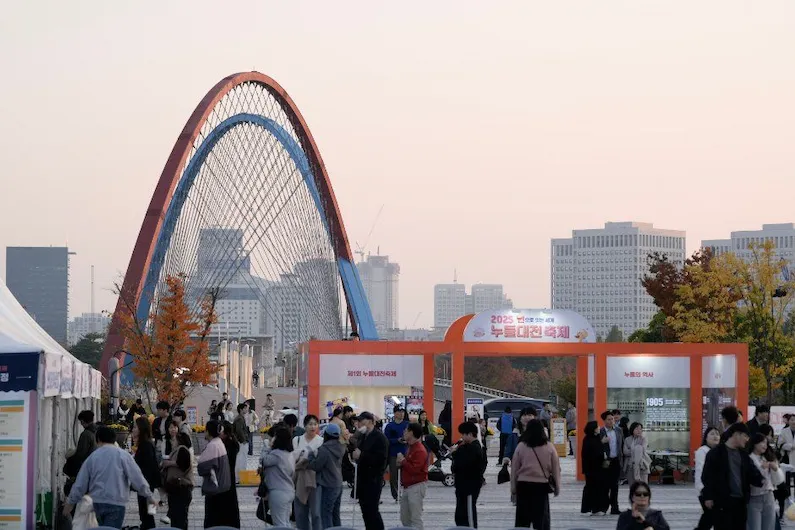
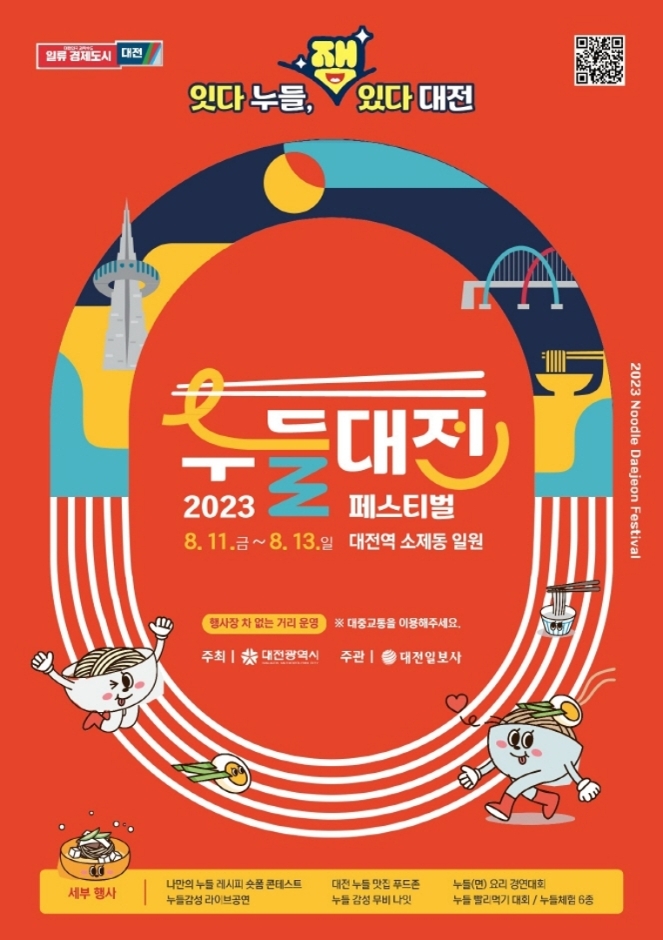
The Noodle Daejeon Festival—also known as the Noodle Battle Festival—is Daejeon’s representative gourmet festival, hosted by the Daejeon Ilbo and sponsored by Daejeon Metropolitan City. Planned to discover new tourism resources for Daejeon, the festival provides a special venue where visitors can enjoy a wide range of noodle dishes in one place, from kalguksu—which boasts the largest scale in the country—to original tastes passed down through generations.

This year’s festival features the Global Noodle Zone, where you can taste noodle dishes from around the world; the Noodle Master Competition, where you can watch local culinary department students take on creative challenges; the Noodle Festival theme pavilions from previous years; and a spectacular Star Chef Cooking Show presented by famous chefs, along with various programs that everyone can enjoy.

Main Program

  • Global Noodle Zone — Taste noodle dishes from around the world in one place.

Side Programs

  • Star Chef Cooking Show — A spectacular cooking show presented by famous chefs.
  • Noodle Theme Pavilion — The Noodle Festival theme pavilions from previous years.
  • Noodle Master Competition — Creative challenges from local culinary department students.
  • Food Truck Zone — The festival’s food truck zone.

Consumer Participation Programs

  • Stage recreation — Activities such as guessing ramen and noodle cup stacking.
  • Experiential programs for all ages — Face painting, making noodle cups, making your own chopsticks, Noodle Four-Cut (Life Four-Cut), theme pavilion quiz crane, and more.

Event Information

  • 📍 Address: 30 Gyeryong-ro 904beon-gil, Jung-gu, Daejeon (Munhwa-dong)
  • 🛏️ Accommodation near the event
  • 💰 Fee: Free (Food zone and some small business-linked experiential programs are paid)
  • 📞 Inquiry: 042-251-3801
  • 🖥️ Website: noodle-dj.com

Noodle Daejeon Festival

Daejeon is South Korea’s fifth-largest city. It has been called “Asia’s Silicon Valley,” a name that reflects the concentration of research institutions: KAIST, Daedeok Innopolis, and dozens of government laboratories are based there. It is also a rail junction; KTX lines from Seoul, Busan, and Mokpo meet at Daejeon Station.

The city’s food reputation is less widely discussed, but it is distinctive. Daejeon-style kalguksu is a local version of a common Korean noodle soup. The noodles are hand-cut wheat noodles in a milky, savory broth, usually made by simmering beef and anchovy stock. It is served with seasoned soy sauce and fresh vegetables. The recipe varies by neighborhood and restaurant, and the best-known places are modest eateries near the old central markets and Daejeon Station, where cooks once fed travelers passing through the railway junction. That background explains why the city is associated with a bowl of noodles, and why an international noodle festival has a natural place here.

2026 Game Culture Festival in Busan: Experience K-Game IPs, E-sports, and Live OSTs for Free

2026 Game Culture Festival in Busan: Experience K-Game IPs, E-sports, and Live OSTs for Free

Game Culture Festival

🗓️ 2026.11.19 ~ 2026.11.22

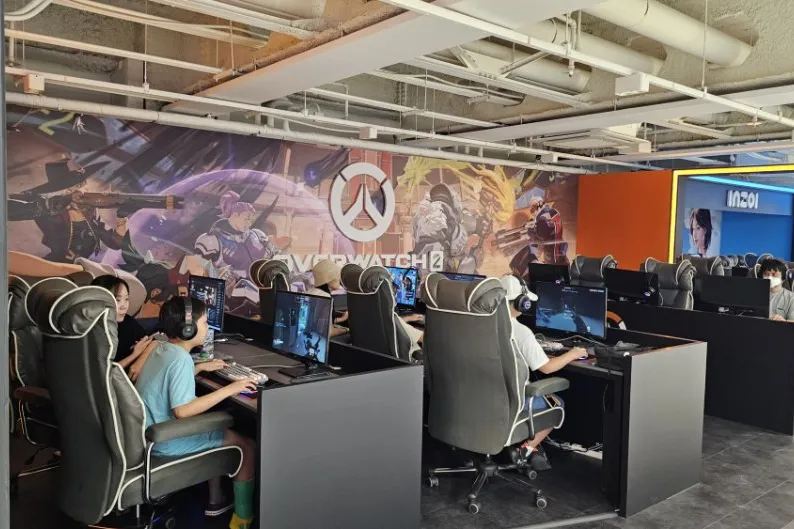
The 2026 Game Culture Festival is Korea’s representative game festival, promoting the cultural value of games and offering hands-on experiences for people of all ages and genders. This year’s edition brings together an unusually wide range of attractions: exhibitions of representative K-Culture game IPs that have won over players around the world, game OST live performances rearranged with grand traditional Korean music melodies, family game experience zones where parents and children can enjoy time together, thrilling e-sports competitions, and event programs designed for broad participation. Admission is free, which makes it easy to explore, play, and enjoy the festival at your own pace. More than a play event, it is a space where games meet art, culture, and intergenerational communication.

Main Programs

  • Game IP Exhibition Experience Hall — Explore and experience game content in immersive experience zones that reflect the worldviews of popular domestic and international games.

Side Programs

  • Game OST Performance (11/19) — Live performances reinterpreting OSTs from major game companies through traditional Korean music and popular music.
  • E-sports Competition (11/21) — Valorant Amateur Finals.

Event Programs

  • Souvenir distribution through mission games — Stamp tour rewards, satisfaction survey rewards, and other rewards provided to those who complete the programs.
  • Guerrilla events — Silhouette quiz, 3-second quiz, OX quiz, and more.
  • Time events — K-GAME quiz and lucky draw.
  • E-sports viewing party — Broadcast of the Valorant amateur competition.
  • IP special events — Guest talks, fan quizzes, and other IP-focused activities.

📍 Address: 30 APEC-ro, Haeundae-gu, Busan (U-dong)

🛏️ Accommodation near the event

💰 Fee: Free

📞 Inquiry: 02-546-7378

⭐️ Instagram: http://instragram.com/kocca_official

🖥️ Homepage: https://kgcf.kr/

Game Culture Festival

“K-Game IPs” refers to intellectual properties created by Korean game developers: original characters, settings, storylines, and franchises. An IP is what makes a game distinct, and it can extend beyond the game itself into merchandise, webtoons, animation, and other media. Well-known examples include Lineage, MapleStory, Dungeon & Fighter, and PUBG: Battlegrounds.

At the Busan festival, K-Game IPs are presented through booths, exhibitions, and interactive experiences. The aim is to show the range of Korean game development and give visitors a way to engage with the fictional worlds these games have built—either ones they already know or ones they have not encountered yet.

2026 Sunchang KOREA Tteokbokki Festa: Experience the Ultimate K-Food Celebration and Traditional Fermentation Culture

2026 Sunchang KOREA Tteokbokki Festa: Experience the Ultimate K-Food Celebration and Traditional Fermentation Culture

Sunchang KOREA Tteokbokki Festa

🗓️ 2026.11.21 ~ 2026.11.22

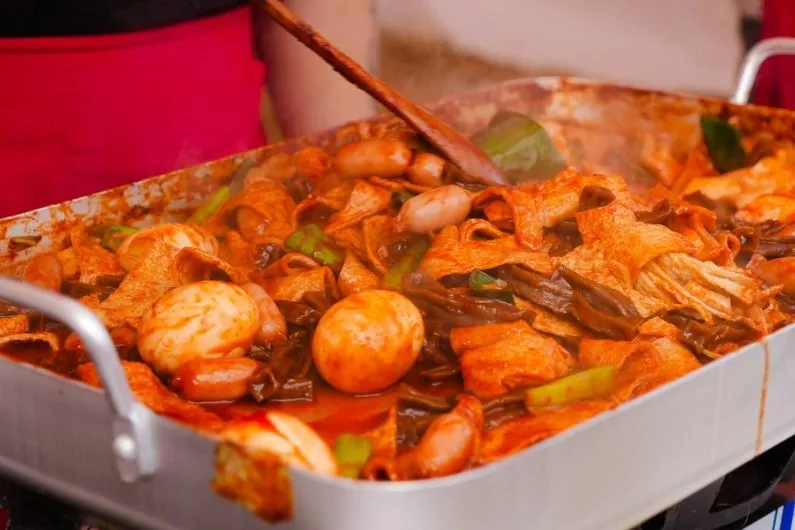
Sunchang-gun in Jeonbuk State has a reputation as the home of fermentation, built on the traditional pastes that give the region’s cuisine its character. It is here that the Sunchang KOREA Tteokbokki Festa will be held, a two-day festival themed around tteokbokki — a dish widely recognized as an icon of K-FOOD. The festival’s focus is on unique tteokbokki recipes made with the region’s traditional pastes, combining gastronomy with tourism through exhibitions, tastings, experiential programs, and photo zones.

By pairing Sunchang’s fermentation culture with the popularity of K-FOOD, the festival presents a range of attractions designed to engage all five senses. Its programs are laid out so that visitors of all ages — from family groups to the MZ generation — can take part at their own pace. The event is also intended to support the local economy: photo zones for recording memories, hands-on content, and the wider draw of Sunchang’s food culture all contribute to bringing visitors into the region.

1. Main Programs

1) Muk-dang-gye (Gastronomy and Food Program)

This track covers the festival’s taste-focused activities.

  • Tteokbokki Lab: A gastronomic program for encountering the flavor and appeal of various tteokbokki styles.
  • Village Competition: Villages in the Sunchang area participate by presenting their own distinctive tteokbokki.
  • Tteokbokki Popularity Vote: Visitors taste the tteokbokki on offer and vote for their favorite.

2) Nol-dang-gye (Visitor Participation Program)

This track turns participation itself into entertainment.

  • Find the Tteokbok-King (AR): A game that uses augmented reality to guide visitors through the festival grounds in search of the Tteokbok-King.
  • Street Tteokbokki Sketch: A street sketching contest in which participants draw tteokbokki-themed artwork freely.
  • Burn the Tteokbokki: A hands-on experiential program involving direct visitor participation.

3) Jeong-dang-gye (Regional Linkage Program)

This track connects the festival to Sunchang’s paste-making heritage.

  • Gochujang Folk Village Tour: A tourism program featuring a tour of the Sunchang Traditional Gochujang Folk Village with a focus on experiencing paste culture.
  • Master’s Tteokbokki Sauce Making: An experiential program where visitors make a tteokbokki sauce based on Sunchang’s traditional paste methods.

4) Swim-dang-gye (Stay-over Tourism Program)

This track extends the festival beyond its daytime hours.

  • A Night in Sunchang: A stay-over tourism program through backpacking, offering a chance to enjoy Sunchang’s nature and slower rhythm after the festival.

2. Side Programs

1) Performance and Culture/Arts Program

  • Paste Microorganism Character Puppet Show: A puppet show featuring characters drawn from the microorganisms involved in paste fermentation.
  • Tteokbokki Flash Mob Dance: A flash mob performance with a tteokbokki theme.
  • Nanta Tteokbokki Local Resident Performance: A Nanta staging by local residents, tying the festival’s food theme to Korean percussion performance.
  • Bubble & Magic Show: A bubble show and magic performance suitable for all ages.

2) University · Regional Win-Win Program

  • University Tteokbokki Competition: A competition in which university students present creative tteokbokki dishes.
  • University Flash Mob Competition: A dynamic performance competition held by university students.
  • Sunchang Tteokbokki Goods Business Group (Sunchang-dong Stationery Store): A venue selling tteokbokki- and Sunchang-themed goods.
  • Tteokbokki Pop-up Store (Sunchang-dong Tteokbokki): A university-linked pop-up store selling tteokbokki.
  • Festival Academy: An educational program on festival planning and operations, run in partnership with universities.

3) Other Facilities

  • Tteokbokki Photo Zone: A photo space for capturing tteokbokki-themed memories.
  • Culture and Arts Experience Booth: A space for engaging with various cultural and artistic content.
  • Lucky Tteokbokki: An on-site participatory game of time-guessing using a stopwatch.

3. Other Food, etc.

1) Eup/Myeon Tteokbokki Zone (11 booths)

Booths offering tteokbokki that reflect the characteristics of each local eup and myeon in Sunchang, all made with the region’s traditional gochujang. This is an opportunity to taste tteokbokki that exists only in Sunchang, the home of gochujang.

2) University Tteokbokki Zone (3 booths)

University-linked tteokbokki booths with participation from Jeonju University, Honam University, and others, selling dishes that carry the creative ideas and individuality of the students behind them.

3) Nationwide Alley Tteokbokki Zone (11 booths)

Alley tteokbokki restaurants from across the country in one place, letting visitors sample the taste and charm of different regional styles without leaving the festival.

4) Tteokbokki Friends Zone (10 booths)

Snack foods that pair well with tteokbokki, such as fried sides and sundae, with enough variety to round out the meal.

5) Flea Market and Regional Agricultural/Specialty Product Sales

A flea market selling regional agricultural products, specialty goods, and various items, including meal kits that carry Sunchang’s characteristics.


📍 Address: 55 Jangryu-ro, Sunchang-eup, Sunchang-gun, Jeonbuk State

🛏️ Accommodation near the event

💰 Fee: Free admission (some programs have a fee)

📞 Inquiry: 063-653-1827

⭐️ Instagram: https://www.instagram.com/tteokbokki_festa/

🖥️ Website: https://www.xn--331br0fh8ct4gsta39jcye4pmo9gg0d0sk.com/

Sunchang KOREA Tteokbokki Festa

What is Sunchang known for?

Sunchang County, in North Jeolla Province, is known for fermented foods, especially Sunchang gochujang, a red chili paste used across Korean cooking. It is made from soybeans, chili, glutinous rice, and salt, and aged in earthenware jars called onggi. Sunchang’s cool mountain air, clean water, and large daytime-to-nighttime temperature swings are commonly cited as favorable conditions for slow fermentation.

The county also produces doenjang (fermented soybean paste) and ganjang (soy sauce), both made from fermented soybean blocks called meju. Like gochujang, they are aged for long periods in onggi. Recipes and techniques have been handed down through local families, and the products are valued for their fermented, savory flavor.

Sunchang’s fermented pastes are central to local events. The Sunchang KOREA Tteokbokki Festa, for instance, uses the county’s gochujang as the base for the sauce of Korea’s popular spicy rice cake dish. The festival includes tastings and demonstrations of traditional fermentation, giving visitors a direct look at the foods that gave the county its reputation.

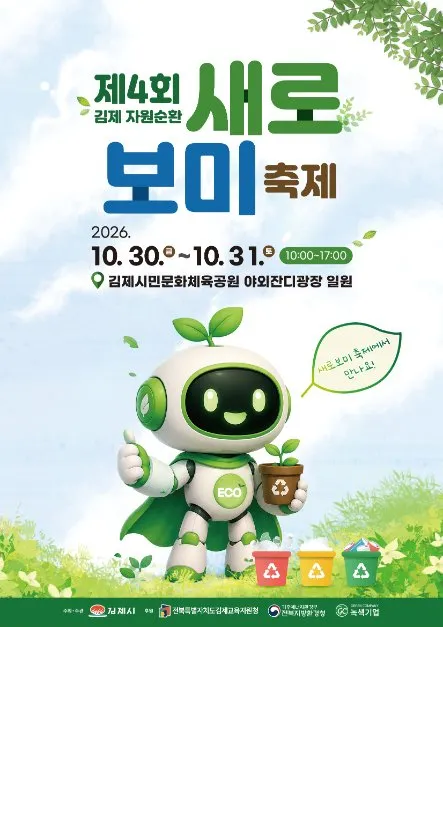
Gimje Resource Circulation New Vision Festival 2026: Master Sustainable Living Through Hands-On Upcycling Workshops

Gimje Resource Circulation New Vision Festival 2026: Master Sustainable Living Through Hands-On Upcycling Workshops

Gimje Resource Circulation New Vision Festival

🗓️ 2026.10.30 ~ 2026.10.31
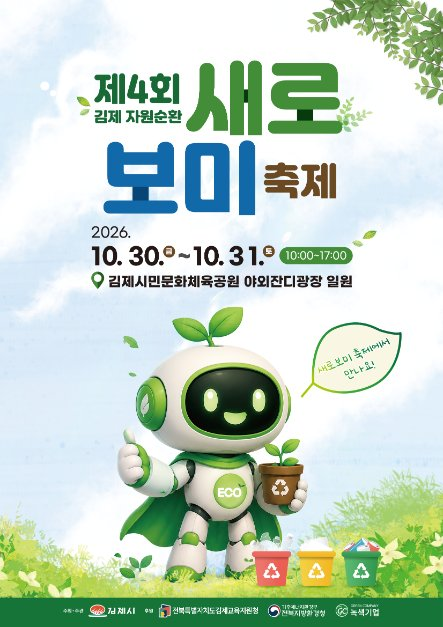
Gimje Resource Circulation Saerobomi Festival

The Gimje Resource Circulation New Vision Festival — known locally as the Saerobomi Festival — returns for its fourth edition on October 30–31, 2026. Held to commemorate Resource Circulation Day, the event exists to make the case for treating waste as a resource and to show what proper separate discharge looks like in practice. The festival’s Korean name carries its thesis: “Saerobomi” means “looking at discarded waste as a new resource.” Waste is not the end of a product’s life; it is the raw material for a new one.

The festival deals with environmental issues that come up in every household: sorting waste correctly, recycling what can be recycled, and reusing what would otherwise be thrown away. Its aim is to shift perception from a “use once and discard” pattern toward a continuous cycle in which resources keep their value. Rather than relying on lectures, the festival makes its point through experience. Visitors can tour a resource sorting center, check their habits through an AI analysis room, watch a recycling-themed performance, and take part in workshops that turn coffee grounds, PET bottles, paper cups, and old books into usable objects. Admission is free, and the site includes food trucks for when the making sessions build up an appetite.

Because the programs are spread across five zones, it is worth planning a route before arriving. The sections below outline what each zone offers.

Resource Circulation Zone

The festival’s educational core, this zone explains why resource circulation matters and how discarded materials become new resources. Programs include:

  • Resource Circulation Research Institute (Entrance Arch)
  • The Earth that Failed in Resource Circulation
  • Theme Pavilion (Saero’s Mission Briefing)
  • Resource Circulation Education Center
  • AI Resource Circulation Tendency Analysis Room

Saerobomi Zone

The largest zone, Saerobomi Zone mixes exhibitions, collection points, quizzes, and a dense lineup of hands-on making workshops. Gimje City and outside organizations — including KEPCO Gimje Branch and Beautiful Store — run promotion halls here, and visitors can also drop off materials such as paper milk cartons, batteries, and waste pharmaceuticals.

Exhibitions and promotion halls:

  • Gimje City Promotion Hall
  • Corporate Promotion Hall (KEPCO Gimje Branch, Beautiful Store)
  • Operation Headquarters
  • Environmental Protection Experience using Machine Learning
  • Sea’s Jeonju Sea Glass
  • AI Separate Discharge Research Institute
  • Gimje City Resource Processing Exhibition
  • Gimje Resource Sorting Center Experience
  • AI Upcycling Research Institute

Collection and exchange programs:

  • Collection of Paper Milk Cartons and Batteries
  • Collection of Waste Pharmaceuticals, Dish Soap
  • Exchange of Cans and Transparent PET Bottles

Quizzes and games:

  • Waste is Money, Recycling is Play
  • Pick a Card and Slide In! Separate Discharge Quiz!
  • Proper Waste Separate Discharge Soccer O/X Quiz

Making workshops:

  • Eco-friendly Keyrings Made with 3D Pens
  • Rediscovery of Straws (Making Bag Hangers)
  • Coffee Ground Ssarikong-i Keyring Making
  • Today-View Tomorrow-View Sochang Dishcloth
  • Wood Sharp & Wood Stamp Making
  • Cork Flowerpot Making
  • Birch Mirror Making
  • Making My Own Keycap
  • PET Bottle Mood Lamp Making
  • Colorful Straw Rainbow Bracelet Making
  • Square Hanging Flowerpot Made of Waste Vinyl and Wood
  • Happy Accessories Made of Leather
  • Paper Cup Decoden Refrigerator Magnet Making
  • Pure Plant-based Hand Cream Making
  • Nature Scent Prescription for Myself
  • My Own Scrubber Containing Nature
  • Making Natural Foam Cleanser for Recycling Containers
  • Wool Dog Making & Bottle Sharing
  • Zero Waste Kitchen Soap Making
  • Old Book Scent Sachet Making
  • Earth Guardian Tumbler Bag Decorating
  • Can-Car Making & Racing
  • Recycled PET Cup Natural Diffuser Cinnamon Flowerpot Making

Nori Zone

The Nori Zone is the festival’s play area — “nori” is Korean for “play” — and it is where families with young children will likely spend most of their time. The zone includes toddler-friendly games made from waste, a bicycle-powered cotton candy machine, and a lucky draw.

  • Resource Circulationist Hope Pledge Wall
  • Carbon Neutral Non-powered Wood Play
  • Toddler Playground PET Bottle Bowling
  • Toddler Playground Waste Fishing
  • Toddler Playground Avoiding Waste Cobwebs
  • Cotton Candy Made by Bicycle
  • S-class Resource Circulationist Lucky Draw
  • S-class Resource Circulationist Life Four Cuts
  • Saerobomi Exchange Office (Iced Tea)
  • Food Trucks
  • Multi-use Container Station
  • Nori Park

Green Zone

The Green Zone pairs art and craft with a quieter atmosphere. Visitors will find the special stage, a coffee truck, a junk art garden made from aluminum cans, and traditional handicraft sessions involving bojagi — the traditional Korean wrapping cloth — and French embroidery.

  • Special Stage
  • Coffee Truck
  • Alu’s Junk Art Garden
  • Saerobomi Resource Circulation Art Center
  • Saerobom Forest
  • Bojagi Knot Utilization Bag Making
  • French Embroidery
  • Bojagi Craft Exhibition

Stage Programs

The stage schedule mixes entertainment with structured competition, with categories divided by age group.

  • Recycling Bubble Performance
  • Challenge Green Bell (Toddler Category)
  • Environmental Puppet Show 「Kongjwi and Patjwi」
  • Challenge Green Bell (Student Category)
  • Saerobomi Challenge
  • Upcycling Work Making Competition (Family Category)

Because admission is free, the main cost is time — with dozens of workshops on offer, a single day is barely enough to cover the festival. Families with specific interests, whether that is the 3D pen keyrings or the can-car race, may want to target those programs first, then explore the rest of the grounds.

Practical Information

📍 Address: 220-23 Dojak-ro, Gimje-si, Jeonbuk-do (Geomsan-dong)

🛏️ Accommodation near the event

💰 Fee: Free

📞 Inquiry: 063-540-3543

⭐️ Instagram: https://www.instagram.com/gimje_saerobomi/

🖥️ Homepage: http://xn--2o2b29duva75i.com/index.php

What is resource circulation?

Resource circulation refers to keeping materials in use for as long as possible, then recovering and regenerating them after each use cycle. It contrasts with the linear process of extraction, production, use, and disposal. In a circular system, waste is treated as an input for further production rather than a final output.

This is not a metaphor. In practice, resource circulation involves repair, reuse, remanufacturing, and recycling. A glass bottle can be returned and refilled; a worn jacket can be re-milled into insulation; construction offcuts can be chipped into particleboard. Each step reduces demand for virgin materials and lowers the environmental cost of disposal. The goal is not perfect infinite recycling but a system in which materials retain as much value as possible.

The Gimje Resource Circulation New Vision Festival 2026 will demonstrate these processes directly. Upcycling workshops will show what happens to commonplace objects after their first use, and how basic tools and techniques can turn them into functional goods. Visitors can expect to learn how material choices affect durability, how to evaluate an item’s second life, and why some materials are easier to recover than others. The point is not to make waste disappear, but to make it less common.
34th Yeongdo Bridge Festival 2026 in Busan: Experience Retro Culture, K-POP, and Culinary Arts

34th Yeongdo Bridge Festival 2026 in Busan: Experience Retro Culture, K-POP, and Culinary Arts

Yeongdo Bridge Festival

Yeongdo Bridge Festival

🗓️ 2026.10.30 ~ 2026.11.01

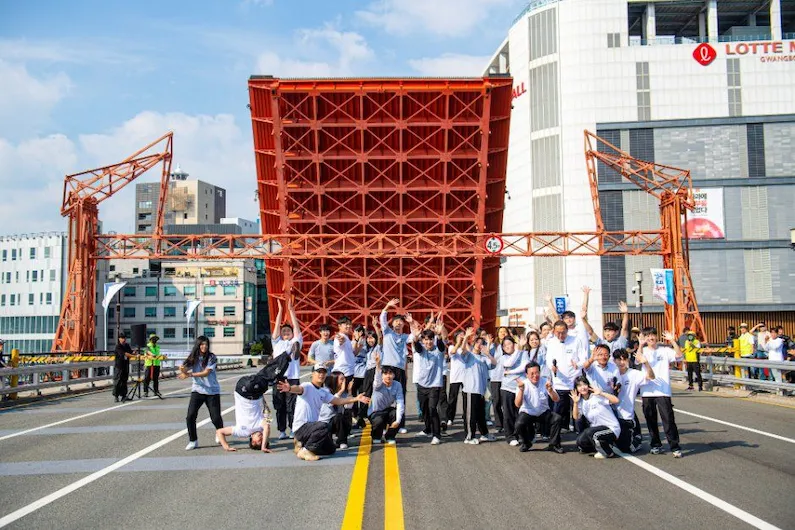
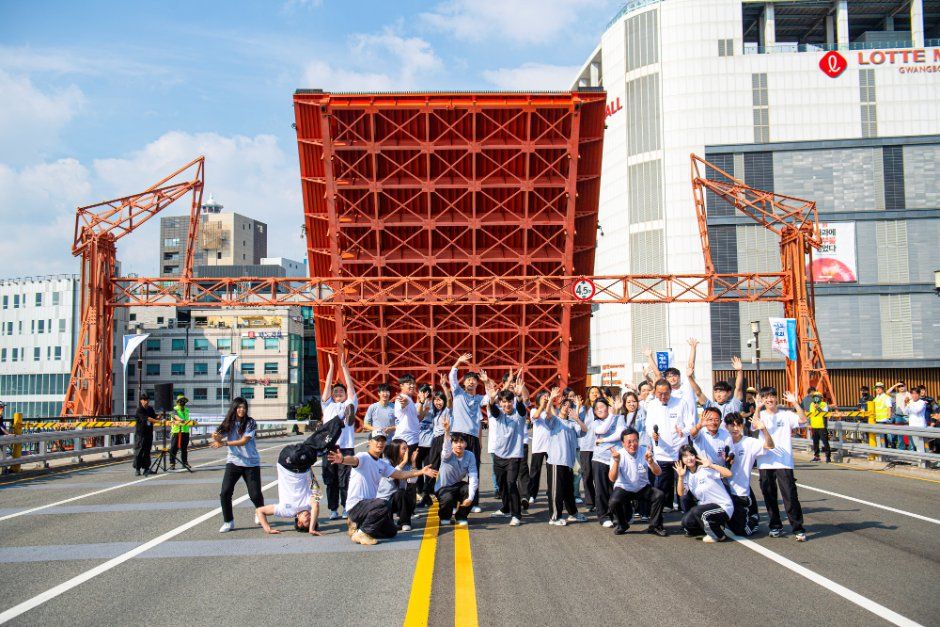
The 34th Yeongdo Bridge Festival serves as the representative cultural celebration of Yeongdo-gu, Busan Metropolitan City, taking place over three days from October 30 to November 1, 2026. Centered around the Bongrae-dong Waterfront and Amir Park, the festival is organized annually to highlight the historical and cultural significance of the Yeongdo Bridge—the vital link connecting the urban city center with the sea—while simultaneously fostering harmony among local residents.

To accommodate a diverse range of activities, the event is split between two distinct venues, each offering a different atmosphere and set of attractions. At the Bongrae-dong Waterfront, visitors will find programs rooted in nostalgia and retro culture, including the opening ceremony, the Memories of Black Rubber Shoes play, the Yeongdo Bridge Silent Cinema, and the Yeongdo Memory Alley. Conversely, Amir Park hosts the festival’s grander spectacles and modern activations, such as the closing ceremony, the Yeongdo Bridge Song Festival, a Star Chef Cooking Show, and various eco-friendly experience programs.

Representative Programs

The festival’s primary attractions are strategically distributed to ensure a balanced experience for attendees:

  • Bongrae-dong Waterfront: This location focuses on artistic and nostalgic expression, featuring the Memories of Black Rubber Shoes play, a variety of street performances and busking festivals, the Yeongdo Bridge Silent Cinema, and a high-energy K-POP dance gala concert.
  • Amir Park: The programming here leans toward entertainment and culinary arts, showcasing a Star Chef Cooking Show, a Fantastic Magic/Balloon/Bubble Show, and a special concert featuring Hidden Singer.

Participatory Programs

Beyond passive observation, the festival encourages active engagement through several community-driven events:

  • Bongrae-dong Waterfront: Guests can immerse themselves in the Yeongdo Retro EDM Festival and the Yeongdo inStar performance.
  • Amir Park: This venue hosts the Yeongdo Bridge Song Festival, the Yeongdo Children’s Festival, and the Cultural Arts Education Festival.

Side Programs

A variety of supporting activities provide a comprehensive leisure experience throughout the event grounds:

  • Bongrae-dong Waterfront: This area includes the main food zone (Blue Port 2021), a dedicated flea market zone, an eco-friendly ESG festival, and the Yeongdo Memory Alley, which includes a resting zone featuring craft beer and snacks.
  • Amir Park: Visitors can explore the Yeongdo institutional promotion and experience exhibitions, engage with eco-friendly programs, leave a message in the Yeongdo Bridge memory mailbox, or visit the available food trucks.

Event Logistics

📍 Address: 45 Haeyang-ro 301beon-gil, Yeongdo-gu, Busan (Dongsam-dong)

🛏️ Accommodations near the event

💰 Fee: Free

📞 Inquiry: 051-403-1862 / 051-419-4062

🖥️ Website: https://www.yeongdo.go.kr/ydfestival.web

What is Yeongdo Bridge?

Yeongdo Bridge is a drawbridge in Busan, South Korea, spanning the channel between the mainland and Yeongdo Island. Completed in 1934 during the Japanese colonial period, it was the first bridge to connect the island to the rest of the city. Its single-leaf bascule design lets the roadway rise from one pivot point, allowing ships to pass through the harbor channel.

The bridge served as a regular transportation route for decades. During the Korean War, it carried civilians and refugees moving through the Busan area, and the period remains part of how the bridge is remembered locally. By the 1960s, the structure had deteriorated enough to require closure to traffic. It stayed closed until a restoration project, completed in 2013, turned it into a pedestrian walkway and cultural site.

The lifting mechanism was retained, and the span is still raised at scheduled times each day for visitors. The bridge now functions as both an example of early 20th-century movable bridge engineering and a visible reminder of the city’s wartime history.

2026 Yecheon Archery Festival: Experience Traditional Korean Bows and Family Fun in Yecheon

2026 Yecheon Archery Festival: Experience Traditional Korean Bows and Family Fun in Yecheon

Yecheon Archery Festival

🗓️ 2026.10.30 ~ 2026.11.01

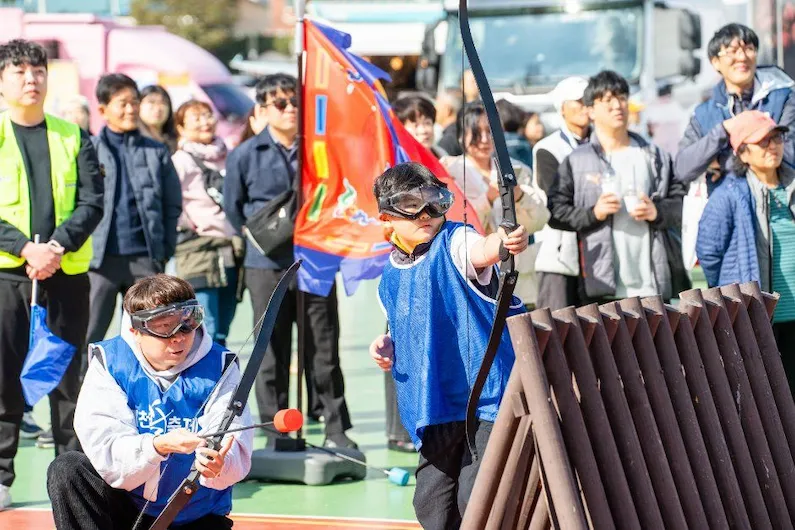
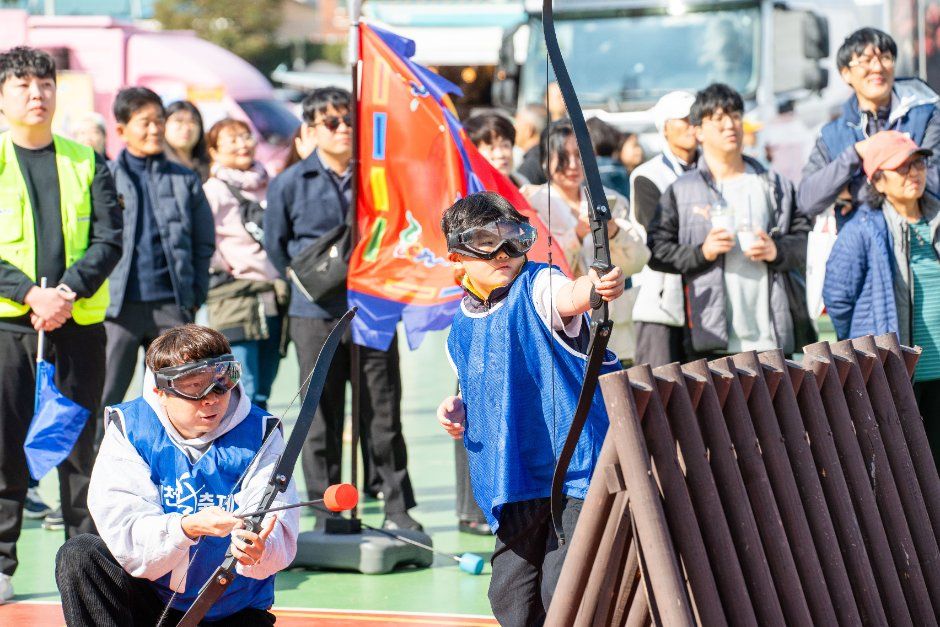
The Yecheon Archery Festival takes place in Yecheon, the representative hometown of bows in Korea, as an event rooted in the region’s bow culture and tradition, where people of all ages and genders can directly experience and enjoy archery in its various forms. The 2026 edition runs for three days, from October 30 to November 1, in the vicinity of Hancheon Sports Park. Alongside archery experiences that cover both standard archery and Gukgung, the traditional Korean bow, the festival operates a range of programs that add fun and challenge elements to the sport. One distinctive feature is the Archery Castle War, where visitors form teams to compete against the opposing camp in thrilling matches built around the bow. Children, for their part, have dedicated activities such as suction bows, making my own bow, air hover balls, and hitting the gong, while the Archery Playground offers air bounces, rides, and sand/cypress play. Combined with performances that include street-style characters and bubble shows, and a designated food zone, the festival delivers a broad mix of sights and activities that all ages can enjoy together.

Experience Programs

  • Archery experience – hands-on shooting for visitors, including Gukgung, the traditional Korean bow.
  • Archery Castle War – a team-based competition in which visitors form teams and compete against the opposing camp.
  • Toddler archery experience – an archery program designed for younger children.
  • Archery Playground – a play area featuring air bounces, rides, and sand/cypress play.
  • Event archery – archery activities that incorporate fun and challenge elements.

Performance Programs

The performance lineup at the festival includes:

  • Hwal-hwal Concert – named using the Korean word for bow.
  • Vitality Concert
  • Black Eagles
  • Yecheon Traditional Music Festival
  • National Dance Competition
  • Children’s performances

Exhibition & Sales

  • Bow-making demonstration
  • Hwal-jjak Market (food booths)
  • Food trucks
  • Haeborae Market (linked event)

Linked Festivals

  • Yecheon Agricultural Products Festival
  • Gyeongsangbuk-do Lifelong Learning Fair

Visitor Information

📍 Address: 310-1 Nambon-ri, Yecheon-eup, Yecheon-gun, Gyeongbuk

💰 Fee: Free

📞 Inquiry: 054-650-6045

⭐️ Instagram: instagram.com/yctf.kr

🖥️ Homepage: yctf.kr/festivals/ywaf2026

예천활축제

What is a traditional Korean bow?

The traditional Korean bow is the gakgung, literally “horn bow.” It is a compact composite recurve bow that was used on the Korean Peninsula for centuries, both in warfare and in everyday practice. Its construction sets it apart from simple wooden bows: layers of water buffalo horn, wood, and animal sinew are bonded with natural adhesive and shaped into a double-recurve form. That design stores and releases energy efficiently, allowing a skilled archer to shoot accurately over long distances despite the bow’s modest size.

When strung, the gakgung takes on a smooth, shallow “M” silhouette. When unstrung, it relaxes into the opposite curve, a defining trait of horn bows. The traditional string was twisted silk, and arrows—called hwasal—were made from bamboo with feather fletching. The draw is smooth but demanding; it rewards steady posture, patience, and consistent release rather than raw strength.

Horn bows require careful attention to climate and handling. They are sensitive to humidity and temperature, and they must be unstrung when not in use to preserve their shape. For much of Korean history, these bows were central to military training and hunting, and their construction was a specialized craft passed down through generations.

Today, a small number of master craftsmen in Korea continue to produce the gakgung by hand, using methods similar to those documented centuries ago. The bow appears regularly at demonstrations and festivals, including the Yecheon Archery Festival, where visitors can watch experienced archers shoot and, in some cases, try the bow themselves. It remains an active part of Korean heritage—less a relic than a practice that is still learned, performed, and maintained.

2026 Buyeo Chrysanthemum Festival: Explore the Beauty of Gungnamji and the Legacy of the Baekje Kingdom

2026 Buyeo Chrysanthemum Festival: Explore the Beauty of Gungnamji and the Legacy of the Baekje Kingdom

Buyeo Chrysanthemum Festival

🗓️ 2026.10.30 ~ 2026.11.08

For those seeking a blend of horticultural artistry and ancient heritage, the 23rd Buyeo Chrysanthemum Festival offers a curated experience that transcends a simple flower show. Spanning ten days from October 30 to November 8, 2026, the event takes place within the grounds of Gungnamji—a landmark of significant historical importance in Buyeo.

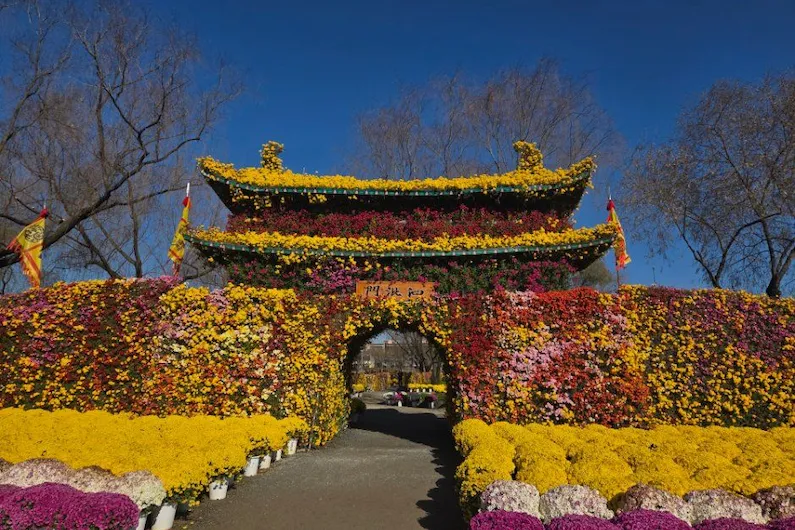
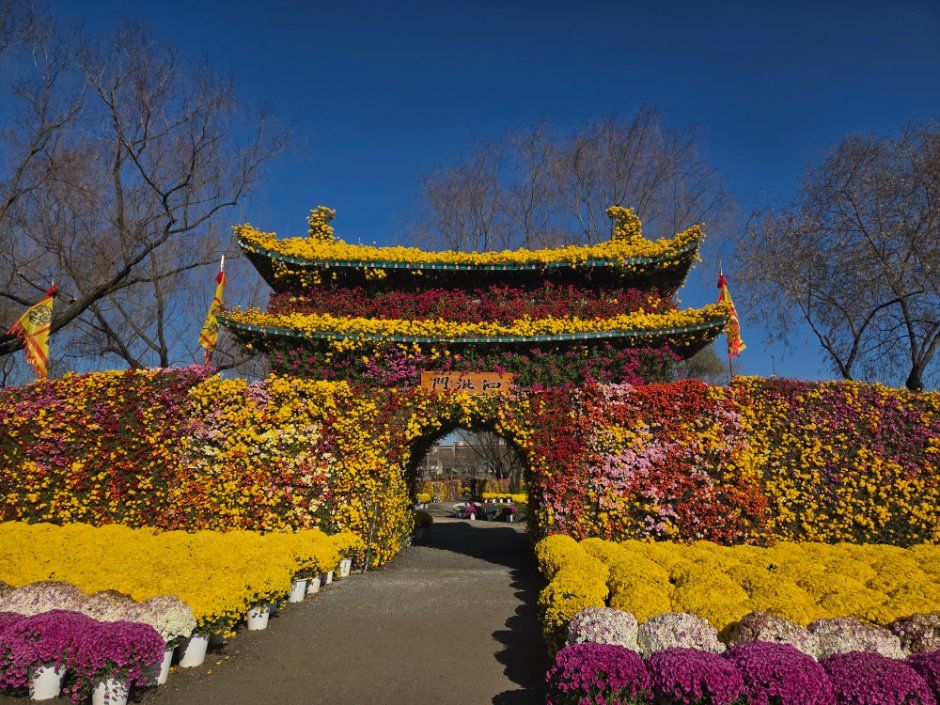
Under the overarching theme, “Chrysanthemums, Piecing Together Fragments of Autumn,” the festival creates a sensory intersection where the delicate beauty of the chrysanthemum meets the enduring legacy of the Baekje Kingdom. What distinguishes this event from other floral festivals is its commitment to cultural storytelling; rather than generic displays, the festival features monumental chrysanthemum sculptures that replicate specific historical icons, such as the Sabi Gate and the Gilt-Bronze Incense Burner.

To organize this vast display, the festival grounds are meticulously partitioned into five themed spaces, each designed to evoke a specific atmosphere:

  • Fragments of History: An exploration of the region’s past.
  • Fragments of Landscape: Wide-scale botanical arrangements that mirror natural scenery.
  • Fragments of Connection: Spaces designed to bridge the gap between the visitor and the environment.
  • Fragments of Scent: An immersion into the olfactory qualities of the blooms.
  • Fragments of Healing: Areas dedicated to tranquility and mental repose.

Beyond the visual spectacles, the event incorporates a variety of interactive elements—ranging from food trucks to promotional sales activities—ensuring that visitors have a diverse array of engagements throughout their visit.

Event Programming

The festival is structured around three primary tiers of engagement:

  1. Main Program: The central attraction consists of the extensive exhibition of professional chrysanthemum works, showcasing the technical skill required to shape these flowers into complex forms.
  2. Side Program: The festivities officially commence with a formal opening ceremony.
  3. Consumer Participation Program: To encourage active involvement, the festival hosts chrysanthemum tea ceremonies, specialized experience booths, and the sale of local specialties. These are complemented by small-scale busking performances that provide a rhythmic backdrop to the exploration.

Visitor Information

📍 Address: Dongnam-ri, Buyeo-eup, Buyeo-gun, Chungcheongnam-do

🛏️ Accommodation near the event

💰 Fee: Free

📞 Inquiry: 041-830-2591

🖥️ Website: https://www.buyeo.go.kr/html/bcfestival/

Buyeo Chrysanthemum Festival

What is Gungnamji?

Gungnamji is an artificial pond in Buyeo, South Korea, built in the sixth century during the Baekje Kingdom. The name means “Palace South Pond,” referring to its position south of the royal palace complex in Sabi, the Baekje capital at the time. The pond served a practical function as a water source for the palace and was also part of the broader landscape design of the capital, reflecting the kingdom’s investment in public works and formal garden architecture.

Today the site is open to the public as a heritage attraction. Its main features are a stone pagoda, pavilions, and a pond covered with lotus plants in summer. The layout is simple, and visitors can walk around the water along established paths. During the Buyeo Chrysanthemum Festival, chrysanthemum arrangements are placed around the pond, providing a seasonal display that complements the historical setting. At other times of the year, the site is relatively quiet and offers an uncomplicated view of what remains of the palace grounds.

2026 Mokpo National Heritage Night Trip: Explore Modern History and Cultural Wonders Under the Stars

2026 Mokpo National Heritage Night Trip: Explore Modern History and Cultural Wonders Under the Stars

Mokpo National Heritage Night Trip

🗓️ 2026.10.30 ~ 2026.11.01

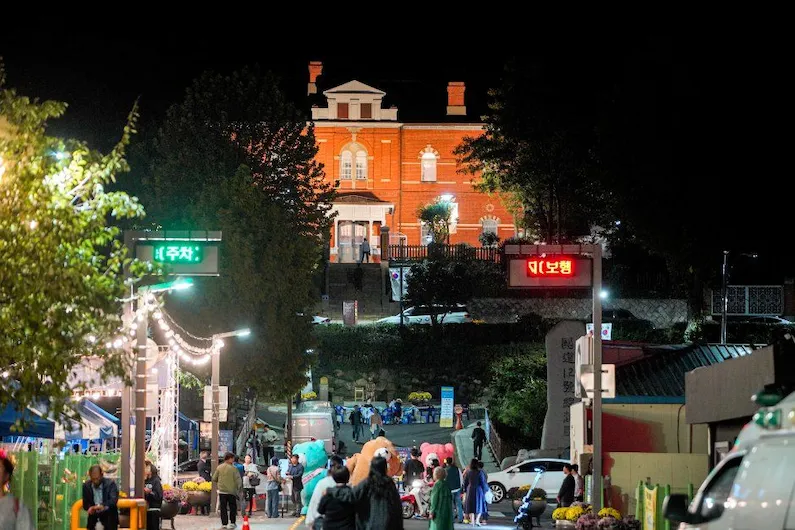
The 2026 Mokpo National Heritage Night is a nighttime cultural heritage event hosted and organized by Mokpo City with support from the National Heritage Administration and the Jeonnam-Gwangju Integrated Special City. It runs for three days from October 30 to November 1, 2026, in the Mokpo Modern History and Culture Space area.

Mokpo National Heritage Night

The event carries the subtitle “Modern Times, The Story of Mokpo’s Opening of the Port 129,” a reference to the 129 years since Mokpo became the first independent open port city of the Korean Empire in 1897. The programs explore the city’s opening of the port and its later development into a modern city. The major cultural heritages in the event area include Modern History Museum Hall 1, Modern History Museum Hall 2, Simsang Elementary School, Gyeongdong Cathedral, and the Mokpo Fortress.

The event is organized into eight themed program categories:

  • Night View (Yagyeong): Lights of History, Cultural Heritage Walk, Modern History Media Art, Manho Salon
  • Night Story (Yahwa): Jade Craft Exhibition with Commentary, Modern Gyeongseong Clothing Experience, Painter’s Alley Art Experience, Dance of Master Dancers, Mac, etc.
  • Night Road (Yaro): Time Road Parade, History Path Walking Tour, Children’s Exploration Path, etc.
  • Night Market (Yasi): Flea Market, Seal Craft Experience, Upcycling Workshop Experience, etc.
  • Night Talk (Yaseol): Namdo Master Singer Series, Moonlight Busking Performance, Jazz Concert within Cultural Heritage, Night Sky Orchestra Vocal Ensemble, etc.
  • Night Food (Yasik): Gourmet Food Truck Night Market, Mokpo Sool-ya, Mokpo Gourmet Road
  • Night History (Yasa): Modern Song Concert with Commentary, Port Opening Ceremony Street Play, Marine Artifact Exhibition and Related Experiences, etc.
  • Night Stay (Yasuk): Mokpo Night Walk Stay

Together, the categories combine night views, hands-on experiences, traditional and contemporary performances, food, and an overnight option. The overall program is designed to convey the historical value of Mokpo’s port opening and modern cultural heritage while letting visitors enjoy the area after dark.

📍 Address: 18 Beonhwa-ro, Mokpo-si, Jeonnam-Gwangju Integrated Special City (Jungang-dong 2-ga)

🛏️ Accommodations near the event

💰 Fee: Free

📞 Inquiry: 061-270-8321

What is Mokpo, and why is it significant in Korean modern history?

Mokpo is a port city at the southwestern tip of the Korean Peninsula, in South Jeolla Province. From the late 19th century through the 20th, it was a major port of entry for maritime trade and travel. Its deep natural harbor and position on routes connecting Korea, China, and Japan made it commercially important, and after the port was formally opened to foreign trade in 1897, the city grew quickly.

That growth was tied to colonial rule. Under Japanese administration (1910–1945), Mokpo became a central point for collecting rice and other agricultural goods from the surrounding region and shipping them to Japan. The port gained railroads, warehouses, banks, and modern infrastructure, but these developments served a colonial economy. Local farmers were subject to production and price policies set by the colonial government, and most of the profits flowed to Japanese businesses and landlords. Mokpo’s expansion was therefore not simply a story of commercial progress; it was also a story of extraction.

The city’s built environment reflects that history. Japanese residential buildings, Western-style commercial structures, and Korean houses were built within the same districts, and many survive today. This is why Mokpo is sometimes described as an open-air museum of the modern period. In the old downtown, the former Japanese consulate, the early-20th-century warehouses along the waterfront, and the tile-roofed houses on the hillside mark different stages of the city’s development.

Mokpo also experienced wider national upheavals. Labor and social movements in the city were notable in the 1920s and 1930s. During the Korean War, the port took in refugees and served as a military logistics point. After the war, industrialization and the growth of other ports reduced Mokpo’s central role in the national economy. The city adjusted, and its population and economy diversified.

None of this history needs to be inferred from generalities. The Mokpo Modern History Museum holds documents, photographs, and objects related to the port’s modern era. The streets themselves contain the physical remains of the colonial economy, the liberation period, and the postwar decades. Those buildings and sites do not tell a single neat story—they show a city whose modern history was shaped by foreign trade, colonial authority, war, and economic change.

2026 Yangju Ground Operations Command Dronebot Festival: Experience Advanced Military Tech and Drone Innovations

2026 Yangju Ground Operations Command Dronebot Festival: Experience Advanced Military Tech and Drone Innovations

Gyeonggi · Yangju · Ground Operations Command Dronebot Festival

🗓️ 2026.10.30 ~ 2026.11.01

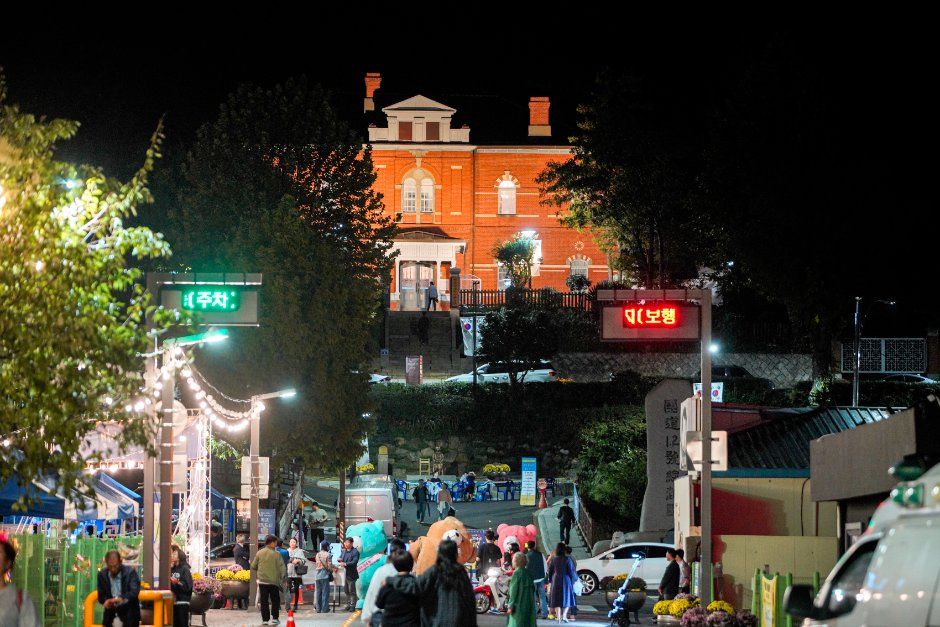
The Gyeonggi · Yangju · Ground Operations Command Dronebot Festival is a coexistence festival of civilians, government, and the military. Jointly hosted by Gyeonggi-do, Yangju-si, and the Ground Operations Command, it will be held for three days from October 30 to November 1, 2026, at the Ganap-ri Airfield in Gwangjeok-myeon, Yangju-si.

The festival is grounded in the 「Ordinance on the Promotion and Support of the Drone Industry in Yangju-si」 and the 「Business Agreement for the Coexistence and Mutual Development of Civilians, Government, and Military at Ganap-ri Airfield」, and backed by a total project cost of 61.2 billion won. Its purpose is to establish a foundation for the drone industry, cultivate a representative festival for the western region, and promote balanced regional development.

For visitors, the event offers a rare look at advanced national defense capabilities and the future of the 4th Industrial Revolution in a single venue. Demonstrations of the Army’s dronebot combat system, exhibitions of USFK combat equipment, showcases by domestic and international advanced drone and robot companies, dronebot competitions, military cultural performances, and citizen experience programs span both worlds. The dronebot—the Army’s combined drone-and-robot concept—serves as the common thread, giving the festival a focus that distinguishes it from conventional drone expositions.

Gyeonggi · Yangju · Ground Operations Command Dronebot Festival

Main Programs

The main programs combine spectacle, ceremony, and competition:

  • Opening and closing ceremonies
  • Drone tactical demonstrations
  • Army Aviation celebratory flight
  • Civilian-military coexistence concert
  • Drone light show
  • Gyeonggi Province Governor · Ground Operations Commander’s Cup Dronebot Competition

The drone tactical demonstrations and the Army Aviation celebratory flight are the clearest draw for fans of military aviation, while the civilian-military coexistence concert and drone light show broaden the program beyond the purely technical. The Gyeonggi Province Governor · Ground Operations Commander’s Cup Dronebot Competition serves as the competitive centerpiece, with participants putting their systems to the test.

Side Programs

Away from the main stage, the side programs cover hardware, industry, and military tradition:

  • Exhibition of USFK (M1 tank, etc.) and ROK Armed Forces (K-2 tank, etc.) combat equipment
  • Product exhibitions of advanced domestic and international drone and robot companies
  • Capital Defense Command MC Parade
  • Special Combat Martial Arts and Army Honor Guard · Military Band demonstration performances
  • Dronebot development seminar

The combat equipment exhibition puts modern armor within arm’s reach, the product exhibitions represent the civilian and commercial side of the drone and robot sector, and the Dronebot development seminar provides context on where the technology is headed. The Capital Defense Command MC Parade, special combat martial arts, and the Army Honor Guard and Military Band demonstration performances carry the ceremonial and cultural side of the event.

Consumer Participation Programs

The consumer programs are the most hands-on part of the festival:

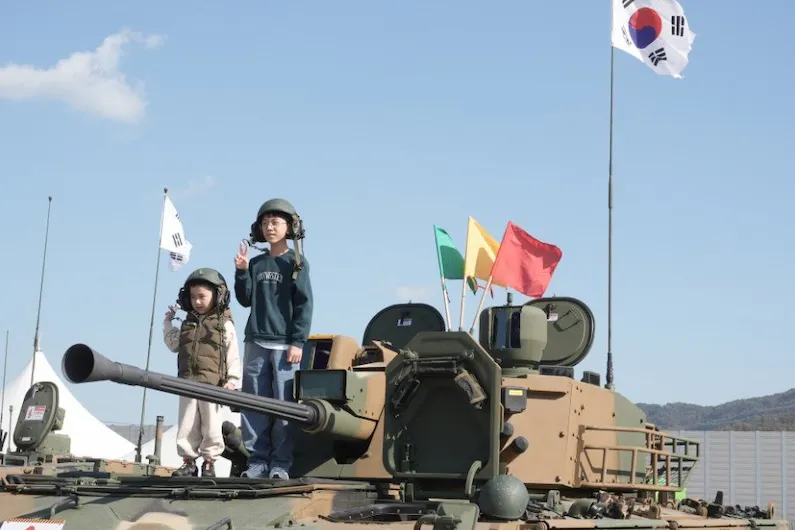
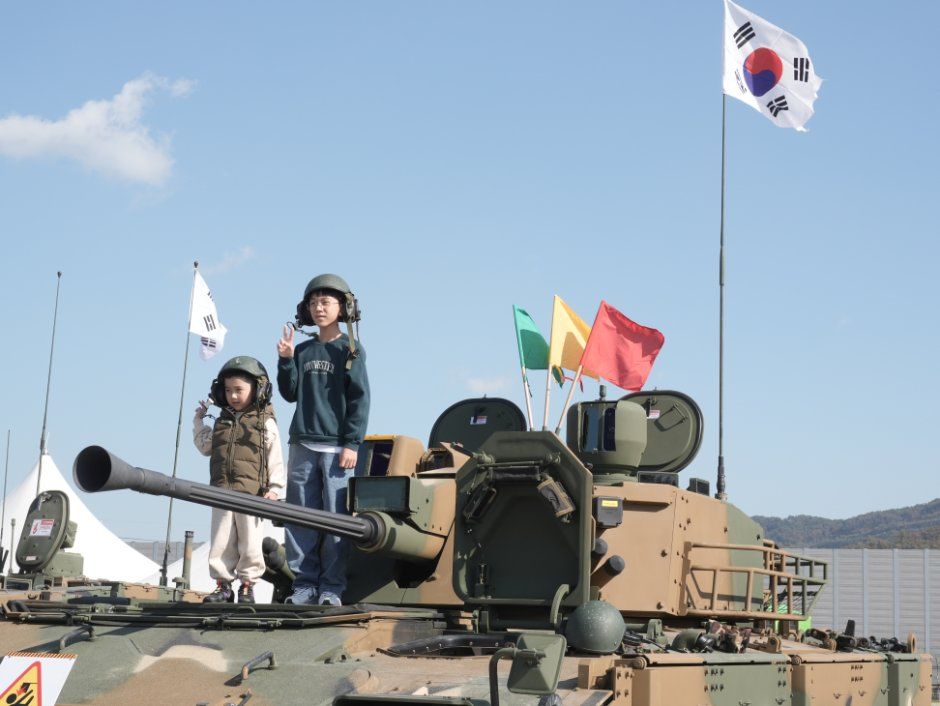
  • Riding experiences in KUH-1 Surion helicopters and K200A1 armored vehicles
  • Warrior Platform equipment experience
  • Dronebot experience booths (drone piloting, simulators, etc.)
  • Food market
  • Police and fire equipment experiences

Many drone festivals are watch-only events; this one relies on participation. The helicopter and armored vehicle rides alone are a rare opportunity, and the drone piloting and simulator booths offer a direct way to get involved for those without an aviation background.

Visitor Information

The event is free, though some experience-related activities may incur a fee. Temporary parking lots and shuttle buses will operate between Baekseok Sports Park and Yangju Arts Center and the event venue, and medical booths, portable toilets, and other convenience facilities will be available.

📍 Address: 52 Samil-ro, Gwangjeok-myeon, Yangju-si, Gyeonggi-do
🛏️ Accommodations near the event
💰 Fee: Free (Some experience-related activities may incur a fee)
📞 Inquiry: 031-8082-6161
🖥️ Website: https://www.yangju.go.kr/

The Ground Operations Command is a field command of the Republic of Korea Army, established in 2019 from the consolidation of the First and Third Field Armies. It commands ground combat units along the front-line region and is responsible for maintaining continuous readiness and responding to local provocations. The command’s structure integrates conventional infantry and armor with surveillance, unmanned aerial vehicle, and robotic assets.

The creation of the command was part of a reorganization of the Army’s upper command echelon, reducing the number of intermediate headquarters between the Army headquarters and front-line corps. Its area of responsibility covers the southern side of the Demilitarized Zone, where its units operate alongside the ROK-US Combined Forces Command and manage training, intelligence, and logistics support.

The Ground Operations Command is also involved in the Army’s wider effort to adopt unmanned systems and artificial intelligence. The Dronebot Festival, held in Yangju under the command’s patronage, is an annual public event in which the military and defense contractors demonstrate drones, robots, and related technology. For the general public, the festival offers a concrete view of equipment used in current operations; for defense professionals, it serves as a forum for examining how these systems are expected to change ground warfare.

Analytics