Mokpo National Heritage Night Trip
🗓️ 2026.10.30 ~ 2026.11.01
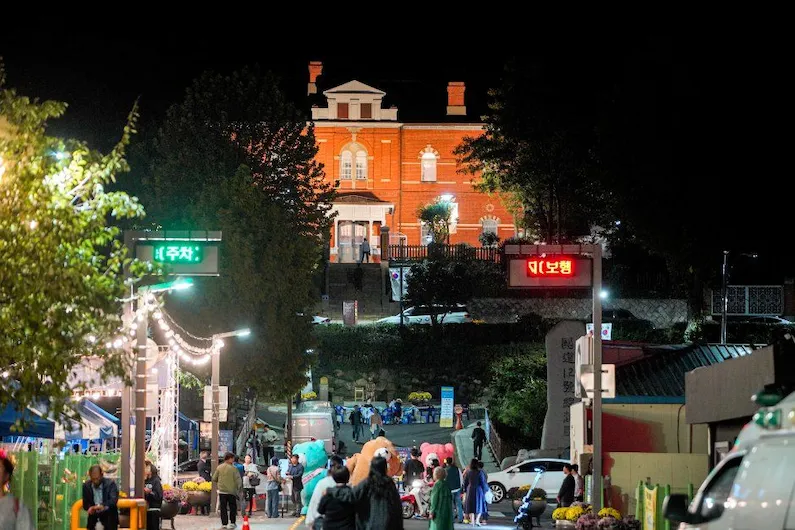
The 2026 Mokpo National Heritage Night is a nighttime cultural heritage event hosted and organized by Mokpo City with support from the National Heritage Administration and the Jeonnam-Gwangju Integrated Special City. It runs for three days from October 30 to November 1, 2026, in the Mokpo Modern History and Culture Space area.
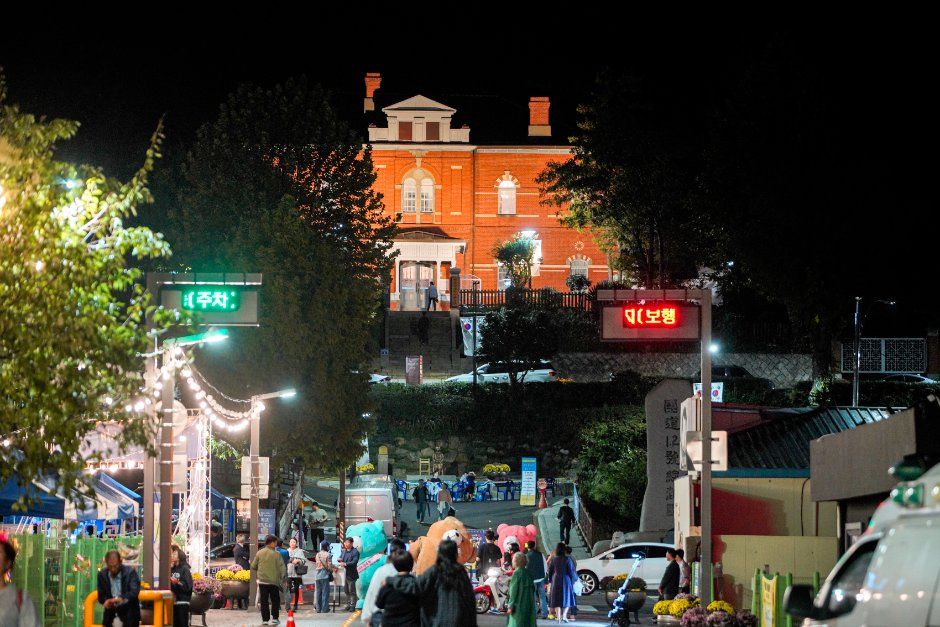
The event carries the subtitle “Modern Times, The Story of Mokpo’s Opening of the Port 129,” a reference to the 129 years since Mokpo became the first independent open port city of the Korean Empire in 1897. The programs explore the city’s opening of the port and its later development into a modern city. The major cultural heritages in the event area include Modern History Museum Hall 1, Modern History Museum Hall 2, Simsang Elementary School, Gyeongdong Cathedral, and the Mokpo Fortress.
The event is organized into eight themed program categories:
- Night View (Yagyeong): Lights of History, Cultural Heritage Walk, Modern History Media Art, Manho Salon
- Night Story (Yahwa): Jade Craft Exhibition with Commentary, Modern Gyeongseong Clothing Experience, Painter’s Alley Art Experience, Dance of Master Dancers, Mac, etc.
- Night Road (Yaro): Time Road Parade, History Path Walking Tour, Children’s Exploration Path, etc.
- Night Market (Yasi): Flea Market, Seal Craft Experience, Upcycling Workshop Experience, etc.
- Night Talk (Yaseol): Namdo Master Singer Series, Moonlight Busking Performance, Jazz Concert within Cultural Heritage, Night Sky Orchestra Vocal Ensemble, etc.
- Night Food (Yasik): Gourmet Food Truck Night Market, Mokpo Sool-ya, Mokpo Gourmet Road
- Night History (Yasa): Modern Song Concert with Commentary, Port Opening Ceremony Street Play, Marine Artifact Exhibition and Related Experiences, etc.
- Night Stay (Yasuk): Mokpo Night Walk Stay
Together, the categories combine night views, hands-on experiences, traditional and contemporary performances, food, and an overnight option. The overall program is designed to convey the historical value of Mokpo’s port opening and modern cultural heritage while letting visitors enjoy the area after dark.
📍 Address: 18 Beonhwa-ro, Mokpo-si, Jeonnam-Gwangju Integrated Special City (Jungang-dong 2-ga)
🛏️ Accommodations near the event
💰 Fee: Free
📞 Inquiry: 061-270-8321
What is Mokpo, and why is it significant in Korean modern history?
Mokpo is a port city at the southwestern tip of the Korean Peninsula, in South Jeolla Province. From the late 19th century through the 20th, it was a major port of entry for maritime trade and travel. Its deep natural harbor and position on routes connecting Korea, China, and Japan made it commercially important, and after the port was formally opened to foreign trade in 1897, the city grew quickly.
That growth was tied to colonial rule. Under Japanese administration (1910–1945), Mokpo became a central point for collecting rice and other agricultural goods from the surrounding region and shipping them to Japan. The port gained railroads, warehouses, banks, and modern infrastructure, but these developments served a colonial economy. Local farmers were subject to production and price policies set by the colonial government, and most of the profits flowed to Japanese businesses and landlords. Mokpo’s expansion was therefore not simply a story of commercial progress; it was also a story of extraction.
The city’s built environment reflects that history. Japanese residential buildings, Western-style commercial structures, and Korean houses were built within the same districts, and many survive today. This is why Mokpo is sometimes described as an open-air museum of the modern period. In the old downtown, the former Japanese consulate, the early-20th-century warehouses along the waterfront, and the tile-roofed houses on the hillside mark different stages of the city’s development.
Mokpo also experienced wider national upheavals. Labor and social movements in the city were notable in the 1920s and 1930s. During the Korean War, the port took in refugees and served as a military logistics point. After the war, industrialization and the growth of other ports reduced Mokpo’s central role in the national economy. The city adjusted, and its population and economy diversified.
None of this history needs to be inferred from generalities. The Mokpo Modern History Museum holds documents, photographs, and objects related to the port’s modern era. The streets themselves contain the physical remains of the colonial economy, the liberation period, and the postwar decades. Those buildings and sites do not tell a single neat story—they show a city whose modern history was shaped by foreign trade, colonial authority, war, and economic change.
