Yecheon Archery Festival
🗓️ 2026.10.30 ~ 2026.11.01
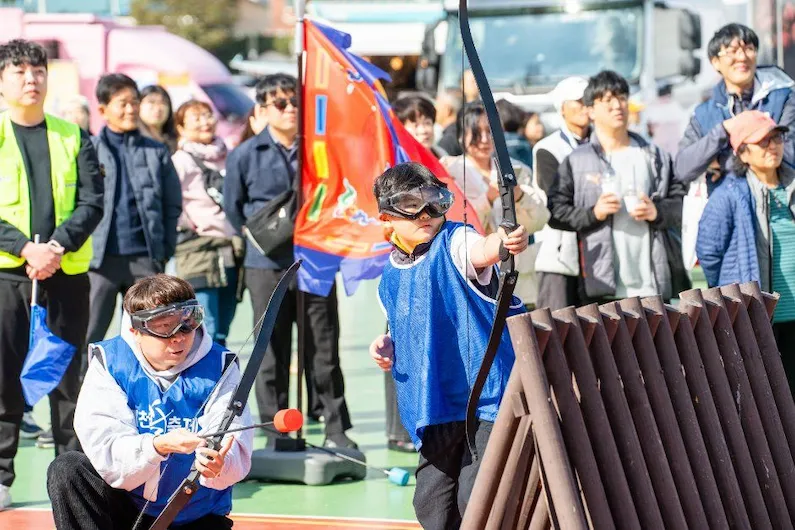
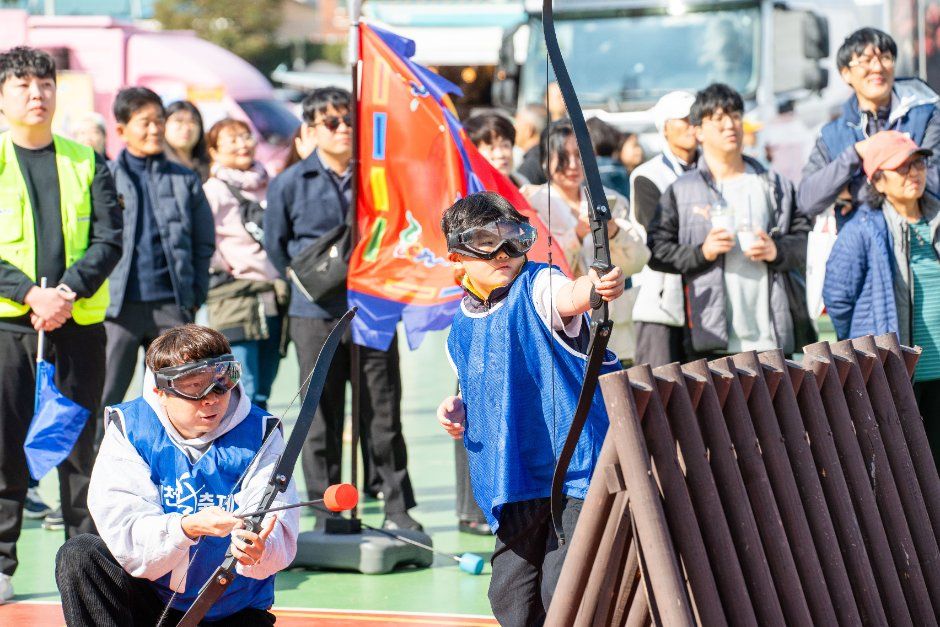
The Yecheon Archery Festival takes place in Yecheon, the representative hometown of bows in Korea, as an event rooted in the region’s bow culture and tradition, where people of all ages and genders can directly experience and enjoy archery in its various forms. The 2026 edition runs for three days, from October 30 to November 1, in the vicinity of Hancheon Sports Park. Alongside archery experiences that cover both standard archery and Gukgung, the traditional Korean bow, the festival operates a range of programs that add fun and challenge elements to the sport. One distinctive feature is the Archery Castle War, where visitors form teams to compete against the opposing camp in thrilling matches built around the bow. Children, for their part, have dedicated activities such as suction bows, making my own bow, air hover balls, and hitting the gong, while the Archery Playground offers air bounces, rides, and sand/cypress play. Combined with performances that include street-style characters and bubble shows, and a designated food zone, the festival delivers a broad mix of sights and activities that all ages can enjoy together.
Experience Programs
- Archery experience – hands-on shooting for visitors, including Gukgung, the traditional Korean bow.
- Archery Castle War – a team-based competition in which visitors form teams and compete against the opposing camp.
- Toddler archery experience – an archery program designed for younger children.
- Archery Playground – a play area featuring air bounces, rides, and sand/cypress play.
- Event archery – archery activities that incorporate fun and challenge elements.
Performance Programs
The performance lineup at the festival includes:
- Hwal-hwal Concert – named using the Korean word for bow.
- Vitality Concert
- Black Eagles
- Yecheon Traditional Music Festival
- National Dance Competition
- Children’s performances
Exhibition & Sales
- Bow-making demonstration
- Hwal-jjak Market (food booths)
- Food trucks
- Haeborae Market (linked event)
Linked Festivals
- Yecheon Agricultural Products Festival
- Gyeongsangbuk-do Lifelong Learning Fair
Visitor Information
📍 Address: 310-1 Nambon-ri, Yecheon-eup, Yecheon-gun, Gyeongbuk
💰 Fee: Free
📞 Inquiry: 054-650-6045
⭐️ Instagram: instagram.com/yctf.kr
🖥️ Homepage: yctf.kr/festivals/ywaf2026
What is a traditional Korean bow?
The traditional Korean bow is the gakgung, literally “horn bow.” It is a compact composite recurve bow that was used on the Korean Peninsula for centuries, both in warfare and in everyday practice. Its construction sets it apart from simple wooden bows: layers of water buffalo horn, wood, and animal sinew are bonded with natural adhesive and shaped into a double-recurve form. That design stores and releases energy efficiently, allowing a skilled archer to shoot accurately over long distances despite the bow’s modest size.
When strung, the gakgung takes on a smooth, shallow “M” silhouette. When unstrung, it relaxes into the opposite curve, a defining trait of horn bows. The traditional string was twisted silk, and arrows—called hwasal—were made from bamboo with feather fletching. The draw is smooth but demanding; it rewards steady posture, patience, and consistent release rather than raw strength.
Horn bows require careful attention to climate and handling. They are sensitive to humidity and temperature, and they must be unstrung when not in use to preserve their shape. For much of Korean history, these bows were central to military training and hunting, and their construction was a specialized craft passed down through generations.
Today, a small number of master craftsmen in Korea continue to produce the gakgung by hand, using methods similar to those documented centuries ago. The bow appears regularly at demonstrations and festivals, including the Yecheon Archery Festival, where visitors can watch experienced archers shoot and, in some cases, try the bow themselves. It remains an active part of Korean heritage—less a relic than a practice that is still learned, performed, and maintained.
