Nagoya Horikawa Water Magic Festival 2026: Enjoy Onboard Beer Bars, Floating Markets, and Riverside Events

Nagoya Horikawa Water Magic Festival 2026: Enjoy Onboard Beer Bars, Floating Markets, and Riverside Events

Horikawa Water Magic Festival 2026

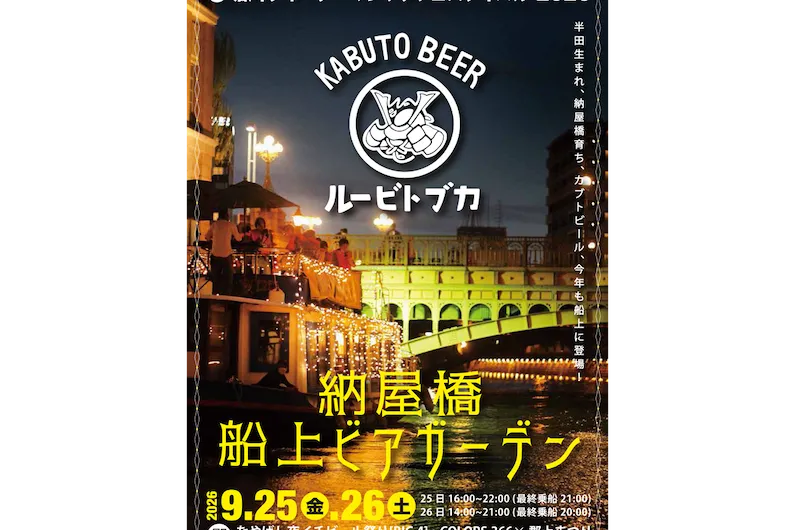
On September 25 and 26, 2026, the Horikawa River and Nayabashi area in Nagoya will host the Horikawa Water Magic Festival. The two-day event revives Showa Nama Kabuto Beer for this occasion only, and pairs it with an onboard beer bar, a floating market on stand-up paddleboards, and the illuminated night view from the water. The riverside is also the site of two concurrent events, so the festival works as a single night out with several different stops.

Onboard Beer Bar

A ferry runs from Pier Nayabashi to the onboard beer bar on the river. On board, you can drink Kabuto Beer or a soft drink while taking in the night view from the water.

  • Date & Time: September 25 (Fri) 16:00–22:00, September 26 (Sat) 14:00–21:00
    The final trip is scheduled for one hour before closing on both days. Depending on congestion, boarding restrictions may be implemented or the final boarding time may be moved earlier, so allow plenty of time. Please also understand if the beer sells out.
  • Price: Enjoyment Ticket: 1,000 yen (includes round trip between Pier Nayabashi and the onboard beer garden, plus one drink). Under-20s: 500 yen. One child of elementary school age or younger is free per one adult (drink not included).
  • Additional Drinks: Kabuto Beer 800 yen, soft drinks 500 yen
  • Boarding Point: Pier Nayabashi (Nayabashi Southeast, in front of Terrasse Nayabashi)

Floating Market

SUPs (Stand Up Paddleboards) will appear on the waters of the Horikawa River to provide snacks and other items.

  • Date & Time: September 26 (Sat), scheduled for the afternoon
  • Price: Free
  • Location: Horikawa Nayabashi area waters

Distribution of SRT Fans

SRT Fans will be distributed at the boarding ticket office. Stickers will also be given to those who follow the official SRT Instagram.

SRT is a new road public transportation system integrated with urban development to expand the mobility of the Nagoya city center and increase ground-level activity. You can board and alight at the Nayabashi bus stop and the Yanagibashi bus stop near Nayabashi.

Concurrent Events

Nayabashi Yo-ichi Beer Festival [BIG4]

In addition to the night market, a special two-day “Yo-ichi” will be held where you can enjoy draft beers from four major manufacturers (Asahi, Suntory, Orion, and Sapporo) that are not usually available. There are also plenty of gourmet stalls, so people who do not drink can enjoy it too.

  • Date & Time: September 25 (Fri) 17:00–21:30, September 26 (Sat) 13:00–21:00
  • Venue: Plazas and promenades between Nayabashi and Nishikibashi

Gujo Festival (COLORS.366 × Gujo)

This popular event lets you experience the full charm of Gujo. The atmosphere of Gujo comes through the Gujo Odori dance, Gujo’s “delicious foods,” and local specialty products. It is an easy stop on the way home from work.

  • Date & Time: September 25 (Fri) 16:00–22:00
  • Venue: COLORS.366

🛏️ View hotels near the event

Event Information

  • Dates: September 25 (Fri) and 26 (Sat), 2026. Canceled in case of rain.
  • Time: 25th (Fri) 16:00–22:00; 26th (Sat) 14:00–21:00
  • Location: Horikawa/Nayabashi Area
  • Price: Free admission (onboard beer garden is paid)
  • Contact: Horikawa Water Magic Festival Executive Committee, TEL: 052-972-2891
  • Homepage: http://horikawa-wmf.com/
  • Access: Get off at “Fushimi” Station on the Subway Higashiyama Line/Tsurumai Line. Approximately 8 minutes walk from Exit 8.
  • Remarks: Only takeout food purchased at the information center special tent (Nayabashi Southeast corner) may be brought onto the onboard beer bar. There is no food for sale on board, so those who require food should purchase it at the information center special tent before boarding.

What is Nagoya’s Horikawa Canal?

The Horikawa Canal is a waterway in Nagoya that runs roughly 15 kilometers from Nagoya Port into the downtown area. It was dug in the early 17th century to transport building materials for Nagoya Castle. After the castle’s construction, it became a commercial route for rice, lumber, and other goods moving between the city and the port. Warehouses and merchant operations lined its banks during that period.

In recent decades, the waterfront was redeveloped for public use. It now has walking paths, illuminated bridges, and open gathering spaces. The canal is also used for city events, including the floating beer bars and market stalls of the Water Magic Festival. It remains an active part of Nagoya’s urban landscape, linking the port area to the center of town while serving as a venue for everyday recreation and seasonal events.
Night Banquet at Changgyeong Palace 2026: Experience a Royal Joseon Dynasty Feast with Your Family in Seoul

Night Banquet at Changgyeong Palace 2026: Experience a Royal Joseon Dynasty Feast with Your Family in Seoul

Night Banquet at Changgyeong Palace

Changgyeonggung Yayeon

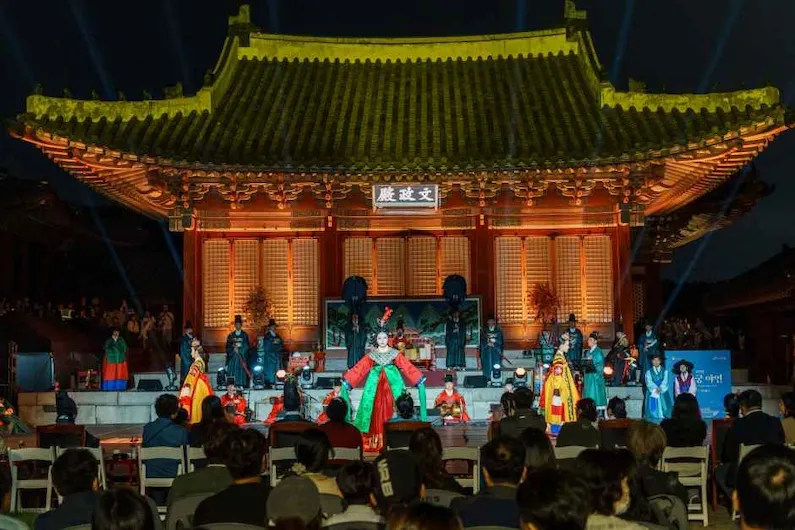
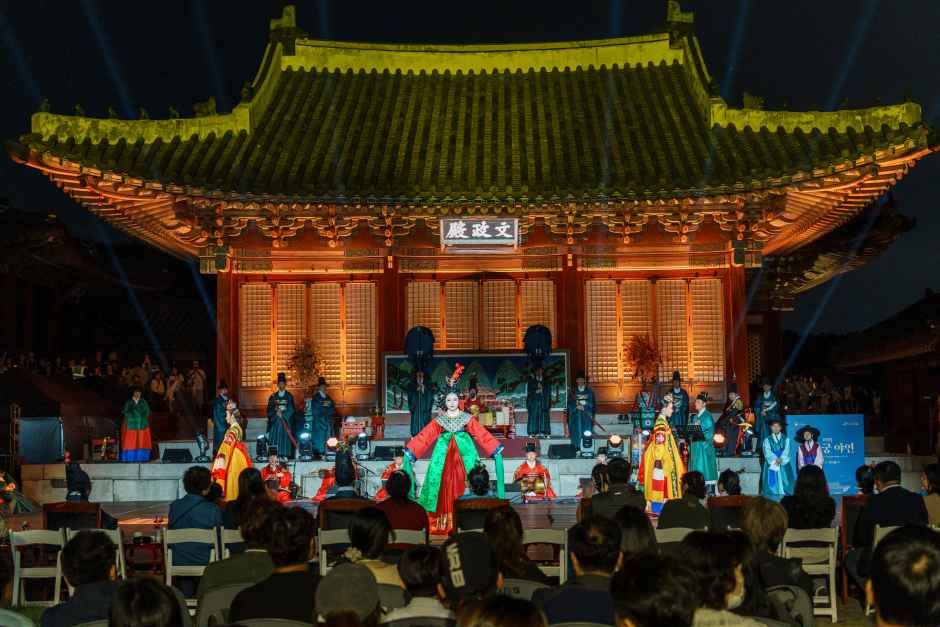
Changgyeonggung Yayeon—”Night Banquet at Changgyeong Palace”—is a family-friendly nighttime royal banquet program that reinterprets the feast Crown Prince Hyomyeong prepared for his father, King Sunjo. The original banquet reflected profound filial piety, and this modern adaptation lets participants enter that world as civil and military officials or as ladies of the outer court of the Joseon dynasty. Dressed in royal attire, guests enjoy royal confections with accompanying family members, watch traditional performances, and take part in traditional experience programs.

🗓️ 2026 schedule

The 2026 program runs for a total of 20 days across two periods:

  • First half: May 7 (Thu) – May 17 (Sun)
  • Second half: September 24 (Thu) – October 4 (Sun)

The event is not held on September 28 (Mon), when Changgyeonggung is closed. The dates include Parents’ Day and the Chuseok holiday, offering a fitting occasion for a family stroll through the palace at night.

📍 Location: 185 Changgyeonggung-ro, Jongno-gu, Seoul (Waryong-dong)

Participation options

1. Paid participants

Paid participants attend the royal nightly banquet as officials or ladies of the outer court. The program includes:

  • Watching royal banquet performances
  • Wearing royal attire and receiving makeup
  • Royal confection experience
  • Filial piety (孝) experience
  • Individual and family photography

2. Accompanying family

Accompanying family members join the banquet and experience programs with paid participants. This includes:

  • Watching royal banquet performances
  • Royal confection experience
  • Writing letters to parents
  • Filial piety (孝) experience
  • Family photo and video filming

3. On-site visitors (free)

On-site visitors can watch a modern reenactment of the Joseon dynasty royal banquet and join side events. This includes:

  • Watching royal banquet performances (first-come, first-served; limited seating)
  • Using select filial piety (孝) experiences and photo zones

💰 Fee: Paid / Free (some experiences and performance viewing)

🛏️ Accommodation near the event

Contact and information

📞 Inquiry: 1522-2295
⭐️ Instagram: Instagram
🖥️ Homepage: Homepage

Changgyeong Palace is one of the Five Grand Palaces built during the Joseon Dynasty (1392–1910) in Seoul. It was constructed in 1483 by King Seongjong as a residence for royal women—queens, dowagers, concubines, and princesses—who lived within the complex. The palace shares a boundary wall with Changdeokgung, but it has a different function and feel. It is smaller, more garden-oriented, and designed around the daily life of the court rather than public ceremony.

The palace has been damaged and rebuilt several times. It was burned during the Japanese invasions of Korea in the 1590s and rebuilt in the early seventeenth century. During the Japanese colonial period (1910–1945), large parts of the grounds were converted into a zoo, botanical garden, and museum. These facilities were later removed, and restoration efforts have since returned the compound to its Joseon layout. Today it is a protected historic site and one of the less crowded royal palaces in Seoul.

Visitors enter through Honghwa Gate, the palace’s main gate, and cross Okcheongyo Bridge, a stone bridge over a narrow waterway. The main throne hall, Myeongjeongjeon, is among the oldest surviving palace buildings in Seoul, and its raised stone platform and double-eaved roof are good examples of early Joseon architecture. The grounds also include a greenhouse, a lotus pond, and shaded paths through the rear garden.

Evening visits are available during certain seasons. The palace is lit after dark, with fixtures positioned along the pavilion eaves and beside the water. The effect is clear and restrained: the buildings remain visible, the paths are walkable, and the site is quiet. It is also a practical place for families, since the grounds are open and the main paths are flat. For visitors who want a Joseon palace without the crowds of Gyeongbokgung, Changgyeong Palace offers a direct and manageable alternative.

2026 Pyeongchang Nongak & Mountain Food Festival: Experience Traditional Korean Culture and Authentic Local Flavors

2026 Pyeongchang Nongak & Mountain Food Festival: Experience Traditional Korean Culture and Authentic Local Flavors

Pyeongchang Nongak & Mountain Food Festival

🗓️ 2026.09.18 ~ 2026.09.20

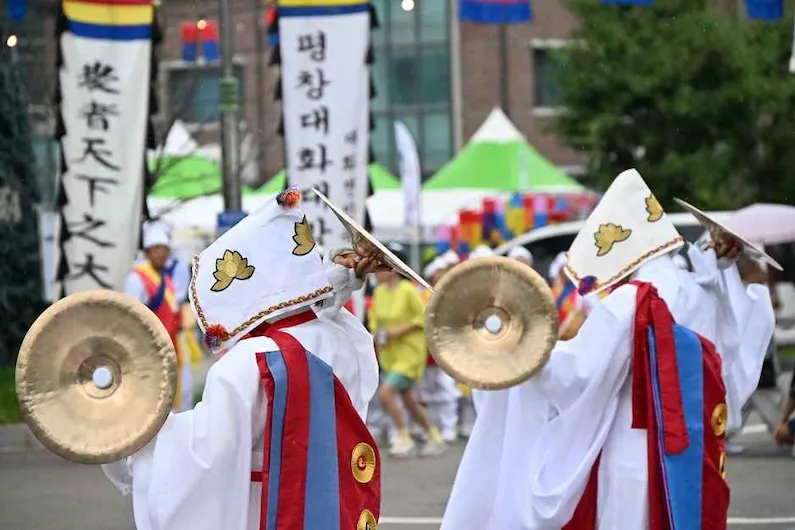
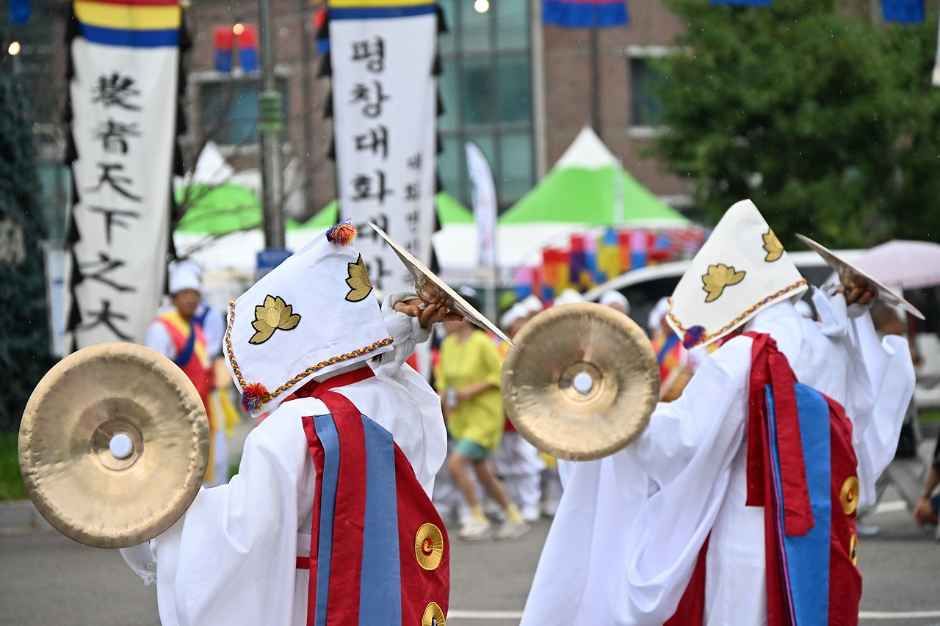
The Pyeongchang Nongak & Mountain Food Festival is held annually in Yongpyeong-myeon, Pyeongchang-gun, the village where the Pyeongchang Dunjeonpyeong Nongak—a representative intangible cultural asset of Gangwon Province—is preserved and carried on. Nongak, Korea’s traditional farmers’ performance, is known for its driving percussion and communal dances, and this festival places that heritage at the center of a weekend of food, performance, and hands-on activities. Over the years, the festival has developed into an event visited by many tourists, since it offers something for people of all ages and genders.

This year’s festival marks its 6th anniversary under the theme “Delicious Sounds of Pyeongchang Love! The Delicious Mountain Food of Exciting Pyeongchang Nongak.” By combining regional mountain food with exciting performances and experiences centered on the Pyeongchang Dunjeonpyeong Nongak, this edition will present a more diverse and abundant range of attractions than before. The event is colorfully composed of various food programs including jar barbecue, skewer grilling experiences, and market-style soup (jangteogukbap), as well as traditional culture experiences and various performances such as madanggeuk (open-air plays). It offers everyone an unforgettable autumn atmosphere of Pyeongchang, where the exciting rhythms of Nongak blend with Pyeongchang’s delicious and generous hospitality.

The programs are organized into four categories:

1. Main Programs
Folk performances (Nongak, Gilnori, Madanggeuk, etc.) and singer performances.

2. Side Programs
Busking (traditional Korean music and fusion gugak, etc.).

3. Experience Programs
Straw craft, folk games, and playing folk instruments, etc.

4. Food
Jar barbecue, skewer grilling experience, etc.

📍 Address: 7 Galjeongji-gil, Yongpyeong-myeon, Pyeongchang-gun, Gangwon-do

🛏️ Accommodations near the event

💰 Fee: Free (Food is paid)

📞 Inquiry: 033-332-4333

🖥️ Website: Website url

Pyeongchang Nongak & Mountain Food Festival

Nongak is a traditional Korean farmers’ performance art. It developed in rural areas as a way for villagers to coordinate labor, mark seasonal events, and maintain communal ties. The music is played on four instruments: the buk barrel drum, the kkwaenggwari small gong, the jing large gong, and the hourglass-shaped janggu. The kkwaenggwari leads the ensemble, while the other instruments maintain the rhythm and shape the pace of each piece.

The performance extends beyond the band. Dancers wear sangmo, caps fitted with long ribbon streamers, and move their heads to draw clean arcs and spirals in the air. Some sections feature staged comic exchanges, processional formations, and direct calls to the audience. These elements give nongak a theatrical character while preserving its origins as a village practice.

Nongak has been performed on stage for decades and was listed by UNESCO as an Intangible Cultural Heritage of Humanity in 2014. At the 2026 Pyeongchang Nongak & Mountain Food Festival, it will be programmed as a main attraction, with performances scheduled throughout the grounds. The presentation will keep the music and movement at the center, rather than using them as background for the food events.

6th Gamaksan Flower Star Travel 2026 in Geochang: Experience the Magic of Purple Chrysanthemums and Autumn Views

6th Gamaksan Flower Star Travel 2026 in Geochang: Experience the Magic of Purple Chrysanthemums and Autumn Views

Gamaksan Flower Star Travel

🗓️ 2026.09.18 ~ 2026.10.11

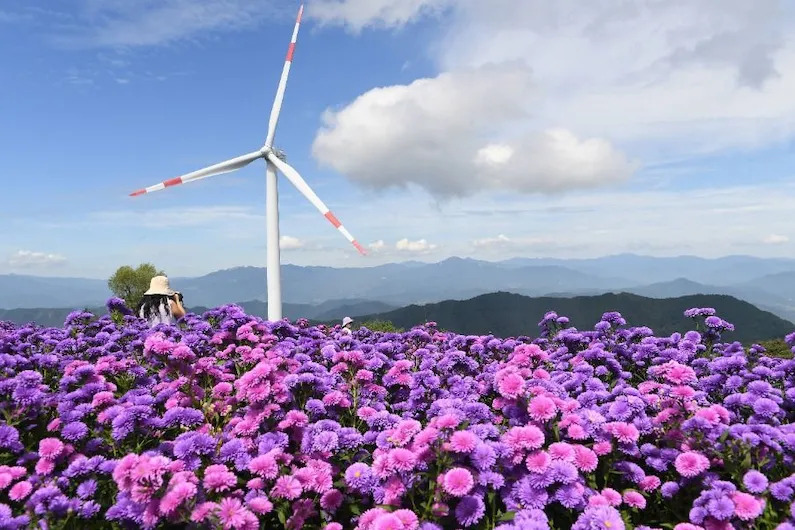
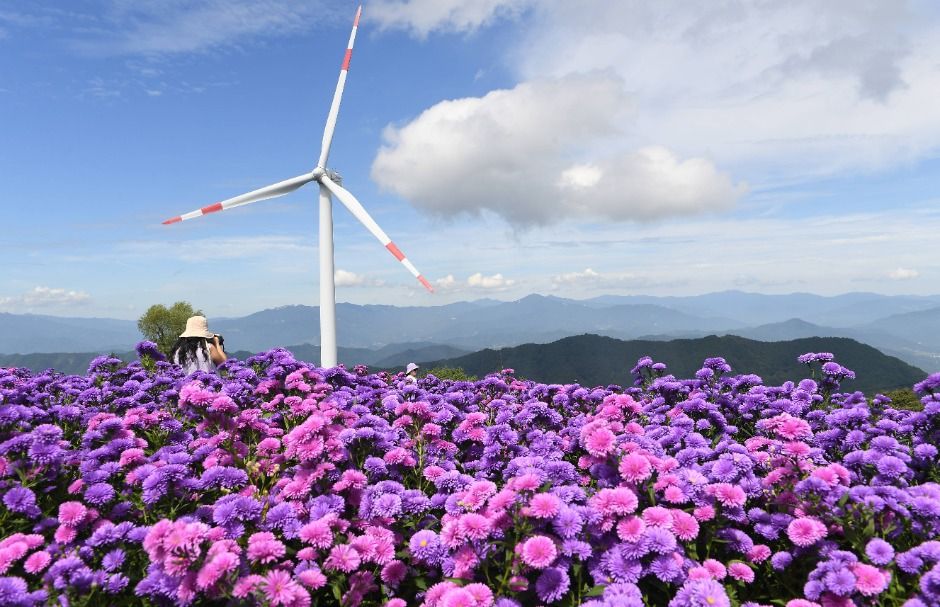
The 6th Gamaksan Flower Star Travel, Geochang-gun’s representative autumn festival, returns to Star Wind Hill at the summit of Gamaksan in Shinwon-myeon from September 18 to October 11, 2026. This year’s theme, A Purple Comma for Myself, frames the festival as a pause in the season’s rush, set against sweeping mountain views and the purple bloom of chrysanthemum fields.

The event officially opens on September 18 with pre-event performances, the main opening ceremony, and a guided walk through the Siberian chrysanthemum complex. Across the following three weeks, the program blends live music, family-oriented experiences, and regional food.

Viewing Course

Three outdoor spaces anchor the festival’s scenery:

  • Aster Complex — 5ha planted with 300,000 aster chrysanthemums, featuring an observatory, a silver grass maze, and an experience center.
  • Siberian Chrysanthemum Complex — 4ha of Siberian chrysanthemums, Aster koraiensis, and Aster tataricus, totaling 400,000 plants, with a deck shelter for resting mid-stroll.
  • Barrier-Free Sharing Path — a 3.8km raised deck road linking the main sights, punctuated by three observatories. The wooden path keeps the high-altitude views accessible to wheelchairs and strollers alike.

Performance Program

The performance lineup runs throughout the festival period. Sunset Hill Concerts pair live sets with evening light over the ridgeline, while busking performances appear at scattered points along the walking routes. Congratulatory shows from the Geochang Music Association add a local note, and dedicated magic performances give younger visitors their own moment at center stage.

Experience Program

Visitors can take home more than photographs. Photo zones across the venue, a stamp tour, and SNS certification events each offer souvenirs for participation. The standout installation is the slow mailbox at Star Wind Hill: write a letter during the festival, and it will be delivered to you before next year’s event—an unusual memento that extends the festival’s reach long after the chrysanthemums have faded.

Sales and Food

  • Flower Star Market — local farms and businesses offer Geochang specialties and processed regional products.
  • Food market — operated by the women’s associations of Namsang-myeon and Shinwon-myeon, serving bibimbap, gukbap, jeon, and tofu kimchi at affordable prices.
  • Food truck zone — a lighter-options corner with coffee, sikhye, and hot dogs.

📍 Address: 452 Yeonsusa-gil, Shinwon-myeon, Geochang-gun, Gyeongsangnam-do

🛏️ Accommodation near the event

💰 Fee: Paid (Shuttle bus fee 3,000 won)

📞 Inquiry: 055-940-8227

⭐️ Instagram: https://www.instagram.com/geochang_welcome/

🖥️ Website: https://starwindhill.com/

Gamaksan Flower Star Travel

What is Gamaksan?

Gamaksan is a mountain in Geochang County, South Gyeongsang Province, South Korea. It rises to about 962 meters as part of the Sobaek Mountain range. Its terrain is mostly granite, with exposed ridges, rocky summits, and forested slopes that vary with the season.

In autumn, large patches of purple chrysanthemums grow across the upper slopes. These flowers are the mountain’s main seasonal attraction and draw a steady number of visitors during their blooming period. At other times of year, the appeal is simpler: ridgeline views, quiet forest trails, and relative solitude. From the summit, hikers can see Geochang’s lowlands, the surrounding Sobaek peaks, and the valleys between them.

The trail network includes an established route from the base as well as longer ridgeline connections to neighboring mountains. The standard route is a steady climb, with some rocky sections that require care. There are no shops or facilities on the mountain, so hikers should carry their own water and food. The mountain can be visited as a half-day outing, but the full ridge route offers a longer, more demanding hike for those with time.

LISA × MINISO Pop Up Store 2026 at Omotesando Hills: How to Get Reservations and Shop the Exclusive ALTEREGO Collection

LISA × MINISO Pop Up Store 2026 at Omotesando Hills: How to Get Reservations and Shop the Exclusive ALTEREGO Collection

LISA × MINISO POP UP STORE

The “LISA × MINISO POP UP STORE,” a fusion of LISA’s world view and MINISO’s unique playfulness, appears at Omotesando Hills for a limited time!

The “LISA × MINISO POP UP STORE” will be held for a limited time at Omotesando Hills in Tokyo. This special collaboration brings together global artist LISA, whose influence continues to fascinate fans worldwide, and lifestyle brand MINISO. The event runs from September 11 to October 5, 2026, at the Main Building B3F Space O.

At this POP UP STORE, special items from the “LISA ALTEREGO Collection” will be sold, and a special space with photo spots exclusive to the venue will be set up. Fan-participation projects linked with SNS are also planned, so visitors can experience LISA’s world view not only through products but also through the event space itself. LISA’s influence extends across music, fashion, and culture, and this limited-time store offers a way to encounter that world view through MINISO’s playful take on “cuteness,” “fun,” and “surprise.”


■ “LISA ALTEREGO Collection” Special Items Now Available

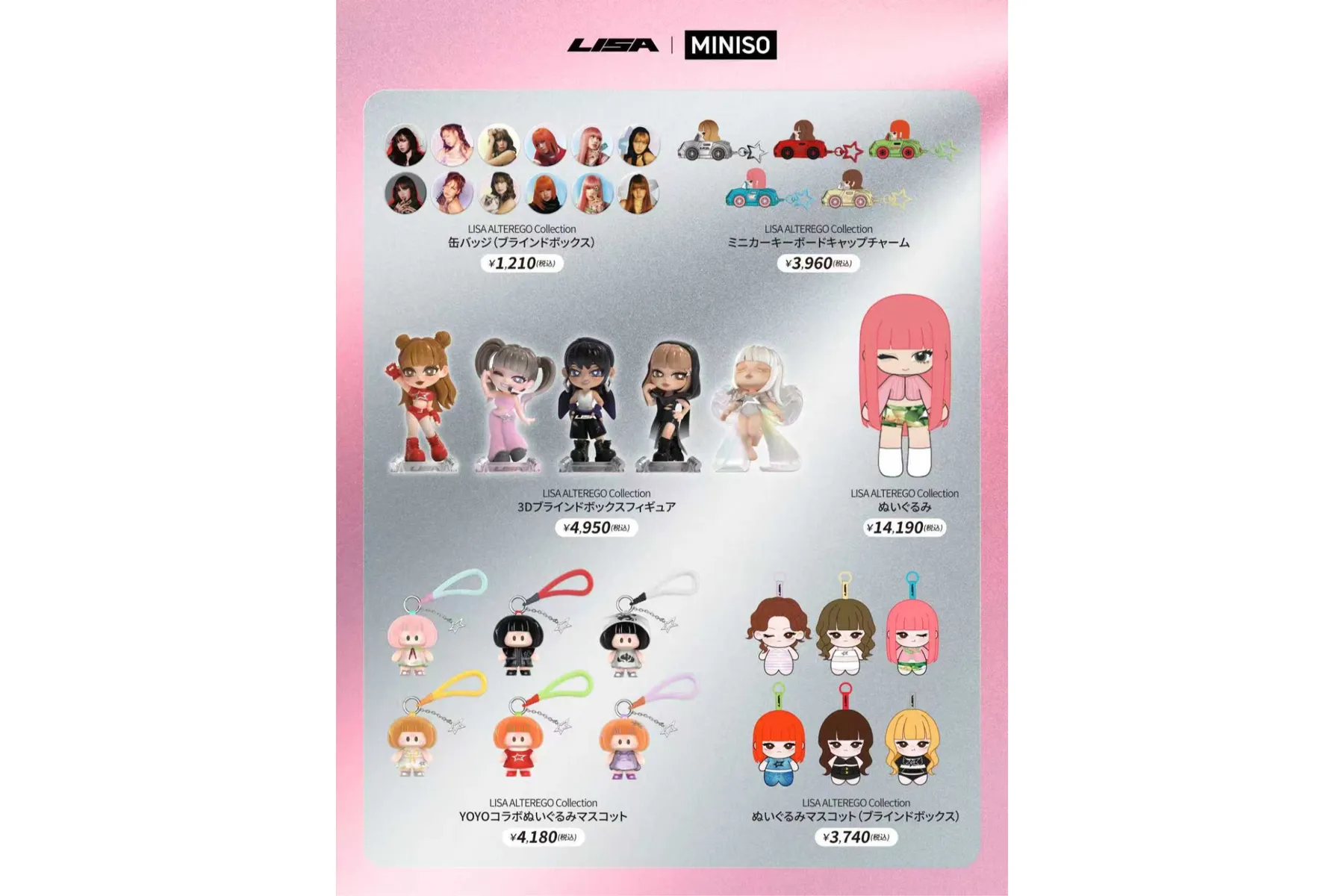
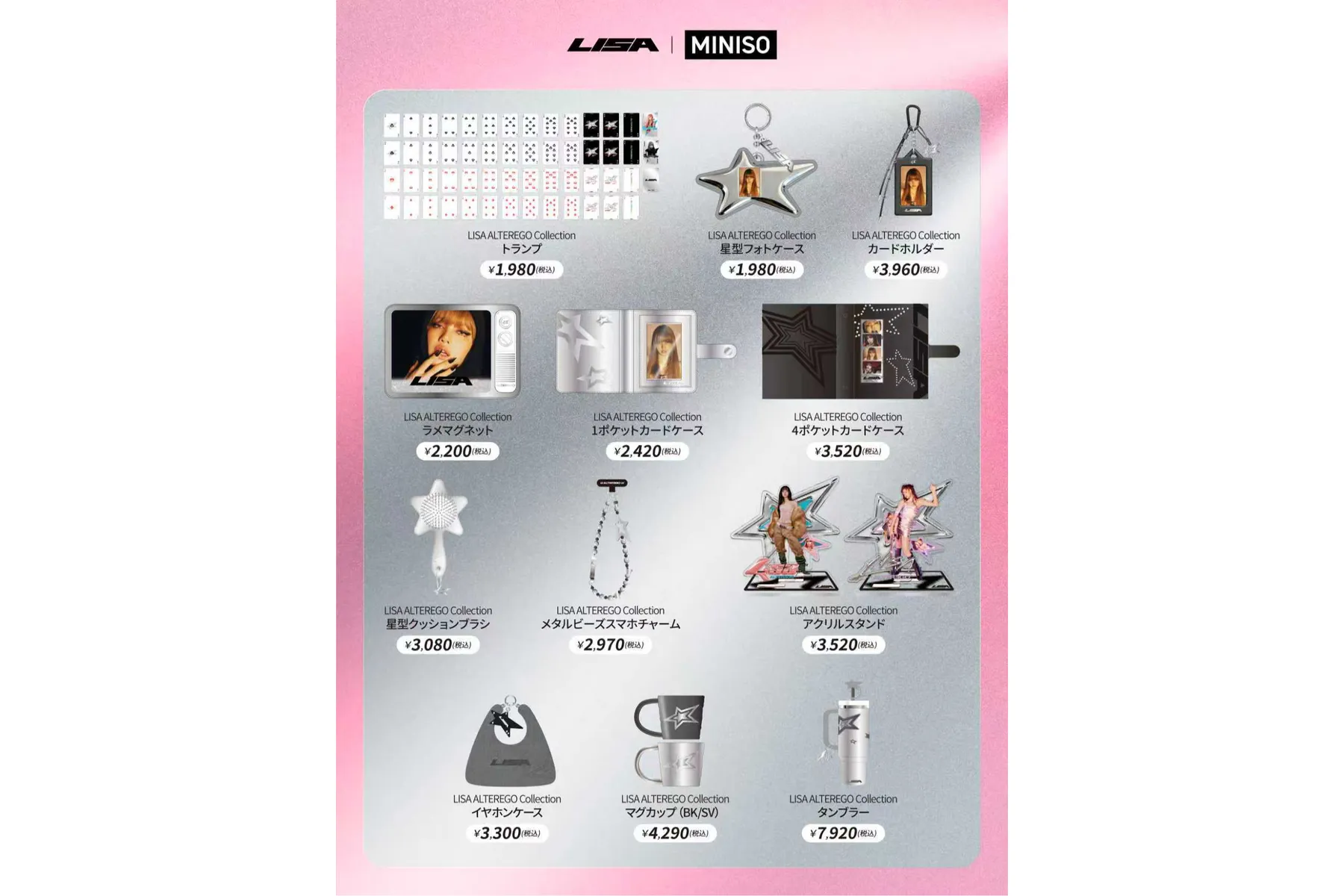
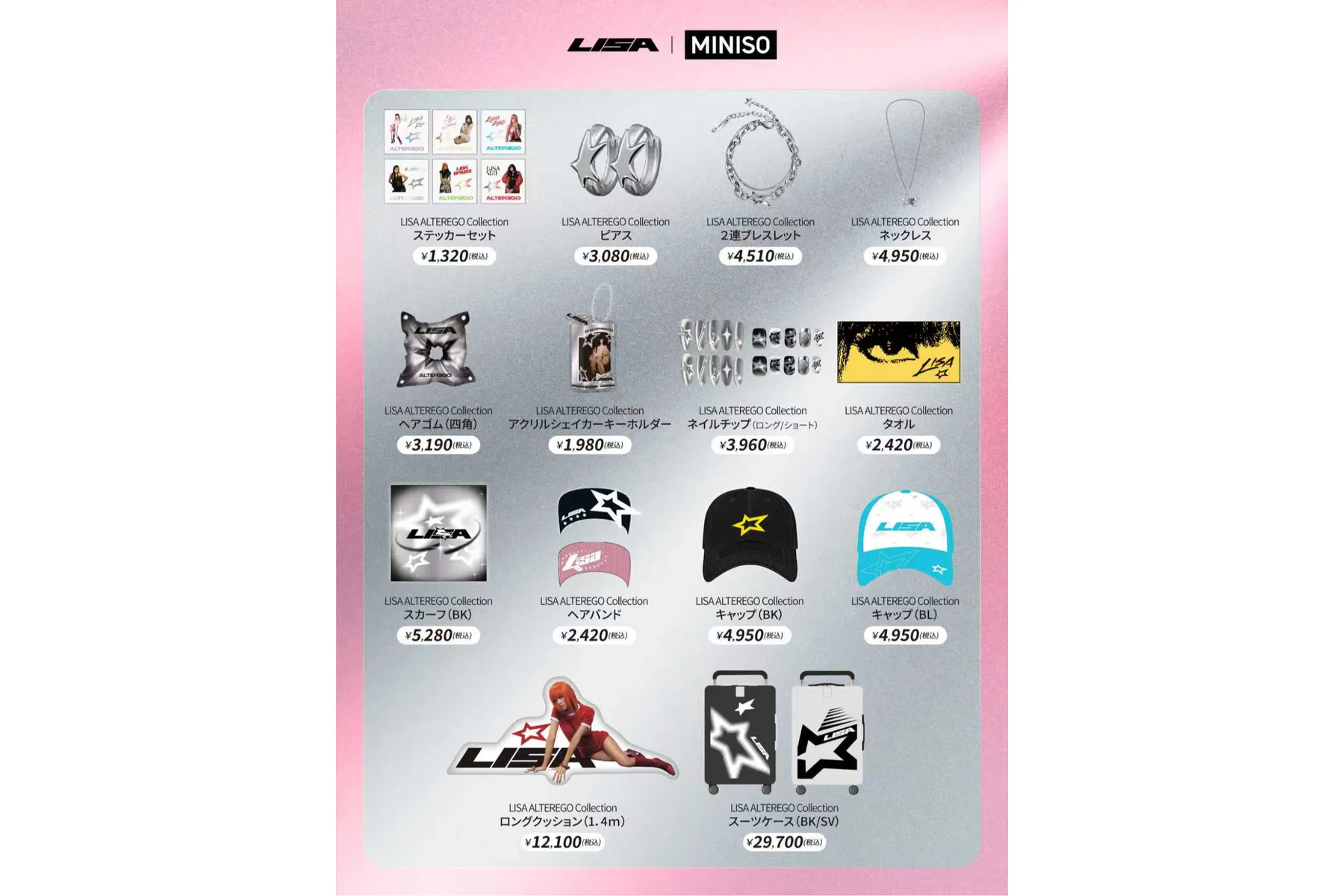
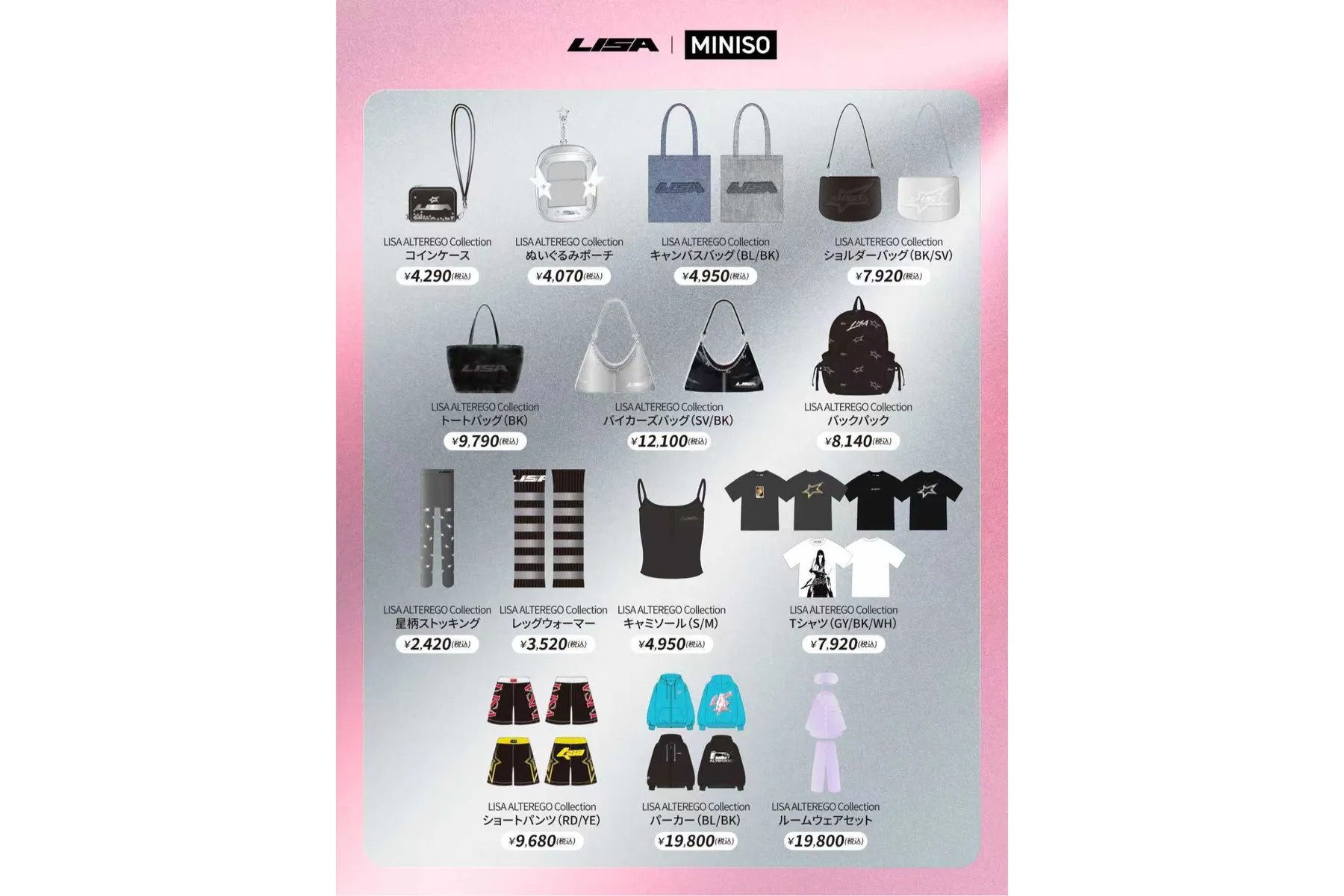
Special items from the “LISA ALTEREGO Collection” will be sold at this POP UP STORE. The lineup is diverse, including collectible items such as figures, plushies, and keychains, as well as accessories, bags, fashion items, and lifestyle goods.

Since products are available in limited quantity, they may sell out as soon as they run out. Purchase quantity limits have also been set for some products so that more people can enjoy them. Please check the details at the venue. Products, prices, and specifications are subject to change without notice.


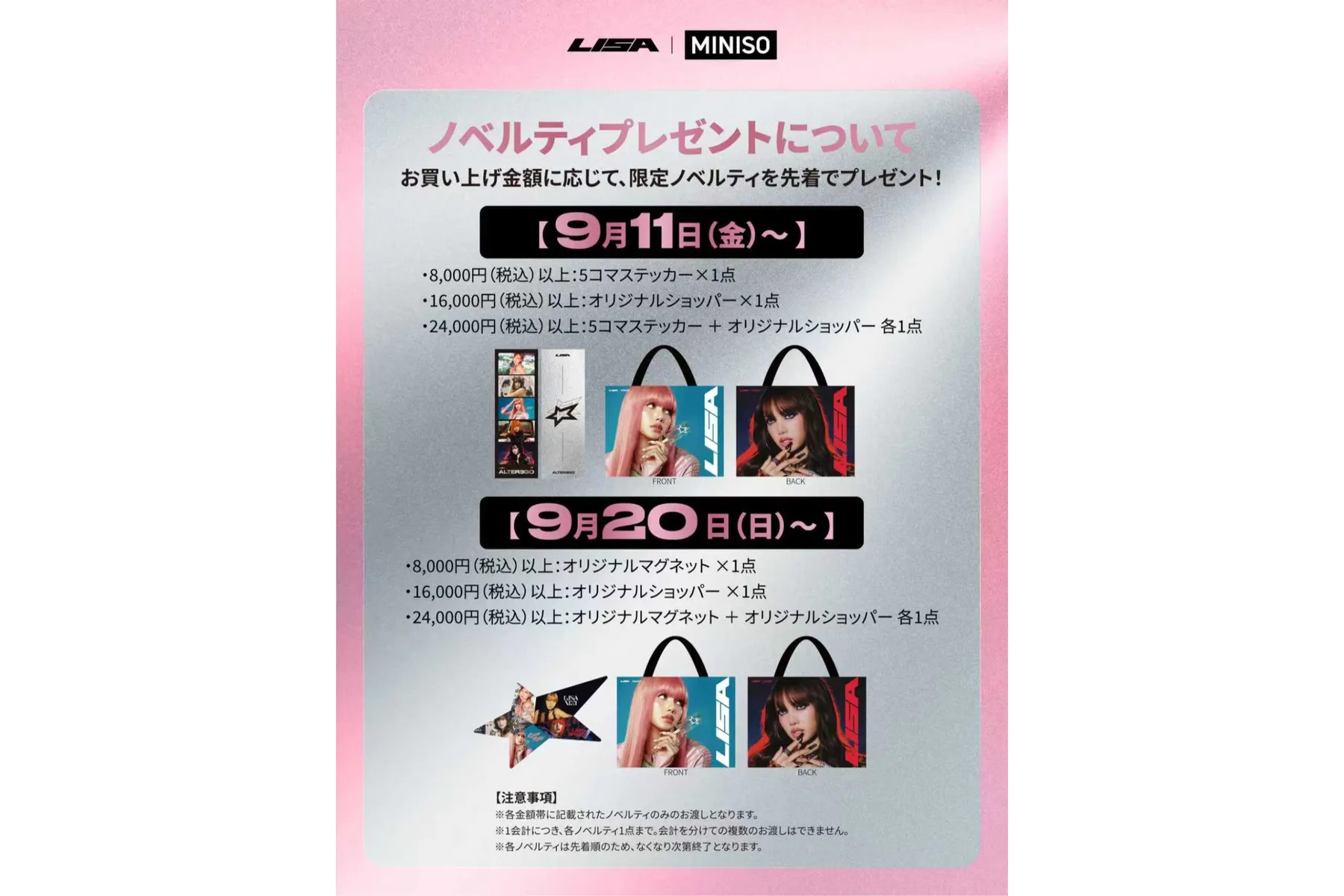
■ Limited Novelties Based on Purchase Amount

At the POP UP STORE, limited novelties will be given to customers on a first-come, first-served basis according to the purchase amount.

  • Only the novelties listed for each price range will be distributed.
  • Up to one of each novelty per transaction.
  • Multiple distributions by splitting transactions are not permitted.
  • Each novelty is first-come, first-served and will end as soon as they run out.

■ Visit Reservations Begin Friday, September 4th at 12:00

To alleviate congestion and for safety management, a prior reservation system will be implemented for the initial open period.

  • For visits from Friday, September 11th to Sunday, September 13th: Reservations begin Friday, September 4th at 12:00
  • For visits from Monday, September 14th to Friday, September 18th: Reservations begin Saturday, September 5th at 12:00

Reservation acceptance and entry methods for visits from Saturday, September 19th onwards are scheduled to be announced periodically on the reservation page and MINISO JAPAN’s official SNS.


■ How to Reserve

After registering for a MINISO membership and logging in, select your desired date and time from the reservation page to apply. Reservation slots are limited. For details and precautions regarding reservations and entry, please check the reservation page on the official website below.


■ Basic Information

The posted content may have changed. For the latest information, please check the official websites of the venue and organizer.

LISA × MINISO POP UP STORE_1
LISA × MINISO POP UP STORE_2
LISA × MINISO POP UP STORE_3
LISA × MINISO POP UP STORE_4
LISA × MINISO POP UP STORE_5
LISA × MINISO POP UP STORE_6
LISA × MINISO POP UP STORE_7

🛏️ View hotels near Tokyo

ALTEREGO is a character line created by LISA in collaboration with MINISO, based on her solo album Alter Ego. It includes a set of original characters, each with a distinct personality and visual style, drawn from the different sides LISA explores on the record. The product range covers plushies, keychains, bags, stationery, and lifestyle accessories, with designs that vary from cute and soft to more bold and graphic. The line is intended as a way for fans to engage with the album’s themes, particularly the idea of presenting different versions of oneself.

The 2026 pop-up at Omotesando Hills will feature ALTEREGO items that are not part of MINISO’s regular lineup. These pieces will be available only at that location, and stock is expected to be limited.

Tenshiba Oktoberfest 2026 feat. World Wine Fest: Enjoy German Beer, European Wine & Live Music in Osaka

Tenshiba Oktoberfest 2026 feat. World Wine Fest: Enjoy German Beer, European Wine & Live Music in Osaka

Tenshiba Oktoberfest 2026 feat. World Wine Fest

Tenshiba Oktoberfest event photo

An authentic German beer festival will be held at Tenshiba, the lush, open lawn plaza in the entrance area of Tennoji Park, for a 24-day run from Friday, September 11, through Sunday, October 4, 2026. The event brings together a lineup of draft beer brands imported directly from Germany and, through the concurrently held “World Wine Fest,” famous wines from several European countries.

Tenshiba Oktoberfest food and drink photo

The drinks go beyond beer and wine, with a range of cocktails and non-alcoholic beverages also available. Food includes authentic German-style dishes and desserts, so visitors of all generations can enjoy the event.

On Saturdays, Sundays, and holidays, the music act MARIA&Alpenbuam, popular both domestically and internationally, will make special appearances, livening up the toasts with powerful vocals and stage presence.

Prost (Cheers)!!

Event details

  • Event period: Friday, September 11, 2026 – Sunday, October 4, 2026
  • Hours: Weekdays 15:00–20:30 (last order 20:00) / Saturdays, Sundays, and holidays 11:00–20:30 (last order 20:00)
  • Venue: Tennoji Park Entrance Area “Tenshiba” (5-55 Chausuyama-cho, Tennoji-ku, Osaka City)
  • Admission: Free. Food and drink costs are separate.
  • Payment: Food and drink purchases are cash or food/drink vouchers only. Cashless payments are not available. Visitors without cash can buy food/drink vouchers at the venue using credit cards or PiTaPa. The vouchers can be used together with cash, but cannot be used for deposits.
  • Inquiries: 06-6308-5710 (Tenshiba Oktoberfest Executive Committee Secretariat, 10:00–17:30 on weekdays; daily during the event period)
  • Website: tenshiba-oktoberfest.com

🛏️ See hotels near the event

What is Tenshiba?

Tenshiba is an open lawn area inside Osaka Castle Park, one of Osaka’s larger public green spaces. The name combines “Tenshu,” the castle’s main tower, and “shiba,” meaning lawn or grass. The plaza sits close to the castle keep, and its open layout provides a clear view of the structure from across the grass.

The lawn is used regularly as an outdoor event venue. Its size allows room for tents, stalls, and long rows of tables, and in cooler months it hosts festivals and food events in the evening. Tenshiba Oktoberfest is one of these: German beer, European wine, and live music occupy the space while the illuminated castle remains visible in the background.

For visitors, Tenshiba functions as a simple urban commons. You can walk across it, sit on the grass, or join an event without much separation between the park and the occasion. The setting is what makes it distinct: it is a lawn used for public gatherings, placed directly beside one of Osaka’s most recognizable landmarks.

Wonju Samto Festival 2026: Experience Korea’s Rich Agricultural Culture and Local Flavors

Wonju Samto Festival 2026: Experience Korea's Rich Agricultural Culture and Local Flavors

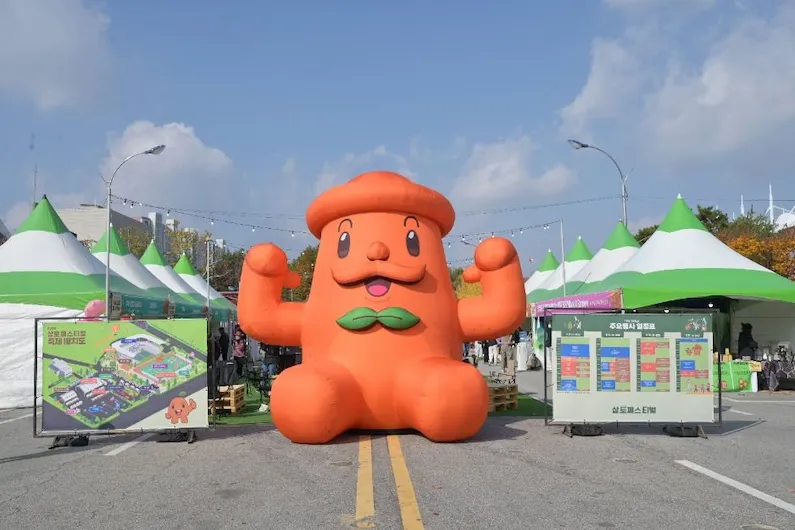
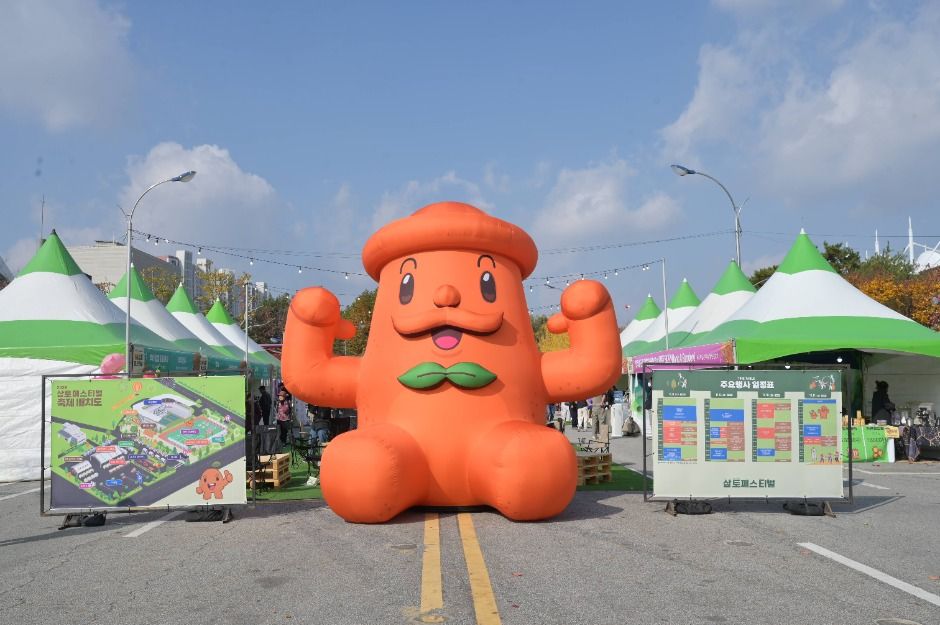
Samto Festival

🗓️ 2026.09.11 ~ 2026.09.13

The Wonju Samto Festival stands as a representative regional celebration designed to foster a collective appreciation for Wonju’s agriculture and rural culture among both local citizens and visitors. By showcasing the high-quality agricultural products produced within the region, the festival aims to promote the intrinsic value of farming while providing an inclusive venue where people of all generations can engage through diverse performances and hands-on experiences.

Visitors can access a direct agricultural product market to purchase fresh, locally sourced food, while families are encouraged to participate in specialized rural experience programs. To complement the agricultural focus, the festival integrates stage events with regional art performances, ensuring a rich visual and auditory experience. Ultimately, the Samto Festival functions as a communal ground where farmers and citizens mingle—allowing for a cultural exchange that broadly promotes Wonju’s unique agricultural identity.

Event Programming

The festival is organized into several distinct categories to ensure a comprehensive experience:

1. Performance Events
Attendees can enjoy a variety of live entertainment, including the Samto Singing Contest, the Samto Concert, specifically invited agricultural culture performances, and spontaneous busking sessions.

2. Competition Events
The festival features a wide range of contests, from the National Samto Silver Model Contest and Life Club Competitions to more traditional activities such as the Scarecrow Competition, Mortar and Pestle Turning, and Toto-mi Seed Collecting.

3. Exhibition Events
The Samto Theme Hall serves as the educational hub of the event, displaying regional agricultural products, modern agricultural technology, processed goods, information on agricultural work safety, and exhibits on industrial insects.

4. Experience Events
Interactive opportunities allow guests to immerse themselves in rural life through agricultural culture and gardening experiences, animal feeding, natural dyeing, and agricultural product cooking classes. For those interested in modern technology, a VR agricultural experience is also available.

5. Sales Events
The festival facilitates the direct sale of regional agricultural products, allowing visitors to buy directly from the producers.

6. Sharing Events
Community-centric activities emphasize traditional Korean food culture, featuring Gamasot (cauldron) Bibimbap, Tteokme-chigi (rice cake pounding), the creation of Three-color Garaetteok, and the Himchan-i Agricultural Product Exchange.

7. Food
Diverse culinary options are available across the Local Food Hall, the Multicultural Food Hall, and the specialized Chiaksan Hanwoo Zone.

Visitor Information

📍 Address: 311 Seowon-daero, Wonju-si, Gangwon Special Self-Governing Province (Myeongnyun-dong)

🛏️ Accommodation near the event

💰 Fee: Free

📞 Inquiry: 033-737-4155

🖥️ Homepage: https://www.3to.kr/

Samto Festival

What is Samto?

Samto (삼토) means “three earths.” The name refers to the Wonju Samto Festival, and to three Korean terms that share the syllable to: 토양 (toyang) – soil, 토종 (tojong) – native seeds and breeds, and 토속 (tosok) – local customs and traditional ways of life.

The festival uses these three categories to show how agriculture in Wonju is shaped by the land and by the people who work it. Soil affects what can be grown and how it tastes. Native seeds and livestock have been selected over time to suit local conditions. Local customs include the ways farmers have passed down knowledge, recipes, and seasonal work routines.

For visitors, this means the festival is not only a market for farm products. It also offers a chance to see how those products are connected to a particular place. Programs are organized around the three themes: soil exhibitions and field experiences, displays of native breeds and seeds, and demonstrations or workshops on regional food and farming traditions. Together, they give a fuller picture of what makes the region’s agriculture distinct.

2026 Seocheon National Heritage Night Walk: Experience the Magic of Hansan-eupseong Fortress through Immersive Nightly Events

2026 Seocheon National Heritage Night Walk: Experience the Magic of Hansan-eupseong Fortress through Immersive Nightly Events

Seocheon National Heritage Night Walk

서천국가유산야행

The 2026 Seocheon National Heritage Night, centered on the theme “The Lord of Hansan, a Boisterous Secret Journey,” is scheduled to take place from Friday, September 11, to Saturday, September 12, 2026. This event transforms the Hansan-eupseong Fortress area into a vibrant cultural hub, utilizing the historical backdrop of the fortress and the broader cultural heritage of Hansan to host a series of nighttime programs. By integrating performances, interactive experiences, and curated exhibitions, the festival creates an environment where tradition and modernity harmonize—offering visitors a way to engage with Seocheon’s national heritage through all five senses.

This event distinguishes itself from standard historical tours by focusing specifically on the nocturnal atmosphere of the fortress, allowing both local residents and tourists to experience the deep charm of the region’s heritage in a unique, immersive setting.

The festival is organized into eight distinct categories to ensure a comprehensive cultural experience:

1. Night View (夜景)
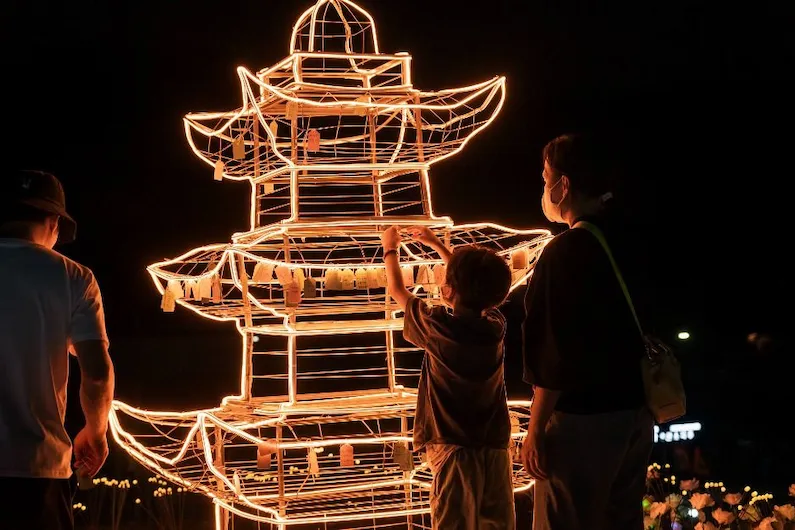
Visitors can experience the visual splendor of the fortress by following the lanterns to Hansan-eupseong, featuring the “Lanterns protecting Hansan” installation.

2. Night Road (夜路)
These activities encourage exploration of the grounds, including the Seocheon National Heritage Capturing Stamp Tour, heritage stories recounted by the youth, and “Hansan-eupseong Plogging-enteering”—a combination of environmental cleanup and orienteering.

3. Night Event (夜事)
Interactive programs allow guests to step into historical roles through “A day in the life of the Hansan Magistrate,” the “Hansan-eupseong Guardians” activity, “People connecting Seocheon’s national heritage,” and a simulated scholar’s examination held at night within the fortress walls.

4. Night Art (夜畵)
Creative expression is encouraged through the Seocheon National Heritage Sketchbook and the “Tell it to the Hansan Guardian Tower” project.

5. Night Performance (夜設)
The event features a variety of traditional arts, beginning with the ceremony where Hansan-eupseong welcomes the Magistrate. The lineup includes performances by Joseon Pansori master Lee Dong-baek, a Madang-geuk (traditional outdoor play) titled “The Story of Hansan Peddlers,” and the “Pungryu echoing in Hansan-eupseong” musical segments.

6. Night Market (夜市)
The Hansan Starlight Market provides a space for commerce and community gathering under the night sky.

7. Night Food (夜食)
Culinary traditions are highlighted at the Hansan-eupseong midnight market.

8. Night Stay (夜宿)
For those seeking a more immersive overnight experience, the festival offers Starlight Camp in Seocheon.

Essential Information

🛏️ Accommodations near the event

Hansan-eupseong Fortress is a well-preserved walled town from the Joseon Dynasty in Seocheon County, South Chungcheong Province, South Korea. It is an example of a eupseong, a type of fortified administrative town. During the Joseon period (1392–1897), a eupseong served as the seat of local government and as a residential and defensive settlement. The fortress contained not only military facilities but also government offices, housing for officials and civilians, and public buildings. The local magistrate administered the surrounding area from this site.

The fortress walls were built from large, carefully stacked stones and run along the low hills, following the land’s natural contours. The elevated position gave the town a clear view over the coastal plains and river routes nearby. Officials could monitor movement through the region and prepare for attacks, especially during the Japanese invasions of the late 16th century.

Hansan-eupseong Fortress is now a cultural heritage site. Its surviving walls and building foundations show how a county town combined administration, defense, and ordinary life within a single enclosure.

2026 Jamsugyo (Jamsu Bridge) Car-Free Walking Festival in Seoul: Your Guide to Free Weekly Cultural Programs

2026 Jamsugyo (Jamsu Bridge) Car-Free Walking Festival in Seoul: Your Guide to Free Weekly Cultural Programs

Car-Free Jamsu Bridge Walking Festival

🗓️ 2026.09.06 ~ 2026.10.25

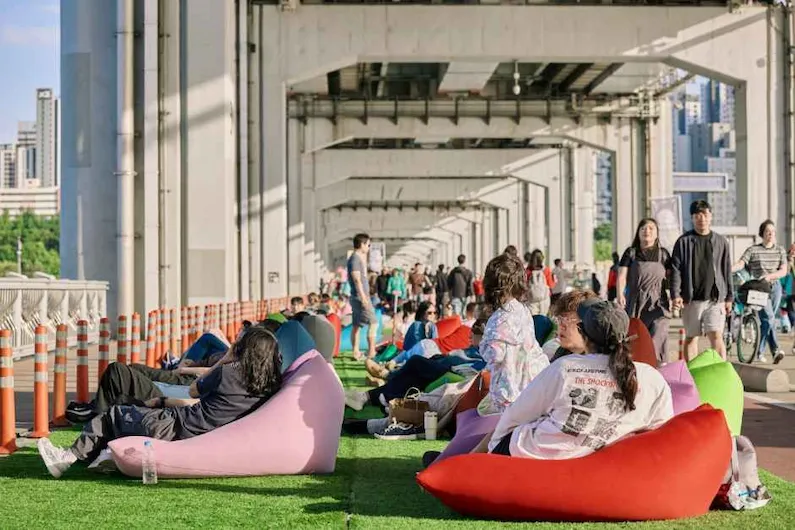
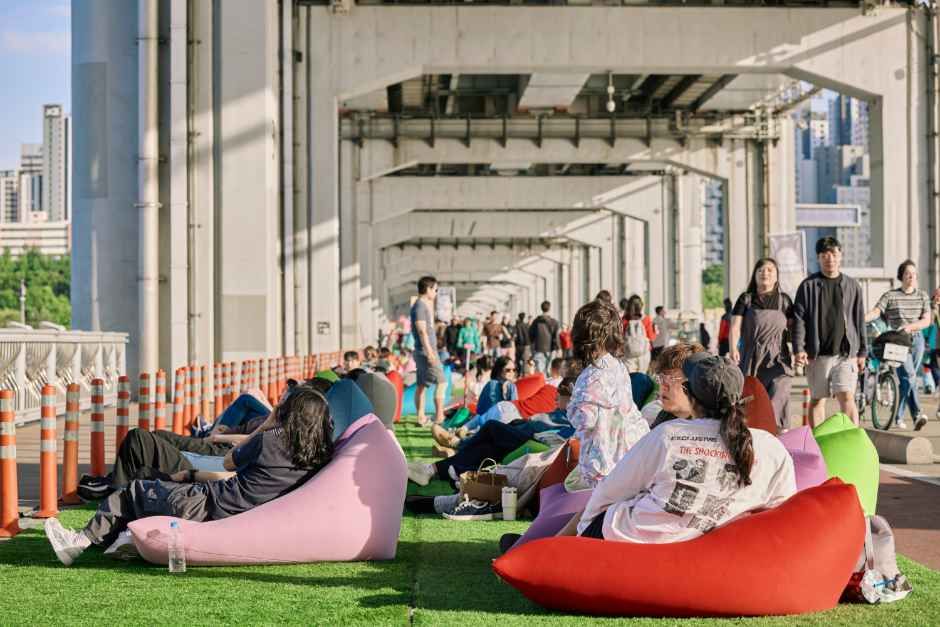
The 2026 Jamsugyo Car-Free Walking Festival is a free event hosted by the Seoul Metropolitan Government’s Future Hangang Headquarters. It is one of Seoul’s representative street festivals, designed for citizens to enjoy relaxation in the city center and a wide range of cultural programs. The permanent programs around the Jamsugyo area have been further expanded, and eight special programs change every session, giving repeat visitors a different experience from week to week.

Jamsugyo Car-Free Walking Festival

Permanent Programs

The permanent lineup includes the Moonlight Restaurant, where foods from various countries gather; the Moonlight Shop, where visitors can find their own items ranging from handicrafts to eco-friendly accessories; and shelters where people of all ages can return to their childhood and enjoy activities or relax.

  • Moonlight Playground
  • Moonlight Restaurant
  • Moonlight Shop
  • Moonlight Shelter
  • Moonlight Workshop
  • Moonlight Gallery
  • Ddoo-Ddoo Naktabong Canvas

Special Programs

Eight special programs are scheduled by week. Highlights include Ddoo-gether Water Wars, a cool water gun festival to enjoy the last of summer at Jamsugyo, and Jamsugyo Media Art Night, a new attempt on Jamsugyo Bridge.

  • Week 1: Ddoo-gether Water Wars
  • Week 2: Club: ONDAY
  • Week 3: Jamsugyo Autumn Sports Day
  • Week 4: Walking Hangawi Hanmadang
  • Week 5: Jamsugyo Gourmet Road
  • Week 6: Jamsugyo Media Art Night
  • Week 7: Jamsugyo Wellness DAY
  • Week 8: COACH X Spotify Project

Collaborative Programs

  • Gusukgusuk Live
  • Seoro Market
  • Silent DJ Party

📍 Address: Banpo-dong, Seocho-gu, Seoul

🛏️ Accommodation near the event

💰 Fee: Free (some programs have a fee)

📞 Inquiry: 02-6401-9717

⭐️ Instagram

🖥️ Website

What is Jamsu Bridge (Jamsugyo)?

Jamsu Bridge (Jamsugyo in Korean) spans the Han River in Seoul, running alongside the larger Banpo Bridge. It is a low-lying bridge, and its name refers to submersion: during periods of heavy rain, the river can rise high enough to cover the bridge, at which point traffic is halted until the water recedes. The design allows the river’s flood capacity to remain high by avoiding a raised structure.

In normal conditions, Jamsu Bridge carries road traffic across the river. During the Jamsugyo Car-Free Walking Festival, however, the bridge is temporarily closed to vehicles and opened to pedestrians. People can cross the river on foot, watch performances, and see the Banpo Bridge Moonlight Rainbow Fountain at close range. The 2026 edition continues this arrangement with free weekly programming, including concerts, art installations, and activities designed for families.

Osaka’s Yorimichi Sunset Cruise 2026: Experience the Magic Hour Over Nakanoshima’s Evening Scenery

Osaka’s Yorimichi Sunset Cruise 2026: Experience the Magic Hour Over Nakanoshima’s Evening Scenery

Detour Sunset Cruise

Yorimichi Sunset Cruise

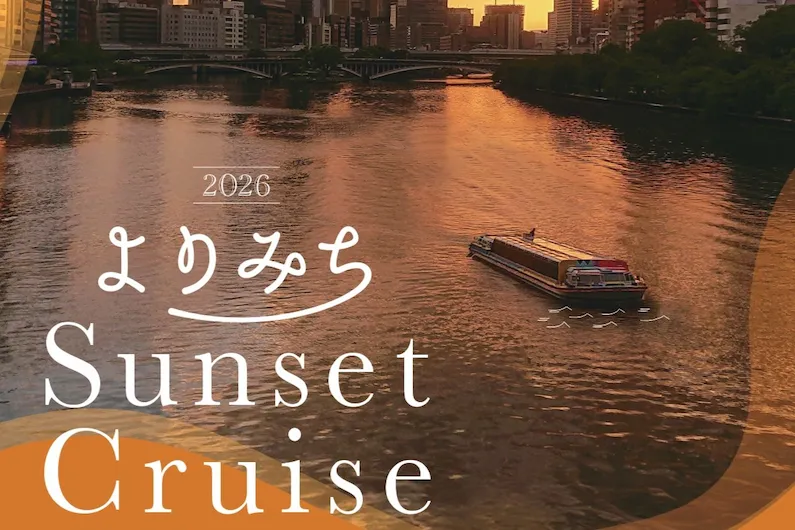
The Yorimichi Sunset Cruise—yorimichi means “detour”—is a limited-time boat ride of approximately 25 minutes that showcases the evening and night scenery of the Nakanoshima area. The route compactly tours landmarks that symbolize Osaka as a city of water: the three great bridges of Naniwa (Temmabashi, Tenjinbashi, and Nambabashi), the Osaka City Central Public Hall, the lush Nakanoshima Park, and the lively Kitahama Terrace.

The highlight is the “magic hour,” when the buildings in the city center gradually light up and the sky shifts from madder red to deep purple. The short duration makes it easy to fit into an evening, whether as a stop on your way home from an outing or as a reward after finishing a day’s work. Step away from everyday life for a moment and spend some special time on the boat.

Event Details

  • Event Period: Fridays and Saturdays from 2026/9/4 (Fri) to 10/31 (Sat)
  • Event Time: 17:45 departure / 18:15 departure (2 trips per day)
  • Event Location: Hachikengahama Pier (1-1 Temmabashi Kyomachi, Chuo-ku, Osaka City)
  • Fee: 1,600 yen
  • Contact: 06-6942-5511
  • Website: https://suijo-bus.osaka/cruise/cruise-498/

🛏️ View hotels near the event

Nakanoshima is a narrow island in central Osaka, enclosed by the Dojima River to the north and the Tosabori River to the south. Its name means “middle island.”

The island has been a civic center for more than a century. It holds a cluster of public buildings and institutions: Osaka City Hall, the Museum of Oriental Ceramics, and Nakanoshima Park, one of Osaka’s older public parks. The area’s brick buildings and broad riverside walks give it a slightly formal atmosphere, set apart from the denser commercial districts nearby.

During the day, people cross the island on their way to work, and visitors use the museums and park. In the evening, foot traffic thins and the river reflects the city lights. The Yorimichi Sunset Cruise runs along this stretch around dusk. From the water, you see a line of aging civic buildings on one bank and newer office towers on the other. The interest lies less in any single landmark than in the contrast between older public architecture and the city’s recent growth.

Analytics