
BOYNEXTDOOR TOUR ‘KNOCK ON Vol.2’ in Seoul 2026: Ticket Prices, Schedule, and Entry Guide for KSPO DOME

BOYNEXTDOOR TOUR ‘KNOCK ON Vol.2’ in Seoul 2026: Ticket Prices, Schedule, and Entry Guide for KSPO DOME

BOYNEXTDOOR TOUR ‘KNOCK ON Vol.2’ IN SEOUL

Poster

Following the trajectory of their inaugural global outreach, BOYNEXTDOOR returns to Seoul for the second installment of their KNOCK ON series, transforming the KSPO DOME into a three-day nexus of their evolving discography. Scheduled for mid-July 2026, this standalone engagement offers a concentrated experience of the group’s recent artistic developments without the logistical complexities of a multi-city circuit, allowing for production values calibrated specifically to the Olympic Park venue’s architecture.

Event Information

The KSPO DOME—formerly known as the Olympic Gymnastics Arena—accommodates approximately 15,000 spectators, positioning this run as the group’s most ambitious domestic headlining venture to date. Located within the Songpa-gu district, the venue connects directly to the Olympic Park complex, allowing attendees to access expansive outdoor spaces before queuing.

Schedule

The staggered start times across the three evenings accommodate varying audience demographics and transit schedules:

Friday, July 17, 2026, 7PM (KST)
Saturday, July 18, 2026, 6PM (KST)
Sunday, July 19, 2026, 5PM (KST)

Lineup

  • BOYNEXTDOOR

Ticket Prices

The ticketing structure offers three distinct tiers, each correlating to specific pre-show privileges:

  • SOUND CHECK (General): 220,000 KRW
  • M&G (General): 253,000 KRW
  • GENERAL (General): 165,000 KRW

The SOUND CHECK tier grants access to the group’s rehearsal and sound balancing session—a behind-the-scenes glimpse of technical preparations—while the M&G (Meet and Greet) tier includes a structured interaction component. General admission provides standard entry for the main performance.

Entry Protocols and Verification Systems

* In accordance with the announced guidelines regarding this performance, ticket purchases confirmed to have been made through abnormal or fraudulent methods (e.g., use of macros, etc.) will be cancelled.

* When viewing mobile tickets at the venue, it may not be smooth due to data traffic, so please view them in advance before departing for the venue.

※ By booking a ticket, you are considered to have agreed to the performance guidelines, and this content may be added to or changed depending on the performance situation. Please be sure to re-check the performance guidelines before viewing to avoid any obstacles or disadvantages in viewing the performance.

This performance operates exclusively through mobile ticket delivery; physical ticket distribution has been eliminated entirely, rendering postal delivery and on-site pickup obsolete. Attendees must complete identity verification prior to arrival, as the system requires real-name confirmation at entry points.

※ From July 11, 2024, the identity verification policy of the NOL Ticket service will change to prevent fraudulent bookings.
– Identity verification can be done at any time through the ‘Member Information Edit Page > Verify Now,’ and identity verification is valid for one year from the date of final verification completion.
– Customers whose identity verification period has expired must undergo identity verification again to proceed with the booking, so please double-check your verification status.

※ This performance is available only through the mobile ticket service, and since physical tickets are not provided, delivery and on-site pickup will not be carried out.
※ For detailed information on how to use the mobile ticket service, please check the [Mobile Ticket Usage Guide] within the detailed images.

※ This product is a product to which Face Pass is applied. Please refer to this for your booking.
(Go to FAQ: http://inpk.kr/sKyw)

[Entry Guide]
– To prevent scalping and illegal transfers, identity verification will be conducted on-site for this performance. After identity verification is complete, you can only enter after receiving and wearing the entry wristband.
– Identity verification will be conducted via Face Pass and IN-PASS.
– Entry times vary by ticket and section. Please be sure to check the entry time for the seat you have booked.

Accessibility Services

[Wheelchair Seat Booking Guide]
– Wheelchair seat purchases are only available via phone booking through the NOL Ticket Customer Center (1544-1555 / Operating hours 9 AM ~ 6 PM) starting from Wednesday, June 24, 2026, at 10 AM (KST).
– Ticket pickup will take place after verifying the disabled registration card (or welfare card) and the person’s ID (physical copy) on the day of the performance; if not brought, neither the booker nor the one accompanying person can enter.
– Wheelchair seat booking tickets are only available for on-site pickup, and in principle, the purchaser must pick up the ticket. (*Proxy pickup and transfer are not possible)

Additional Booking Restrictions

※ Booking waitlist services and identical seat re-booking services are restricted for this performance.
※ This performance applies the Secure Booking service. Please refer to this for your booking.
– What is Secure Booking? https://ticket.interpark.com/service/serviceGuide.asp


A bit about BOYNEXTDOOR

BOYNEXTDOOR is a South Korean boy group under KOZ Entertainment that burst onto the K-pop scene in May 2023 with a refreshingly grounded and relatable concept. Comprising six members—Sungho, Riwoo, Jaehyun, Taesan, Leehan, and Woonhak—the team is notable for their heavy involvement in their own music, with members like Jaehyun, Taesan, and Woonhak contributing to writing and composing from their very debut. Their sound is a crisp, youthful blend of pop, rock, and hip-hop, centered on what they call “everyday storytelling,” exploring the awkward thrills and heartaches of first love and growing up. From the boyish confidence of their debut single “One and Only” to the soaring, guitar-driven confession of “But Sometimes,” BOYNEXTDOOR quickly established themselves not as larger-than-life idols, but as the charismatic, chaotic, and deeply musical boys next door.

이 포스팅은 쿠팡 파트너스 활동의 일환으로, 이에 따른 일정액의 수수료를 제공받습니다.

Experience “Karin” Japanese Afternoon Tea 2026 at The Prince Gallery Tokyo Kioicho: A Luxurious Summer Temari-Sushi Journey

Experience "Karin" Japanese Afternoon Tea 2026 at The Prince Gallery Tokyo Kioicho: A Luxurious Summer Temari-Sushi Journey

Japanese Afternoon Tea ~Karin~ [The Prince Gallery Tokyo Kioicho]

A temari-sushi style afternoon tea to leisurely enjoy summer flavors and Japanese elegance.

As the summer sunlight intensifies, the morning glory reaches its peak bloom—a seasonal transition that serves as the inspiration for the “Karin” Japanese-style afternoon tea. Themed “Morning Glories Blooming in a Summer Garden,” this curated experience at The Prince Gallery Tokyo Kioicho reimagines the traditional afternoon tea format by replacing sweets and scones with the meticulous artistry of temari-sushi and seasonal Japanese delicacies. By utilizing premium summer ingredients such as isaki (striped beakperch), kuruma prawns, corn, and edamame, the venue creates a sensory bridge between the cool aesthetics of a summer garden and the refined skills of professional sushi chefs.

The experience is centered around a main stand that showcases a sophisticated array of temari-sushi. Guests can expect a luxurious selection of tuna, including otoro (fatty tuna), chutoro (medium fatty tuna) paired with sea urchin, and lean tuna accented with sesame. The seafood variety extends to isaki and scallops topped with caviar-roli, kuruma prawns paired with salmon roe, amadai (tilefish), and anago (conger eel). To complement these, two types of roll sushi are provided: an avocado and dried tomato combination, and a squid pairing with mentaiko (spicy cod roe) mixed with mayonnaise.

What truly distinguishes this offering from standard afternoon teas is the “Asagao Sushi”—two visually striking arrangements designed to mimic the colors of morning glories. The red version utilizes sushi wrapped in red radish, accented with blueberries, raspberries, and red wine agar, while the blue version employs cucumber wraps topped with kiwi fruit and butterfly pea agar to evoke a refreshing, summer-cool palette.

Beyond the sushi, the menu incorporates a progression of flavors designed to balance richness with freshness. Appetizers include seasonal ohitashi (blanched vegetables), a corn mousse with bacon and salted kelp sauce, and edamame kakiage (tempura fritters). This is followed by a savory chawanmushi that preserves the delicate flavor of snow crab. To conclude the experience, the dessert course provides a light contrast through refreshing anmitsu and mango pudding—sweets specifically chosen for their suitability during a humid summer afternoon.

Located high above the city, this event offers the opportunity to savor a fusion of culinary craftsmanship and scenic Tokyo views, making it an ideal destination for those seeking a sophisticated, Japanese-centric alternative to the classic tea service.

Menu Details

ASAGAO SUSHI

  • RED: Blueberry, Raspberry flakes, Red radish, Red wine agar
  • BLUE: Kiwi fruit, Cucumber, Butterfly pea agar

Main Stand

  • Otoro Temari
  • Chutoro Temari with Sea Urchin
  • Lean Tuna with Sesame
  • Isaki with Caviar-roli and Basil
  • Scallop Temari with Caviar-roli
  • Amadai (Tilefish) Kobu-jime
  • Anago (Conger Eel) with Reduced Sauce
  • Kuruma Prawn with Salmon Roe
  • Avocado and Dried Tomato Roll
  • Squid and Mentaiko Mayonnaise Roll

Appetizers

  • Seasonal Ohitashi
  • Corn Mousse with Bacon and Salted Kelp Sauce
  • Edamame Kakiage

Steamed Dish

  • Snow Crab Chawanmushi

Dessert

  • Assortment of Seasonal Fruits and Sweets

*Images are for illustrative purposes.
*Please check the official website for details on the content.

Basic Information

  • Location / Nearest Station
    The Prince Gallery Tokyo Kioicho
    Nagatacho Station / Akasaka-mitsuke Station
  • Address
    〒102-8585
    1-2 Kioicho, Chiyoda-ku, Tokyo
    MAP
  • Venue
    • WASHOKU 蒼天 SOUTEN (35F)
    • Sky Gallery Lounge Levita (35F)
  • Period
    Monday, 2026/06/01 ~ Monday, 2026/08/31
  • Time
    • WASHOKU 蒼天 SOUTEN (35F): 11:30 A.M. ~ 2:30 P.M.
    • Sky Gallery Lounge Levita (35F): Weekdays 2:00 P.M. ~ 4:00 P.M.
      *2-hour limit
  • Price/Cost
    From \8,000
    *Reservation required for 2 or more people
  • Inquiries
    03-3234-1136 (Notes: 10:00 A.M. ~ 7:00 P.M.)
  • Other URL
    The Prince Gallery Tokyo Kioicho

*Listed content may be subject to change. For the latest information, please check the official website of the venue/organizer.

🛏️ See hotels near Tokyo

Japanese Afternoon Tea~華凛~【ザ・プリンスギャラリー 東京紀尾井町】_1 Japanese Afternoon Tea~華凛~【ザ・プリンスギャラリー 東京紀尾井町】_2 Japanese Afternoon Tea~華凛~【ザ・プリンスギャラリー 東京紀尾井町】_3 Japanese Afternoon Tea~華凛~【ザ・プリンスギャラリー 東京紀尾井町】_4 Japanese Afternoon Tea~華凛~【ザ・プリンスギャラリー 東京紀尾井町】_5 Japanese Afternoon Tea~華凛~【ザ・プリンスギャラリー 東京紀尾井町】_6 Japanese Afternoon Tea~華凛~【ザ・プリンスギャラリー 東京紀尾井町】_7

What is temari-sushi?

Temari-sushi takes its name from the embroidered silk balls once used as toys in Japan. The sushi consists of small portions of vinegared rice shaped into round balls and topped with fish or other ingredients. Unlike nigiri, which chefs typically press into rectangles, temari-sushi is formed by hand into a sphere. This shape makes the rice and topping roughly equal in proportion. The presentation tends to highlight color and geometric arrangement rather than the elongated simplicity of traditional pressed sushi. Where nigiri emphasizes the fish slice draped over rice, temari treats the topping and rice as a combined unit, allowing for compositions that would be structurally unstable in other formats.

The form developed during the Edo period as a practical variation that could be eaten in a single bite. The small size allows diners to sample multiple toppings without committing to a large portion of any single type. Because the rice is lightly packed by hand rather than molded, the texture remains distinct from the denser bite of machine-pressed sushi. The round base accommodates toppings that might not balance on oblong nigiri: thin slices of fish gathered at the top, small clusters of roe, or thinly shaved vegetables pressed gently into the surface. This structural flexibility lets chefs pair the rice with ingredients that would slide off or deform the standard rectangular shape.

Today, temari-sushi appears in contexts where individual portions improve service. The format works well for catering, afternoon tea, or multi-course meals where guests try many small dishes rather than a full progression at a sushi counter. In warmer months, chefs often favor toppings that benefit from chilling or deteriorate quickly at room temperature—citrus-marinated fish, scallops, or salmon roe. The small rice base cools rapidly, and because each piece is consumed immediately after preparation, the format avoids the gradual warming and textural softening that affects larger platters left sitting.

Peach Vacation Afternoon Tea 2026: Summer Peach & Melon Experience at Tokyo Geihinkan, Omiya Riku & Yokohama – Menu, Prices & Reservations Guide

Peach Vacation Afternoon Tea 2026: Summer Peach & Melon Experience at Tokyo Geihinkan, Omiya Riku & Yokohama – Menu, Prices & Reservations Guide

Peach Vacation Afternoon Tea

A luxurious moment to fully enjoy the sparkle of summer, woven together by fragrant peaches and mellow melons.

This seasonal afternoon tea celebrates summer’s peak produce through careful craftsmanship rather than novelty for its own sake. The pastry team has constructed a menu around two primary fruits—peaches and melons—treating each with precision that respects their distinct characteristics.

The sweets selection layers technique with seasonal timing. The “Peach Verrine” demonstrates this through structure: sparkling wine jelly set over rich panna cotta, creating textural contrast that keeps the palate engaged. The peach tart uses fully ripened fruit, the kind that yields slightly under pressure and releases concentrated juice. For the “Melon Mousse,” white chocolate provides fat content that carries rather than competes with the melon’s subtle floral notes.

Seven varieties make up the pastry component, each with specific intent. The “Hat Mousse” references summer straw haberdashery; the “Bag-shaped Mousse” carries a Mallorca tile pattern that connects to Mediterranean vacation aesthetics. Financiers receive a saline element—unusual for the typically sweet format—to reset sweetness perception. The “Pesque Dolce,” a traditional French peach-shaped confection, anchors the menu in established technique.


■ Chef’s Special Savories

Three composed items balance the sweetness density of the pastry program:

  • Peach soup: Gentle sweetness with refreshing acidity, served chilled
  • Summer vegetable pickles: Mirabelle plum provides sweet-sour brightness against raw and lightly processed vegetables
  • Risotto arancini: Bite-sized, with crisp exterior coating and concentrated umami from the rice base, set over grilled zucchini

■ Tea and Beverage Options

Plan Inclusions
Standard Plan All-you-can-drink tea, coffee, soft drinks
Tea Selection Plan Above plus Mariage Frères teas and flavored teas

The Mariage Frères integration—this is the distinguished French house founded in 1854—offers a measurable upgrade for those who track tea provenance.


■ Optional Additions

Item Price Notes
Tropical Sunset Parfait with Häagen-Dazs From 2,990 yen (with café) Yokohama and Omiya stores only; available for individual order
Tropical Sunset Mini Parfait with Häagen-Dazs 1,200 yen
Special Drink “Peach Float” 1,200 yen
Red Peach and Lychee Rose-scented Semifreddo 1,500 yen Summer seasonal specialité
Tea Selection upgrade 500 yen
Message Plate 500 yen

The semifreddo merits particular attention: peach compote, rose-scented mousse, and lychee operate as a composed dessert rather than a simple parfait. The temperature gradient—frozen mousse against room-temperature compote—creates the “moment of elegant vacation” the menu describes.


■ Lunch Set Options

Afternoon tea without savories; suitable for lighter appetites

Set Price Contents
Pasta Lunch 1,500 yen Chilled cauliflower potage / Short pasta with small shrimp and salsiccia
Chicken Lunch 1,500 yen Chilled cauliflower potage / Poule Basquaise: Basque-style tomato stew with selected chicken thigh

Complete Menu

【Sweets】

  • Peach Melba Verrine Style
  • Bergamot-scented Hat Mousse
  • Peach Tart
  • Peach Couture Mousse
  • Financier Fleur
  • Pesque Dolce
  • Melon and Citron Gateau

【Savories】

  • Risotto Arancini
  • Chilled Cauliflower Potage
  • Summer Vegetable Pickles with Mirabelle Flavor

【Scone Stand】

  • Tea / Plain (with White Peach Jam)

【Drinks】

See plan descriptions above; last order 90 minutes from seating


Venue-Specific Details

◆ Omiya Riku / Cafe & Restaurant Shikitei

Dates Wednesday, June 17, 2026 – Monday, August 31, 2026
Closed Tuesdays
Hours 11:00–16:30 (Last entry 15:00)
Pricing Weekdays from 4,580 yen / Weekends & Holidays from 4,800 yen
Note Consumption tax included; 15% service charge separate

Location details | Nearest stations: Toro Station, Kamomiya Station


◆ Applause Square Tokyo Geihinkan

Dates Select dates June 19 – August 29, 2026 (see full schedule below)
Weekday hours 12:00–14:00
Weekend/Holiday hours 1st session 12:00–14:00 / 2nd session 16:15–18:15

Date key: ◎ Dogs allowed | ☆ 1st session only | ★ 2nd session only

June July August
19 ◎Fri 3 ◎Fri 1 ◎Sat
26 ◎Fri 5 ★Sun 2 ☆Sun
28 ◎Sun 10 ◎Fri 7 ◎Fri
12 ★Sun 8 ★Sat
17 Fri 9 Sun
20 ◎Mon (Holiday) 11 ☆Tue (Holiday)
24 Fri 14 ◎Fri
26 Sun 15 Sat
31 Fri 16 ☆Sun
28 Fri
29 ★Sat
Plan Weekdays Weekends/Holidays
Standard Plan 5,000 yen 5,500 yen
Tea Selection Plan 5,500 yen 6,000 yen
With Lunch Set from 6,500 yen from 7,000 yen

Location details | Nearest station: Akebonobashi Station

Inquiry: 03-5368-4700
Note: Closed every Monday and Tuesday (except holidays) and dates specified by the company


◆ Ristorante Mangiare Iseyama (Yokohama)

Dates Wednesday, June 17, 2026 – Monday, August 31, 2026
Closed Tuesdays
Weekday hours 12:00–17:00 (Last entry 15:00)
Weekend/Holiday hours 14:00–16:30 (Last entry 15:00)
Pricing Weekdays from 5,500 yen / Weekends & Holidays from 6,000 yen

Location details | Nearest station: Sakuragicho Station

Inquiry: 045-260-8845


◆ Contact Information

Venue Phone
Omiya Riku Cafe & Restaurant Shikitei 048-662-5551
Applause Square Tokyo Geihinkan 03-5368-4700
Ristorante Mangiare Iseyama 045-260-8845

Official Website

All prices include consumption tax and 15% service charge unless otherwise noted. Items other than the “Tropical Sunset Parfait with Häagen-Dazs” must be ordered as a set with the afternoon tea. Menu contents may change based on ingredient availability. Listed content may have changed; confirm current details with the venue or official website.

🛏️ See hotels near Tokyo

Peach Vacances Afternoon tea_1 Peach Vacances Afternoon tea_2 Peach Vacances Afternoon tea_3 Peach Vacances Afternoon tea_4 Peach Vacances Afternoon tea_5 Peach Vacances Afternoon tea_6 Peach Vacances Afternoon tea_7 Peach Vacances Afternoon tea_8 Peach Vacances Afternoon tea_9 Peach Vacances Afternoon tea_10 Peach Vacances Afternoon tea_11 Peach Vacances Afternoon tea_12 Peach Vacances Afternoon tea_13 Peach Vacances Afternoon tea_14 Peach Vacances Afternoon tea_15

What is Tokyo Geihinkan?

Tokyo Geihinkan, also known as the Tokyo State Guest House, occupies the former Akasaka Palace in Tokyo’s Minato ward. The building has served as one of Japan’s official state guest houses since 1947, when the Imperial household transferred it to government use.

The structure itself dates to 1909, when architect Katayama Tokuma completed it as a residence for the Crown Prince. Katayama worked in a Neo-Baroque idiom that looked toward European models—an approach shared by several prominent Meiji-era architects who had trained abroad. The result is a building that sits somewhat apart from the Japanese architectural mainstream of its period, though its construction involved Japanese craftsmen and materials throughout.

As a functioning guest house, the building receives foreign heads of state, monarchs, and diplomatic visitors. The Main Hall, with its ceiling chandeliers and parquet flooring, serves as the principal reception space. The Sairan Room contains woodwork by the Imperial Household carpenters, executed in traditional techniques that offset the building’s European envelope. The grounds follow formal garden conventions with some adaptation to the hillside site.

The Geihinkan opens to the public on designated days throughout the year, and has occasionally hosted seasonal dining events. These are ticketed affairs with limited seating, offering access to parts of the building not included in standard tours. The food and service follow the protocols developed for official hospitality. Whether the experience justifies the logistical effort and cost depends on one’s interest in the building itself—there is little else to warrant the trip, as the surrounding Akasaka district offers more convenient dining elsewhere.

For those who do visit, the value lies in observing how the space accommodates both its ceremonial functions and its occasional public role. The building was designed to impress, and it continues to do so. What has changed is the context: a residence built for an heir to an empire now serves a democratic state, and a space once entirely private now admits visitors who observe the machinery of diplomatic hospitality from a distance.

The 1st Nagoya International Film Festival 2027: Experience World-Class Cinema and Meet Leading Filmmakers

The 1st Nagoya International Film Festival 2027: Experience World-Class Cinema and Meet Leading Filmmakers

The 1st Nagoya International Film Festival

“Creating the entertainment culture of a hundred years from now”

The Nagoya International Film Festival distinguishes itself from the typical film festival model. Rather than operating as a closed venue for criticism intended only for a limited number of enthusiasts and industry insiders, it positions itself as an open, urban-style entertainment festival where filmmakers, business people, and citizens converge. Set against the backdrop of the Meieki and Midland Square area, the event creates space for these groups to resonate and unite around shared cultural passion.

What does this mean for attendees? The festival offers proximity to filmmakers active on the world’s front lines, providing direct exposure to contemporary cinema at its most ambitious. It also functions as a launch point for creators who will lead the next generation. The organizing principle is clear: connecting chains of “emotion” and “discovery” from Nagoya toward the future.

Event Details

Dates April 3 (Sat) – 4 (Sun), 2027
Time 13:00–15:00 (Red carpet implementation time)
Location Midland Square (Public roads around the Meieki south side plaza, B1F Atrium, 5F Midland Hall, 5F Midland Square Cinema, etc.)
Fees Only movie tickets are paid
Contact Nagoya International Film Festival Executive Committee — [email protected]
Website https://niff.or.jp/

🛏️ View hotels near the event

Access

By train:

  • Approximately 5 minutes walk from the Sakura-dori Exit of “JR Nagoya Station”
  • Approximately 3 minutes walk from the Central Ticket Gate of “Meitetsu Nagoya Station”
  • Approximately 3 minutes walk from the Front Ticket Gate of “Kintetsu Nagoya Station”
  • Approximately 1 minute walk from the Higashiyama Line South Ticket Gate of “Subway Nagoya Station”

By bus:

  • Approximately 0 minutes walk after getting off at the Nagoya City Bus “Nagoya Station (Platform 21)”
  • Immediately upon getting off the Aoi Kotsu Highway Bus at “Nagoya Station (In front of Midland Square)”

Nagoya houses the Toho Chukyo Studio in Midori Ward, one of Japan’s three major film production facilities outside Tokyo. Built in the post-war era on industrial land south of the city center, the lot includes soundstages large enough for kaiju films and standing water tanks for marine sequences—resources that remain scarce in Tokyo’s dense studio districts. Toho used the location to shoot tokusatsu effects sequences when productions outgrew their Tokyo backlots, capitalizing on the available warehouse space for miniature construction and wire-work rigs.

The Eizo Film Studio maintains a separate facility nearby, where crews have built and maintained period architecture for historical drama since the 1950s. Rather than dismantling sets after each production, Eizo kept its Edo-period street facades and castle walls standing, allowing directors to return for location shooting without reconstruction delays. This established Nagoya as a fabrication center rather than simply an exhibition market—a city that builds sets and weaves costumes rather than just projecting finished work.

The Aichi Film Commission coordinates location shooting across the prefecture, matching productions to specific sites from the preserved tie-dyeing district of Arimatsu to the crystalline towers of Nagoya Station. The commission maintains databases of industrial corridors, coastal ports, and mountain villages within driving distance of the studio lots, allowing crews to return to editing suites without overnight travel. This logistical infrastructure reflects the region’s manufacturing base, where precision coordination and technical labor already defined the industrial culture.

Hosting an international festival here places visitors within a working production environment. Theaters sit near active soundstages where crews still build miniatures and rig practical effects; local hotels regularly house location scouts and armorers alongside actors. While many festival cities import cinema as a finished commodity, Nagoya maintains the equipment rental houses, prop workshops, and technical schools that produce the work. The event accordingly emphasizes craft—offering workshops in special effects and set construction alongside premieres—acknowledging that the physical labor of filmmaking remains visible here in ways it is not in cities devoted primarily to exhibition.

Utsukushikunaru Beer Garden 2026: Matsuya Ginza Rooftop Mexican BBQ with All-You-Can-Drink – Reservations, Menu & Hours Guide

Utsukushikunaru Beer Garden 2026: Matsuya Ginza Rooftop Mexican BBQ with All-You-Can-Drink – Reservations, Menu & Hours Guide

Utsukushikunaru Beer Garden / Matsuya Ginza

The beer garden returns to the rooftop of Matsuya Ginza this year! You can enjoy a menu incorporating Mexican essences in a space full of a sense of openness.

This year’s theme, “A Touch of Mexican Spirit: Beautifully, Freely, Cheerfully,” marks a notable evolution from previous iterations. Where earlier seasons centered on grilled dishes alone, the 2026 program expands into full Mexican territory—tacos, fresh salsa, and tequila cocktails now share equal billing with the fire-kissed proteins. The result is an atmosphere that channels the cheerful spontaneity of Mexican food culture rather than merely borrowing its flavors.

The rooftop setting remains the draw. Under open sky with breeze threading through, sofa seating and terrace arrangements designed for photographs create distinct zones. Latin music and saturated color accents complete the environmental shift without overstatement.


Featured Menu

Standard Plan (7,700 yen per person)
The foundational option centers on beef sirloin, domestic pork from Nihonbashi Hiyama, young chicken from Ginza Gyukura, coarse-ground wiener, and chorizo from Rohmaya. Accompaniments include guacamole, salad, and tacos to close. Two-hour seating with all-you-can-drink included.

Note: Four total plans accommodate different group sizes and preferences—the Standard Plan suits straightforward gatherings, while upgraded tiers (inquire directly) layer in additional courses or premium proteins.


Beverage Program

Category Selection
Draft Beer Asahi
Craft Beer 6 varieties, including Modelo Especial
Beer Cocktails 4 types
Non-Alcoholic Cocktails 3 types
Non-Alcoholic Beer 1 type

The inclusion of Modelo Especial—a Mexican import rarely found at Tokyo beer gardens—signals the thematic commitment more clearly than any decoration could.


Practical Considerations

Heat Countermeasures: Paper fans (uchiwa) distributed; ice water available

Barbecue Format: Hands-free—staff manage the grilling

Seating: 250 outdoor seats maximum; groups up to 250 people accommodated

Weather: Roofed structure permits operation in rain; wind may introduce precipitation into seating areas. Severe weather triggers cancellation.

Reservations: Web booking available; walk-ins accepted with same-day seats often accessible

Payment: Credit card, QR code, electronic money, cash


Access & Hours

Location: Matsuya Ginza Rooftop
Address: 3-6-1 Ginza, Chuo-ku, Tokyo 104-8130
MAP

Nearest Stations:

  • Ginza Station: 1 minute walk
  • Ginza-itchome Station: 3 minutes
  • Higashi-ginza Station: 3 minutes
  • Yurakucho Station: 8 minutes

Event Period: May 20 – September 30, 2026

Day Hours Final Entry
Weekdays 17:00–22:00 20:00
Saturdays/Holidays 12:00–22:00 20:00
Sundays/Last day of consecutive holidays 12:00–21:30 19:30
  • Last food order: 1 hour before closing
  • Last drink order: 30 minutes before closing
  • Hands-free BBQ final start: 20:00

Contact & Information

Inquiry: 050-3623-3937
Staff available 12:00–21:00; 24-hour automated guidance

Official Site: https://utsukushikunaru-beergarden.com/

Instagram: https://www.instagram.com/utsukushikunaru_beergarden/

The published content may have changed. Please check the venue or organizer’s official website for the latest information.

🛏️ See hotels near Tokyo


美しくなるビアガーデン/松屋銀座_1 美しくなるビアガーデン/松屋銀座_2 美しくなるビアガーデン/松屋銀座_3 美しくなるビアガーデン/松屋銀座_4 美しくなるビアガーデン/松屋銀座_5 美しくなるビアガーデン/松屋銀座_6 美しくなるビアガーデン/松屋銀座_7 美しくなるビアガーデン/松屋銀座_8 美しくなるビアガーデン/松屋銀座_9 旬のスポットを巡ろう!TTRデジタルスタンプラリー開催中

What is Matsuya Ginza?

Matsuya Ginza is a historic department store in Tokyo’s Ginza district, founded in 1869 and operating from its current building since 1923. It stands among Japan’s oldest surviving department stores, occupying a prominent position on the central Ginza thoroughfare.

The store serves a clientele drawn to high-end fashion, cosmetics, traditional crafts, and gourmet food. Its multiple floors maintain a restrained atmosphere that owes as much to the surrounding neighborhood’s character as to any deliberate preservation effort. The result is a shopping environment that feels distinct from the explicit luxury branding common in newer retail developments.

On the rooftop, a seasonal beer garden operates during warmer months. The space offers open-air seating with views across the Ginza skyline—an unobtrusive addition that draws steady visitors without aggressive promotion. The concept is straightforward: quality drinks, adequate service, and temporary relief from the street-level density below. In a district where many establishments compete for distinction through novelty or spectacle, this relative modesty is itself notable.

The store’s longevity suggests that certain approaches to retail—consistency over reinvention, understatement over announcement—retain their effectiveness. Whether this constitutes a deliberate strategy or simply institutional inertia is difficult to determine from outside. Either interpretation is compatible with what visitors actually encounter.

Andong International Mask Dance Festival 2026: Complete Guide to Korea’s Ancient Mask Dance Heritage, Event Dates, and What to See

Andong International Mask Dance Festival

Overview

The Andong International Mask Dance Festival is an annual celebration of traditional Korean mask dance held every October in Andong-si, Gyeongsangbuk-do. The festival takes its artistic and spiritual foundation from the Byeolsingut ritual of Hahoe Village, a tradition spanning more than eight centuries. What began in 1997 as a ten-day event has evolved into one of Korea’s most significant showcases of intangible cultural heritage.

The festival’s core distinction lies in its direct connection to living history. Unlike festival experiences that recreate traditions superficially, this event sublimates the authentic Byeolsingut ceremony of Hahoe Village—a ritual performed by villagers for generations to drive away evil spirits and ensure communal prosperity. The mask dances performed here are not reconstructions but continuations of lineages passed down through families, with performers often representing the third or fourth generation of their craft.

Historical Significance and Recognition

The festival emerged from a deliberate cultural initiative: inspiring pride through the transmission and reproduction of traditional Korean culture. This mission has earned it substantial institutional recognition. It stands as one of Gyeongsangbuk-do’s five major festivals, sharing this designation with events celebrating Korea’s liquor, rice cakes and feasts, the Yeongju Punggi Ginseng Festival, the Bonghwa Pine Mushroom Festival, and the Cheongdo Bullfighting Festival.

The Ministry of Culture and Tourism acknowledged its quality early, ranking it 2nd among national second-half festivals in its 1999 evaluation and including it in the top 10 festivals of 1998. The selection as a special event for Visit Korea Year 2001 further cemented its status as a representative festival of both Andong-si and the broader Gyeongsangbuk-do region—a landmark that defines the city’s cultural identity.

Scale and Impact

Attendance figures demonstrate the festival’s draw. The 2019 edition attracted 1.02 million visitors source, substantial numbers for a festival rooted in classical performance traditions rather than mainstream entertainment. This figure suggests the event succeeds in making centuries-old ritual dance accessible to contemporary audiences without sacrificing authenticity.

What Distinguishes This Festival

Four characteristics separate this from other cultural festivals:

Continuity with village ritual: Most mask festivals present theatrical entertainment. Andong’s event preserves the ritual function of Byeolsingut—the communal spiritual cleansing that originally motivated these performances.

International scope: The “International” designation reflects genuine exchange. Practitioners of mask traditions from other cultures participate, creating dialogue between Korean talchum and comparable forms worldwide.

Regional specificity: The festival cannot be relocated or replicated. Its meaning depends on Hahoe Village’s UNESCO World Heritage status and the particular mask designs created there during the Goryeo dynasty.

Duration and depth: Ten days allows for programming that moves beyond headline performances to include workshops, academic seminars, and opportunities for visitors to learn basic movements from master practitioners.

Practical Information

  • When: 10 days in October (annual)
  • Where: Andong-si, Gyeongsangbuk-do, with events centered on Hahoe Village and surrounding venues
  • Founded: 1997
  • Attendance: 1.02 million (2019 edition)

For visitors, the festival offers something increasingly rare: direct engagement with a performance tradition that has persisted since before standardized written records of Korean history. The masks themselves—carved from alder wood and painted with mineral pigments according to methods unchanged for centuries—remain in the possession of village families, brought out for ritual and festival alike.

[[Category:Andong-si]][[Category:Festivals of Gyeongsangbuk-do]][[Category:Traditional Korean Culture]][[Category:Namuwiki Daegyeong Region Project]]

What is Andong’s mask dance heritage?

Andong’s mask dance tradition centers on talchum, a theatrical form in which performers wear wooden masks to act out satirical dramas. Under the rigid social hierarchy of the Joseon era, these performances gave commoners a rare public voice—masked anonymity allowed criticism of the ruling class that would otherwise have been dangerous.

The Hahoe Byeolsingut Talnori anchors this heritage. The village of Hahoe has performed this ritual since the Goryeo dynasty in the 12th century, honoring local spirits and praying for communal prosperity. Where other Korean mask dance traditions eventually developed professional troupes, Andong’s remained bound to village life—performed by Hahoe residents themselves as a dongje, a collective rite of obligation rather than entertainment. The masks reflect this purpose: carved from alder wood with exaggerated, asymmetrical features that catch light differently as performers move, so a single mask can suggest sorrow from one angle and mockery from another.

Andong’s significance also stems from its position within a larger regional network. The surrounding area nurtured distinct yeonhui traditions—Bongsan, Gangnyeong, Suyeong—while the Nakdong River brought traders and traveling performers through the city. These encounters created a more varied mask dance culture than existed in isolated regions. When Japanese colonial authorities suppressed Korean folk performance in the early 20th century, and when rapid modernization threatened to erase it afterward, Andong’s geographic isolation and the Hahoe clan’s record-keeping preserved an unusually complete transmission.

Today the tradition persists in annual byeolsingut performances that follow documented ancestral protocols. Scholars attend to study movement sequences; tourists come to witness what is often described as Korea’s oldest surviving theater. The performances have also shifted in practical ways—electrical lighting now replaces torchlight, and some younger performers learned the dances in university arts programs rather than from village elders. These changes raise questions that the community continues to negotiate: at what point does adaptation become departure, and who decides? What remains clear is that Andong offers one of the few places where mask dance operates simultaneously as historical documentation, religious practice, and living art.

Experience the 2025 Pohang Marine Corps Culture Festival: Free Family Fun and Military Spectacle

Experience the 2025 Pohang Marine Corps Culture Festival: Free Family Fun and Military Spectacle

Pohang Marine Corps Culture Festival

🗓️ April 19-20, 2025

The Pohang Marine Corps Culture Festival is a participatory cultural event, aiming to unite the military and civilian population. Befitting the reputation of the "Nation’s Representative Marine Culture Festival", the event boasts abundant attractions, all while upholding the pride of the Invincible Marines.

Programs

The festival’s program is divided into main events, sub-events, and supplementary experiences.

  1. Main Program: The core events include the Civil-Military Harmony March, a demonstration performance by the Marine Corps, and the Marine’s Cheer Concert.
  2. Sub-programs: Additional events include the challenging "Survival Steel Marine" and the "National Singing Contest with Marines".
  3. Other: A wide array of supplementary experiences is available, including opportunities to try on Marine uniforms, create military tags, and participate in a paintball shooting experience. Many other booth experiences are also available.

Practical Information

📍 Address: Yongdeok-ri, Ocheon-eup, Nam-gu, Pohang-si, Gyeongsangbuk-do

🛏️ Accommodation near the event

💰 Fee: Admission to the festival is free; however, some experience programs require payment.

📞 Contact: For inquiries, contact 054-270-2246.

The festival offers a unique opportunity to experience the culture of the Marine Corps, through a variety of engaging activities and performances, suitable for all ages. Whether you are interested in the main program’s spectacle, the sub-programs’ competitive spirit, or the hands-on experiences, the Pohang Marine Corps Culture Festival promises a memorable experience.

Pohang Marine Corps Culture Festival

What is the Marine Corps’ significance in Pohang?

The Marine Corps plays an important role in Pohang, both historically and culturally. Pohang hosts one of the largest Marine Corps bases in South Korea, serving as a key location for military operations and training. This presence has created a strong relationship between the local community and the Marine Corps, with many residents having family ties to the military. The Marine Corps is seen as a symbol of national defense and security, as well as a source of local pride. The annual Pohang Marine Corps Culture Festival celebrates this connection, providing the public with insights into the life and traditions of the Marines. The festival features displays, activities, and community engagement, emphasizing the Marine Corps’ role in national security and its contributions to the local economy and culture.

Uiryeong Hongui General Festival 2025: Celebrate Korean History and Culture (April 17-20)

Uiryeong Hongui General Festival 2025: Celebrate Korean History and Culture (April 17-20)

Uiryeong Hongui General Festival

🗓️ Event Dates: 2025.04.17 ~ 2025.04.20

The Uiryeong Hongui General Festival serves as a vibrant commemoration deeply rooted in Korean history, celebrating the enduring spirit of patriotism embodied by the Righteous Army (Uibyeong). These civilian militias were spontaneously formed by ordinary people during times of national crisis, particularly foreign invasions, driven solely by the determination to protect their homeland. This specific festival pays homage to the remarkable bravery of General Gwak Jae-u—often called the "Hongui General" (Red-Clothed General) for his distinctive attire—who was the first to raise a righteous army unit in Korea during the pivotal Imjin War of 1592. Furthermore, the event honors the 17 elders who fought alongside him and countless other unnamed members of the Righteous Army whose sacrifices were crucial in overcoming national threats.

Held annually around April 22nd, designated as Righteous Army Uprising Day, this nationwide festival aims to ensure that the resolute spirit and selfless dedication of these historical figures are remembered and inherited by future generations. It offers a unique opportunity for visitors to connect with a significant chapter of Korean resilience and courage.

Festival Program Highlights

The festival presents a diverse array of activities, blending historical remembrance with contemporary entertainment and community participation:

1. Main Programs

  • Opening Ceremony: Officially inaugurating the festival proceedings.
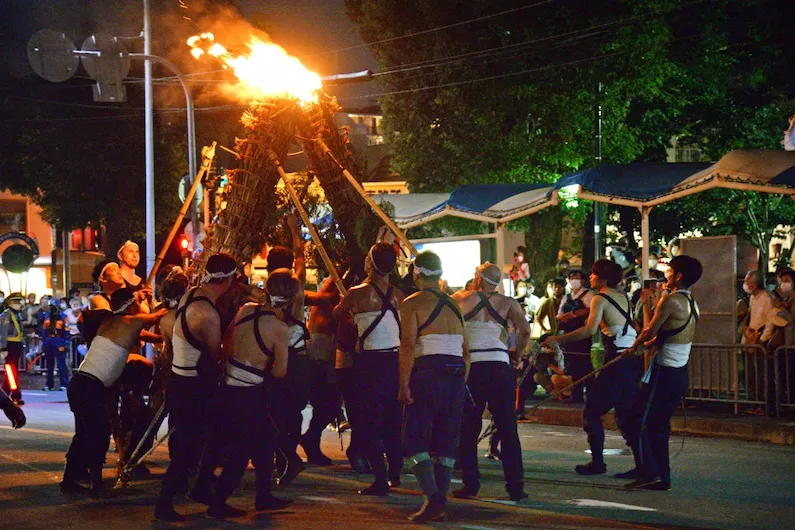
  • Righteous Army Departure Parade and Torchlight March: A visually striking reenactment and procession, likely featuring period costumes and evoking the historical mobilization of the civilian soldiers, culminating in an atmospheric torchlight march.
  • Righteous Army Play Zone & Squid Game: An area dedicated to interactive fun, potentially including traditional Korean games alongside modern, popular challenges inspired by the "Squid Game" phenomenon, offering engaging activities for various ages.
  • National Righteous Army Theme Hall Operation: An exhibition space providing in-depth information and displays about the history, significance, and legacy of the Righteous Army movement across Korea.

2. Side Programs

  • Uiryeong Hongui General National Freshwater Fishing Competition: A competitive event for angling enthusiasts, taking advantage of the local natural environment.
  • 9th Lee Ho-seop Song Festival: A musical event celebrating the works or legacy associated with Lee Ho-seop, potentially featuring performances by various artists.
  • Uiryeong Toyoae Watermelon Festival: A sub-festival celebrating a local agricultural specialty, likely offering tastings, sales, and related activities focused on Uiryeong’s Toyoae watermelons.
  • County Residents Trot Contest: A singing competition showcasing local talent performing trot music, a popular genre in Korea.

3. Consumer Participation Programs

  • Festival Street Parade: An opportunity for visitors and community groups to actively participate in a lively parade through the festival grounds.
  • Righteous Army Playground: Likely an area with games or activities themed around the Righteous Army, designed for visitor interaction and enjoyment.
  • Hongui Coin Tour: A program possibly involving collecting special "Hongui coins" by participating in various activities or visiting specific locations within the festival, potentially redeemable for small rewards.

4. Other Events

  • Street Busking: Live performances by musicians and entertainers at various points throughout the festival venue, adding to the lively atmosphere.
  • Insect Ecology Learning Center Special Exhibition: An educational exhibit focused on insect ecology, offering a learning opportunity distinct from the main historical theme.
  • National Folk Cow Fighting Competition: A traditional spectator sport involving bull-versus-bull wrestling matches, showcasing a unique aspect of Korean folk culture.

Visitor Information

📍 Address: 44, Uibyeong-ro 8-gil, Uiryeong-eup, Uiryeong-gun, Gyeongsangnam-do

🛏️ Accommodation near the event

💰 Fee: Admission to the festival grounds is generally Free, although specific programs or activities may have separate participation fees.

📞 Contact: For inquiries, please call 055-570-4941.

🖥️ Homepage: Visit the official festival website for the latest updates and detailed schedules: Homepage

Uiryeong Hongui General Festival

Who was General Hongui?

General Hongui is a significant figure in Korean history, known for his leadership during a challenging era. He played a crucial role in defending Korea and contributing to its unification. His strategic skills and commitment to his country were instrumental in protecting Korean sovereignty. General Hongui’s ability to lead and unite his troops is a key aspect of his legacy. The Uiryeong Hongui General Festival commemorates his contributions, providing an opportunity to explore his impact on Korean culture and history. Through various activities, the festival seeks to educate attendees about his achievements and the values he represented, ensuring his influence endures.

Celebrate Korea Library Week 2025 (April 12-18): Free Events in Seoul & Nationwide

Celebrate Korea Library Week 2025 (April 12-18): Free Events in Seoul & Nationwide

Library Day · Library Week

🗓️ April 12-18, 2025

With the 2021 amendment to the Library Act, April 12th of each year has been designated as Library Day, with the following week being designated as Library Week, all in order to increase the public’s understanding of, and interest in, libraries, thus promoting their use. The inaugural Library Day was commemorated in 2023, and as we approach the third Library Day in 2025, it is worth noting that Library Week — the library and reading culture campaign spearheaded by the Korean Library Association since 1964 — is marking its 61st anniversary. To promote library use, a variety of programs, including international conferences, commemorative ceremonies, lectures, and experiential events, will be held at the National Library of Korea, as well as at libraries nationwide, from April 10th to 18th, 2025.

The programs on offer during this period are:

  1. Programs: International Conference, Hackathon, Commemorative Ceremony, Seminar, LIVErary Open Garden
  2. Campaign: Today’s Library Visit Campaign

For those who might be interested in attending, the National Library of Korea, where some of the events will be taking place, is located at:

📍 201 Banpo-daero, Seocho-gu, Seoul (Banpo-dong)

🛏️ Accommodation near the event

One of the main draws of this event is that it is entirely free of charge, making the pursuit of knowledge and cultural enrichment accessible to all.

💰 Free

For any inquiries, do not hesitate to contact the organizers at:

📞 070-5159-5447

For additional information, including a detailed schedule of events and updates, please refer to the official channels:

⭐️ Instagram: https://www.instagram.com/412libraryday/

🖥️ Homepage: https://libraryday.kr/

도서관의 날 · 도서관주간

What is Korea Library Week?

Korea Library Week is an annual event focused on promoting libraries and encouraging reading and lifelong learning. Held every April, it underscores the role libraries play in Korean communities as centers of knowledge and culture. Throughout the week, libraries across the country offer free events and activities for all ages, such as author talks, storytelling sessions, workshops, and exhibitions. These programs highlight the wide range of resources and services available at libraries. The week also acknowledges the efforts of librarians and library staff in supporting education and access to information. Korea Library Week is a time for communities to reaffirm their commitment to literacy and to consider the changing role of libraries in the digital era.

Wasteful Days of High School Girl Cafe at E-DINER Ikebukuro (April 2025): Menu, Merch, and More!

Wasteful Days of High School Girl Cafe at E-DINER Ikebukuro (April 2025): Menu, Merch, and More!

Wasteful Days of High School Girl × E-DINER Collaboration Cafe

Experience the World of "Wasteful Days of High School Girl" at E-DINER Ikebukuro

Fans of the comedic series "Wasteful Days of High School Girl" have a unique opportunity approaching. Edith Co., Ltd., known for event planning and merchandise production, is organizing a special collaboration cafe event hosted at E-DINER Ikebukuro. This limited-time engagement offers attendees a chance to immerse themselves in the series through themed food, beverages, and exclusive merchandise. Additionally, related goods will be available for purchase at "E-Ani -EDITH ANIME SHOP-". If you appreciate the characters and humor of the series, this event presents a distinct way to engage with it.

Themed Food and Drink Menu

The collaboration features a menu inspired by the characters and memorable moments from "Wasteful Days of High School Girl". Each item offers a taste tied to the series’ unique personalities.

  • Mitsui’s Mayo-Drenched Hamburger: 1540 yen (tax included)
  • Chuunibyou Kuronuma’s Black-Clad Pasta: 1540 yen (tax included)
  • Imazuka’s Stamon-Get Takoyaki: 1100 yen (tax included)
  • Kaku and Sumi’s Sibling Rivalry Pudding: 1320 yen (tax included)
  • Imura’s Hydration Soda: 990 yen (tax included)
  • Nomura’s Recovery Orange Juice: 990 yen (tax included)
  • Tsuchida’s Fluffy Whipped Cafe Latte: 990 yen (tax included)

Furthermore, for every food or drink item ordered from this special menu, customers will receive one complimentary original coaster featuring designs inspired by the series.
Please note that coaster designs are distributed randomly and cannot be selected. This offer is valid only while supplies last.

Exclusive Merchandise

Alongside the culinary offerings, a range of exclusive merchandise celebrating "Wasteful Days of High School Girl" will be available for purchase at the venue and also at "E-Ani -EDITH ANIME SHOP-".

  • Trading Can Badges (6 types in total):
    • Individual Price: 440 yen (tax included)
    • Box of 6: 2640 yen (tax included)
  • Trading Name Badges (6 types in total):
    • Individual Price: 770 yen (tax included)
    • Box of 6: 4620 yen (tax included)
  • Acrylic Hair Ties (6 types in total):
    • Price: 880 yen each (tax included)
  • Masking Tape (1 type):
    • Scheduled for release on 4/11 (Fri)
    • Price: 660 yen (tax included)
  • Towel (1 type):
    • Scheduled for release on 4/11 (Fri)
    • Price: 2750 yen (tax included)

As an additional incentive, for every 2,000 yen (tax included) spent on merchandise during the event, customers will receive one original postcard.
This promotional postcard offer is available only while supplies last.

For comprehensive details regarding the menu and merchandise, please consult the official event website.

Event Information

  • Venue: E-DINER Ikebukuro Main Branch
  • Nearest Station: Ikebukuro Station
  • Address: 〒170-0013 Tokyo, Toshima-ku, Higashi-Ikebukuro 1-23-1 Social Building 1F (MAP)
  • Event Period: Wednesday, April 2, 2025 – Sunday, April 27, 2025
  • Operating Hours: 11:00 AM – 8:00 PM daily

Official Website & Important Notes

For the most current information, including any potential updates or changes to the schedule or offerings, please refer directly to the official event website:
https://www.edith.co.jp/lp/pq_e-diner/

Published content may be subject to change. Always check the official sources for the latest details before visiting.

🛏️ See hotels near Tokyo

「ポンコツクエスト」×E-DINER_1
「ポンコツクエスト」×E-DINER_2
「ポンコツクエスト」×E-DINER_3
「ポンコツクエスト」×E-DINER_4
「ポンコツクエスト」×E-DINER_5
「ポンコツクエスト」×E-DINER_6
「ポンコツクエスト」×E-DINER_7
「ポンコツクエスト」×E-DINER_8
「ポンコツクエスト」×E-DINER_9
「ポンコツクエスト」×E-DINER_10
「ポンコツクエスト」×E-DINER_11
「ポンコツクエスト」×E-DINER_12
「ポンコツクエスト」×E-DINER_13

What is "Wasteful Days of High School Girls"?

"Wasteful Days of High School Girls" is a Japanese manga and anime series that humorously depicts the lives of three high school girls. Created by Bino, the series centers on Tanaka, nicknamed "Baka" for her silly behavior; Kikuchi, known as "Wota" due to her interest in anime and manga; and Saginomiya, called "Robo" for her logical demeanor. The series follows their everyday experiences, turning ordinary moments into comedic events.

The appeal of "Wasteful Days of High School Girls" is found in its clever dialogue and character interactions. Each episode or chapter presents a slice-of-life scenario, highlighting the humor in typical high school experiences. The series has attracted a fanbase for its portrayal of teenage life, establishing itself as a notable work in the slice-of-life comedy genre.

Analytics