
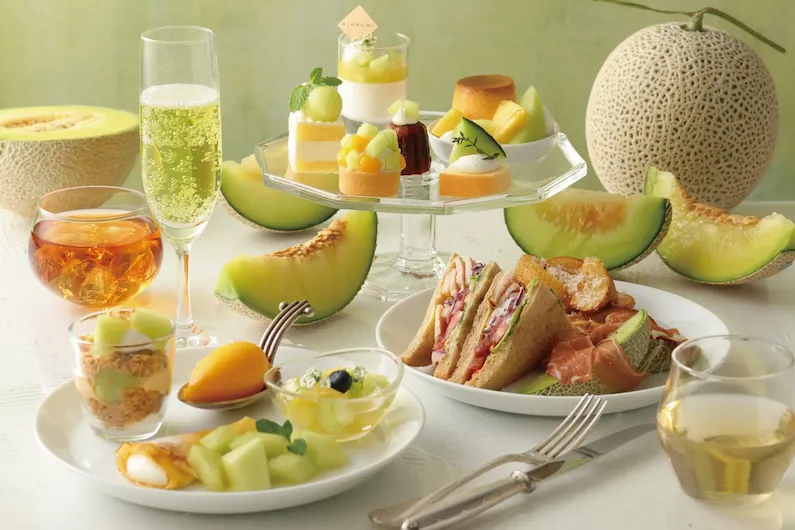
KIHACHI Afternoon Tea: Ibara King Melon Special
Experience a refined taste of early summer at the Kihachi Aoyama Main Store, where the seasonal “Ibara King Melon Special” afternoon tea is available for a limited time. This curated experience centers on the Ibara King melon—a variety specifically prized for its elegant aroma, high sugar content, and exceptionally juicy flesh—offering guests a sophisticated way to celebrate the peak of the melon season.
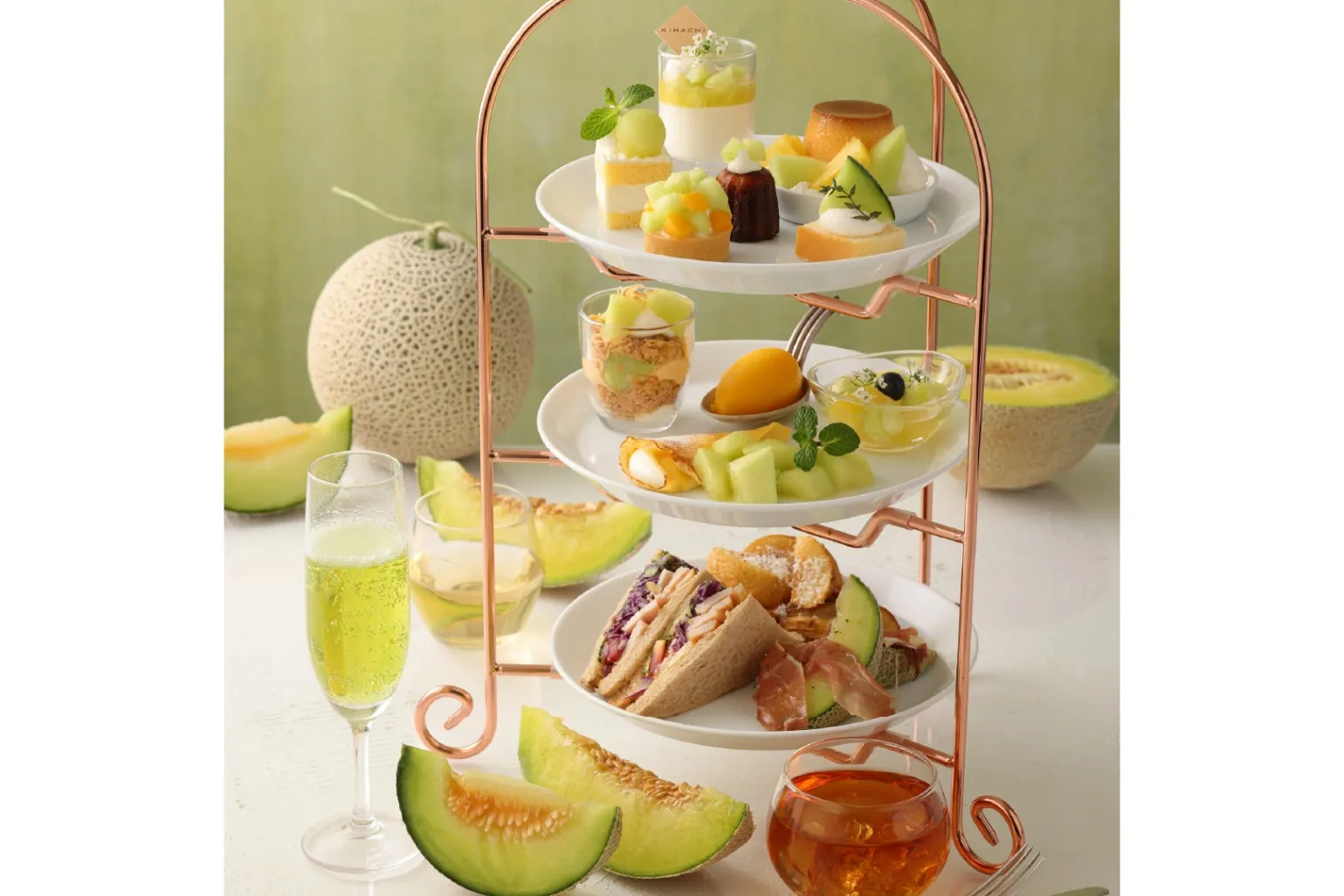
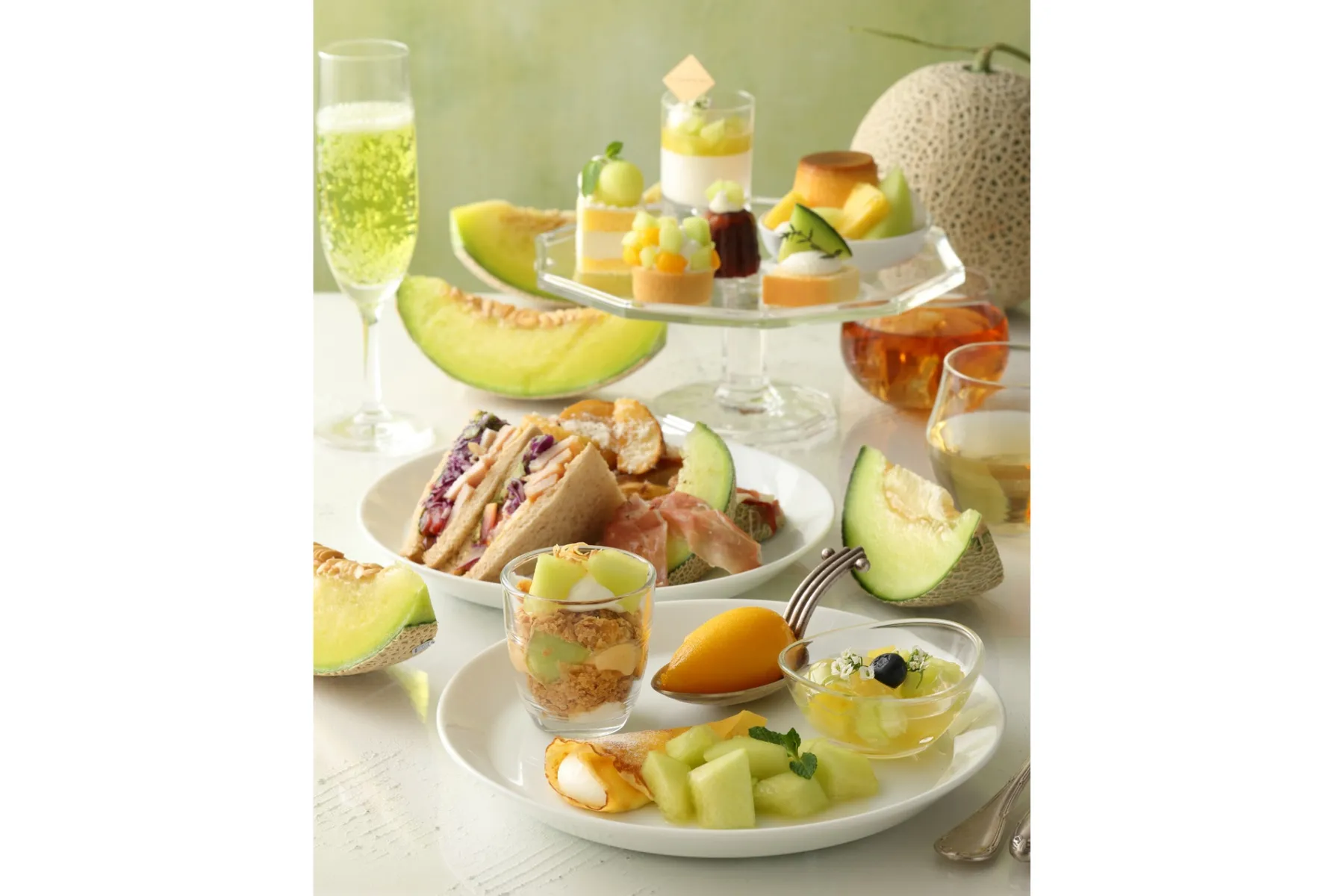
The menu is designed to evoke a refreshing early summer atmosphere, blending the primary sweetness of the melon with complementary fruit accents. To provide a balanced palate, the chefs have integrated notes of mango, pineapple, and blueberries into the selection. The experience begins with a dedicated welcome drink—available as either a melon-flavored sparkling wine or a non-alcoholic mocktail—before proceeding to a comprehensive array of sweets and savories.
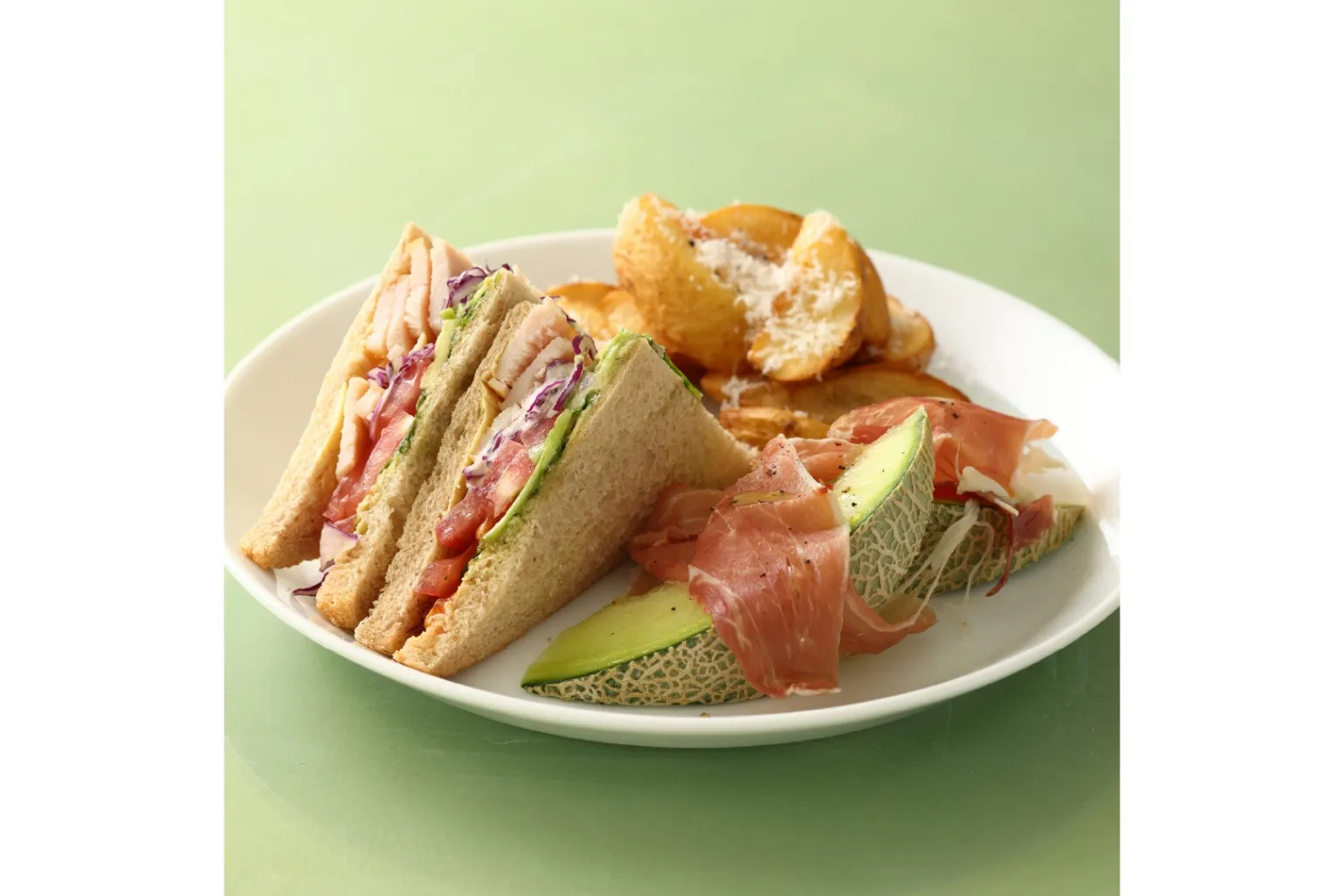
Among the highlights are the “Melon and Coconut Blancmange,” designed for a cooling visual and taste effect, and the “Melon and Pineapple Macédoine.” The transition from sweet to savory is bridged by items such as “Prosciutto and Melon,” combining the fruit’s sweetness with a salty cure.
Menu Selection
Welcome Drink
- Melon-flavored sparkling wine or mocktail
Sweets & Savories
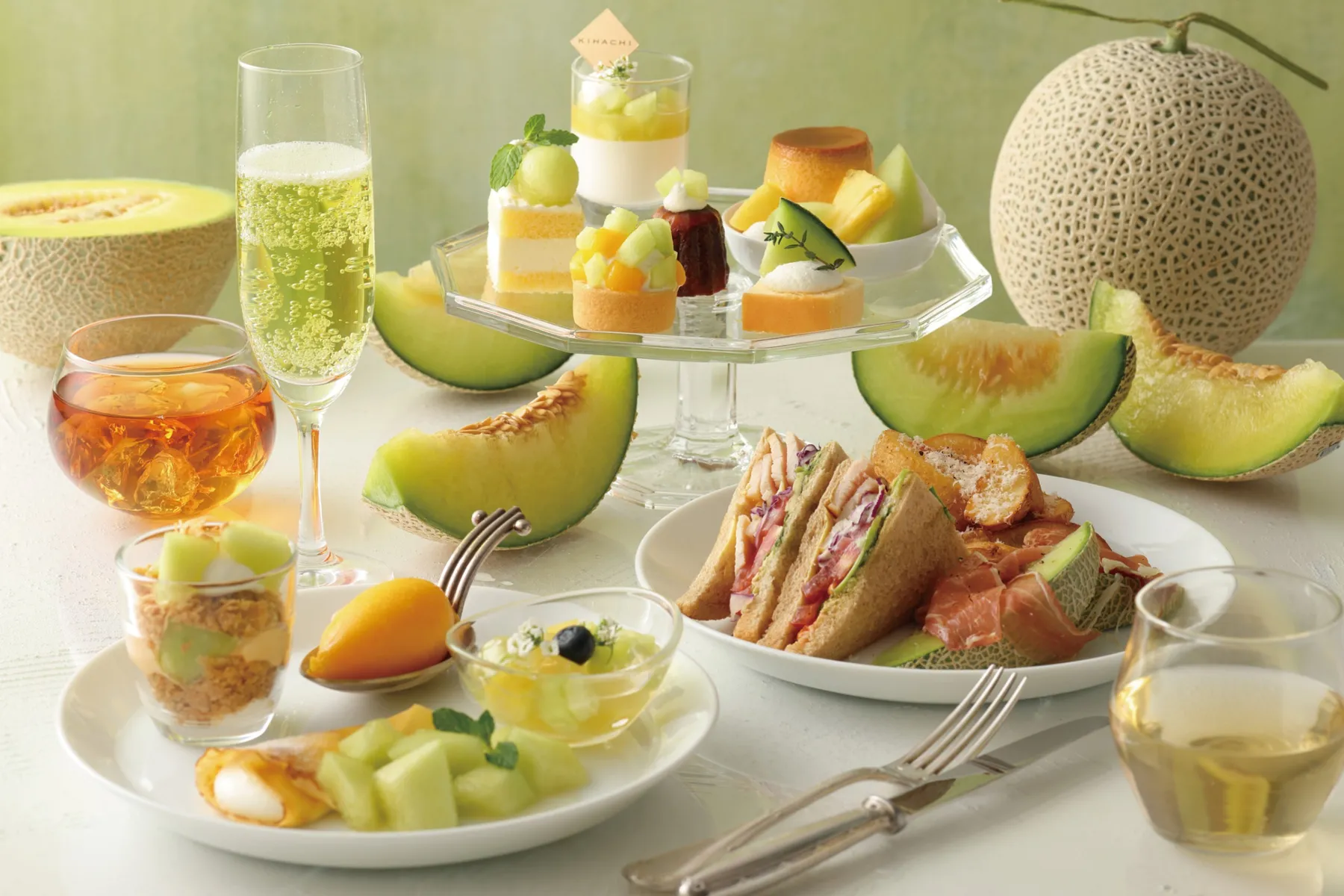
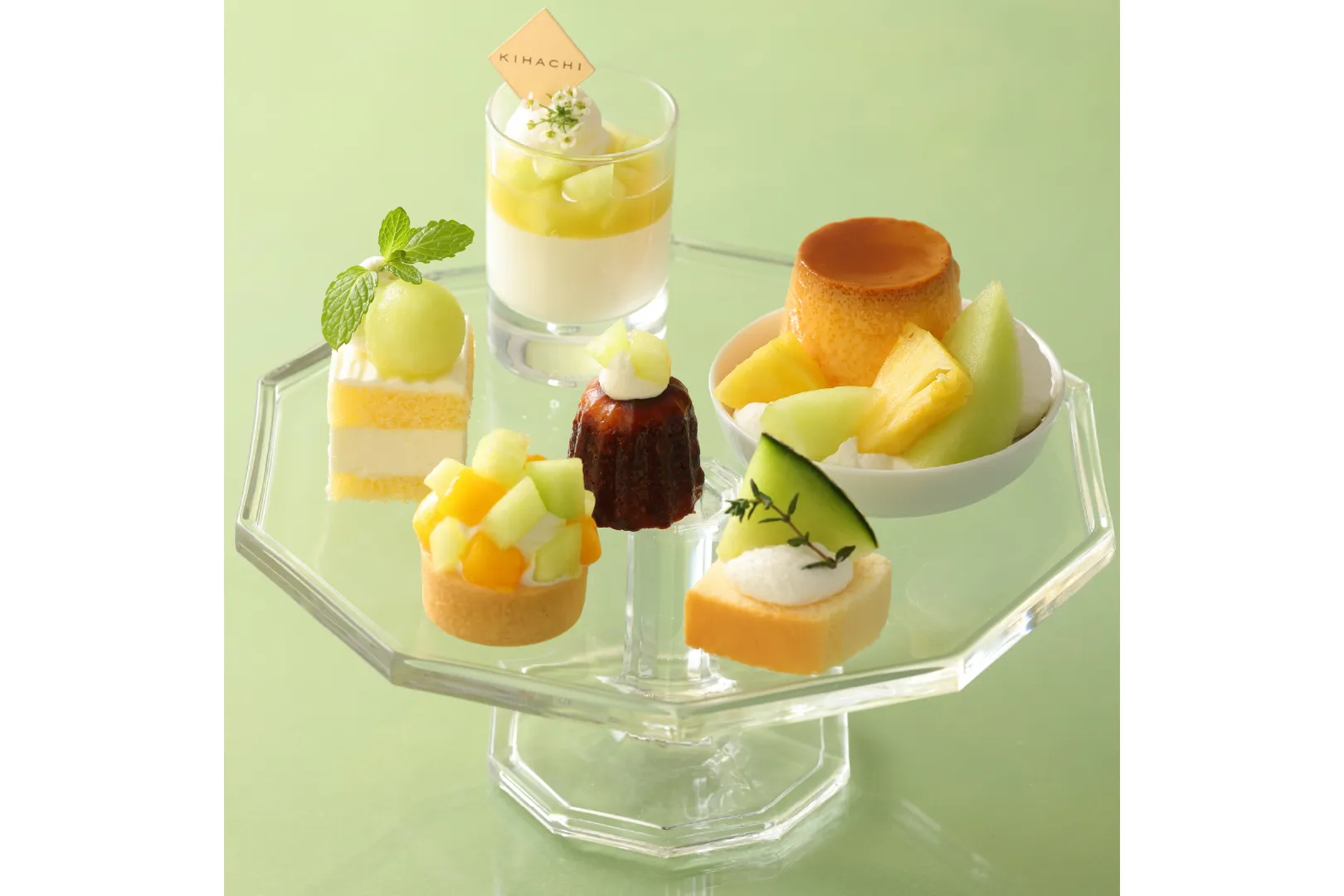
- Melon and coconut blancmange
- Melon shortcake
- Melon and mango tart
- Melon pudding à la mode
- Cheesecake topped with melon
- Cannelé
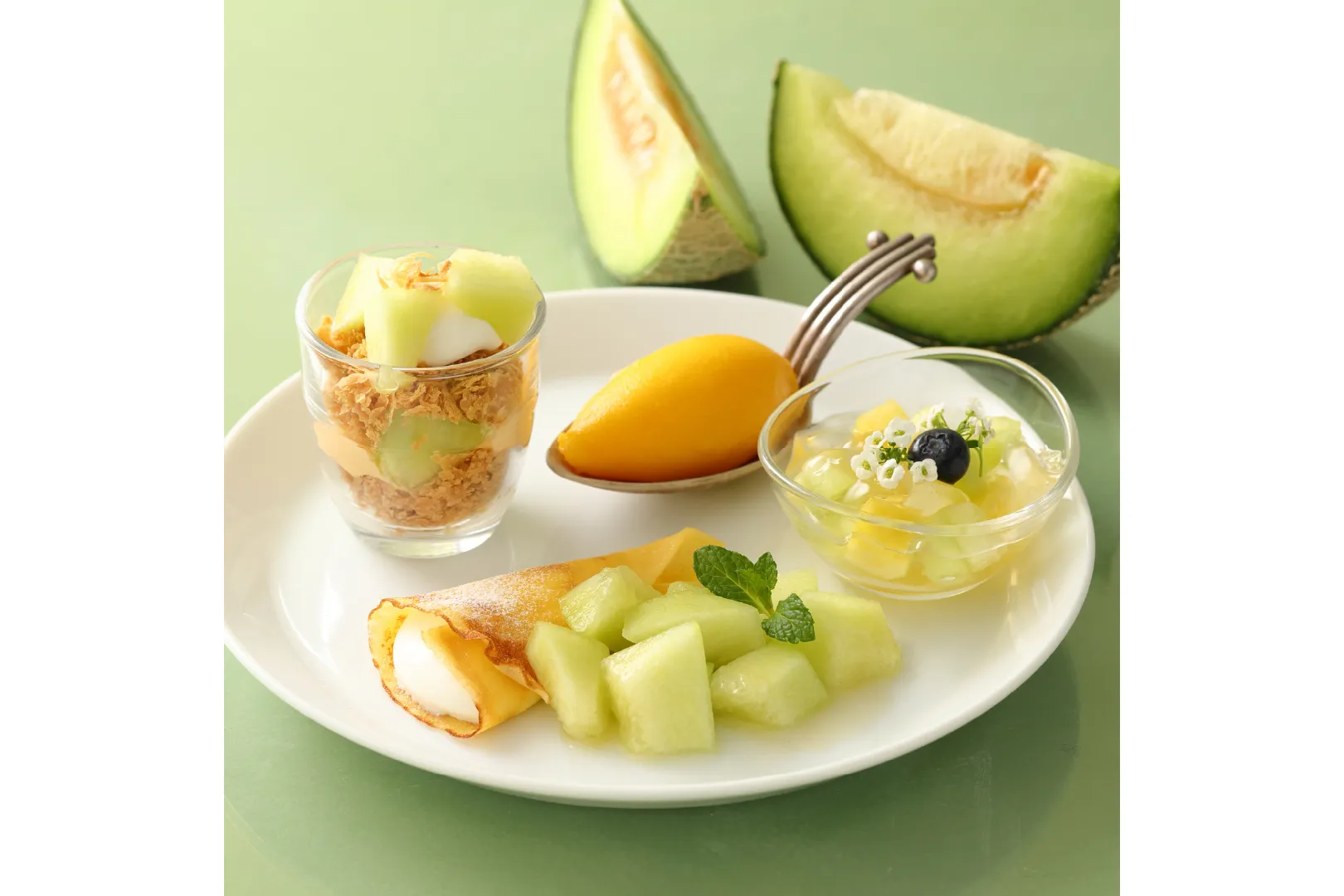
- Melon and pineapple macédoine
- Melon crepe
- Melon crumble pie
- Mango sorbet
- Prosciutto and melon
- Smoked Date-dori chicken and avocado sandwich
- French fries with Parmigiano
Free-Flow Drinks (90-minute limit)
Guests may select from the following beverages to accompany their meal:
- Red wine
- White wine
- Coffee
- Tea
- Herb tea
Essential Information
Venue and Access
The event takes place at the Kihachi Aoyama Main Store located on the 1F Cafe & Food Hall. The venue is conveniently accessible via Gaienmae Station or Aoyama-itchome Station.
- Address: 〒107-0061 2-1-19 Kita-Aoyama, Minato-ku, Tokyo MAP
Schedule and Pricing
- Period: Thursday, June 18, 2026 – Wednesday, July 22, 2026
- Time Slots: Four sessions are available daily:
- 11:30~
- 14:00~
- 14:30~
- 15:00~
Each session lasts 2 hours, with the last order for free-flow drinks taken 30 minutes before the session ends.
- Price: 7,700 yen (tax included), which covers the welcome drink and the 90-minute free drink service.
Additional Details
- All fresh melons utilized in the menu are of the “Ibara King” variety.
- Reservations are available for parties of one or more guests.
- Please be aware that ingredients, menu items, and implementation periods are subject to change based on procurement conditions and weather.
- For the most current business hours and closing days, please visit the Official Website.
The posted content may have changed. Please check the official website of the venue or organizer for the latest information.
What is Ibara King Melon?
The Ibara King Melon is a premium muskmelon variety developed in Ibaraki Prefecture, where flat, well-draining soil and significant temperature variation between day and night create favorable conditions for sugar accumulation. The fruit typically weighs between 1.5 and 2 kilograms, with a spherical shape and a distinctive netted rind. The raised cracking of the netting forms patterns of pale cream against emerald green skin—features that develop under the controlled temperature and humidity of greenhouse cultivation, where farmers regulate conditions to within narrow parameters throughout the 100-day growing cycle.
Commercial production focuses on measurable sugar content and texture. Ibara King melons regularly test at 16 to 18 degrees Brix, higher than typical consumer melons that range between 10 and 12 Brix. The flesh is pale orange, softer in hue than the vivid green of standard cantaloupes, with a dense, smooth consistency. Achieving these characteristics requires specific interventions: farmers hand-pollinate flowers to control genetics, remove all but one fruit from each vine to direct the plant’s full nutrient capacity to a single melon, and massage the developing fruit daily to stimulate even ethylene production and prevent irregular netting. As the melon matures, workers suspend it in a sling to support its weight without stressing the stem, adjusting greenhouse shading to limit direct sun exposure and preserve the delicate flesh color.
Within Japanese food culture, high-grade melons serve as formal gifts, and the Ibara King occupies a recognized position in this category. Prime specimens sell at auction for prices that reflect the labor intensity of their production rather than scarcity alone. The harvest peaks in early summer, with controlled autumn cultivation extending availability; this schedule influences purchasing patterns at luxury hotels and patisseries, which acquire specific allocations for seasonal menus. In culinary applications, the melon’s dense flesh maintains structural stability when cut, making it suitable for tarts and molded desserts, while the high sugar content allows it to pair with dairy without additional sweetening. The flavor carries vanilla and honey notes that distinguish it from muskmelons grown in other regions, though these characteristics emerge primarily from the intensive cultivation methods rather than intrinsic varietal differences.
