THE NATIONAL GALLERY LONDON AFTERNOON TEA ~ Inspired by Monet & Van Gogh~
When Two Artistic Visions Converge on Your Plate
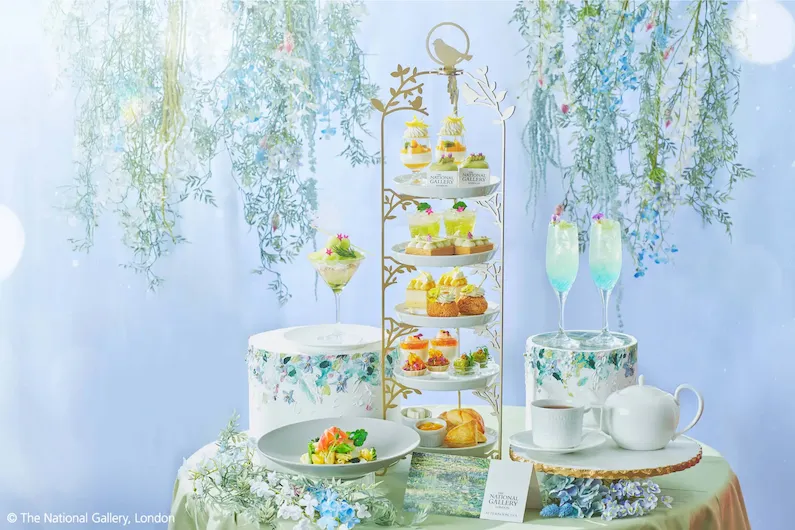
Claude Monet and Vincent van Gogh—two masters whose works rarely share the same physical space—find unexpected harmony in an afternoon tea experience that translates their paintings into edible form. Drawing from the collection of the National Gallery, London, this limited collaboration reimagines Water Lilies Pond and Sunflowers as a multi-course menu served across two distinctive Tokyo venues.
What distinguishes this event from conventional art-themed dining is its narrative foundation: both artists harbored a documented fascination with Japan. Monet constructed his Giverny garden with deliberate Japanese aesthetic influences, while Van Gogh collected Japanese prints and studied their compositional techniques. The tea service constructs a bridge between their European masterpieces and the “ideal place they hoped to visit someday”—realized here through Japanese ingredients and culinary interpretation.
The Experience: Two Artistic Sessions
The menu operates on a seasonal rotation tied to the artists’ respective palettes.
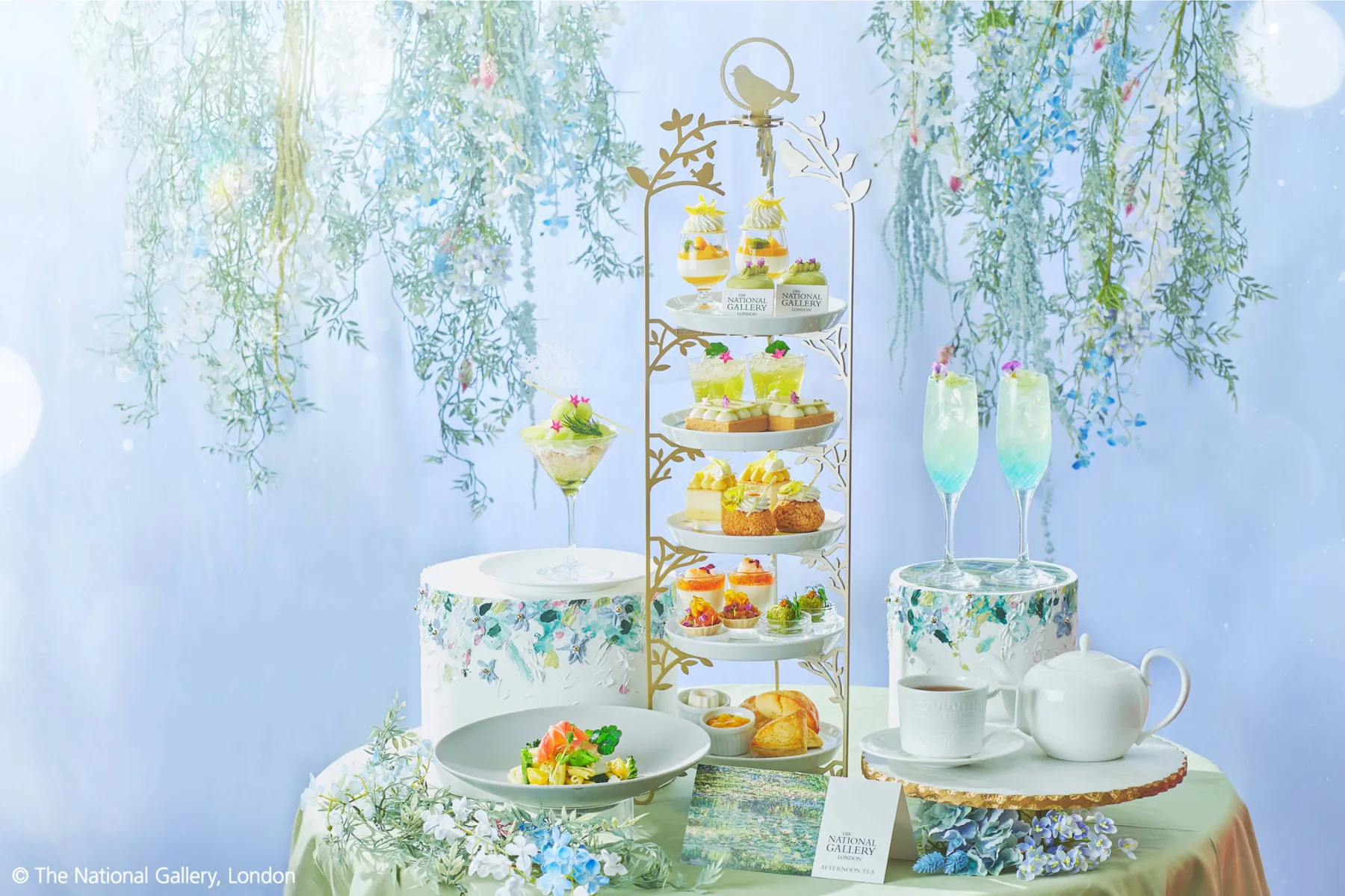
Monet Session (July 1–31, 2026): “Harmony of the Water Surface”
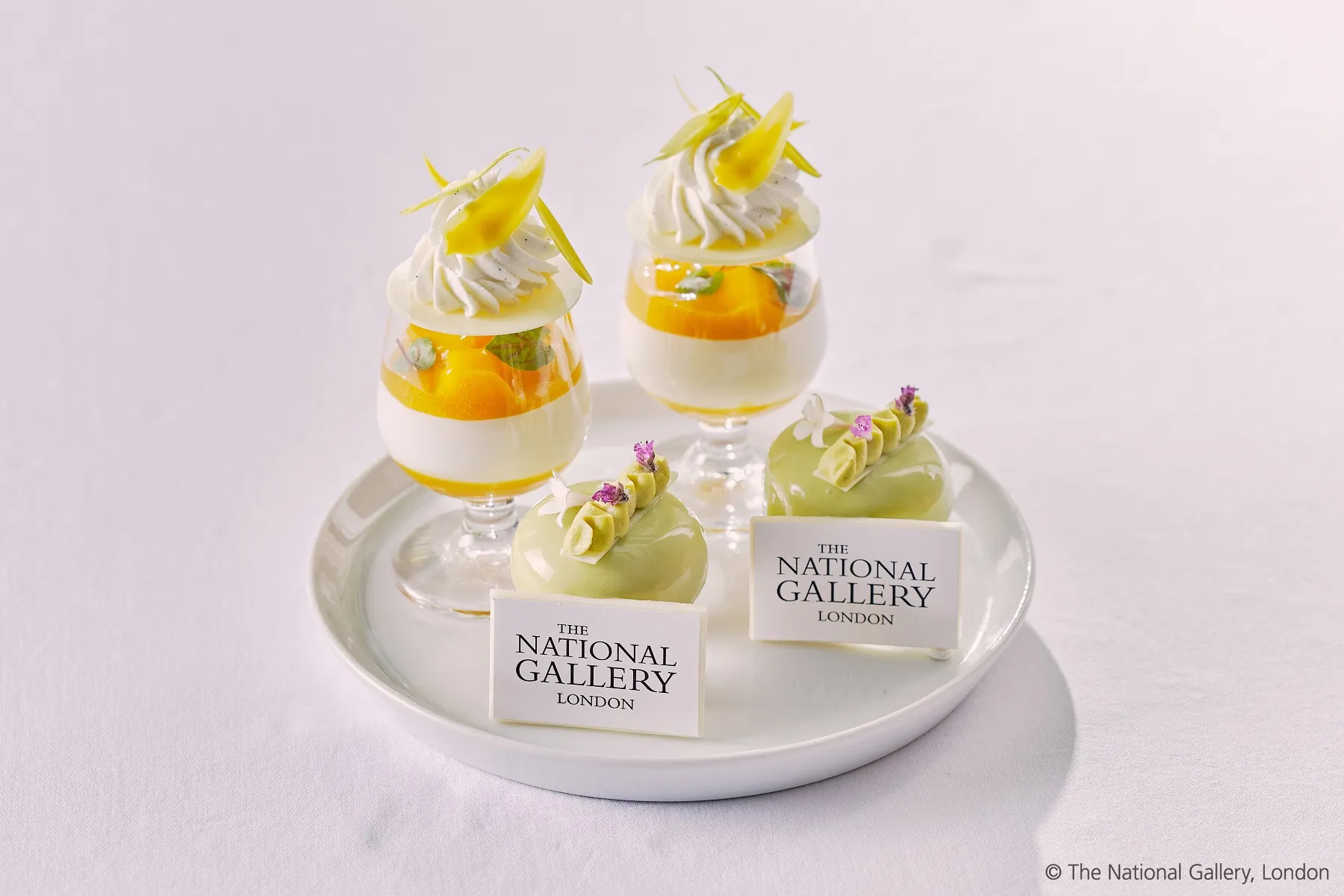
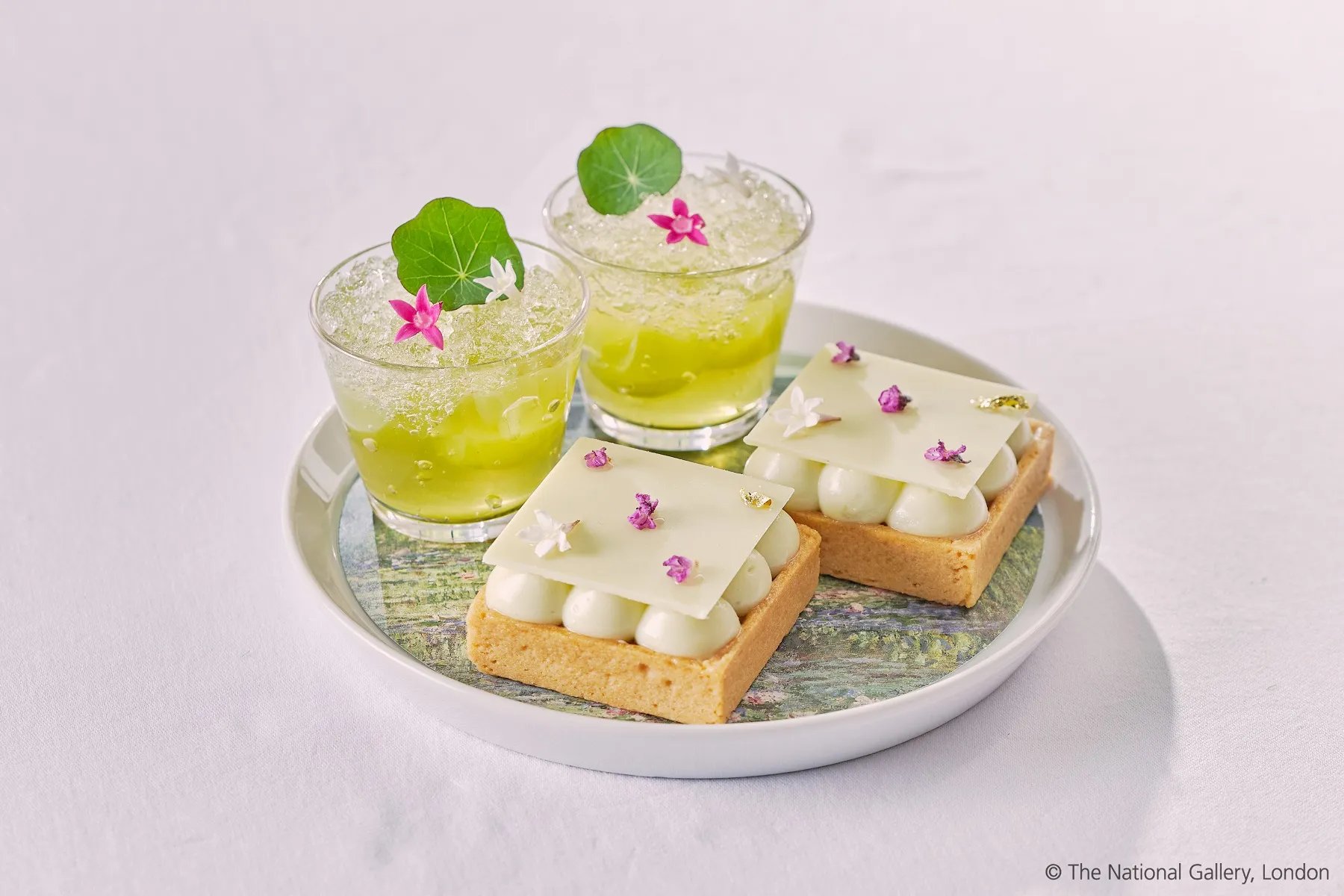
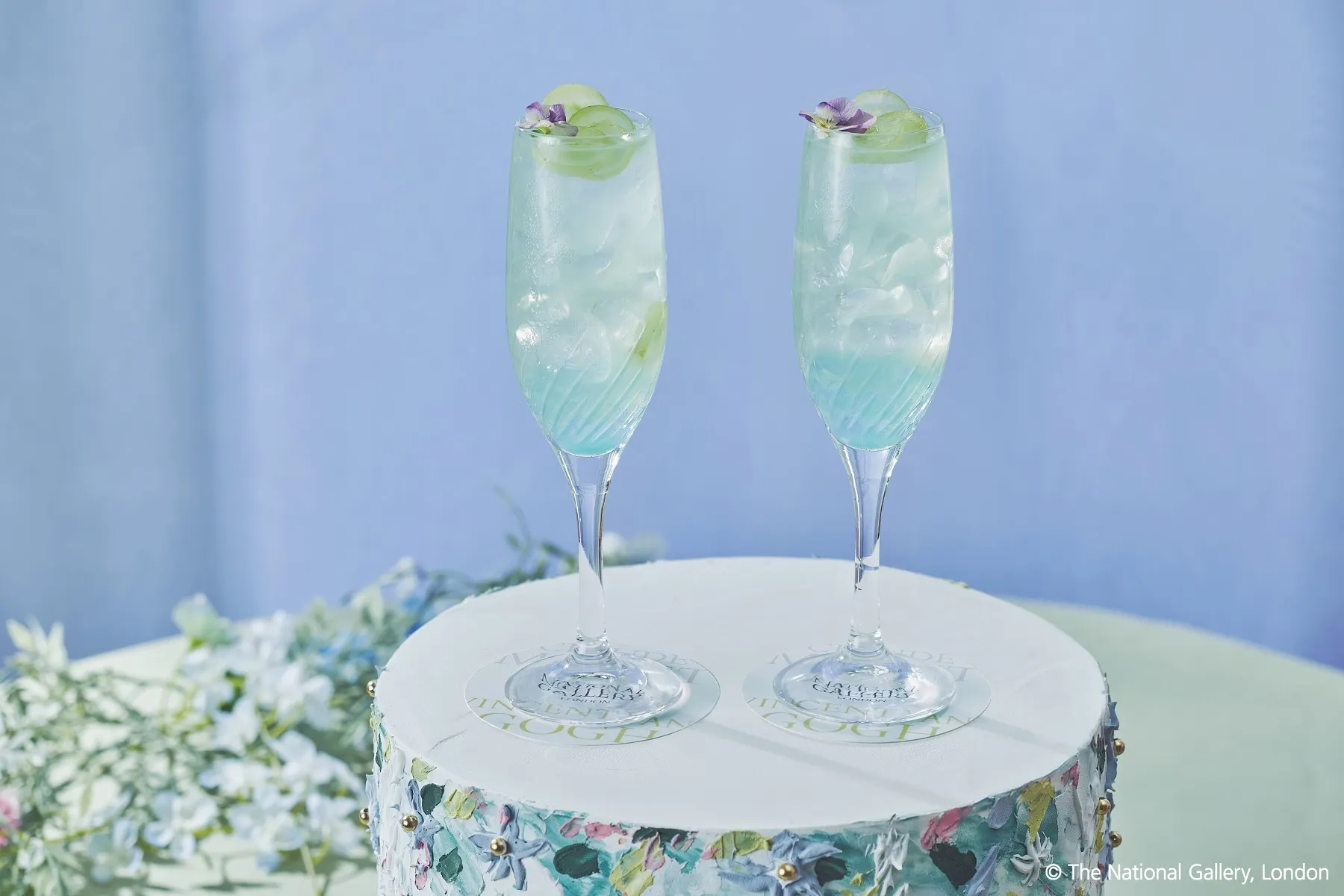
The July service translates Monet’s preoccupation with light on water into transparent and layered constructions. The Muscat and White Wine Jelly captures shifting luminosity through suspended clarity, while Pistachio and Raspberry Mousse and Matcha Tapas render the greenery of Giverny’s pond edge. The cumulative effect suggests standing at the water’s perimeter—an impression that accumulates across successive bites rather than arriving all at once.
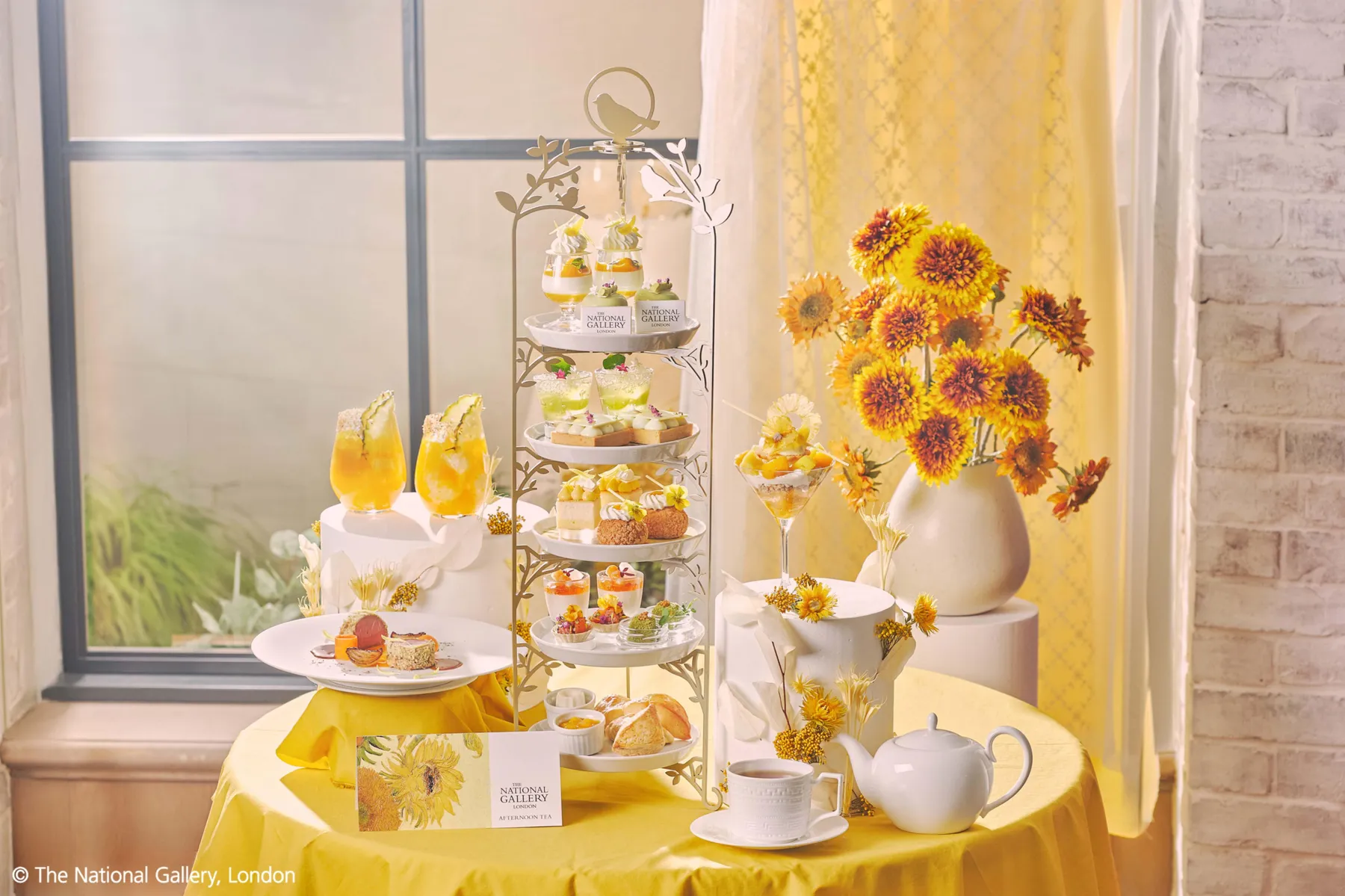
Van Gogh Session (August 1–September 13, 2026): “Yellow Palette”
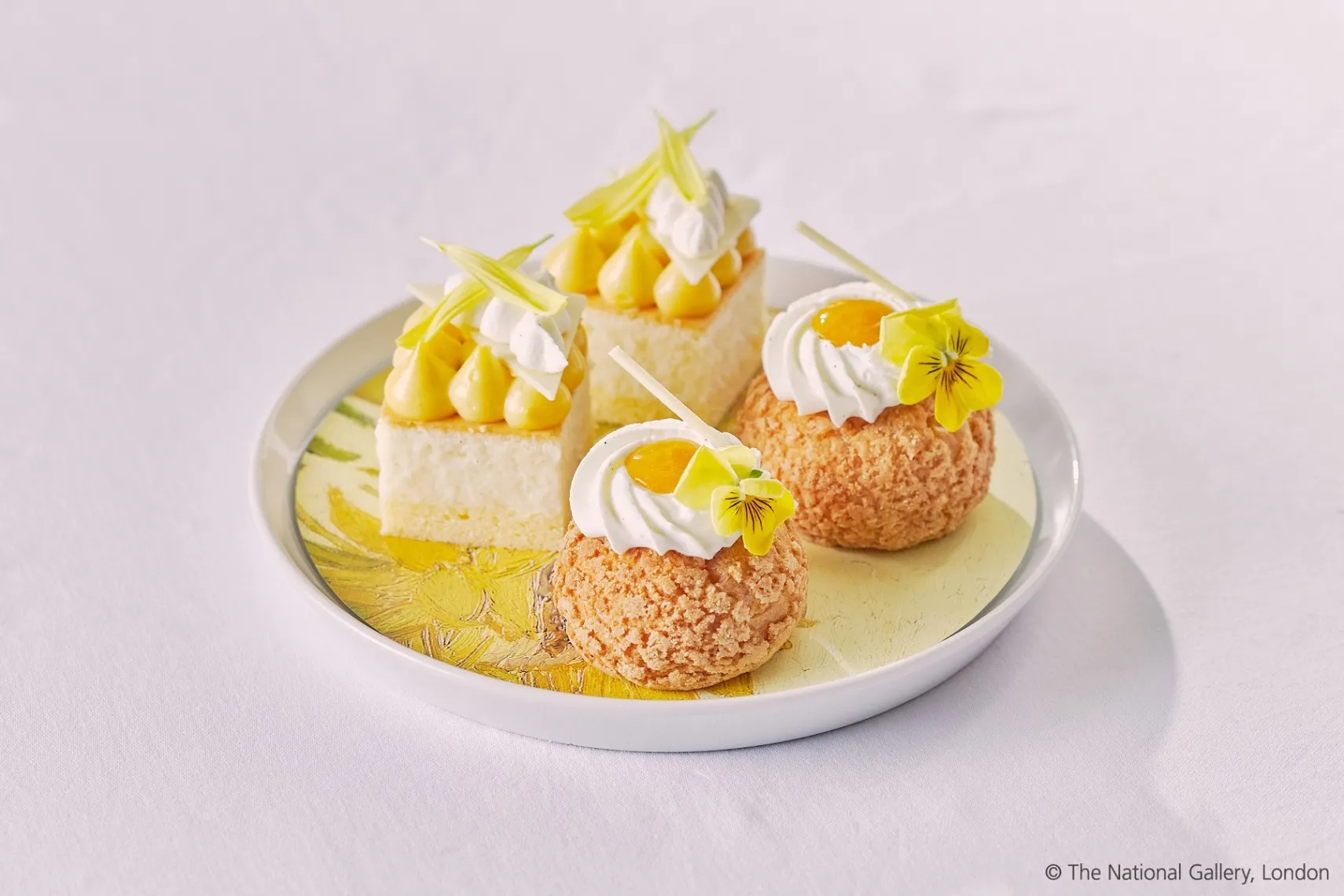
The August-September transition shifts to the saturated warmth of Arles. A Mango and Coconut Verrine delivers concentrated fruit intensity, while a soup course evokes the Provençal sun that Van Gogh chased during his most productive period. The menu favors bold, unmodulated color over subtle gradation—appropriate to an artist who wrote that he wanted to express “hope” through yellow.
The Full Menu
Desserts
- Pistachio and Raspberry Mousse with Spinach Biscuit
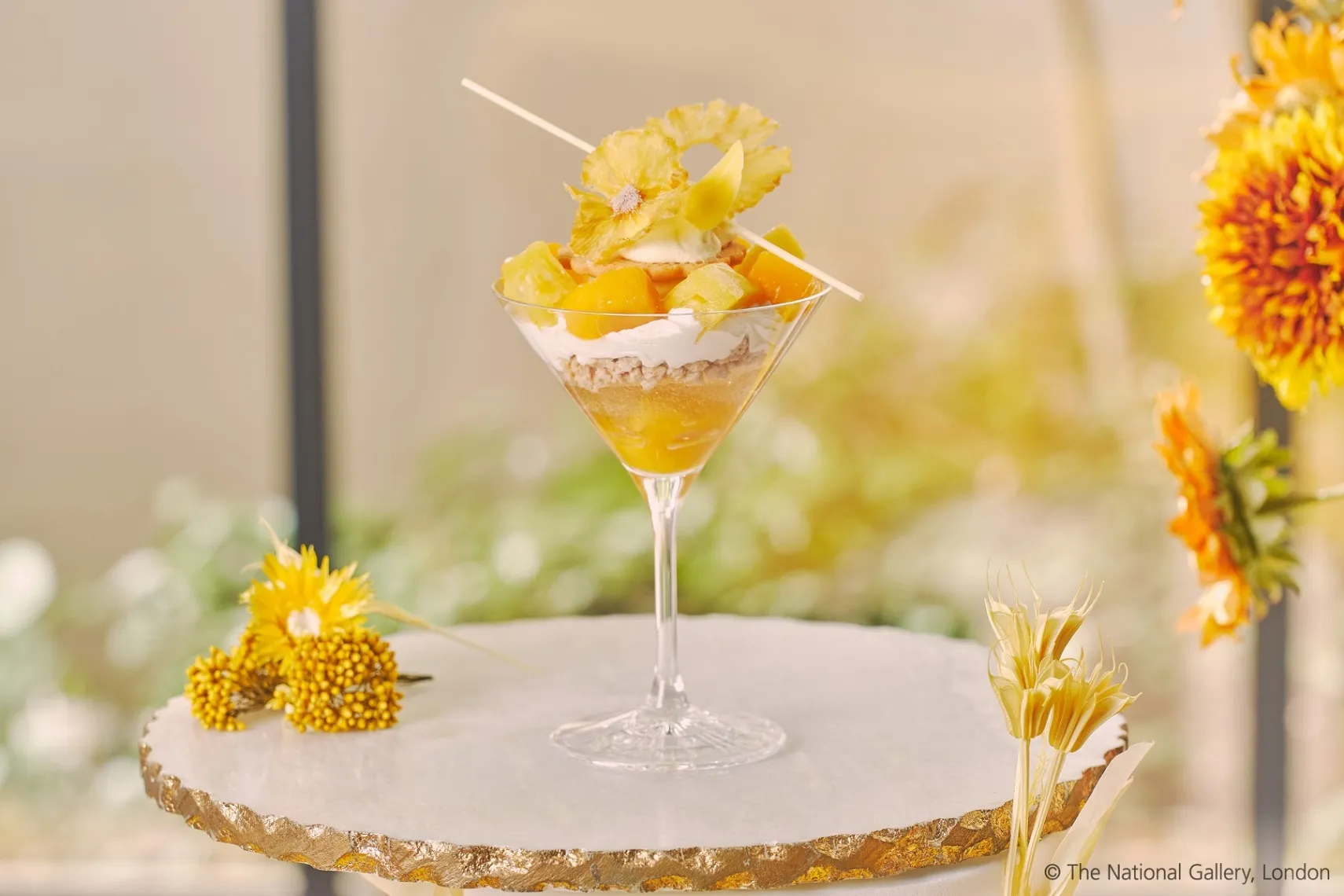
- Mango and Coconut Verrine
- National Gallery Chocolate Plate
- Grape and White Wine Jelly
- Lime and Milk Chocolate Tart
- Mango Passion Baked Cheesecake
- Orange Passion Cream Puff
Savories
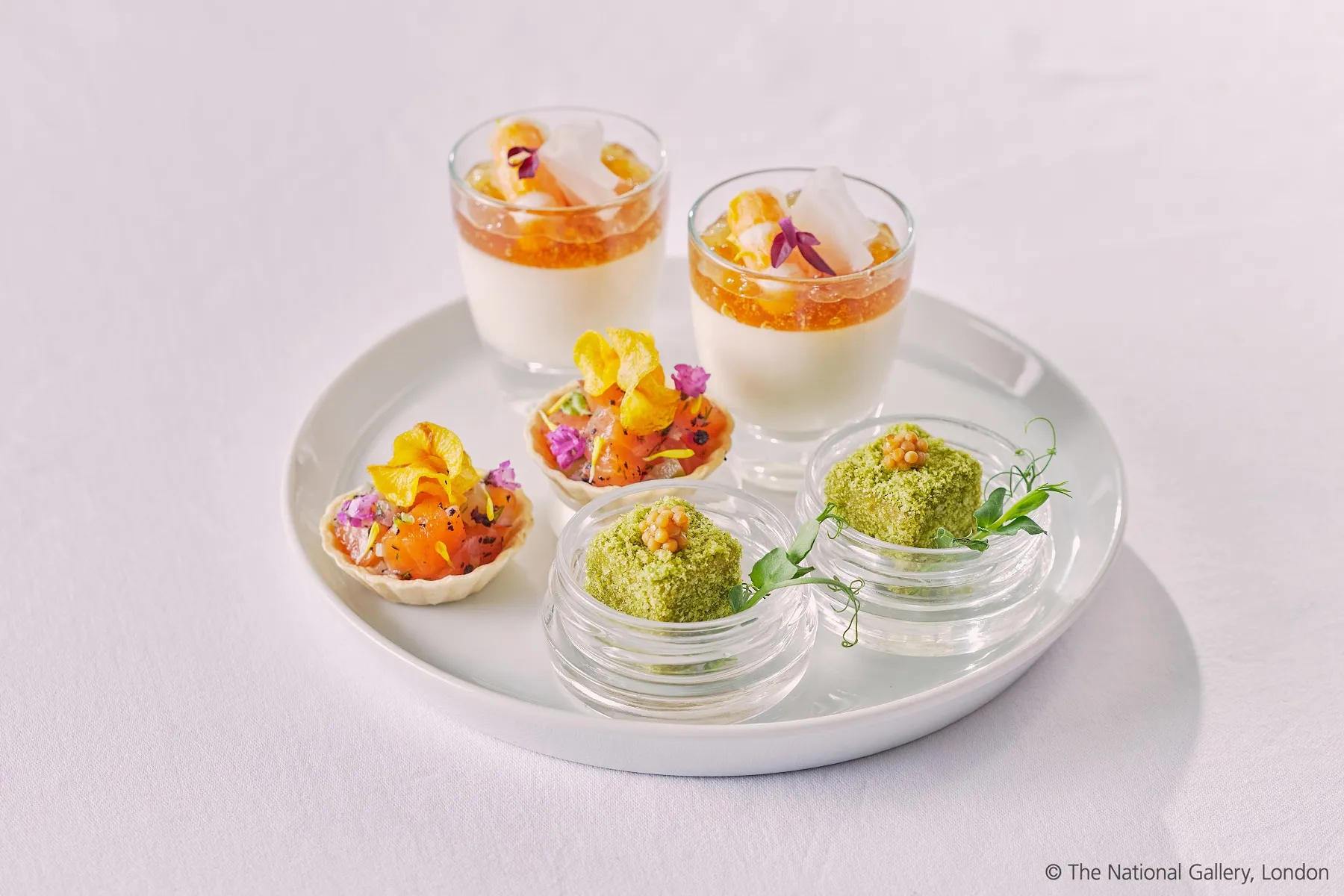
- Domestic Pork Rillettes Japonisme Style
- Salmon and Dill Pickle Tartlet with Shiso Aroma
- Shrimp and Turnip Mousse with Peruño-flavored Jelly
Scones & Condiments
- Scones (Milk / Tea varieties)
- Condiments (Confiture / Clotted Cream)
Beverage Service
Standard Plan
One cup of Mariage Frères tea (the established French house founded 1854) plus unlimited access to tea selections, coffee, and soft drinks.
Tea Selection Plan
Expanded Mariage Frères selection plus unlimited access to the Standard Plan’s beverage range.
Prices below include 15% consumption tax and service charge.
| Plan | Weekdays | Sat/Sun/Holidays |
|---|---|---|
| Standard | ¥5,800 | ¥6,300 |
| Tea Selection | ¥6,300 | ¥6,800 |
Optional Additions
| Item | Price | Availability |
|---|---|---|
| Special Drink (¥1,300) | ||
| “Monet Blue ~White Grape and Water Lily Style~” | July 1–31, 2026 | |
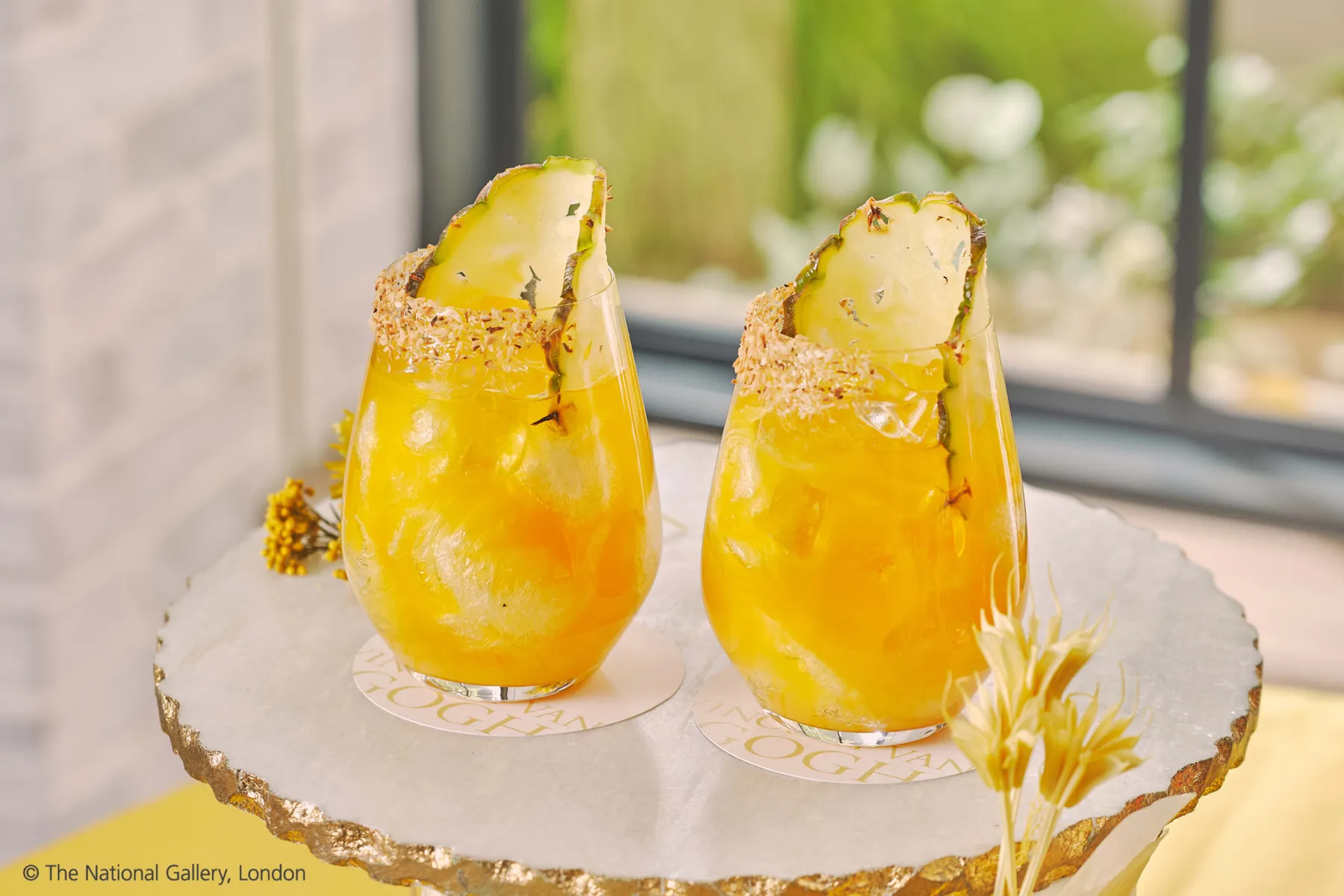
| “Passionate Sunflower ~Mango & Roasted Coconut~” | August 1–September 13, 2026 | |
| Special Dessert (¥1,800) | ||
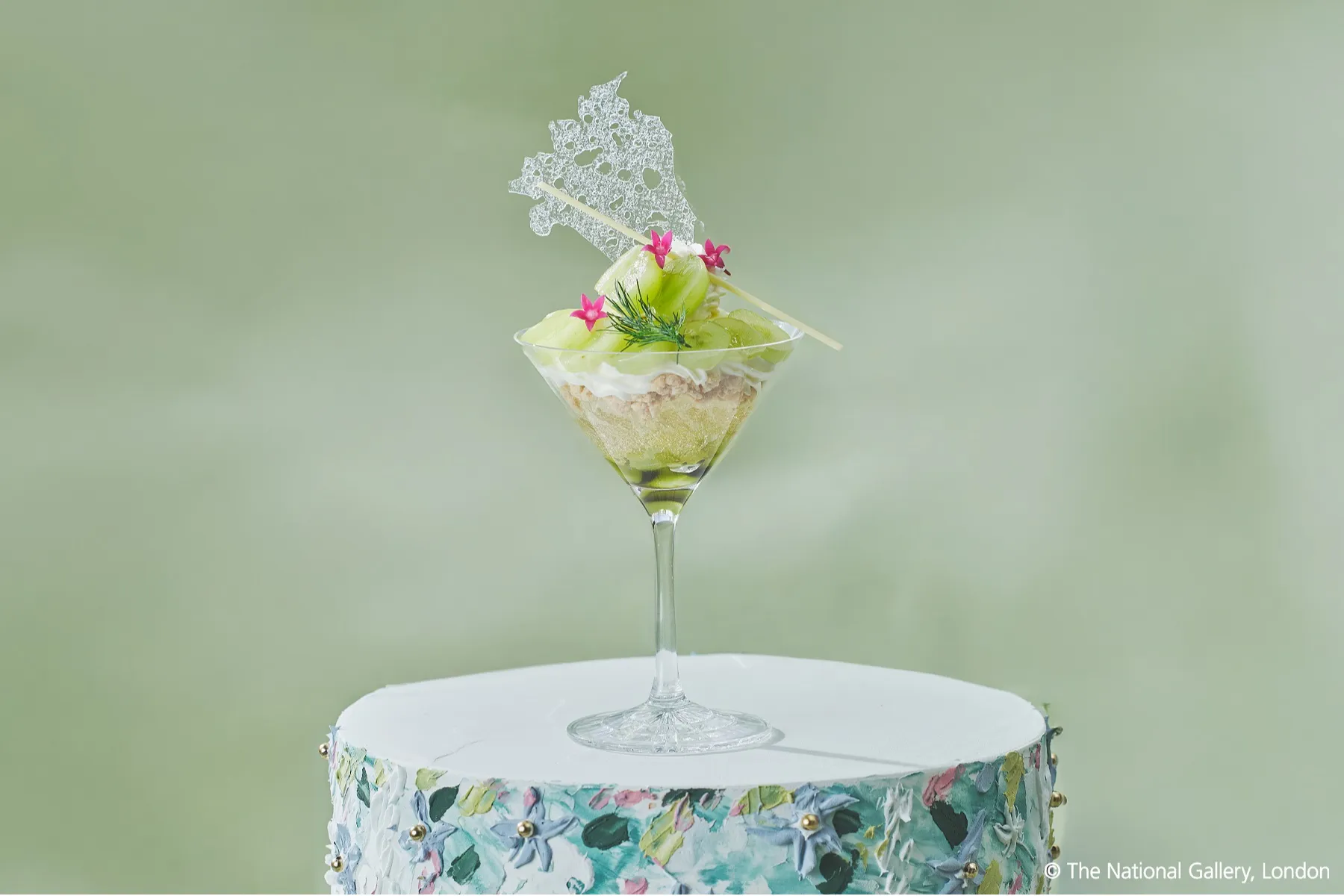
| “Water Lilies and Water Surface Grape Parfait” | July 1–31, 2026 | |
| “Sunflowers and Sunlight Mango Parfait” | August 1–September 13, 2026 | |
| Lunch (¥2,000) | ||
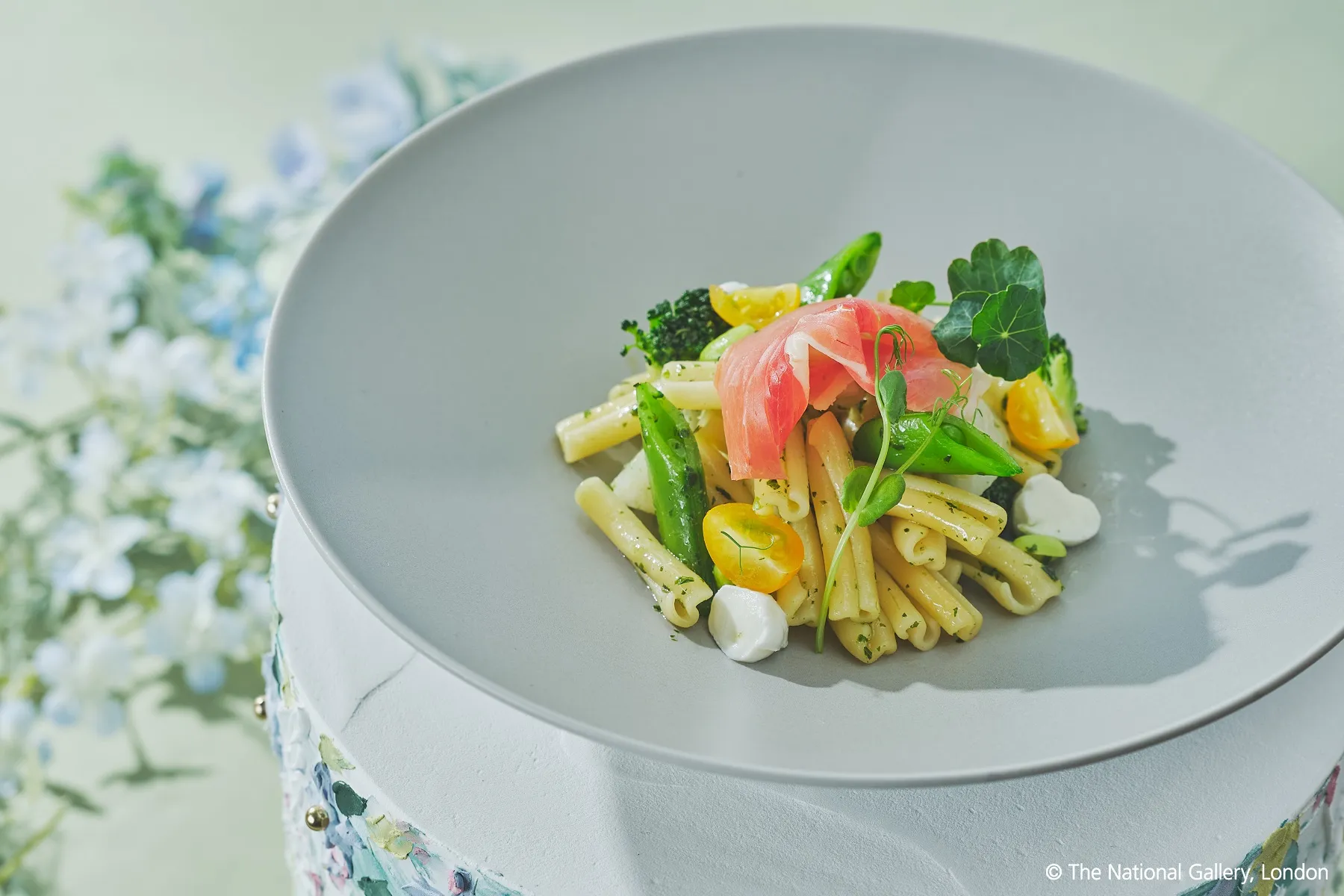
| “Wind of Giverny: Colorful Summer Vegetable Genovese” | July 1–31, 2026 | |
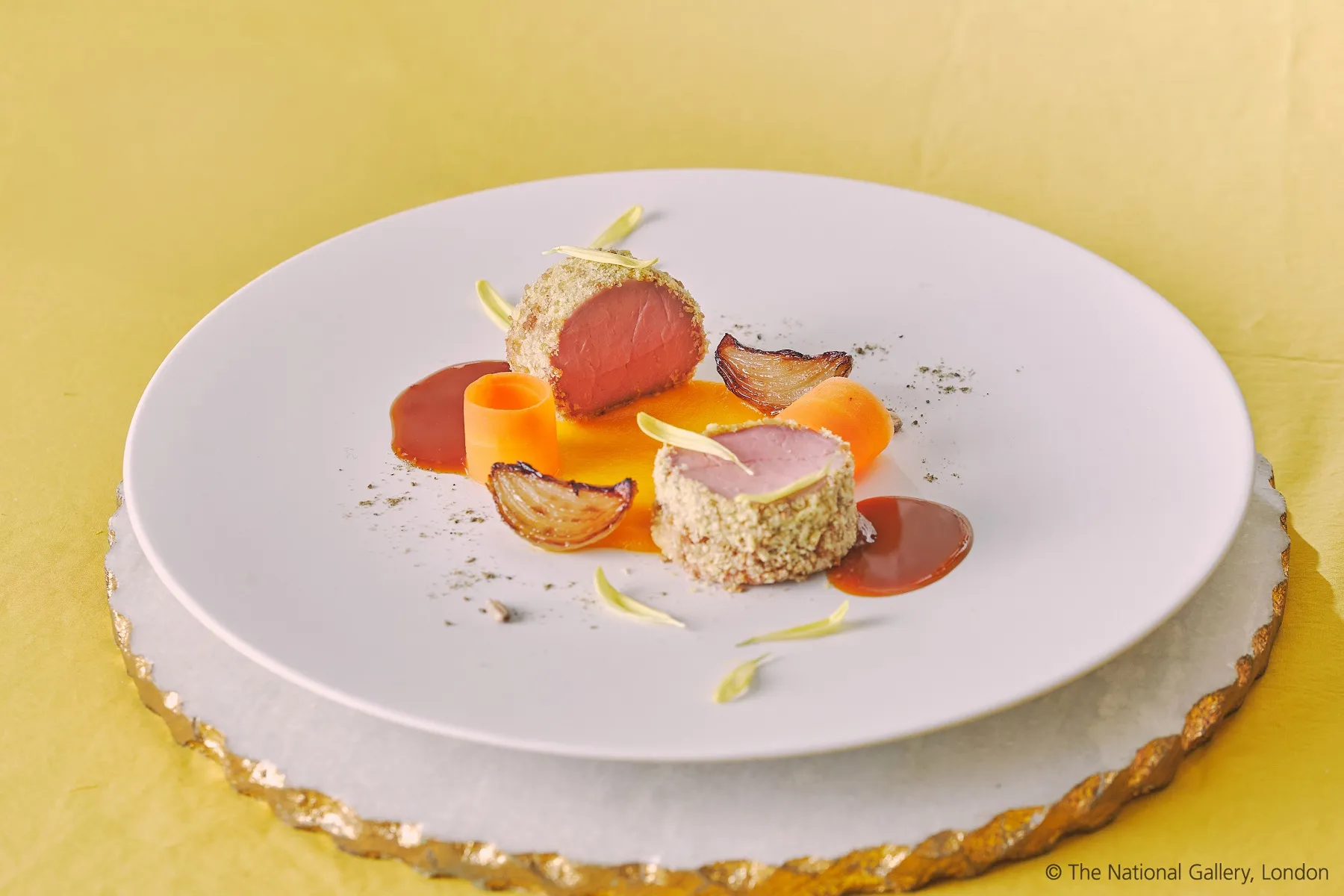
| “Colors of Southern France: Pork Fillet Confit” | August 1–September 13, 2026 |
Venues & Schedule
Aoyama St. Grace Cathedral — “St.GRACE Lounge & Dining”
- Access: 2-minute walk from Omotesando Station
- Dates: July 1, 2, 3, 6, 8, 9, 10, 13, 15, 16, 17, 22, 23, 24, 27, 29, 30, 31 / August 3, 5, 6, 7, 10, 12, 13, 14, 17, 19, 20, 21, 24, 26, 27, 28, 31 / September 2, 3, 4, 7, 9, 10, 11, 13, 2026
- Hours: Weekdays Part 1: 12:00–14:00, Part 2: 14:30–16:30
Shirokane Geihinkan Art Grace Club
- Access: Near Meguro Station
- Dates: July 4, 5, 9, 10, 17, 20 (Monday/Holiday), 23, 24, 26, 30 / August 2, 6, 7, 23, 27, 28 / September 2, 3, 4, 10, 11, 13, 2026
- Hours: 12:00–14:00 (single seating)
Note: Shirokane operates on July 20 (holiday) with two seatings: Part 1: 12:00–14:00, Part 2: 15:00–17:00.
Practical Information
- Overall Period: July 1 – September 13, 2026
- Closed: Mondays and Tuesdays at both venues (except holidays), plus designated company holidays
Reservations & Inquiries
- Aoyama St. Grace Cathedral: 03-5766-8838
- Shirokane Geihinkan Art Grace Club: 03-5475-3388
Official Website: https://www.bestbridal.co.jp/guestparty/event%5Ftheme/2026event%5Ftheme-9/
Posted content subject to change. Confirm current details through official venue channels.
What is the National Gallery London?
The National Gallery London holds a collection of over 2,300 paintings dating from the mid-13th century to 1900. It sits at the north side of Trafalgar Square, where it has occupied its current building since 1838, though the institution itself was founded in 1824.
The collection covers the major European schools, with particular depth in Italian Renaissance, Dutch Golden Age, and French Impressionist work. Leonardo, Michelangelo, Raphael, Rembrandt, Vermeer, Velázquez, Turner, and Constable are all represented here. The gallery also holds the two artists featured in this Tokyo exhibition: Van Gogh’s Sunflowers (1888) and several of Monet’s water lily paintings, including The Water-Lily Pond (1899).
The National Gallery differs from many European museums in that it was not assembled from a royal collection. It was created by Parliament specifically for public access, with free admission written into its founding principles. That policy continues today. The building, designed by William Wilkins and expanded several times since, houses the collection in a sequence of galleries that allow visitors to move chronologically through Western painting.
The gallery’s educational role has been substantial. Its early directors established conservation practices and scholarly standards that influenced museums elsewhere. Its collection has remained relatively stable compared to institutions that sell and acquire aggressively, which means the works on view have shaped several generations of public understanding about what painting can do.
