Osaka Antique Festa 2026 at Umeda Sky Building: Discover Rare Collectibles and Enjoy Kamigata Rakugo

Osaka Antique Festa 2026 at Umeda Sky Building: Discover Rare Collectibles and Enjoy Kamigata Rakugo

Osaka Antique Festa

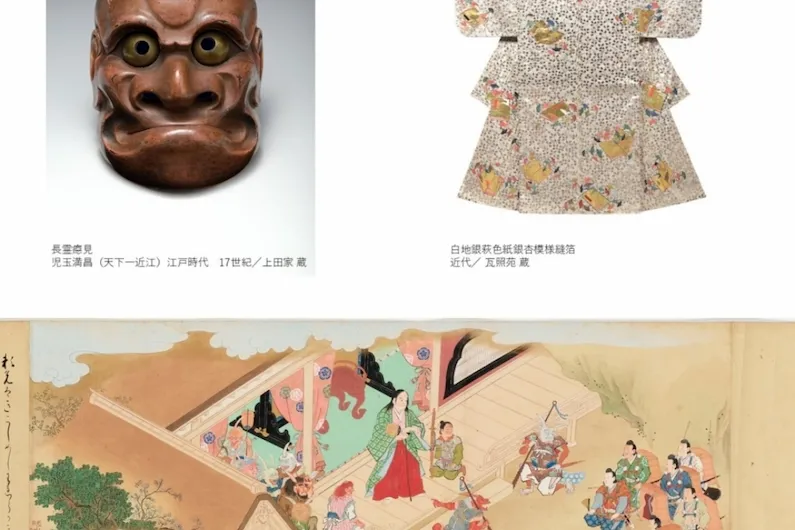
The Osaka Kotto Antique Festa is an exhibition and sale of selected antiques and collectibles at the Umeda Sky Building. Visitors can take part in auction projects held within the venue, and the event also features a contemporary art exhibition.

Additionally, a gathering to listen to Kamigata Rakugo will be held inside the venue on the final day, 9/6 (Sun). Two sessions are scheduled: ①12:00 and ②14:00. Admission is 500 yen for adults, free for those 18 and under, with same-day registration and unreserved seating. The performer will be Katsura Taizo.

The event also extends outdoors: an outdoor event featuring antiques and crafts will be held at the “Wonder Square” outdoor plaza on the 1st floor. Anyone is welcome to participate, whether you want to experience the charm of antiques, are looking for items for your collection, or wish to enjoy encountering new art.

Event Details

  • Event Period: 2026/9/4 (Fri) – 6 (Sun)
  • Event Hours: 10:00–17:00 (Closing at 16:00 on the final day)
  • Event Location: Umeda Sky Building Tower West 3rd Floor Stella Hall (1-1-88 Oyodonaka, Kita-ku, Osaka City)
  • Fee: Free Admission
  • Inquiries: [email protected]
  • Website: https://yumenokura-antique.com/

🛏️ View hotels near the event

Kamigata Rakugo is a form of comic storytelling from the Kamigata region, the area around Kyoto and Osaka. It developed alongside Tokyo rakugo, but the two have distinct performance styles. Tokyo rakugo tends to be quick and sharp; Kamigata Rakugo is slower and more relaxed, and it uses the Kansai dialect. In both, a single storyteller sits on a cushion and performs all the roles, using only a folding fan and a cloth to suggest objects and actions. The cast of characters ranges from merchants and servants to samurai and ghosts.

The stories themselves are humorous, but the humour is often gentle. Many are less concerned with punchlines than with the small mistakes and kindnesses of ordinary people, and they can end on a note of reflection rather than a joke. The pacing gives the performers room to suggest a character’s mood through posture and timing. Productions may also include wooden clappers (kotsu) for sound effects, and occasionally shamisen music, which gives performances a theatrical layer. The form has been practised for centuries and remains a regular part of the cultural calendar in Osaka and Kyoto. It offers laughter, but also a specific and local way of looking at human behaviour.

“Visible to Those Who Can See” Third Exhibition at Seibu Shibuya Store in 2026: Experience the Unseen Before the Iconic Venue Closes

"Visible to Those Who Can See" Third Exhibition at Seibu Shibuya Store in 2026: Experience the Unseen Before the Iconic Venue Closes

An Exhibition for Those Who Can See

“Visible to Those Who Can See” is an experiential spirit photography exhibition that has drawn a cumulative total of approximately 40,000 visitors since its first run began in April 2025 at a private house in Namikibashi, Shibuya, followed by the second exhibition “Visible to Those Who Can See -Zero-” in Nihonbashi. Tickets frequently sold out, and the exhibition has received extensive coverage in various media. The experience of “borrowing the perspective of those who can see” has garnered a wide response.

The third installment opens August 28 at the Seibu Shibuya store, which will bring its 58-year history to a close at the end of September 2026.

The exhibition has been held in locations that retain the memories of the land. The first took place in a 93-year-old traditional folk house; the second, in a Nihonbashi building slated for demolition due to redevelopment. The Seibu Shibuya store continues that pattern. Why not take this opportunity to visit?

<Visible to Those Who Can See> Exterior (Shot in 2026: Let's Enjoy Tokyo Editorial Team)

What is “Visible to Those Who Can See”?

In this world, there are a fair number of people who can see “something” that others cannot. “Visible to Those Who Can See” is an exhibition where visitors can vicariously experience the world as seen by such “seers.” The photographs on display appear to be ordinary landscape photos at first glance, but each is a piece where “it is visible to those who can see,” confirmed under the supervision of a psychic.

The photographs document existences that linger in the places where they were taken. What looks like an unremarkable street or a quiet ruin to most viewers is, to a seer, a scene occupied by something else. For visitors who cannot see what the seers perceive, the exhibition is a chance to borrow their perspective, if only for the duration of a visit.

<Visible to Those Who Can See> Photo Spot (Shot in 2026: Let's Enjoy Tokyo Editorial Team)

Introduction to the Exhibition Experience

Until now, the project has visited ruins, cities, and power spots throughout Japan together with seers, photographing the existences lingering there. For this third installment, the team took on a new challenge: venturing abroad. Photography was conducted in the United States, Thailand, and China.

What do seers see in lands where cultures, histories, and forms of faith differ? The exhibition presents records of existences “seen” in various locations, organized into rooms named after the places where the photographs were taken: Shibuya, Shanghai, Bangkok, Ayutthaya, Las Vegas, and Sedona.

<Visible to Those Who Can See> "Shibuya" Room (Shot in 2026: Let's Enjoy Tokyo Editorial Team)
<Visible to Those Who Can See> "Shanghai" Room (Shot in 2026: Let's Enjoy Tokyo Editorial Team)
<Visible to Those Who Can See> "Bangkok" Room (Shot in 2026: Let's Enjoy Tokyo Editorial Team)
<Visible to Those Who Can See> "Ayutthaya" Room (Shot in 2026: Let's Enjoy Tokyo Editorial Team)
<Visible to Those Who Can See> "Las Vegas" Room (Shot in 2026: Let's Enjoy Tokyo Editorial Team)
<Visible to Those Who Can See> "Sedona" Room (Shot in 2026: Let's Enjoy Tokyo Editorial Team)

Voice Actor Yoshimasa Hosoya in Charge of Audio Guide

To allow visitors to enjoy the exhibition more deeply, the free audio guide will once again feature the voice of voice actor Yoshimasa Hosoya, following his narration for “Visible to Those Who Can See -Zero-.” Visitors can listen using their own smartphone and earphones.

  • Communication costs shall be borne by the visitor.
  • The audio guide cannot be heard once you leave the exhibition venue.
  • Please check the official website for details on the content.

Editorial Team’s Experience Comment

The editorial staff member who visited for coverage is a “non-seer,” so they participated with great curiosity to see in what form “those who can see” perceive things.

The venue was dim with unsettling sounds playing, and at first, they proceeded with hesitant steps.

As they moved forward and gradually grew accustomed to the atmosphere, it was interesting to make various discoveries, such as “The things that are seen also reflect the characteristics of their respective countries.”

However, just as they let their guard down, something shocking is conveyed in the “final room”…

Photography was prohibited there, so please visit and confirm for yourself.

The diagnostic test to find out if you are a “person who can see” is also recommended.

Even if you end up seeing something… you can receive “Purification Salt” at the end, so please participate with peace of mind.

<Visible to Those Who Can See> Experience Booth (Shot in 2026: Let's Enjoy Tokyo Editorial Team)
<Visible to Those Who Can See> Diagnostic Test (Shot in 2026: Let's Enjoy Tokyo Editorial Team)
<Visible to Those Who Can See> Purification Salt (Shot in 2026: Let's Enjoy Tokyo Editorial Team)

Basic Information

Item Details
Location / Nearest Station Seibu Shibuya Store / Shibuya Station
Address 〒150-8330, 21-1 Udagawacho, Shibuya-ku, Tokyo (MAP)
Venue Seibu Shibuya Store Building B, 3rd Floor Event Space
Period 2026/08/28 (Fri) – 2026/09/30 (Wed)
Hours 10:00–20:00 (last admission 19:00)
Fees Weekdays: 1,900 yen (tax included) / Weekends & holidays: 2,300 yen (tax included)
Free for elementary school students and younger
Student discount (same-day tickets only): Weekdays 1,600 yen / Weekends & holidays: 1,800 yen (tax included)
Official Website https://mieruhito.com/

A selection of exhibition merchandise is available at the venue.

<Visible to Those Who Can See> Merchandise (Shot in 2026: Let's Enjoy Tokyo Editorial Team)

The information on this page was published after the Let’s Enjoy Tokyo editorial team conducted on-site coverage and photography and confirmed the details with the “Visible to Those Who Can See Management Office.” The published content may have changed. Please check the official website of the venue or organizer for the latest information.

🛏️ View hotels near Tokyo

The Seibu Shibuya Store is a department store on the west side of Shibuya Station, across from the Hachiko exit. It opened in 1968 and has long been identifiable by its yellow sign and the repeating geometric pattern on its facade. The architecture belongs to the postwar modernist style common for Japanese commercial buildings of that period; the grid gives it a quieter presence than the surrounding signs and screens.

For much of its life, the store also functioned as a venue for contemporary art and design. Its exhibitions and installations were not just decorative additions to the shopping floors. They were treated as independent projects and were often the main reason people came. That program made the store unusual among department stores, and it gave the building a public role that went beyond retail.

The merchandising was similarly deliberate. Floors were organized by category and by a consistent visual point of view, from clothing and accessories to housewares, books, and restaurants. The selection tended toward established and emerging designers rather than the widest possible range of brands.

The store is scheduled to close in 2026. After nearly sixty years, its departure will remove not only a large retail operation from Shibuya, but also one of the more sustained attempts in postwar Tokyo to put commercial and cultural activity in the same building.

Muju Firefly Festival 2026: Complete Guide to Korea’s Most Spectacular Bioluminescent Nature Experience (September 4–12)

Muju Firefly Festival 2026: Complete Guide to Korea's Most Spectacular Bioluminescent Nature Experience (September 4–12)

Muju Firefly Festival

🗓️ 2026.09.04 ~ 2026.09.12

*The following festival details are from the previous year’s (2025) festival, and the 2026 festival details are currently being updated.*

The Muju Firefly Festival stands as one of South Korea’s most distinctive environmental celebrations, centering on the luminous spectacle of fireflies in their pristine natural habitat. Held annually during the transitional period from late August to early September, this nine-day event in Muju County, Jeonbuk Province, offers visitors something increasingly rare in modern life: the opportunity to witness thousands of fireflies illuminating the night in an unspoiled mountain setting.

What distinguishes this festival from typical nature tourism is the direct, unmediated encounter it facilitates. Unlike urban light festivals or digital displays, the fireflies of Muju require genuine ecological preservation to thrive—clean water, minimal light pollution, and healthy forest ecosystems. When visitors participate in the festival’s signature Firefly Mystery Tour, they are witnessing a biological phenomenon that serves as a living indicator of environmental health. The experience carries weight precisely because it cannot be manufactured or relocated.

Program Structure

The festival organizes its offerings across three categories, allowing visitors to tailor their involvement based on interest and stamina.

Main Programs

The Firefly Mystery Tour remains the festival’s anchor experience—guided evening walks through designated firefly habitats where visitors observe the insects’ bioluminescent mating displays. The Firefly Theme Pavilion complements this with indoor exhibitions covering firefly ecology, lifecycle, and the broader conservation efforts that have made Muju a sanctuary for Luciola lateralis and related species.

Side Programs

  • Bandi Kids World: Educational activities designed for younger visitors, incorporating firefly crafts and simple ecology lessons

  • Bandi Star Picnic: Evening gatherings combining casual dining with stargazing and firefly observation

  • Namdaecheon Life Plus: Waterside programs along the Namdae Stream, including creek ecology walks

  • Cultural Arts Performances: Regional music and dance presentations reflecting Jeonbuk’s cultural heritage

Consumer Participation Programs

The Taekwondo Golden Bell integrates Muju’s status as a taekwondo training center with festival programming. The Taeryeoni Culture Festa invites visitor contributions to traditional craft and food preparation demonstrations.

Practical Information

📍 Address: 326-17 Hanpungru-ro, Muju-eup, Muju-gun, Jeonbuk Special Self-Governing Province

🛏️ Accommodations near the event

💰 Fee: Free admission (Some individual programs may require payment)

📞 Inquiry: 063-324-2440

🖥️ Homepage: https://www.firefly.or.kr

Muju Firefly Festival

What to Expect

Visitors should prepare for uneven terrain and minimal artificial lighting during evening programs—flashlights are generally prohibited or must be covered with red film. The late summer timing means warm days and mild nights, with reasonable chance of light rain. Accommodation in Muju township fills quickly during the festival period; the Expedia link above provides options ranging from guesthouses to the region’s ski resort facilities, which operate their summer infrastructure for the event.

For those weighing this against Korea’s other environmental festivals, the Muju Firefly Festival occupies a specific niche: less commercially developed than the Jiraeul Firefly Festival in Boseong, and more ecologically focused than the larger Muju Taekwondowon events. The firefly population here has recovered substantially since the festival’s inception in 1997, making contemporary visitors beneficiaries of three decades of sustained conservation investment.

What is Muju?

Muju is a mountainous county in North Jeolla Province, southwestern South Korea, situated along the Baekdu-daegan mountain range that runs the length of the Korean Peninsula. The region covers roughly 716 square kilometers of rugged terrain, with elevations ranging from 200 to 1,500 meters above sea level. These conditions create cool, humid microclimates that support a modest but genuine distinction: one of Korea’s most significant remaining colonies of Luciola lateralis, the oriental firefly.

The area’s modern identity took shape in 1990 with the opening of Muju Resort—now Deogyusan Resort—which established the county as a ski destination and year-round outdoor recreation hub. The infrastructure brought accessibility and employment, though it also introduced the familiar tension between development and preservation. Muju has navigated this in somewhat unusual fashion. Rather than treating ecology and economy as opposing forces, the county has invested in their overlap. Beginning in the 1990s, officials pursued pesticide reduction in rice cultivation not primarily as environmental advocacy but as economic strategy, betting that certified organic produce and nature-based tourism would yield returns competitive with conventional agriculture.

The results have been mixed but instructive. Firefly populations, which require dark skies and clean running water, stabilized and in some watersheds increased. The organic transition succeeded in certain valleys and struggled in others, depending on soil conditions, market access, and the willingness of aging farming populations to adopt new methods. What emerged was neither pure conservation triumph nor greenwashing exercise, but a plausible working arrangement: a community whose livelihood depends in measurable degree on maintaining conditions that sustain a species most residents rarely thought about two generations ago.

For visitors, Muju offers the practical combination of developed amenities and accessible rural landscape. The resort provides accommodation and winter sports infrastructure; the county’s backroads reach terraced rice paddies, traditional thatched-roof houses, and stream valleys where firefly activity concentrates in August and September. The insects themselves behave differently from firefly species in warmer southern regions: rather than brief flash patterns, Luciola lateralis produces sustained bioluminescence, generating the rhythmic green-yellow pulses that have drawn observers since at least the Joseon Dynasty.

The Muju Firefly Festival, held annually since 1997, formalizes this observation into scheduled events. Nighttime viewing sessions follow daytime programs on firefly biology and local ecology. The festival’s scale has fluctuated with tourism trends and occasional population crashes when drought or flood disrupts the aquatic larval stage. Organizers have responded by adjusting dates, limiting ticket sales during low-population years, and in some seasons canceling the event entirely—decisions that have generated local controversy but have also prevented the festival from becoming spectacle divorced from the biological reality it claims to celebrate.

Understanding Muju requires holding these elements together: the resort and the rice paddies, the conservation science and the economic calculation, the festival’s promotional materials and its occasional cancellations. The county is not an untouched ecological sanctuary, nor is it a case study in sustainable development achieved. It is a specific place where particular people, working within constraints they did not choose, have maintained conditions sufficient for a particular species to persist—at least for now. The fireflies, indifferent to human narrative, continue their annual cycle in watersheds where stream quality and light pollution remain tolerable. Whether this arrangement proves stable over decades remains an open question, answerable only through continued attention to the actual conditions of the place rather than the stories told about it.

2026 Goryeong National Heritage Night Tour: How Seniors Can Experience Daegaya’s Ancient Tombs, Fire Festivals, and Free Night Programs

2026 Goryeong National Heritage Night Tour: How Seniors Can Experience Daegaya's Ancient Tombs, Fire Festivals, and Free Night Programs

Nighttime Heritage Tour for Seniors

Goryeong National Heritage Night Tour

🗓️ 2026.09.04 ~ 2026.09.06

The 2026 Goryeong National Heritage Night Tour, where you can enjoy the nights of Goryeong together with national heritage, will be held from September 4 to 6, 2026, at the Daegaya History Theme Park. Held under the theme of Daegaya (大佳夜): Beautiful Night, this event distinguishes itself through its sophisticated integration of archaeological heritage with contemporary light artistry—a combination rarely attempted at ancient burial sites elsewhere in Korea. The program centers on fire and light installations that transform the nocturnal landscape without compromising historical integrity.

Starting with the Nakhwa-nori (hanging fireworks) held at Ureukji, the tour encompasses multisensory engagement with national heritage: fire-based performances, talk concerts with invited celebrities, and hands-on historical and cultural experiences. A consumption activation program provides souvenirs upon verification of same-day receipts spent within Goryeong-gun, extending the festival’s economic impact across the entire region rather than concentrating it at the event site alone.


Program Overview

Program Title Details
Night View (夜景) Gaya Garden Nighttime opening of Goryeong landmarks; creation of nighttime landscapes at Jisan-dong Tumuli
Night History (夜史) Gaya Romance Daegaya Playground (Experience)
Night Story (夜說) Gaya Exploration Daega-ya Moonlight Conversation, Candlelight Gayageum Concert
Night Road (夜路) Gaya Stroll Moonlight Stamp Tour, Jisan-dong Tumuli Moonlight Walk, Daegaya Forest of Light Performance
Night Painting (夜畵) Gaya Nakhwa Daegaya Nakhwa-nori, Fire Goblin Performance
Night Market (夜市) Gaya Market Consumption receipt verification event, Daega-ya Night Market (Flea Market)
Night Snack (夜食) Gaya Late-night Snack Nighttime Food Yard (Food Trucks)
Night Stay (夜宿) Gaya Life Tonight, Time to Rest-ya

Reservation Information

※ Partial advance reservations are required for two programs:

  • Jisan-dong Tumuli Moonlight Walk Program
  • Daegaya Playground — Daegaya Night Excavation Experience

Seniors interested in these walking-intensive or hands-on archaeological activities should secure reservations early, as capacity is limited.


Practical Information

📍 Address: 1216 Daegayaro, Daegaya-eup, Goryeong-gun, Gyeongsangbuk-do

🛏️ Accommodations near the event

💰 Fee: Free (Some paid programs)

📞 Inquiry: 054-955-0808

Goryeong National Heritage Night Tour


Notes for Senior Visitors

The event’s format—structured around eight thematic “night” programs—allows for flexible participation intensity. Those preferring lower-impact engagement can focus on the Candlelight Gayageum Concert, Gaya Market, and Nighttime Food Yard, while more active visitors might attempt the full Moonlight Stamp Tour or Jisan-dong Tumuli Moonlight Walk. The free admission structure (with select paid components) reduces financial risk for seniors who may wish to attend for only a portion of the evening. Goryeong-gun’s relatively compact geography means that receipt-verification souvenir collection across multiple venues remains feasible without extensive transportation.

What is Daegaya?

Daegaya was one of six kingdoms that made up the Gaya Confederacy, a group of allied city-states in the southern Korean Peninsula during the Three Kingdoms period (roughly 42–562 CE). Located in the river valleys of what is now Goryeong County, Gyeongsangbuk-do Province, Daegaya grew into the strongest of the Gaya polities. Historical records refer to it as the “central state” (중앙국) of the confederacy—a recognition of its political and cultural weight rather than any formal overlordship.

The kingdom’s economy rested on iron. Daegaya smiths produced weapons, farm tools, and trade goods that moved through networks linking the peninsula with Japan and China. Archaeological work at the Jisan-dong tomb complex, Daegaya’s principal burial ground, shows how this prosperity translated into social structure. The jisongmyo—earth-mound tombs built with stone-lined chambers—contain gilt-bronze crowns, horse armor, imported Chinese ceramics, and enough iron implements to stock a workshop. The scale of these burials and the range of their contents point to accumulated wealth, specialized craftsmanship, and the kind of status differentiation that accompanies sustained political organization.

Daegaya’s foreign relations required constant adjustment. The kingdom shifted between alliance and resistance with Silla to the east and Baekje to the west, neither of which welcomed a strong third party in the south. This balancing act failed in the long run. In 562 CE, Silla—then ascendant through its own military and diplomatic successes—absorbed Daegaya outright. The kingdom’s political structures disappeared, but its practical knowledge did not. Ironworking methods, musical forms, and ceramic techniques from Daegaya continued in use through the Unified Silla period and beyond, dispersed across a larger state but traceable to their source.

The Daegaya sites around modern Goryeong remain among the densest concentrations of Gaya-period material available for study. For historians, they offer a case study in how a mid-sized polity built and maintained influence in a crowded regional system. For visitors, they provide direct physical access to a society that operated across five centuries before the consolidation that produced the Korean states of later periods.

Goesan Red Pepper Festival 2026: Your Guide to Korea’s Hottest Agricultural Celebration (September 3-6)

Goesan Red Pepper Festival 2026: Your Guide to Korea's Hottest Agricultural Celebration (September 3-6)

Goesan Red Pepper Festival

🗓️ 2026.09.03 ~ 2026.09.06

The Goesan Red Pepper Festival stands as one of South Korea’s most distinctive agricultural celebrations, transforming a rural county in Chungcheongbuk-do into a four-day immersion in chili pepper culture. Held annually between late August and early September, this event has evolved far beyond a simple harvest celebration into a sophisticated convergence of agriculture, tourism, and cultural programming built around its star ingredient: the Goesan Clean Red Pepper, cultivated through organic methods in the region’s pristine mountain environment.

What distinguishes this festival from generic food events is its genuine integration of agricultural purpose with visitor engagement. While attendees sample fiery dishes and participate in games, the underlying structure serves tangible economic goals: expanding market access for local producers, establishing direct consumer relationships through on-site transaction markets, and elevating regional agricultural brands. This dual function—entertainment platform and economic development tool—has earned recognition from the Ministry of Culture, Sports and Tourism as a Promising Cultural Tourism Festival and designation as a flagship event for Chungcheongbuk-do province.

Five Core Programs

Program Description
1. Find the Golden Chili Pepper A scavenger-style hunt through festival grounds for specially marked peppers
2. Stress-Relieving Chili Pepper Nanta A rhythmic performance program incorporating pepper-themed percussion
3. Catch the Chili Pepper Fish A fishing game using pepper-shaped targets
4. Organic Goesan Song Festival Musical performances celebrating rural life and agricultural heritage
5. Exhibition and Sale of Goesan Specialties Direct sales of regional products including fresh peppers, processed goods, and artisan crafts

Beyond these anchor activities, visitors encounter red pepper bibimbap tastings, competitive eating challenges for spice tolerance, traditional Korean folk games, and stage performances spanning the four days. The World Red Pepper Exhibition and professional Red Pepper Evaluation introduce both domestic and international varietals, offering educational substance for agricultural professionals and curious amateurs alike.

The festival’s programming philosophy emphasizes cross-generational accessibility—children engage with gamified activities while adults evaluate purchase decisions for specialty goods, and older visitors connect with agricultural traditions increasingly distant from urban life.


📍 Address: 92 Imkkeokjeong-ro, Goesan-eup, Goesan-gun, Chungcheongbuk-do

🛏️ Accommodation near the event

💰 Admission: Free entry; select experience programs require partial fees (5,000 KRW)

📞 Inquiry: 043-830-3463

⭐️ Instagram: https://www.instagram.com/goesanfestival/

🖥️ Homepage: http://spicy-fe.kr/

Goesan Red Pepper Festival

What Goesan Does Best

Goesan produces Korea’s finest red peppers. The region’s clean air, mineral-rich soil, and wide temperature swings between day and night concentrate both sweetness and heat in the fruit. Local farmers grow Cheongyang red peppers (청양고추), a variety valued throughout Korean cuisine for how its fire carries subtle notes of fruit without overwhelming the dishes it seasons—kimchi, gochujang, and countless stews.

Processing matters as much as growing here. Families have spent generations refining how they dry their harvest on raised bamboo racks called deuldeul, which stand across the autumn fields in regular rows. The county produces roughly 7% of South Korea’s pepper supply, with official geographical indication status marking authentic provenance.

Major condiment makers source specifically from Goesan for their premium lines, paying 20-30% above standard market rates. This concentration of quality explains why a small harvest gathering started in 1997 grew into a national event. The annual festival treats the gochu seriously: cooking competitions, farm tours, and the straightforward spectacle of pepper-eating contests where participants discover exactly how much heat they can stand.

Dongdaemun-gu Beer Festival 2026: Seoul’s Craft Beer and Jazz Event at Jangan 1 Waterfront Park – Dates, Program, and Visitor Guide

Dongdaemun-gu Beer Festival 2026: Seoul's Craft Beer and Jazz Event at Jangan 1 Waterfront Park – Dates, Program, and Visitor Guide

Dongdaemun-gu Beer Festival

🗓️ 2026.08.28 ~ 2026.08.29

The Dongdaemun-gu Beer Festival occupies a distinctive position in Seoul’s crowded summer festival calendar. Where many outdoor gatherings prioritize scale or headline entertainment, this event cultivates a deliberately intimate, urban atmosphere at Jangan 1 Waterfront Park—a reclaimed riverside space that transforms the city’s industrial edge into something unexpectedly breathable.

What Sets It Apart

Most Korean beer festivals lean heavily on commercial lager promotions and K-pop performances. The Dongdaemun-gu iteration distinguishes itself through three deliberate choices: a focus on craft rather than mass-market brewing, jazz over amplified pop, and programming that extends past midnight without degenerating into noise complaints. The waterfront location—uncommon for Seoul beer events, which typically colonize parking lots or plaza spaces—provides genuine temperature relief and a visual buffer from the surrounding cityscape.

The festival’s timing, fixed to the last weekend of August, captures that specific transitional mood: the urgent desire to extract final pleasures from summer before the academic and corporate calendars resume their autumn intensity.

Program Structure

Category Contents
Main Stage Opening ceremony, jazz and acoustic performance programs
Brew & Food Street Craft brewery booths, curated food truck selection
Beer Terrace Designated consumption area with river views
Welcome Play Entrance installation, photo zones, ambient programming
Midnight Content Silent film screenings, camping rest areas, extended dining space

The midnight programming merits particular attention. Silent film screenings—projected against the water with wireless headphone distribution—solve the noise-violation problem that typically kills late-night festival energy. The camping rest areas, meanwhile, accommodate visitors who arrive by bicycle or public transit and prefer not to navigate return journeys after drinking.

Visitor Essentials

📍 Location: Jangan-dong, Dongdaemun-gu, Seoul (Jangan 1 Waterfront Park)

💰 Admission: Free (Alcohol, food, and beverages are priced separately—expect craft beer at 8,000–12,000 KRW per pour based on previous editions)

📞 Inquiries: 02-3291-5506

🛏️ Accommodations near the event

⭐️ Instagram: https://www.instagram.com/ddm__brewfactory/

🖥️ Website: Festival information

Dongdaemun-gu Beer Festival

Who This Suits

The demographic here skews older and slower-moving than the Gangnam or Han River alternatives. You will find couples in their thirties, office workers decompressing after Friday deadlines, and photography enthusiasts working the golden-hour waterfront. Families appear during earlier hours, though the midnight content naturally filters toward adult visitors.

If your summer festival experience typically involves fighting through crowds for a glimpse of a distant stage, the Dongdaemun-gu Beer Festival offers a corrective: space to sit, actual conversation volume, and beer selected for taste rather than sponsorship obligations.

What is Dongdaemun-gu?

Dongdaemun-gu is one of the 25 administrative districts of Seoul, South Korea, located in the northeastern part of the capital. Its name translates to “Great East Gate District,” derived from Heunginjimun—one of the eight historic gates of Seoul’s ancient fortress wall that once surrounded the city during the Joseon Dynasty.

Historically, Dongdaemun-gu served as a commercial and transportation hub, with Dongdaemun Market standing as one of Korea’s largest and oldest traditional markets for over a century. The district evolved from a center of textile and wholesale trade into a community that balances industrial heritage with modern residential development, cultural spaces, and waterfront areas along the Jungnangcheon Stream.

The district now has approximately 350,000 residents and encompasses several neighborhoods, including Jangan-dong, where Jangan 1 Waterfront Park hosts an annual beer festival. Dongdaemun-gu’s urban regeneration efforts—particularly the development of streamside parks and pedestrian corridors—reflect Seoul’s broader approach to reclaiming industrial waterways for public recreation.

5th Fermentation Market – Koji/KOJI 2026 in Osaka: Sake, Koji Workshops, and Hiraku Ogura’s New Book on Japanese Fermentation

5th Fermentation Market – Koji/KOJI 2026 in Osaka: Sake, Koji Workshops, and Hiraku Ogura’s New Book on Japanese Fermentation

Commemorating the Publication of “The History of Japanese Fermentation” by Hiraku Ogura: The 5th Fermentation Market – Koji/KOJI: Books, Fermentation, and a “Naorai” Drinking Party + Aoyama Book Center Pop-Up

Main Event Image

Fermentation has evolved into a cornerstone of contemporary food culture, moving beyond simple preservation to become a subject of culinary and academic interest. The 5th Fermentation Market, themed around “Naorai”—a traditional Japanese banquet culture where participants gather to eat and drink after a religious ritual—seeks to translate this heritage into a modern experiential event. Visitors can engage with the culture through five senses, participating in koji-making workshops and attending drinking parties focused on craft sake hosted by fermentation designer Hiraku Ogura. The event further integrates literature and regional specialty foods through a dedicated Aoyama Book Center pop-up and a curated selection of fermented products from across Japan.

Event Detail Image

Featured Presenter: Hiraku Ogura

The event is centered around the work of fermentation designer Hiraku Ogura, who will publish his latest book, “History of Fermentation of the Japanese People,” on Tuesday, August 25. This work presents a unique food culture theory that examines the development of Japanese cuisine through the lenses of “Shinsen” (offerings made to the gods) and the biological process of fermentation.

To provide a tangible application of these theories, a “Fermentation BAR” will be established at the venue. This space allows attendees to experience Japanese food culture in a realistic setting, with a particular emphasis on “craft sake” brewed from rice.

🎁 A giveaway campaign to win a copy of “History of Fermentation of the Japanese People” is currently active on the official Osaka Schedule X account; interested participants may enter here.

Fermentation Department Image

Regional Fermented Foods via the “Fermentation Department”

The “Fermentation Department,” a specialty shop located in Shimokitazawa, Tokyo, and owned by Hiraku Ogura, will return to the market this year. The shop will curate a selection of fermented products gathered from various regions of Japan, offering a lineup of seasonings and foods that the staff highly recommend for their unique flavor profiles. In coordination with the book “Japan Fermentation Travelogue,” the exhibition will specifically highlight products from Niigata, including salmon, kanzuri, and amazake.

Activities Image

Programming: Drinking Parties, Talks, and Workshops

The event schedule includes a variety of interactive and intellectual highlights designed to broaden the visitor’s understanding of fermentation. These include:

  • Fermentation Drinking Parties: Hosted by Hiraku Ogura, these sessions focus on the social and cultural aspects of craft beverages.
  • Interdisciplinary Talk Events: A series of discussions featuring a diverse array of experts—including university professors, brewery proprietresses, Shinto priests, and musicians—to explore fermentation from multiple perspectives.
  • Koji-making Workshops: Hands-on sessions led by professionals for those wishing to learn the technical aspects of koji production.

The complete event schedule can be viewed here.


Event Logistics

🛏️ View hotels near the event

Koji is the common name for the fungus Aspergillus oryzae, which has been used in Japanese food production for centuries. It is not eaten by itself, but is grown on steamed rice, barley, soybeans, or other grains to create a base for fermented foods. The grain is inoculated with spores and kept in a warm, humid environment for roughly two days while the mold grows and releases enzymes. Amylases break down starches into sugars, and proteases break down proteins into amino acids. These chemical changes are what allow sake to ferment, give soy sauce its savory character, and produce the flavor and texture of miso. The same process is also used for mirin, rice vinegar, and shio-koji, a salted koji preparation used as a marinade for meat and fish. In shio-koji, the enzymes act directly on proteins, which can tenderize food and bring out a mild, rounded savoriness. Aspergillus oryzae is considered safe for food use and, unlike some other molds, does not produce toxins under normal cultivation conditions. Its role is straightforward: it provides the enzymes that many Japanese pantry staples depend on.

Midnight Jun Club 2026 at Junkudo Bookstore: Experience an All-Night Literary Journey in Osaka, Ikebukuro, and Naha

Midnight Jun Club 2026 at Junkudo Bookstore: Experience an All-Night Literary Journey in Osaka, Ikebukuro, and Naha

Midnight Jun Club

Midnight Jun Club key visual

To commemorate the 50th anniversary of Junkudo Bookstore’s founding, the all-night event “Midnight Jun Club” will be held simultaneously at three stores: Junkudo Bookstore Ikebukuro Main Store, Osaka Main Store, and Naha Store. As a special edition of the “Trying Living in Maruzen Junkudo Tour,” the event opens bookstores after closing—a setting where visitors normally cannot stay—for a slow, unhurried night of selecting books or reading until morning. In addition to the browsing time, the schedule includes book-related programs such as talks by authors and editors, bookstore clerk experiences, workshops, and reading groups.

Midnight Jun Club Osaka Main Store timetable

Osaka Venue Programs (Examples)

21:00–21:40 / 50 Questions for Yukito Ayatsuji and Arisugawa Arisu

Authors Yukito Ayatsuji and Arisugawa Arisu will answer 50 questions covering books, mysteries, and the 50th anniversary of Junkudo Bookstore’s founding.

22:30–23:20 / Masahiko Kishi × Tomoka Shibasaki: “Osaka” Talk Show After 5 Years

Sociologist Masahiko Kishi and author Tomoka Shibasaki co-authored the book “Osaka” in 2021. A commemorative talk for the publication was planned at the time but could not be realized due to social conditions. Five years later, the two will finally hold that conversation: an “Osaka” talk that spans episodes from the writing process and their current thoughts on the city.

0:50–2:20 / Film Directors’ Late-Night Talk: Books and Movies Edition

At the invitation of Takashi Miura—who works as a bookstore clerk at Junkudo Bookstore Osaka Main Store while also active as a film director—film directors associated with Osaka will gather in one place. The lineup includes directors Teppei Isobe, Koji Nishio, Takuya Ohrikata, and Takashi Miura.

Three-Store Cross-Cutting Project: Silent Reading Group

A “Midnight Secret Reading Group” connecting the three cities of Ikebukuro, Osaka, and Naha will also be held. The format is a silent reading group, so conversation between participants is unnecessary. The common reading is Paul Auster’s masterpiece “City of Glass,” and the night setting gives participants a chance to share a special reading experience by empathizing with the protagonist, who wanders through a labyrinthine city after receiving a midnight phone call.

Event Information

  • Participating Stores: Junkudo Bookstore Ikebukuro Main Store, Osaka Main Store, and Naha Store
  • Holding Period: Saturday, August 22 and Sunday, August 23, 2026
  • Holding Time: From 21:00 on the 22nd (Sat) to 6:00 on the 23rd (Sun)
  • Holding Location (Osaka): Junkudo Bookstore Osaka Main Store (Dojima Avanza 2nd–3rd Floor, 1-6-20 Dojima, Kita-ku, Osaka City)

Tickets

Standard Tickets

  • Admission Ticket: 3,500 yen
  • Admission Ticket + Digital Gift Voucher (worth 2,000 yen): 5,000 yen

Junkudo Bookstore Support Supporter Tickets

  • Admission Ticket: 3,150 yen
  • Admission Ticket + Digital Gift Voucher (worth 2,000 yen): 4,700 yen

Admission Ticket + Chapters Matching

  • Admission Ticket + Lottery-based Paid Ticket (Chapters Matching Event 3,000 yen): 6,500 yen

Lottery Schedule

Admission Tickets / Paid Project Tickets

  • Lottery Application Start: Monday, June 15, 2026, 12:00
  • Lottery Application End: Sunday, June 28, 2026, 23:59
  • Lottery Results Announcement: Around Thursday, July 2, 2026, 18:00

Free Project Tickets

  • Lottery Application Start: Monday, July 6, 2026, 12:00
  • Lottery Application End: Wednesday, July 15, 2026, 23:59

This event will be held during the night/early morning (planned from 21:00 to 6:00 the next morning). At the time of purchase, it is mandatory to check “being 18 years of age or older” and “agreeing to participate in the night event.” Please note that minors cannot participate.

Website: junkudo.co.jp/midnight
The Osaka venue lineup is here
X Account / Instagram Account

🛏️ View hotels near the event

Junkudo is a Japanese bookstore chain with large, multi-floor locations that stock a broad range of titles, including bestsellers, academic works, manga, magazines, and imported books. The stores are organized for extended browsing, with reading areas and clear categorization. The chain has operated for decades and has expanded across Japan.

Its flagship stores—for example, in Ikebukuro, Osaka’s Umeda district, and Naha in Okinawa—differ in layout and atmosphere but share the same basic approach: wide inventory and practical shelving. The Ikebukuro location is one of the largest bookstores in the country, with several floors of new and used books. The Umeda store focuses on a dense urban shopping environment, while the Naha store serves a regional audience with a mix of local and national titles.

Junkudo also handles special orders for out-of-print or niche publications, and its staff are trained to help locate specific editions. The chain’s business model relies on volume and turnover rather than curated boutique selection. This makes it a reliable place for readers who want to browse a wide range of genres without a specific purchase in mind. The stores are also used for events, including readings and community gatherings, as they have space and infrastructure for such activities. One example is Midnight Jun Club, an overnight event that combines reading sessions, discussions, and practical workshops. The event is open to all ages and is designed to encourage sustained reading in a group setting. While Junkudo is not unique in hosting such events, its scale and floor space make it a practical venue for them.

2026 Sacheon-si Samcheonpo Port Wild Gizzard Shad Festival: Enjoy Fresh Seafood and Exciting Hands-On Activities

2026 Sacheon-si Samcheonpo Port Wild Gizzard Shad Festival: Enjoy Fresh Seafood and Exciting Hands-On Activities

Sacheon-si Samcheonpo Port Wild Gizzard Shad Festival

🗓️ 2026.08.20 ~ 2026.08.23

Sacheon-si Samcheonpo Port Wild Gizzard Shad Festival

The Sacheon-si Samcheonpo Port Wild Gizzard Shad Festival is a food festival centered on gizzard shad, a representative seafood item of Samcheonpo Port in Sacheon-si. What started as a local event has grown into a nationwide food festival, drawing continued interest from citizens and foreign tourists. The 2026 festival, now in its 23rd year, will be held from August 20 to 23 and is timed to coincide with the peak gizzard shad season.

The festival has a dual purpose: to introduce the taste of Sacheon-si gizzard shad to a wider audience and to support the local fishing industry. It aims to increase the income of local fishermen and residents working in fisheries-related businesses, while also highlighting the clean waters and seafood products of Sacheon-si. For visitors, the result is a festival that combines eating, performances, and hands-on activities.

Festival Programs

Main Programs

  • Eve festival celebratory performance
  • Opening ceremony
  • Fireworks
  • Celebratory performances

Side Programs

  • Gizzard shad dish sales
  • Invited performance by the Gyeongsangnam-do Intangible Cultural Heritage Mado Galbang-asori
  • Folk market and Pumba performances

Consumer Participation Programs

  • Bare-handed gizzard shad catching experience
  • Free gizzard shad tasting event
  • “I am a Singer” on-site karaoke
  • Etc.

The program list gives visitors several ways to take part. In addition to watching performances and fireworks, attendees can buy gizzard shad dishes, watch the Mado Galbang-asori performance, and browse a folk market. Those looking for a more active experience can try catching gizzard shad with their bare hands, join the free tasting session, or sing at the on-site karaoke stage.

Practical Information

📍 Address: 56-35 Palpo 3-gil, Sacheon-si, Gyeongsangnam-do (Donggeum-dong)

🛏️ Accommodations near the event

💰 Fee: Free

📞 Inquiry: 055-832-8565

🖥️ Homepage: http://www.3004palpo.co.kr

Wild gizzard shad is a small, silver-skinned fish in the herring family. It is migratory and usually travels in large schools through shallow coastal waters, occasionally entering the brackish zones where rivers meet the sea. Wild-caught shad feed on natural plankton and tiny crustaceans, and this diet gives the meat a firmer texture and a more concentrated flavor than farmed fish.

The fish is modest in size—typically twenty to thirty centimeters long—but its flavor is substantial. The meat is rich, slightly oily, and mildly sweet, with a clean finish. In Korean coastal cuisine, wild gizzard shad has long been a seasonal staple. It is often salted and grilled whole, or sliced thin and served raw with sesame oil and a little salt. The fish also has fine, soft bones that turn crisp and fully edible when cooked properly. For that reason it can be eaten whole, and it is a common item at seaside festivals and harborside restaurants.

Because the fish is wild, its availability changes with the seasons and the tides. The best-known season is early autumn, when the fish have fattened before spawning. At this time the flesh is more tender and juicy, and grilling whole over a flame is the most common preparation. The skin crisps up well, and the bones become part of the dish rather than an obstacle. Local cooking styles vary: some ports simply salt the fish and cook it over charcoal, while others slice it raw and serve it with sesame oil. For anyone visiting a coastal market during the autumn season, wild gizzard shad is a straightforward regional specialty.

TOKYO Rainbow Summer Festival 2026 in Odaiba: Enjoy a Cool, Digital Twist on Traditional Japanese Summer Fun

TOKYO Rainbow Summer Festival 2026 in Odaiba: Enjoy a Cool, Digital Twist on Traditional Japanese Summer Fun

TOKYO Rainbow Summer Festival

Experience a festival in a cool indoor setting to avoid the extreme heat! “TOKYO Rainbow Summer Festival,” where digital and Japanese styles fuse, is being held!

Tokyo’s summers have made the idea of an outdoor summer festival increasingly difficult. As record-breaking heatwaves continue year after year, attention is turning toward “indoor outing spots” — places where people can play to their heart’s content while escaping the severe daytime heat. TOKYO Rainbow Summer Festival, planned by LED TOKYO, was created with this exact situation in mind. The goal is straightforward: to let visitors enjoy the excitement unique to a summer festival all day long, in a cool and comfortable environment, without worrying about midsummer heat or sudden weather changes. The event positions itself as an attractive “indoor festival spot” where the beauty of Wa (Japanese harmony), a traditional Japanese sensibility, fuses with modern technology.

Inside the venue, new-sense experiences that blend the real and the digital are everywhere. Giant LED visions surrounding the studio project powerful digital fireworks, stalls such as ring toss and shooting galleries have been given diverse digital effects, and immersive games respond to the player’s movements. The audience is deliberately broad: families looking for a cool, comfortable place to play during summer vacation; couples and friends who want to leave with photogenic memories; and visitors from overseas who wish to experience Japan’s “festival culture” as art. Whatever the reason for coming, anyone regardless of age or nationality can forget their daily routine and spend a special, heart-pounding moment. Why not visit the venue and experience these new-sense fusions of the real and digital for yourself?

“TOKYO Rainbow Summer Festival” Content Introduction

① An emotional, cool “Digital Japanese Space” colored by giant LEDs

The centerpiece is a new-sense immersive space in which traditional Japanese festival decorations — yagura towers, lanterns — synchronize with the giant LED visions that line the studio walls. Despite being firmly indoors, the venue is filled with images whose motifs come from Japanese summer: powerful digital fireworks, goldfish, water lilies, taiko drums, and starry skies. These visuals shift and change, giving the whole space the feel of a festival night without the wait, the crowding, or the heat. Every angle is perfectly Instagrammable, and visitors can leave photogenic summer memories in their favorite outing outfit.

② Sparkling stalls, and luxury prizes such as televisions!

The traditional festival fair is updated with digital effects. Cyber ring toss, shooting galleries, and scooping games that emit vibrant light form the core lineup, and these are games that both adults and children can become absorbed in. There are also plenty of thrilling attractions for everyone, including a “Garapon lottery” where visitors can aim for luxury prizes such as televisions. It is the familiar festival atmosphere, rebuilt with a layer of glow and technology on top.

③ Play comfortably in a cool indoor setting! “Immersive Sports Games”

Interactive games let visitors step into the action physically. The visuals synchronize in real time with the player’s actual movements, making each round feel immediate and responsive. At the time of opening, two types will be available: “Bowling” and “Soccer.” Because the venue is a cool indoor space with air conditioning, visitors can play whole-body activities at full intensity, without the fatigue that the summer heat would cause outdoors. It is active play in comfort, suitable for children and adults alike.

④ Cheers with ice-cold Ramune!

Ramune, a must-have item at any Japanese summer festival, will be sold ice-cold at the venue entrance and near the deck. It is perfect as a break while strolling through Odaiba Marine Park, and it brings a familiar taste of festival culture to the indoor setting.

Please check the official website for details on the content.

Basic Information

Item Details
Location / Nearest Station decks Tokyo Beach / Odaiba Kaihinkoen Station, Tokyo Teleport Station
Address 〒135-0091, 1-6-1 Daiba, Minato-ku, Tokyo (MAP)
Venue LED DAIBA STUDIO (decks Tokyo Beach Seaside Mall 3F)
Period 2026/07/16 (Thu) – 2026/08/31 (Mon)
Hours Weekdays 11:00–20:00 / Saturdays, Sundays, and Holidays 11:00–21:00
Fees Free Admission (experiences for each piece of content, food, and drinks cost extra)

The posted content may be subject to change. Please check the official website of the venue or organizer for the latest information.

Official website: https://www.tokyo-odaiba.net/event_tourism/dex_tokyo_rainbow2026/

TOKYOレインボー夏祭り_1
TOKYOレインボー夏祭り_2
TOKYOレインボー夏祭り_3
TOKYOレインボー夏祭り_4
TOKYOレインボー夏祭り_5

🛏️ See hotels near Tokyo

What is Odaiba?

Odaiba is a man-made island in Tokyo Bay, originally built in the 1850s as a series of fortress batteries to protect the city from sea attack. The land was later redeveloped, and the district now serves as a waterfront commercial and leisure area connected to central Tokyo by the Rainbow Bridge and several rail and subway lines.

The island contains a number of large shopping complexes, including DiverCity and Aqua City. A full-scale Unicorn Gundam statue stands outside DiverCity, and the digital-art collective teamLab has a permanent exhibition on the waterfront. The promenade along the bay offers clear views of the Tokyo skyline and the bridge; on summer evenings it is also noticeably cooler than much of the city.

For the Tokyo Rainbow Summer Festival 2026, Odaiba’s open spaces and existing infrastructure will host a digital-oriented summer program. The event includes digital fireworks, projection-mapped lanterns, and an interactive bon-dance floor, adapting traditional festival activities to the district’s technological character.

Analytics