2026 Busan Fireworks Festival: Guide to Tickets, Programs, and Viewing the 21st Anniversary Show at Gwangalli Beach

2026 Busan Fireworks Festival: Guide to Tickets, Programs, and Viewing the 21st Anniversary Show at Gwangalli Beach

Busan Fireworks Festival

πŸ—“οΈ 2026.11.07 ~ 2026.11.07

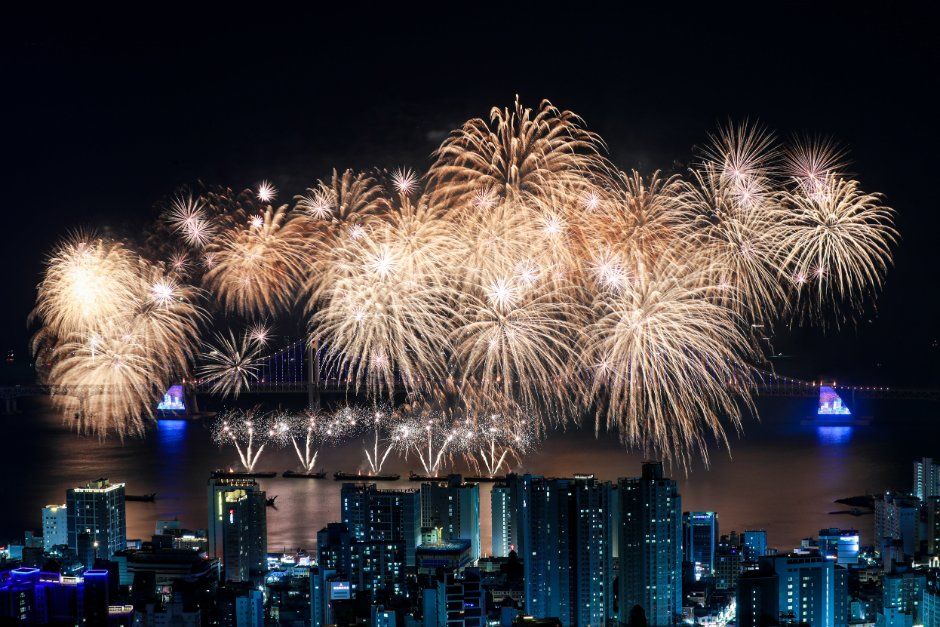
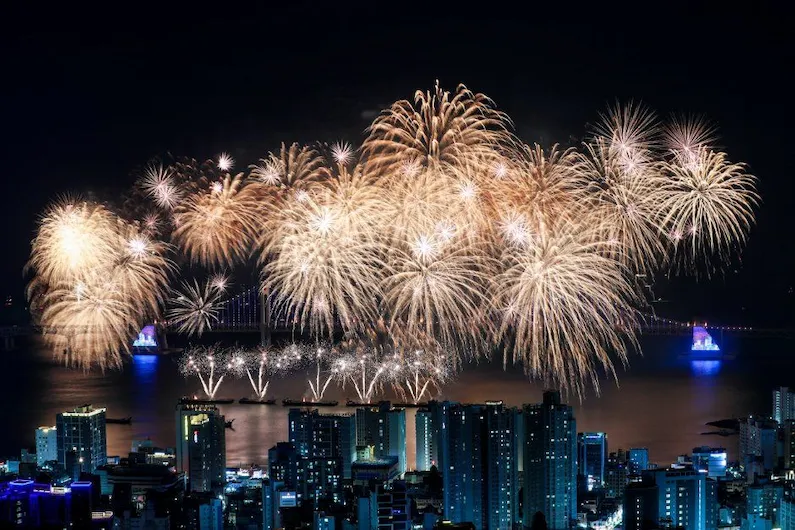
The Busan Fireworks Festival is South Korea’s representative maritime multimedia fireworks festival, staged in the Gwangalli Beach and Gwangandaegyo Bridge area. It began with a celebratory fireworks show commemorating the 2005 APEC Summit and has since become a representative autumn cultural event of Busan. This year marks the festival’s 21st anniversary.

The festival presents a large-scale maritime multimedia show in which music and fireworks harmonize, utilizing the Gwangandaegyo Bridge’s special lighting and large-scale production systems. Through original production techniques, large-scale fireworks launches, and the geographic characteristics of Gwangalli’s night sea, it has established itself as a global festival visited by numerous domestic and international spectators every year. This year’s event, marking the 21st anniversary, is expected to decorate Busan’s night sky through further refined storytelling and maritime fireworks production.

Program

  • Pre-events: Air Force Black Eagles performance, experience and participation events (scratchbooks, chalk art, photo zones, etc.), and busking performances
  • Main program: Overseas Invited Fireworks Show and Busan Multi-Fireworks Show

Fees

  • Early Bird S Seat: 56,000 won
  • Regular Ticket R Seat (Table + Chair): 100,000 won
  • S Seat (Chair): 70,000 won

Event Details

πŸ“ Address: 219 Gwanganhaebyeon-ro, Suyeong-gu, Busan (Gwangan-dong)

πŸ›οΈ Accommodation near the event

πŸ’° Fee: Paid

πŸ“ž Inquiry: 051-713-5000

⭐️ Instagram

πŸ–₯️ Homepage

Busan Fireworks Festival

Gwangalli Beach is a 1.4-kilometer stretch of sand on the southeastern side of Busan, in the Gwangan-dong area of Suyeong-gu. It is smaller in scale than Haeundae Beach, and the shoreline curves around Gwangan Bay in a way that keeps most of the beach within sight of the water. The Gwangan Bridge crosses the bay directly in front of the sand. It is a road bridge with two tall pylons, and it is lit at night by a programmed LED display that runs through a cycle of colors.

The promenade behind the beach is built up with cafΓ©s, seafood restaurants, and bars, with a low seawall that people use for sitting and watching the water. During the day, the beach is used for swimming and walking. Jet skis operate from one section of the bay, and there is enough space on the sand for visitors who want to stay on land.

Gwangalli is also one of the main public viewing areas for the Busan Fireworks Festival. The event launches fireworks from barges over the water near the bridge, so the display is visible from most points along the beach. Because the bay is open and the bridge and city lights sit behind the launch area, spectators see the fireworks in the same frame as the surrounding waterfront. For the 2026 festival, the setup is expected to follow this arrangement: sand, promenade, and boats will function as separate but connected viewing spaces, with the bridge as a fixed part of the scene.
2026 Goheung Yuja Festival Guide: Experience Healing Spas, Fresh Harvesting, and Autumn Romance in South Korea

2026 Goheung Yuja Festival Guide: Experience Healing Spas, Fresh Harvesting, and Autumn Romance in South Korea

Goheung Yuja Festival

πŸ—“οΈ 2026.11.12 ~ 2026.11.15

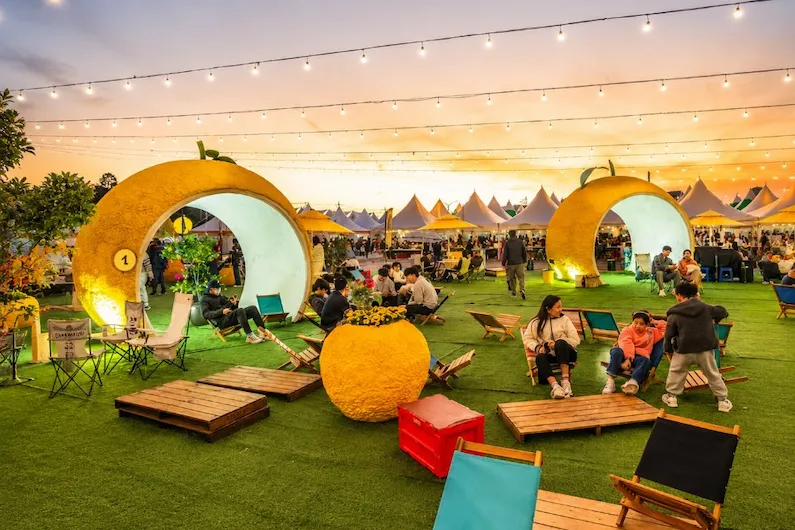
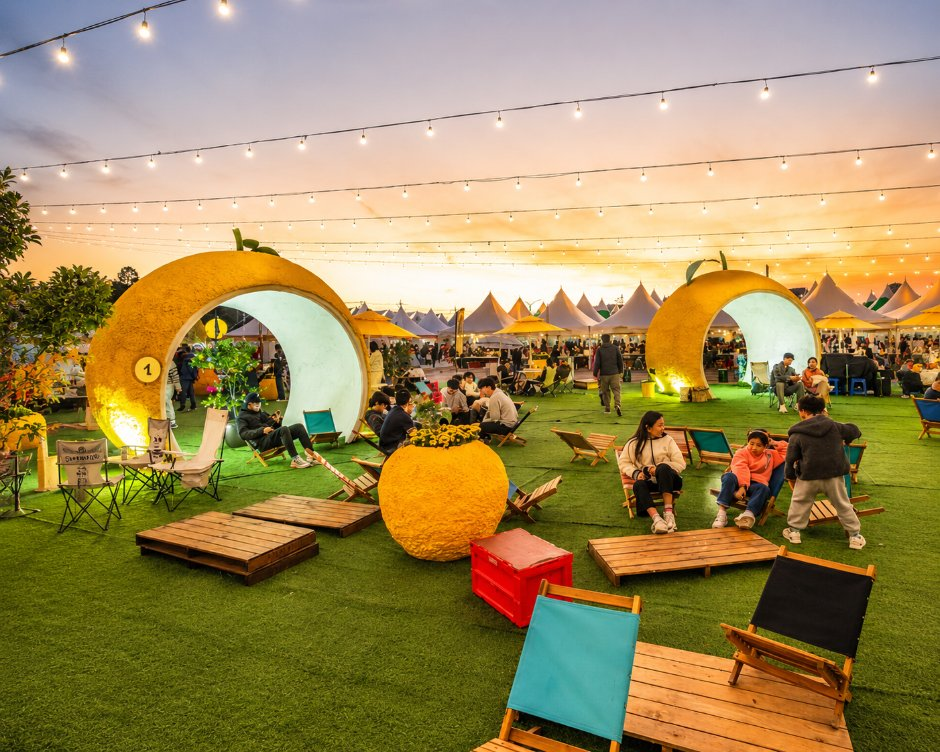
The Goheung Yuja Festival is a representative autumn festival held in clean Goheung, the largest citron (yuja) producing region in South Korea. It is a festival where you can enjoy the deep flavor and refreshing charm of Goheung yuja, grown with the warm sunlight of the southern region and clean sea breezes, through all five senses. Against the backdrop of vast yuja fields unfolding before your eyes, sensory-satisfying experiences take place, including making fragrant yuja syrup, yuja spas to melt away a tired body, and tastings of special yuja dishes that can only be experienced in Goheung. At night, fantastic night landscape lighting and yuja-themed spaces harmonize to provide an autumn night’s romance like a painting. Moving beyond a simple local specialty festival, it is an optimal healing cultural tourism festival where you can stay and rest with family, lovers, and friends; in November, when the yuja ripens yellow and the autumn atmosphere is at its peak, it will gift you with a refreshing yuja scent and warm memories.

What sets this festival apart from other autumn local festivals is its scale and sensory immersion. Goheung produces more yuja than any other region in the country, and the festival takes full advantage of that abundance. You are not just a spectator here; you can harvest the fruit yourself, make your own syrup to take home, and even soak your tired body in a yuja spa. The festival grounds are built around actual working yuja fields, so the scent of citrus follows you from the morning walk to the nighttime light displays. For visitors looking for a slower, more restorative trip, the festival functions as a full cultural tourism package rather than a one-day market event.

Main Programs

  • Opening Ceremony β€” “Cold-free Korea” 1,004-Person Yuja Syrup Making & Sharing Event: The festival kicks off with a large-scale communal activity where participants make yuja syrup together, symbolizing health and warmth for the coming winter.
  • Leisurely Yuja Path Walking: A slow-paced walk through the yuja fields, designed for visitors to take in the scenery, sea breeze, and citrus aroma at their own speed.
  • Yuja Farmers’ Day: A program dedicated to the local growers, offering insight into the cultivation and harvest of Goheung yuja.
  • Yuja Farm Street Parade: A lively parade through the farm area, featuring local performers and community groups.
  • Excellent Yuja Competition: Local farmers submit their best yuja of the season, judged on size, shape, color, and quality.
  • Asia Yuja Exchange Pavilion: An exhibition space where yuja and similar citrus varieties from across Asia are introduced and compared, highlighting Goheung’s place in a broader regional tradition.

Side Programs

  • Yuja Dining Zone: A food area featuring yuja-infused dishes, from traditional Korean citrus preparations to more experimental takes.
  • Yuja Therapy: Rest and recovery programs using yuja extracts and aromatics, including the yuja spa experience.
  • Yuja Direct Transaction Market: A farmers’ market where visitors can purchase fresh yuja and yuja products directly from producers.
  • Yuja Field Mak-sam Party: An outdoor dining experience in the yuja fields. (Mak-sam refers to a casual, hearty outdoor meal.)
  • Yuja Theme Park: A dedicated space with yuja-themed installations, games, and photo opportunities.
  • Yuja Field Busking / Street Performances: Live acoustic music and impromptu performances scattered throughout the festival grounds.
  • Yuja Field Night Light Garden: After sunset, the yuja fields are illuminated with landscape lighting, creating a nighttime walking experience distinct from the daytime view.
  • Yuja Field Exploration Path / Yuja Observatory / Photo Zones: Designated spots for viewing the fields from above and capturing the scenery.
  • Goheung Food Festival: A parallel food event showcasing broader local cuisine beyond yuja, giving visitors a fuller taste of Goheung’s culinary identity.

Participant Content

These programs require active participation or reservation:

  • Yuja Village “Chon-kance” (Rural Vacation): An overnight stay program in the local farming village, offering a rural retreat experience.
  • Yuja Art Photo Zones / Installation Art: Interactive art pieces placed throughout the festival for photography.
  • Yuja Harvesting Experience: Pick your own yuja directly from the treesβ€”the most direct way to engage with the region’s signature crop.
  • Yuja Syrup & Yuja Utilization Experiences: Hands-on workshops where visitors make their own yuja syrup or craft other yuja-based products.
  • Yuja Heaven National Drawing Contest: An art competition open to participants of all ages, themed around the yuja landscape.
  • Yuja Observatory Photo Exhibition: A display of photographs taken at the observatory, showcasing the festival from visitors’ perspectives.

Other Details

  • Fire Art Show ‘Epic of Fire’: An evening performance featuring fire artists from Thailand, Cuba, and Mongolia.
  • Yuja Concert (4th): A scheduled music performance held on the fourth day of the festival.
  • Yuja Field Busking & Yuja Theme Park Street Performances: Additional live entertainment running throughout the event.

πŸ“ Address: Handong-ri, Pungyang-myeon, Goheung-gun, Jeonnam-Gwangju Integrated Special City

πŸ›οΈ Accommodation near the event

πŸ’° Fee: Free (some programs are paid)

πŸ“ž Inquiry: 061-830-5442

πŸ–₯️ Website: https://www.goheungyuja.com/

κ³ ν₯μœ μžμΆ•μ œ

What is yuja?

Yuja is a Korean citrus fruit known internationally as yuzu. It resembles a small, bumpy yellow-orange tangerine, but its appearance is not its main point of interest. The fruit has a thick, aromatic peel and a sour, intensely fragrant pulp containing bright, floral essential oils. In Korean cuisine, yuja is used in a number of ways: the peel is sliced thin and candied, or mixed with honey to make yuja-cheong, a preserve that serves as the base for warm yuja tea. The fruit also appears in dressings, marinades, and desserts, where its citrusy, slightly bitter-sweet flavor adds contrast rather than simple sweetness. Nutritionally, yuja provides vitamin C, antioxidants, and citric acid, and it is commonly used as a home remedy for sore throats and as a seasonal supplement during colder months. At the Goheung Yuja Festival, visitors can taste the fruit fresh from local grovesβ€”whether in a slice of yuja tart or a cup of tea overlooking the autumn coastline. For most people, that direct encounter is the clearest way to understand why the fruit has remained a staple of Korean kitchens for generations.

2026 Pocheon Pet Festa: Enjoy a Healing Day of Dog Olympics, Yoga, and Trekking at Art Valley

2026 Pocheon Pet Festa: Enjoy a Healing Day of Dog Olympics, Yoga, and Trekking at Art Valley

Pocheon Pet Festa

πŸ—“οΈ 2026.11.14 ~ 2026.11.14

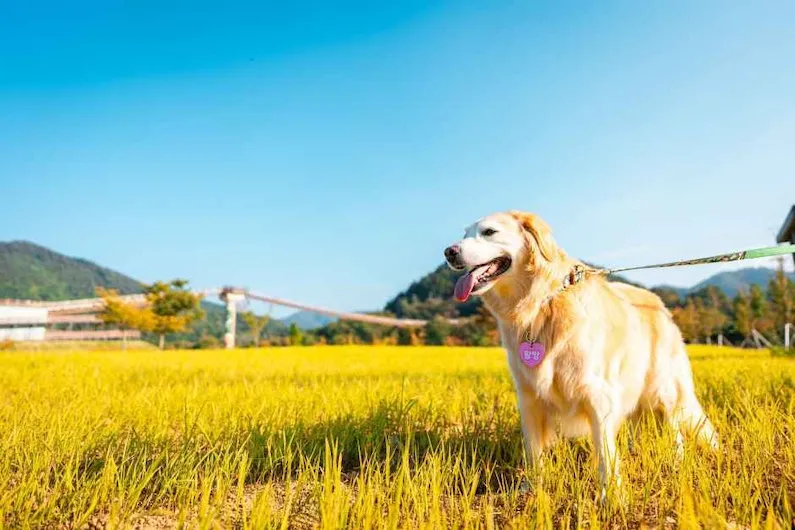
2026 Pocheon Pet Star is a one-day participatory companion animal culture festival held at Art Valley in Pocheon. It is designed for companion families and anyone who loves companion animals, and it takes place against the backdrop of the beautiful Hantan River Ecological Landscape Complex. The festival provides information and entertainment related to companion animals, offering programs that can be enjoyed with dogsβ€”such as “Dang-dang Trekking” (walking with dogs), Pet-ness yoga classes, and the Dog Olympicsβ€”alongside programs that non-pet owners can also join, including the Large Dog Encyclopedia LIVE and the Kids Agility Challenge. Visitors will also find various experience booths and a Pet Fair Zone.

As an open festival where pet owners and non-pet owners mingle together, it aims to create a space for the local community and companion animal culture to grow together. The result is a healing festival where visitors can make pleasant memories with family, friends, and dogs in nature.

Main Programs

  • Puppy Challenge! Mission Mung-possible
  • Veterinarian Seol Chae-hyun Talk Concert
  • Pocheon Pet Trip (Art Valley Healing Forest Trekking)

Experience Programs

  • Pet-lympics
  • Dog Pilates
  • Picnic Performance

Side Programs

  • Companion animal participatory events and on-site experience programs

Event Details

πŸ“ Address: 234 Art Valley-ro, Sinbuk-myeon, Pocheon-si, Gyeonggi-do

πŸ›οΈ Accommodations near the event

πŸ’° Fee: Free

πŸ“ž Inquiry: 0502-1949-0514

Pocheon Pet Star

What is Pocheon Art Valley?

Pocheon Art Valley is a cultural and leisure park in Pocheon, Gyeonggi Province, built on the site of a former granite quarry. The quarry once supplied stone for construction projects in the Seoul area. After extraction ended, the site was redeveloped as an open-air art space and nature park. At its center is a lake formed by rainwater filling the excavated basin. The water is deep and clear, and it sits against steep granite walls and broken rock faces that reveal the scale of the original quarrying operation.

Walking trails circle the lake and climb to observatory decks with views over the surrounding mountains and the water below. Sculptures and art installations are placed along the routes and among the rock formations, so the artwork is encountered as part of the landscape rather than in a separate setting. The park also contains a performance stage and exhibition halls, and it hosts concerts, festivals, and other events throughout the year.

The former quarry grounds shape the visitor experience. Alongside lakeside strolls, the park offers dog-friendly events, yoga sessions, and hikes along the old quarry paths. The terrain provides both open gathering spaces and more secluded corners, which makes the site adaptable for different types of visitsβ€”short walks, cultural events, or longer outdoor excursions. The industrial history of the place remains visible in the rock faces and terraces, while the art program gives those remains a new purpose.

Visit the 2026 Pohang Marine Corps Cultural Festival: Experience Military History and Thrilling Equipment Exhibitions

Visit the 2026 Pohang Marine Corps Cultural Festival: Experience Military History and Thrilling Equipment Exhibitions

Pohang Marine Corps Cultural Festival

πŸ—“οΈ 2026.11.14 ~ 2026.11.15

The Pohang Marine Corps Cultural Festival is a representative military culture festival of Korea. It shares the history and spirit of the Marine Corps with citizens and tourists in Pohang, the cradle of the Marine Corps and the station of the 1st Marine Division. Built on the values of coexistence between the Marine Corps and the local community, the festival reflects the strong spirit of the “ghost-catching Marines” and translates the meaning of national defense and veterans’ affairs into cultural content that anyone can enjoy.

Held annually throughout Pohang City, the festival offers unique programs that are not easily accessible elsewhere, including military equipment exhibitions, military band and honor guard performances, and military parades. It spans generations with Marine Corps experiences, performances for comrades and families, citizen-participatory performances, and food markets. The event creates a venue where active-duty and reserve Marines, their families, citizens, and tourists become one. By using the Marine Corpsβ€”a differentiated resource unique to Pohangβ€”as a tourism asset, the festival also contributes to revitalizing the local economy and enhancing the city’s brand value.

1. Main Programs

  • Opening Ceremony and Marine Corps Military Band/Honor Guard Performance: The festival opens with performances by the 1st Marine Division military band and honor guard demonstrations.
  • Joint Civil-Government-Military Parade: A parade featuring Marine Corps soldiers, veterans’ associations, and citizens.
  • Marine Corps Unit Open Event: Exhibition of equipment within the unit, including amphibious assault vehicles and tanks, with boarding experiences.
  • Congratulatory Performances: Invited singers perform in a military consolation show format, alongside performances by local art troupes.

2. Side Programs

  • Marine Corps History and Culture Exhibition Hall: Photos and artifacts from the founding of the Marine Corps to major operations are displayed.
  • Marine Corps Soldier Talent Show and Band Competition.
  • Military Equipment and Medical/Barracks Life Exhibition: Combat rations and military uniforms are exhibited, and barracks life experiences are offered.

3. Consumer Participation Programs

  • Marine Corps Experience Zone: Survival (laser) shooting, photo zones with red name tags and octagonal caps, and physical endurance experiences.
  • Children’s Marine Experience: A mini obstacle course and photo shooting while wearing children’s military uniforms.
  • Visitor Participation Events: Stamp tour, SNS certification events, and prize draws.

4. Other Details

  • Convenience Facilities: Information centers, medical rooms (emergency relief), nursing rooms, and rest areas are operated.
  • Safety Management: Safety personnel are deployed by section of the venue, with traffic control and shuttle bus operation.

πŸ“ Address: Area of 85 Yongdeok-ri, Ocheon-eup, Nam-gu, Pohang-si, Gyeongbuk

πŸ’° Fee: Free

πŸ“ž Inquiry: 054-270-2246

Pohang Marine Corps Culture Festival

Pohang’s significance to the South Korean Marine Corps begins with the Korean War. The city sits on the east coast and had a deep-water port and an airfield, making it a valuable rear area for allied forces defending the Nakdong River line. The ROK Marine Corps, established in 1949, was still a new service when the Korean War broke out. In the summer of 1950, North Korean troops attacked toward Pohang as part of an attempt to break that line and seize a supply hub. Taking the city would threaten the port and airfield and could open the allied line from the east. ROK Marine Corps units, fighting with allied forces, took part in its defense. They occupied ground overlooking the approaches to the city and mounted counterattacks. The fighting slowed the North Korean advance and denied them the use of Pohang as a supply route. This helped keep the eastern section of the defensive line intact when the front was still unstable. The action was not a complete victory, but the line held and the port stayed in allied hands.

The Marine Corps connection to Pohang continued after the war. The ROK Marine Corps Education and Training Facility in the city has since served as the main base for recruit training and unit preparation. The terrain around the training area is similar to the ground fought over in 1950, so the location retains a practical link to the corps’ wartime experience. That connection, rather than any single battle, is what makes Pohang historically important to the ROK Marine Corps: the city was the site of an early defensive action and later became the service’s permanent training center.

Pohang International Fireworks Festival 2026: Your Complete Guide to the Best Shows, Events, and Local Eats

Pohang International Fireworks Festival 2026: Your Complete Guide to the Best Shows, Events, and Local Eats

Pohang International Fireworks Festival

πŸ—“οΈ 2026.11.19 ~ 2026.11.21

The following festival details are from the previous year’s (2025) festival; the 2026 festival details are currently being updated.

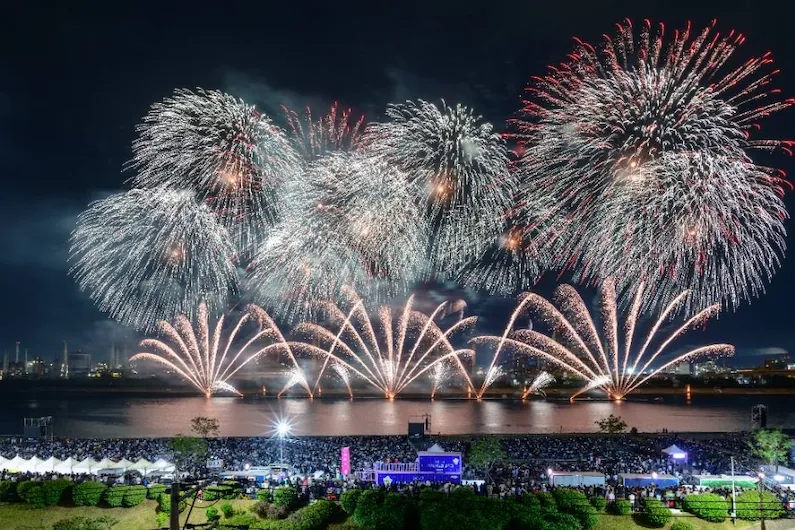
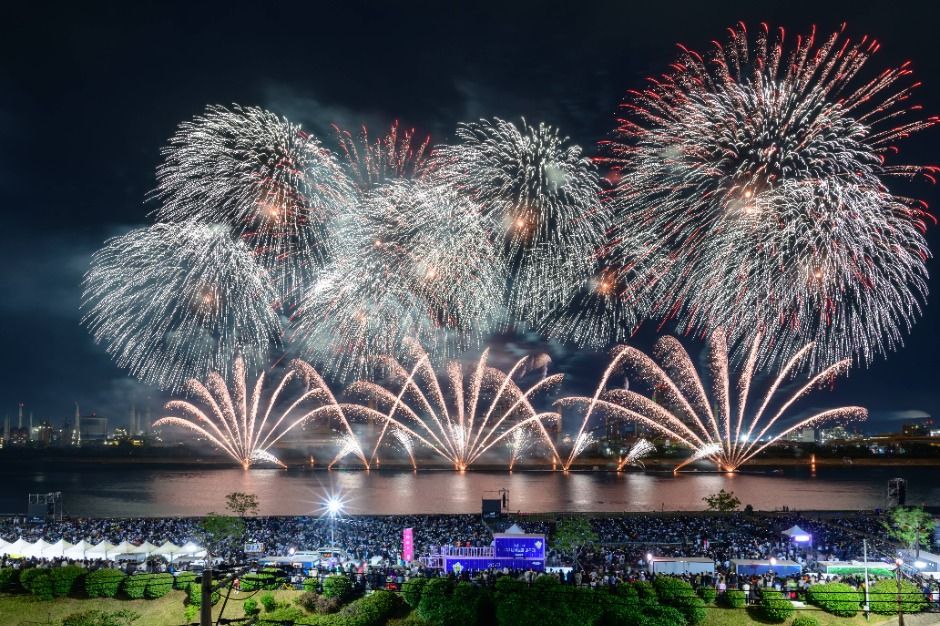
In Pohang, the ‘City of Fire and Light,’ the representative cultural tourism festival ‘Pohang International Firelight Festival’ is held every year. It began in 2004 with a fireworks show to commemorate Pohang Citizens’ Day, and its theme has always drawn on two symbols at the heart of the city’s identity: ‘light,’ representing Pohang’s standing as a world-class steel city, and ‘fire,’ evoking the hot furnace that powers its industry.

What started as a local commemorative display has since expanded into an international-scale festival, with famous fireworks teams from overseas participating every year. More importantly, it has moved away from being a simple fireworks-centered event. The program now unfolds as a festival of harmony, fusing industrial and cultural elements through produced performances and light paradesβ€”so there is something for visitors who come for the fireworks as well as those who stay for the atmosphere.

Main Programs

The centerpiece is the International Fireworks Show, featuring teams from Korea, Canada, and Italy. The Drone Light Show offers a different kind of night-sky display, with synchronized drones forming patterns overhead. The Light Art Way turns the festival site into an open-air gallery of illuminated works, while the Street Parade brings music and performers through the streets. Rounding out the program is the Daily Fireworks Show, which ensures there is a fireworks display on each day of the festival.

Side Programs

Between the main attractions, the side programs fill out the festival experience. The Firelight Music Festa and Fringe Performances provide music and street entertainment, while the Firelight Canal Market and Firelight Theme Zone are good places to slow down and explore. Food is well accounted for: the Fire-flavor Gourmet Road gathers food stalls along the festival route, Phang-staurantβ€”a portmanteau of Pohang and restaurantβ€”serves as another dining option, and the Agricultural and Special Products Sales Zone lets visitors take home regional produce and specialty goods.

Visiting Information

Admission to the festival is free. The event takes place at the following address:

πŸ“ Address: 48 Haean-ro, Buk-gu, Pohang-si, Gyeongsangbuk-do (Hanggu-dong)

For visitors traveling from outside Pohang, nearby accommodation is available through the link below.

πŸ›οΈ Accommodation near the event

πŸ’° Fee: Free

πŸ“ž Inquiry: 054-289-7852~5

πŸ–₯️ Homepage: festival.phcf.or.kr/fireWorks/intro.do

Pohang International Firelight Festival

What is Pohang?

Pohang is a coastal city in North Gyeongsang Province, on South Korea’s eastern seaboard. It is the largest port city on the East Sea and the site of POSCO, one of the world’s largest steelmakers. The steel industry has shaped the city’s economy and public identity; working ports, industrial facilities, and residential neighborhoods sit close together. The coast provides a different side: beaches, rocky headlands, and a seafood economy that supports local markets and restaurants.

The Hyeongsan River runs through the city and empties near the harbor. Yeongildae and Guryongpo beaches have wide sand flats and clear water; they are popular for swimming and for early-morning views of the sunrise. Bukbu Beach, just north of the center, is the usual venue for the Pohang International Fireworks Festival, an event that draws large crowds along the waterfront in late summer or autumn. The exact schedule changes by year, so visitors should check before planning a trip.

Away from the water, Pohang’s neighborhoods reflect its maritime and industrial history. Guryongpo village retains a number of buildings from the Japanese colonial period and has a local raw-fish market. Jukdo Market sells seafood brought in by nearby fishing boats and also has produce and prepared food stalls. These areas are not staged for tourists; they serve daily life, which makes them useful places to observe how the city works.

Pohang is not a polished tourist destination. Its appeal lies in the combination of an active industrial port and an ordinary coastal city where fishing, steel, and summer holidays overlap. Visitors who want a quiet seaside stay or a look at South Korea’s heavy-industry side will find both here, often within a short drive of each other.

Experience the 2026 Muan YD Festival: Dive into Youth Culture, AI Games, and Local Attractions in Jeonnam

Experience the 2026 Muan YD Festival: Dive into Youth Culture, AI Games, and Local Attractions in Jeonnam

Muan YD Festival

πŸ—“οΈ 2026.11.20 ~ 2026.11.22

The Muan YD Festival returns for its sixth edition, taking over Namak Central Park in Samhyang-eup for three days of youth culture this November. Running from Friday, November 20 to Sunday, November 22, 2026, the festival is organized by Muan-gun under the theme ‘PLAY YD,’ which is an explicit invitation to participate rather than just spectate.

The festival was founded to broaden cultural participation among young people and to create spaces where they can communicate and collaborate with one another. In practice, that means a program built around performances, hands-on experiences, and participatory events, with ample room for attendees to take an active role. For young people, it functions as a stage for their talents and ambitions; for families and tourists, it offers an accessible entry point into the youth culture of the region. The organizers have deliberately designed many of the activities as joint programs for local youth, county residents, and visitors, so the exchange works in every direction.

Several details set this year’s edition apart. The sixth YD Festival leans into interactivity: experience booths let you try drone piloting, beauty workshops, and AI games, while the street basketball tournament brings a competitive edge that should draw both players and spectators. Beyond the youth-focused lineup, the festival retains a distinctly local character through its side programs, which include a chrysanthemum exhibition and a market for agricultural and fishery specialty products. It’s a pairing that showcases Muan’s identity as a youth city while grounding the event in the region’s own culture and produce.

Main Programs

  • Opening parade
  • Celebratory concert
  • Street basketball tournament

Side Programs

  • Chrysanthemum exhibition
  • Sale of agricultural and fishery specialty products
  • Youth participation programs

Consumer Participation Programs

  • Drone piloting
  • Beauty programs
  • AI games

Other Contents

  • Street parades and busking performances
  • Various promotional events

πŸ“ Address: 16 Daejukseo-ro 16beon-gil, Samhyang-eup, Muan-gun, Jeonnam-Gwangju Integrated Special City

πŸ›οΈ Accommodation near the event

πŸ’° Fee: Free (Some programs are paid)

πŸ“ž Inquiry: 061-450-5474

πŸ–₯️ Website: https://tour.muan.go.kr/tour/festival/yd%5Ffestival/introduce

Muan YD Festival

Muan sits on the southwestern coast of Jeollanam-do and serves as the provincial government’s administrative seat. That role places it at the center of regional administration, but the county’s coastal setting has shaped its other activities. Its tidal flats and salt farms are among its more visible features. Seawater is drawn into shallow beds and left to dry in the sun, producing salt through a process that has remained largely unchanged. The flats also support a range of wetland species, and the reed fields and estuaries attract migratory birds on their seasonal routes. During the summer, lotus flowers appear across local wetlands, and the annual lotus festival draws visitors for the flowers and the food sold at nearby stalls. In recent years, the county has also hosted the YD Festival, an event oriented toward youth and digital culture, with AI-based games and interactive installations. It is a modest addition to a county whose main draws remain natural and administrative.

2026 Gangneung Coffee Festival Guide: Experience the Ultimate Coffee Culture and Local Events in Korea

2026 Gangneung Coffee Festival Guide: Experience the Ultimate Coffee Culture and Local Events in Korea

Gangneung Coffee Festival

πŸ—“οΈ 2026.10.21 ~ 2026.10.25

Food and beverage details for the 2026 festival are currently being updated.

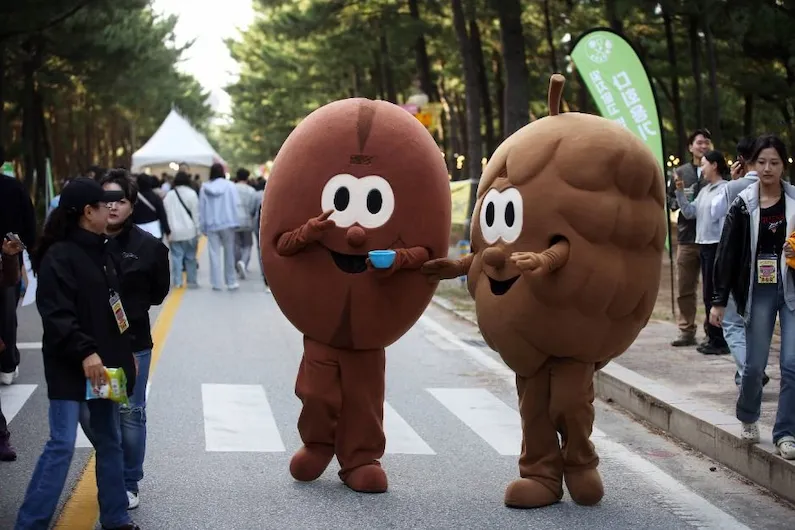
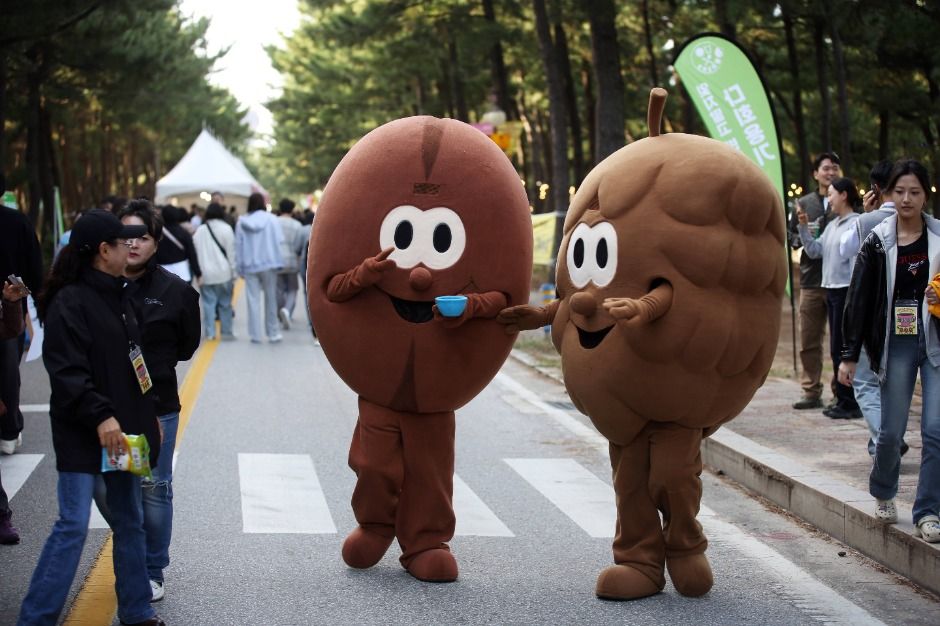
The Gangneung Coffee Festival began as a collection of daily memories rooted in the coffee vending machines at Anmok Beach and the cafe and roasting culture shaped by local coffee artisans. Since 2009, it has grown into a venue that embodies the city’s unique identity by connecting Gangneung’s nature, lifestyle culture, and local commercial districts. Citizens, merchants, coffee industry professionals, and visitors come together to enjoy coffee and share stories of Gangneung through humanities, art, and local content. What started as a cup of coffee enjoyed while looking at the sea has expanded into a culture shared by the city, and the festival now serves as a living local cultural asset that conveys the region’s history, tastes, and community pride.

The festival runs over five days in late October, with programs arranged across Coffee Street, linked spaces, and the wider city. The 2026 edition is divided into three main program groups:

1. Coffee Street Core Programs

  • 100 People 100 Tastes
  • Starry Night
  • Anmok-eyed Coffee RADIO
  • Coffee Busking
  • Coffee Star
  • All Kinds of Gangneung Coffee
  • Coffee Experience Zone
  • Coffee Picnic
  • Coffee Wave
  • Coffee Therapy
  • Coffee Festival Market
  • Handicraft Market
  • All Kinds of Coffee Bean Shop
  • Coffee and Humanities
  • Coffee Master Class

2. Coffee Street Linked Programs

  • Festival Exchange
  • Fireworks
  • Kids Playground
  • Coffee Sports Day

3. City-wide Expansion Programs

  • Welcome Coffee Shop
  • Receipt Event
  • Stamp Rally
  • Coffee Festival Neighborhood Branch

πŸ“ Address: 20-1 Changhae-ro 14beon-gil, Gangneung-si, Gangwon-do (Gyeonso-dong)

πŸ›οΈ Accommodation near the event

πŸ’° Fee: Some programs are paid

πŸ“ž Inquiry: 033-647-6802

⭐️ Instagram: https://www.instagram.com/gn.coffeefestival/

πŸ–₯️ Homepage: https://www.coffeefestival.net/

Gangneung Coffee Festival

Gangneung is often called Korea’s coffee capital, and the label is not simply a tourism slogan. The city’s coffee reputation rests on a series of concrete developments: a long row of independent cafΓ©s, an early commitment to specialty roasting, a major annual festival, and a local habit of treating coffee as something to be consumed slowly. Together, these factors explain why the title sticks.

The most visible place to see this is Anmok Coffee Street. The stretch along Anmok Beach is lined with independent operations, many of them connected to roasters who began doing small-batch roasting in the decades before specialty coffee became a mainstream term in Korea. During that period, most coffee sold in the country was instant or commercially blended, and Anmok’s roasters were working with green beans, roast profiles, and brewing conditions in a way that was unusual at the time. Their presence turned the beach road into a practical workshop: you can watch a roaster work, ask about the origin of the beans, and then drink a cup brewed a few meters from the ocean.

Gangneung also developed a specialty coffee culture earlier than most Korean cities. Local baristas and roasters entered national and international competitions, and they brought back not only awards but also new techniques and a broader network of contacts. This concentration of trained professionals raised the local standard. A cafΓ© in Gangneung has less room to rely on mediocre beans or careless brewing, because a significant share of its customers and neighboring shopkeepers know the difference.

Geography plays a supporting role. The city has clean air and water, and the sea breeze off the east coast has long been cited by local roasters as an advantage in drying and roasting beans. The claim is not easy to verify, but it is an old and commonly repeated part of the local coffee culture. More tangibly, Gangneung’s coastal setting and tourist traffic meant that cafΓ©s had to be destinations in their own right. A coffee shop could not survive on convenience alone; it needed a reason for people to travel.

The Gangneung Coffee Festival has made this history more public. The annual event brings together roasting demonstrations, cupping sessions, latte art competitions, and bean markets, and it draws large crowds every autumn. The festival did not invent the city’s coffee culture, but it gave it a formal stage and connected it to a wider audience. For many visitors, the festival is an entry point to a scene that existed all along.

Finally, the pace of Gangneung’s coffee culture is part of the reason for its reputation. Its cafΓ©s are not built around fast takeaway service. They are spaces where customers sit by windows, watch the sea, and stay for more than one cup. This way of running a coffee shop is not a marketing angle; it reflects how residents use the cafΓ©s. The nickname “coffee capital” may sound exaggerated, but in Gangneung’s case it is a shorthand for a specific, locally developed coffee culture that is still visible today.

2026 Mungyeong Apple Festival: Taste the Famous Gamhong Honey Apples and Enjoy Hands-On Orchard Experiences

2026 Mungyeong Apple Festival: Taste the Famous Gamhong Honey Apples and Enjoy Hands-On Orchard Experiences

Mungyeong Apple Festival

πŸ—“οΈ 2026.10.17 ~ 2026.11.01

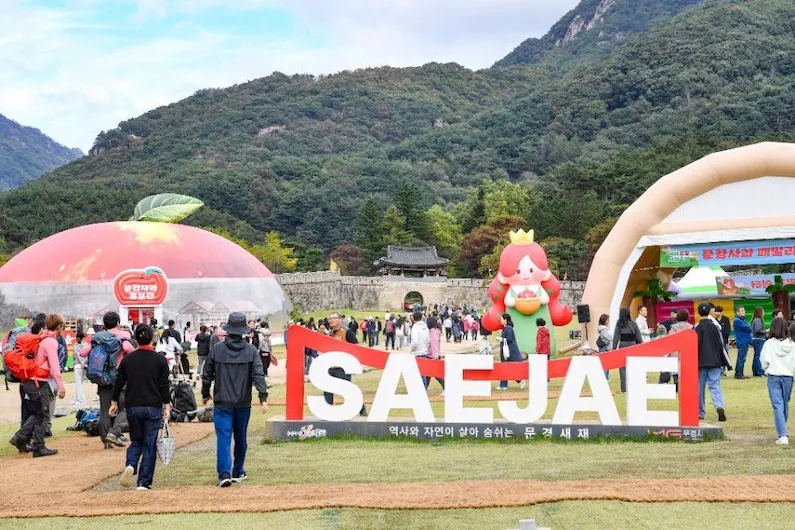
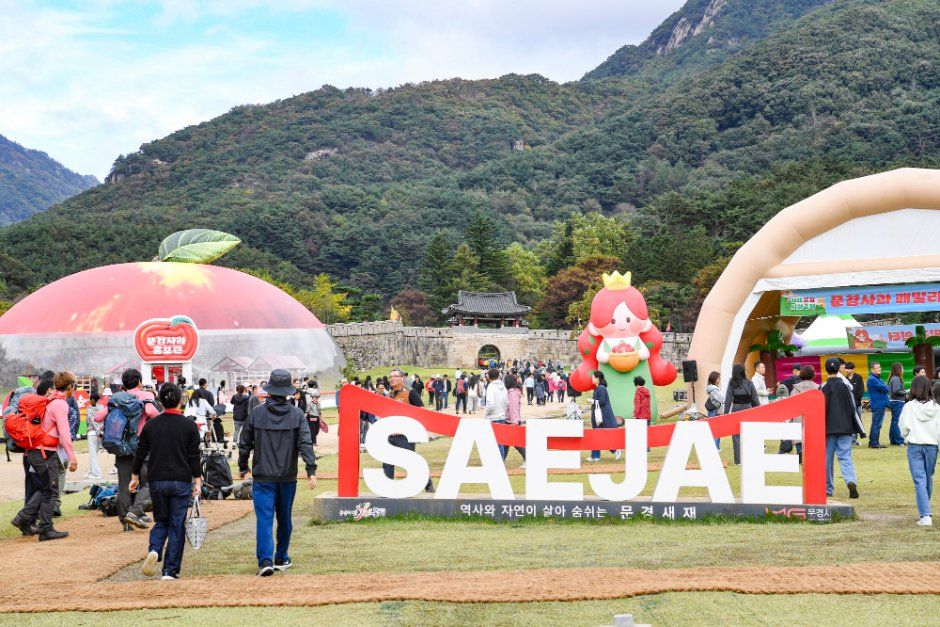
Mungyeong is a mid-mountainous region where apples grow in a clean natural environment, nurtured by fertile soil and a wide diurnal temperature range between day and night. That temperature fluctuation is what concentrates sugars in the fruit as it matures, and the resulting apples are renowned as “honey apples” for their firm texture, rich aroma, and high sugar content. The farmers behind them reinforce that reputation, completing technical training to produce safe, delicious fruit and taking pride in being “kind farmers” who put the consumer at the center of everything they grow.

The Mungyeong Apple Festival is the annual celebration of that effort, built around the Gamhong apple β€” a national representative luxury variety with an average sugar content of 16.5 Brix, among the highest in the country. The festival pairs event programming with promotion and sales activities to introduce the excellence of Mungyeong Gamhong apples to a wider audience, and it gives visitors a chance to taste, pick, and purchase the fruit at its source. For those who cannot make the trip in person, the festival also operates an online store, so the region’s apples are available beyond the festival grounds.

Festival Program

1. Official Events

  • Opening Ceremony Celebration Performance β€” a performance marking the official start of the festival.

2. Special Sales Events

  • Mungyeong Apple Special Sales Booths β€” purchase Gamhong apples directly from local growers.
  • Agricultural Specialty Product Sales Booths β€” browse and buy other agricultural specialties from the Mungyeong region.

3. Experience Events

  • Apple Picking Farm Experience β€” pick apples straight from the orchard.
  • Tree Playground Experience β€” recreation and play in a tree-lined outdoor setting.
  • Apple Sticker Tattoos β€” a light, playful activity for younger visitors.
  • Making Apple Paper Hats β€” a hands-on craft project for all ages.
  • Cornhole Toss Experience β€” a simple, approachable lawn game.

4. Special Events

  • Apple Sharing Event β€” a community-centered event where apples are shared with attendees.
  • Apple Day β€” a day devoted entirely to the region’s signature fruit.

Visitor Information

πŸ“ Address: 932 Saejae-ro, Mungyeong-eup, Mungyeong-si, Gyeongsangbuk-do

πŸ›οΈ Accommodations near the event

πŸ’° Fee: Free

πŸ“ž Inquiry: 054-571-7677

πŸ–₯️ Website: https://www.mgapple.or.kr/

Mungyeong Apple Festival

What are Gamhong apples?

Gamhong is a South Korean apple variety developed by the country’s agricultural research institutes. The name translates as β€œsweet red,” which is a fair summary of the apple’s main traits: deep red skin and a pronounced sweetness with honey notes. It is one of the varieties grown around Mungyeong, and it is the focus of the Mungyeong Apple Festival.

The flesh is firm, dense, and juicy. A bite breaks cleanly, and the flavor is sweet enough to work as a dessert apple, with a slight tartness that keeps the sweetness from becoming cloying. The aroma is mild and a bit floral. The skin can range from bright red to a darker crimson, depending on how much sun the fruit receives while growing. These qualities make it a reliable choice for fresh eating, packed lunches, and simple fruit arrangements.

Mungyeong’s mountain climate contributes to the quality of the crop. Wide swings between warm days and cool nights during the growing season give the apples time to accumulate sugar and develop their color. This is why local orchards are well suited to Gamhong and why the festival, which will be held again in 2026, draws on that local supply. Visitors can sample the apples at the festival, buy them from market stalls, and, in some cases, pick them directly from the trees. The festival is best understood as a regional harvest gathering centered on one apple.

2026 Hwangmaesan Silver Grass Festival in Hapcheon: Experience Autumn’s Beauty with Cultural Performances and Scenic Tours

2026 Hwangmaesan Silver Grass Festival in Hapcheon: Experience Autumn's Beauty with Cultural Performances and Scenic Tours

Hwangmaesan Silver Grass Festival

πŸ—“οΈ 2026.10.17 ~ 2026.10.25

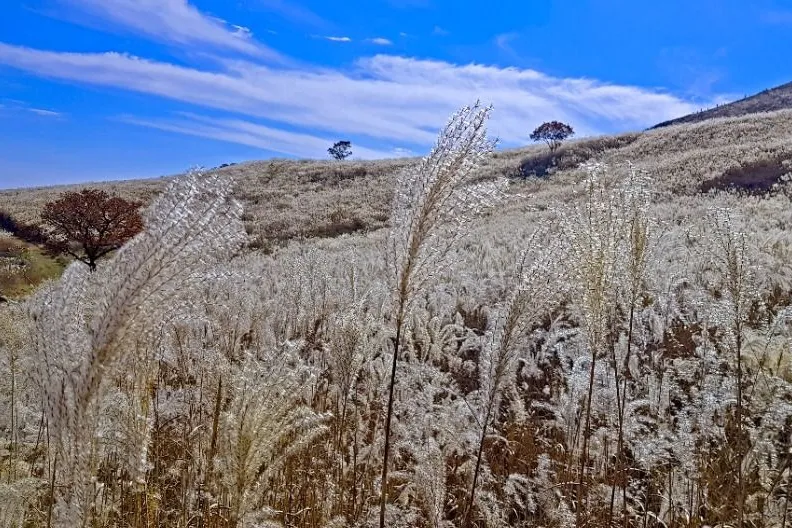
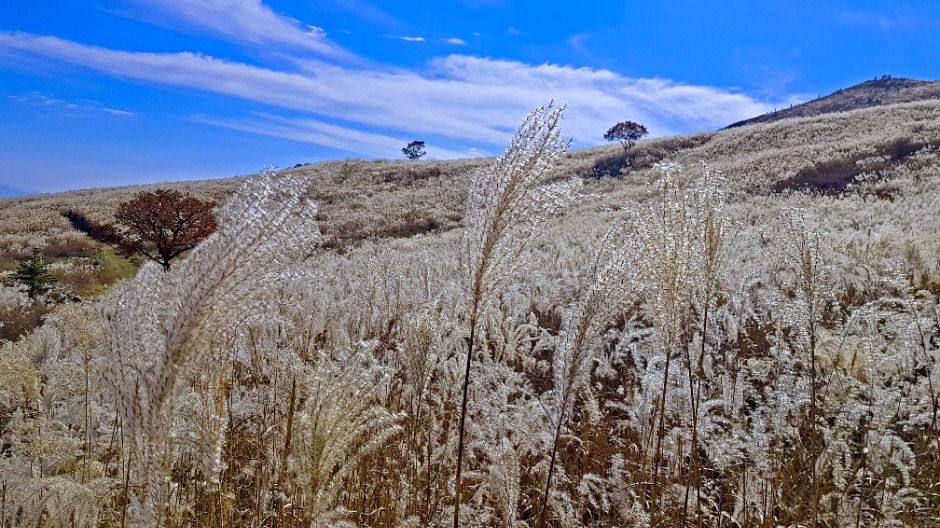
As autumn deepens, the slopes of Hwangmaesan turn silver. The 5th Hwangmaesan Silver Grass Festival takes place from October 17 to October 25, offering a full immersion in the season’s atmosphere against the backdrop of the mountain’s sweeping silver grass landscapes. The festival pairs that natural spectacle with a varied program of performances and hands-on activities, giving visitors plenty of reasons to linger.

The opening ceremony on October 17 officially kicks things off, followed by celebratory performances and weekend cultural arts performances. On weekdays, the schedule shifts to smaller, more personal programs β€” Hwangmaesan Life Four Cuts, healing music listening sessions, “Catch the 10 Seconds,” and dice games β€” each designed to add small joys to a leisurely visit.

Alongside the performances, the festival operates a local agricultural product sales center and a food market, so visitors can taste what the Hapcheon region has to offer while taking in the scenery. Sharing Cart Tours are available for the transportation-vulnerable, and docent tours led by forest interpreters provide a comfortable way to explore different parts of Hwangmaesan County Park. Whether you come with family, a partner, or friends, walking slowly through the swaying silver grass and stopping to enjoy performances along the way is the kind of autumn day that stays with you.

Main Programs

  • The 5th Hwangmaesan Silver Grass Festival Opening Ceremony
  • Opening Celebration Performance
  • Weekend Cultural Arts Performances

Side Programs

  • Healing Music Listening
  • Local Agricultural Product Sales Center
  • Food Market

Consumer Participation Programs

  • Hwangmaesan Life Four Cuts
  • Catch the 10 Seconds
  • Dice Game
  • Docent Tour with Forest Interpreter

Other Information

  • Operation of Sharing Cart Tours so that the transportation-vulnerable can also look around the Hwangmaesan County Park area

πŸ“ Address: 331 Hwangmaesan-gongwon-gil, Gahoe-myeon, Hapcheon-gun, Gyeongsangnam-do

πŸ›οΈ Accommodation near the event

πŸ’° Fee: Free

πŸ“ž Inquiry: 055-930-4769

⭐️ Instagram: https://www.instagram.com/hwangmae_love

πŸ–₯️ Website: https://www.hc.go.kr/09418/09428/09429.web

ν™©λ§€μ‚° μ–΅μƒˆμΆ•μ œ

What is silver grass?

Silver grass (Miscanthus sinensis) is a tall, clumping perennial grass native to East Asia. In Korea, it is a familiar autumn sight, growing on hillsides and in open fields where many other plants struggle. It typically reaches 1–2 meters in height, with slender, arching leaves and feathery, silvery flower plumes that appear in late summer and mature by October. When the late afternoon sun hits them, they stand out clearly against the surrounding dry vegetation.

The plant is hardy. It establishes itself in poor soil and tolerates wind, drought, and seasonal temperature swings. These traits have made it useful as well as ornamental: in rural areas, Miscanthus has been used for thatching, fencing, weaving, and animal fodder. It also helps stabilize slopes and field borders.

The connection to autumn in Korea is practical. Silver grass blooms at harvest time, when fields are being cleared and the landscape is preparing for winter. The Hwangmaesan Silver Grass Festival exists for the same reason people have always stopped to look at it: the scale. Entire ridgelines covered with silvery plumes are striking without needing to be framed as a metaphor. The plant itself is enough.

2026 Yuseong Chrysanthemum Festival in Daejeon: Experience the Perfect Blend of Autumn Flowers, Science, and Art

2026 Yuseong Chrysanthemum Festival in Daejeon: Experience the Perfect Blend of Autumn Flowers, Science, and Art

Yuseong Chrysanthemum Festival

πŸ—“οΈ 2026.10.17 ~ 2026.11.01

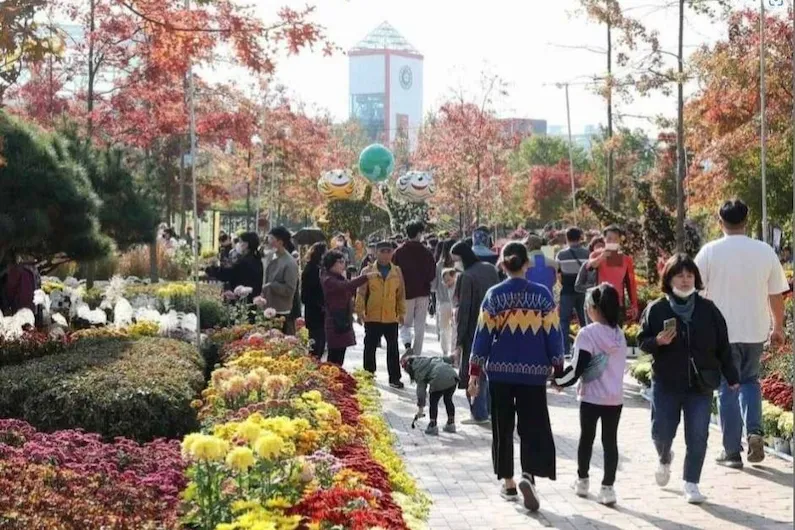
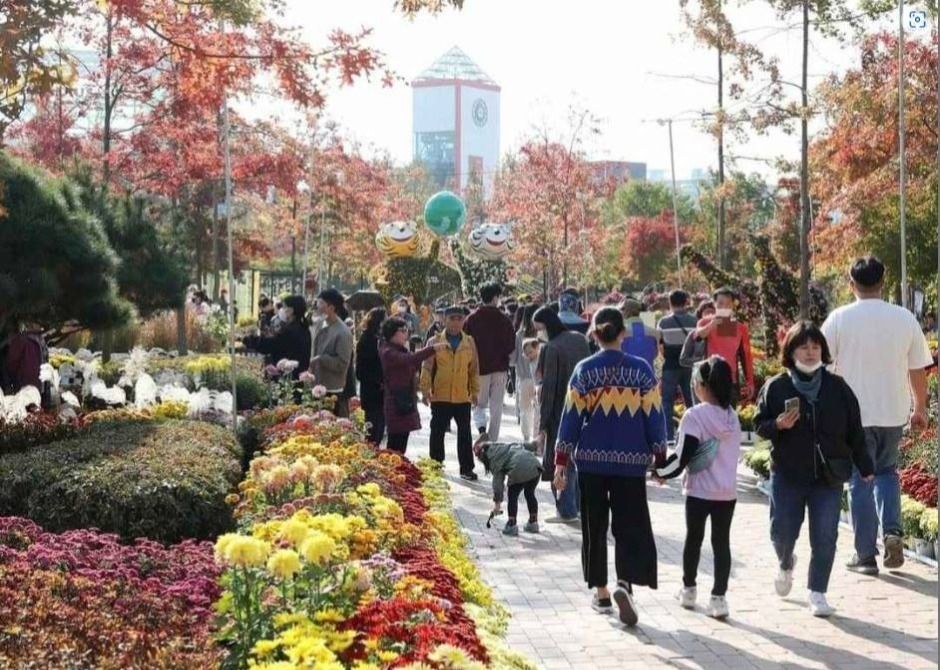
The 17th Yuseong Chrysanthemum Festival, a representative autumn festival of Yuseong-gu, Daejeon, runs for 16 days from October 17 to November 1 in the Yurim Park area. Having been selected as a representative festival of Daejeon City every year since 2022, the event brings together exhibitions, experiences, and performances that capture both the understated beauty of chrysanthemums and the character of Yuseong as a city of science.

This year’s edition introduces a notable centerpiece: a chrysanthemum sculpture of Hanbit Tower, the iconic landmark of the science city, presented for the first time. The Aster chrysanthemum garden has also been expanded to Yuseongcheon under Eoeun Bridge, while cosmos paths now line the Bandoji and Yuseongcheon walking trails, spreading the autumn flower landscape well beyond the main festival grounds. Visitors can wander through these extended displays, which add a new layer of color and variety to the event’s usual offerings.

In addition to the floral exhibits, the festival features a mix of hands-on activities and performances. A drawing caricature robot offers a technology-infused take on the classic portrait experience, while life gardening programs such as terrarium-making and wood craft sessions let visitors create something to take home. Chrysanthemum-related experience booths and performances by local universities and regional artists round out the daytime program.

As evening falls, the festival shifts to a more atmospheric mood with a series of nocturnal programs. Moonlight Busking and Candle Garden Concerts provide live music in a softly lit setting, while wishing lanterns and the Chrysanthemum (Onbit) Cinema offer quieter ways to spend the evening. These nighttime attractions are designed to encourage visitors to linger, extending their stay at the festival rather than making a quick daytime visit. Receipt events and gourmet maps linked with commercial districts near the festival grounds also operate throughout the event, adding momentum to the revitalization of the local economy.

1. Main Programs

  • Chrysanthemum sculptures and bonsai displays
  • Arrangement of autumn flowers, including chrysanthemums
  • Creation of corporate-sponsored gardens
  • Operation of experience booths
  • Holding of linked events

2. Subsidiary Programs

  • Operation of the ‘Drawing Caricature Robot’
  • Aster Garden
  • Cosmos Path

3. Consumer Participation Programs

  • Life gardening experiences (terrariums, etc.)
  • Candle Garden Concert
  • Moonlight Busking
  • Chrysanthemum Cinema
  • Local commercial district win-win receipt events

4. Other Details

  • Aster Garden
  • Cosmos Path

πŸ“ Address: 27 Eoeun-ro, Yuseong-gu, Daejeon (Bongmyeong-dong)

πŸ›οΈ Accommodations near the event

πŸ’° Fee: Free

πŸ“ž Inquiry: 042-611-2678

πŸ–₯️ Website: www.yuseong.go.kr

Yuseong Chrysanthemum Festival

With the harmony of chrysanthemums and autumn flowers, science and art, and culture and rest, the Yuseong Chrysanthemum Festival offers a fitting destination for a special autumn memory in Daejeon.

What is Yuseong?

Yuseong is a district in Daejeon, South Korea, with two separate reputations. The older one is for hot springs. The area’s mineral waters have drawn visitors since at least the Joseon dynasty, and a line of spas and bathhouses still operates near the district center. The newer reputation is for research and development. Daedeok Innopolis, a government-supported complex of institutes, universities, and technology firms, is located here. That concentration is the reason Daejeon is sometimes called β€œAsia’s Silicon Valley.”

The district sits in a green, low-mountain landscape. Its main roads are lined with trees, and the seasonal changes are distinct: cherry blossoms in spring, clear and cooler weather in autumn. These are not promotional adjectives; they are practical conditions for an outdoor event. The 2026 Chrysanthemum Festival will take place against that background, using public spaces in the district for its displays.

There is no need to exaggerate what Yuseong offers. It has a long history of accommodating visitors, whether for bathing, research, or seasonal recreation. That, more than any slogan, is why it is a reasonable place to hold a flower festival.

Analytics