“2026 Hadong Bukcheon Cosmos and Buckwheat Flower Festival: 20th Anniversary Dates, Events, and Visitor Guide”

"2026 Hadong Bukcheon Cosmos and Buckwheat Flower Festival: 20th Anniversary Dates, Events, and Visitor Guide"

Hadong Bukcheon Cosmos and Buckwheat Flower Festival

🗓️ 2026.09.22 ~ 2026.10.05

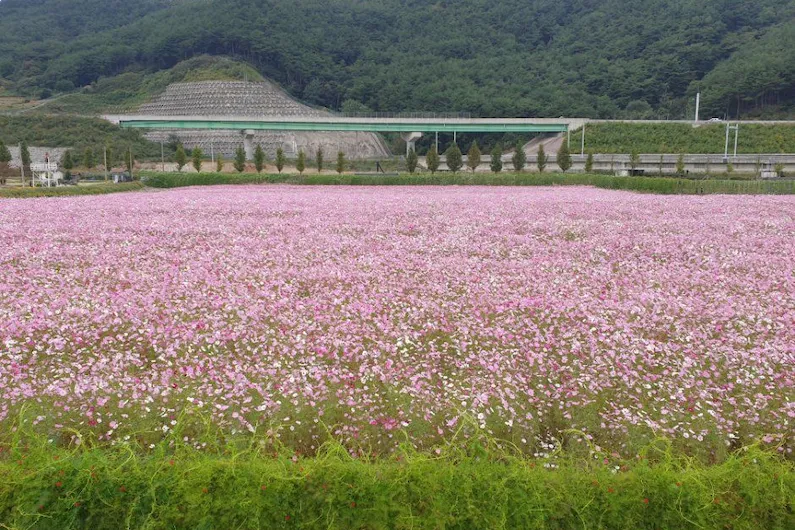
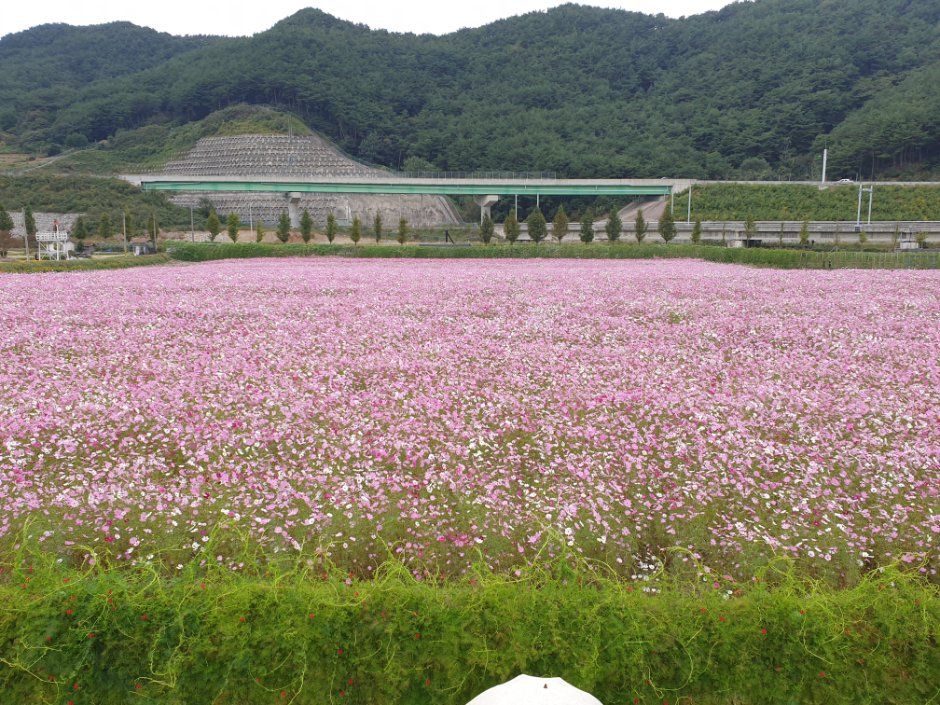
When late summer transitions into early autumn, the fields of Hadong Bukcheon take on their most striking appearance. Pink cosmos blossoms sway above the paths in soft waves, and white buckwheat flowers spread across the ground in dense, snow-like layers. This is the scene at the heart of the ’20th Hadong Bukcheon Cosmos and Buckwheat Flower Festival,’ which opens its gates for two weeks of flowers, performances, and rural experiences.

Since the festival’s first edition in 2007, the Bukcheon Flower Complex has welcomed countless visitors over the past two decades. Its walking paths wind through waves of flowers in full bloom and past cozy rural scenery, offering an unhurried way to experience the countryside. This year’s event is planned to be more colorful and abundant, with performances and hands-on activities added to the natural attractions.

The 20th-anniversary program includes events for both observers and participants. Visitors can stroll through the flower fields at their own pace, then join one of the following activities:

  • 20th Anniversary Celebration: Find the Golden Lucky Pouch – A special search event tied to the 20th anniversary, adding a playful element to a walk around the festival grounds.
  • Challenge 100-Point Karaoke (Tourist Singing Contest) – An open singing contest where tourists can take the stage and aim for a perfect 100-point score.
  • Harmony Bukcheon Residents’ Singing Contest for Chuseok – A Chuseok-season contest featuring Bukcheon residents, blending holiday tradition with local participation.
  • Special rural experience booths for seeing flowers, making, and tasting – Hands-on booths where visitors can observe the flowers up close, make flower-related items, and sample local food.

Visitor Information

📍 Address: 2253-9 Gyeongseo-daero, Bukcheon-myeon, Hadong-gun, Gyeongsangnam-do

🛏️ Accommodation near the event

💰 Fee: Festival admission 2,000 won (Parking free)

📞 Inquiry: 055-884-7416

🖥️ Homepage: www.hadong.go.kr
Hadong Bukcheon Cosmos and Buckwheat Flower Festival

What is Hadong?

Hadong (하동) is a county in South Gyeongsang Province, on the southeastern side of the Korean Peninsula. It lies between the western slopes of Jirisan Mountain and the lower reaches of the Seomjin River. The land is made up of ridges, foothills, and floodplains, and farming still drives both the local economy and the seasonal routine.

The county is known for clean water and air and for an agricultural economy that still dominates the area. Hwagae-myeon has terraced tea fields, some of the oldest and most respected in Korea. The same area is known for persimmons, wild herbs, and the alluvial soil along the Seomjin. In Bukcheon-myeon, where the autumn festival is held, broad floodplains and cooler air from Jirisan suit buckwheat and cosmos. Buckwheat flowers are small and pale; cosmos flowers are taller and come in pink, white, and magenta. When both are in bloom in late September and early October, the fields turn white and pink. There are food stalls, farm goods, and walking paths that follow the field borders and old village lanes.

Hadong also contains Ssanggyesa Temple, a Buddhist temple on Jirisan with a long history, and Hwagae Market, where vendors sell wild vegetables, freshwater fish, and local snacks. The county has been used as a filming location for dramas and movies. What draws production crews is that the area looks like a working countryside, not a reconstructed backdrop.

For a first-time visitor, the main thing to understand is that Hadong is an agricultural county. The Bukcheon festival is a seasonal event, not a constructed attraction. It is centered on buckwheat and cosmos, both of which are planted in the fields around the village, and the venue is the village itself. Visitors who want a quiet walk through farmland will find that here.
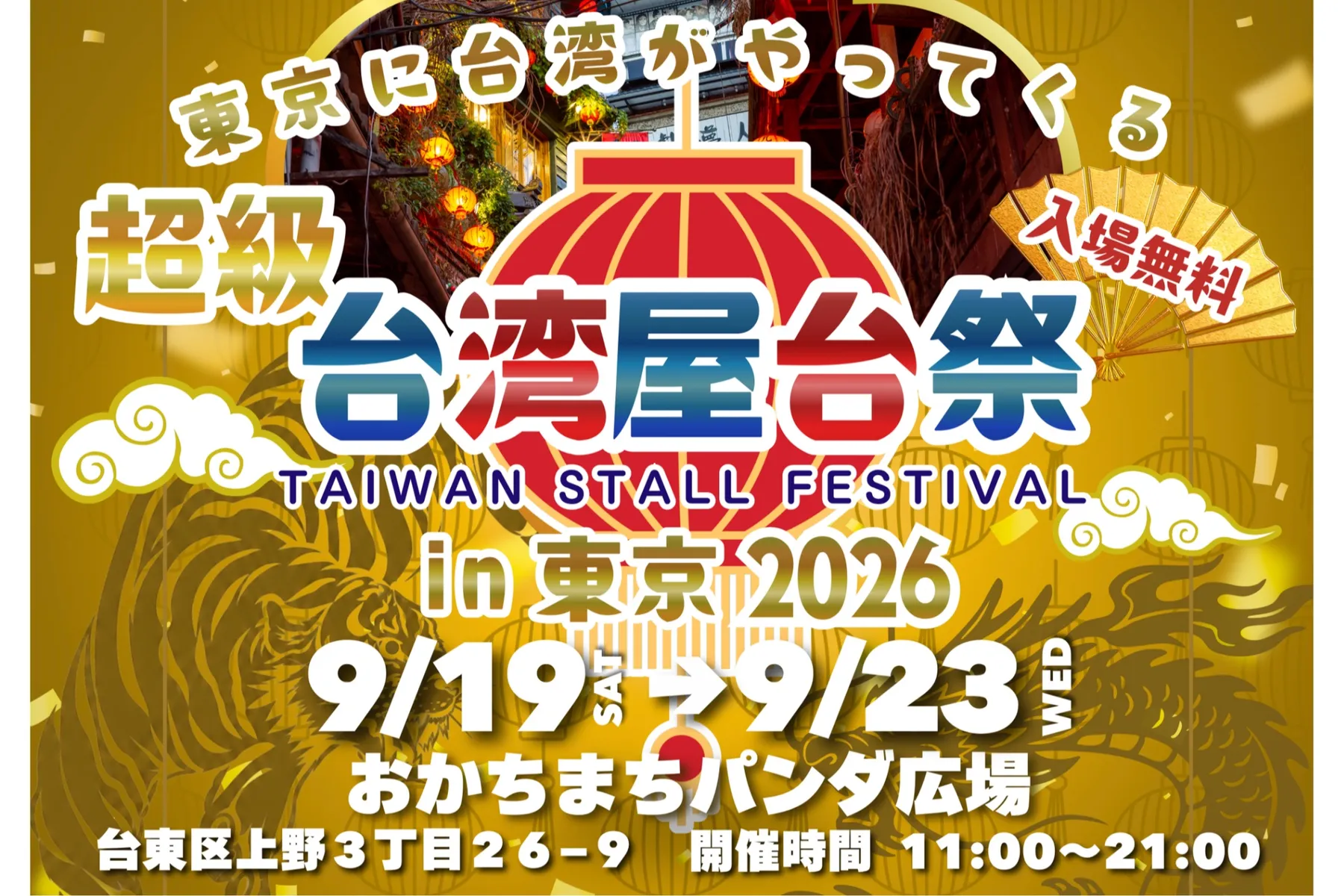
Super Taiwan Food Stall Festival in Okachimachi 2026: Savor Authentic Taiwanese Night Market Flavors in Tokyo

Super Taiwan Food Stall Festival in Okachimachi 2026: Savor Authentic Taiwanese Night Market Flavors in Tokyo

Super Taiwan Food Stall Festival in Okachimachi

Enjoy Taiwan in Okachimachi!

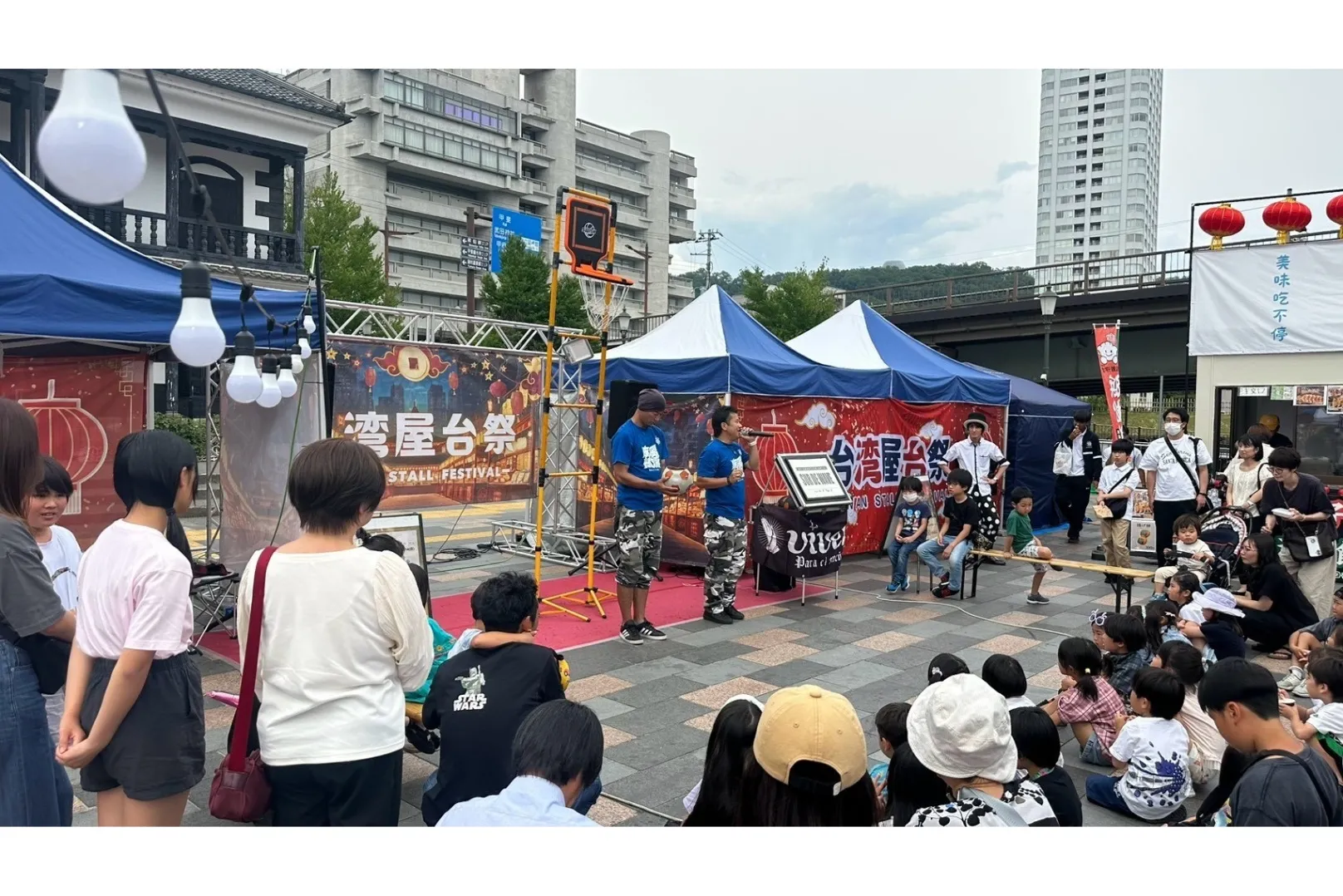
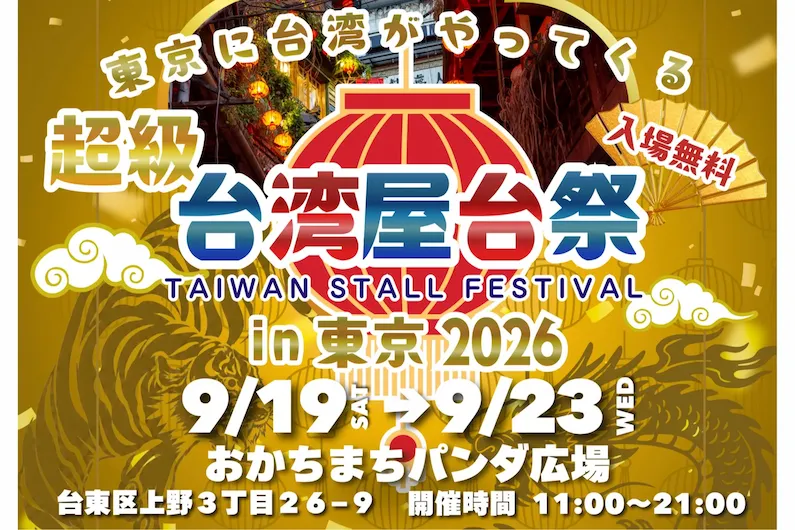
For five days, from Saturday, September 19 to Wednesday, September 23, 2026, the “Super Taiwan Street Food Festival in Okachimachi” will take place at Okachimachi Panda Square. This event—which serves as the third installment of a relay series of events—aims to bring the distinct charm of Taiwanese gourmet food and the vibrant energy of night markets to the heart of Japan.

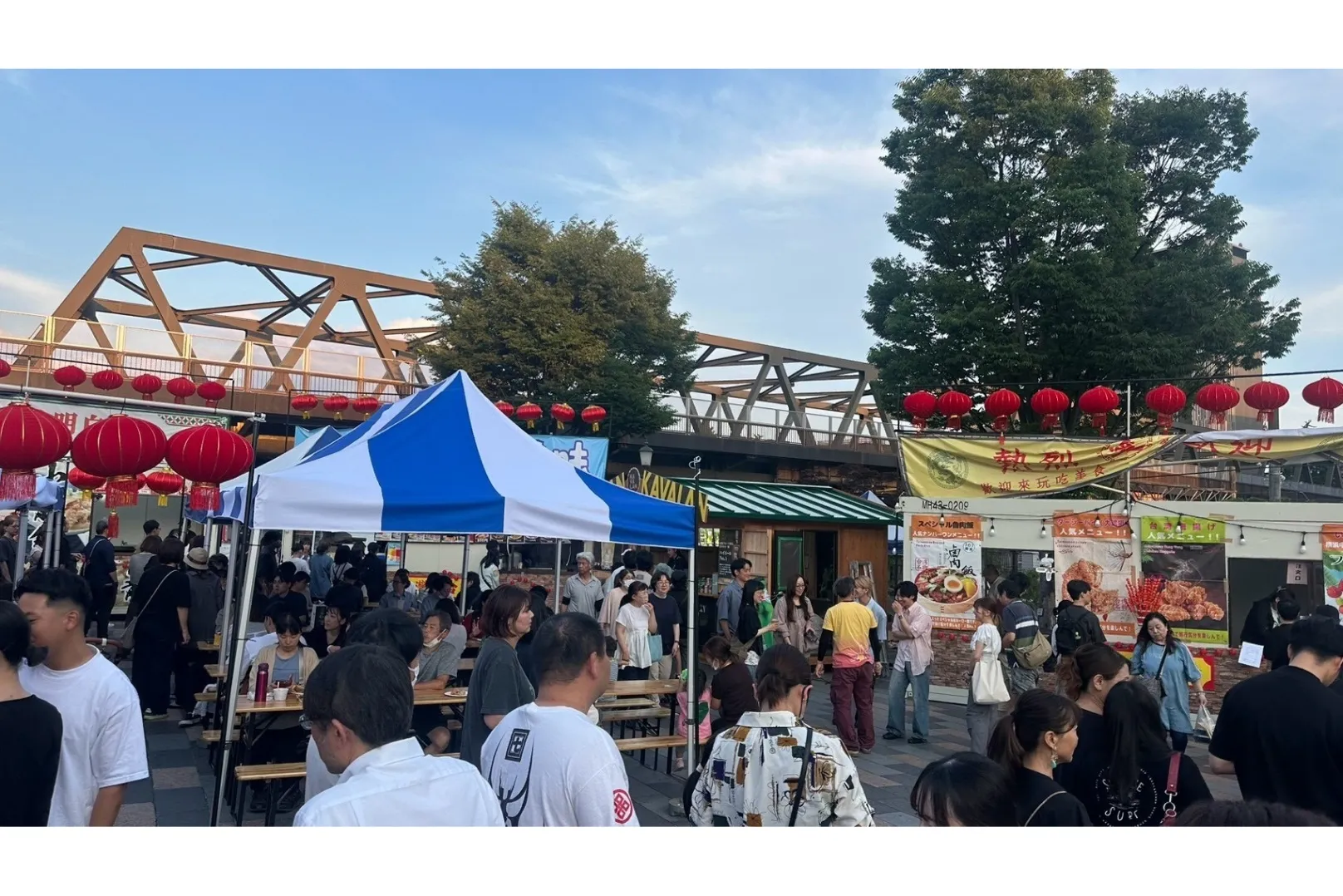
The venue is situated at Okachimachi Panda Square, a prime location just a short distance from Okachimachi Station. Due to this excellent accessibility, the festival is designed to welcome a diverse crowd, including local residents, tourists, families, couples, and friends.

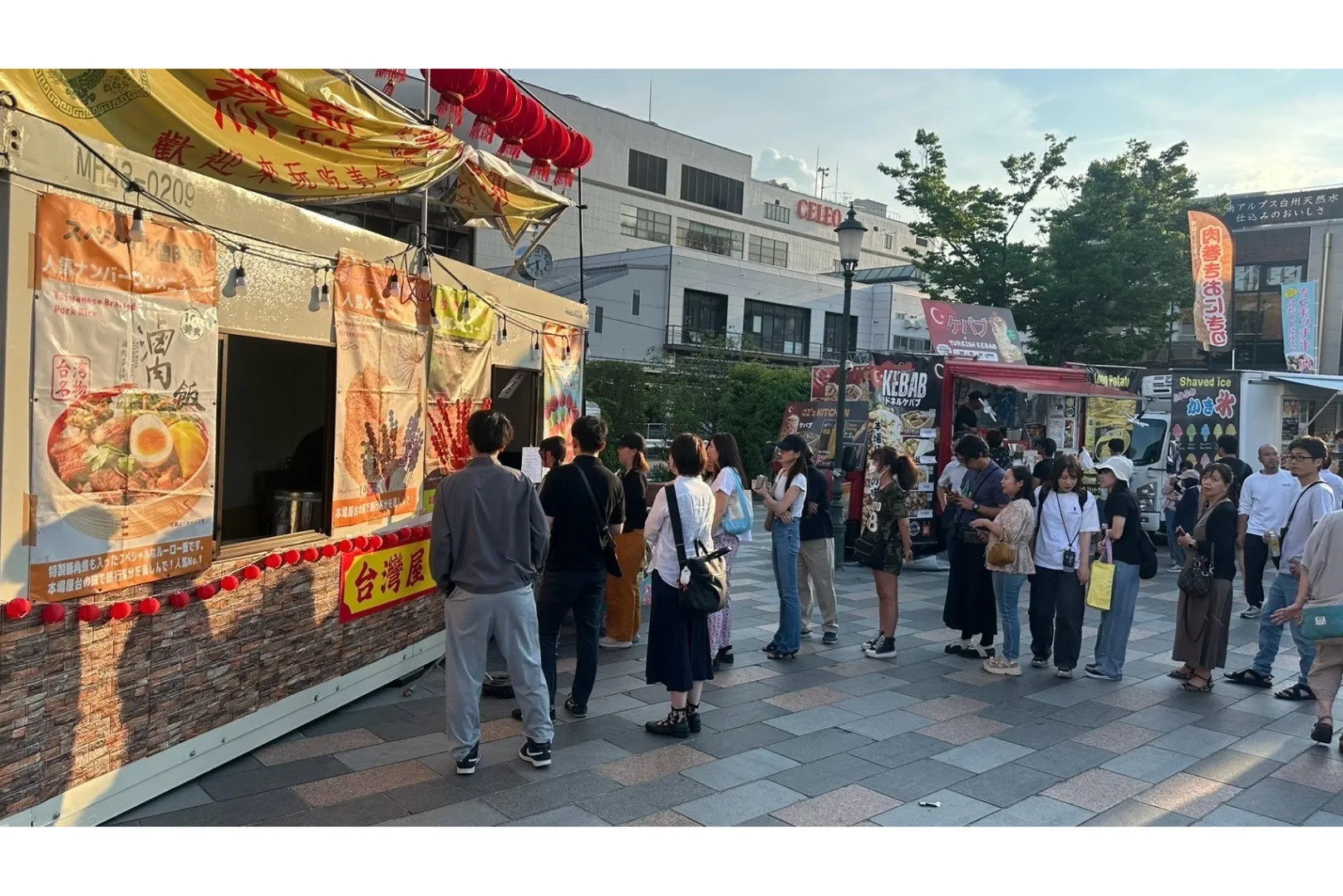
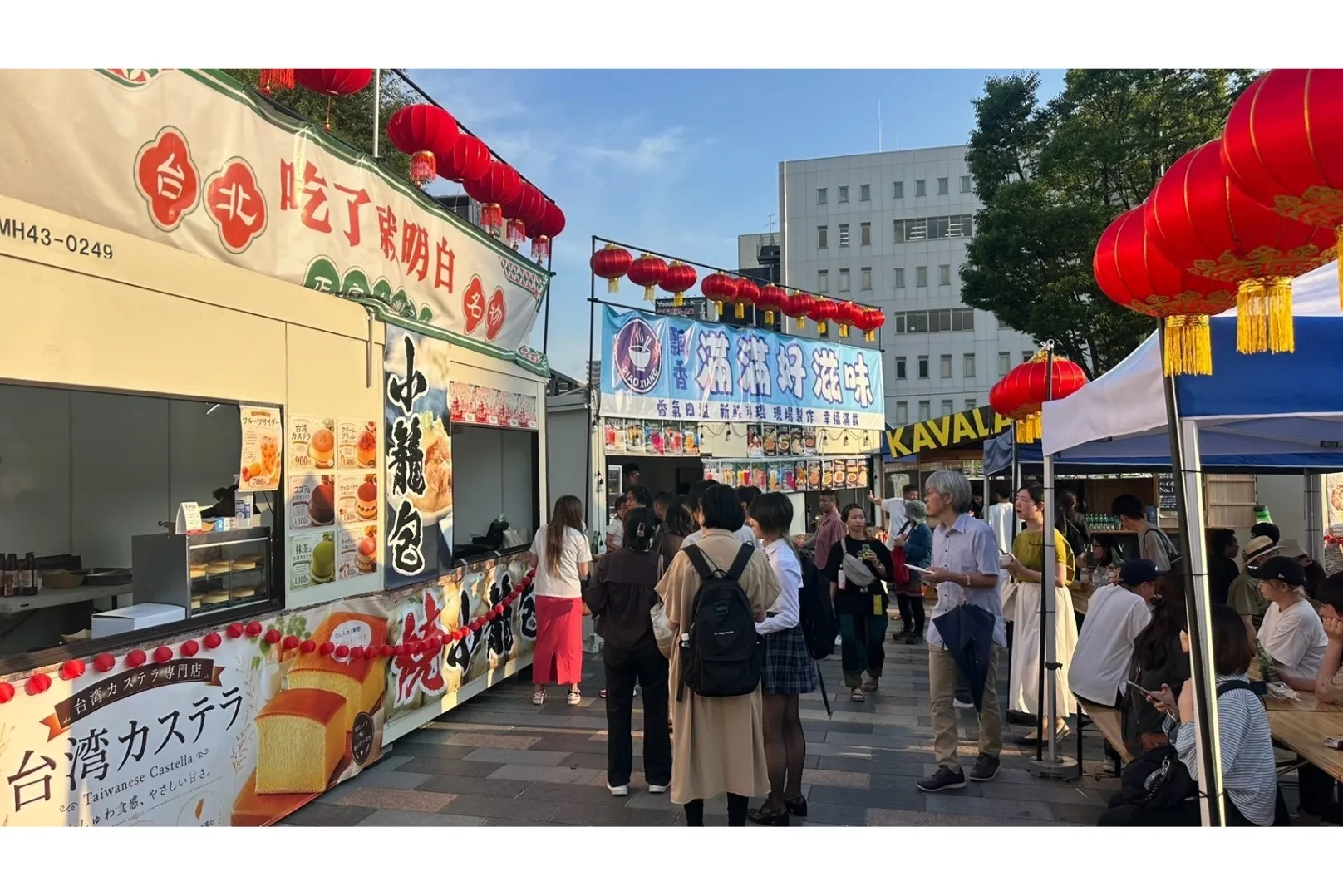
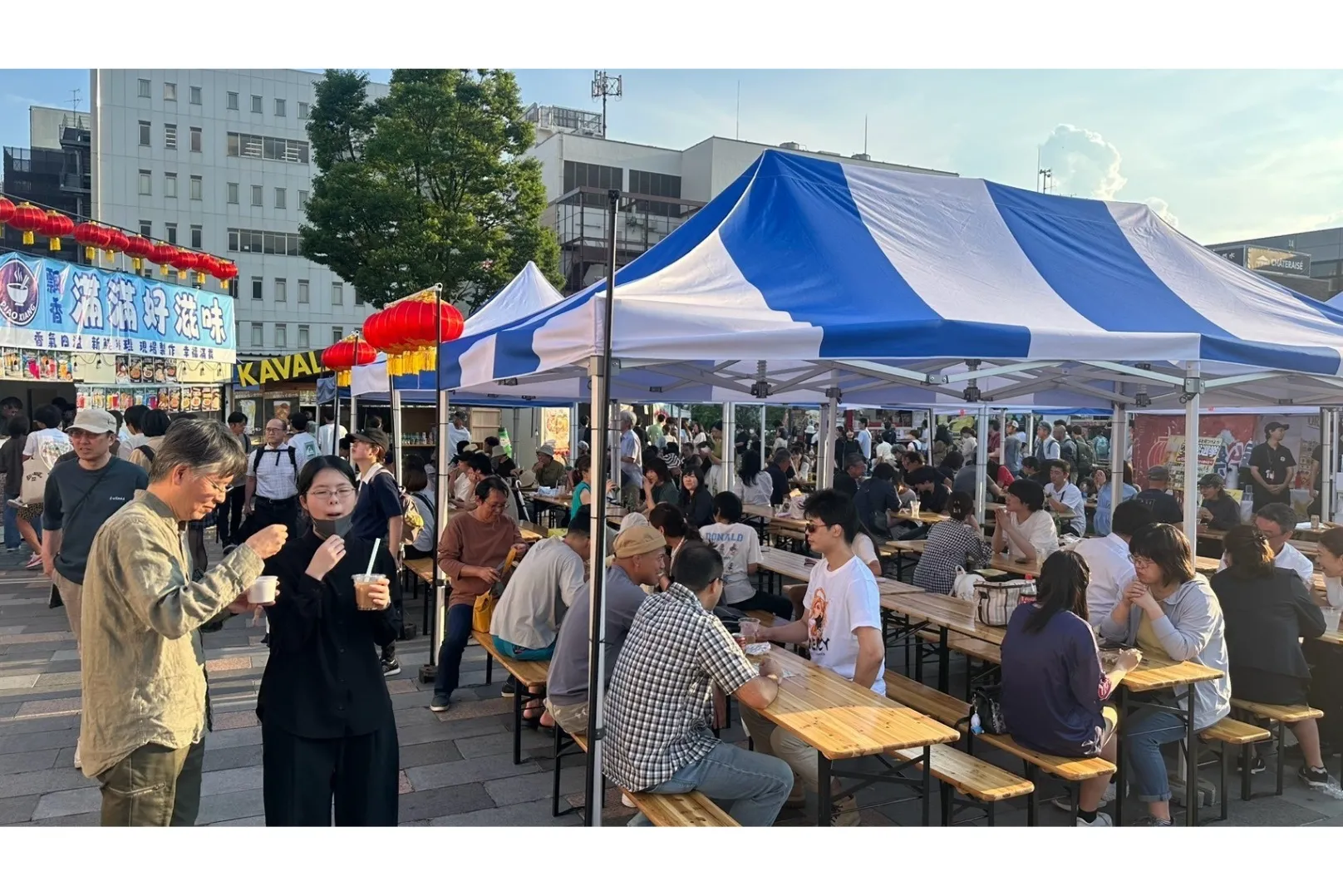
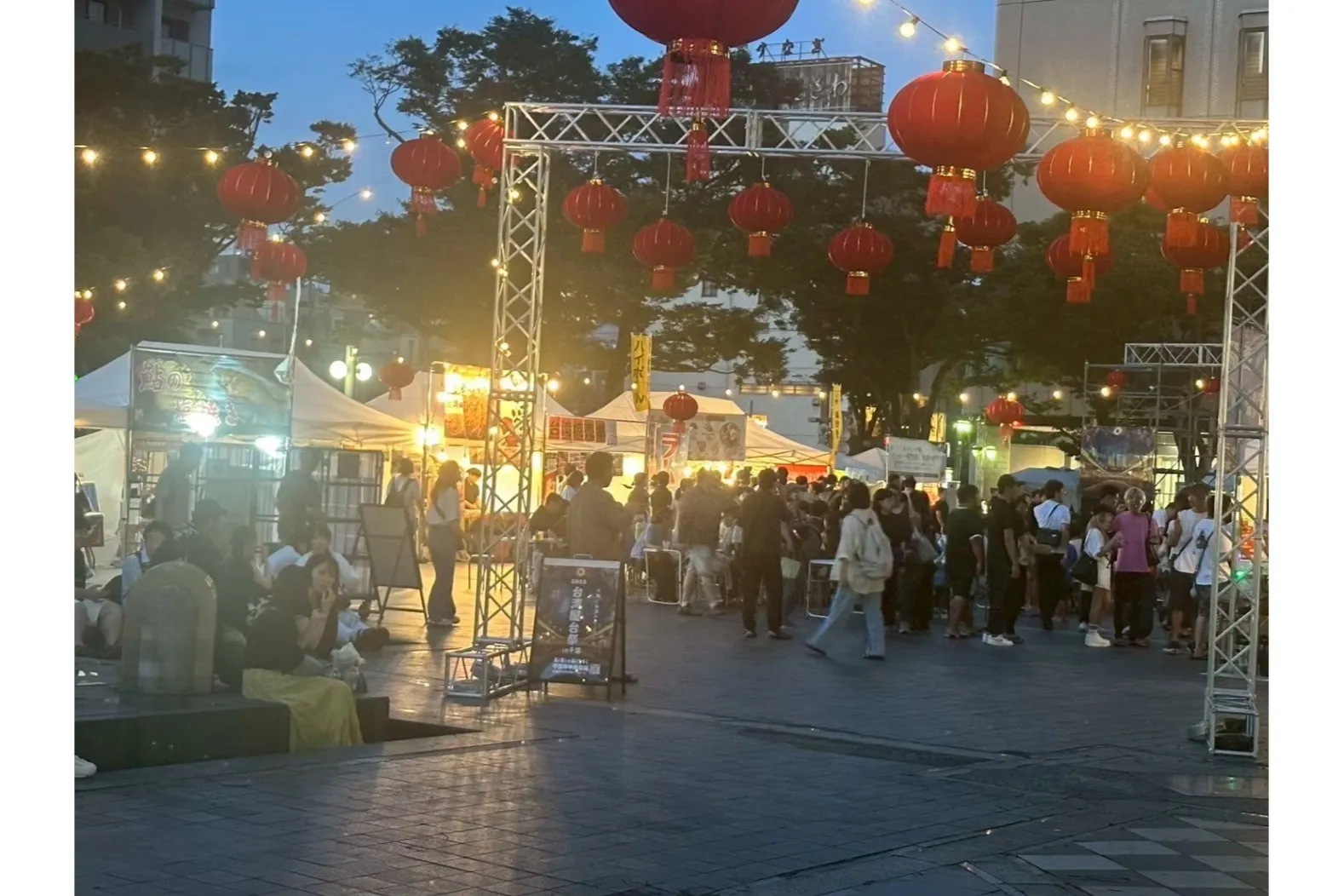
Having previously gained attention across various media platforms, including terrestrial broadcasting, the “Taiwan Street Food Festival” returns on an even larger scale. The organizers have produced the entire venue to mirror the aesthetic of a traditional Taiwanese night market, offering visitors a sense of escapism and presence that mimics a trip to authentic Taiwan while remaining within Tokyo. The primary appeal of the event lies in the ability to experience not only the cuisine but also the specific food and night market cultures through the atmosphere unique to street stalls.

Why not visit the “Super Taiwan Street Food Festival in Okachimachi” and experience the vibrancy of an authentic night market?

Store List

Ayasume Shoten

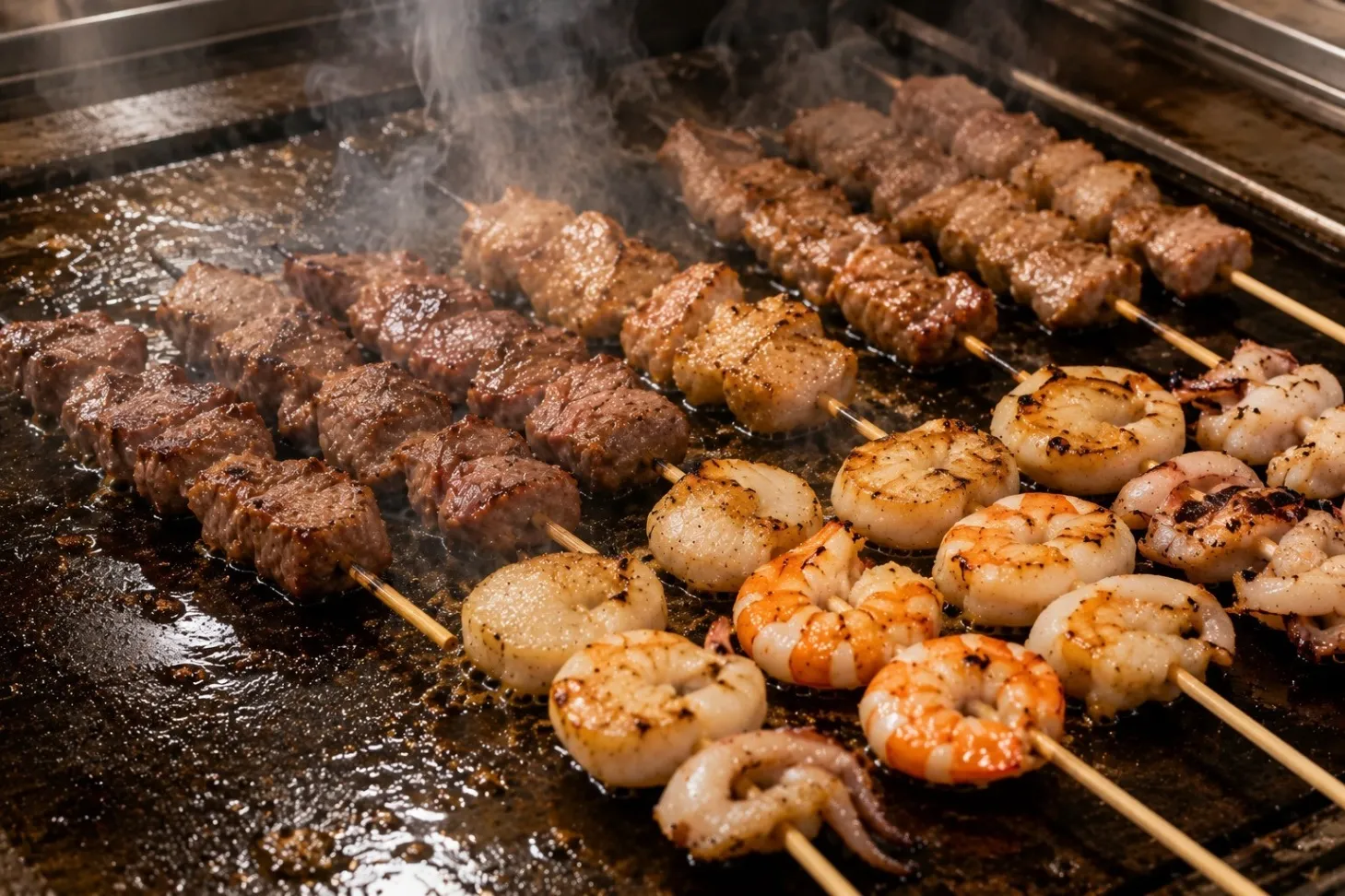
  • Carbon Grilled (Taiwanese Skewers): 800 yen
    Tankaao features ingredients grilled fragrantly with a touch of authentic Taiwanese flavor, resulting in a juicy umami-rich dish that captures the essence of street food.

rico cafe

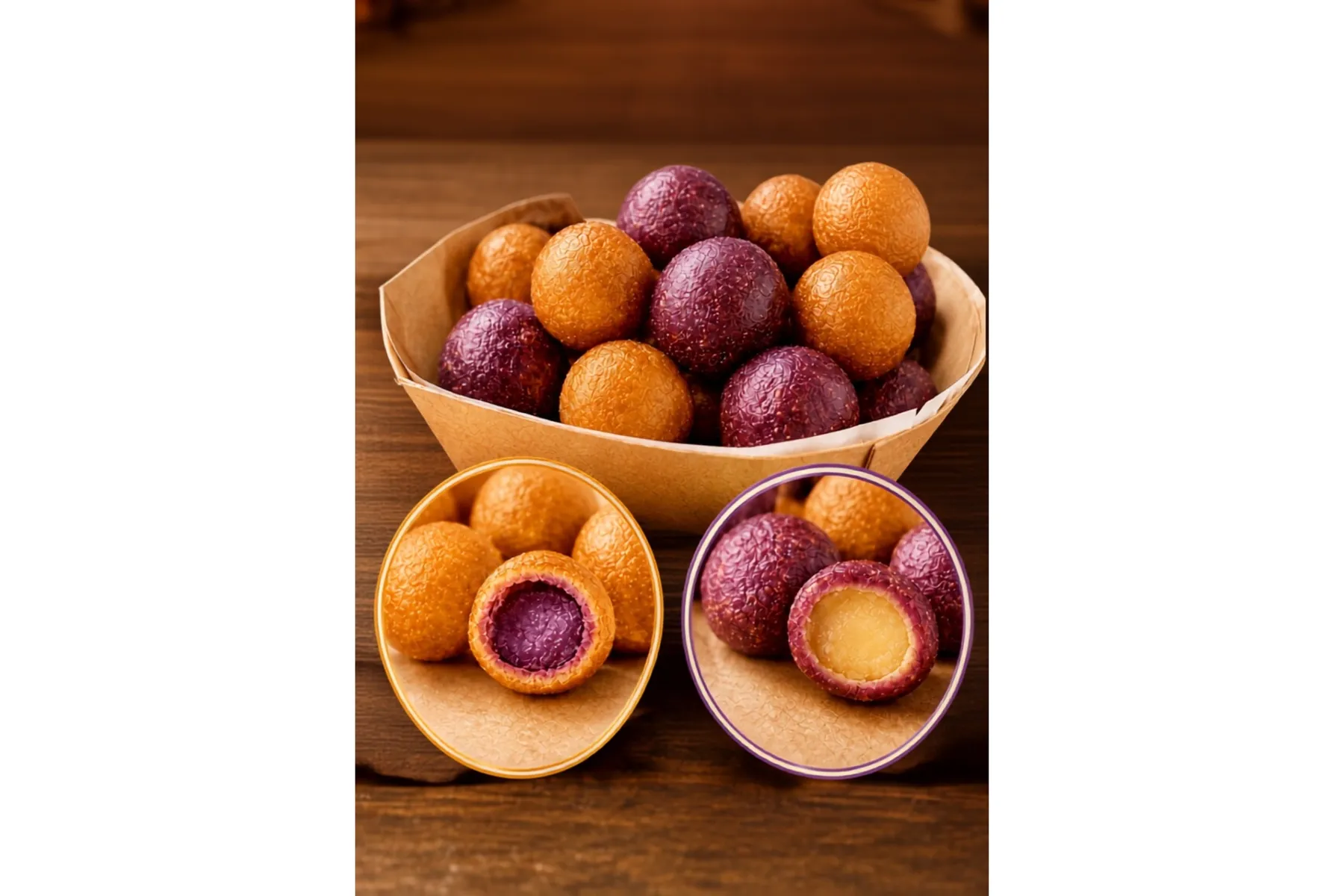
  • QQ Balls: 700 yen~
    These popular night market sweets are freshly fried Taiwanese treats made with sweet potatoes, offering a contrast between a crispy exterior and a chewy interior.

Peccary Beer

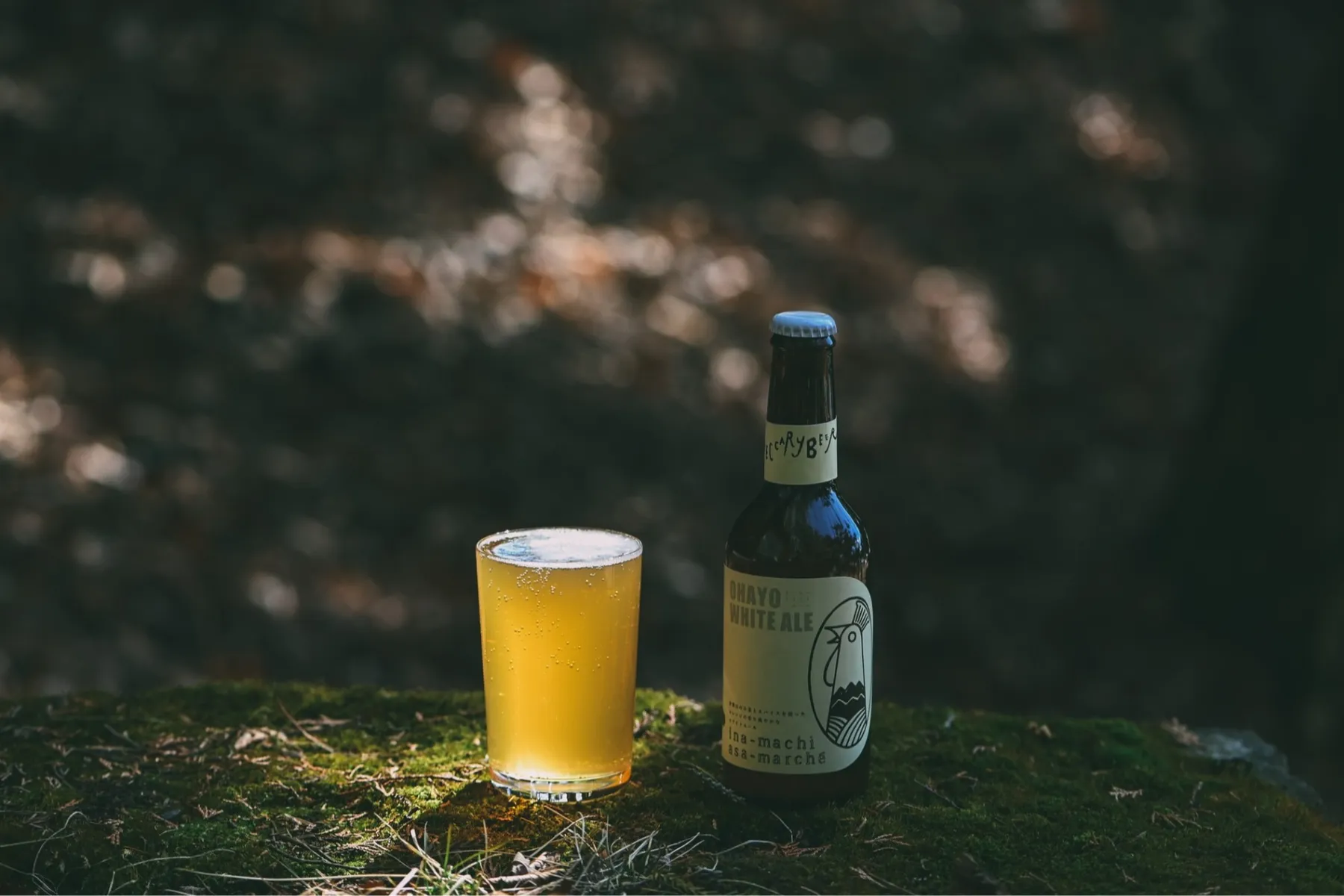
  • Green Sansho and Lemon Ale: 800 yen~
    This beer emphasizes the nature and flavors of Nagano Prefecture. The Green Sansho provides a fresh fragrance reminiscent of freshly picked citrus, combining a sharp lime or green lemon feel with woodiness, spiciness, and a “green” scent of forest herbs and young leaves.

Ginza Tairaku Tangao

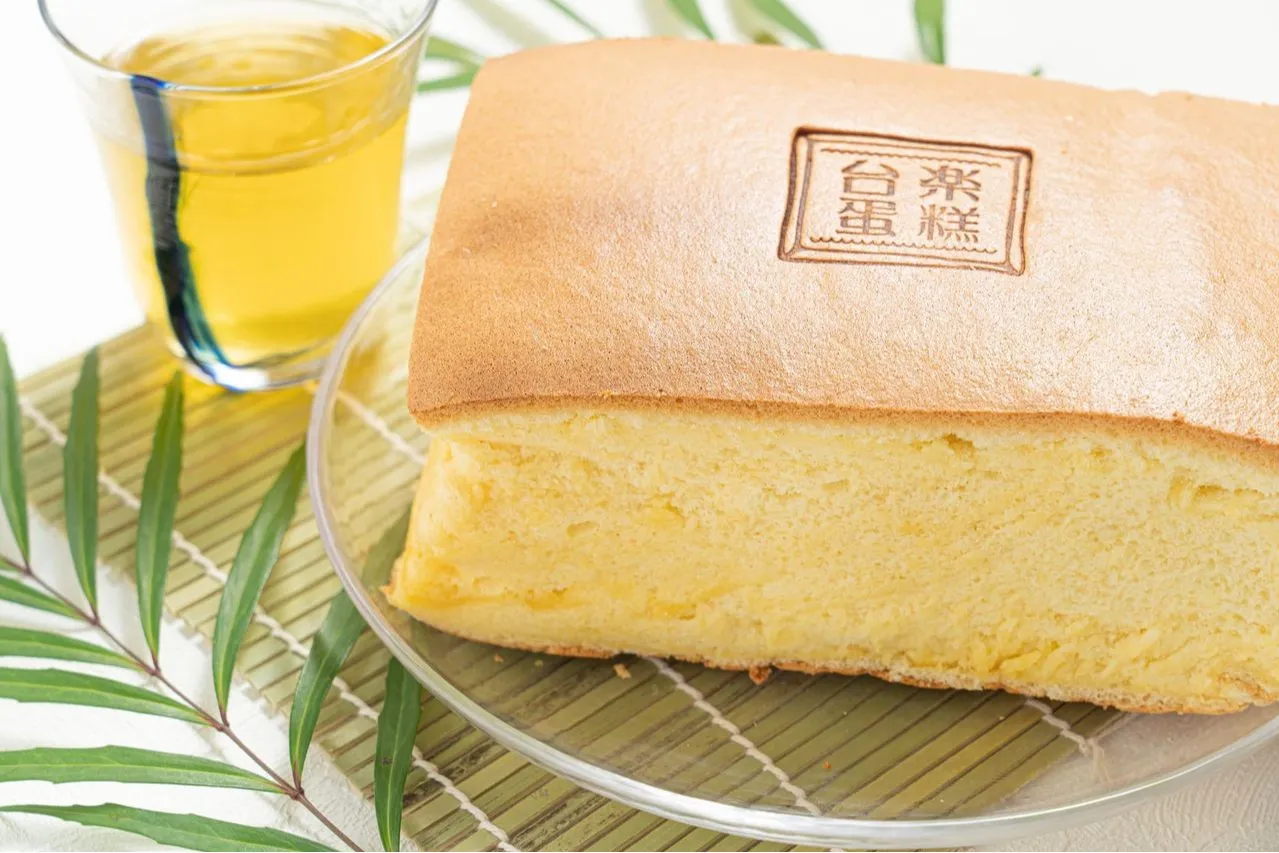
  • Premium Plain: 1,600 yen
    A plain castella cake that is slowly baked in an oven to achieve a light, airy, and clean taste.

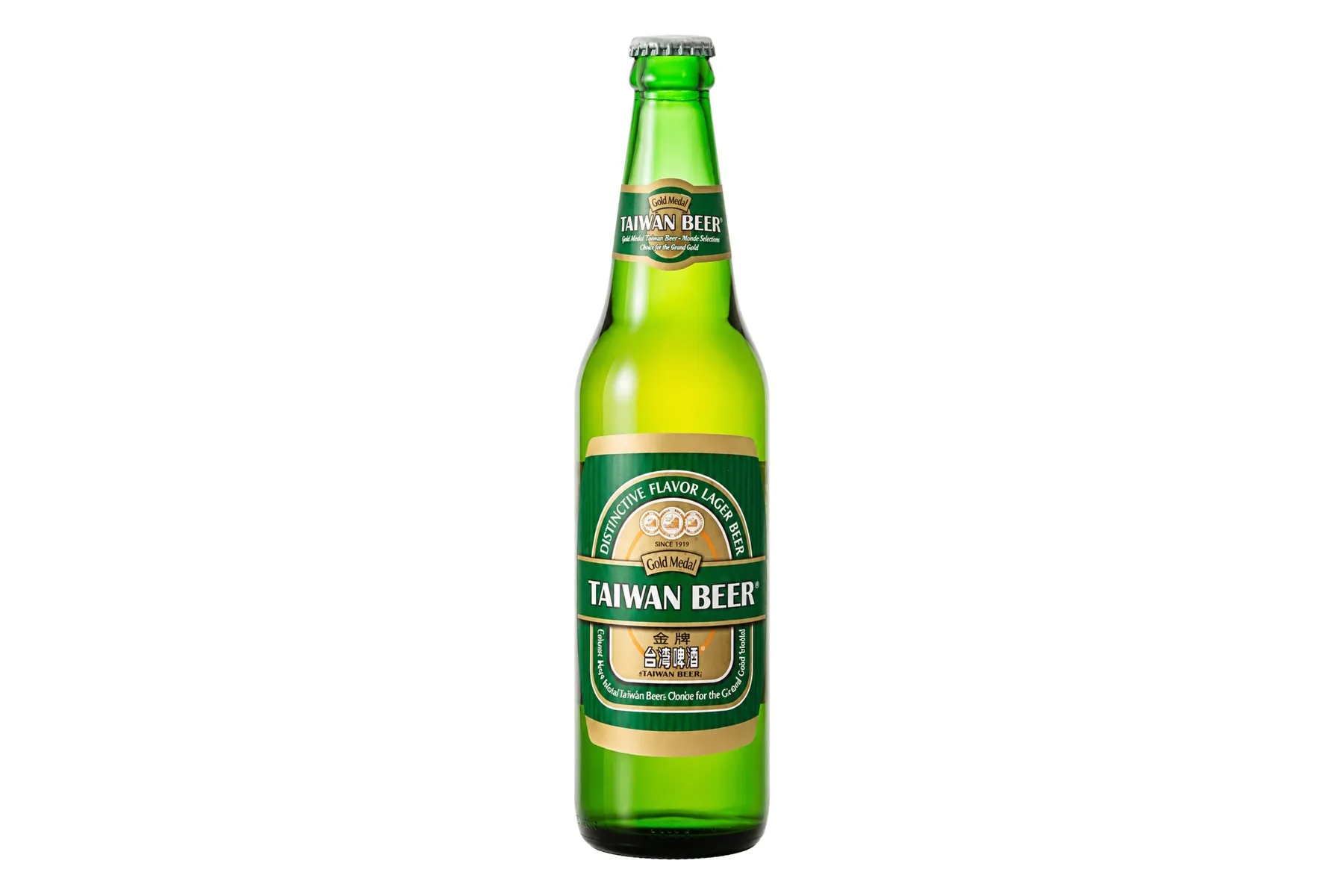
Official Bar Taiwan Gold Medal Beer

  • Taiwan Gold Medal Beer: 700 yen
    This award-winning lager is the most beloved beer in Taiwan. Utilizing Taiwanese Hourai rice as a secondary ingredient, it is characterized by a subtle sweetness and a refreshing, low-bitterness finish.

pie monster

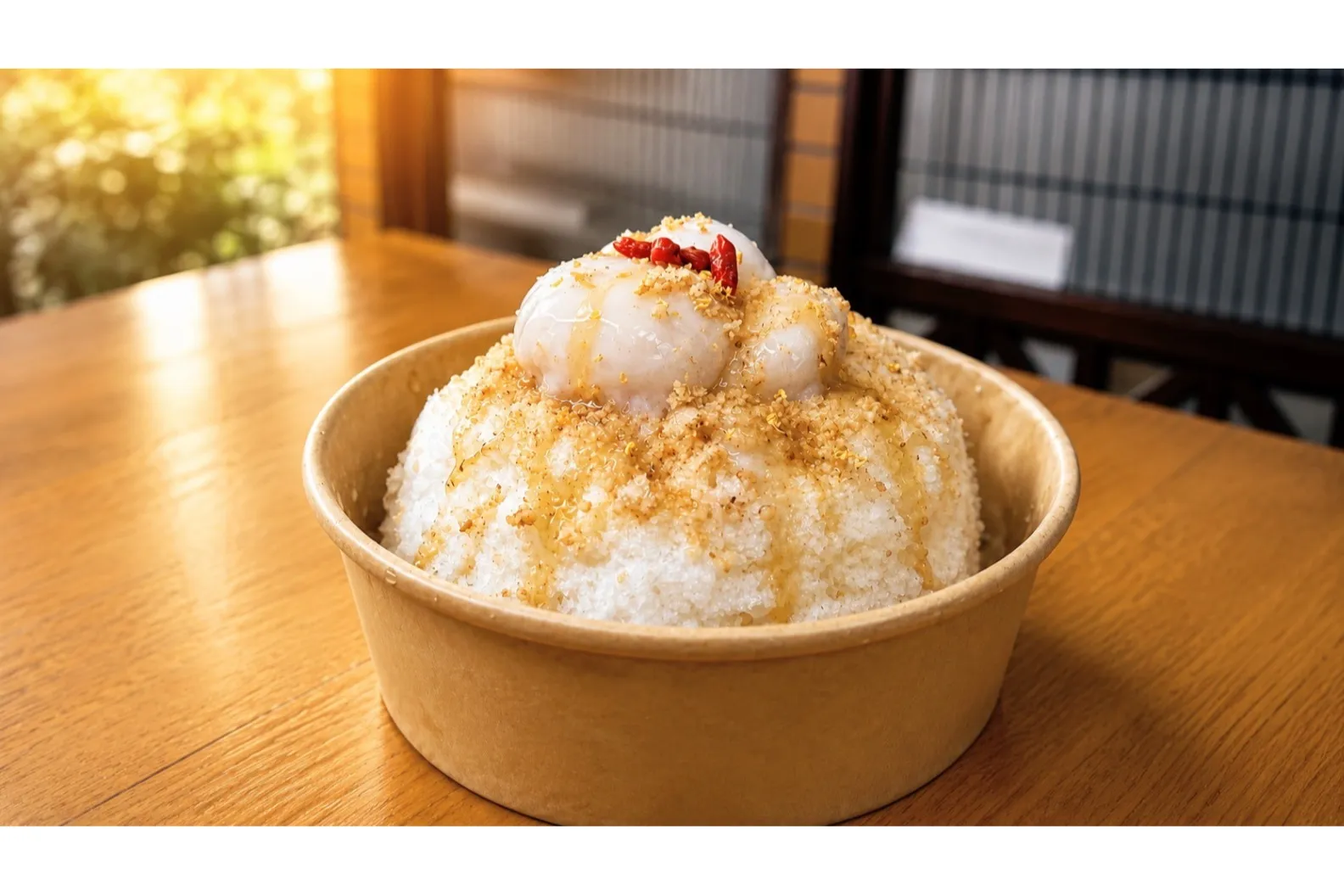
  • Fragrant Osmanthus Tangyuan Shaved Ice: 1,000 yen
    A Taiwanese shaved ice dessert that combines almond syrup and fragrant osmanthus syrup with black sesame tangyuan, blending a rich aroma with a chewy texture.

*Please check the official website for detailed contents.

Basic Information

*The published content may be subject to change. Please check the official website of the venue or organizer for the latest information.

🛏️ View hotels near Tokyo

超級台湾屋台祭in御徒町_1 超級台湾屋台祭in御徒町_2 超級台湾屋台祭in御徒町_3 超級台湾屋台祭in御徒町_4 超級台湾屋台祭in御徒町_5 超級台湾屋台祭in御徒町_6 超級台湾屋台祭in御徒町_7 超級台湾屋台祭in御徒町_8 超級台湾屋台祭in御徒町_9 超級台湾屋台祭in御徒町_10 超級台湾屋台祭in御徒町_11 超級台湾屋台祭in御徒町_12 超級台湾屋台祭in御徒町_13

What is a Taiwanese night market?

A Taiwanese night market is an outdoor market that operates in the evening and sells primarily food. Night markets are found in most Taiwanese cities and towns, and they have been a consistent part of urban food culture for decades. Vendors set up stalls along streets or in open plazas in the late afternoon and generally stay open until late at night.

The food is cooked to order in small stalls or carts, and most of it is designed to be eaten immediately. Some dishes are eaten while walking; others are consumed at shared plastic tables and stools set up near the stalls. The menu at a typical night market includes oyster omelets, grilled chicken skewers, stinky tofu, dumplings, scallion pancakes, sweet-potato balls, and various fried snacks. There are also drinks: bubble tea, shaved ice, fresh fruit juices, and beer. Prices are usually low, and portions are small enough that a meal can consist of several different items bought from different vendors.

Not all night markets are the same. Some have developed into major tourist attractions, with long queues for famous stalls and more merchandise vendors selling clothes, accessories, and phone cases. Others cater mainly to local residents and have a narrower range of food and goods. The layout varies as well: some markets occupy a single narrow lane, while others spill into several blocks or a public square.

The social pattern is consistent. Customers include nearby residents, office workers, students, and tourists. Service is fast, seating is basic, and the atmosphere is crowded and noisy. There is little ceremony around ordering; customers point at what they want, pay, and wait a few minutes. The appeal of a night market is not that it offers an unusual kind of cooking, but that it combines inexpensive, freshly made food with a casual setting in which people can eat alone or in groups without much planning.

The Super Taiwan Food Stall Festival in Okachimachi is modeled on this format. It brings together Taiwanese-style food stalls in a Tokyo venue and follows the same basic principle: order at the counter, eat quickly, and move on.

Gyeongju National Heritage Night 2026: Explore Silla’s History with a Complete Guide to Nightly Programs and Events

Gyeongju National Heritage Night 2026: Explore Silla’s History with a Complete Guide to Nightly Programs and Events

Gyeongju National Heritage Night Walk

🗓️ 2026.09.18 ~ 2026.09.20

From September 18 to 20, 2026, Gyeongju will hold its annual National Heritage Night, an event built around the city’s history and cultural sites after dark. The official subtitle, “Fragments – Preserved, and To Be Preserved,” describes an occasion that draws on the many national heritages and historical resources still found across Gyeongju. The main venues are the areas around Woljeonggyo Bridge, Gyerim Forest, Gyochon Village, and Gyeongju Eupseong Fortress.

Because these locations date from the Silla Dynasty and remain among Gyeongju’s most representative cultural heritage sites, using them as event spaces gives the festival a distinct identity. Visitors can view nighttime scenery against historic backdrops, take part in history and traditional culture programs, and explore heritage sites in an atmosphere unlike a daytime visit. Altogether, the event runs 45 programs across eight themed categories.

Night View (4 programs)

Programs centered on illuminated scenery and visual spectacles:

  • Woljeonggyo Bridge shining on Muncheon Stream
  • LED Drone Light Show
  • Forest of Myths
  • Gyeongju Eupseong where Moonlight Stays

Night Path (10 programs)

Walking, parade, and outdoor activity programs:

  • Stepping Stones of Love
  • National Heritage Night Walking with Pets
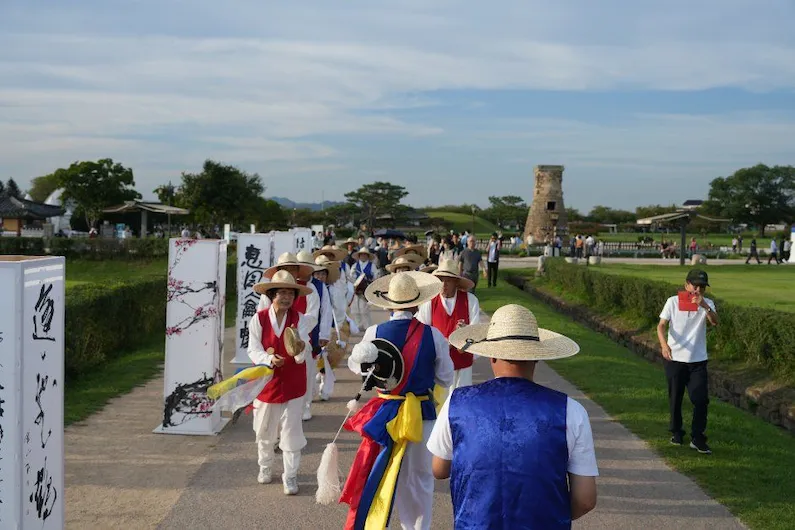
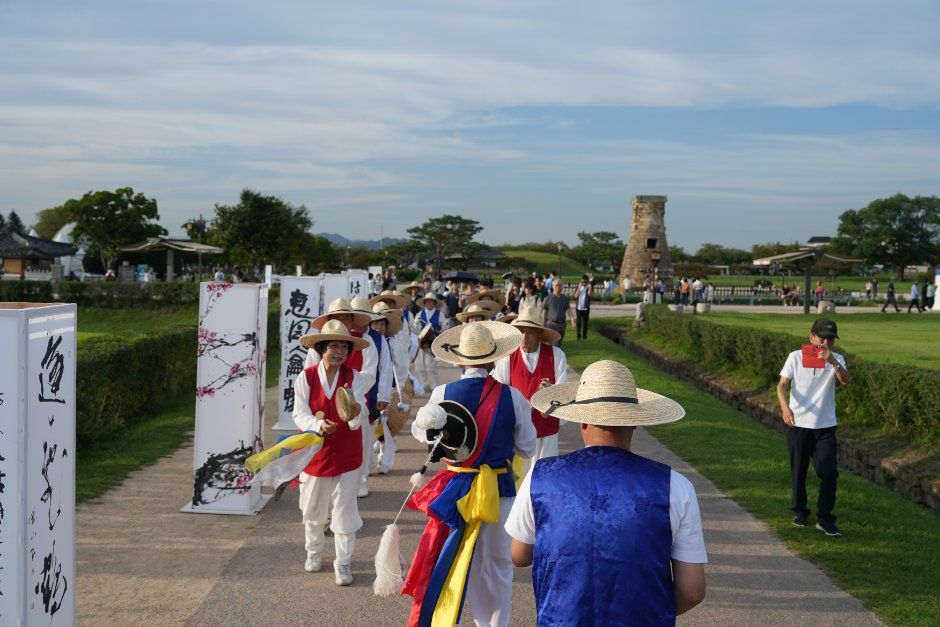
  • Nongak (Farmers’ Music) Street Parade
  • National Heritage Outing
  • National Heritage Commentary for Children
  • Gyeongju Exploration for Little People
  • Hide-and-Seek with Donggyeong-i and Cheomseong-i
  • Clearing the Night Path and Connecting History (National Heritage Plogging)
  • Secret Royal Inspector Inspecting the Fortress
  • Lantern Making Experience

Night Story (4 programs)

Performance and storytelling programs:

  • Busking in Every Corner
  • Silla Story Sand Art
  • Mysterious Encounter of Time Travel – Goblin Guarding the Egg (Storytelling)
  • Sungmundae Media Art

Night Flower (9 programs)

Hands-on activities and art experiences:

  • Art Gallery
  • Ice Kingdom
  • Celestial Observation Constellation Stories
  • Gyeongju Night Trip Four-Cut (Paid program)
  • Colorful Coloring
  • Traditional Culture Experience Playground
  • Bojagi Knot Experience (Partially paid)
  • Traditional Kite Flying Demonstration and Experience
  • DOODLE GYEONGJU (Mr. Doodle Live Drawing)

Night History (12 programs)

Historical learning and traditional craft programs:

  • Understanding the Gyeongju Choi Rich Family 100 Times More
  • Twelve Zodiacs Grant My Wish
  • Silla Jewel Beetle Story
  • Gyeongju Humanities Talk Talk
  • 4D Real National Heritage Experience (XR Bus)
  • Drone Experience
  • Silk Weaving (Silk Road History Experience)
  • Stamp Tour
  • Proving Myself (Hopae/Identification Tag Making)
  • Here Comes the Secret Royal Inspector
  • Night of Competing Wisdom Byeolsi
  • Police and Thief

Night Food (3 programs)

Food and refreshment programs:

  • Gyochon Night Snack
  • King’s Refreshment Table
  • Food Truck (Yongginae/Container Challenge)

Night Market (2 programs)

  • Craft Market
  • Gyeongju Eupseong Marketplace (Free Market)

Night Stay (1 program)

  • Program linked with local accommodation businesses

Most of the event is free to enter, with some programs requiring payment, such as the Gyeongju Night Trip Four-Cut and the Bojagi Knot Experience. Visitors who want to extend their time in the city can use the Night Stay program, which connects them with local accommodation options.

📍 Address: 839-1 Inwang-dong, Gyeongju-si, Gyeongsangbuk-do

🛏️ Accommodation near the event

💰 Fee: Free (Some programs are paid)

📞 Inquiry: 054-743-7182

⭐️ Instagram: https://www.instagram.com/gjnighttrip/

🖥️ Homepage: http://www.경주문화유산야행.kr/

Gyeongju National Heritage Night

The Silla Kingdom was one of the three major polities of ancient Korea, alongside Goguryeo and Baekje. Its traditional founding date is 57 BCE, and it survived for roughly a millennium, making it one of the longest-lived dynasties in world history. In 676 CE, after a series of conflicts with the other Korean kingdoms and with Tang China, Silla unified most of the Korean Peninsula under its rule. The following centuries saw the consolidation of a centralized government, the development of Buddhist institutions, and a substantial body of artistic and architectural work.

The capital was Seorabeol, the city now known as Gyeongju. At the height of Silla’s power, it was a large urban center with palaces, temples, observatories, and royal tombs spread across the landscape. Many of these structures and burial mounds remain, which is why Gyeongju is sometimes called “the museum without walls.” The site known as the Gyeongju Historic Areas is now listed as a UNESCO World Heritage property.

Silla’s cultural legacy is visible in the objects and monuments that have survived. Cheomseongdae, built in the seventh century, is one of East Asia’s oldest surviving astronomical observatories. The gold crowns and other regalia found in the royal tombs show the craftsmanship and trade connections of the Silla elite. Buddhism, adopted by the court and supported by the state, had a lasting influence on Korean thought, art, and ritual life.

The Gyeongju National Heritage Night program opens access to these places after dark, lighting the palace grounds, temples, and royal burial mounds. The lighting serves a practical purpose: it makes the monuments visible in the evening and allows visitors to see them in a different context. For anyone interested in the history of Korea, the event is a useful way to explore the physical remains of Silla’s capital and the civilization that built it.

39th Donghae Mureung Festival 2026: Experience Traditional Korean Culture, Local Flavors, and Vibrant Performances in Donghae City

39th Donghae Mureung Festival 2026: Experience Traditional Korean Culture, Local Flavors, and Vibrant Performances in Donghae City

Donghae Mureung Festival

🗓️ 2026.09.17 ~ 2026.09.20

Overview

The 39th Donghae Mureung Festival, Donghae City’s representative traditional culture festival, runs for four days from September 17 to 20, 2026, around the Donghae Wellbeing Leisure Sports Town and the Donghae Culture and Arts Center. This year’s theme is “United Citizens, Newly Leaping Donghae City,” with the aim of expanding citizen participation, revitalizing the local economy, and creating a cultural tourism festival where tradition and modernity harmonize.

The festival is structured around ritual events, performance events, folk culture and art events, experience promotion events, and planned events. Featured programs include the Sansinje (Mountain God Ritual) and Pungnyeonje (Harvest Festival), the opening celebration performance, the Generation Empathy Concert, the Donghae Song Festival, the Donghae Youth Dance Festival, and performances by local professional artists and the municipal choir. The lineup also spans generations through the Navy Band and Honor Guard, the 1st Mountain Brigade’s special forces martial arts demonstration, and folk performances such as Mangsang Nongak and Bukpyeong Wonnim Dapgyo Nori.

For hands-on participation, experience promotion halls will cover traditional folk games, workshop experiences, and health check-ups. A children’s experience center adds family-friendly programs involving traditional games, maritime safety, and sports.

A new program, “A Bite of Donghae Taste,” lets visitors taste and vote for representative menus from local restaurants. The festival also connects with the Donghae Sale Festa to support local commercial districts, while food sales areas, traditional markets, and a Cheongsachorong (traditional lantern) light tunnel will enhance both the festival atmosphere and its nighttime appeal.

The 39th Donghae Mureung Festival is scheduled to serve as Donghae City’s representative cultural tourism festival, offering citizens and tourists the chance to enjoy expanded programs and experience the region’s traditional culture, food, and art all in one place.

Main Programs

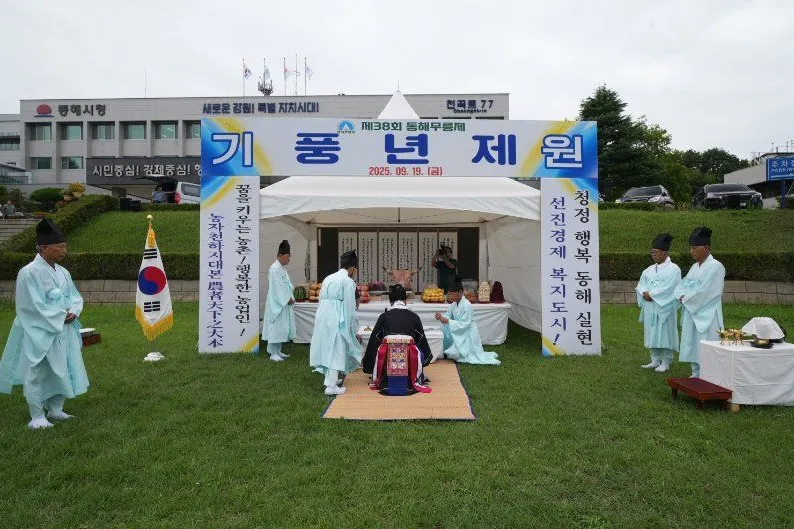
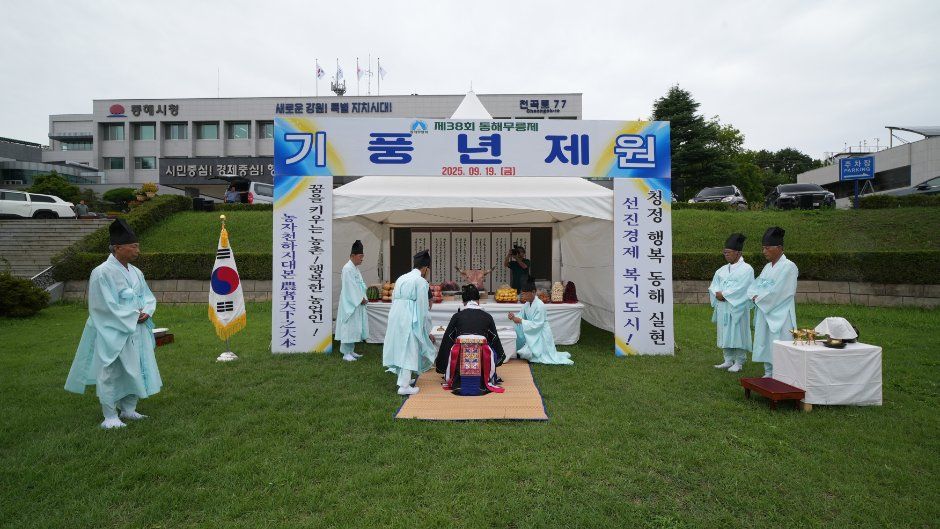
  • Sansinje, Pungnyeonje (9.17.)
  • Opening Ceremony and Opening Celebration Performance; Navy Band, Honor Guard and Anhui Province (China) Performance (9.18.)
  • Club Festival Gathering, Donghae Song Festival, Generation Empathy Concert (9.19.)
  • Donghae Youth Dance Festival, Local Professional Artists, Municipal Choir Performance, 1st Mountain Brigade Special Forces Martial Arts Demonstration (9.20.)

Side Programs

  • Traditional Folk Game Competition
  • Mangsang Nongak, Bukpyeong Wonnim Dapgyo Nori folk performance
  • Mureung Art Contest
  • Mureung Baekil Poetry and Painting Exhibition
  • Scholar’s Stone Exhibition
  • Culture and Arts Experience
  • Food Experience Hall
  • Folk Experience Hall
  • Wellbeing Experience Hall
  • Planned Experience Hall
  • Agency/Organization/Corporate Promotion Hall
  • Children’s Experience Hall

Consumer Participation Programs

  • A Bite of Donghae Taste
  • Donghae Sale Festa
  • Donghae Love Receipt Tour
  • Traditional Folk Game Experience
  • Workshop Experience
  • Children’s Traditional Games
  • Maritime Safety
  • Sports Experience

Other Programs

  • Food sales area operated by local food businesses
  • Food and sales spaces for local food, multicultural food, traditional liquor, dried fish, and more
  • Operation of traditional markets and amusement facilities
  • Creation of Cheongsachorong light street and light tunnel

Practical Information

📍 Address: 10 Deokgol-gil, Donghae-si, Gangwon-do (Cheongok-dong)

🛏️ Accommodation near the event

💰 Fee: Free

📞 Inquiry: 033-532-1945

🖥️ Website: dhfesta.or.kr/dmrf/

Donghae Mureung Festival

What is Mureung Valley?

Mureung Valley is a forested gorge in Donghae City, Gangwon Province, South Korea. It runs along the Mureungcheon, a mountain stream that has cut through granite over time. That process has produced broad rock slabs, rounded boulders, and steep cliff faces, with the water dropping at intervals into clear pools. A network of walking paths and wooden footbridges follows the stream, connecting the valley’s main viewpoints without requiring a long or difficult hike. The route is shaded by mature deciduous trees and is suited to a slow walk rather than a strenuous climb.

The valley’s name comes from Mureungdowon, the utopian garden found in classical Korean and East Asian literature. The reference is deliberate but scaled down: Mureung is a real, smaller place named after an imagined one. The combination of water, stone, and woodland does recall the aesthetics of a traditional East Asian garden, but the landscape itself is entirely natural. Seasonal changes affect both the view and the sound of the valley. In spring, the forest is light green; in summer, the canopy is dense and the stream runs fuller; in autumn, the slopes turn red and yellow. By late autumn, the water level drops, exposing more rock and making the pools clearer.

The valley is also the site of the Donghae Mureung Festival, which reaches its 39th year in this edition. The festival was built around the valley and continues to use it directly: outdoor stages sit on level ground near the stream, the walking paths serve as routes between performance areas, and the narrow shape of the gorge dictates the layout of the event. That proximity is what separates it from a performance held in a city park. The performers, the audience, and the surrounding landscape share the same space, and the stream remains audible throughout. For visitors, the valley is not a backdrop to the festival; it is the ground on which the festival is arranged.

2026 Yangju National Heritage Night Walk: Experience the Magic of Joseon Dynasty Culture and History

2026 Yangju National Heritage Night Walk: Experience the Magic of Joseon Dynasty Culture and History

Yangju National Heritage Night Walk

🗓️ 2026.09.12 ~ 2026.09.20

The 2026 Yangju National Heritage Night is a nighttime national heritage festival held around the Yangju Government Office site under the theme “Again, Guanmin Dongrak” (Joy Shared by Officials and People). Set against the backdrop of Yangju-mok during the Joseon Dynasty, the festival revives the spirit of “Guanmin Dongrak,” where the people and officials mingled and enjoyed themselves together, and connects the history and national heritage preserved in Yangju through performances, experiences, exhibitions, and nightscapes.

The festival consists of diverse content, including performances and experiences where Yangju’s representative intangible heritages—such as Yangju Byeolsandae Nori, Yangju So-nori Gut, Yangju Deul-norae, and Yangju Sangyeo-wa Hoedaji-sori—can be encountered in one place, as well as historical programs based on King Jeongjo and Yangju-mok, civil service exam experiences, traditional culture experiences, nighttime tours, media exhibitions, traditional teahouses, and a marketplace.

A key feature is that visitors do not simply view the national heritage of Yangju, but instead become characters in the stories themselves, experiencing and participating to collectively complete the meaning of “Guanmin Dongrak.” Walking through the night of Yangju-mok along the “8 Nights” programs—Night View, Night Path, Night Story, Night History, Night Flower, Night Meal, Night Stay, and Night Market—the history, people, and traditional culture of Yangju connect as a single story within the beautiful night scenery. It is a festival where one can fully enjoy the unique national heritage and elegance of Yangju on a special night where the past and present meet.

The 8 Nights of Yangju-mok

The “8 Nights” structure is the organizing principle of the festival. Each theme corresponds to a different way of experiencing the night—scenery, walking routes, storytelling, history, flowers, meals, rest, and market culture. Visitors can follow a single thread or move between themes, letting the evening unfold at their own pace.

Program Highlights

1. Main Program: Yangju’s Heritage, Captured in One Frame

The main program gives the festival its centerpiece, presenting Yangju’s heritage as a unified display rather than a collection of separate acts. The city’s intangible cultural assets, the legacy of Yangju-mok, and the theme of “Guanmin Dongrak” converge in a single frame—an experience designed for both first-time visitors and those already familiar with Yangju’s history.

2. Side Programs

The side programs approach the night from multiple angles, keeping the festival in motion after dark. Each one invites visitors to participate rather than simply spectate, in keeping with the spirit of “Guanmin Dongrak.” The five side programs are:

  • Officials and People, Light Up the Night
  • Let’s Play with Excitement
  • Enjoying the Elegance of Guanmin Dongrak
  • People of Yangju-mok
  • Walking Through the Time of Yangju-mok

3. Consumer Participation Programs

The consumer participation programs form the interactive core of the festival, where the line between audience and performer disappears. Visitors answer questions, follow historical narratives, and take part in a stay experience at the Yangju-mok Government Office. The programs are:

  • Yangju-mok Quiz
  • Into History
  • Five-Senses Satisfaction Yangju-mok
  • Yangju-mok: Climate Change and the Wise Heritage of Ancestors
  • Yangju-mok Academy
  • Yangju-mok Government Office Stay Experience

4. Food and Drink

Two spaces anchor the festival’s food and drink offerings. The Willow Teahouse offers a traditional teahouse experience, while the Marketplace Plaza gathers food and drink options in a market setting—a fitting counterpart to the communal spirit of “Guanmin Dongrak.”

Yangju National Heritage Night

Visitor Information

📍 Address: 15 Buheung-ro 1399beon-gil, Yangju-si, Gyeonggi-do (Yuyang-dong)

🛏️ Accommodation Near the Event

💰 Fee: Free (Some experience booths have a fee)

📞 Inquiry: 031-8082-5673

⭐️ Instagram: https://www.instagram.com/yangju_light/

What is the Joseon Dynasty?

The Joseon Dynasty ruled the Korean peninsula from 1392 to 1897. It was founded by General Yi Seong-gye, who moved the capital from Gaegyeong (modern Gaeseong) to Hanyang, now Seoul. Joseon replaced the Goryeo Dynasty and established a Confucian state that lasted more than five centuries.

Under Joseon, the Korean state adopted Neo-Confucian principles as the basis for governance, law, and social order. The civil service examination system selected officials on merit, and scholarship was highly valued. The dynasty also produced significant scientific and cultural works. King Sejong the Great, who reigned from 1418 to 1450, commissioned scholars to develop Hangul, the Korean alphabet, to improve literacy among commoners who found Classical Chinese difficult to learn. The period also saw the construction of major palaces, fortresses, royal tombs, and shrines in and around Seoul; many of these survive as designated heritage sites.

Joseon customs and institutions continued to shape Korean society long after the dynasty ended. Court music, ceremonial dress, Confucian rituals, and seasonal traditions remain central to South Korea’s cultural heritage. The Yangju National Heritage Night Walk uses this historical material directly: its performances, lantern displays, and processions are based on documented Joseon court and folk practices. For attendees, the event offers a way to see how Joseon-era spaces were designed to be used, rather than simply a setting for entertainment.

The Mori Higashi Shinsaibashi Branch Exhibition 2026: Experience the Unique Corporate Culture of Saraba Seishun no Hikari’s Agency

The Mori Higashi Shinsaibashi Branch Exhibition 2026: Experience the Unique Corporate Culture of Saraba Seishun no Hikari's Agency

The Mori Higashi, Inc. – Shinsaibashi Branch

An immersive exhibition centered on The Mori Higashi Co., Ltd.—the private agency representing the comedy duo “Saraba Seishun no Hikari”—is scheduled to take place at PARCO HALL within Shinsaibashi PARCO. Rather than a traditional gallery display, the event operates under the concept of opening a “Shinsaibashi Branch” where visitors are treated as recruits undergoing “employee training.” For fans, this provides a rare opportunity to comprehensively experience the agency’s idiosyncratic corporate culture and chronological history through interactive activities, beginning with the symbolic act of punching a time card to enter the company history exhibition and participating in simulated work experiences within the branch office.


■ Traditional “Duct Tape Kicking” Experience and Security Guard’s Room Appear

The venue is designed to mirror the internal dynamics of the agency, featuring a dedicated area where visitors can trace the professional progress of The Mori Higashi after their initial clock-in. A primary highlight is the inclusion of experiential content based on the office’s traditional “duct tape kicking”—a unique ritual that distinguishes this exhibition from standard celebrity showcases. To further immerse the audience in the daily life and philosophy of the office, various exhibits have been deployed, including a section that allows guests to peek into “Hyoroku the Security Guard’s Room.”

■ Mid-career Recruitment Exam with President and Vice President, and Hyoroku’s Facility Patrol

The exhibition schedule includes two high-profile special events. On Saturday, September 5, the venue will host a “Mid-career Recruitment Exam,” an event requiring a separate ticket where President Morita and Vice President Higashibukuro will personally appear to lead a series of quizzes and a Q&A session. Subsequently, on Saturday, September 19, a whimsical special project will be implemented in which Hyoroku the security guard conducts “patrol security” throughout the Shinsaibashi PARCO building.


Event Details

  • Event Period: 2026/9/4 (Fri) – 20 (Sun)
  • Event Hours: 10:00 – 20:00 (Last entry is 30 minutes before closing; please note that the event closes early at 18:00 on the final day, 9/20)
  • Event Location: Shinsaibashi PARCO 14F PARCO HALL (1-8-3 Shinsaibashisuji, Chuo-ku, Osaka City)
  • Fee: General 1,400 yen (This price includes an audio guide and an admission bonus; elementary school students and younger enter for free; separate tickets are required for each special event)
  • Website: Official Event Page

🛏️ View hotels near the event

Saraba Seishun no Hikari is a Japanese comedy duo formed in 2006 by Morita Tetsuya and Higashibukuro. The name roughly translates to “Farewell, Light of Youth,” and it matches the pair’s tendency toward nostalgic, self-deprecating comedy with a slightly tragicomic edge.

The two were originally with Yoshimoto Kogyo, Japan’s largest entertainment company, before leaving to run their own agency. They now handle their own bookings, merchandise, events, and administrative work from a small independent office. The setup is practical rather than glamorous: the two do most of the work themselves, and the operation functions less as a traditional talent agency than as a shared project between longtime collaborators.

Their comedy is based on conversation and confrontation. Morita tends to speak quickly and push situations forward; Higashibukuro reacts with a drier, more flustered manner. Much of their material comes from their own histories, mistakes, and self-described bad habits. They have built an audience through radio, live shows, and streaming content rather than through heavy mainstream television exposure.

The exhibition title “Mori Higashi” combines the first parts of their surnames, Morita and Higashibukuro. The 2026 Shinsaibashi Branch Exhibition presents their independent office as the setting: a modest workspace shaped by the two comedians’ own choices, and the place where they produce much of their work.

2026 Daejeon Jung-gu National Heritage Night Walk: Experience the Magic of History and Light in Korea’s Original Downtown

2026 Daejeon Jung-gu National Heritage Night Walk: Experience the Magic of History and Light in Korea's Original Downtown

Daejeon Jung-gu National Heritage Night Walk

Daejeon Jung-gu National Heritage Night

🗓️ 2026.09.11 ~ 2026.09.13

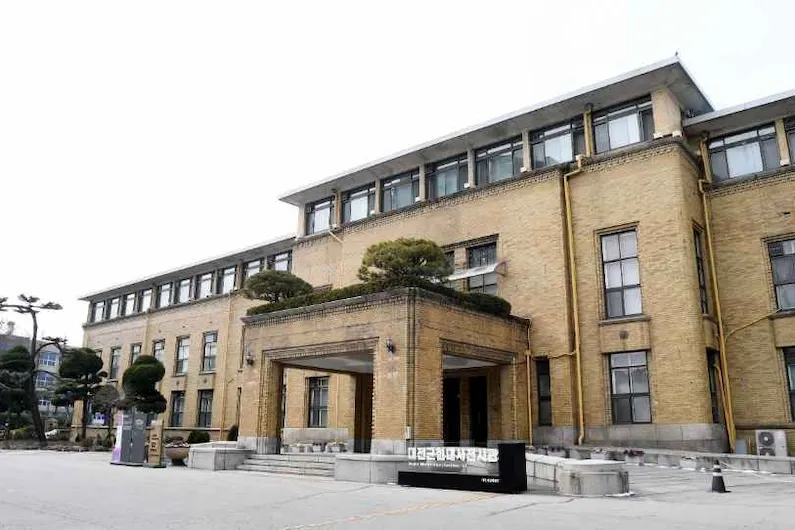
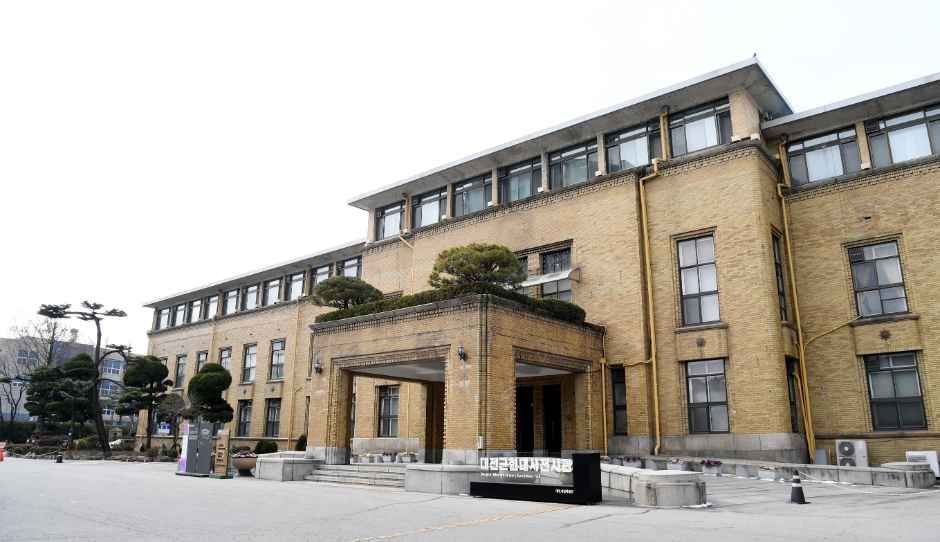
The Daejeon Jung-gu National Heritage Night is a specialized nighttime cultural festival designed to bridge the gap between modern cultural heritage and the intricate alleys of the city’s original downtown area. Centered around the former Chungcheongnam-do Provincial Government Office, the event transforms the region’s architectural history into an immersive evening experience. Rather than offering a static exhibition, the festival integrates light, storytelling, live performances, and curated markets against a backdrop of significant national heritage sites—specifically the main building of the former Chungcheongnam-do Provincial Government Office, the Daeheung-dong Cathedral, and the former Chungcheong Branch of the National Agricultural Products Quality Management Service.

The primary objective of the event is to shift the visitor’s role from a passive observer to an active participant. By walking, listening, and engaging with the provided content, guests can rediscover the specific charm of Jung-gu, Daejeon, where historical remnants and contemporary life coexist. This sustainable local cultural initiative seeks to expand the concept of national heritage—moving it from a preserved relic to a living space for daily enjoyment—while simultaneously revitalizing the original downtown by linking cultural spaces with nearby commercial districts.

The festival is organized into six distinct thematic categories to ensure a comprehensive exploration of the area:

  1. Night View: This segment features the “Street of Light of Memories,” including the “Listening Room to Hear Time” and a general showcase of the original downtown night view.
  2. Night Walk: Visitors can participate in the “Peace Road Theater Evening Primrose” or the “Click! Modern Procession.”
  3. Night Story: This focuses on narrative experiences such as the “Modern Music Salon,” the “Magician’s Secret Museum,” and the “Storyteller’s Street Tale.”
  4. Night History: This section offers historical engagement through the “Modern Play on a Moonlit Night” and “Time Travel with Tarot.”
  5. Night Flower: This category highlights the “Modern Romance” and the “National Heritage Exhibition for Children’s Innocence.”
  6. Night Market: A dedicated “Retro Emotional Market” provides a shopping experience aligned with the festival’s aesthetic.

Pricing and Usage Fees

While the general admission to the festival is free, certain specialized programs require a fee. To support the local economy, these fees are refunded to participants in the form of local gift certificates:

  • Peace Road Theater Evening Primrose: 10,000 won (Refunded in local gift certificates)
  • Magician’s Secret Museum: 10,000 won (Refunded in local gift certificates)
  • Modern Romance – Black and White Photo Studio of That Day: 5,000 won (Refunded in local gift certificates)

Visitor Information

📍 Address: Jungang-ro 79beon-gil, Jung-gu, Daejeon Metropolitan City

💰 Fee: Free (Some paid)

📞 Inquiry: 042-606-6281

🛏️ Accommodation near the event

⭐️ Instagram: https://www.instagram.com/djjunggunight

🖥️ Homepage: https://djjunggunight.kr/

Daejeon’s original downtown is in Jung-gu, centered on Daejeon Station. The station opened in the early 20th century as a stop on the Gyeongbu Line, and its presence turned what had been a small rural town into a regional rail hub. The streets around the station soon developed into the city’s first commercial and administrative district, a role they kept for most of the twentieth century.

The area still contains a number of older buildings from that period, along with narrow alleys, mature trees, and small markets. These are not preserved in the style of a museum district; many are still in use. Together they offer a concrete sense of the city’s earlier scale and daily life: the station entrance, the former office buildings, and the market streets that served residents who lived and worked nearby.

When locals call this the “original downtown,” they are drawing a contrast with the parts of Daejeon that developed later—the research and science districts, the government buildings, and the large residential areas built as the city expanded. The older center is not the biggest or busiest part of Daejeon, but it is where the city’s post-railway development began.

The National Heritage Night Walk uses this setting rather than replacing it. During the event, guided evening walks and heritage site visits draw attention to the area’s history. Visitors can see how the station, the surrounding streets, and the old commercial buildings relate to one another, and how they fit into the larger history of Daejeon’s growth.

Abeno Harukas Kintetsu Main Store Great Hokkaido Exhibition 2026: Taste the Best Seasonal Gourmet and Exclusive Treats of Autumn

Abeno Harukas Kintetsu Main Store Great Hokkaido Exhibition 2026: Taste the Best Seasonal Gourmet and Exclusive Treats of Autumn

Abeno Harukas Kintetsu Main Store “Great Hokkaido Exhibition”

The “Great Hokkaido Exhibition” is set to take place at the Abeno Harukas Kintetsu Main Store, serving as the centerpiece of the “Harukas Nippon Expo: Regional Revitalization Journey of Discovery – Autumn Hokkaido Edition.” This comprehensive event is designed to deliver the distinct tastes and cultural essence of Hokkaido throughout the entire building, offering visitors a concentrated experience of the region’s seasonal offerings.

The exhibition features approximately 130 types of seasonal ingredients and gourmet items, all of which have been curated by a renowned buyer possessing over 25 years of professional experience. The selection emphasizes exclusivity—items that are available “only now, only here”—ensuring that guests can enjoy the peak blessings of autumn. Notable highlights include corn from “Miyakawa Nosan” in Ebetsu City, which is making its debut at this event and is offered at the height of its sweetness. For those with a preference for sweets, the exhibition presents luxurious limited-edition parfaits crafted from “Tokachi Peaches” that have ripened under the abundant sun of the Tokachi region, alongside an assortment of sweets and croquettes made from the brand-name sweet potato known as “Yukkuri-imo.”

A particular point of interest is the “Honki no Nori Bento” (Serious Seaweed Bento), a limited collaboration between the Kintetsu Main Store and the distinguished “Shihachi Fresh Fish Store.” This meticulously crafted bento is a culinary masterpiece, utilizing hand-picked natural rock seaweed from Matsumae and “San-San-Zero” rice—a variety grown and direct-sown in Hokkaido—all topped with a generous portion of seafood.

Beyond the retail offerings, the eat-in corner provides a space where visitors can consume heaping seafood bowls, limited-edition ramen, and fresh nigiri sushi. To further immerse guests in the region’s atmosphere, the event includes a special feature focusing on “Zangi,” a beloved local gourmet fried chicken, as well as live commerce segments that connect visitors in real-time with the local Hokkaido area. This combination of high-quality produce and interactive elements ensures a 15-day experience that allows one to engage with Hokkaido through all five senses.


Event Details

Event Period: Wednesday, 2026/9/9 – Wednesday (Holiday), 9/23
Event Hours: 10:00 – 20:00
(Please note: Closes at 16:00 on 9/15; closes at 17:00 on the final day, 9/23. Eat-in & Bar hours are 10:00 – 19:15, though these begin at 10:30 on 9/9 and 9/16)
Location: Abeno Harukas Kintetsu Main Store, Wing Kan 9th Floor Event Venue (1-1-43 Abenosuji, Abeno-ku, Osaka City)
Fee: Free admission
Inquiries: 06-6624-1111 (Main)
Website: Official Event Page

🛏️ See hotels near the event

What is Hokkaido?

Hokkaido is Japan’s northernmost main island. It is sparsely populated, with much of the island given over to forests, farms, and fishing ports. Winters are long and snowy; summers are short. Those conditions favor dairy farming and crops such as sweet corn, potatoes, and melons, while coastal waters yield salmon, sea urchin, and crab.

Hokkaido’s cuisine relies on these ingredients rather than elaborate technique. Butter tops miso ramen, fresh milk becomes soft-serve ice cream, and seafood is eaten raw or grilled with rice. Large-scale settlement from Honshu began only in the late nineteenth century, so Hokkaido lacks the older culinary traditions of Kyoto or Osaka. Its reputation is instead based on the quality of local produce and the simple dishes that make use of it.

9th Jeonju Reading Festival 2026: Free 3-Day UNESCO Literary Event with Family Programs, Book Markets & Eco-Friendly Initiatives (Sept 11-13)

9th Jeonju Reading Festival 2026: Free 3-Day UNESCO Literary Event with Family Programs, Book Markets & Eco-Friendly Initiatives (Sept 11-13)

Jeonju Reading Festival

🗓️ 2026.09.11 ~ 2026.09.13

The 9th Jeonju Reading Festival returns as a representative cultural event of Jeonju City, a UNESCO City of Literature since 2019. Held under the dual banners of “Jeonju, a City that Reads Books and Writes Texts” and the spirited tagline “Run, Book,” this edition distinguishes itself through deliberate generational inclusivity and an operational commitment to sustainability that responds to the realities of climate change.

The festival unfolds across three days—Friday, September 11 through Sunday, September 13, 2026—concentrated around the Jeonju Hanbyeok Cultural Center and Wanpanbon Cultural Center in the Gyodong district. Rather than positioning itself as a niche literary gathering, the organizers have architected distinct programming tracks that accommodate children discovering books for the first time, multi-generational families, and serious readers seeking intellectual depth. The eco-friendly festival model manifests in practical choices about materials, energy use, and waste reduction—an acknowledgment that cultural events carry environmental footprints worth minimizing.

Main Programs

Hanbyeok Cultural Center Performance Hall

  • Opening ceremony, invited lectures, and fusion gugak (traditional Korean music) performances anchor the formal program

Exhibition Hall

  • “Family Reading Golden Bell,” a quiz competition format where participating families compete on literary knowledge

Outdoor Performance Stage

  • Children’s performances, Taekwondo demonstrations, and Madang Changgeuk—a traditional outdoor theatrical form combining music, narration, and drama

Hyanggyo Cultural Center Seminar Room

  • Lectures by local authors, moderated reading discussions, seminars, and hands-on reading-related workshops for attendees seeking concentrated engagement

Jeonju-cheon Dong-ro Area

  • A curated book market assembling independent bookstores and publishers alongside interactive experience booths

Outdoor Courtyard

  • Citizen participation exhibitions and festival-specific special exhibitions

What Sets This Edition Apart

Where previous iterations emphasized scale and spectacle, the 9th festival consolidates around participatory depth and environmental responsibility. The “Family Reading Golden Bell” competition exemplifies this shift—transforming passive attendance into active involvement—while the climate-conscious operational model, rare among Korean regional book festivals, may influence how similar events organize in coming years.

The location itself carries significance. Jeonju’s Gyodong district, adjacent to the Jeonju-cheon stream, provides a walkable concentration of venues that connects the traditional (the Hyanggyo, or Confucian academy) with contemporary cultural infrastructure.


📍 Address: 20 Jeonju-cheon Dong-ro, Wansan-gu, Jeonju-si, Jeonbuk Special Self-Governing Province (Gyodong)

🛏️ Accommodations near the event

💰 Fee: Free

📞 Inquiry: 063-230-1858

⭐️ Instagram: https://www.instagram.com/jjbook_kr

🖥️ Homepage: https://www.jjbook.kr/?mode=homepage

Jeonju Reading Festival

What is Jeonju famous for?

Jeonju has built its reputation on three distinct but connected foundations: a signature dish, an intact traditional district, and a concentration of literary institutions that together earned the city two UNESCO designations.

The city’s most widely recognized contribution is Jeonju bibimbap. While simplified versions appear internationally, the original preparation remains specific to this region. The dish incorporates local bean sprout broth, seasoned fernbrake, and sesame oil produced in the surrounding area, with traditional preparations using thirty or more distinct components. This specificity helps explain why the city, rather than the dish alone, became a UNESCO Creative City of Gastronomy in 2012.

Jeonju also contains the country’s most substantial collection of intact hanok buildings. The Jeonju Hanok Village includes roughly eight hundred of these structures, maintained as residences, guesthouses, and workshops. Visitors often rent hanbok to walk the cobblestone lanes, though the area functions as a residential neighborhood rather than a reconstructed heritage site.

The city’s third distinction arrived in 2019, when UNESCO City of Literature status recognized Jeonju’s infrastructure of small publishers, writer residencies, and annual literary events. The combination of both UNESCO designations—unusual for any single municipality—reflects how seriously the city takes cultivation of its food and written cultures. This matters practically: a visitor can attend a poetry reading in a hanok café, then eat a meal whose preparation follows documented local methods, within a few minutes’ walk. The reading festival operates within this existing context, not in spite of it.

Wonju National Heritage Night 2026: 8 Nights of History, Lantern Walks, and Local Flavors in Gangwon

Wonju National Heritage Night 2026: 8 Nights of History, Lantern Walks, and Local Flavors in Gangwon

Wonju National Heritage Night

🗓️ 2026.09.04 ~ 2026.09.06

The 2026 Wonju National Heritage Night, held under the slogan ‘Wonju Governor (史): Observing the History of Wonju,’ presents the nighttime beauty of national heritage sites alongside a program lineup built around the theme of ‘8 Nights.’ The event takes place for three days from Friday, September 4, to Sunday, September 6, 2026, centering on the Gangwon Gamyoung heritage district—Gangwon Gamyoung, Won-dong Cathedral, and the Joseon Industrial Bank. The slogan pairs the provincial governor with the character 史 (history), framing the festival as an opportunity to observe, and step into, the history of Wonju after dark.

This year’s event is organized around three historical figures: Righteous Army Commander Min Geung-ho, Governor Songgang Jeong Cheol, and Queen Inyeol. Each represents a different chapter of Wonju’s past. Min Geung-ho led righteous army resistance in the early 20th century during Japan’s encroachment on Korea; Jeong Cheol was a renowned Joseon-era poet and statesman who served as governor of Gangwon; and Queen Inyeol, consort of King Injo, lived through one of the most turbulent periods of the Joseon dynasty. Their stories are woven through performances, lectures, and participatory programs, giving citizens and visitors a richer way to connect with Wonju’s history and culture.

8 Nights of Heritage

1. Night View (Silhouette of Joseon’s Light)

The festival opens with a drone show that takes over the night sky above the heritage district. From there, visitors can follow the Path of Light Heritage, a course that links illuminated heritage sites, visit the Room of Inyeol, dedicated to Queen Inyeol’s story, and end the evening with a Joseon DJ Show that blends contemporary music with a Joseon-inspired atmosphere.

2. Night Walk (Cheongsachorong Curation)

Named after the traditional blue-and-red lanterns that once lit the streets of the Joseon era, this program curates a lantern-lit walking course through the heritage district. Along the way, visitors can join a stamp rally that takes them across multiple heritage sites, change into hanbok, and pose for photos at the rickshaw photo zone.

3. Night Story (Stories of That Day)

Theater takes center stage in this theme. The immersive play <Mystery: The Truth of That Day> drops audiences into the middle of a historical narrative, while the relay historical play <Our Heritage> brings the stories of the sites themselves to life. The classic night program <Light and Silence> offers a quieter, more contemplative evening experience, and the Righteous Army Commander Min Geung-ho Musical Gala Show pays tribute to one of the city’s most significant historical figures. History lectures complete the lineup.

4. Night History (Walkers of Time)

This theme turns history into a hands-on experience. The Queen Inyeol Selection Contest invites participants into the atmosphere of the Joseon court, while The Master’s Zone and the 5 Virtues of Gangwon Gamyoung Governor explore the traditions and governance of the historic Gangwon Gamyoung office. Together, they offer a closer look at the people and values that shaped Wonju’s past.

5. Night Art (Art Pieces Brought Out at Night)

Two exhibitions—the Courtyard of Time Exhibition and the Piece of Peace Exhibition—bring artworks out into the heritage grounds after dark, creating a setting in which the historic architecture and contemporary pieces reflect each other.

6. Night Market (Story Street)

The story street comes alive with a night market and a craft market where visitors can browse and buy local goods. A traditional play festival and a tavern courtyard offer entertainment and a place to rest between programs.

7. Night Food (A Bite of Wonju)

The culinary side of the festival offers a traditional tea ceremony experience, a Songgang Jeong Cheol Jangjin-jusa program, and a Sato-bab theme booth, each providing a taste of Wonju’s local flavors and heritage.

8. Night Stay (A Night in Joseon)

For those who want to extend the experience until morning, the immersive accommodation program offers a Joseon-inspired overnight stay, supported by a network of linked accommodations nearby.

Visitor Information

📍 Address: 77 Wonil-ro, Wonju-si, Gangwon-do (Ilsan-dong)

🛏️ Accommodation near the event

💰 Fee: Free

📞 Inquiry: 033-764-3794

⭐️ Instagram: https://www.instagram.com/wonjuyaheng

🖥️ Website: https://www.wjculturenight.com/

Wonju National Heritage Night

Wonju is a city in the western part of Gangwon Province, South Korea, about 70 miles east of Seoul. It sits between low hills and along the Seomgang River, and its road and rail connections make it a common entry point to the province. During the Joseon Dynasty, the city functioned as an administrative and military center. Parts of that history remain visible in the old walls, temple compounds, and museum collections.

The older sections of Wonju are straightforward neighborhoods centered on traditional markets and small restaurants. The newer parts of the city are larger and more dispersed, with university buildings and small breweries. Two local dishes are especially common: makguksu, cold buckwheat noodles in a seasoned broth, and dakgalbi, stir-fried chicken with vegetables in a spicy sauce. Residents often say their versions are the best in the province. The hills around the city are wooded, and in autumn they draw a modest number of hikers and photographers.

Wonju is not a large or heavily advertised destination. Its main appeal is practical: good food, walkable river views, and a quieter pace than the coastal tourist towns. That is also why it works as a setting for a multi-evening heritage festival centered on lanterns and historic neighborhoods.

Analytics