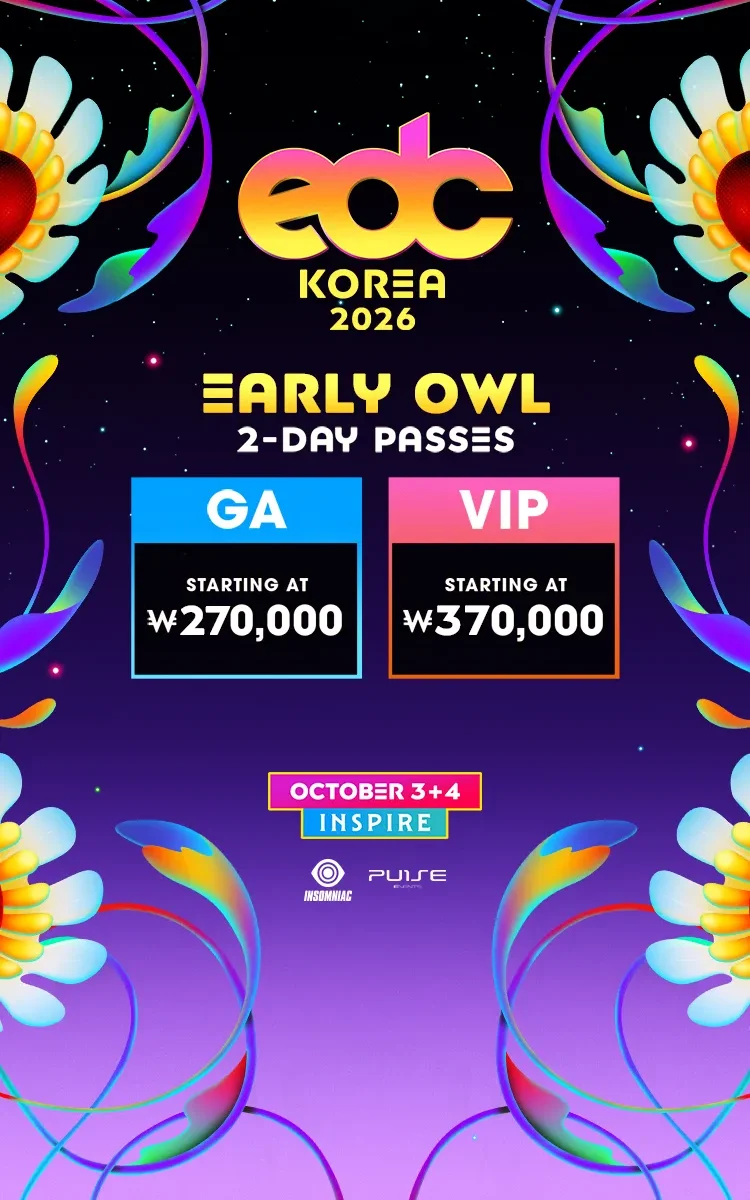
EDC Korea 2026 in Incheon: Ticket Prices, Dates, and Everything You Need to Know for the Ultimate Festival Experience

EDC Korea 2026 in Incheon: Ticket Prices, Dates, and Everything You Need to Know for the Ultimate Festival Experience

EDC Korea 2026 Returns to Incheon This October

Electric Daisy Carnival (EDC), Insomniac Events’ flagship electronic music festival brand, will establish its Korean presence at the newly opened Inspire Entertainment Resort this autumn. Following previous editions that established the franchise’s reputation for combining carnival infrastructure with electronic music programming, the 2026 iteration arrives at a venue capable of accommodating the production’s signature scale—including the elaborate stage designs and amusement rides that distinguish EDC from conventional festival formats.

Unlike single-day events or stadium concerts typical of the Korean market, EDC Korea operates as a multi-day immersive experience where attendees camp or reside within the festival grounds. The programming spans the full spectrum of electronic dance music, from house and techno to dubstep and trance, distributed across multiple themed stages rather than a single performance area.

Event Overview

The festival occupies Inspire Entertainment Resort, located at 127 Gonghangmunhwa-ro, Jung-gu, Incheon (Unseo-dong)—approximately ten minutes by vehicle from Incheon International Airport. This proximity eliminates the complex ground transportation logistics that typically burden festival attendees, particularly international visitors arriving for the weekend.

🗓️ Date: October 3–4, 2026 (Saturday–Sunday)
📍 Venue: Inspire Entertainment Resort
Age Limit: 19 years or older

Programming and Experience

EDC distinguishes itself from other Korean music festivals through its integration of carnival rides—ferris wheels and carousels operate throughout the event—and theatrical performers who interact with attendees between sets. The production values prioritize stage architecture; previous EDC events have featured structures exceeding twenty meters in height with integrated LED arrays and pyrotechnic systems.

While the specific artist roster remains under embargo, the festival typically books internationally recognized headliners alongside regional talent across three to four simultaneous stages. This format allows attendees to curate their own experience rather than following a single linear schedule—a contrast to festivals that program a single main stage.

Ticket Information

Advance pricing tiers offer reduced rates for purchasers committing to the full two-day experience:

Ticket Type Price (KRW) Access
GA (Early Owl) 270,000 General admission, all stages
VIP (Early Owl) 370,000 Expedited entry, premium viewing areas, dedicated facilities

Both ticket types grant admission for the complete festival duration (October 3–4); single-day passes are not listed in the initial release.

Practical Considerations

Accommodation requires advance planning given the venue’s location outside Seoul’s metropolitan core. The resort itself offers integrated lodging, though capacity fills rapidly.

🛏️ Accommodation near concert

For ground seating during extended sets, portable furniture proves essential—particularly given the venue’s outdoor terrain.

🪑 Festival Chair

Attendees often incorporate visual elements into their attire; adhesive decorations provide a temporary solution that complies with security protocols.

🥰 Face Jewelry Sticker

Visual Preview

Official Poster:
Poster

Venue and Production Previews:

The shift to Inspire Entertainment Resort marks a significant upgrade in infrastructure capacity compared to previous Korean EDC installations. With permanent electrical and water utilities supporting the temporary festival structures, attendees can expect consistent production quality across both evenings—weather permitting, though the October timing typically avoids the region’s monsoon season.

Check back for lineup announcements and set times as the festival approaches.

이 포스팅은 쿠팡 파트너스 활동의 일환으로, 이에 따른 일정액의 수수료를 제공받습니다.

Post Malone Seoul Concert 2026: Tickets, Prices, and Venue Guide for The BIG Stadium World Tour

Post Malone Seoul Concert 2026: Tickets, Prices, and Venue Guide for The BIG Stadium World Tour

Post Malone Concert in Korea: Post Malone Presents The BIG Stadium World Tour in Seoul

Poster

Post Malone brings his genre-fluid approach—melding hip-hop, pop, and rock influences—to Goyang Stadium for his South Korean debut. Scheduled for October 2, 2026, The BIG Stadium World Tour represents the artist’s first appearance in the Korean market, utilizing a venue typically reserved for major sporting events and the largest international touring acts. The concert carries a 19+ age restriction, distinguishing it from the all-ages performances common in the domestic market and suggesting an adult-oriented production consistent with Post Malone’s established aesthetic.

Event Information

Schedule

Friday, October 2, 2026, 8:00 PM

Attendees should anticipate venue doors opening several hours prior to the 8:00 PM performance to accommodate security screening and merchandise purchases.

Lineup

  • Post Malone

Ticket Prices

The pricing structure spans from 99,000 KRW to 520,000 KRW, accommodating various budget levels and proximity preferences:

  • EARLY ENTRY VIP PACKAGE (General): 434,000 KRW
  • PREMIUM VIP PACKAGE (General): 520,000 KRW
  • Standing (General): 154,000 KRW
  • Reserved Seat P (General): 240,000 KRW
  • Reserved Seat R (General): 210,000 KRW
  • Reserved Seat S (General): 198,000 KRW
  • Reserved Seat A (General): 187,000 KRW
  • Reserved Seat B (General): 176,000 KRW
  • Reserved Seat C (General): 165,000 KRW
  • Reserved Seat D (General): 121,000 KRW
  • Reserved Seat E (General): 99,000 KRW

The Early Entry VIP Package and Premium VIP Package command the highest price points, while general admission standing positions occupy the mid-range at 154,000 KRW. Reserved seating follows a graded tier system—P through E—with prices descending based on proximity to the stage, ranging from 240,000 KRW for the closest fixed seating to 99,000 KRW for the most economical tier.

Festival

The image above provides visual reference for the stadium configuration and seating layout corresponding to the ticket categories listed.

A bit about Post Malone,

Post Malone is a defining musical chameleon of the 21st century, an artist who dismantled genre barriers by fusing hip-hop beats, pop melodies, emo introspection, and rockstar energy into a singular, chart-dominating sound. Bursting onto the scene in 2015 with the hypnotic, woozy trap of “White Iverson,” he quickly proved he was more than a viral phenomenon. Albums like Stoney, beerbongs & bentleys, and Hollywood’s Bleeding became diamond-certified cultural juggernauts, spawning a relentless string of era-defining hits such as “Congratulations,” “Rockstar,” “Circles,” and “Sunflower.” Instantly recognizable by his tapestry of face tattoos, ever-present Bud Light, and a voice that effortlessly soars from gruff, rhythmic cadences into a stunning, vulnerable falsetto, Post Malone is the unlikely poet laureate of a generation that finds anthemic release in his tales of loneliness, excess, and the search for authenticity. His well-documented love for everything from country music to heavy metal and folk isn’t just fandom—it’s the lifeblood of a boundless artist who can share a Grammy with 21 Savage, croon a timeless pop duet, and later deliver a critically acclaimed, stripped-down country album, all while remaining the most affable and unpretentious superstar on the planet.

이 포스팅은 쿠팡 파트너스 활동의 일환으로, 이에 따른 일정액의 수수료를 제공받습니다.

Yojiya Su-Su! Choco-Mint Pop-Up at Yurakucho Marui and Shibuya MODI: Experience the Ultimate Mint Intensity and Exclusive Skincare

Yojiya Su-Su! Choco-Mint Pop-Up at Yurakucho Marui and Shibuya MODI: Experience the Ultimate Mint Intensity and Exclusive Skincare

Limited-Time Pop-Up Shop ~Like Skincare, Love Choco Mint~

Kyoto-based lifestyle brand Yojiya returns to Tokyo this spring with an expanded iteration of its sensory-focused dessert concept, inviting visitors to calibrate their own experience along a spectrum of mint intensity. Following last year’s successful debut at Yurakucho Marui—which generated consistent daily queues—the “Su-Su! Choco-Mint” Tokyo Tour adds Shibuya MODI as a second location while introducing a reservation-based system designed to eliminate wait times. The pop-up shop, operating under the theme “Like Skincare, Love Choco Mint,” runs simultaneously at both venues with slightly staggered schedules, offering a structured tasting experience that ranges from zero tingling sensation to approximately eighty times the standard peppermint oil concentration.

A Scalable Approach to the Choco-Mint Experience

Where last year’s event established the baseline with the standard Su-Su Parfait and the intense 50x variant, the 2026 tour introduces a modular customization system through the debut of Extra Mint Sauce. This aggressive formulation combines two types of mint syrup with concentrated peppermint oil, allowing patrons to incrementally adjust their parfait’s intensity or immediately escalate the 50x Su-Su Parfait to the maximum 80x level. The sauce can be added gradually for subtle flavor modification or poured entirely for those seeking the full physiological response—what the brand terms the “happy scream” threshold.

The menu maintains its three-tiered architecture to accommodate varying tolerance levels. The Su-Su Parfait (Tokyo ver.) (¥1,750, tax included, with drink) targets newcomers with a balanced ratio of chocolate to mint, featuring mild mint jelly, choco-mint ice cream, chocolate crunch, and raw chocolate. For experienced participants, the 50x Su-Su Parfait (Tokyo ver.) (¥1,850, tax included, with drink) incorporates roughly fifty times the peppermint oil concentration of the standard version, distinguished visually by the tinted green whipped cream. Pregnant women, nursing mothers, children, and those with underlying health conditions are advised to avoid this selection. The All-Chocolate Parfait (¥1,750, tax included, with drink)—an event exclusive—removes mint entirely, layering bitter chocolate ice cream, raw chocolate, chocolate chips, and crunch for those preferring zero tingling sensation.

Two Tasting Comparison Sets allow individuals to experience the range in a single seating. Option A pairs both the standard and 50x parfaits with Extra Mint Sauce, while Option B contrasts the All-Chocolate Parfait against the 50x version with sauce—effectively spanning the full zero-to-80x spectrum. Priced equivalently to individual parfait sets with one included drink (coffee or tea, hot or iced), these sets enforce a strict one-order-per-person policy with no sharing permitted except for children under six. Participants ordering either tasting set gain entry into a daily lottery awarding limited-edition assembly-style cutlery featuring original “Su-Su! Choco-Mint” artwork and storage cases to twenty winners per day; this offer concludes once daily supplies deplete.

Note: Cafe service operates by advance reservation only, releasing same-day seats as vacancies allow. All parfaits require dine-in consumption; takeout is unavailable. The initial order must constitute one parfait-and-drink set per person (excluding children under six).

Expansion into Skincare and Retail

Beyond the culinary offerings, this year’s installation marks the launch of Yojiya’s “Su-Su! Choco-Mint” skincare line, translating the dessert’s sensory profile into cosmetic form. The collection includes water-based hand cream and lip plumpers infused with mint and chocolate aromatics alongside a topical cooling sensation. The retail section also stocks the brand’s standard oil-blotting papers, hand creams, and “Yojiko” character merchandise.

Campaign Details

During the event period, all purchasers at either the shop or cafe receive one limited-design sticker per transaction (designs differ between locations and remain unrevealed until distribution). Separately, customers spending ¥3,000 or more (tax included) at the retail shop—excluding cafe purchases—receive a reusable towel coaster featuring Yojiko; receipts cannot be combined across multiple shoppers. Both giveaways operate while supplies last without guarantee of availability.

Venue and Reservation Information

Yurakucho Marui

  • Location: 1F Calendarium F01/F02, directly accessible from Yurakucho Station
  • Dates: Friday, May 22 – Sunday, June 21, 2026
  • Shop Hours: 11:00–20:00 (closes 19:00 on June 21)
  • Cafe Hours: 11:20–19:00 (closes 16:20 on June 21)
  • Reservations: Details release via official SNS and website on Friday, May 15; booking opens Tuesday, May 19 at 12:00 via dedicated reservation site

Shibuya MODI

  • Location: 1F Calendarium D08, two-minute walk from Shibuya Station
  • Dates: Tuesday, June 2 – Sunday, June 21, 2026
  • Shop Hours: 11:00–20:00 (closes 19:00 on June 21)
  • Cafe Hours: 11:20–19:00 (closes 16:20 on June 21)
  • Reservations: Details to be announced at a later date via official channels

For complete operational updates and reservation links, consult the official Yojiya website. Event specifications are subject to change; verify current conditions with venue management prior to visiting.

🛏️ View hotels near Tokyo

Limited-Time POP UP SHOP ~I Love Skin Care, I Love Choco-Mint~_1
Limited-Time POP UP SHOP ~I Love Skin Care, I Love Choco-Mint~_2
Limited-Time POP UP SHOP ~I Love Skin Care, I Love Choco-Mint~_3
Limited-Time POP UP SHOP ~I Love Skin Care, I Love Choco-Mint~_4
Limited-Time POP UP SHOP ~I Love Skin Care, I Love Choco-Mint~_5
Limited-Time POP UP SHOP ~I Love Skin Care, I Love Choco-Mint~_6
Limited-Time POP UP SHOP ~I Love Skin Care, I Love Choco-Mint~_7
Limited-Time POP UP SHOP ~I Love Skin Care, I Love Choco-Mint~_8
Limited-Time POP UP SHOP ~I Love Skin Care, I Love Choco-Mint~_9

What is Yojiya?

Yojiya (よーじや) began in 1904 as a manufacturer of aburatorigami—oil-blotting papers made from washi processed with gold leaf powder. Geisha and kabuki actors, who needed to maintain thick, wax-based makeup through hours of performance heat, used these sheets to absorb excess oil without disturbing their cosmetic base. The paper’s texture allows it to lift sebum without leaving fibers or residue, a function that remains central to the company’s production today.

The name references the facial expression formed when pressing paper to the nose—pursed lips and concentrated effort—captured in the brand’s logo depicting a pouting face. For decades the company operated a single shop in Kyoto’s Higashiyama district near Kiyomizu-dera, serving primarily theater professionals and local residents. As demand grew beyond the performing arts community, the company expanded into skincare and body care, applying its material expertise to cleansers and masks that minimize skin friction.

The business now includes café operations in Tokyo’s Yurakucho and Shibuya districts, though these locations serve matcha and meals rather than beauty products. The physical stores maintain the utilitarian aesthetic developed in the original Kyoto shop: simple shelving, minimal signage, and packaging designed for function over display.

The Choco-Mint pop-up represents a seasonal departure. While the brand typically focuses on unscented, neutral formulations, this limited edition introduces menthol-cooling agents and chocolate fragrance to the product line—an acknowledgment of summer consumer preferences that diverges from the company’s historical emphasis on invisible, non-disruptive skincare maintenance.

Kodaline Farewell Tour in Seoul 2026: Ticket Prices, Venue Info, and How to Attend Their Final Korea Concert

Kodaline Farewell Tour in Seoul 2026: Ticket Prices, Venue Info, and How to Attend Their Final Korea Concert

Kodaline Live in Korea: Farewell Tour in Seoul

Irish rock group Kodaline brings their farewell tour to Seoul this August, offering Korean audiences their final chance to see the band perform live before they conclude their touring activities. The concert takes place at Olympic Hall within Olympic Park on August 12, 2026, representing the group’s only scheduled performance in Korea during this concluding tour.

Poster

Event Information

Schedule

The performance is scheduled to begin at 8:00 PM on Wednesday, August 12, 2026, with attendees advised to arrive early to navigate the Olympic Park complex and locate the specific hall entrance. The midweek timing requires particular attention topublic transportation schedules serving the Songpa-gu district, which may operate with reduced frequency during late evening hours.

Lineup

  • Kodaline

Ticket Prices

Four distinct tiers accommodate varying preferences and budgets, ranging from standard reserved seating to an enhanced VIP offering that includes soundcheck access:

  • SOUNDCHECK VIP PACKAGE (General): 375,000 KRW
  • Standing Section (General): 110,000 KRW
  • Reserved Seat P Section (General): 121,000 KRW
  • Reserved Seat R Section (General): 110,000 KRW

Performance Guidelines

※ When booking a ticket, you are considered to have agreed to the performance guidelines below, and this content may be added to or changed depending on the situation. Please be sure to re-verify the performance guidelines before attending to ensure there are no disruptions or disadvantages to viewing the performance.

A bit about Kodaline,

Formed in a suburb of Dublin, Kodaline emerged in the early 2010s with a sound that feels both sweeping and deeply intimate, built on soaring melodies and lyrics that wear their heart firmly on their sleeve. While they’ve become a mainstay of the global folk-rock and indie-pop scenes, their origin story is rooted in friendship and reinvention; the core members—Steve Garrigan, Mark Prendergast, Vincent May, and Jason Boland—grew up together and previously made music under a different name before a pivotal creative reset led to the band we know today. That evolution paid off instantly when their debut single, “All I Want,” became a viral, emotional juggernaut, soundtracking everything from tearful movie trailers to fan-made videos and introducing their knack for building songs from quiet vulnerability into cathartic, stadium-sized climaxes. Across albums like In a Perfect World and Coming Up for Air, they’ve honed a signature dynamic, balancing the raw ache of a ballad with the anthemic uplift of tracks like “High Hopes” and “Love Like This,” always anchored by Garrigan’s distinctively emotive and earnest vocal delivery. At their core, Kodaline has built a career on a disarmingly simple premise: music that isn’t afraid to feel everything, and an open invitation for the listener to do the same.

이 포스팅은 쿠팡 파트너스 활동의 일환으로, 이에 따른 일정액의 수수료를 제공받습니다.

2026 Hawaii Fair at Hankyu Umeda Main Store: Experience Authentic Culture, Food, and Workshops in Osaka

2026 Hawaii Fair at Hankyu Umeda Main Store: Experience Authentic Culture, Food, and Workshops in Osaka

Hawaii Fair 2026

The 2026 Hawaii Fair transforms Hankyu Umeda Main Store into a concentrated presentation of contemporary Hawaiian culture, operating under the theme “Nā Lei Aloha (The Aloha Spirit Connected by Lei).” This iteration distinguishes itself from previous editions through unprecedented expansion: approximately 110 vendors—the largest participation in the event’s history—will occupy not only the ninth-floor event space and Celebration Square but also multiple additional floors throughout the department store.

The culinary programming focuses specifically on current Hawaiian food trends, featuring burgers and sweets from vendors making their Japanese debut alongside established favorites. Complementing these edible imports, the fair offers fashion items and lifestyle goods rooted in traditions passed down within Hawaii. What separates this market from standard import exhibitions is the direct presence of staff members and artists traveling from Hawaii; these individuals will reside at the venue for the full two-week duration, facilitating authentic cultural exchange rather than mediated retail transactions.

Educational programming runs parallel to commercial activities. Visitors can attend live performances by ukulele and guitar musicians or participate in hands-on lei-making workshops designed to teach traditional craftsmanship techniques. These sessions provide structured opportunities to engage with Hawaiian cultural practices beyond the retail environment, offering context for the goods on display.


Event Details

Period: July 1 (Wednesday) – July 13 (Monday), 2026
The event operates in two distinct phases: the first half runs from July 1 through July 6, while the second half begins July 8 and concludes July 13. The venue closes entirely on Tuesday, July 7.

Hours: 10:00 – 20:00 daily
Exceptions: The ninth-floor event space closes at 17:00 on July 6 and on the final day (July 13).

Location: Hankyu Umeda Main Store, 9th-floor event space, Celebration Square, and various additional floors
Address: 8-7 Kakuda-cho, Kita-ku, Osaka City

Important scheduling notes: While the ninth-floor event space operates only during July 1–13 (closed July 7), floors other than the ninth remain open from July 1 through July 14. Certain areas within these various floors are excluded from the event. On July 6 and July 13, the ninth floor closes early at 17:00.

Admission: Free

Contact: 06-6361-1381 (Main)

Website: https://website.hankyu-dept.co.jp/honten/h/hawaii/index.html

🛏️ View hotels near the event

What is Hankyu Umeda Main Store?

The Hankyu Umeda Main Store is the flagship location of the Hankyu Department Store chain, situated directly above Hankyu Umeda Station in Osaka. The building spans thirteen floors, including two underground levels. The basement depachika stocks ingredients and prepared food from across Japan, while the lower floors focus on cosmetics, luxury accessories, and women’s fashion. Upper floors house men’s clothing, household goods, and restaurants. A rooftop garden occupies the top level, offering open space above the dense Umeda district.

Opened in 1929 and rebuilt several times since, the store functions primarily as a traditional department store, but the upper floors regularly transform into exhibition halls. Throughout the year, these spaces host temporary fairs that bring together vendors, tourism boards, and craftspeople from specific regions. The Hawaii Fair, held annually in various forms, utilizes these floors to display Hawaiian goods, offer regional cuisine, and stage performances, allowing visitors to handle products and speak directly with exhibitors rather than simply observing displays.

The store connects directly to Hankyu rail lines and sits adjacent to one of Osaka’s largest transit hubs. Underground walkways link it to JR Osaka Station, the Midosuji subway line, and the Hanshin railway. This placement makes it a practical stop for commuters and a central meeting point. Visitors often combine attendance at the store’s events with routine errands: purchasing food from the depachika, meeting contacts at the station gates, or accessing the broader Umeda shopping district without surfacing to street level.

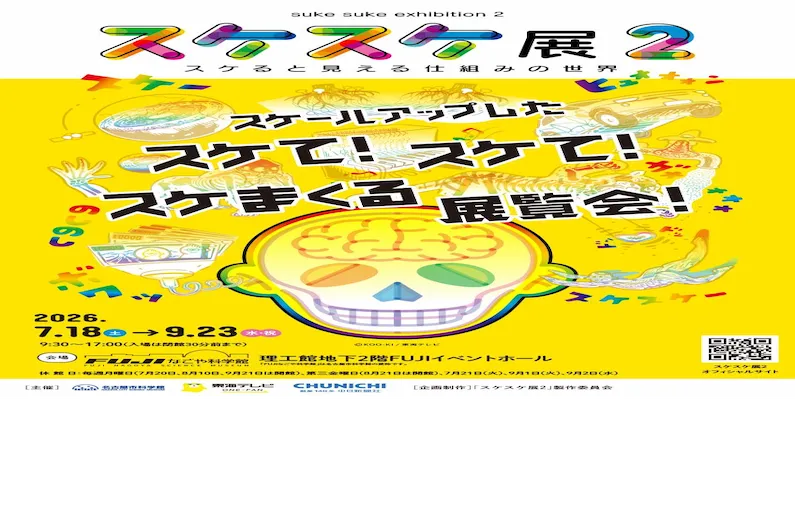
Visit Sukesuke Exhibition 2 at FUJI Nagoya Science Museum 2026: Discover the Hidden World of Nature and Mechanics

Visit Sukesuke Exhibition 2 at FUJI Nagoya Science Museum 2026: Discover the Hidden World of Nature and Mechanics

Special Exhibition “Sukesuke Exhibition 2: The World of Mechanisms Revealed Through Transparency”

Modern technology increasingly conceals its workings behind sleek, impenetrable exteriors, rendering the internal mechanisms that power our world invisible to casual observation. The Sukesuke Exhibition addresses this growing opacity through the Japanese concept of “sukeru”—becoming transparent—offering visitors a systematic examination of biological and mechanical interiors typically hidden from view. By deploying digital visualization technologies alongside meticulously crafted cross-sectional models and high-definition video content, the exhibition transforms opaque surfaces into windows, revealing the structural logic and intricate relationships between external form and internal function that remain inaccessible through surface inspection alone.

This methodology yields genuine discoveries that external observation cannot anticipate. Visitors encounter the unexpected complexity concealed within familiar objects and organisms, fostering renewed attention toward the engineering and anatomical architectures surrounding us daily. By illuminating the dialogue between exterior containment and interior mechanism, the exhibition stimulates intellectual curiosity across demographic boundaries, providing substantive engagement for children encountering these concepts for the first time while offering sufficient technical depth to satisfy adult inquiry.

Building upon its predecessor’s foundation, Sukesuke Exhibition 2 establishes two distinct thematic zones: “Nature Sukesuke” and “Invisible Sukesuke.” These additions expand the exhibition’s analytical scope, applying transparency methodologies to biological systems and phenomena imperceptible to the unaided eye. While the original iteration established the fundamental vocabulary of visual transparency through mechanical objects, this sequel extends those principles into natural history and invisible forces—suggesting an evolution in both conceptual breadth and technical implementation that should prove particularly illuminating for returning visitors.

🛏️ See hotels near the event

Exhibition Details

Dates:
Saturday, July 18, 2026 – Wednesday, September 23, 2026 (Public Holiday)

Closed:
Every Monday (exceptions: open July 20, August 10, and September 21)
Third Friday of each month (exception: open August 21)
Additionally closed: Tuesday, July 21; Tuesday, September 1; and Wednesday, September 2

Hours:
9:30 – 17:00 (Last admission at 16:30)

Venue:
FUJI Nagoya Science Museum
Science and Engineering Building B2F, FUJI Event Hall

Admission

Paid Admission (Same-day tickets):

  • General: 1,800 yen
  • University students: 1,000 yen
  • Elementary/Junior High/High School students: 500 yen

Advance tickets provide a 200 yen discount off each category.

Free Admission:

  • Preschool children

Ticket Purchase:

  • ● Purchase tickets here ●
  • Asoview!
  • Museum Ticket
  • Lawson Ticket (L-code: 43145)

Important Notes:

  • High school and university students must present valid student identification.
  • The above fees include access to the FUJI Nagoya Science Museum’s permanent exhibition rooms (planetarium excluded).
  • Visitors presenting physical disability certificates receive 50% off same-day admission (certificate required; applies to up to two accompanying persons).
  • Groups of 30 or more receive 100 yen off the same-day fee.
  • Presenting a “One-day Pass,” “Donichi Eco Kippu,” or “Subway All-line 24-hour Pass” issued by the Nagoya City Transportation Bureau on the day of visit entitles you to 100 yen off same-day admission.
  • Discounts cannot be combined.

Contact & Access

Contact:
FUJI Nagoya Science Museum
TEL: 052-201-4486
FAX: 052-203-0788
Homepage: https://sukesuketen.jp/

Access:

  • Subway: 5-minute walk south from exits 4 and 5 of “Fushimi” Station (Higashiyama and Tsurumai Lines)
  • City Bus: 5-minute walk south from “Hirokoji Fushimi” stop
  • Meitetsu Bus: 5-minute walk north from “Shirakawa Koen-mae” stop

Sukesuke (透け透け) is a Japanese term describing transparency so complete that light passes through to reveal what lies beneath. While it literally refers to physical translucency, the word also captures a particular approach to observation: removing barriers between viewer and internal structure to examine how components relate within a complete system.

In biological contexts, sukesuke describes preservation techniques that render organisms transparent while keeping tissues intact. By fixing specimens in organic solvents—often glycerol or benzyl alcohol/benzyl benzoate mixtures that match the refractive index of biological tissue—researchers create preparations where skin and muscle become virtually invisible. Staining agents like alizarin red for bone or Alcian blue for cartilage highlight specific structures against the cleared matrix. The result preserves three-dimensional relationships that dissection destroys; observers can trace how the ulnar nerve detours around the humerus, or how the vitelline artery branches across a chick embryo yolk sac, without the spatial distortion caused by cutting and pinning.

The same principle applies to engineering and architecture through transparent working models. Acrylic engine blocks, lucite gearboxes, and glass-enclosed hydraulic systems allow direct observation of mechanical function. During the design phase, transparent prototypes reveal manufacturing tolerances and stress concentrations that CAD models miss. In education, watching a valve train operate through a clear cylinder head makes cam timing immediately comprehensible in ways that diagrams cannot. Structural engineers use acrylic models to visualize load paths through trusses; watching stress patterns propagate through transparent resin helps validate finite element analysis against physical reality.

Whether examining a cleared fish specimen or a prototype pump housing, sukesuke prioritizes structural understanding over surface appearance. The technique recognizes that comprehension often requires seeing internal geometry—how parts fit, move, and bear load within the complete assembly. This visibility serves specific practical ends in medical training, quality control, and engineering design, where the spatial relationship between internal components determines function more than external form.

Toyota Automobile Museum 2026 Special Exhibition: Experience the Golden Age of ’80s and ’90s Japanese Cars and Motorcycles

Toyota Automobile Museum 2026 Special Exhibition: Experience the Golden Age of '80s and '90s Japanese Cars and Motorcycles

The second installment of the Toyota Automobile Museum’s special exhibition series on 1980s and 1990s Japanese vehicles shifts focus from the machines themselves to the individuals who envisioned them. This curated presentation examines the engineering minds behind Japan’s golden age of automotive performance—a period when domestic manufacturers produced machines that defined a generation.

The exhibition, running from Friday, April 10 to Sunday, July 12, 2026, brings together eight companies—both automobile and motorcycle manufacturers—to display authentic four-wheeled and two-wheeled icons simultaneously. This collaboration marks a rare opportunity to witness the full spectrum of Japan’s bubble-era mobility revolution under one roof, capturing the relentless passion that drove engineers to advance performance technology during this transformative period.

Exhibition Vehicles

The display features seventeen vehicles representing the pinnacle of 1980s and 1990s Japanese engineering, from rotary-powered sports cars to the genesis of hyper-sport motorcycles.

Four-Wheels

Vehicle Year
Mazda Savanna RX-7 1985
Eunos Cosmo 1990
Honda NSX 1991
Toyota Supra 1993
Mitsubishi GTO 1996
SUBARU Legacy Touring Wagon GT-B 1997
Nissan Skyline GT-R V·spec II 2000

Two-Wheels

Vehicle Year
Kawasaki GPZ900R (North American model name: Ninja) 1984
Kawasaki ZXR400R* 1989
Kawasaki ZZ-R1100 (North American model name: Ninja ZX-11) 1990
Suzuki GSX1100S KATANA 1984
Suzuki RG400Γ* 1985
Suzuki GSX1300R Hayabusa 1999
Honda VFR750R (RC30) 1987
Honda CBR900RR Fireblade 1992
Honda CBR1100XX Super Blackbird 1996
Yamaha RZV500R 1984
Yamaha VMAX 1990
Yamaha YZF-R1 1998

*Exhibited at Cultural Hall Entrance

*Exhibition vehicles are subject to change.

Special Events and Programs

2nd Classic Car Meeting ’80s-’90s Japanese Cars ~part 2~

This gathering features in-house parades, commemorative photo sessions, and ride-along test drives. Details are available here.

  • Date and Time: Saturday, May 16, 2026, 10:00–16:30
  • Location: P1 Parking Lot, etc.

Special Lecture “Director Sakakibara Listens!”

Director Sakakibara hosts intimate conversations with the engineers responsible for developing era-defining models.

First Session

  • Guest: Mr. Kozo Watanabe, former Development Manager for the R33/R34 Skyline at Nissan Motor Co., Ltd.
  • Date and Time: Saturday, May 16, 2026, 13:00–14:00
  • Location: Cultural Hall 1F

Second Session

  • Guest: Mr. Nobuhiro Yamamoto, former Development Manager for the ND Roadster at Mazda Motor Corporation
  • Date and Time: Saturday, June 6, 2026, 13:00–14:00
  • Location: Cultural Hall 1F

Concurrent Special Exhibitions

That Supra is coming

  • Date and Time: Thursday, April 23 – Sunday, May 24, 2026
  • Location: Cultural Hall 1F Entrance
  • Exhibited Vehicle: The Supra donated by Prime Minister Sanae Takaichi to Nara Toyota

Toyoda Model AA 90th Anniversary Exhibition

  • Date and Time: Tuesday, May 26 – Sunday, July 12, 2026
  • Location: Car Hall 1F Entrance
  • Exhibited Vehicles: Toyota AB Phaeton (1938), Toyota Model AC Passenger Car (1947)

Driving Demonstration

Witness pre-war Japanese automotive history in motion with the Toyoda Model AA Passenger Car (1936), Toyota AB Phaeton (1938), Datsun Model 16 Sedan (1937), and more.

  • Date and Time: Saturday, April 18, 2026, 11:00–11:30 / 14:00–14:30
  • Location: P1 Parking Lot
  • Note: Canceled in case of rain; vehicles are subject to change without notice.

Car Library Programs

I want to talk about car manga!
Join discussions spanning mainstream automotive manga to obscure titles featuring exquisite supporting vehicle roles.

  • Date and Time: Sunday, April 26, 2026, 15:00–16:00
  • Location: Cultural Hall 3F Car Library

I want to talk about car models!
Bring handmade models to share techniques and appreciation with Toyota Museum modelers.

  • Date and Time: Sunday, June 7, 2026, 15:00–16:00
  • Location: Cultural Hall 1F TINY STUDIO

“Engineers Who Create Enthusiasm — ’80s-’90s Japanese Cars and Motorcycles” Details Page

Visitor Information

Toyota Automobile Museum

The Car Hall chronicles automotive history from the dawn of gasoline-powered vehicles in the late 19th century to the present, displaying approximately 150 vehicles across historical eras. The Cultural Hall contains the “Car Culture Archive,” showcasing roughly 4,000 cultural materials including posters, toy cars, and mascots. The research library includes a “Vehicle Picture Book Library” for younger visitors.

View spot details

🛏️ View hotels near the event

Exhibition Dates: Friday, April 10 – Sunday, July 12, 2026

Closed: Mondays (or the following day if Monday is a public holiday)

  • Open on Monday, May 4, Tuesday, May 5, and Wednesday, May 6
  • Closed on Wednesday, May 7

Hours: 9:30–17:00 (Admission until 16:30)

Venue: Toyota Automobile Museum, Cultural Hall 2F Special Exhibition Room

Admission:

  • Adults: 1,200 yen
  • Seniors (65+): 700 yen
  • Junior/Senior High Students: 600 yen
  • Elementary Students: 400 yen

Group discounts available; some periods are excluded from discounts

Contact: Toyota Automobile Museum
TEL: 0561-63-5151
Homepage: https://toyota-automobile-museum.jp/

Access:

By Public Transport:
Disembark at “Geidai-dori” Station on the Linimo. Approximately 5 minutes walk from Exit 1.

By Car:
0.4km west from “Nagakute IC” on the Nagoya Seto Road (via Tomei Expressway Nisshin JCT)

Parking: Free

What is the Toyota Automobile Museum?

The Toyota Automobile Museum opened in Nagakute, Aichi Prefecture, in 1989. The collection includes more than 140 vehicles from Japan, Europe, and the United States, ranging from early twentieth-century European touring cars to the high-performance Japanese sports cars that emerged during the late 1980s and 1990s.

The museum occupies two distinct buildings. The Main Building displays the chronological development of automotive technology worldwide, showing how engineering solutions evolved from brass-era mechanics to electronic fuel injection and computer-controlled systems. The Cultural Gallery examines the societal impact of mass mobility through period artifacts, contemporary advertisements, and rotating exhibitions on specific themes or manufacturers.

Although Toyota operates the museum, the collection deliberately includes significant models from competitors such as Nissan, Honda, and Mazda alongside European and American landmarks. This approach places Japan’s automotive history within an international context rather than presenting a single corporate narrative. Visitors can walk among the actual vehicles, comparing how domestic manufacturers adapted existing technologies during the country’s period of rapid growth and how Japanese engineering developed its own distinct priorities regarding reliability and packaging.

The institution treats automobiles as cultural artifacts, presenting them as physical records of the economic conditions and manufacturing capabilities of their respective eras. The exhibits trace specific technical and aesthetic shifts that occurred during the 1980s and 1990s, documenting how Japan’s automotive industry moved from emulation to innovation within the span of a few decades.

Fullmetal Alchemist x Yomi no Tsugai Exhibition 2026 in Ginza: Guide to Tickets, Dates, and Venue Access

Fullmetal Alchemist x Yomi no Tsugai Exhibition 2026 in Ginza: Guide to Tickets, Dates, and Venue Access

Fullmetal Alchemist × Yomi no Tsugai Exhibition: A Dual Anniversary Celebration in Ginza

Marking a quarter-century since the debut of Fullmetal Alchemist and half a decade of Yomi no Tsugai, manga artist Hiromu Arakawa’s dual anniversary exhibition arrives at Matsuya Ginza this August. The show—officially titled “Fullmetal Alchemist x Yomi no Tsugai Exhibition”—offers a rare convergence of Arakawa’s most celebrated completed series alongside her current ongoing work, presenting an opportunity to examine the visual and narrative evolution of one of Japan’s most distinctive creative voices. Square Enix, publisher of both properties, has organized the event to allow visitors to immerse themselves in the distinct yet thematically linked worlds of militaristic alchemy and supernatural rural folklore.

While specific display contents will be revealed progressively through the official website and X account, the exhibition promises original artwork, production materials, and thematic installations spanning both series. The pairing underscores Arakawa’s range—the steampunk-infused European aesthetic of Fullmetal Alchemist contrasting with the contemporary Japanese mountain village setting of Yomi no Tsugai—while highlighting the consistent thematic concerns that have defined her career, including等价交换, familial bonds, and the relationship between humanity and natural (or supernatural) forces.

Practical Information

The exhibition occupies the Matsuya Ginza 8th Floor Event Square from Thursday, August 13 through Wednesday, September 2, 2026. Operating hours run from 11:00 to 20:00, though visitors should note several exceptions: the venue closes at 19:30 on August 16th, 23rd, and 30th (all Sundays), and concludes at 17:00 on the final day, September 2nd. Entry is permitted until thirty minutes prior to closing, though operational hours remain subject to potential alteration.

Ticketing Structure

Admission operates on a date-and-time-specified basis for all ticket categories during the entire run.

Advance sales offer the most economical access:

  • General admission: ¥1,800
  • High school students: ¥1,000
  • Elementary and junior high school students: ¥600

Premium bundled options include:

  • Ticket with goods and pamphlet: ¥5,450
  • Ticket with goods only: ¥3,450
  • Ticket with pamphlet only: ¥3,800

Same-day purchases (subject to availability) cost slightly more:

  • General: ¥2,000
  • High school students: ¥1,200
  • Elementary and junior high school students: ¥800

Several demographics enter without charge: preschool-aged children, holders of disability certificates (plus one accompanying assistant), and various Matsuya cardholders (excluding point cards). Note that elementary school-aged visitors and younger must be accompanied by a ticket-holding guardian aged eighteen or older. The goods corner requires exhibition admission for entry; browsing merchandise without a valid ticket is not permitted.

Access and Location

Matsuya Ginza sits at 3-6-1 Ginza, Chuo-ku, Tokyo (〒104-8130), with the exhibition occupying the 8th Floor Event Square. Multiple transit options provide convenient access: Ginza Station (one-minute walk), Ginza-itchome Station (three-minute walk), Higashi-ginza Station (three-minute walk), and Yurakucho Station (eight-minute walk). A MAP is available for precise navigation.

Tickets may be purchased in advance through Purchase tickets here. Details of the event are scheduled to be updated from time to time on the official website and official X account.

The posted content may have changed. Please check the official website of the venue or organizer for the latest information.

🛏️ View hotels near Tokyo

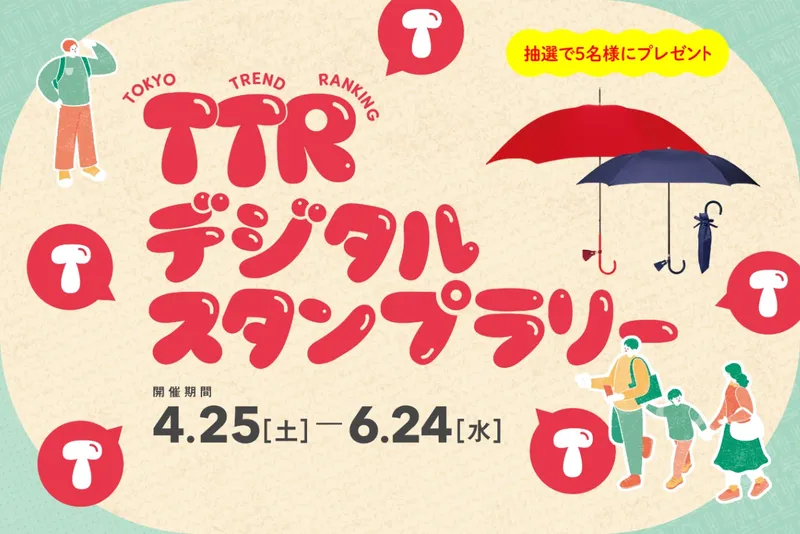
Fullmetal Alchemist x Yomi no Tsugai Exhibition_1 Fullmetal Alchemist x Yomi no Tsugai Exhibition_2 Fullmetal Alchemist x Yomi no Tsugai Exhibition_3 Let's visit seasonal spots! TTR Digital Stamp Rally in progress

Yomi no Tsugai (黄泉のツガイ) began serialization in Monthly Shonen Gangan in December 2021, marking Hiromu Arakawa’s first major project since completing Silver Spoon (Gin no Saji) in 2019. The series represents her return to action-oriented fantasy after years of agricultural slice-of-life storytelling.

The narrative operates within a martial arts framework drawn from East Asian folklore. Yuru grows up in the hidden village of Kagemori, trained in combat techniques designed to control spiritual energy. His twin sister Asa, separated from him as an infant and raised by the Momo no Sei (Peach Sprites), works as an assassin. Their reunion occurs through violence: when outsiders attack Kagemori, Yuru learns he is one half of a “Tsugai”—a bonded pair whose combined abilities allow them to traverse the threshold between the living world and Yomi, the realm of the dead.

Arakawa approaches the material with the same technical precision visible in her earlier work. Fight scenes prioritize clarity of movement over spectacle, with the mechanical logic of the combat system—how spiritual energy manifests, the specific limitations of paired fighters—established through demonstration rather than exposition. Character motivations remain grounded even as the supernatural elements escalate; Yuru and Asa’s negotiations of their estranged relationship carry equal weight to the mythology concerning the boundary between life and death.

The comparison with Fullmetal Alchemist proves instructive given Arakawa’s continued interest in sibling dynamics and institutional corruption. Where the earlier work examined brotherhood through shared trauma and mutual protection, Yomi no Tsugai considers the stranger dynamic of twins separated at birth, asking what obligation exists between people linked by biology but not history. For an exhibition pairing these two works, the manga offers a clear view of how Arakawa’s concerns have shifted in the decade between projects—from the industrial revolution and bodily integrity to questions of inheritance and whether predetermined roles can be refused.

Soran PERFECT DAY 12 2026: Tickets, Dates, Seating Guide & Everything You Need to Know for the Seoul Concert

Soran PERFECT DAY 12 2026: Tickets, Dates, Seating Guide & Everything You Need to Know for the Seoul Concert

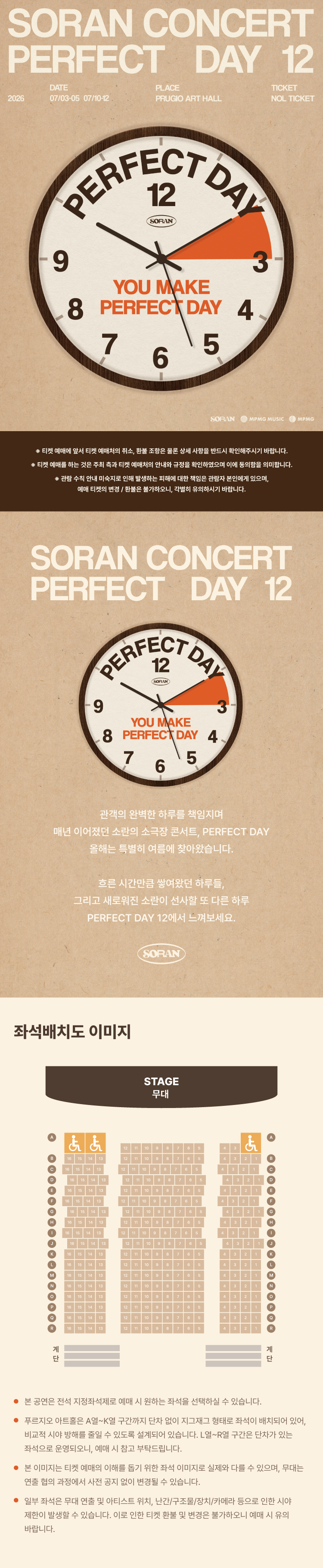
Soran PERFECT DAY 12

Poster

Event Information

Schedule

July 3 (Fri) ~ 5 (Sun), July 10 (Fri) ~ 12 (Sun), 2026 | Fri 8PM / Sat 6PM / Sun 4PM

Lineup

  • Soran (소란)

Ticket Price

  • All Seats (General): 110,000 KRW

What to Expect

This is the twelfth installment of Soran’s “PERFECT DAY” concert series, a sustained run that has established itself as a signature event for the indie rock band. The 2026 edition extends across two extended weekends in July, offering ten total performances at Prugio Art Hall in central Seoul. Previous iterations have developed a reputation for intimate, meticulously arranged setlists that balance the group’s established catalog with live-specific arrangements and occasional unreleased material.

The venue’s configuration merits attention for prospective attendees. Prugio Art Hall operates with a split seating design: rows A through K maintain a flat, zigzag arrangement intended to minimize sightline obstruction between patrons, while rows L through R incorporate elevation changes. Ticket holders select specific seats during booking rather than receiving general admission assignments.

Booking and Attendance Notes

※ This performance applies the Safe Booking service. Please refer to this when booking.

※ Prior to booking tickets, please be sure to check the cancellation and refund clauses as well as the detailed information of the ticket booking agency.

※ Booking a ticket means that you have checked and agreed to the guidance and regulations of the organizer and the ticket booking agency.

※ Responsibility for damages resulting from a lack of familiarity with the viewing guidelines lies with the viewer, and changes/refunds of booked tickets are not possible, so please be especially mindful.

  • This performance is a fully assigned seating event, and you can select your desired seat when booking.
  • At Prugio Art Hall, seats in sections Row A to Row K are arranged in a zigzag pattern without elevation changes, designed to relatively reduce visual obstruction. Sections Row L to Row R are operated as seats with elevation changes, so please refer to this when booking.
  • Viewing is only possible from the booked seat, and moving to a seat other than the assigned seat is not permitted.
  • Up to 4 tickets per person can be booked for this performance.
  • For one week after the ticket opening, bank transfer cannot be selected as a payment method. Bank transfer selection is only available from midnight on May 29 (Fri) to midnight on June 29 (Mon), so please take note.
  • Proxy receipt or transfer of tickets to anyone other than immediate family members is not permitted. Please make sure to book using an ID in the name of the person who will actually watch the performance.
  • In the case of booking under the name of an immediate family member, identity verification and ticket receipt are possible if you bring all of the following: family relationship verification documents (health insurance card, resident registration abstract, family relationship certificate, etc.) / the booker’s physical ID / the viewer’s physical ID.
  • To avoid congestion on the day of the performance, tickets booked during the early stages of ticket opening will be delivered in bulk.
  • Bulk delivery date: June 15 (Mon) ~ 16 (Tue), for 2 days
  • Regardless of the reason, entry to the venue and re-issuance of tickets are not possible in case of damage, loss, theft, or failure to possess the ticket on-site, so please be careful with ticket storage.
  • Friday and Saturday performances can be booked until 5 PM the day before the performance; Sunday performances can be booked until 11 AM the day before the performance. Cancellations and refunds are not possible after the booking deadline.
  • Any arbitrary transaction of tickets other than the official purchase procedure through the booking site is an illegal act. If an illegal transaction is discovered, it will be handled through a legal explanation process. Please be informed that any damages arising from this are entirely the responsibility of the parties involved in the transaction, and the performance organizer, host, and partner companies bear no responsibility.

Seating ChartVenue Layout

A bit about Soran (소란)

Soran is a South Korean indie pop band that has charmed listeners with their warm, witty, and heartfelt music since their debut in 2010. The four-member group—consisting of vocalist Go Young-bae, guitarist Lee Tae-wook, bassist Seo Myeon-ho, and drummer Pyeon Yu-il—originally formed through their university music club and quickly rose to prominence in the indie scene. Their name, which means “a disturbance” or “a small commotion” in Korean, perfectly captures their playful and energetic spirit. Soran is beloved for their relatable, story-driven lyrics that capture the small, tender moments of everyday life, delivered through Go Young-bae’s distinctively sweet and clear vocals. Their breakout hit, “Timing,” from their second album became a viral sensation, resonating deeply for its comforting message about the right moment for love arriving without warning. With a discography that spans energetic, band-driven pop anthems and soft, acoustic ballads, Soran continues to be a source of solace and joy, masterfully blending clever wordplay with melodies that feel like a conversation with a close friend.

이 포스팅은 쿠팡 파트너스 활동의 일환으로, 이에 따른 일정액의 수수료를 제공받습니다.

Lemon Afternoon Tea at Kichijoji Excel Hotel Tokyu: Summer 2026 Dates, Menu, and How to Reserve

Lemon Afternoon Tea at Kichijoji Excel Hotel Tokyu: Summer 2026 Dates, Menu, and How to Reserve

Lemon Afternoon Tea at Kichijoji Excel Hotel Tokyu

An afternoon wrapped in refreshing acidity during summer in Kichijoji. “Lemon Afternoon Tea” is being held, featuring tea leaves from a local Kichijoji specialty tea shop.

As summer heat intensifies, Kichijoji Excel Hotel Tokyu offers a seasonally limited afternoon tea built around the aroma and sharpness of lemon. The menu delivers exactly what the season demands: visually cooling sweets and light-tasting savories that satisfy without weighing you down in humid weather.

What Sets This Apart

Most hotel afternoon teas in Tokyo follow a predictable formula—heavy on cream, chocolate, and richness. This summer iteration deliberately inverts that approach. The partnership with Tea Market Giclef Kichijoji Main Store, a respected local specialty shop operating in the neighborhood, gives guests access to carefully sourced leaves that change character with temperature and steeping time. The atrium space on the hotel’s second floor provides natural light and vertical breathing room rarely found in central Tokyo hotel lounges.

The Menu

Sweets are arranged to move through different expressions of citrus:

  • Verrine: Layered mango passion fruit jelly, panna cotta, and lemon jelly with aloe—textural contrast in a glass
  • Citron Tart: Sharp acidity as the dominant note
  • Lemon Opera-style cake: Lemon buttercream meeting chocolate’s depth
  • Lemon Vanilla Mousse: Gentle sweetness with a mellow finish
  • Lemon Cream Cookie Sandwich: Light, handheld, approachable

Savories are calibrated for summer appetite:

  • Chickpea hummus with fragrant spices and prosciutto
  • Chilled corn soup (served separately)
  • Smoked salmon and avocado tart
  • Cold beef canapé with remoulade sauce
  • Egg sandwich

The welcome drink—sparkling lemon tea with active carbonation—cleans the palate before the tiered service begins.

Scones arrive with clotted cream and mixed berry jam: plain and tea varieties.

Beverages pull from Tea Market Giclef’s selection: Darjeeling, Assam, Jasmine, Earl Grey, Classic Chai, Darjeeling Earl Grey Blend, Rooibos Classic, Lemon Garden, plus Organic Forest Coffee, Café Latte, and Espresso. Unlimited refills and exchanges are permitted.

Service Details

Venue Kichijoji Excel Hotel Tokyu, Lounge & Dining “SORAE” (2nd Floor)
Nearest Station Kichijoji Station, 8-minute walk
Address 〒180-0004, 2-4-14 Kichijoji Honcho, Musashino-shi, Tokyo [MAP]
Period June 1 – August 31, 2026
Time 14:30–17:30 (L.O. 17:00), 2-hour seating
Capacity Weekdays: 15 servings / Weekends & holidays: 20 servings
Evening Session 17:30–21:00 (L.O. 20:30), weekdays only, except Wednesdays, 6 servings
Price ¥6,000 per person (includes 12% service charge and 10% consumption tax)
Reservations Required

Official Website

Photos are for illustrative purposes. Menu subject to change based on ingredient availability. Guests with food allergies should inform staff in advance. Alcohol service declined to drivers and those under 20, per legal requirements.


🛏️ View hotels near Tokyo

Lemon Afternoon Tea [Kichijoji Excel Hotel Tokyu]_1 Lemon Afternoon Tea [Kichijoji Excel Hotel Tokyu]_2 Lemon Afternoon Tea [Kichijoji Excel Hotel Tokyu]_3 Lemon Afternoon Tea [Kichijoji Excel Hotel Tokyu]_4 Lemon Afternoon Tea [Kichijoji Excel Hotel Tokyu]_5 Lemon Afternoon Tea [Kichijoji Excel Hotel Tokyu]_6 Lemon Afternoon Tea [Kichijoji Excel Hotel Tokyu]_7 Lemon Afternoon Tea [Kichijoji Excel Hotel Tokyu]_8 Lemon Afternoon Tea [Kichijoji Excel Hotel Tokyu]_9 Lemon Afternoon Tea [Kichijoji Excel Hotel Tokyu]_10

The posted content may have changed. Please check the official website of the venue or organizer for the latest information.

What is Kichichijoji?

Kichijoji sits in western Tokyo, about fifteen minutes from Shinjuku on the JR Chuo Line. It has become something of a benchmark for livability in the city—frequently topping resident surveys while remaining relatively low-key compared to its eastern counterparts.

The neighborhood organizes itself around Inokashira Park, a substantial green space built around a pond that serves multiple purposes depending on the season. In early April, the cherry Blossom trees draw substantial crowds for hanami, while the rest of the year sees a steadier stream of joggers, musicians, and families. The Ghibli Museum sits within the park grounds, designed specifically to house the studio’s work without the conventional layout of a traditional animation museum—no fixed route, no photography, an admission system that requires advance tickets purchased through specific convenience store chains.

The retail and food landscape in Kichijoji operates on several registers simultaneously. Sun Road provides the covered arcade experience common to Japanese suburbs, functional and unpretentious. Harmonica Yokocho, by contrast, retains the physical footprint of its postwar black market origins—narrow passages between compressed structures now housing roughly sixty bars and restaurants, most with fewer than ten seats. The concentration of vinyl record dealers, small publishers, and independent clothiers in the surrounding blocks is not accidental; several date to the 1960s and 1970s, predating the current wave of interest in such businesses.

What distinguishes Kichijoji from comparable neighborhoods is not any single amenity but the persistence of its irregular built environment. Height restrictions have prevented the tower development visible in Shibuya or Ikebukuro, and the street grid retains enough inconsistency to accommodate unexpected structures. This has attracted a particular demographic mix—families who have owned property for decades, students from the nearby university district, and more recent arrivals working in creative fields or remote arrangements. The resulting atmosphere has been durable enough to function as a recognizable setting in film and television, typically shorthand for a certain manageable pace of urban life.

Analytics