
Gimhae Buncheong Ceramics Festival
🗓️ 2026.11.06 ~ 2026.11.10
*The following food contents are from the previous year’s (2025) festival; the 2026 festival contents are currently being updated.*
The Gimhae Buncheong Ceramics Festival is a ceramic culture festival held in Gimhae, a representative production center of Buncheong ware from the early Joseon Dynasty. Buncheong—the name translates to “gray-blue”—was the ceramic tradition in Korea before white porcelain became dominant, defined by a grayish clay body decorated with white slip. The festival is Gimhae’s representative festival, inheriting the value of this traditional ceramic culture and reinterpreting it for the present day. Marking its 31st anniversary in 2026, the event brings together artwork exhibitions and sales, pottery-making experiences, and pottery demonstrations, allowing visitors to appreciate the unique beauty and artistry of Gimhae Buncheong ceramics up close.
A defining feature is the access it provides to local potters and their work. Visitors can view the unique output of Gimhae’s ceramic artists gathered in one place, an opportunity that is hard to come by elsewhere. Experience programs strengthen that connection by letting visitors touch clay and make ceramics themselves, introducing the charm of Buncheong in a way that is both easy and enjoyable. The festival also functions as a participatory culture and arts festival, with performances, events, and experiences designed for children and family visitors. Because people of all ages can take part, the festival helps traditional ceramic culture persist not as a distant heritage but as a comfortable part of daily life.
1. Experiences
The experience programs are the most hands-on way to engage with ceramics at the festival. Prices for individual programs are listed under Usage Fees below.
- Pottery decorating experience – A session in which visitors decorate ceramic pieces, including mugs, applying their own designs.
- Pottery excavation experience – A simulated excavation that lets participants uncover ceramic artifacts, revealing the archaeological dimension of Buncheong ware.
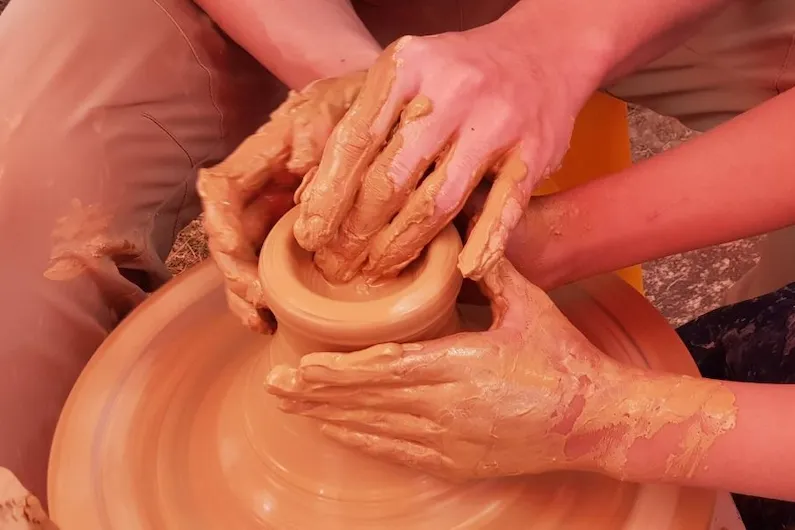
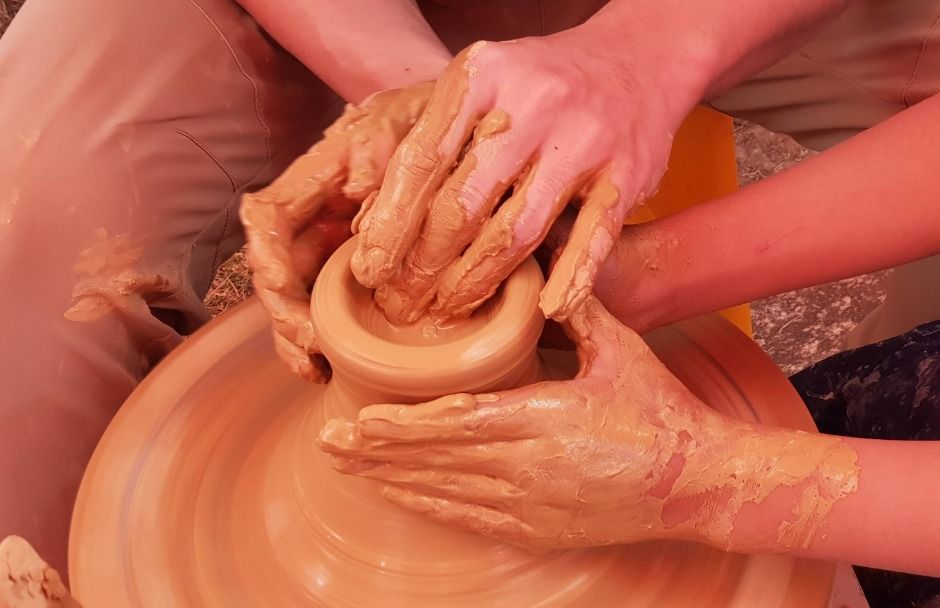
- Pottery wheel experience – A chance to shape clay on the pottery wheel, guided by experienced potters.
- Coiling experience – Participants build forms by stacking rolled coils of clay, a hand-building technique that requires no wheel.
2. Competitions
The competitions add a shared, social element to the festival, bringing families together around common goals.
- Our Family Pottery Making Competition – Family teams collaborate to create pottery, with creativity and cooperation at the center of the task.
- Family Clay Stacking Competition – A contest of coordination and teamwork in which families stack clay.
3. Programs
- Public auction of ceramics – Visitors can bid on ceramic works in a live auction, a direct way to acquire a piece on site.
- Large-scale pottery production demonstration – Potters demonstrate the creation of large-scale ceramic pieces, offering insight into the production process.
Usage Fees
- 20% discount on all ceramic items; food service business owners receive an additional 10% discount
- Buncheong Land (Stamp Tour): 1,000 won
- Pottery excavation experience: 8,000 won
- Pottery mug decorating experience: 8,000 won
- Pottery wheel experience: 5,000 won
- Coiling experience: 2,000 won
Visitor Information
- 📍 Address: 551 Jangyu-ro, Gimhae-si, Gyeongsangnam-do (Sinmun-dong)
- 🛏️ Accommodation near the event
- 💰 Fee: Paid
- 📞 Inquiry: 055-330-3244
- 🖥️ Website: festival.buncheong.co.kr/main.web
What is buncheong ceramics?
Buncheong ceramics are a type of traditional Korean stoneware produced mainly during the early Joseon Dynasty, in the 15th and 16th centuries. The name comes from the Korean phrase buncheong sagi, meaning “grayish-blue powder ware,” which refers to the pale, gray-green clay body covered with white slip, a liquid clay mixture applied to the surface before glazing.
Buncheong is often discussed in contrast to the white porcelain that later became standard in Joseon court production. Its forms and decorations are more varied, reflecting a range of regional kiln practices and practical uses. Potters worked on leather-hard clay, applying several distinctive techniques:
- Sanggam – inlaying black or white clay into carved lines and patterns
- Gwiyal – brushing white slip across the surface in broad, visible strokes
- Bakji – stamping repeated motifs into the soft clay
- Cheolhwa – painting designs with iron-brown pigment
Most buncheong objects were made for everyday use: bowls, bottles, jars, and ritual vessels. Because they were produced in large numbers and handled regularly, the finished wares often show uneven glazes, casual brushwork, and other traces of the maker’s hand. These qualities are now treated as part of the material’s character, though they were not necessarily considered virtues at the time.
Buncheong production declined in the late 16th century, partly as a result of the Japanese invasions of Korea and partly because of a growing preference for porcelain. The pottery was largely forgotten for centuries before being reassessed by collectors and contemporary ceramists in the 20th century. Today, it remains an active field of study and practice in Korea. At the Gimhae Buncheong Ceramics Festival, visitors can observe these historical techniques being demonstrated and try shaping, stamping, and painting their own pieces.
