
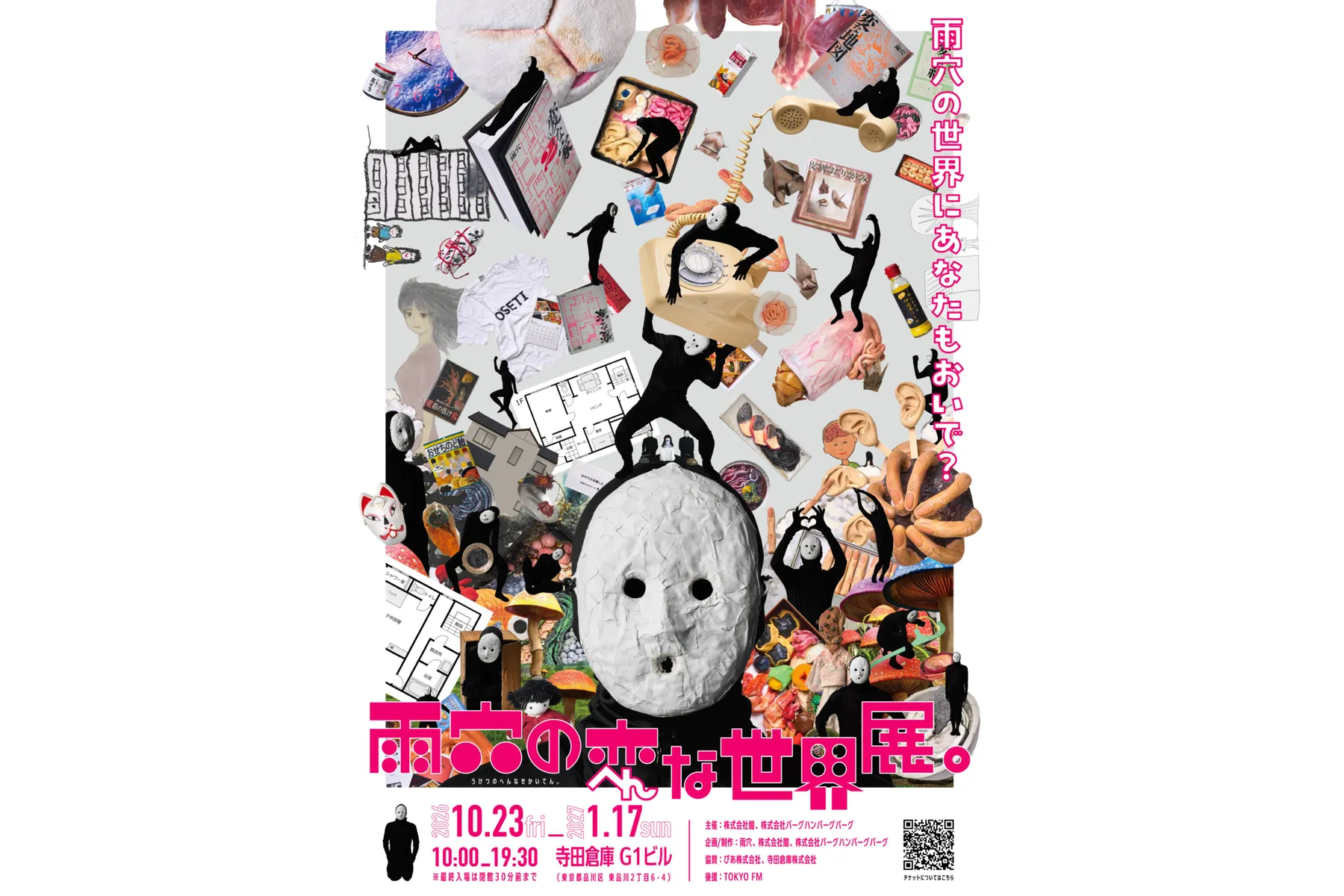
Uke’s Strange World Exhibition.
The Tennoz Terada Warehouse G1 Building is set to host “Uketsu’s Strange World Exhibition,” the first large-scale exhibition dedicated to the work of the celebrated horror writer Uketsu.
Uketsu, a masked author who has gained significant popularity through gripping titles such as “Strange House” and “Strange Picture,” has spent his career pursuing the intersection of the “interesting yet scary.” This comprehensive exhibition aims to showcase the entirety of that creative journey, spanning a diverse array of mediums including traditional books, digital videos, and articles written for the web media outlet Omocoro.
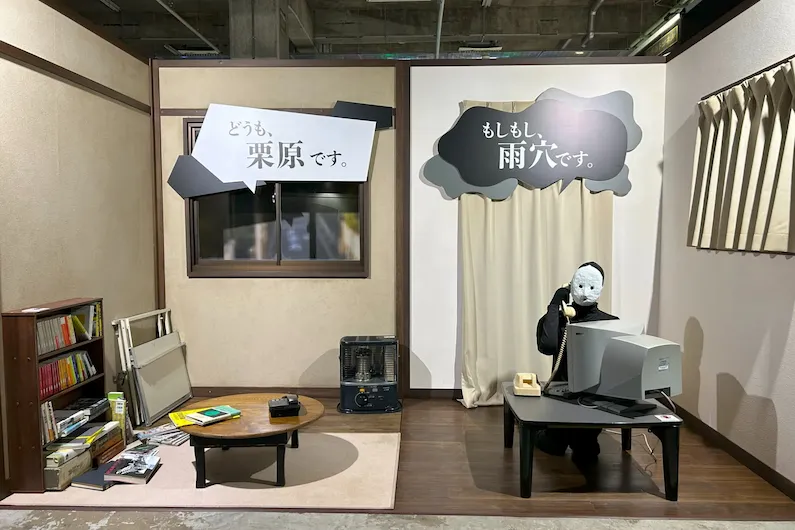
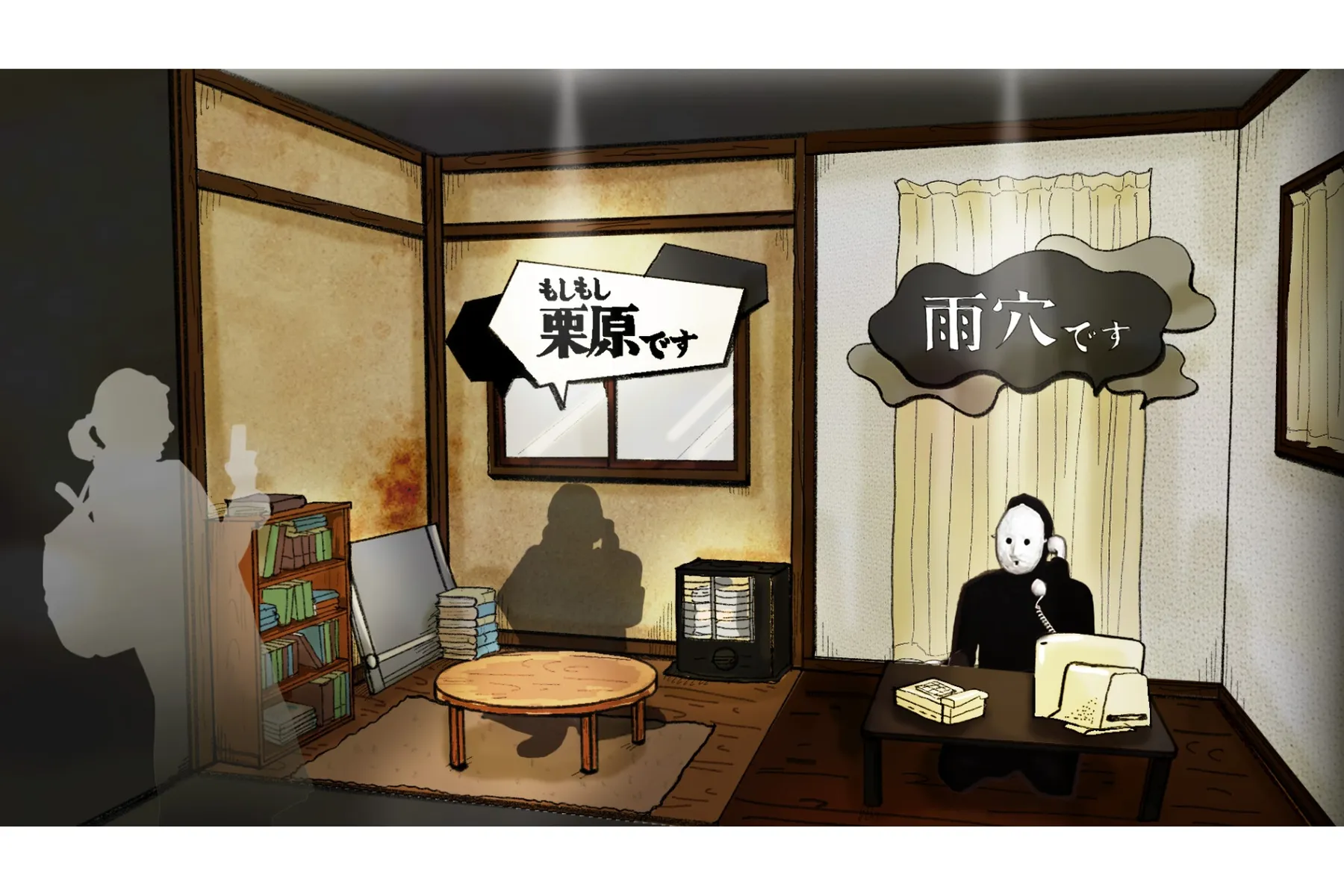
For the visitor, the draw of this event lies in its ability to translate digital enigmas into physical reality. It serves as an “all-time best” collection of Uketsu’s work, providing a rare opportunity to step inside “that room” or examine “that item” which, until now, existed only as a curiosity on a screen. The exhibition covers not only the representative “Strange Series” but also eerie YouTube content, peculiar articles from Omocoro, and entirely new works developed specifically for this venue.
The event is the result of a unique collaboration between Uketsu himself, BurgerHamburgBurg Co., Ltd. (the producers of Omocoro), and Yami Co., Ltd. The latter brings a proven track record of atmospheric, experiential exhibitions—such as the “Missing Persons Exhibition,” “Fear Exhibition,” and “Memory Contamination Exhibition”—which have collectively drawn over 450,000 attendees. By combining these forces, the exhibition transforms the warehouse space into an immersive environment that mirrors Uketsu’s singular worldview. Visitors are not merely observers but are invited to become residents of this “strange world,” experiencing the venue as a sort of psychological theme park.
Exhibition Highlights
The exhibition is structured to provide a deep dive into the author’s psyche through several key features:
- Immersive Installations: Dedicated zones that allow guests to experience the unsettling atmospheres of “Strange House,” “Strange Picture,” and “Strange Map.”
- Physical Archives: Exhibits of actual objects and production materials associated with the “strange things” featured in Omocoro web articles.
- Spatial Reproductions: Recreations of the specific rooms, forests, and spaces that appear throughout Uketsu’s YouTube videos.
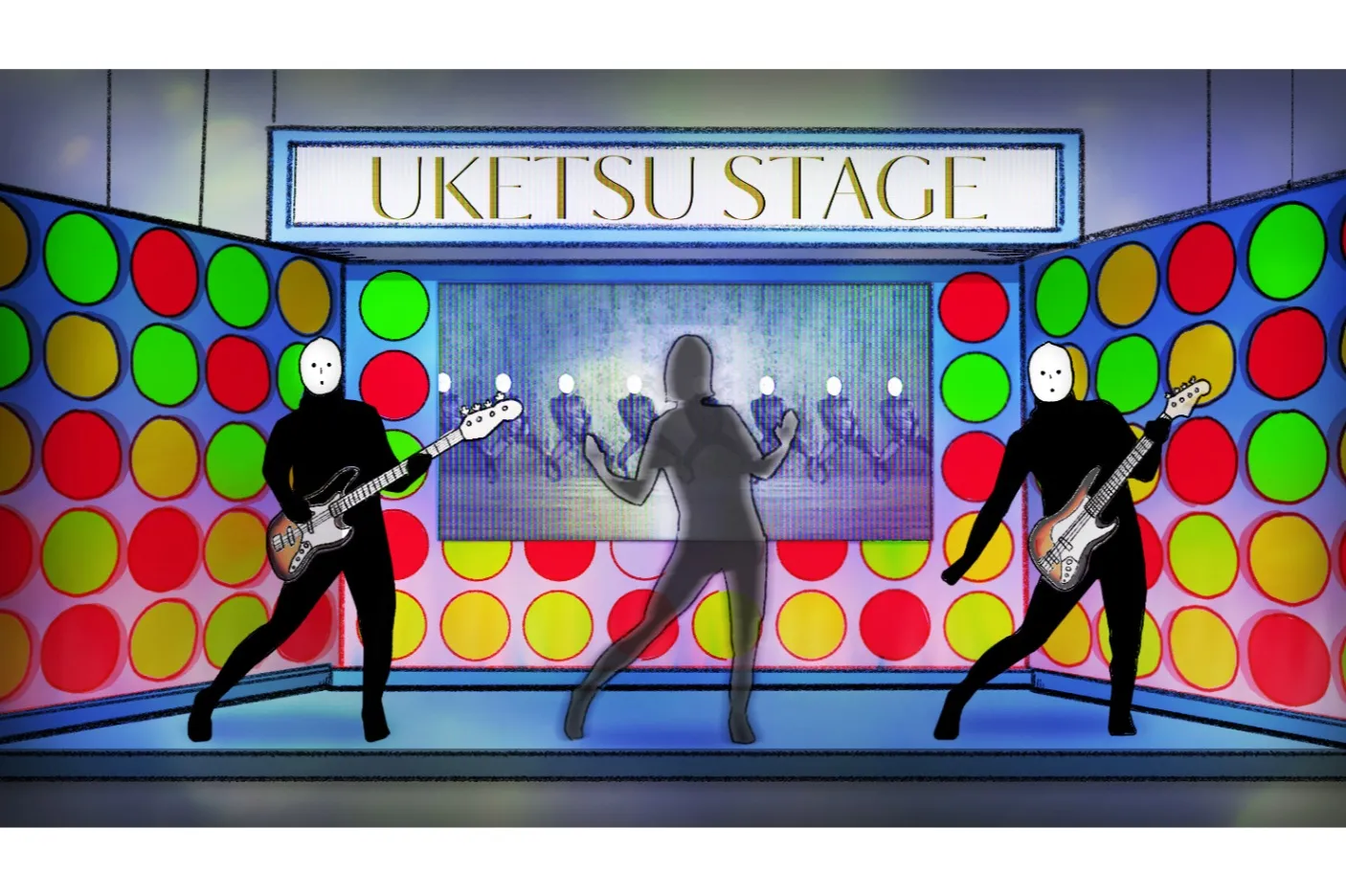
- Exclusive Content: A new exhibition zone featuring original works created by Uketsu specifically for this event.
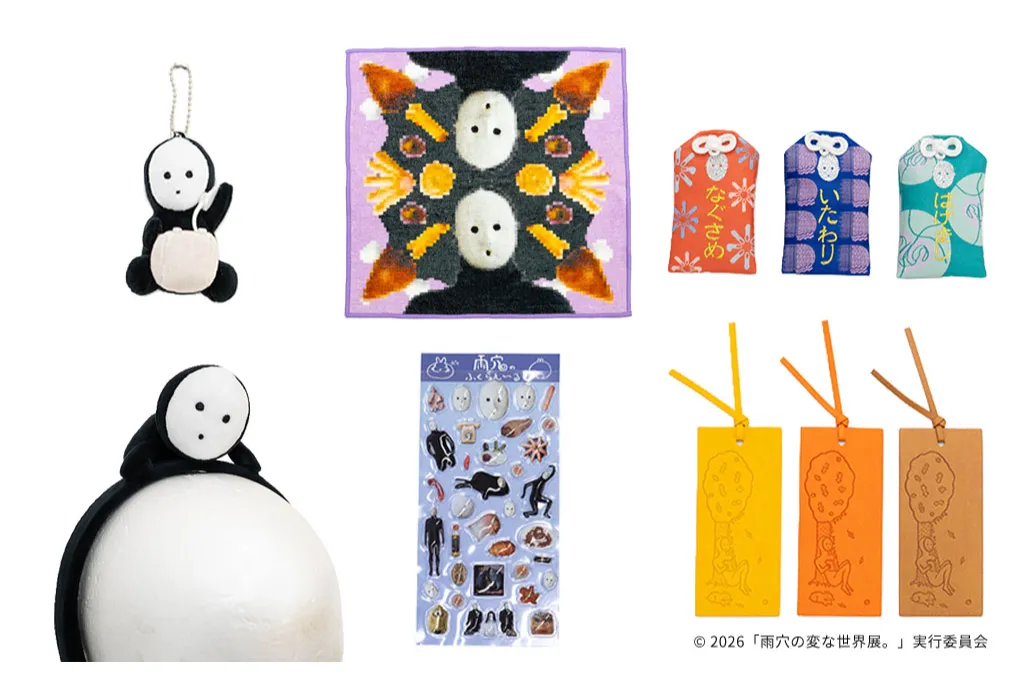
- Limited Merchandise: A wide selection of pre-sale goods available exclusively at the venue.
Original Goods
Attendees can browse dozens of types of original merchandise designed to give physical form to the unsettling themes of Uketsu’s work. Many of these items are limited editions, obtainable only at the venue during the exhibition period.
*Please check the official website for details on the contents.
(C) 2026 “Uketsu’s Strange World Exhibition.” Executive Committee
Basic Information
Location / Nearest Station
Terada Warehouse G1 Building
Tennozu Isle Station
Address
〒140-0002
2-6-4 Higashishinagawa, Shinagawa-ku, Tokyo
MAP
Venue
Terada Warehouse G1 Building 5th Floor
(Please note: Reception is located on the 2nd floor)
Event Period
2026/10/23 (Fri) ~ 2027/01/17 (Sun)
Hours
- Start: 10:00
- End: 19:30 (scheduled)
- Last Admission: 30 minutes before closing
- Estimated Viewing Time: Approximately 90 minutes
Ticket Application
- Early Bird Tickets: Available for purchase until Thursday, October 22, 2026, at 23:59.
- Advance Tickets: Available for purchase until 23:59 the day before the visit date.
- Same-Day Tickets: Available for purchase on the day of the visit.
On regular days, same-day tickets are priced identically to advance tickets; however, prices fluctuate on specific dates. On these specific dates, same-day tickets will not be sold for time slots that have reached capacity.
Prices and Costs (All prices include tax)
| Ticket Type | Early Bird (Regular/Specific) | Advance (Regular/Specific) | Same-Day (Regular/Specific) |
|---|---|---|---|
| Adult | 2,500 yen / 2,700 yen | 2,700 yen / 2,900 yen | 2,700 yen / 3,100 yen |
| Middle/High School | 1,600 yen / 1,800 yen | 1,800 yen / 2,000 yen | 1,800 yen / 2,200 yen |
| 4yrs – Elementary | 600 yen / 800 yen | 700 yen / 900 yen | 700 yen / 1,000 yen |
- Children 3 years old and under are admitted free of charge.
- Holders of a disability certificate and one companion are eligible for a 50% discount (applicable to both regular and specific dates; subsequent companions are charged the standard fee). Please present the certificate at reception.
- The venue is accessible for wheelchairs and strollers.
- Same-day tickets may be sold out on specific dates or unavailable if the venue has reached maximum capacity.
Official Website
https://uketsu.jp/museum/
*The posted content may have changed. For the latest information, please check the official website of the venue or organizer.
Who is Uketsu?
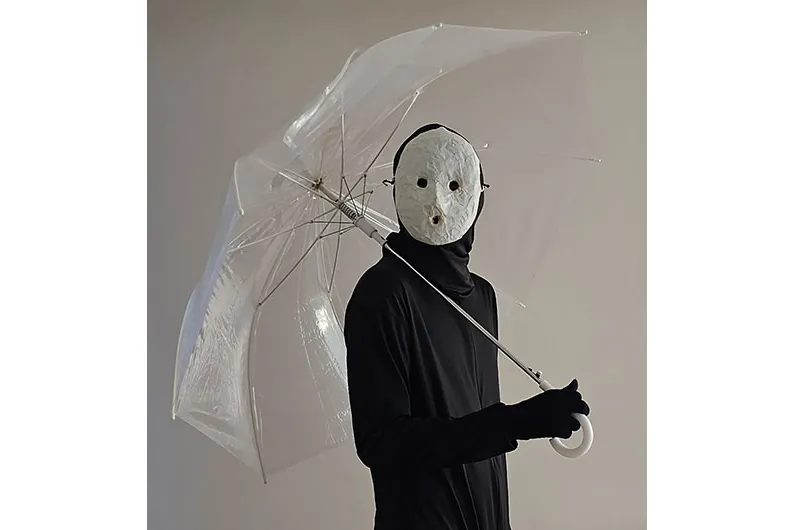
The exhibition is difficult to separate from its creator. Uketsu is a Japanese horror and mystery writer, YouTuber, and illustrator. He does not appear in public without a white mask, and his identity is otherwise undisclosed. The mask is not obviously dramatic; it is a plain, expressionless surface. But in interviews and videos it has the effect of turning the person into one more piece of unexplained evidence, to be observed rather than understood.
His most widely known work is the video and novel The Strange House (変な家). The premise is simple: a floor plan contains a small anomaly, a window positioned where no window should be. Uketsu treats the plan as a document in a fictional case. The narrator walks through the layout, notes the odd placement, and begins to ask what kind of building would need such a feature. The story then expands from that single detail into a longer chain of deductions involving the previous occupants, the modifications made to the house, and the logic of the design. The explanation at the center of it is not described directly. It is reconstructed from the plan.
This method is consistent throughout his work. Uketsu combines annotated drawings, maps, and documents with a narration that is calm and matter-of-fact. The effect is not gory or loud. Read or watched in sequence, the material works like a puzzle: each piece is supplied, the reasoning is made visible, and the reader is left to test it. The sense of unease comes from the gap between the ordinary format and the explanation it ultimately supports.
The anonymity of the author fits this format. He rarely offers biographical details, and that omission does not feel like an absence. Because the work is built around inspection and deduction, an author who steps back is less conspicuous than one who performs. The stories circulate as materials to be examined; the man in the mask is the person who hands them over and waits for the reader to decide what they show.
