Pyeongchang Hyoseok Cultural Festival
🗓️ 2026.09.04 ~ 2026.09.13
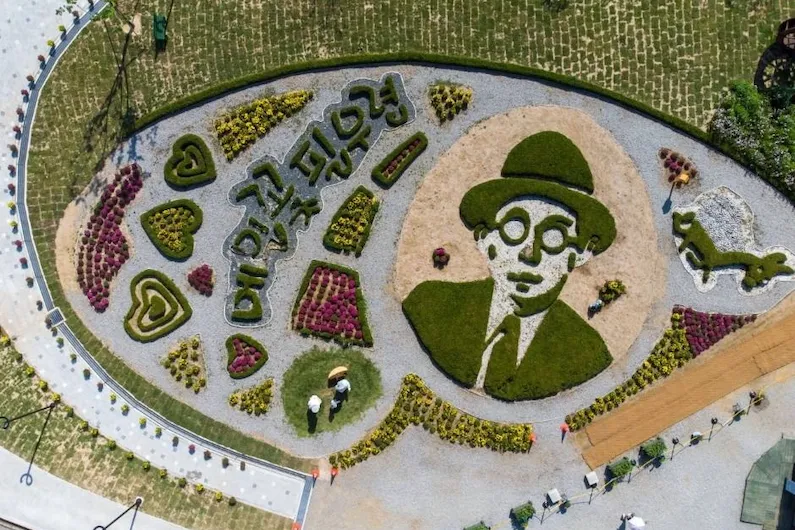
The Pyeongchang Hyoseok Cultural Festival is a representative autumn cultural tourism festival of South Korea, held every September in Bongpyeong-myeon, Pyeongchang-gun, Gangwon-do. Since its launch in 1999, the festival has taken place in the actual setting of Gasan Lee Hyo-seok’s novel “When Buckwheat Flowers Bloom,” a masterpiece of modern Korean short stories. The festival’s defining scenery is the white buckwheat flower fields blooming profusely, as if salt had been sprinkled across the land. Visitors can personally experience the natural landscape of Bongpyeong that serves as the novel’s backdrop.
Main programs include literary events honoring Lee Hyo-seok’s literary legacy, traditional folk games, a local food market, and cultural and artistic performances staged with local residents and artists. Through these offerings, the festival promotes the region’s literary assets and rural traditional culture while contributing to the revitalization of the local economy.
1. Main Programs
- Madang-geuk (Traditional Outdoor Play) Performance (When Buckwheat Flowers Bloom) — the festival’s signature theatrical work, recreating the narrative of the novel in a traditional outdoor setting.
- 47th National Hyoseok Writing Contest — a national competition inviting writers to carry on the festival’s literary tradition.
- 4th Pyeongchang Buckwheat Flower Song Festival — a musical program celebrating buckwheat flowers and rural life.
- Lee Hyo-seok Literary Award Ceremony — a formal recognition of literary achievement held as part of the festival.
- Radio Open Broadcast — a live broadcast from the festival site, bringing its atmosphere to listeners beyond the venue.
2. Side Programs
- Various performances by local performance troupes, offering a continuous display of regional talent throughout the festival.
3. Consumer Participation Programs
- Into the Novel via Literary Train — a themed train experience that carries visitors into the world of the novel. The literary train boarding fee is paid.
- Enjoy the Festival with Stamp Tour — a free stamp-collecting tour of the festival grounds; small prizes are provided.
- Music Journey with DJ Choi Yong-jin — a free program featuring music story requests.
- Find the Golden Buckwheat! — a free treasure-hunt program conducted only during program operating hours; winners receive small prizes.
- Fallen Leaves Burning Experience — a fire-gazing experience conducted after 18:00; free of charge.
4. Other Information
- Free shuttle bus operation: from Pyeongchang Station to the festival site.
Admission Fee
Paid (5,000 KRW). Free for children under 36 months, disabled persons, and persons of national merit. The exemption applies only when a verifiable certificate is provided. No group discounts and no senior discounts are available.
📍 Address: 157 Hyoseok-gil, Bongpyeong-myeon, Pyeongchang-gun, Gangwon-do
🛏️ Accommodations near the event
💰 Fee: Paid
📞 Inquiry: 033-335-2323
🖥️ Homepage: https://www.hyoseok.com/
Lee Hyo-seok and the buckwheat flowers of Pyeongchang
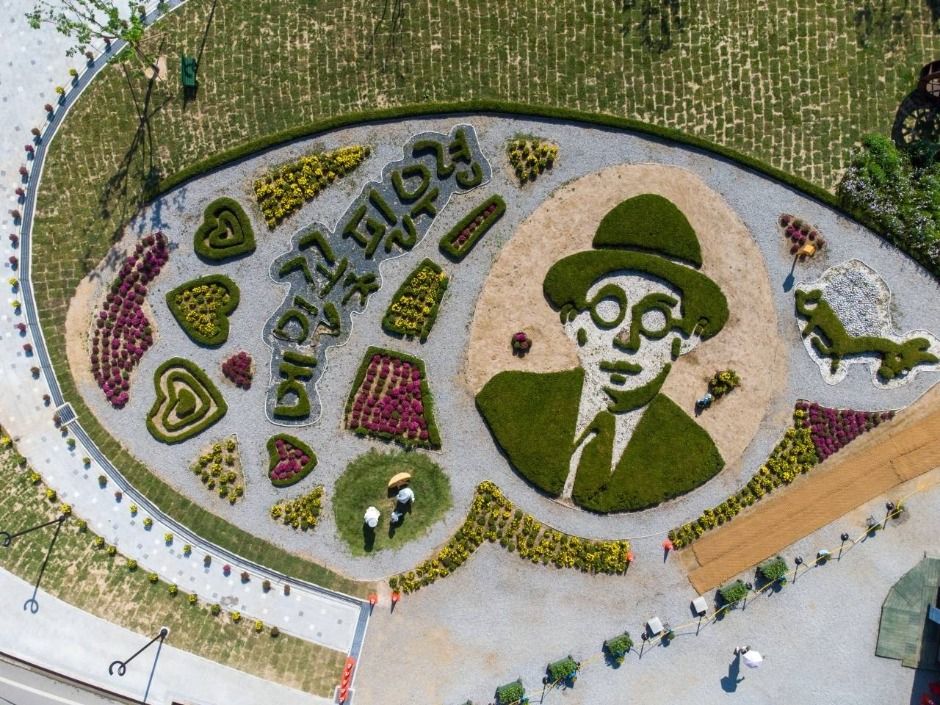
Lee Hyo-seok (1907–1942) was a Korean writer from Pyeongchang County. He is known mainly for the short story “When Buckwheat Blooms” (1936), a work that has been widely read in Korea since its publication. The story follows a middle-aged peddler and his younger companion as they travel through a mountain village on a moonlit night. Buckwheat fields line their path, and the white flowers look almost silver in the dark. The plot is not dramatic in the usual sense; the meaning comes from what the travelers notice, remember, and leave unsaid. The story has long been taught in Korean schools and is often cited as an example of how a writer can build a narrative from observation and memory. Lee died in 1942, at thirty-five, and his literary reputation rests on a relatively small but durable body of work.
The connection to Pyeongchang is direct. Lee was born in the county, and his writing repeatedly returns to the kind of landscape he knew there: mountain farms, narrow roads, seasonal crops. In “When Buckwheat Blooms,” the buckwheat field is not a backdrop. The travelers spend the night surrounded by the crop, and the landscape changes how they talk and remember. Every year in September, the Pyeongchang Hyoseok Cultural Festival uses that association to draw visitors to Bongpyeong, where buckwheat is still grown widely. The festival includes literary readings, exhibitions, and local dishes made from buckwheat. It is, in effect, a seasonal return to the landscape Lee wrote about, with the fields blooming again at the same time of year his story takes place.
