Goesan Red Pepper Festival
🗓️ 2026.09.03 ~ 2026.09.06
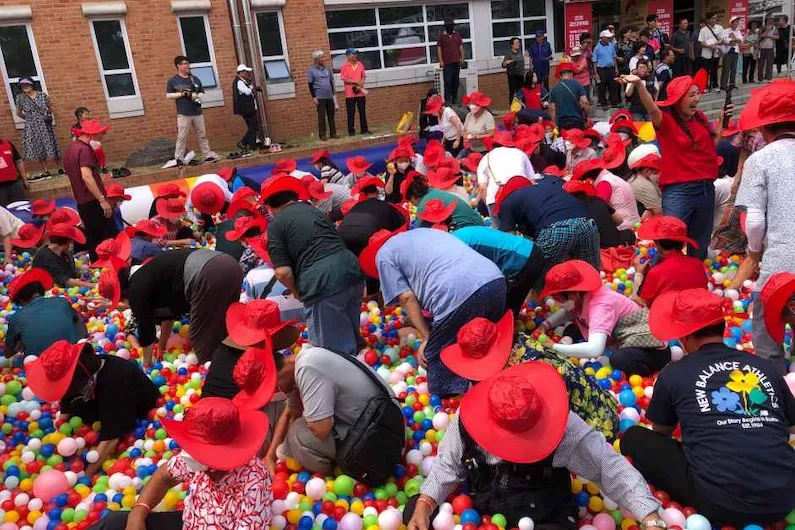
The Goesan Red Pepper Festival stands as one of South Korea’s most distinctive agricultural celebrations, transforming a rural county in Chungcheongbuk-do into a four-day immersion in chili pepper culture. Held annually between late August and early September, this event has evolved far beyond a simple harvest celebration into a sophisticated convergence of agriculture, tourism, and cultural programming built around its star ingredient: the Goesan Clean Red Pepper, cultivated through organic methods in the region’s pristine mountain environment.
What distinguishes this festival from generic food events is its genuine integration of agricultural purpose with visitor engagement. While attendees sample fiery dishes and participate in games, the underlying structure serves tangible economic goals: expanding market access for local producers, establishing direct consumer relationships through on-site transaction markets, and elevating regional agricultural brands. This dual function—entertainment platform and economic development tool—has earned recognition from the Ministry of Culture, Sports and Tourism as a Promising Cultural Tourism Festival and designation as a flagship event for Chungcheongbuk-do province.
Five Core Programs
| Program | Description |
|---|---|
| 1. Find the Golden Chili Pepper | A scavenger-style hunt through festival grounds for specially marked peppers |
| 2. Stress-Relieving Chili Pepper Nanta | A rhythmic performance program incorporating pepper-themed percussion |
| 3. Catch the Chili Pepper Fish | A fishing game using pepper-shaped targets |
| 4. Organic Goesan Song Festival | Musical performances celebrating rural life and agricultural heritage |
| 5. Exhibition and Sale of Goesan Specialties | Direct sales of regional products including fresh peppers, processed goods, and artisan crafts |
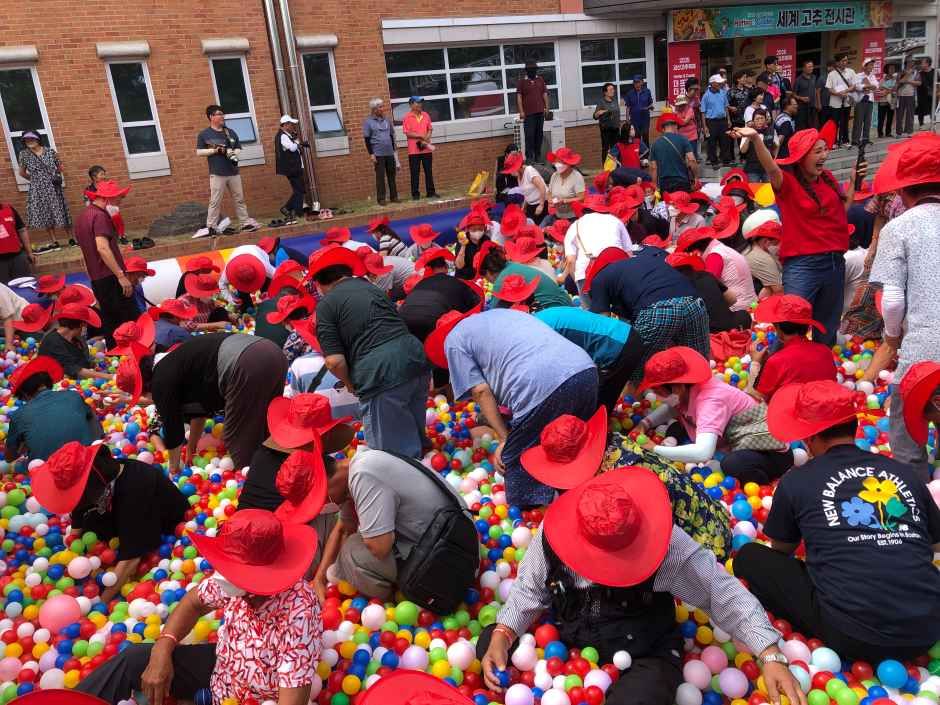
Beyond these anchor activities, visitors encounter red pepper bibimbap tastings, competitive eating challenges for spice tolerance, traditional Korean folk games, and stage performances spanning the four days. The World Red Pepper Exhibition and professional Red Pepper Evaluation introduce both domestic and international varietals, offering educational substance for agricultural professionals and curious amateurs alike.
The festival’s programming philosophy emphasizes cross-generational accessibility—children engage with gamified activities while adults evaluate purchase decisions for specialty goods, and older visitors connect with agricultural traditions increasingly distant from urban life.
📍 Address: 92 Imkkeokjeong-ro, Goesan-eup, Goesan-gun, Chungcheongbuk-do
🛏️ Accommodation near the event
💰 Admission: Free entry; select experience programs require partial fees (5,000 KRW)
📞 Inquiry: 043-830-3463
⭐️ Instagram: https://www.instagram.com/goesanfestival/
🖥️ Homepage: http://spicy-fe.kr/
What Goesan Does Best
Goesan produces Korea’s finest red peppers. The region’s clean air, mineral-rich soil, and wide temperature swings between day and night concentrate both sweetness and heat in the fruit. Local farmers grow Cheongyang red peppers (청양고추), a variety valued throughout Korean cuisine for how its fire carries subtle notes of fruit without overwhelming the dishes it seasons—kimchi, gochujang, and countless stews.
Processing matters as much as growing here. Families have spent generations refining how they dry their harvest on raised bamboo racks called deuldeul, which stand across the autumn fields in regular rows. The county produces roughly 7% of South Korea’s pepper supply, with official geographical indication status marking authentic provenance.
Major condiment makers source specifically from Goesan for their premium lines, paying 20-30% above standard market rates. This concentration of quality explains why a small harvest gathering started in 1997 grew into a national event. The annual festival treats the gochu seriously: cooking competitions, farm tours, and the straightforward spectacle of pepper-eating contests where participants discover exactly how much heat they can stand.
