Sunchang Fermented Sauce Festival
🗓️ 2026.10.15 ~ 2026.10.18
The following food details are from the previous year’s (2025) festival; the 2026 festival details are currently being updated.
The Sunchang Fermented Sauce Festival invites visitors to Sunchang, the county traditionally regarded as the home of Korean fermented sauces, for four days of hands-on programming around gochujang (red chili paste), doenjang (soybean paste), and ganjang (soy sauce). In 2026, the festival marks its 21st year. It runs from October 15 to 18 around the Sunchang Traditional Gochujang Folk Village and the Sunchang Fermentation Theme Park, under the theme “The World’s Taste, Contained in Sunchang.” The program brings together experiences, performances, exhibitions, competitions, and food offerings rooted in traditional sauces and K-food.
The festival’s main draw is its participatory structure. Visitors can join the “Global Gochujang Making” program, which brings Korean and international participants together; watch the “Sunchang Gochujang Royal Tribute Procession,” a parade that recreates the Joseon Dynasty practice of presenting local gochujang to the king; and attend the “Global Sauce Culture School” to learn about and experience Sunchang’s sauce heritage. For those who prefer to make their own dishes, the “K-Food Experience Programs” cover kimchi, makgeolli, jangajji (pickled vegetables), and meju (fermented soybean lumps). The festival also includes “Sunchang Fermentation Village 1997,” the augmented reality (AR) mission game “Find the Sauce King,” and the “World Tour of Taste, Sauce Lounge,” which pairs sauce exhibitions with tastings and hands-on experiences.
Main Programs
- Global Gochujang Making — a joint sauce-making session for Korean and international participants
- Sunchang Gochujang Royal Tribute Procession — a parade reenacting the presentation of Sunchang gochujang to the king during the Joseon Dynasty
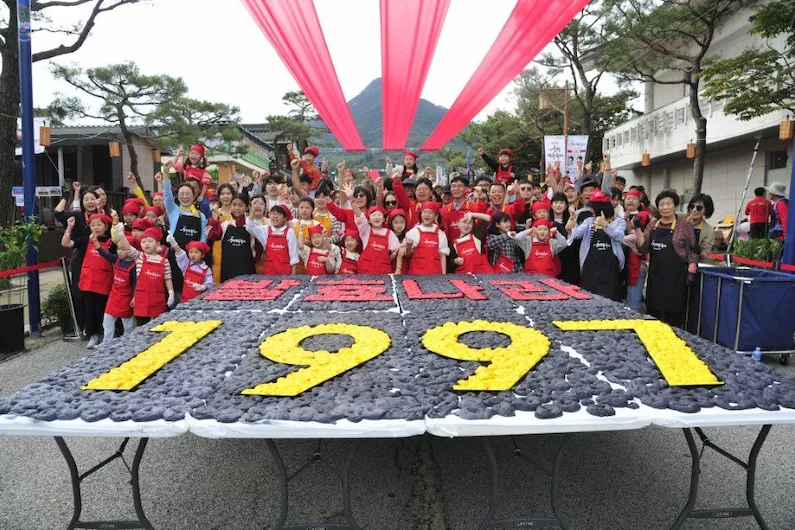
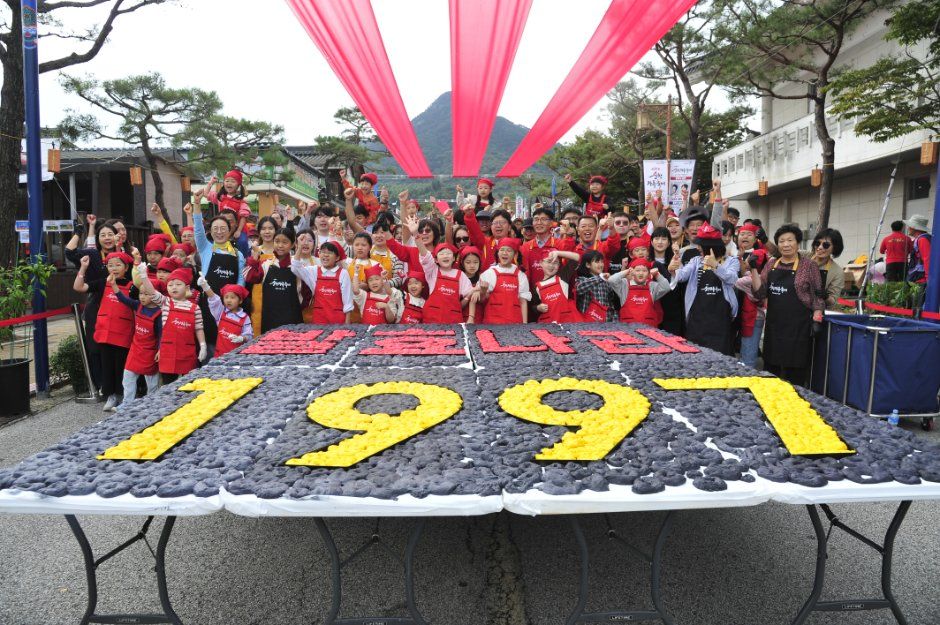
- Sunchang Fermentation Village 1997 — an experiential space themed around Sunchang’s fermented sauce culture
- Global Sauce Culture School — educational sessions on Sunchang’s sauce culture
Side Programs
- Opening Ceremony and Congratulatory Performance
- Encounter of Traditional Korean Music and Classical Music as Sauces Ripen
- World Heritage Tightrope Walking Performance
- Sunchang Global K-POP Song Festival
- Closing Ceremony and Autumn Concert
Consumer Participation Programs
- K-Food Experience Programs (making kimchi, makgeolli, jangajji, and meju)
- Find the Sauce King (AR mission game)
- Find the Golden Meju
- Red-Day Event
- Spicy Food Competition
- Fermented Sauce Gourmet Cooking Class
- Global Fermented Sauce Cooking Competition
Other Details
- Global K-Food Market
- World Tour of Taste Sauce Lounge
- K-Culture Exhibition and Experience
- Sunchang Tavern
- Local Art Exhibitions and Performances
- Agricultural Product Sales and Food Booth Operation
📍 Address: 55 Jangryu-ro, Sunchang-eup, Sunchang-gun, Jeonbuk State
🛏️ Accommodations near the event
💰 Fee: Free (Some programs have a fee)
📞 Inquiry: 063-650-1624
🖥️ Website: https://jangfestival.co.kr/
Sunchang, in North Jeolla Province, makes traditional Korean fermented sauces: doenjang (soybean paste), gochujang (chili paste), and ganjang (soy sauce). The craft has been practiced there for generations, and the county’s name is closely associated with these products in Korea.
Local producers attribute the quality to the environment. Mountain water, air, and a climate with distinct seasons support slow fermentation. Sauces age in earthenware onggi jars kept outdoors, where they are exposed to daily and seasonal temperature changes. The base for all three is meju, blocks of fermented soybeans. For ganjang, meju is brined and aged; for doenjang, the solids are further fermented; for gochujang, chili powder and glutinous rice are added. These processes take months or years and depend on naturally occurring microorganisms rather than additives.
The Sunchang Fermented Sauce Festival, held annually, is an effort to keep these techniques visible. Visitors can taste different sauces, watch demonstrations, and make a small batch to take home. The festival does not simply display finished products; it explains the steps and the conditions required to produce them.
