Yangju National Heritage Night Walk
🗓️ 2026.09.12 ~ 2026.09.20
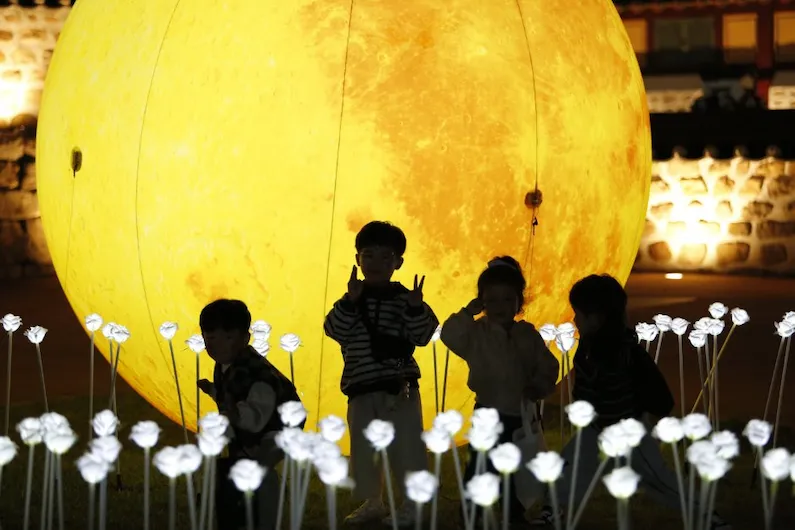
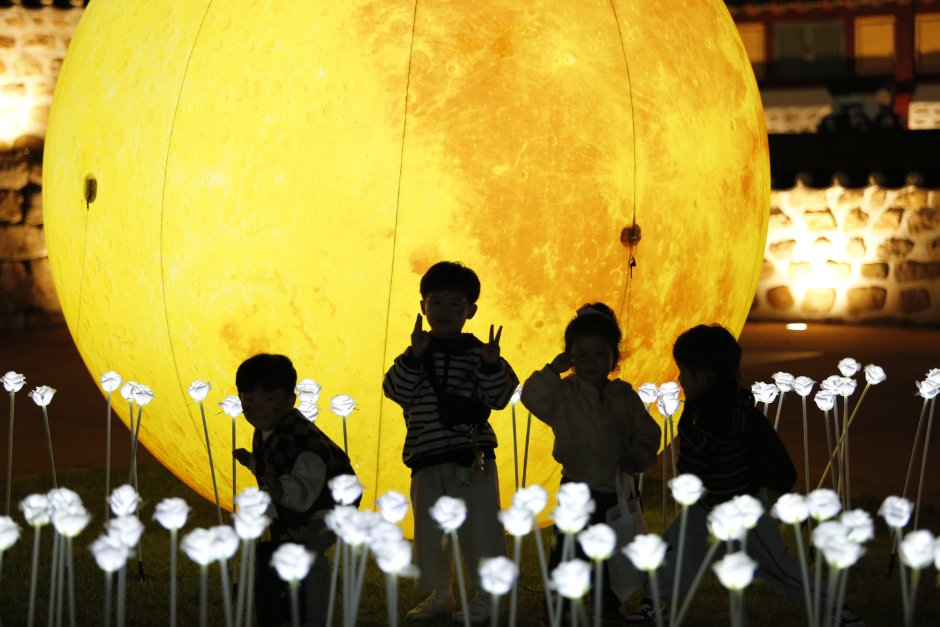
The 2026 Yangju National Heritage Night is a nighttime national heritage festival held around the Yangju Government Office site under the theme “Again, Guanmin Dongrak” (Joy Shared by Officials and People). Set against the backdrop of Yangju-mok during the Joseon Dynasty, the festival revives the spirit of “Guanmin Dongrak,” where the people and officials mingled and enjoyed themselves together, and connects the history and national heritage preserved in Yangju through performances, experiences, exhibitions, and nightscapes.
The festival consists of diverse content, including performances and experiences where Yangju’s representative intangible heritages—such as Yangju Byeolsandae Nori, Yangju So-nori Gut, Yangju Deul-norae, and Yangju Sangyeo-wa Hoedaji-sori—can be encountered in one place, as well as historical programs based on King Jeongjo and Yangju-mok, civil service exam experiences, traditional culture experiences, nighttime tours, media exhibitions, traditional teahouses, and a marketplace.
A key feature is that visitors do not simply view the national heritage of Yangju, but instead become characters in the stories themselves, experiencing and participating to collectively complete the meaning of “Guanmin Dongrak.” Walking through the night of Yangju-mok along the “8 Nights” programs—Night View, Night Path, Night Story, Night History, Night Flower, Night Meal, Night Stay, and Night Market—the history, people, and traditional culture of Yangju connect as a single story within the beautiful night scenery. It is a festival where one can fully enjoy the unique national heritage and elegance of Yangju on a special night where the past and present meet.
The 8 Nights of Yangju-mok
The “8 Nights” structure is the organizing principle of the festival. Each theme corresponds to a different way of experiencing the night—scenery, walking routes, storytelling, history, flowers, meals, rest, and market culture. Visitors can follow a single thread or move between themes, letting the evening unfold at their own pace.
Program Highlights
1. Main Program: Yangju’s Heritage, Captured in One Frame
The main program gives the festival its centerpiece, presenting Yangju’s heritage as a unified display rather than a collection of separate acts. The city’s intangible cultural assets, the legacy of Yangju-mok, and the theme of “Guanmin Dongrak” converge in a single frame—an experience designed for both first-time visitors and those already familiar with Yangju’s history.
2. Side Programs
The side programs approach the night from multiple angles, keeping the festival in motion after dark. Each one invites visitors to participate rather than simply spectate, in keeping with the spirit of “Guanmin Dongrak.” The five side programs are:
- Officials and People, Light Up the Night
- Let’s Play with Excitement
- Enjoying the Elegance of Guanmin Dongrak
- People of Yangju-mok
- Walking Through the Time of Yangju-mok
3. Consumer Participation Programs
The consumer participation programs form the interactive core of the festival, where the line between audience and performer disappears. Visitors answer questions, follow historical narratives, and take part in a stay experience at the Yangju-mok Government Office. The programs are:
- Yangju-mok Quiz
- Into History
- Five-Senses Satisfaction Yangju-mok
- Yangju-mok: Climate Change and the Wise Heritage of Ancestors
- Yangju-mok Academy
- Yangju-mok Government Office Stay Experience
4. Food and Drink
Two spaces anchor the festival’s food and drink offerings. The Willow Teahouse offers a traditional teahouse experience, while the Marketplace Plaza gathers food and drink options in a market setting—a fitting counterpart to the communal spirit of “Guanmin Dongrak.”
Visitor Information
📍 Address: 15 Buheung-ro 1399beon-gil, Yangju-si, Gyeonggi-do (Yuyang-dong)
🛏️ Accommodation Near the Event
💰 Fee: Free (Some experience booths have a fee)
📞 Inquiry: 031-8082-5673
⭐️ Instagram: https://www.instagram.com/yangju_light/
What is the Joseon Dynasty?
The Joseon Dynasty ruled the Korean peninsula from 1392 to 1897. It was founded by General Yi Seong-gye, who moved the capital from Gaegyeong (modern Gaeseong) to Hanyang, now Seoul. Joseon replaced the Goryeo Dynasty and established a Confucian state that lasted more than five centuries.
Under Joseon, the Korean state adopted Neo-Confucian principles as the basis for governance, law, and social order. The civil service examination system selected officials on merit, and scholarship was highly valued. The dynasty also produced significant scientific and cultural works. King Sejong the Great, who reigned from 1418 to 1450, commissioned scholars to develop Hangul, the Korean alphabet, to improve literacy among commoners who found Classical Chinese difficult to learn. The period also saw the construction of major palaces, fortresses, royal tombs, and shrines in and around Seoul; many of these survive as designated heritage sites.
Joseon customs and institutions continued to shape Korean society long after the dynasty ended. Court music, ceremonial dress, Confucian rituals, and seasonal traditions remain central to South Korea’s cultural heritage. The Yangju National Heritage Night Walk uses this historical material directly: its performances, lantern displays, and processions are based on documented Joseon court and folk practices. For attendees, the event offers a way to see how Joseon-era spaces were designed to be used, rather than simply a setting for entertainment.
