
Busanjin-gu Jeonpo Saitgil Beer Festival
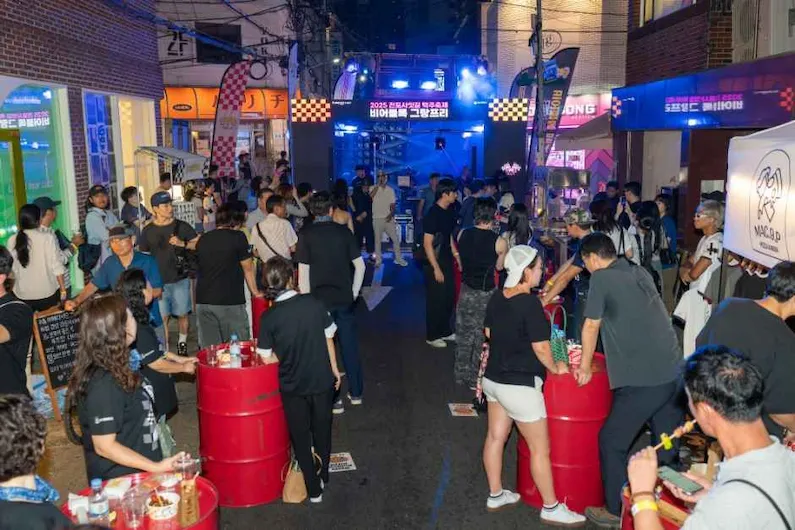
The Beer Road Festival Jeonpo Saitgil returns for its third edition on August 28–29, 2026. Blending the distinct alleyway sensibility of Jeonpo Saitgil with a free street culture, this local festival is designed to attract domestic and international tourists with diverse tourism content that highlights the charm of individual alleyways, while branding Jeonpo as a global tourism attraction.
What sets the festival apart is its focus on the alleyway itself. Rather than a conventional beer festival, this one is rooted in the atmosphere of Jeonpo Saitgil’s streets. The main stage will bring together DJ booth performances to heighten the mood, a passionate Bachata party, and opportunities for the audience to join in directly. Lively side programs, including street dance, round out the entertainment.
Programs at a Glance
- Main Program: DJ Performance
- Side Programs: Bachata, Street Dance
- Consumer Participation Programs: Arm Wrestling, Beer Strong
- Other Details: Open Deck for amateur DJs
Beer and Food Lounges
The festival also places a strong emphasis on lounging. The Beer & Food Lounge features standing drum-barrel tables, beer machines, and food booths, providing refreshing drinks and a variety of eats. Meanwhile, the Craft Beer Lounge adds emotional floor tables and dedicated DJ music, creating a more relaxed setting for tasting Busan’s special craft beers. Together, the two spaces offer plenty of room to enjoy both taste and relaxation.
Visitor Information
- 🗓️ Dates: 2026.08.28 ~ 2026.08.29
- 📍 Address: Seojeon-ro 58beon-gil, Busanjin-gu, Busan
- 🛏️ Accommodations near the event
- 💰 Fee: Free
- 📞 Inquiry: 051-605-4526
- ⭐️ Instagram: https://www.instagram.com/meditour_sms/
- 🖥️ Homepage: https://litt.ly/timingus?ref=qr.litt.ly
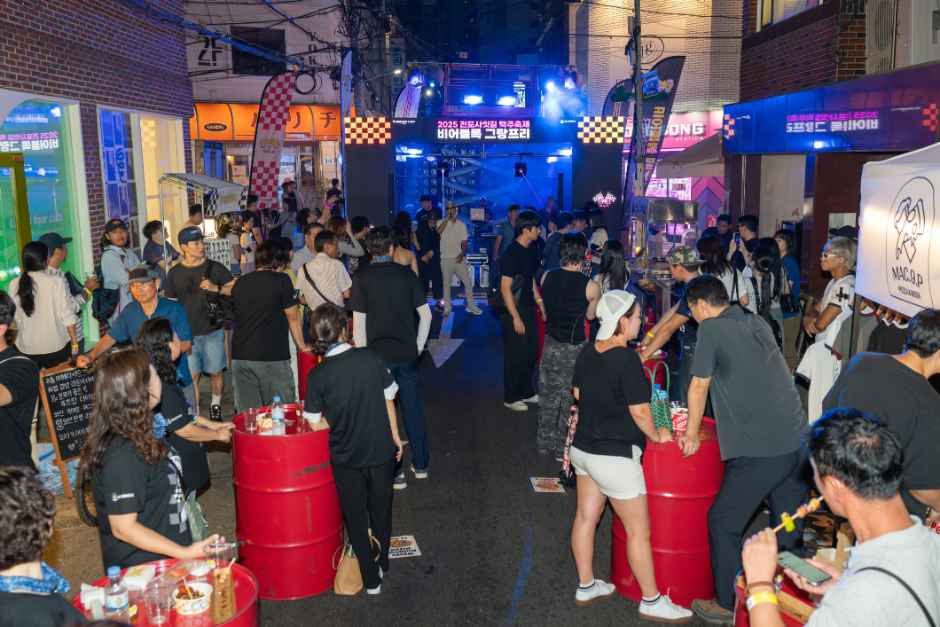
Jeonpo Saitgil is a pedestrian-oriented alley district in Busanjin-gu, Busan, located near Jeonpo Station between two main roads. The name means “the road in between,” and the area originally served as a shortcut connecting those thoroughfares. Since then, the narrow streets have accumulated a dense mix of independent businesses—craft beer bars, pubs, cafes, and restaurants—and have become a regular meeting place for locals and visitors.
The area is marked by older low-rise buildings, many of which have been renovated with exposed brick, industrial fixtures, and murals. The streets are narrow enough that cars are less disruptive than on main avenues, and the scale makes walking from one venue to another easy. During the day, the clientele is mostly coffee drinkers and people working from laptops; in the evening, the same spaces fill with patrons drinking domestic craft beer and imported selections. The concentration of microbreweries and beer specialists has given the neighborhood the nickname “Beer Road,” but food options are not limited to bar snacks—several restaurants serve full meals, and the cafes operate independently of the alcohol trade.
The district also functions as a venue for local culture. Performances and small markets appear in the alleys on a rotating basis, and business owners frequently collaborate on seasonal events. The annual Beer Festival is the largest of these, with outdoor seating, food stalls, and temporary stages set up along the lanes. The festival draws a larger crowd than usual, but the basic layout remains the same: a contained set of blocks where visitors can sample beer, eat, and move between indoor and outdoor spaces. Because it mixes small-scale commercial development with public programming, Jeonpo Saitgil is a useful example of how older residential areas can be adapted rather than replaced.
