Namba Unkai 2026 at Namba Parks, Osaka: A Complete Guide to the Sea of Clouds Experience

Namba Unkai 2026 at Namba Parks, Osaka: A Complete Guide to the Sea of Clouds Experience

Namba Unkai (Sea of Clouds)

Namba Unkai sea of clouds

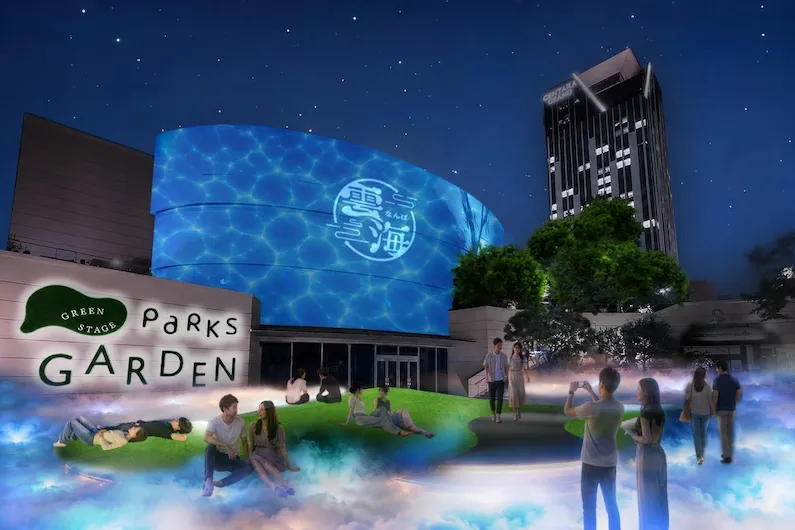
“Namba Unkai,” an immersive event where the entire “Parks Garden” rooftop garden of Namba Parks is enveloped in a mystical sea of clouds, will be held for the first time. The name “Unkai” is the Japanese term for the sea of clouds seen from mountain summits; this event recreates that effect using mist and lighting, high above the streets of Osaka.

Namba Parks, in Osaka’s Naniwa Ward, is a complex whose rooftop garden rises in terraces from the 2nd to the 8th floor. The event uses that vertical layout to create a journey: instead of one static display, the sea of clouds takes on different forms as visitors move upward.

From 17:30 to 22:00, performances using mist and lighting take place at 00 and 30 minutes past every hour. The mist drifts through the garden, lit so that the surrounding city disappears from view, leaving the impression of standing above a layer of clouds.

The Sea of Clouds Stroll (#UnkaiSanpo)

The heart of the event is the “#UnkaiSanpo” (Sea of Clouds Stroll). Visitors explore six different seas of clouds, each changing expression as they move from the 2nd to the 8th floor. Every level presents a different atmosphere, and the character of the cloud sea shifts as you climb.

Super Unkai Time

Every day at 21:00, the “Super Unkai Time” takes place: the sea of clouds occurs simultaneously across all areas of the garden, enveloping the entire rooftop at once. This spectacle can be seen only once a day and lasts for approximately 3 minutes.

Oboro Lantern Rentals

To complete the nighttime atmosphere, original “Oboro Lanterns” are available for paid rental. “Oboro” denotes the hazy, blurred quality of light in Japanese, and the lanterns produce exactly that kind of soft, diffusing glow. The rental fee is 500 yen, and reservations are made in advance through the event website.

Namba Unkai mist and lighting

Family DAY during Silver Week

On 9/22 (Tue/Holiday) and 9/23 (Wed/Holiday), during the Silver Week holidays, a “Family DAY” will be held for two days only. On these days, the sea of clouds will also occur during the daytime: from 11:00 to 22:00, mist will be generated sequentially from the 2nd floor, every hour at 00 and 30 minutes. “Super Unkai Time” will be held twice, at 14:00 and 21:00, giving daytime visitors the chance to experience the simultaneous cloud sea as well.

Event Information

  • Event Period: 2026/8/28 (Fri) – 11/1 (Sun)
  • Event Time: 17:30 – 22:00 (*On 9/22 and 23 only, also held from 11:00 – 22:00)
  • Event Location: Namba Parks Parks Garden 2nd to 8th Floors (2-10-70 Nambanaka, Naniwa-ku, Osaka City)
  • Fee: Free (*Original lantern rental is 500 yen / WEB advance reservation system)
  • Inquiries: 06-6644-7100
  • Website: nambaparks.com/nambaunkai

🛏️ View hotels near the event

What is Namba Parks?

Namba Parks is a mixed-use complex in Osaka’s Namba district, built directly above Nankai Railway’s Namba Station. It was completed in two phases, in 2003 and 2007, on the site of the former Osaka Stadium. The architect, Jon Jerde, designed it as a series of terraces that step up from the street and support a large, publicly accessible rooftop garden.

That garden is the defining part of the project. It spans several levels and contains walking paths, lawns, seasonal planting, and water features. Because the terraces are staggered, the garden can be entered from more than one floor of the building. Jerde described the form as a canyon: the facades are treated like rock walls, and the open spaces recede as they rise. The result is a structure that reads as landscape as much as building, but the effect is achieved through consistent design details rather than a single dramatic element.

The lower floors hold the commercial parts of the complex: shops, restaurants and cafés, a cinema, event spaces, and a health club. A multi-level atrium organizes the interior, and the upper shopping floors open onto the garden terraces, so visitors can move between shopping and open air without going back to street level. An office tower rises above the first phase, and the later phase added more retail and leisure floor space.

The connection to Nankai Namba Station is direct, and the Nankai Airport Express stops there. Travelers from Kansai International Airport can reach the garden within the building before continuing to other parts of the city. For residents, it offers a route through the district that does not begin and end at ground level.

During the Namba Unkai event, the same garden is used for a temporary installation: fog generators produce a low cloud layer that settles among the plants and pathways. Visitors can walk through the mist, and the event gives the rooftop the appearance of a “sea of clouds.” When the event ends, the garden returns to its normal use as a planted public space.
5th Fermentation Market – Koji/KOJI 2026 in Osaka: Sake, Koji Workshops, and Hiraku Ogura’s New Book on Japanese Fermentation

5th Fermentation Market – Koji/KOJI 2026 in Osaka: Sake, Koji Workshops, and Hiraku Ogura’s New Book on Japanese Fermentation

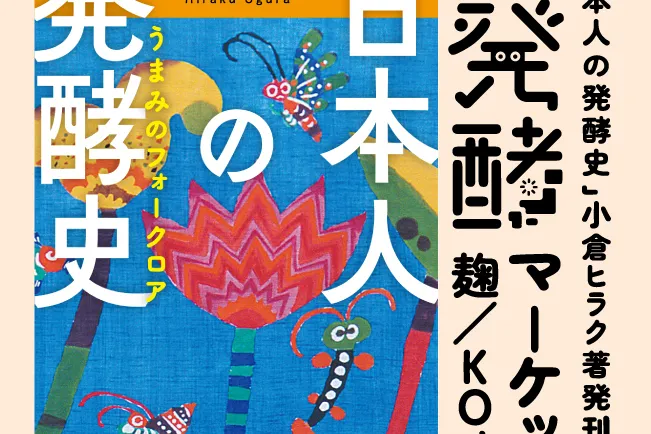
Commemorating the Publication of “The History of Japanese Fermentation” by Hiraku Ogura: The 5th Fermentation Market – Koji/KOJI: Books, Fermentation, and a “Naorai” Drinking Party + Aoyama Book Center Pop-Up

Main Event Image

Fermentation has evolved into a cornerstone of contemporary food culture, moving beyond simple preservation to become a subject of culinary and academic interest. The 5th Fermentation Market, themed around “Naorai”—a traditional Japanese banquet culture where participants gather to eat and drink after a religious ritual—seeks to translate this heritage into a modern experiential event. Visitors can engage with the culture through five senses, participating in koji-making workshops and attending drinking parties focused on craft sake hosted by fermentation designer Hiraku Ogura. The event further integrates literature and regional specialty foods through a dedicated Aoyama Book Center pop-up and a curated selection of fermented products from across Japan.

Event Detail Image

Featured Presenter: Hiraku Ogura

The event is centered around the work of fermentation designer Hiraku Ogura, who will publish his latest book, “History of Fermentation of the Japanese People,” on Tuesday, August 25. This work presents a unique food culture theory that examines the development of Japanese cuisine through the lenses of “Shinsen” (offerings made to the gods) and the biological process of fermentation.

To provide a tangible application of these theories, a “Fermentation BAR” will be established at the venue. This space allows attendees to experience Japanese food culture in a realistic setting, with a particular emphasis on “craft sake” brewed from rice.

🎁 A giveaway campaign to win a copy of “History of Fermentation of the Japanese People” is currently active on the official Osaka Schedule X account; interested participants may enter here.

Fermentation Department Image

Regional Fermented Foods via the “Fermentation Department”

The “Fermentation Department,” a specialty shop located in Shimokitazawa, Tokyo, and owned by Hiraku Ogura, will return to the market this year. The shop will curate a selection of fermented products gathered from various regions of Japan, offering a lineup of seasonings and foods that the staff highly recommend for their unique flavor profiles. In coordination with the book “Japan Fermentation Travelogue,” the exhibition will specifically highlight products from Niigata, including salmon, kanzuri, and amazake.

Activities Image

Programming: Drinking Parties, Talks, and Workshops

The event schedule includes a variety of interactive and intellectual highlights designed to broaden the visitor’s understanding of fermentation. These include:

  • Fermentation Drinking Parties: Hosted by Hiraku Ogura, these sessions focus on the social and cultural aspects of craft beverages.
  • Interdisciplinary Talk Events: A series of discussions featuring a diverse array of experts—including university professors, brewery proprietresses, Shinto priests, and musicians—to explore fermentation from multiple perspectives.
  • Koji-making Workshops: Hands-on sessions led by professionals for those wishing to learn the technical aspects of koji production.

The complete event schedule can be viewed here.


Event Logistics

🛏️ View hotels near the event

Koji is the common name for the fungus Aspergillus oryzae, which has been used in Japanese food production for centuries. It is not eaten by itself, but is grown on steamed rice, barley, soybeans, or other grains to create a base for fermented foods. The grain is inoculated with spores and kept in a warm, humid environment for roughly two days while the mold grows and releases enzymes. Amylases break down starches into sugars, and proteases break down proteins into amino acids. These chemical changes are what allow sake to ferment, give soy sauce its savory character, and produce the flavor and texture of miso. The same process is also used for mirin, rice vinegar, and shio-koji, a salted koji preparation used as a marinade for meat and fish. In shio-koji, the enzymes act directly on proteins, which can tenderize food and bring out a mild, rounded savoriness. Aspergillus oryzae is considered safe for food use and, unlike some other molds, does not produce toxins under normal cultivation conditions. Its role is straightforward: it provides the enzymes that many Japanese pantry staples depend on.

Ikeda Gan’gara Fire Festival 2026: Experience the Mystical Torch Parade and Great ‘Dai’ Character Lighting

Ikeda Gan'gara Fire Festival 2026: Experience the Mystical Torch Parade and Great 'Dai' Character Lighting

Gan’gara Fire Festival: Lighting of the Great ‘Dai’ Character and Daimonji Lantern Offering Event

Gan'gara Fire Festival scene

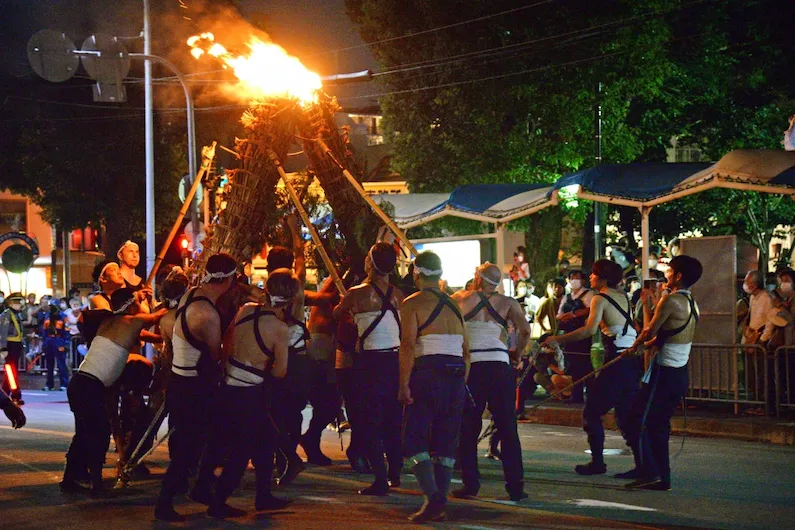
The Gan’gara Fire Festival is a summer tradition in Ikeda, held every year on August 24th. It is a representative traditional fire festival of Northern Osaka (Hokusetsu), said to have begun in the first year of the Shoho era (1644) in the Edo period, when it was first held to pray for household safety and protection against fire disasters. The festival is now designated as an intangible folk cultural property of the prefecture.

Gan'gara Fire Festival torches

The evening opens with the lighting of the character fires “Dai-Ichi” (Large One) and “Dai” (Large) on the southern slope of Mount Gokaku. After the mountain characters are set alight, pairs of giant torches—each about 4 meters tall and weighing around 100 kg—take to the streets alongside children’s torches. Accompanied by the sound of Hatcho-gong and hand-bells, participants move through the city with lively shouts of “Wasshoi, Wasshoi,” filling the town with a distinctly mystical energy.

The festival is free to view, and the parade routes around Ikeda City Hall and below Gokaku-yama Park offer visitors a close look at the flames, the mountain-side characters, and the torch procession as it passes through the city.

Event details

🛏️ View hotels near the event

The Gan’gara Fire Festival is an annual winter rite in Ikeda, a mountain town in Fukui Prefecture, Japan. Residents light large wooden torches and carry them uphill to a sacred site, where the torches are stacked into the shape of the character 大 (dai, “great”). The name Gan’gara is thought to imitate the sound of wooden clappers and burning wood.

The ritual is meant to ask the local guardian deity for a good harvest, protection for the household, and the removal of misfortune. It has been conducted in some form for over four hundred years, and the basic elements of the night have changed little: torches weighing several hundred kilograms are set ablaze, then carried by teams of men along a steep path. At the top, workers arrange the burning poles into the large character. Once the last torch is placed, the character is visible from a distance, and the fire is allowed to burn through the night.

For spectators, the festival offers a chance to see a local religious tradition in a small community, rather than a staged spectacle. Attendance requires walking through snow and standing outside in winter temperatures, but the event draws a crowd each year. Visitors can watch the preparations as early afternoon begins, when the framework for the character is laid out, and the lighting starts only after dusk.

Midnight Jun Club 2026 at Junkudo Bookstore: Experience an All-Night Literary Journey in Osaka, Ikebukuro, and Naha

Midnight Jun Club 2026 at Junkudo Bookstore: Experience an All-Night Literary Journey in Osaka, Ikebukuro, and Naha

Midnight Jun Club

Midnight Jun Club key visual

To commemorate the 50th anniversary of Junkudo Bookstore’s founding, the all-night event “Midnight Jun Club” will be held simultaneously at three stores: Junkudo Bookstore Ikebukuro Main Store, Osaka Main Store, and Naha Store. As a special edition of the “Trying Living in Maruzen Junkudo Tour,” the event opens bookstores after closing—a setting where visitors normally cannot stay—for a slow, unhurried night of selecting books or reading until morning. In addition to the browsing time, the schedule includes book-related programs such as talks by authors and editors, bookstore clerk experiences, workshops, and reading groups.

Midnight Jun Club Osaka Main Store timetable

Osaka Venue Programs (Examples)

21:00–21:40 / 50 Questions for Yukito Ayatsuji and Arisugawa Arisu

Authors Yukito Ayatsuji and Arisugawa Arisu will answer 50 questions covering books, mysteries, and the 50th anniversary of Junkudo Bookstore’s founding.

22:30–23:20 / Masahiko Kishi × Tomoka Shibasaki: “Osaka” Talk Show After 5 Years

Sociologist Masahiko Kishi and author Tomoka Shibasaki co-authored the book “Osaka” in 2021. A commemorative talk for the publication was planned at the time but could not be realized due to social conditions. Five years later, the two will finally hold that conversation: an “Osaka” talk that spans episodes from the writing process and their current thoughts on the city.

0:50–2:20 / Film Directors’ Late-Night Talk: Books and Movies Edition

At the invitation of Takashi Miura—who works as a bookstore clerk at Junkudo Bookstore Osaka Main Store while also active as a film director—film directors associated with Osaka will gather in one place. The lineup includes directors Teppei Isobe, Koji Nishio, Takuya Ohrikata, and Takashi Miura.

Three-Store Cross-Cutting Project: Silent Reading Group

A “Midnight Secret Reading Group” connecting the three cities of Ikebukuro, Osaka, and Naha will also be held. The format is a silent reading group, so conversation between participants is unnecessary. The common reading is Paul Auster’s masterpiece “City of Glass,” and the night setting gives participants a chance to share a special reading experience by empathizing with the protagonist, who wanders through a labyrinthine city after receiving a midnight phone call.

Event Information

  • Participating Stores: Junkudo Bookstore Ikebukuro Main Store, Osaka Main Store, and Naha Store
  • Holding Period: Saturday, August 22 and Sunday, August 23, 2026
  • Holding Time: From 21:00 on the 22nd (Sat) to 6:00 on the 23rd (Sun)
  • Holding Location (Osaka): Junkudo Bookstore Osaka Main Store (Dojima Avanza 2nd–3rd Floor, 1-6-20 Dojima, Kita-ku, Osaka City)

Tickets

Standard Tickets

  • Admission Ticket: 3,500 yen
  • Admission Ticket + Digital Gift Voucher (worth 2,000 yen): 5,000 yen

Junkudo Bookstore Support Supporter Tickets

  • Admission Ticket: 3,150 yen
  • Admission Ticket + Digital Gift Voucher (worth 2,000 yen): 4,700 yen

Admission Ticket + Chapters Matching

  • Admission Ticket + Lottery-based Paid Ticket (Chapters Matching Event 3,000 yen): 6,500 yen

Lottery Schedule

Admission Tickets / Paid Project Tickets

  • Lottery Application Start: Monday, June 15, 2026, 12:00
  • Lottery Application End: Sunday, June 28, 2026, 23:59
  • Lottery Results Announcement: Around Thursday, July 2, 2026, 18:00

Free Project Tickets

  • Lottery Application Start: Monday, July 6, 2026, 12:00
  • Lottery Application End: Wednesday, July 15, 2026, 23:59

This event will be held during the night/early morning (planned from 21:00 to 6:00 the next morning). At the time of purchase, it is mandatory to check “being 18 years of age or older” and “agreeing to participate in the night event.” Please note that minors cannot participate.

Website: junkudo.co.jp/midnight
The Osaka venue lineup is here
X Account / Instagram Account

🛏️ View hotels near the event

Junkudo is a Japanese bookstore chain with large, multi-floor locations that stock a broad range of titles, including bestsellers, academic works, manga, magazines, and imported books. The stores are organized for extended browsing, with reading areas and clear categorization. The chain has operated for decades and has expanded across Japan.

Its flagship stores—for example, in Ikebukuro, Osaka’s Umeda district, and Naha in Okinawa—differ in layout and atmosphere but share the same basic approach: wide inventory and practical shelving. The Ikebukuro location is one of the largest bookstores in the country, with several floors of new and used books. The Umeda store focuses on a dense urban shopping environment, while the Naha store serves a regional audience with a mix of local and national titles.

Junkudo also handles special orders for out-of-print or niche publications, and its staff are trained to help locate specific editions. The chain’s business model relies on volume and turnover rather than curated boutique selection. This makes it a reliable place for readers who want to browse a wide range of genres without a specific purchase in mind. The stores are also used for events, including readings and community gatherings, as they have space and infrastructure for such activities. One example is Midnight Jun Club, an overnight event that combines reading sessions, discussions, and practical workshops. The event is open to all ages and is designed to encourage sustained reading in a group setting. While Junkudo is not unique in hosting such events, its scale and floor space make it a practical venue for them.

Hanshin Spice Curry Expo 2026 in Osaka: Taste Japan’s Best Regional Curries in One Place

Hanshin Spice Curry Expo 2026 in Osaka: Taste Japan's Best Regional Curries in One Place

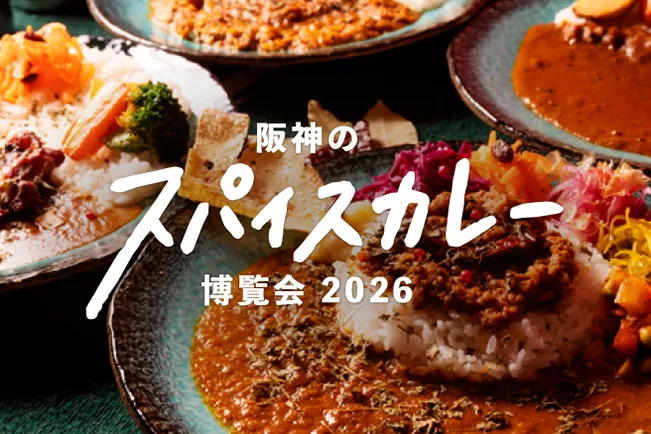
Hanshin Spice Curry Expo 2026

Hanshin Spice Curry Expo 2026

Spice curry has grown out of Osaka’s free-thinking food culture into a style that now reaches across Japan. From August 19 to 24, 2026, 15 famous spice curry shops from Kansai, Hokkaido, Okinawa, and Tokyo will gather at the Shokusai Terrace on the 1st floor of the Hanshin Umeda Main Store. The event offers a rare chance to sample regional curry approaches in one place, without traveling beyond Umeda.

Takashi Matsumura, editor-in-chief of IN/SECTS, serves as the event’s super presenter. Known for local-culture publications such as How to Make Kansai Spice Curry, he is well suited to an expo that emphasizes regional character and the wide range of spice curry interpretations now thriving across the country.

What makes this expo special

The main draw is the rotation. Shops from four different areas will be completely swapped out every two days, which means visitors on different days will encounter entirely different lineups. That creates a once-in-a-lifetime opportunity to taste a broad spectrum of spice curry styles within a single event, from Kansai staples to shops based as far away as Hokkaido and Okinawa.

For anyone caught up in the recent spice curry making boom, the expo will also feature beginner-friendly spice kits and recipe books. These make it easy to recreate the experience at home and keep experimenting long after the event ends. Whether you are there to eat on the spot or to stock up for your own kitchen, the expo is designed for a deep spice life.

Curries and spice kits from each shop will be available until they are sold out.

Event details

🛏️ View hotels near the event

What are Japan’s regional curries?

Japan’s regional curries are local versions of Japanese curry, adapted to the ingredients, climate, and eating habits of their home areas. Standard Japanese curry is a thick stew made from a roux of flour, fat, and curry powder, usually served with rice. Regional varieties keep that base but change the broth, toppings, or side dishes.

In Hokkaido, soup curry replaces the thick roux with a lighter broth. It is served in a bowl with large vegetables and often a whole chicken leg, and is eaten with a spoon rather than poured over rice. In Yokohama, navy curry comes from a recipe served on Imperial Navy vessels. It uses a rich roux and a spice-heavy mix, and is traditionally accompanied by pickles.

Nagoya has a sweet-savory style known as koko curry, sometimes made with local miso and served with a breaded pork cutlet. Kanazawa curry is a dark, thick variety with a pronounced spice heat. It is normally served with tonkatsu, shredded cabbage, and a roux dark enough to coat each piece of meat.

Other regional versions use local seafood and produce. Hiroshima curry includes oysters from nearby waters. Kōchi adds shijimi clams. Fukuoka serves curry as a broth over udon noodles. Okinawa’s taco rice, developed under American military influence, replaces the usual curry-and-rice bowl with seasoned ground beef over rice, topped with lettuce, tomato, and cheese.

These versions differ in preparation and ingredients, but they are all sold as regional specialities. The Hanshin Spice Curry Expo 2026 in Osaka will bring a selection of them together in one venue, allowing visitors to compare the styles without traveling between prefectures.

SUMMER LOUNGE MEIJI PARK 2026 Powered by Corona: Tokyo’s Outdoor Beer Garden with Nebukuro Cinema Screenings

SUMMER LOUNGE MEIJI PARK 2026 Powered by Corona: Tokyo's Outdoor Beer Garden with Nebukuro Cinema Screenings

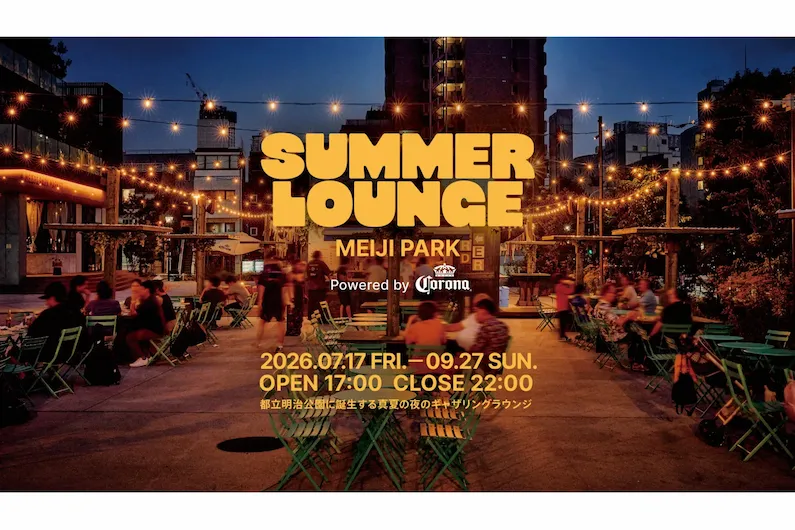
SUMMER LOUNGE MEIJI PARK Powered by Corona

A summer moment to enjoy one of Japan’s largest movie events and beer in the middle of the city!

At this event, a beer garden where you can enjoy drinks and food will be set up in an open-air lounge full of a sense of liberation. Additionally, special screenings by the popular outdoor movie event “Nebukuro Cinema” are scheduled to take place over a period of more than 40 days, making it one of the largest in Japan (*). You can forget the hustle and bustle of the city and enjoy an extraordinary summer experience.

The venue is Tokyo Metropolitan Meiji Park, a green space in central Tokyo that is accessible on foot from four different stations, so the event is easy to fit into an evening after work or as part of a weekend plan.

*One of the largest number of days held as an outdoor movie screening event in Japan (Survey by Tokyo Legacy Parks Co., Ltd.)

◆ The limited-time outdoor beer lounge returns this year!

A lounge featuring tables, chairs, and lighting effects will appear again this year in a space surrounded by the greenery of Meiji Park. In addition to drinks from sponsoring companies, new food menus have been added to make the experience even more substantial. It is an “everyone’s beer garden” that can be enjoyed by anyone, whether visiting with friends, family, or colleagues.

The lounge is open from 17:00 to 22:00, with last order at 21:40, giving visitors time to relax as the evening progresses. The lighting effects become part of the atmosphere once the sun sets, and the open-air setting keeps things comfortable through the summer months.

In addition to the beer lounge, the “Corona Sunsets Truck” will appear this year, offering drinks such as Corona beer and food that pairs perfectly with them. A space that refreshes the spirit will be created, primarily during sunset times from Friday through the weekend. Food that goes well with Corona beer and the non-alcoholic beer Corona Cero will also be provided, allowing you to enjoy a pleasant outdoor meal.

◆ This year’s “Nebukuro Cinema” will be a long-run event of over 40 days, making it one of the largest outdoor night cinema events in Japan! A lineup of masterpieces and hot topics that everyone can enjoy!

The popular outdoor movie event “Nebukuro Cinema” will be held simultaneously again this year! Masterpieces and hot topics from Western films, Japanese films, and anime that everyone from adults to children can enjoy are scheduled to be presented over a period of more than 40 days, which is one of the largest in Japan.

The format combines a large outdoor screen with the relaxed setting of the park, so visitors can watch a film while enjoying a drink and the evening air. The long run also means the program has room for a broad mix of titles, covering a range of genres and audiences.

◆ Special content during the period: Every Tuesday, run together and toast with beer! “Run & Beer”

As a collaboration event with the Tokyo Metropolitan Meiji Park running community “Runner’s Park Tokyo,” “Run & Beer” will be held again this year. After running, non-alcoholic beer Corona Cero will be provided for free! A plan to refresh both mind and body is prepared.

The event pairs a group run through the park with a toast afterward, making it a good option for runners who also want to enjoy the lounge atmosphere. Since the drink provided is Corona Cero, participants can take part without drinking alcohol. The event takes place on eight Tuesdays from July through September.

Dates: July 21 (Tue), 28 (Tue), August 4 (Tue), 18 (Tue), 25 (Tue), September 1 (Tue), 8 (Tue), 15 (Tue)
*Implementation details are subject to change.

Basic Info

  • Location / Nearest Stations
    Tokyo Metropolitan Meiji Park
    Kokuritsu-Kyogijo Station (9 min walk) / Gaienmae Station (9 min walk) / Sendagaya Station (10 min walk) / Shinanomachi Station (13 min walk)
  • Address
    〒160-0013
    Kasumigaokacho-nai and others, Shinjuku-ku, Tokyo
    MAP
  • Period
    2026/07/17 (Fri) ~ 2026/09/27 (Sun)
  • Time
    Start 17:00 / End 22:00
    Last order 21:40
  • Official Website
    https://meijipark-summer-lounge.com/

*The posted content may have changed. Please check the official website of the venue or organizer for the latest information.
🛏️ View hotels near Tokyo

SUMMER LOUNGE MEIJI PARK Powered by Corona_1 SUMMER LOUNGE MEIJI PARK Powered by Corona_2 SUMMER LOUNGE MEIJI PARK Powered by Corona_3 SUMMER LOUNGE MEIJI PARK Powered by Corona_4 SUMMER LOUNGE MEIJI PARK Powered by Corona_5 SUMMER LOUNGE MEIJI PARK Powered by Corona_6 SUMMER LOUNGE MEIJI PARK Powered by Corona_7 SUMMER LOUNGE MEIJI PARK Powered by Corona_8 SUMMER LOUNGE MEIJI PARK Powered by Corona_9 SUMMER LOUNGE MEIJI PARK Powered by Corona_10 SUMMER LOUNGE MEIJI PARK Powered by Corona_11 SUMMER LOUNGE MEIJI PARK Powered by Corona_12 SUMMER LOUNGE MEIJI PARK Powered by Corona_13 SUMMER LOUNGE MEIJI PARK Powered by Corona_14 SUMMER LOUNGE MEIJI PARK Powered by Corona_15 SUMMER LOUNGE MEIJI PARK Powered by Corona_16 SUMMER LOUNGE MEIJI PARK Powered by Corona_17 SUMMER LOUNGE MEIJI PARK Powered by Corona_18 SUMMER LOUNGE MEIJI PARK Powered by Corona_19

What is Nebukuro Cinema?

Nebukuro Cinema is an outdoor film screening with sleeping bags instead of seats. The name comes from the Japanese word nebukuro (寝袋), meaning “sleeping bag.” The setup is straightforward: an open-air space with low lighting, bedding on the ground, and a screen set up at one end. Viewers choose where to lie down—inside a sleeping bag, on a mat, or directly on the grass—and watch the film from there.

The event is part of SUMMER LOUNGE MEIJI PARK 2026 Powered by Corona. It takes place in Meiji Park on summer evenings. The program consists of classic films, shown on a large screen. Corona is available to drink. Because the venue is outdoors, the experience is closer to camping than to a standard cinema: there is no assigned seating, the temperature drops as the night goes on, and the surrounding park remains visible around the edges of the screening area. The absence of chairs is not a novelty; it changes the basic relationship between viewer and film. Watching from a sleeping bag is comfortable, but it also makes the event a practical outdoor activity rather than a purely cinematic one.

Odaiba Bamboo Lantern Festival 2026: Experience Fantastical Summer Lights and Family Fun in Tokyo

Odaiba Bamboo Lantern Festival 2026: Experience Fantastical Summer Lights and Family Fun in Tokyo

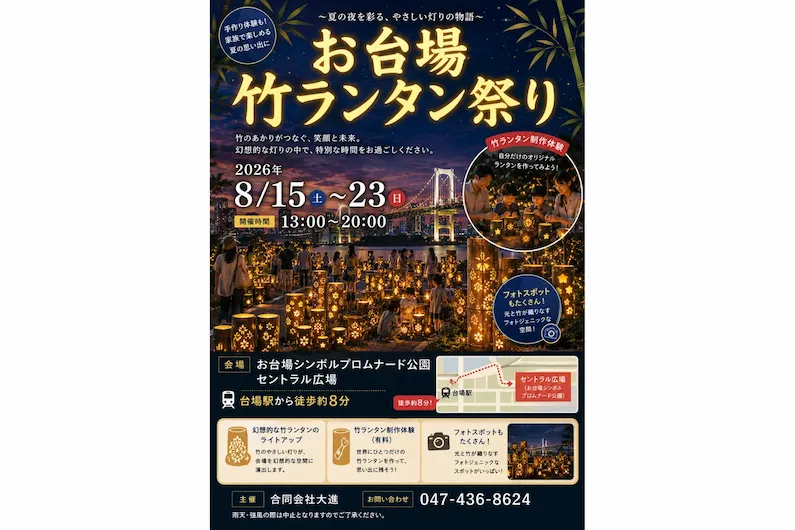
Odaiba Bamboo Lantern Festival

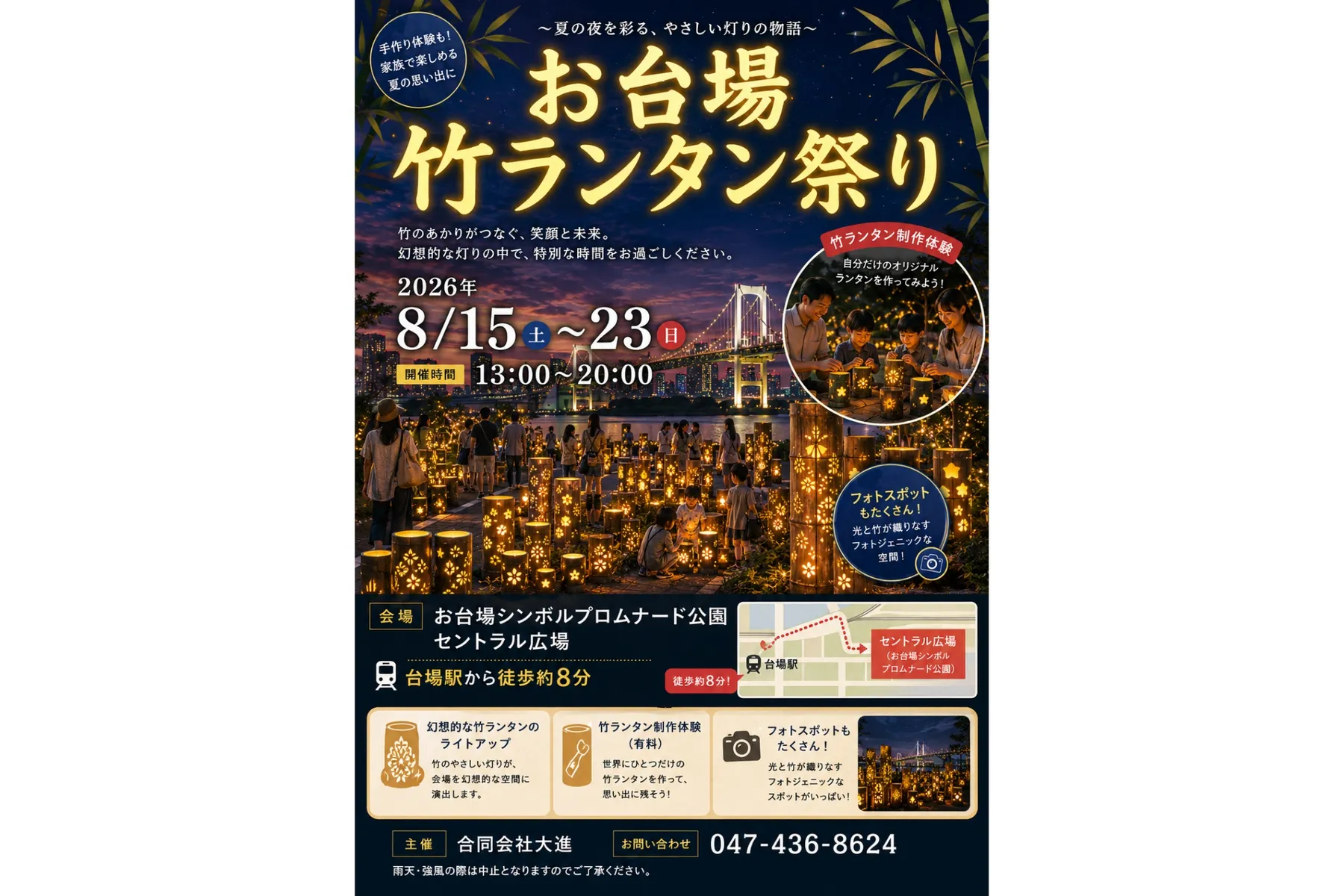
A story of gentle lights coloring the summer nights. This summer, fantastical bamboo lights will spread across Odaiba.

Soft light spilling from bamboo. Stars shining in the night sky. The sparkling night view of Odaiba. Countless bamboo lanterns enveloping the venue will color the usual Odaiba into a special space.

And the Odaiba Bamboo Lantern Festival is not just about gazing at bamboo lanterns. Play, eat, experience, and take photos. It is a special summer event that can be enjoyed from day to night together with your family, friends, and loved ones.

This summer, why not enjoy a fantastical moment that can only be experienced in Odaiba?

More than just lanterns

The festival takes over Symbol Promenade Park Central Square with a scene built around bamboo, a material with a long history in Japanese craft and culture. The lanterns are the centerpiece, but the event is designed as a full day out: children get their own play areas, families can work on crafts together, and everyone can eat, explore, and take photos without leaving the venue.

Inflatable Play Equipment

Inflatable play equipment will appear at the venue, giving children a place to play to their heart’s content. It adds an energetic option for younger visitors and balances the festival’s quieter, more contemplative evening activities.

Festival Stall Corner

The festival stall corner is full of exciting games unique to festivals. It brings the classic energy of a Japanese summer festival to Odaiba, where visitors can try games between lantern displays and food stops.

Workshops

Workshops are planned as memorable experiences that parents and children can enjoy together. They add a hands-on element to the visit, giving families a shared activity to take part in rather than just something to watch.

Bamboo Lantern Making Experience (Paid)

For a deeper connection to the event’s theme, the paid bamboo lantern making experience lets you make your own original bamboo lantern. You finish with a lantern you created yourself, a summer memory to take home.

Kitchen Cars and Food & Beverage Booths

Kitchen cars and food and beverage booths will be set up around the venue, offering delicious gourmet food. You can eat without leaving the festival, whether you want a quick bite between activities or a longer meal once the lanterns are lit.

Fantastical Photo Spots

There are also spaces surrounded by the gentle light of bamboo that will make you want to capture them in photos. These photo spots use the lanterns’ warm glow to create backdrops you won’t find at a typical illumination event.

From day to night

During the day, the focus is on the inflatable play equipment, festival stalls, workshops, and gourmet food. At night, the bamboo lanterns take center stage, their gentle light giving the venue a calmer atmosphere under the summer night sky.

*Please check the official website for details on the content.

Basic Information

Item Details
Location / Nearest Station Symbol Promenade Park Central Square / Tokyo International Cruise Terminal Station (6 min walk) / Daiba Station (8 min walk)
Address 〒135-0064 Aomi 1-chome, Koto-ku, Tokyo — MAP
Event Period 2026/08/15 (Sat) ~ 2026/08/23 (Sun)
Time Start 13:00 / End 20:00
Official Website https://www.tokyo-odaiba.net/event%5Flerning/bamboo%5Flantern%5Ffes2026/

*The published content may have changed. For the latest information, please check the official website of the venue or organizer.

🛏️ See hotels near Tokyo

Odaiba Bamboo Lantern Festival_1

Odaiba is an artificial district in Tokyo Bay, originally designed as a defensive position and later redeveloped as a commercial and leisure area. The first fortifications were built in the 1850s by the Tokugawa shogunate, and additional land was created over the following decades. Today, the district is connected to central Tokyo by the Rainbow Bridge and the Yurikamome automated transit line. Its layout is unusual for the city: broad walkways, open plazas, and buildings arranged around the waterfront rather than packed into narrow blocks.

Most of the current development dates from the 1990s and 2000s. The main commercial centers are Aqua City and DiverCity, which combine shopping, restaurants, and entertainment. DiverCity is also home to a full-scale Unicorn Gundam statue. The area has several indoor theme parks and two large digital-art exhibitions, teamLab Planets and teamLab Borderless. The waterfront parks and artificial beach are used for walking, picnics, and occasional events. In this sense, Odaiba functions less as a conventional neighborhood than as a managed environment for tourism and recreation.

The district’s open spaces also make it a practical site for large gatherings. The Odaiba Bamboo Lantern Festival is one example. Held in the summer, it places thousands of bamboo lanterns along paths and plazas near the bay. The high-rises and the illuminated Rainbow Bridge provide a backdrop, but the festival does not rely on drama or spectacle. It works because the island’s generous open areas give the lanterns room to be seen and the event remains legible even for a first-time visitor. Odaiba is not a subtle recreation of an older Tokyo; it is a deliberately planned district whose appeal depends on scale, accessibility, and the simple contrast between the city and the Bay.

Memory Contamination Exhibition 2026 at Shibuya BEAM: Experience the Psychological Horror of Unreliable Memories

Memory Contamination Exhibition 2026 at Shibuya BEAM: Experience the Psychological Horror of Unreliable Memories

Memory Contamination Exhibition

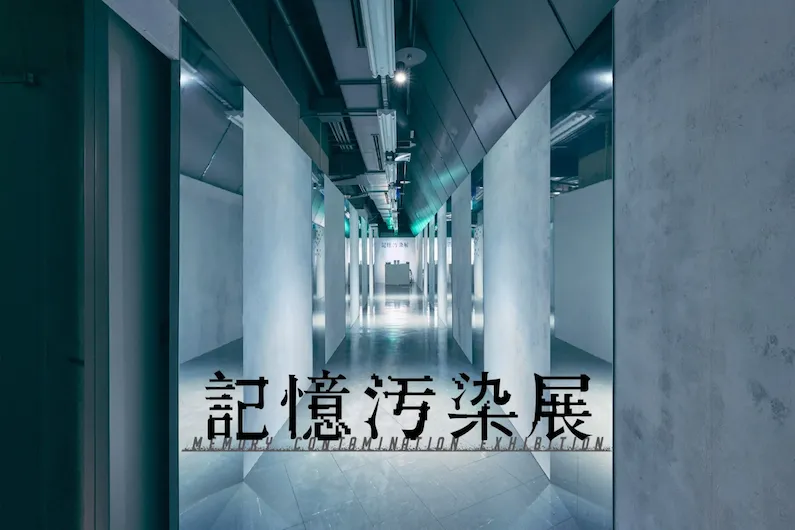
An experiential exhibition exploring the vagueness of memory, the “Memory Contamination Exhibition,” is being held at Shibuya BEAM. It does not aim to frighten visitors with sudden shocks. Instead, it cultivates a quieter and more persistent unease by directing the question of memory’s reliability back at the visitor: to what extent can memories actually be trusted?

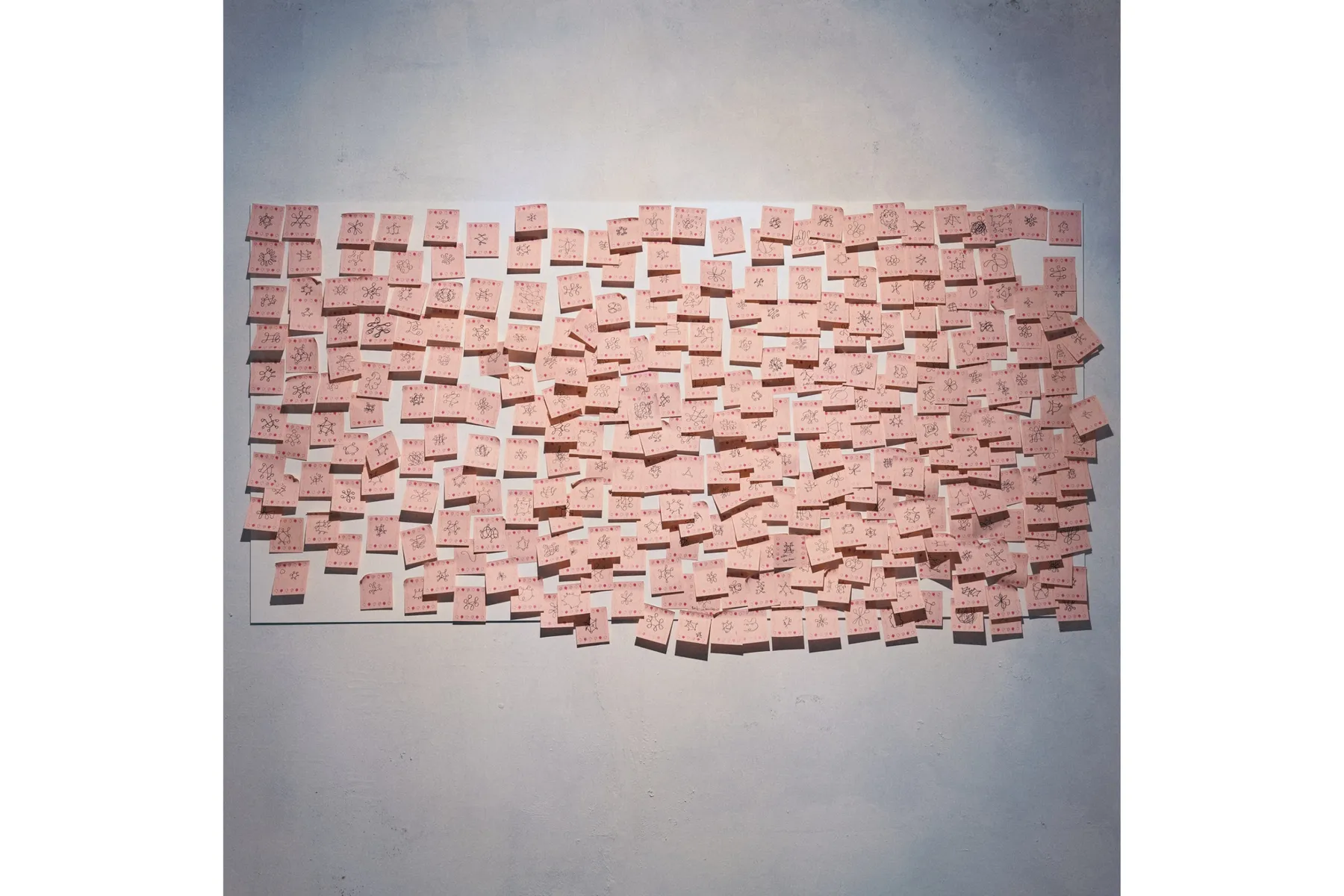
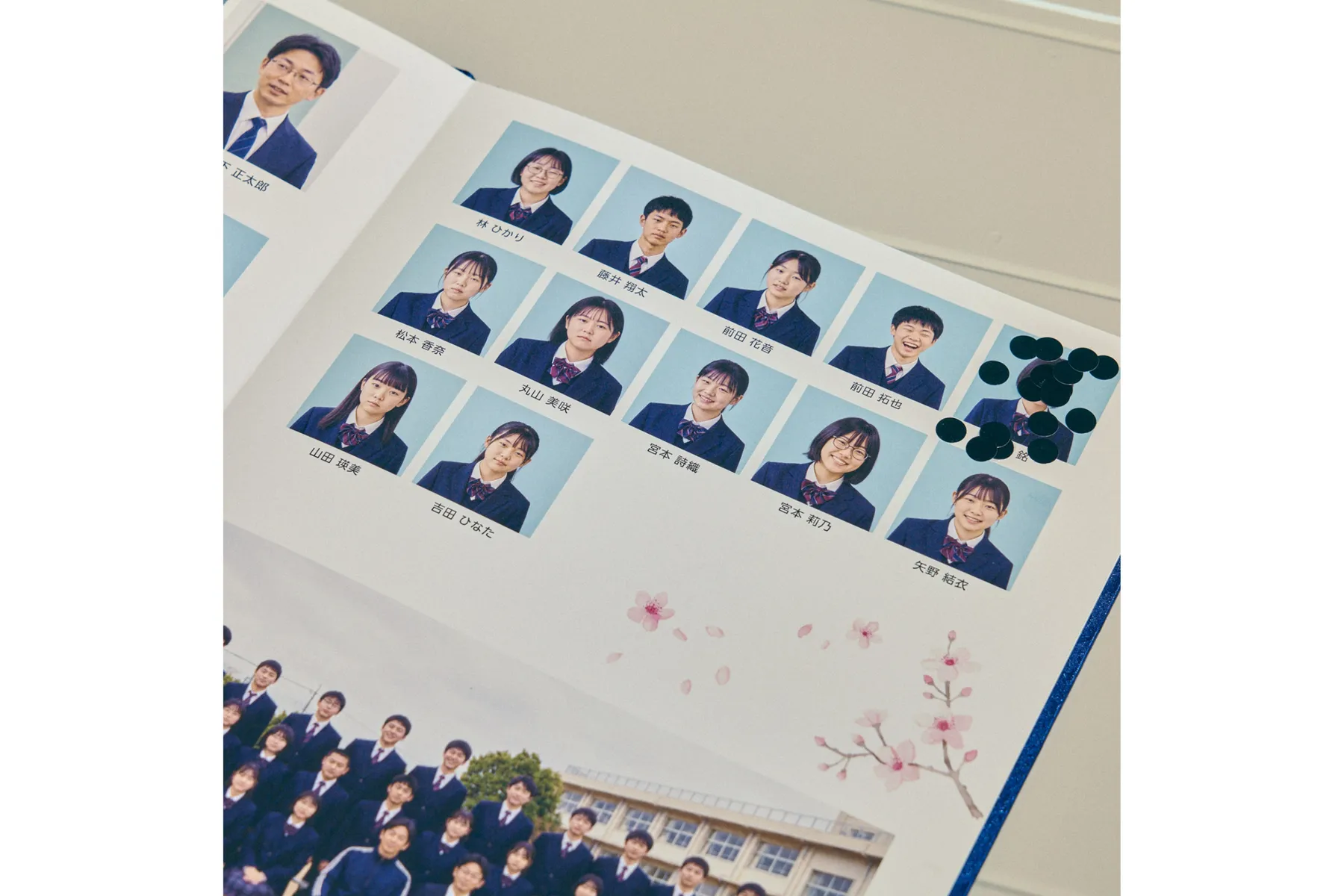
The title states the thesis. Memory, the exhibition suggests, is not a fixed recording but a substance that can be contaminated by suggestion, by misinformation, and by the contradictory accounts of others. The exhibition explores this from multiple angles, including the Mandela Effect and AI hallucinations, along with the uncertain traces left between testimony and records. Visitors are not merely shown examples of these phenomena; through the exhibits, they experience the instability of their own memory. The resulting horror is psychological rather than visceral, rooted in doubt rather than in fright.

The Production Team

The exhibition is the latest project from a tag-team of two experienced production groups. The first created the “Missing Persons Exhibition” and the “Fear Exhibition,” which attracted a cumulative total of approximately 400,000 visitors. The second produced the “Exhibition for Those Who Can See” and the “Paintings You Must Not Look At Exhibition.” The script was written by author Yu Shinada (Da Vinci Koyama).

It has already left a strong impression on early visitors. At a pre-opening preview for media and related parties, reactions included “I stopped knowing how much of my own memory is true” and “Rather than ‘scary,’ it is terrifying—a new sensation of horror.” These responses suggest an experience that continues to work on the visitor after leaving the venue. In effect, it is an experiment that visitors run on themselves.

Second Part of WEB-Exclusive Content: “Questionnaire Regarding Memory”

Prior to opening, the exhibition released the first part of its WEB-exclusive content, a “Memory Ability Test.” It was taken more than 200,000 times, a response that indicates how strongly the theme resonates.

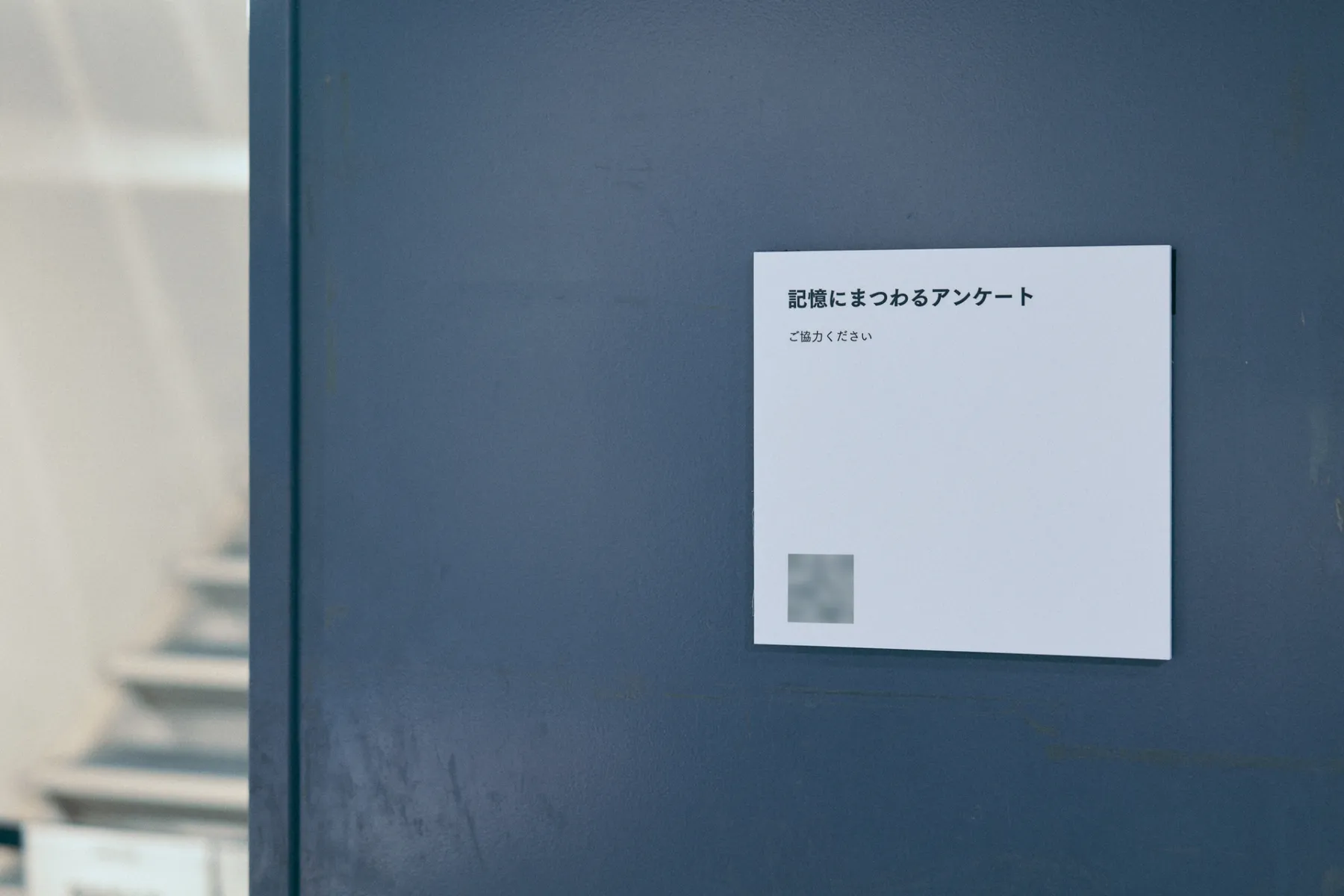
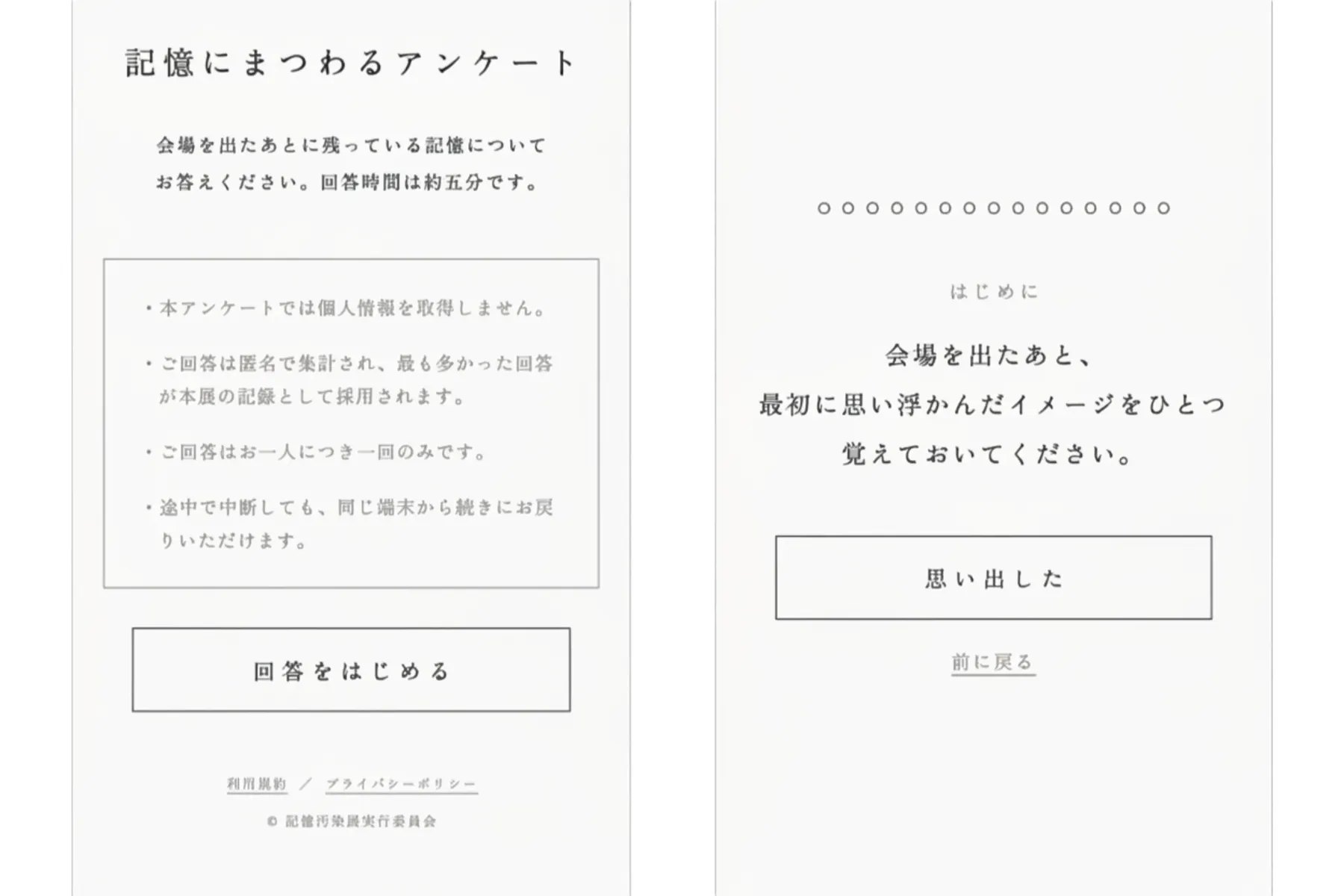
The second part, the “Questionnaire Regarding Memory,” is now open exclusively to visitors. It is not a simple questionnaire. The contents of the questions are not disclosed in advance, and the answers are based on the exhibits actually seen inside the venue. The questionnaire is posted at the venue exit, so it is encountered only after the exhibition is complete—meaning the experience feeds directly into the answers given.

*Please check the official website for detailed information.

Basic Information

  • Location / Nearest Station: Shibuya BEAM / Shibuya Station
  • Address: 〒150-0042 31-2 Udagawacho, Shibuya-ku, Tokyo (MAP)
  • Venue: BEAM Gallery
  • Period: 2026/08/02 (Sun) ~ 2026/09/06 (Sun)
  • Time: Start 10:00 / End 20:00
  • Last Admission: Up to 60 minutes before closing
  • Viewing Time: Approximately 90 minutes
  • Price / Fee: 2,300 yen (tax included)
  • Admission: Fee applies to elementary school students and above
  • Official Website: https://kiokuosen.com/

*The published content may have changed. For the latest information, please check the official website of the venue or organizer.

🛏️ View hotels near Tokyo

Memory Contamination Exhibition_1
Memory Contamination Exhibition_2
Memory Contamination Exhibition_3
Memory Contamination Exhibition_4
Memory Contamination Exhibition_5
Memory Contamination Exhibition_6
Memory Contamination Exhibition_7
Memory Contamination Exhibition_8
Memory Contamination Exhibition_9
Memory Contamination Exhibition_10
Memory Contamination Exhibition_11
Memory Contamination Exhibition_12

Shibuya BEAM is a multi-story exhibition complex a short walk from Shibuya Crossing. The building was originally a warehouse for television studio equipment. It has since been stripped back to its raw concrete shell and turned into a venue for installation art that deals with memory and perception.

The interior is not arranged for convenience. Corridors are narrow, ceiling heights change without warning, and rooms are shaped asymmetrically enough that the route through the building feels disjointed. The industrial structure gives the space an institutional character—more like a facility built for observation than a place designed to make visitors comfortable. That atmosphere suits the work shown here, which often asks how reliable memory really is.
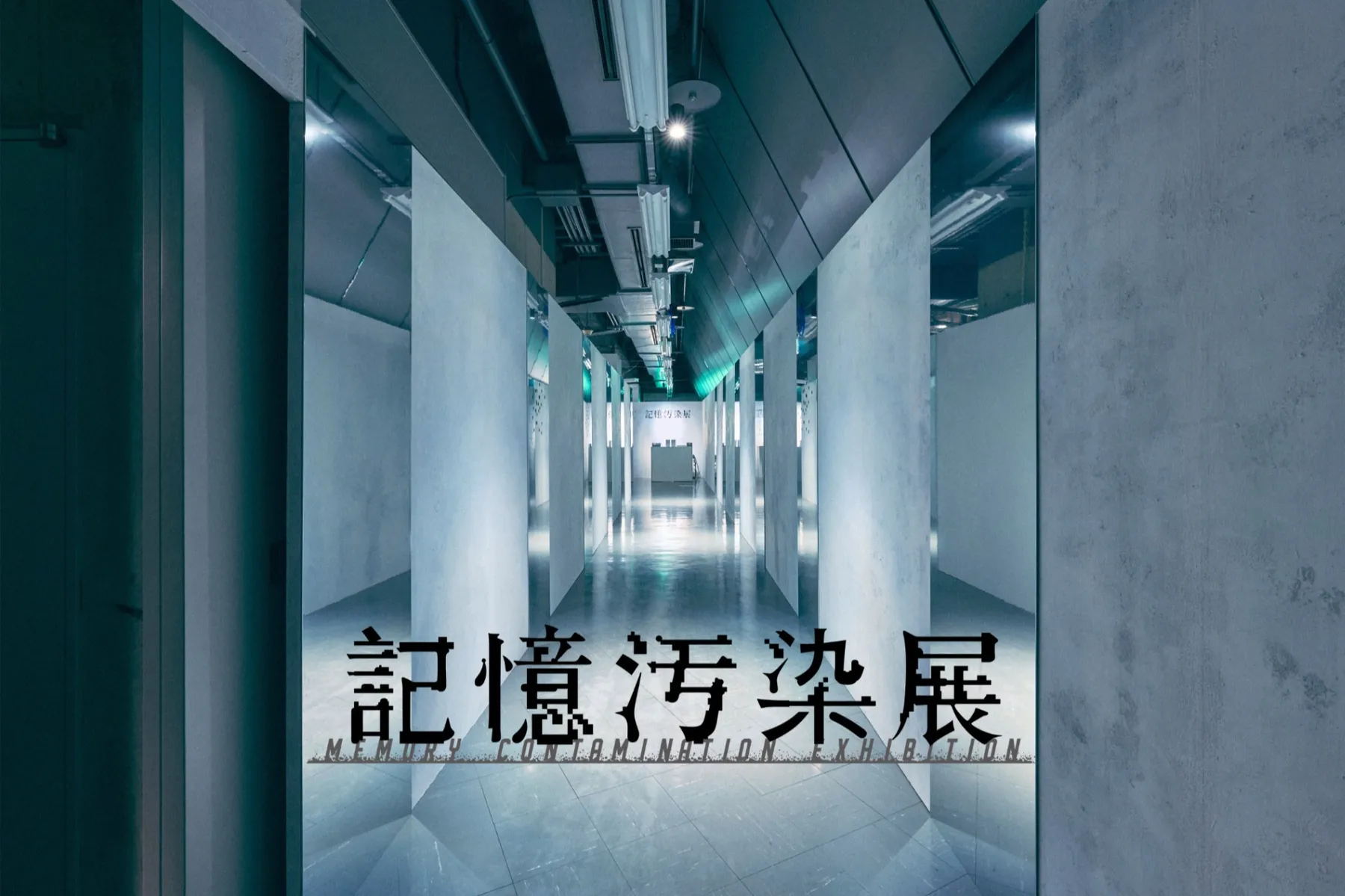
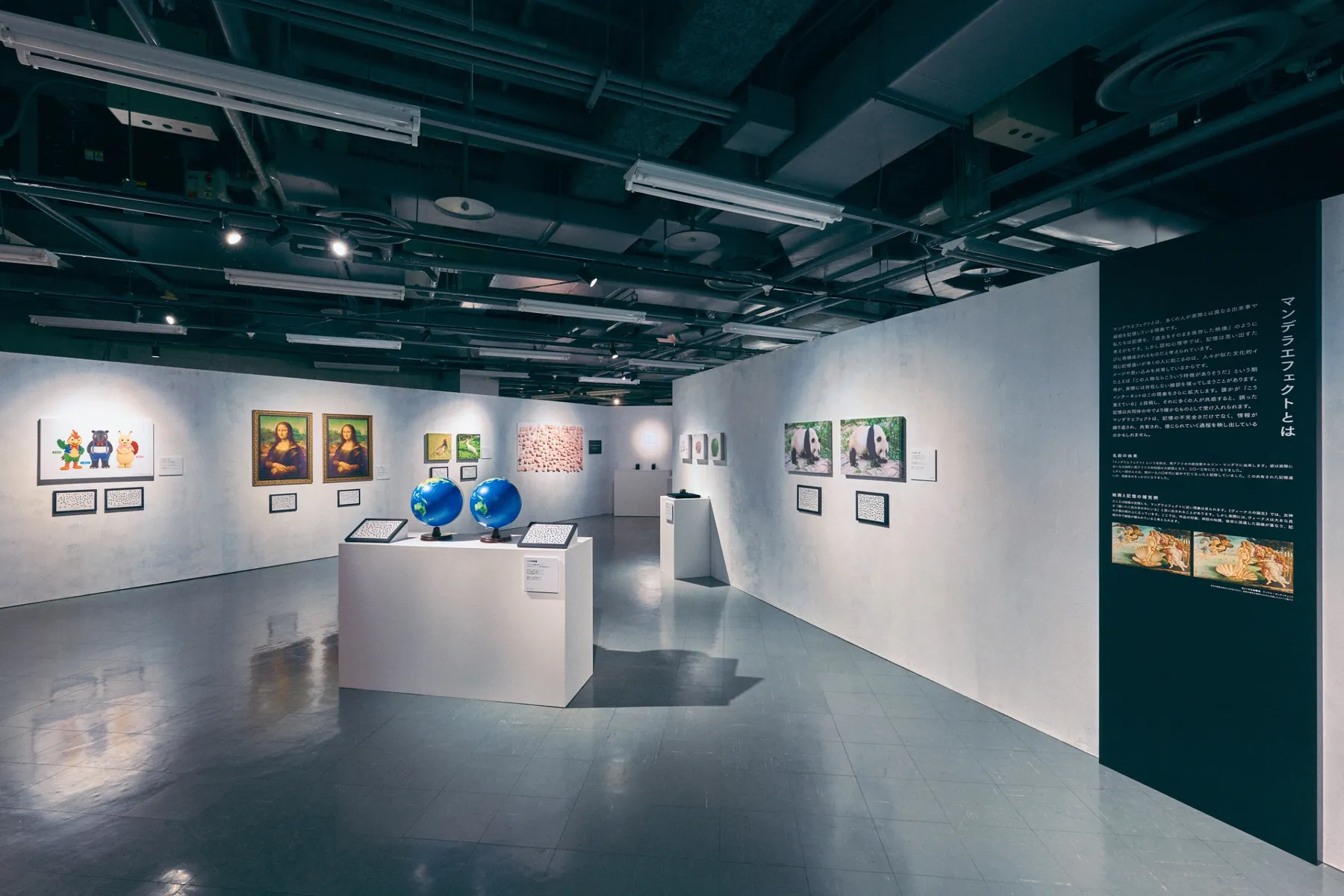
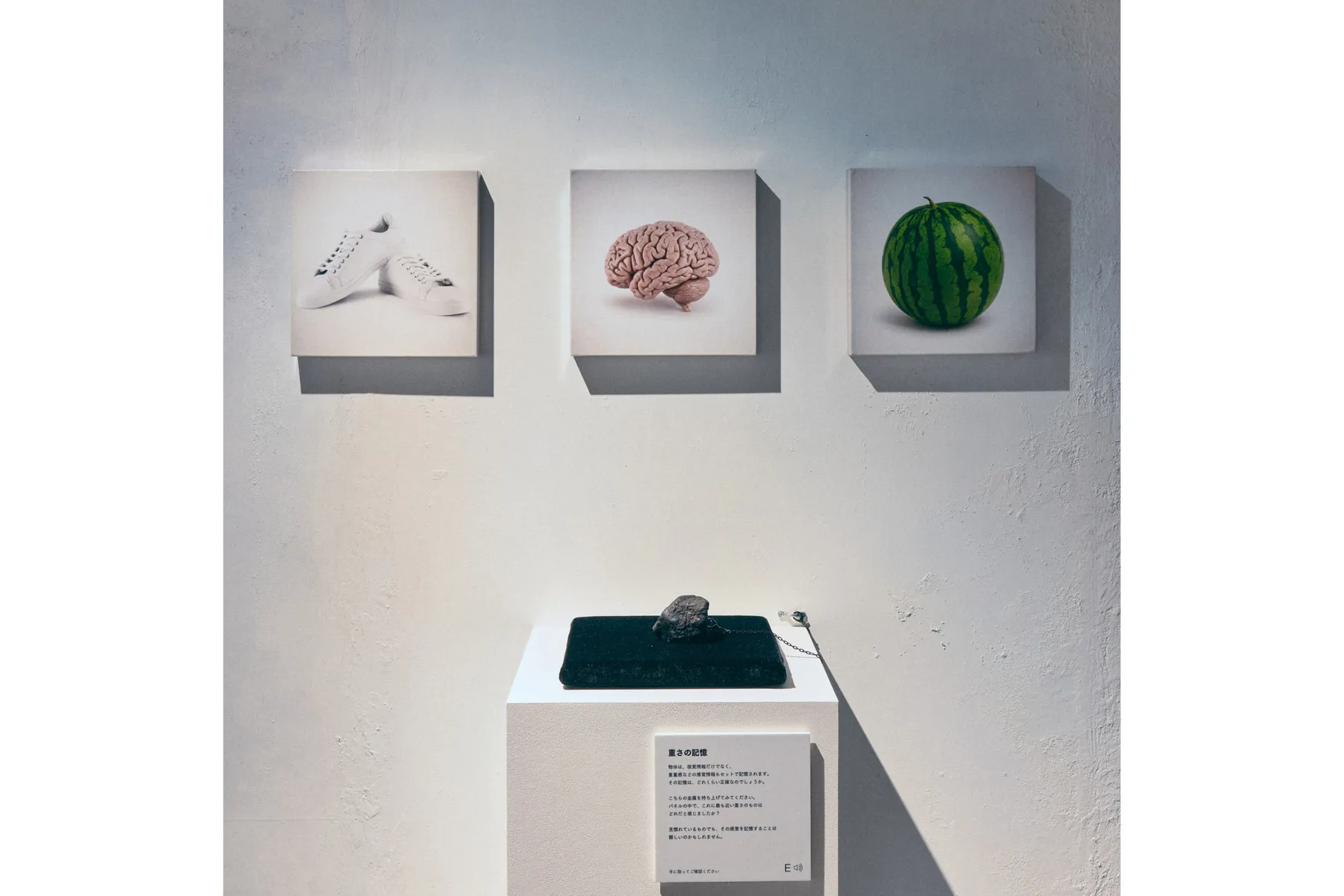
For the Memory Contamination Exhibition, the building’s peculiarities are put to direct use. Some rooms are set up as dim “recollection chambers,” with projection mapping turning ordinary walls into shifting, contradictory versions of the same past event. In other rooms, the original soundproofing is used to create near-total silence, making the experience of looking feel less certain than usual.

Shibuya BEAM is not a conventional gallery. There are no white walls or tidy labels, and the building is too much of a presence to disappear behind the art. Visitors have to navigate its awkward layout, and that effort becomes part of the exhibition. For a show about how memories can be planted, distorted, or contaminated, the space itself does much of the work.

Oktoberfest TAKANAWA GATEWAY CITY 2026: Enjoy Authentic German Beer and Gourmet Food in Tokyo

Oktoberfest TAKANAWA GATEWAY CITY 2026: Enjoy Authentic German Beer and Gourmet Food in Tokyo

Oktoberfest TAKANAWA GATEWAY CITY 2026

To the most cheerful 17 days of this summer.

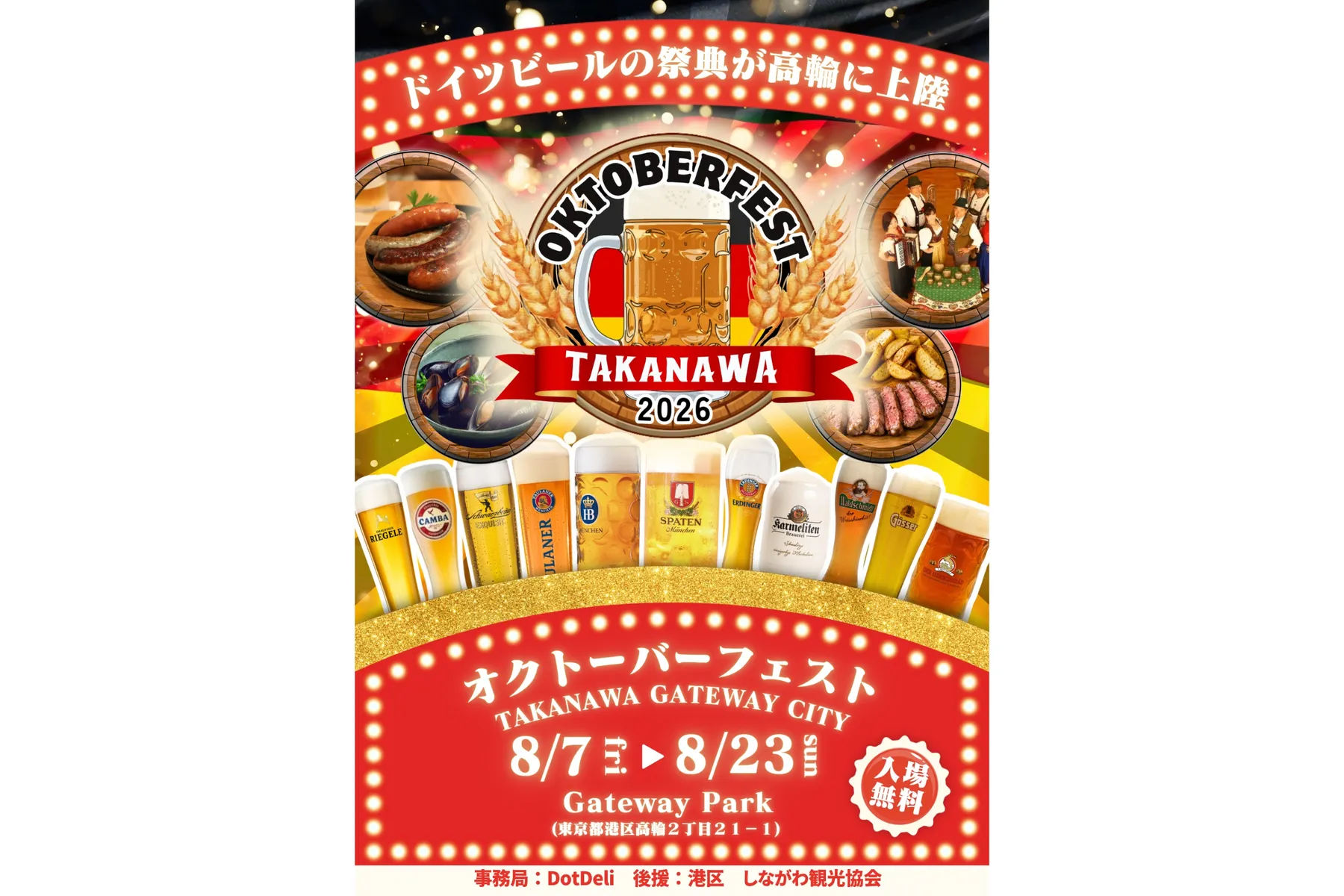
The bustle of authentic Germany comes to TAKANAWA GATEWAY CITY this summer, and the access could not be easier: the venue is 0 minutes on foot from JR Takanawa Gateway Station, meaning you can step off the train and straight into the festival.

Gateway Park, part of the TAKANAWA GATEWAY CITY development, provides an open-air setting built for summer. With pleasant music flowing through the space, it is a place to slow down, linger over good food, and enjoy an adult summer time at your own pace — whether you arrive in the afternoon or head over after work.

The venue will feature a lineup of meticulously selected gourmet items, such as premium German beers, unique craft beers, and authentic sausages. The selection rewards both newcomers and enthusiasts alike: a classic pour for those who stick to tradition, a craft option for the curious, and hearty sausages that hold their own alongside the drinks.

With mugs in hand, the German-style toast “Prost!” will be performed — a brief, collective moment that sets the tone for the whole gathering. In addition to beer, there is a full range of other alcoholic and non-alcoholic drinks, so those who are not fond of alcohol or families can enjoy themselves casually. Combined with free admission, the event keeps the barrier to entry low and the atmosphere open to everyone.

Live performances and acts are also scheduled to be held at the venue, adding a live soundtrack to the afternoons and evenings. While surrounded by delicious food and music, the time spent with friends, family, and loved ones will make your summer memories even more special.

For the summer of 2026, why not enjoy 17 high-quality days experiencing the culture and deliciousness of authentic Germany at “Oktoberfest TAKANAWA GATEWAY CITY 2026”?

*Event times and other details may change slightly due to circumstances.
*Please check the official website for detailed contents.

Basic Information

  • Event Location / Nearest Station: Gateway Park / Takanawa Gateway Station
  • Address: 〒108-0074, 2-21-1 Takanawa, Minato-ku, Tokyo — MAP
  • Event Period: 2026/08/07 (Fri) – 2026/08/23 (Sun)
  • Time: Weekdays 15:00–21:00 / Holidays 11:00–21:00 (scheduled)
  • Price / Cost: Free admission
  • Official Website: https://pavilitas.co.jp/oktoberfest
  • Rain Information: In the event of severe weather, the event may be cancelled. If cancelled, an announcement will be made on SNS.

*The listed content may have changed. Please check the official website of the venue or organizer for the latest information.

🛏️ View hotels near Tokyo

オクトーバーフェスト TAKANAWA GATEWAY CITY 2026_1
オクトーバーフェスト TAKANAWA GATEWAY CITY 2026_2
オクトーバーフェスト TAKANAWA GATEWAY CITY 2026_3
オクトーバーフェスト TAKANAWA GATEWAY CITY 2026_4

Takanawa Gateway City

Takanawa Gateway City is a mixed-use development in Minato, Tokyo, built around JR Takanawa Gateway Station. It occupies a former rail yard between Shinagawa and Tamachi and is part of a larger redevelopment of the area. The project combines offices, conference halls, hotels, retail, and public plazas in a walkable district of glass-fronted buildings and planted open spaces.

The station sits at the center, surrounded by high-rise buildings and terraces that are used for events throughout the year. The development is served by the Yamanote Line, with connections to Haneda Airport and central Tokyo. The central square hosts large public gatherings, including Oktoberfest TAKANAWA GATEWAY CITY 2026, an event featuring German beer and food. The mix of uses and transport links makes the area a regular stop for commuters, travelers, and local residents.

Kids Plaza Osaka Kids-Style Ninja Grand Operation 2026 Summer Campaign: A Fun and Educational Ninja Experience for Children

Kids-Style Ninja✧Grand Operation 2026 Summer Campaign: Master Mind, Technique, and Body!

Summer Exhibition 2026

Historical accounts of the ninja emphasize that their efficacy relied not only on physical strength and athletic prowess but also on a profound mastery of wisdom and scientific knowledge necessary for survival in the wild. Drawing upon this multidisciplinary approach, Kids Plaza Osaka will host a special exhibition designed to foster a “zest for living” in children by allowing them to experience authentic ninja survival techniques.

The campaign offers a series of interactive programs that challenge different facets of a child’s capability. Participants can visit the “Kids-style Ninja Training Dojo” to practice the fundamental movements and techniques that defined the shinobi. For those who enjoy problem-solving and navigation, the “Karakuri Ninja House Maze” provides a large-scale cardboard labyrinth filled with deceptive tricks—a challenge designed to be navigated repeatedly to master its secrets. Additionally, the exhibition includes a creative component via “Shinobi Bag Making,” where attendees can design a personalized bag using a selection of 130 different stamps featuring various ninja characters and traditional tools.

Because the event is hosted within the climate-controlled interior of the facility, it provides a cool sanctuary from the summer heat where children can engage in the duality of play and education while immersed in the persona of a ninja.


Event Details

Event Period: July 25, 2026 (Sat) – August 23, 2026 (Sun)
Event Time: 9:30 – 17:00 (Note: Specific times may differ by program)
Event Location: Kids Plaza Osaka, a museum for children (2-1-7 Ogimachi, Kita-ku, Osaka City)

Admission Fees:

  • Adults (16 years and older): 1,500 yen
  • Children (6–15 years): 800 yen
  • Toddlers (3–5 years): 500 yen
  • Infants (under 3 years): Free
  • Seniors (65 years and older): 700 yen (Proof of age required)

Inquiries: 06-6311-6601
Official Website: Kids Plaza Osaka News

🛏️ See hotels near the event

Kids Plaza Osaka occupies a prominent site within Ogimachi Park in Kita Ward, Osaka City. Established in 1997 as Japan’s first museum designed specifically for children, the facility serves elementary school-aged visitors and younger. The building functions as an interactive object—children climb between levels, crawl through enclosed passages, and manipulate exhibits that remain accessible rather than protected behind barriers.

The interior organizes distinct activity zones across multiple floors. Discovery World presents scientific principles through experimental stations where children test mechanics, optics, and acoustics directly. Culture World provides studio spaces for artistic creation and exposure to traditional Japanese craft techniques. Kids Town replicates an urban environment at child scale, complete with streets, vehicles, and functional buildings where visitors adopt roles—shopkeepers, drivers, delivery workers—to navigate social scenarios and cooperative tasks.

The museum’s design assumes that cognitive development occurs through physical interaction with materials and spatial challenges. Outdoor adventure playgrounds extend this approach into natural terrain with climbing structures and water features. For special programming such as the Ninja Grand Operation, these characteristics provide practical utility: the same infrastructure that withstands daily physical play supports temporary parkour layouts and obstacle courses. Workshop rooms convert readily from craft instruction to historical tool demonstrations, while the building’s open sightlines allow supervisors to monitor complex movement-based activities safely.

The facility sustains this level of activity through construction choices—durable surfaces, high ceilings, flexible lighting—that prioritize function over aesthetic preservation. This architecture of use accommodates educational events that require route modification, physical exertion, and material experimentation without requiring significant temporary installation. When historical themes like ninja training convert into physical challenges—climbing, hiding, tool use—participants encounter them as bodily skills rather than narrative content.

Analytics