
Gimhae Buncheong Ceramics Festival
🗓️ 2026.11.06 ~ 2026.11.10
The Gimhae Buncheong Ceramics Festival is a ceramic culture festival held in Gimhae, one of the representative production sites of Buncheong ware from the early Joseon Dynasty. Now in its 31st year, the festival is Gimhae’s flagship cultural event, carrying forward the value of traditional ceramic culture while presenting it through a modern lens. Over its five-day run, visitors can encounter the distinctive beauty and artistry of Gimhae Buncheong ceramics through artwork exhibitions, direct sales, live pottery demonstrations, and hands-on workshops.
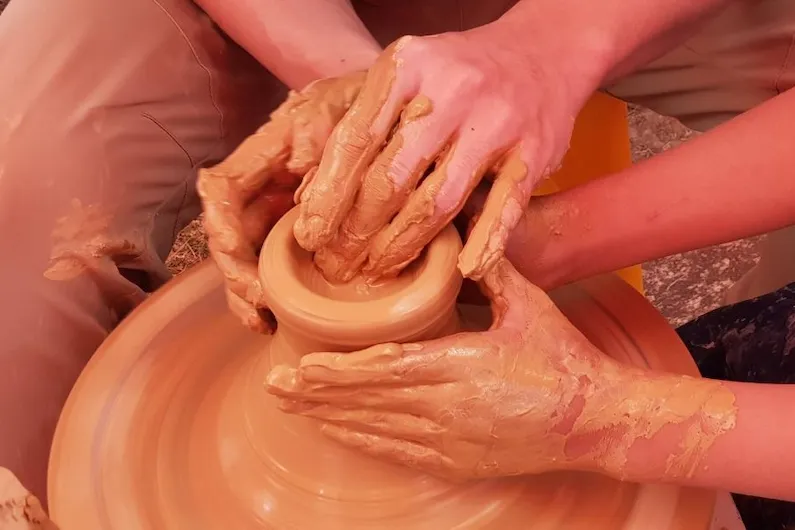
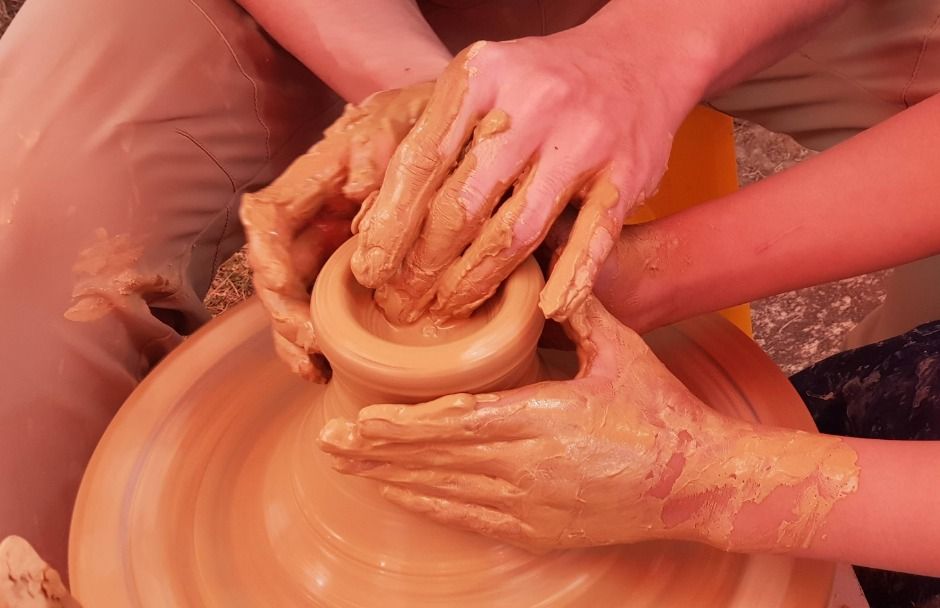
What sets this festival apart is the rare combination of heritage and living craft. Local potters display and sell their work in one place, while visitors are invited to touch clay themselves—whether on a potter’s wheel, through coiling, or by decorating a mug. The program is intentionally participatory, with children’s activities, family competitions, performances, and educational events designed to keep traditional ceramic culture rooted in everyday life rather than confined to museum displays.
Exhibition
The exhibition program offers a broad look at Buncheong ceramics, from historical context to contemporary practice:
- Buncheong History Theme Hall
- Ceramic Master Hall (wheel demonstration)
- Exhibition of Buncheong Ceramics Competition winning works
- UNESCO Creative Cities Network Craft Culture Regional Exchange Exhibition
- Youth Pottery Exchange Hall
Sales
For those looking to take a piece home, the festival includes a dedicated sales section:
- Sales of ceramics by local pottery artists
- Sales of ceramic cups linked with non-alcoholic beer tasting
A 20% discount applies to all ceramic items, and food service business operators receive an additional 10% discount.
Experience
The hands-on program makes Buncheong techniques approachable for first-timers and families:
- Buncheong Land Stamp Tour (5 types of experiences)
- Buncheong pottery wheel experience
- Buncheong coiling experience
- Buncheong mug decorating experience
- Buncheong ceramic excavation experience
Performance
Alongside the visual and tactile programs, the festival presents a lively lineup of performances and events:
- Opening ceremony and opening performance
- Squeaker performance
- Busking
- Magic show
- Bubble show
- Children’s tea ceremony demonstration
- Buncheong Ceramics Competition International Symposium
Competition
The festival also invites active participation through friendly competitions and auctions:
- Our Family Ceramics Making Competition
- Family Clay Stacking Competition
- Public Ceramics Auction
📍 Address: 551 Jangyu-ro, Gimhae-si, Gyeongsangnam-do (Sinmun-dong)
🛏️ Accommodations near the event
💰 Fee: Paid (20% discount on all ceramic items, Food service business operators: additional 10% discount)
📞 Inquiry: 055-330-3244
🖥️ Website: http://festival.buncheong.co.kr/main.web
Buncheong is a type of Korean stoneware produced mainly in the 15th and 16th centuries, during the early Joseon dynasty. It came after Goryeo celadon and before the more formal white porcelain of later Joseon. The name means “powder-celadon” and refers to the practice of coating grayish clay with a white slip before applying a transparent glaze.
Its decoration is distinctive. Potters used several techniques: sanggam, carving lines into the clay and filling them with white or black slip; gwiyal, scraping away slip to expose the darker body beneath; bakji, stamping repeated designs into the surface; and cheolhwa, painting with iron pigment over the slip. These methods allowed for relatively fast production, and the results vary from piece to piece.
Most buncheong was made for ordinary use: bowls, jars, bottles, and ritual vessels. The surfaces often show visible brushwork, exposed clay, and the effects of natural ash glazes. These features were not necessarily deliberate artistic choices; they came from practical, economical methods of manufacture. In recent decades, buncheong has gained attention for its visual restraint and its connection to everyday life, and it is now a common subject in museum exhibitions and ceramic workshops.
