Gaya Theme Park Light Festival: Voyage Toward the Light
🗓️ 2026.08.14 ~ 2026.08.23
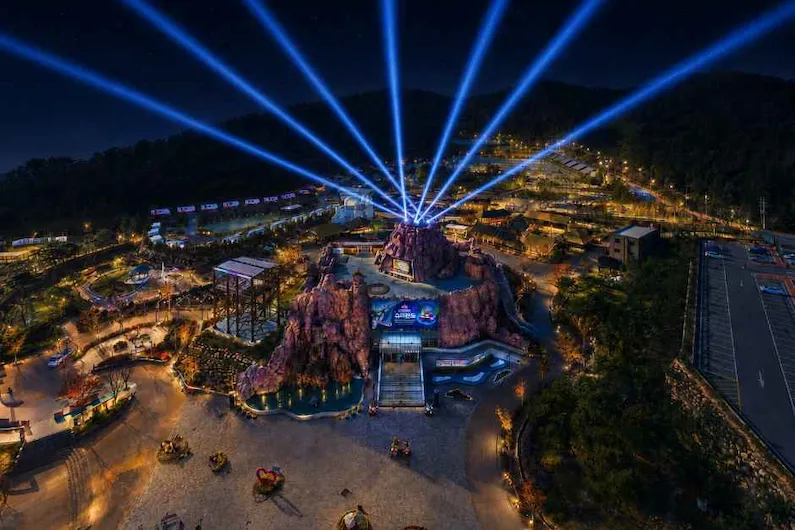
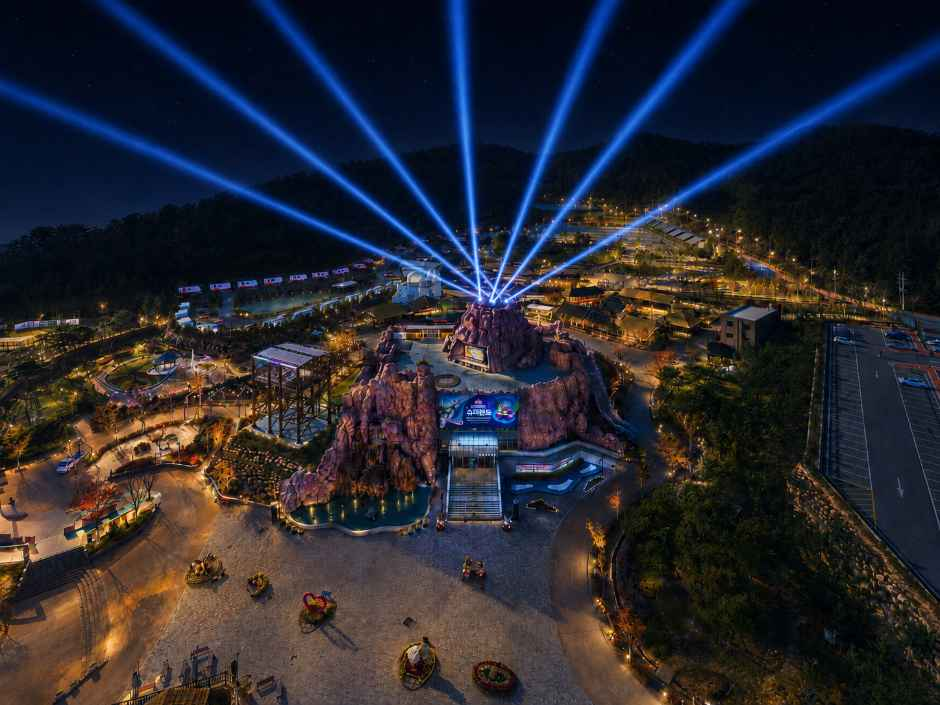
Gimhae’s summer nights will be lit by the 3rd Gimhae Light Festival, “Voyage Toward the Light.” Held at Gimhae Gaya Theme Park from August 14 to 23, 2026, the festival revives the sea route that Queen Heo took from Ayodhya, India, to Gaya two thousand years ago. Through light sculptures, illuminations, media art, and photo zones, the festival tells a story of departure, voyage, and the encounter with Gaya. Visitors can walk along a path of light inspired by the blue sea and the night sky, discovering the historical connections between Gaya and India.
The festival is open daily from 5:20 PM to 10:00 PM. Last admission is at 9:00 PM, and admission costs 2,000 won per person.
Light festival content
The light festival content includes:
- Sea of Light
- Light Rangoli
- Waves in the Sky
- Flash of Gaya
- Lanterns of Light
- Constellations of Light
- Rangoli Road
- Hongsalmun (Red Spike Gate) of Light
- End of the Voyage
Programs and performances
- Opening Ceremony: LED performance and fireworks show. During the opening event on August 15, Ogomu, K-POP Tron performances, and a multimedia fireworks show with about 3,000 shells will decorate the night sky.
- Night Stage “Melodies Flowing Along the Light”: A free concert for citizens held in front of the waterway performance venue.
- Moonlight Gugak Stroll: Gugak performances featuring daegeum, gayageum, and gosu in front of the Gaya Royal Palace.
On weekends and public holidays, the festival adds a local food zone, a regional creators’ art market, and outdoor performances featuring jazz, fusion gugak, and acoustic music.
Food and art market
- Food Zone: Food zone and food trucks featuring famous bakery cafes in the Gimhae area and foods using Gimhae ingredients.
- Gakkum Art Market: An art market where you can find local specialties of the Gimhae area.
Come and experience Gimhae’s special summer night, where light, history, performances, food, and art harmonize.
Visitor information
📍 Address: 161 Gayathema-gil, Gimhae-si, Gyeongsangnam-do (Eobang-dong)
🛏️ Accommodations near the event
💰 Fee: Paid (2,000 won)
📞 Inquiry: 055-340-7900~1
⭐️ Instagram: https://www.instagram.com/gimhae_gayapark
🖥️ Homepage: https://gtp.ghct.or.kr/home/main
What is Gaya?
Gaya was a confederacy of city-states in the southern Korean Peninsula, active from roughly the 1st to the 6th century CE. Its constituent polities were concentrated in the Nakdong River basin, an area with enough arable land and access to coastal routes to support a shared material culture built on agriculture, iron production, and maritime trade.
The early center of this network was Geumgwan Gaya, usually associated with modern Gimhae. The founding legend of Geumgwan Gaya tells of King Suro, said to have descended from a golden egg on Mount Guji. That story is preserved in local tradition and remains part of how Gimhae presents its history.
Gaya’s iron ore deposits were among its most valuable resources. Iron ingots and finished goods were exported widely, including to Japan, in exchange for luxury items such as glass beads and precious stones. Gaya workshops also produced pottery, horse-shaped ornaments, and gold and bronze regalia; several such pieces have been recovered from royal tombs in Gimhae.
Politically, Gaya was never unified as a single state, and this limited it in dealings with its larger neighbors. To the north was Goguryeo, to the west Baekje, and to the east Silla. Over the 5th and 6th centuries, Gaya’s member states were gradually absorbed by Silla, ending the confederacy by around 562 CE. Though the political entity disappeared, the archaeological record and local sites retain evidence of Gaya’s material culture and regional influence.
Today, the Gimhae Gaya Theme Park Light Festival uses illuminated installations to present images and motifs associated with Gaya. The display draws on the historical setting and archaeological finds connected to the area, with the park itself located near the Nakdong River. The festival is a modern adaptation of that material, not a re-creation of a specific event, but it gives visitors a way to engage with the historical landscape of Gimhae.
