2026 National Heritage Media Art Buyeo Jeongnimsa Temple Site: Experience the Magic of Sabi Baekje Through Light and Technology

2026 National Heritage Media Art Buyeo Jeongnimsa Temple Site: Experience the Magic of Sabi Baekje Through Light and Technology

National Heritage Media Art Buyeo Jeongnimsa Temple Site

🗓️ 2026.09.07 ~ 2026.09.27

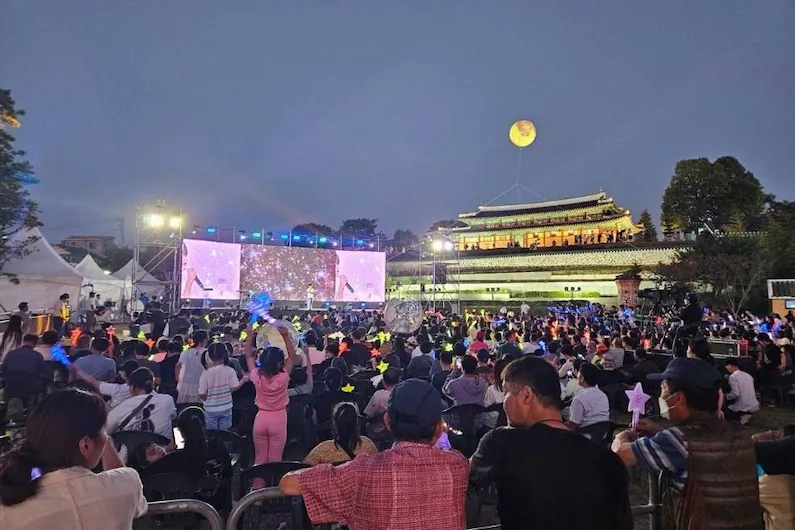
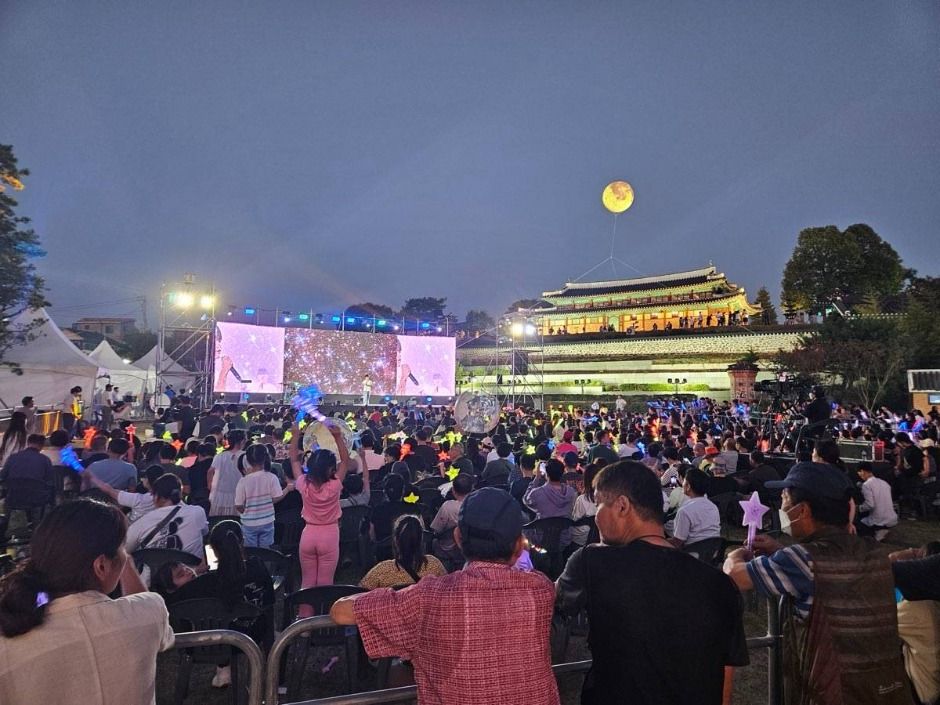
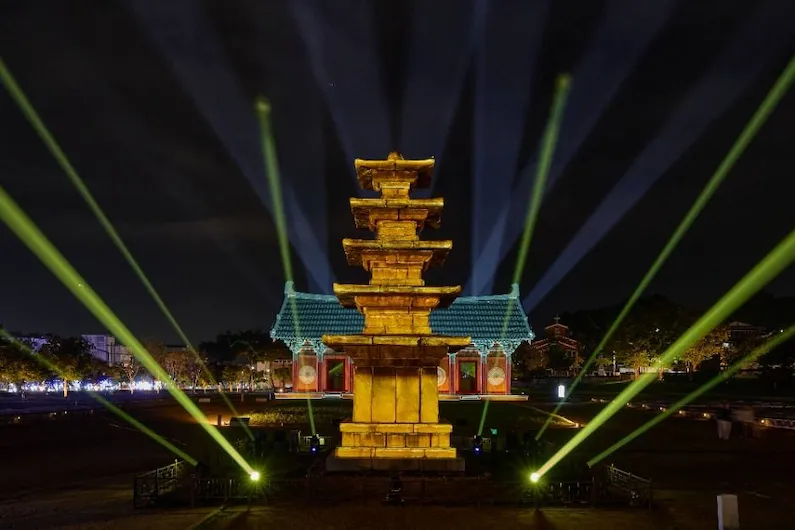
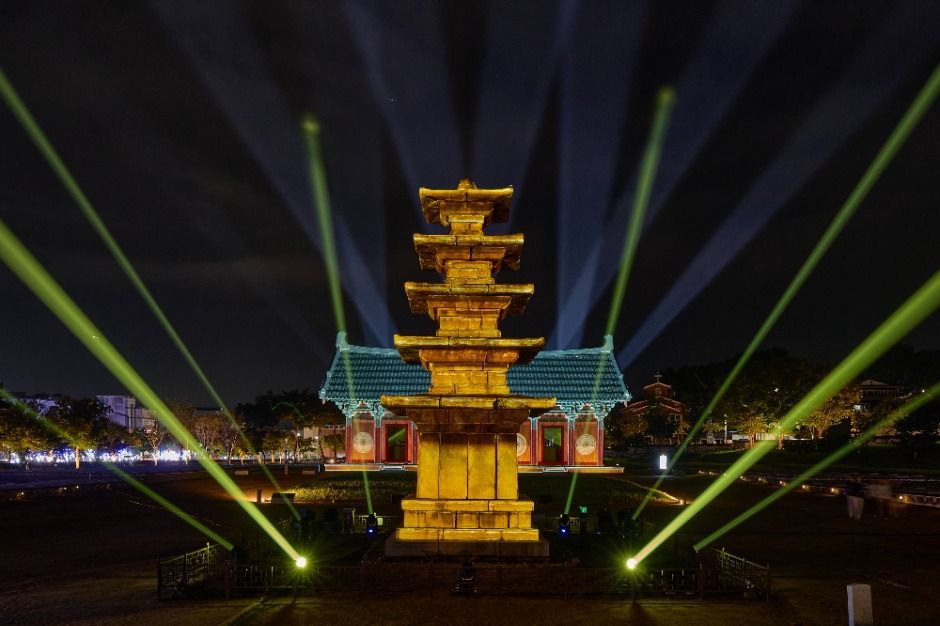
The 2026 National Heritage Media Art Buyeo Jeongnimsa Temple Site transforms the historic grounds of Buyeo Jeongnimsa Temple into a nighttime exhibition of media art, centered on the scholars of Sabi Baekje and the knowledge, technology, and national heritage of that era. Running for 21 days from September 7 to September 27, 2026, the event is held daily from 7:00 PM to 10:00 PM around the temple site, with the Five-Story Stone Pagoda and the former lecture hall serving as key stages for a program that spans image projections, laser art, lighting effects, large-screen installations, visitor-participation content, AI-based experiences, and kinetic art.

The works draw directly on the historical and cultural vocabulary of Sabi Baekje, including the Baekje Gilt-Bronze Incense Burner, lotus-patterned roof tiles, and the kingdom’s achievements in astronomy, crafts, and architecture. Visitors move through both observational and hands-on content, with each zone offering a distinct entry point into the past.

Zone 1

  • Boundary of Light
  • Light of Sabi
  • Lotus Pond of Light
  • Pagoda of Light
  • Scripture of Light
  • Sabi Sermon
  • Sabi Garden

Zone 2

  • Incense Burner of Light
  • Sabi Astronomy
  • Wave of Light
  • Sabi Flower Point
  • Light of Wisdom
  • Sabi Workshop
  • Pattern of Light & Light Play

Zone 3

  • Path of Wisdom
  • Light of Transmission

📍 Address: 83 Jeongnim-ro, Buyeo-eup, Buyeo-gun, Chungcheongnam-do

🛏️ Accommodation near the event

💰 Fee: Free

📞 Inquiry: 041-837-1722

⭐️ Instagram: https://www.instagram.com/mediaartbuyeo/

🖥️ Homepage: https://mediaartbuyeo.com/
National Heritage Media Art Buyeo Jeongnimsa Temple Site

Sabi Baekje is the name given to the final period of the ancient Korean kingdom of Baekje, when its capital was located at Sabi, in present-day Buyeo County, South Chungcheong Province. The period began in 538 CE, when King Seong moved the court from Ungjin (now Gongju) to Sabi, and ended with the kingdom’s fall in 660 CE.

During this time, the Baekje court established Buddhism as the state religion and used it to consolidate royal authority. The government commissioned temples, sculptures, and ritual objects, and the capital became a node in a network of maritime exchange with China and Japan. Priests, envoys, and artisans traveled through Sabi, carrying texts, Buddhist imagery, and building techniques. The art produced in this period is marked by a restrained sense of line and proportion, and it had a lasting effect on the religious art and architecture of East Asia, particularly in Asuka-period Japan.

The Jeongnimsa temple site in Buyeo is among the most significant surviving remains from the Sabi period. It was a royal temple at the center of the capital, and its layout and stone pagoda provide concrete evidence of Baekje’s architectural practice. The site is now part of the Baekje Historic Areas designated by UNESCO, and it is displayed with lighting and media installations that allow visitors to read the excavated foundations and pagoda without reconstructing the original buildings. Those installations keep the site accessible; the historical record does the rest.
2026 Jamsugyo (Jamsu Bridge) Car-Free Walking Festival in Seoul: Your Guide to Free Weekly Cultural Programs

2026 Jamsugyo (Jamsu Bridge) Car-Free Walking Festival in Seoul: Your Guide to Free Weekly Cultural Programs

Car-Free Jamsu Bridge Walking Festival

🗓️ 2026.09.06 ~ 2026.10.25

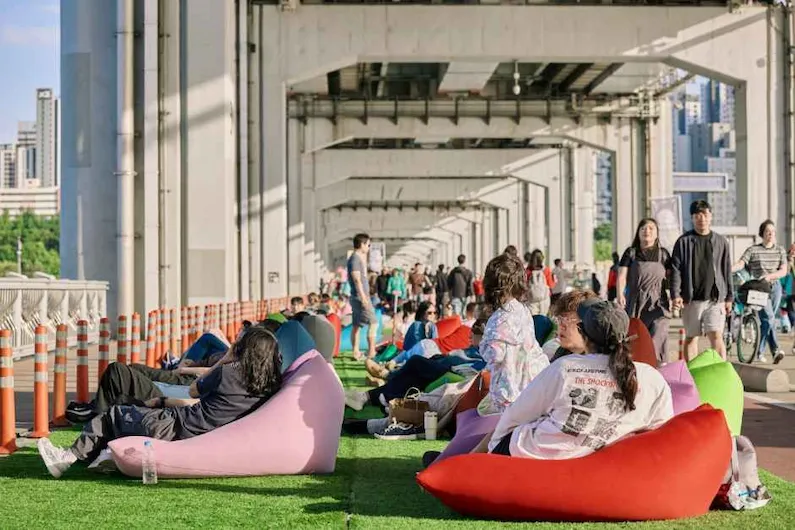
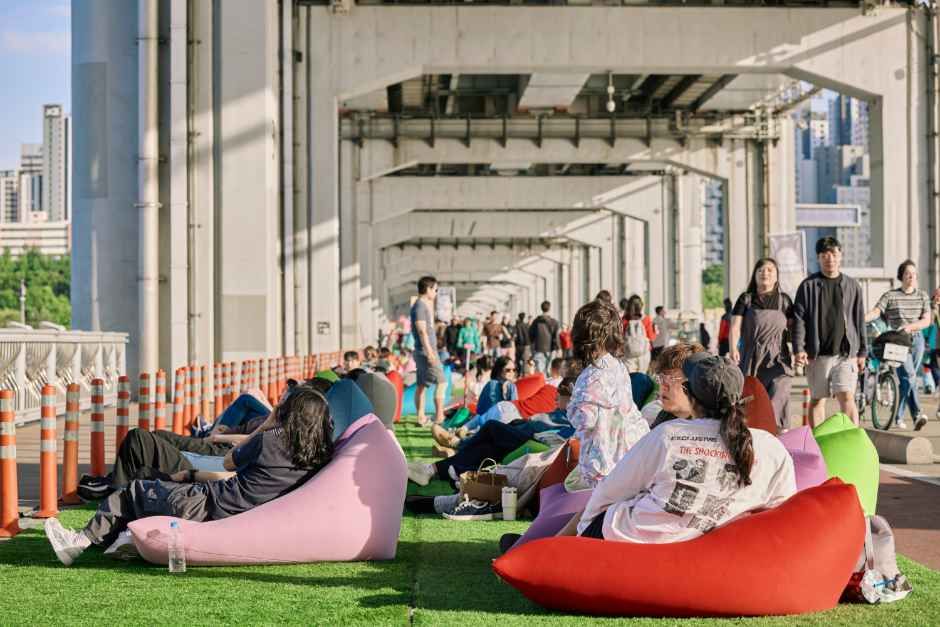
The 2026 Jamsugyo Car-Free Walking Festival is a free event hosted by the Seoul Metropolitan Government’s Future Hangang Headquarters. It is one of Seoul’s representative street festivals, designed for citizens to enjoy relaxation in the city center and a wide range of cultural programs. The permanent programs around the Jamsugyo area have been further expanded, and eight special programs change every session, giving repeat visitors a different experience from week to week.

Jamsugyo Car-Free Walking Festival

Permanent Programs

The permanent lineup includes the Moonlight Restaurant, where foods from various countries gather; the Moonlight Shop, where visitors can find their own items ranging from handicrafts to eco-friendly accessories; and shelters where people of all ages can return to their childhood and enjoy activities or relax.

  • Moonlight Playground
  • Moonlight Restaurant
  • Moonlight Shop
  • Moonlight Shelter
  • Moonlight Workshop
  • Moonlight Gallery
  • Ddoo-Ddoo Naktabong Canvas

Special Programs

Eight special programs are scheduled by week. Highlights include Ddoo-gether Water Wars, a cool water gun festival to enjoy the last of summer at Jamsugyo, and Jamsugyo Media Art Night, a new attempt on Jamsugyo Bridge.

  • Week 1: Ddoo-gether Water Wars
  • Week 2: Club: ONDAY
  • Week 3: Jamsugyo Autumn Sports Day
  • Week 4: Walking Hangawi Hanmadang
  • Week 5: Jamsugyo Gourmet Road
  • Week 6: Jamsugyo Media Art Night
  • Week 7: Jamsugyo Wellness DAY
  • Week 8: COACH X Spotify Project

Collaborative Programs

  • Gusukgusuk Live
  • Seoro Market
  • Silent DJ Party

📍 Address: Banpo-dong, Seocho-gu, Seoul

🛏️ Accommodation near the event

💰 Fee: Free (some programs have a fee)

📞 Inquiry: 02-6401-9717

⭐️ Instagram

🖥️ Website

What is Jamsu Bridge (Jamsugyo)?

Jamsu Bridge (Jamsugyo in Korean) spans the Han River in Seoul, running alongside the larger Banpo Bridge. It is a low-lying bridge, and its name refers to submersion: during periods of heavy rain, the river can rise high enough to cover the bridge, at which point traffic is halted until the water recedes. The design allows the river’s flood capacity to remain high by avoiding a raised structure.

In normal conditions, Jamsu Bridge carries road traffic across the river. During the Jamsugyo Car-Free Walking Festival, however, the bridge is temporarily closed to vehicles and opened to pedestrians. People can cross the river on foot, watch performances, and see the Banpo Bridge Moonlight Rainbow Fountain at close range. The 2026 edition continues this arrangement with free weekly programming, including concerts, art installations, and activities designed for families.

ALL OF EVANGELION 30th Anniversary Exhibition in Nagoya 2026: Dates, Tickets, and Must-See Highlights

ALL OF EVANGELION 30th Anniversary Exhibition in Nagoya 2026: Dates, Tickets, and Must-See Highlights

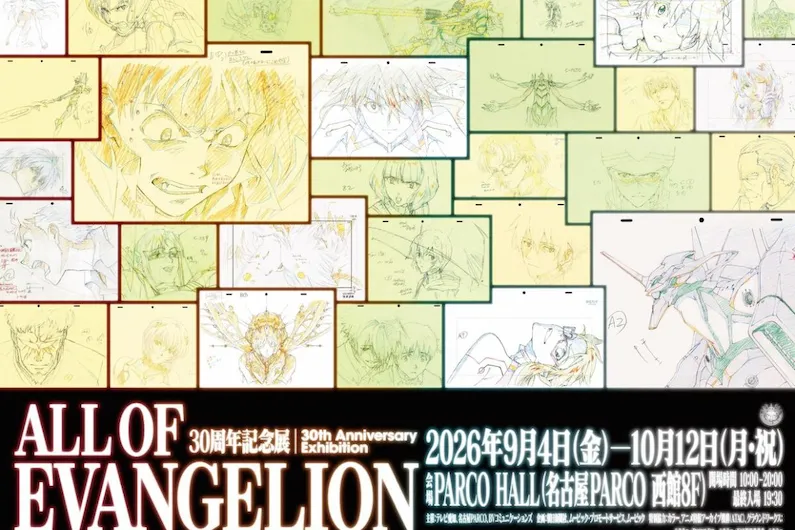
30th Anniversary Exhibition “ALL OF EVANGELION”

The Evangelion series, popular in Japan and abroad, began with the TV broadcast of Neon Genesis Evangelion on October 4, 1995, and will mark its 30th anniversary in 2025. For this anniversary, the exhibition brings together production materials central to the works: colorful cels from the TV series that have not been exhibited together until now, and meticulously drawn original drawings from the Rebuild of Evangelion films. Digital production materials adopted in the Rebuild of Evangelion films will be exhibited for the first time. Conceived as a festival where visitors can experience the series with their ears, eyes, and brain, the exhibition presents the appeal of an Evangelion that remains loved worldwide.

©Khara

Exhibition highlights

  • TV series cels — Colorful cels from the original TV series, shown together for the first time.
  • Original drawings from Rebuild of Evangelion — Meticulously drawn production materials from the films.
  • Digital production materials — Digital materials adopted in the Rebuild of Evangelion films, exhibited for the first time.

Exhibition details

Dates: Friday, September 4, 2026 – Monday (Public Holiday), October 12, 2026
Closed: No closing days during the period
Hours: 10:00 – 20:00 (Final admission 19:30)
Location: PARCO HALL (Nagoya PARCO West Building 8F; opens Friday, September 4, 2026)

Admission fees

All fees include tax.

Category Advance ticket Same-day ticket
Adults 1,900 yen 2,100 yen
High school / University / Vocational students 1,300 yen 1,500 yen
Children (Elementary / Junior High students) 700 yen 900 yen
Persons with disabilities – Adults 1,000 yen 1,000 yen
Persons with disabilities – Children/Students 500 yen 500 yen
  • Preschool children are free.
  • Visitors who hold a disability certificate, pediatric chronic disease certificate, atomic bomb survivor health certificate, or specific disease medical recipient certificate can enter at the discount rate for persons with disabilities, for themselves and one accompanying person.
  • The disability certificate app (Mirairo ID) is also accepted.

Ticket types

① Date and Time Specified Admission Ticket
Valid only for the specified date and time during the first three days of the exhibition: Friday, September 4; Saturday, September 5; and Sunday, September 6, 2026.

② Open Ticket
Valid for all dates outside the date-and-time specification period, with no need to choose a date or time at purchase: Monday, September 7 – Monday (Public Holiday), October 12, 2026.

For further details, check the Nagoya venue homepage.

Venue information

Access: Subway Meijo Line, Yabacho Station
Contact: TV Aichi Business Department, TEL: 052-229-6030 (Weekdays 10:00 – 17:00)
Homepage: https://tv-aichi.co.jp/ao-eva/

🛏️ See hotels near the event

Neon Genesis Evangelion, usually shortened to Evangelion, is a 1995 television series directed by Hideaki Anno and produced by Studio Gainax. The story takes place in a city called Tokyo-3, built after a global disaster. Shinji Ikari, a teenage boy, is brought there by his father to pilot a large humanoid weapon called an Evangelion. NERV, the organization running the project, assigns him to fight the Angels, hostile beings that appear one after another.

The series is often discussed as more than a robot-action show. It spends a significant amount of time on the mental states of its characters, especially the three young pilots and the adults who command them. Loneliness, self-worth, fear of rejection, and the difficulty of understanding other people are central concerns. The action sequences are carefully made, but the drama tends to turn on internal conflict as much as physical combat.

In the decades since its broadcast, Evangelion has been referenced widely across animation, film, and visual culture. Its imagery has been analyzed, parodied, and reinterpreted, and its production history has become part of its reputation. The upcoming 30th Anniversary Exhibition in Nagoya aims to mark this history. It gives both longtime viewers and newcomers an opportunity to see how the series was designed and why it continues to hold attention.

Osaka Antique Festa 2026 at Umeda Sky Building: Discover Rare Collectibles and Enjoy Kamigata Rakugo

Osaka Antique Festa 2026 at Umeda Sky Building: Discover Rare Collectibles and Enjoy Kamigata Rakugo

Osaka Antique Festa

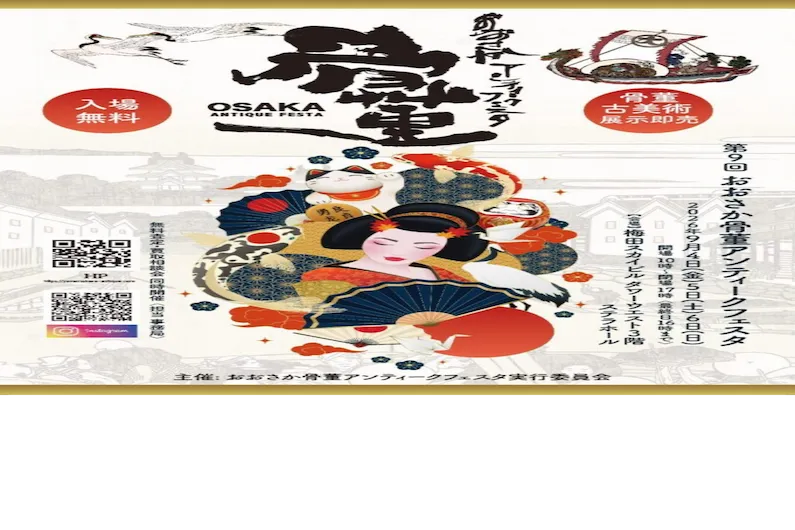
The Osaka Kotto Antique Festa is an exhibition and sale of selected antiques and collectibles at the Umeda Sky Building. Visitors can take part in auction projects held within the venue, and the event also features a contemporary art exhibition.

Additionally, a gathering to listen to Kamigata Rakugo will be held inside the venue on the final day, 9/6 (Sun). Two sessions are scheduled: ①12:00 and ②14:00. Admission is 500 yen for adults, free for those 18 and under, with same-day registration and unreserved seating. The performer will be Katsura Taizo.

The event also extends outdoors: an outdoor event featuring antiques and crafts will be held at the “Wonder Square” outdoor plaza on the 1st floor. Anyone is welcome to participate, whether you want to experience the charm of antiques, are looking for items for your collection, or wish to enjoy encountering new art.

Event Details

  • Event Period: 2026/9/4 (Fri) – 6 (Sun)
  • Event Hours: 10:00–17:00 (Closing at 16:00 on the final day)
  • Event Location: Umeda Sky Building Tower West 3rd Floor Stella Hall (1-1-88 Oyodonaka, Kita-ku, Osaka City)
  • Fee: Free Admission
  • Inquiries: [email protected]
  • Website: https://yumenokura-antique.com/

🛏️ View hotels near the event

Kamigata Rakugo is a form of comic storytelling from the Kamigata region, the area around Kyoto and Osaka. It developed alongside Tokyo rakugo, but the two have distinct performance styles. Tokyo rakugo tends to be quick and sharp; Kamigata Rakugo is slower and more relaxed, and it uses the Kansai dialect. In both, a single storyteller sits on a cushion and performs all the roles, using only a folding fan and a cloth to suggest objects and actions. The cast of characters ranges from merchants and servants to samurai and ghosts.

The stories themselves are humorous, but the humour is often gentle. Many are less concerned with punchlines than with the small mistakes and kindnesses of ordinary people, and they can end on a note of reflection rather than a joke. The pacing gives the performers room to suggest a character’s mood through posture and timing. Productions may also include wooden clappers (kotsu) for sound effects, and occasionally shamisen music, which gives performances a theatrical layer. The form has been practised for centuries and remains a regular part of the cultural calendar in Osaka and Kyoto. It offers laughter, but also a specific and local way of looking at human behaviour.

Osaka’s Yorimichi Sunset Cruise 2026: Experience the Magic Hour Over Nakanoshima’s Evening Scenery

Osaka’s Yorimichi Sunset Cruise 2026: Experience the Magic Hour Over Nakanoshima’s Evening Scenery

Detour Sunset Cruise

Yorimichi Sunset Cruise

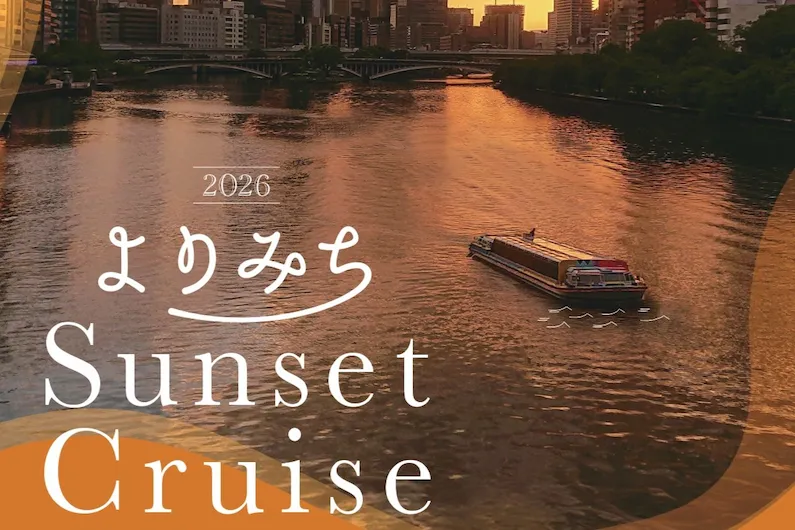
The Yorimichi Sunset Cruise—yorimichi means “detour”—is a limited-time boat ride of approximately 25 minutes that showcases the evening and night scenery of the Nakanoshima area. The route compactly tours landmarks that symbolize Osaka as a city of water: the three great bridges of Naniwa (Temmabashi, Tenjinbashi, and Nambabashi), the Osaka City Central Public Hall, the lush Nakanoshima Park, and the lively Kitahama Terrace.

The highlight is the “magic hour,” when the buildings in the city center gradually light up and the sky shifts from madder red to deep purple. The short duration makes it easy to fit into an evening, whether as a stop on your way home from an outing or as a reward after finishing a day’s work. Step away from everyday life for a moment and spend some special time on the boat.

Event Details

  • Event Period: Fridays and Saturdays from 2026/9/4 (Fri) to 10/31 (Sat)
  • Event Time: 17:45 departure / 18:15 departure (2 trips per day)
  • Event Location: Hachikengahama Pier (1-1 Temmabashi Kyomachi, Chuo-ku, Osaka City)
  • Fee: 1,600 yen
  • Contact: 06-6942-5511
  • Website: https://suijo-bus.osaka/cruise/cruise-498/

🛏️ View hotels near the event

Nakanoshima is a narrow island in central Osaka, enclosed by the Dojima River to the north and the Tosabori River to the south. Its name means “middle island.”

The island has been a civic center for more than a century. It holds a cluster of public buildings and institutions: Osaka City Hall, the Museum of Oriental Ceramics, and Nakanoshima Park, one of Osaka’s older public parks. The area’s brick buildings and broad riverside walks give it a slightly formal atmosphere, set apart from the denser commercial districts nearby.

During the day, people cross the island on their way to work, and visitors use the museums and park. In the evening, foot traffic thins and the river reflects the city lights. The Yorimichi Sunset Cruise runs along this stretch around dusk. From the water, you see a line of aging civic buildings on one bank and newer office towers on the other. The interest lies less in any single landmark than in the contrast between older public architecture and the city’s recent growth.

Wonju National Heritage Night 2026: 8 Nights of History, Lantern Walks, and Local Flavors in Gangwon

Wonju National Heritage Night 2026: 8 Nights of History, Lantern Walks, and Local Flavors in Gangwon

Wonju National Heritage Night

🗓️ 2026.09.04 ~ 2026.09.06

The 2026 Wonju National Heritage Night, held under the slogan ‘Wonju Governor (史): Observing the History of Wonju,’ presents the nighttime beauty of national heritage sites alongside a program lineup built around the theme of ‘8 Nights.’ The event takes place for three days from Friday, September 4, to Sunday, September 6, 2026, centering on the Gangwon Gamyoung heritage district—Gangwon Gamyoung, Won-dong Cathedral, and the Joseon Industrial Bank. The slogan pairs the provincial governor with the character 史 (history), framing the festival as an opportunity to observe, and step into, the history of Wonju after dark.

This year’s event is organized around three historical figures: Righteous Army Commander Min Geung-ho, Governor Songgang Jeong Cheol, and Queen Inyeol. Each represents a different chapter of Wonju’s past. Min Geung-ho led righteous army resistance in the early 20th century during Japan’s encroachment on Korea; Jeong Cheol was a renowned Joseon-era poet and statesman who served as governor of Gangwon; and Queen Inyeol, consort of King Injo, lived through one of the most turbulent periods of the Joseon dynasty. Their stories are woven through performances, lectures, and participatory programs, giving citizens and visitors a richer way to connect with Wonju’s history and culture.

8 Nights of Heritage

1. Night View (Silhouette of Joseon’s Light)

The festival opens with a drone show that takes over the night sky above the heritage district. From there, visitors can follow the Path of Light Heritage, a course that links illuminated heritage sites, visit the Room of Inyeol, dedicated to Queen Inyeol’s story, and end the evening with a Joseon DJ Show that blends contemporary music with a Joseon-inspired atmosphere.

2. Night Walk (Cheongsachorong Curation)

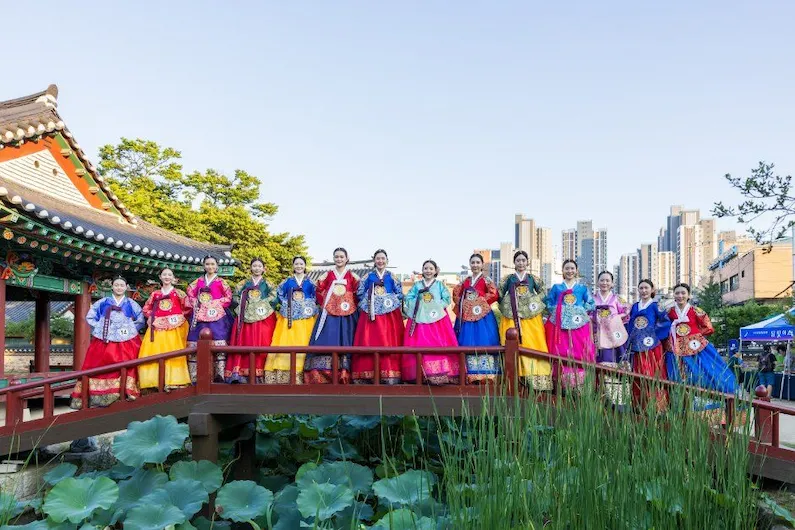
Named after the traditional blue-and-red lanterns that once lit the streets of the Joseon era, this program curates a lantern-lit walking course through the heritage district. Along the way, visitors can join a stamp rally that takes them across multiple heritage sites, change into hanbok, and pose for photos at the rickshaw photo zone.

3. Night Story (Stories of That Day)

Theater takes center stage in this theme. The immersive play <Mystery: The Truth of That Day> drops audiences into the middle of a historical narrative, while the relay historical play <Our Heritage> brings the stories of the sites themselves to life. The classic night program <Light and Silence> offers a quieter, more contemplative evening experience, and the Righteous Army Commander Min Geung-ho Musical Gala Show pays tribute to one of the city’s most significant historical figures. History lectures complete the lineup.

4. Night History (Walkers of Time)

This theme turns history into a hands-on experience. The Queen Inyeol Selection Contest invites participants into the atmosphere of the Joseon court, while The Master’s Zone and the 5 Virtues of Gangwon Gamyoung Governor explore the traditions and governance of the historic Gangwon Gamyoung office. Together, they offer a closer look at the people and values that shaped Wonju’s past.

5. Night Art (Art Pieces Brought Out at Night)

Two exhibitions—the Courtyard of Time Exhibition and the Piece of Peace Exhibition—bring artworks out into the heritage grounds after dark, creating a setting in which the historic architecture and contemporary pieces reflect each other.

6. Night Market (Story Street)

The story street comes alive with a night market and a craft market where visitors can browse and buy local goods. A traditional play festival and a tavern courtyard offer entertainment and a place to rest between programs.

7. Night Food (A Bite of Wonju)

The culinary side of the festival offers a traditional tea ceremony experience, a Songgang Jeong Cheol Jangjin-jusa program, and a Sato-bab theme booth, each providing a taste of Wonju’s local flavors and heritage.

8. Night Stay (A Night in Joseon)

For those who want to extend the experience until morning, the immersive accommodation program offers a Joseon-inspired overnight stay, supported by a network of linked accommodations nearby.

Visitor Information

📍 Address: 77 Wonil-ro, Wonju-si, Gangwon-do (Ilsan-dong)

🛏️ Accommodation near the event

💰 Fee: Free

📞 Inquiry: 033-764-3794

⭐️ Instagram: https://www.instagram.com/wonjuyaheng

🖥️ Website: https://www.wjculturenight.com/

Wonju National Heritage Night

Wonju is a city in the western part of Gangwon Province, South Korea, about 70 miles east of Seoul. It sits between low hills and along the Seomgang River, and its road and rail connections make it a common entry point to the province. During the Joseon Dynasty, the city functioned as an administrative and military center. Parts of that history remain visible in the old walls, temple compounds, and museum collections.

The older sections of Wonju are straightforward neighborhoods centered on traditional markets and small restaurants. The newer parts of the city are larger and more dispersed, with university buildings and small breweries. Two local dishes are especially common: makguksu, cold buckwheat noodles in a seasoned broth, and dakgalbi, stir-fried chicken with vegetables in a spicy sauce. Residents often say their versions are the best in the province. The hills around the city are wooded, and in autumn they draw a modest number of hikers and photographers.

Wonju is not a large or heavily advertised destination. Its main appeal is practical: good food, walkable river views, and a quieter pace than the coastal tourist towns. That is also why it works as a setting for a multi-evening heritage festival centered on lanterns and historic neighborhoods.

Muju Firefly Festival 2026: Experience the Magic of Nature and Ecological Wonder in South Korea

Muju Firefly Festival 2026: Experience the Magic of Nature and Ecological Wonder in South Korea

Muju Firefly Festival

🗓️ 2026.09.04 ~ 2026.09.12

The Muju Firefly Festival is South Korea’s representative environmental festival, centered on fireflies—a natural monument—and the clean natural environment that sustains them. Held every year from late August to early September throughout Muju-gun, the festival gives visitors a chance to observe the mysterious glow of fireflies in their natural habitat and to appreciate the value of protecting the ecological environment. The program lineup includes the signature Firefly Mystery Exploration, ecological and environmental experiences, traditional cultural events, performances, and night views.

A Festival Built Around Real Encounters with Nature

The Firefly Mystery Exploration is the festival’s signature program and a Muju exclusive. Visitors travel directly to firefly habitats to meet the living light of the insects themselves—an experience that stands apart from artificial light displays and gives the festival its distinct identity. Alongside this central program, the festival offers a range of activities for all ages.

Main Programs

  • Firefly Mystery Exploration
  • Firefly Theme Pavilion

Side Programs

  • Bandi Kids World
  • Bandi Star Picnic
  • Namdaecheon Life Plus
  • Cultural Arts Performances

Consumer Participation Programs

  • Experience Programs
  • Water Splash Festival
  • Various Flea Markets

The festival continues to grow as a gathering that highlights coexistence between nature and people, and it plays an active role in promoting the importance of environmental preservation.

Event Information

Muju Firefly Festival

What is Muju?

Muju is a county in the northeastern corner of North Jeolla Province, South Korea, set within the Deogyusan mountain range. Its terrain is steep and forested, with narrow valleys, fast streams, and small settlements spaced along the lower slopes. Muju lies close to the geographic center of the Korean Peninsula, but unlike the metropolitan regions along the coast, it has little traffic and no dense commercial districts. Its night sky is mostly free of light pollution.

The county’s main landscape features are Deogyusan and the Gucheon-dong valley. Together they provide long trails, granite ridges, and several waterfalls. In winter, the ski slopes at Deogyusan Resort attract visitors; in summer, the valley’s pools and shaded paths are used by families and weekend hikers. The forests and rivers also support a significant firefly population. Fireflies are sensitive to water quality and pesticide use, so their presence indicates that the local environment has remained relatively undisturbed. The Muju Firefly Festival, held in early summer, uses this as a starting point for night walks, insect observation, and local food.

Muju is not a major city or a well-known tourist stop. It is mostly farms and forest, with scattered villages, a national park, and a few small museums. The attractions are straightforward: a dark sky, a cold stream, a trail through the woods. The festival gives visitors a reason to look closely at the insects that depend on the county’s water and forests, and the rest of the year offers much the same.

2026 Pyeongchang Hyoseok Cultural Festival Guide: Experience the Magic of Buckwheat Flowers and Korean Literature

2026 Pyeongchang Hyoseok Cultural Festival Guide: Experience the Magic of Buckwheat Flowers and Korean Literature

Pyeongchang Hyoseok Cultural Festival

🗓️ 2026.09.04 ~ 2026.09.13

The Pyeongchang Hyoseok Cultural Festival is a representative autumn cultural tourism festival of South Korea, held every September in Bongpyeong-myeon, Pyeongchang-gun, Gangwon-do. Since its launch in 1999, the festival has taken place in the actual setting of Gasan Lee Hyo-seok’s novel “When Buckwheat Flowers Bloom,” a masterpiece of modern Korean short stories. The festival’s defining scenery is the white buckwheat flower fields blooming profusely, as if salt had been sprinkled across the land. Visitors can personally experience the natural landscape of Bongpyeong that serves as the novel’s backdrop.

Main programs include literary events honoring Lee Hyo-seok’s literary legacy, traditional folk games, a local food market, and cultural and artistic performances staged with local residents and artists. Through these offerings, the festival promotes the region’s literary assets and rural traditional culture while contributing to the revitalization of the local economy.

1. Main Programs

  • Madang-geuk (Traditional Outdoor Play) Performance (When Buckwheat Flowers Bloom) — the festival’s signature theatrical work, recreating the narrative of the novel in a traditional outdoor setting.
  • 47th National Hyoseok Writing Contest — a national competition inviting writers to carry on the festival’s literary tradition.
  • 4th Pyeongchang Buckwheat Flower Song Festival — a musical program celebrating buckwheat flowers and rural life.
  • Lee Hyo-seok Literary Award Ceremony — a formal recognition of literary achievement held as part of the festival.
  • Radio Open Broadcast — a live broadcast from the festival site, bringing its atmosphere to listeners beyond the venue.

2. Side Programs

  • Various performances by local performance troupes, offering a continuous display of regional talent throughout the festival.

3. Consumer Participation Programs

  • Into the Novel via Literary Train — a themed train experience that carries visitors into the world of the novel. The literary train boarding fee is paid.
  • Enjoy the Festival with Stamp Tour — a free stamp-collecting tour of the festival grounds; small prizes are provided.
  • Music Journey with DJ Choi Yong-jin — a free program featuring music story requests.
  • Find the Golden Buckwheat! — a free treasure-hunt program conducted only during program operating hours; winners receive small prizes.
  • Fallen Leaves Burning Experience — a fire-gazing experience conducted after 18:00; free of charge.

4. Other Information

  • Free shuttle bus operation: from Pyeongchang Station to the festival site.

Admission Fee

Paid (5,000 KRW). Free for children under 36 months, disabled persons, and persons of national merit. The exemption applies only when a verifiable certificate is provided. No group discounts and no senior discounts are available.

📍 Address: 157 Hyoseok-gil, Bongpyeong-myeon, Pyeongchang-gun, Gangwon-do

🛏️ Accommodations near the event

💰 Fee: Paid

📞 Inquiry: 033-335-2323

🖥️ Homepage: https://www.hyoseok.com/

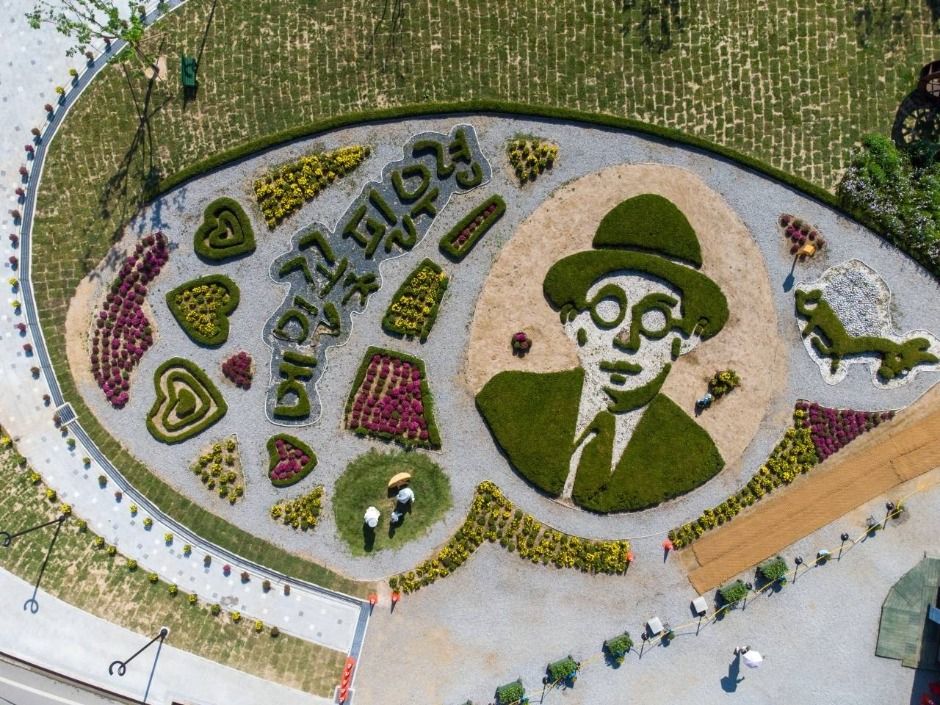
평창효석문화제

Lee Hyo-seok and the buckwheat flowers of Pyeongchang

Lee Hyo-seok (1907–1942) was a Korean writer from Pyeongchang County. He is known mainly for the short story “When Buckwheat Blooms” (1936), a work that has been widely read in Korea since its publication. The story follows a middle-aged peddler and his younger companion as they travel through a mountain village on a moonlit night. Buckwheat fields line their path, and the white flowers look almost silver in the dark. The plot is not dramatic in the usual sense; the meaning comes from what the travelers notice, remember, and leave unsaid. The story has long been taught in Korean schools and is often cited as an example of how a writer can build a narrative from observation and memory. Lee died in 1942, at thirty-five, and his literary reputation rests on a relatively small but durable body of work.

The connection to Pyeongchang is direct. Lee was born in the county, and his writing repeatedly returns to the kind of landscape he knew there: mountain farms, narrow roads, seasonal crops. In “When Buckwheat Blooms,” the buckwheat field is not a backdrop. The travelers spend the night surrounded by the crop, and the landscape changes how they talk and remember. Every year in September, the Pyeongchang Hyoseok Cultural Festival uses that association to draw visitors to Bongpyeong, where buckwheat is still grown widely. The festival includes literary readings, exhibitions, and local dishes made from buckwheat. It is, in effect, a seasonal return to the landscape Lee wrote about, with the fields blooming again at the same time of year his story takes place.

2026 Ganghwa Starry Night Walk: Experience Nighttime Heritage, Live Music, and Cultural Activities in Incheon

2026 Ganghwa Starry Night Walk: Experience Nighttime Heritage, Live Music, and Cultural Activities in Incheon

Ganghwa Starry Night Walk

🗓️ 2026.09.04 ~ 2026.09.05

The 2026 Ganghwa Starry Night Walk is a nighttime cultural tourism event hosted and organized by Ganghwa-gun. It takes place over two evenings, from September 4 to September 5, 2026, with programs running from 18:00 to 22:00 each day. The main venue is Yongheunggung Park in Gwancheong-ri, Ganghwa-eup, Ganghwa-gun, Incheon Metropolitan City.

The event is designed for domestic and international tourists as well as residents of Ganghwa-gun. What sets it apart from a typical evening festival is the nighttime opening of national heritage sites in the Ganghwa-eup area. The program ties together major heritage sites and cultural facilities in the old downtown area—including the Anglican Cathedral of Ganghwa, Yongheunggung, and the Goryeo Palace Site—with performances, exhibitions, lectures, history experiences, walking tours, markets, and hands-on activities.

Performance Programs

Day 1 Main Lineup:

  • Roy Kim
  • Maijin
  • Shin Ye-young
  • Local performance teams

Day 2 Main Lineup:

  • Cheon Rok-dam
  • Kim Na-young
  • Local performance teams

Main Programs

Singer performances, parades, flea markets, experience programs, and walking programs form the core of the event.

Side Events and Programs

In addition to the main stage, the event includes:

  • Snap photography
  • Astronomical observation
  • AI photo booth
  • Traditional rice cake making experience
  • Sochang (cotton fabric) dyeing experience
  • Lantern making
  • Caricature experience
  • Street performances
  • And more

Food Programs

Flea market, food booths, and food trucks will be available for visitors.

📍 Address: Gwancheong-ri, Ganghwa-eup, Ganghwa-gun, Incheon Metropolitan City

🛏️ Accommodation near the event

💰 Fee: Free

📞 Inquiry: 070-4814-0634

⭐️ Instagram

🖥️ Homepage

강화 별밤 야행

What is Ganghwa?

Ganghwa is a large island off the northwestern coast of Incheon, South Korea, connected to the mainland by bridges. It has a long recorded history, and much of it is still visible: prehistoric dolmen sites, fortress walls, and temples that have stood for more than a thousand years. Because of its position near the mouth of the Han River, it has also been a point of military and political importance, serving as a refuge and battleground from the Goryeo dynasty through the Korean War.

The less dramatic parts of the island are just as present. Tidal flats, farm fields, low mountains, and coastal roads make up most of the landscape, and Ganghwa is close enough to Seoul for a regular day trip. The Starry Night Walk is intended for the hours when those sights are no longer the main attraction. After dark, the streets and historic sites are quieter, and the route lets visitors encounter that side of the island directly.

Yurari Dry Seafood & Beer Festival 2026 in Busan: Free Admission, Craft Beer, and Dried Seafood at Nampodong Market

Yurari Dry Seafood & Beer Festival 2026 in Busan: Free Admission, Craft Beer, and Dried Seafood at Nampodong Market

Yurari Beer Festival

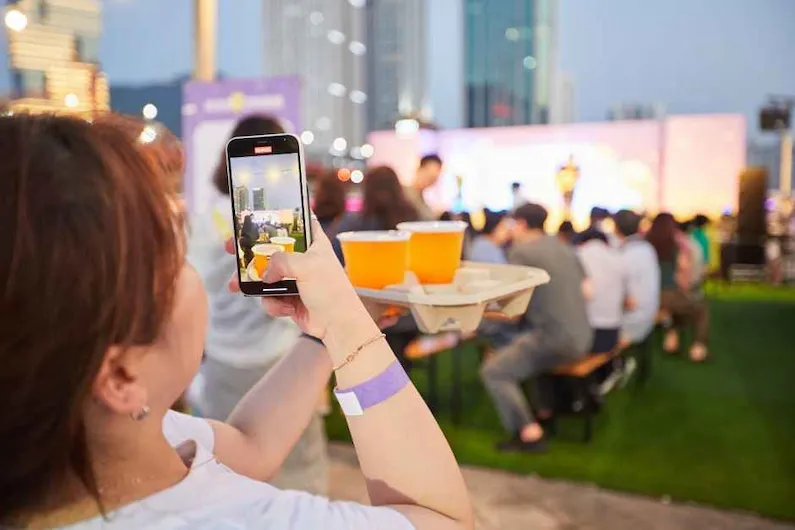
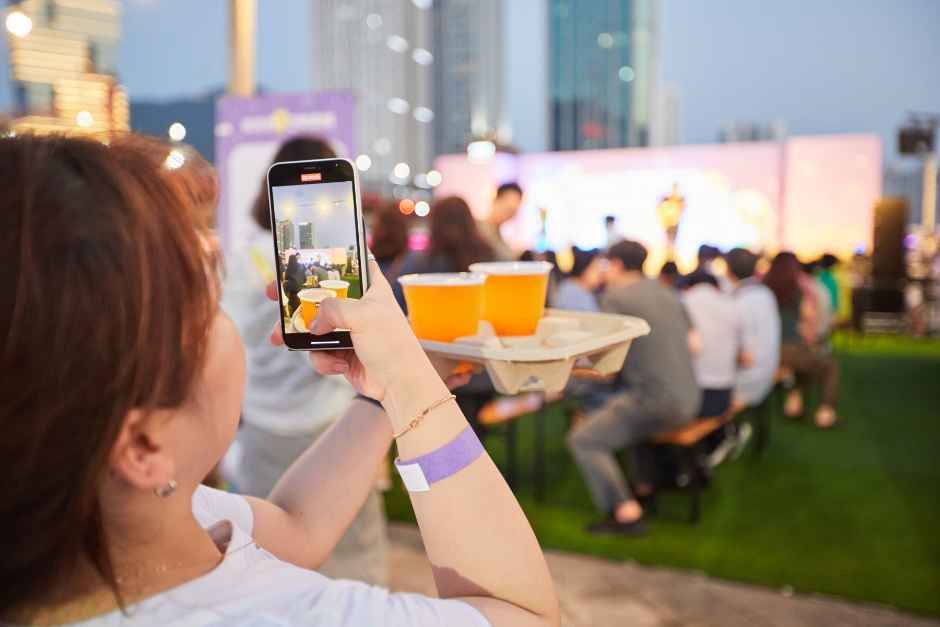
The Yoorari Dry Seafood & Beer Festival brings together the excellent dried seafood of Busan’s Nampodong Dried Seafood Wholesale Market and the city’s representative craft beers. It takes place at Yoorari Plaza on September 4 and 5, 2026, and admission is free. The program is designed so everyone, regardless of age or gender, can enjoy both dried seafood and craft beer through food, performances, and interactive events.

Main Programs

  • Opening Ceremony – A program that announces the start of the event and features exciting celebratory performances.
  • Gunmaek Food Zone – A pop-up store selling dried seafood from the Nampodong Dried Seafood Wholesale Market and Busan craft beer. It includes the Briquette Grill Zone, where you can cook purchased dried seafood on the spot, and I Entrust the Dried Seafood, where purchased dried seafood is cooked according to your preference.
  • Gunmaek BAR – A lounge bar where you can find signature beer cocktails while listening to requested songs along with personal stories. The space is designed for people of all ages and genders to interact naturally, and for foreign tourists to enjoy without burden.
  • Jjan! Stage – A stage program space where everyone can raise their glasses and shout “Jjan!” (Cheers!) through exciting performances and audience-participation events.

Side Programs

  • Yoorari Jjan! Market – A flea market full of various props and trendy experience booths from small business owners in the Busan area, plus K-food food trucks that pair well with craft beer.
  • Experience Programs – A space where you can experience decorating your own shining cheers glass and making keycaps.

An art zone is also on site, where visitors can meet portrait artists active in the Gwangbok-ro Culture Street; it supports the development and coexistence of local art.

Event Details

Yoorari Dry Seafood & Beer Festival

Nampodong Market sits in Busan’s Nampo-dong district, a short walk from Jagalchi Fish Market and BIFF Square. It is one of the older traditional markets in the city, and its main trade is dried seafood. Stalls sell salted and sun-dried fish, pollock, anchovies, squid, and seasoned laver. The smell is salty and concentrated.

The market is small. Its main alleys branch into narrower lanes, and the stalls are packed close together. Alongside the seafood are stalls for produce, clothing, and household goods. On most days, vendors arrange their goods and call out to customers; a few snack stalls cook food on the spot. The layout is straightforward, and the covered sections make it usable in most weather.

The Yurari Dry Seafood & Beer Festival is held here. Vendors keep their regular dried-seafood stock out, and beer stalls are added in the open spaces. The event gives the market a different evening crowd, but the daily business remains the reason the market survives.

Analytics