Korean Confucian Culture Festival
🗓️ 2026.09.18 ~ 2026.09.20
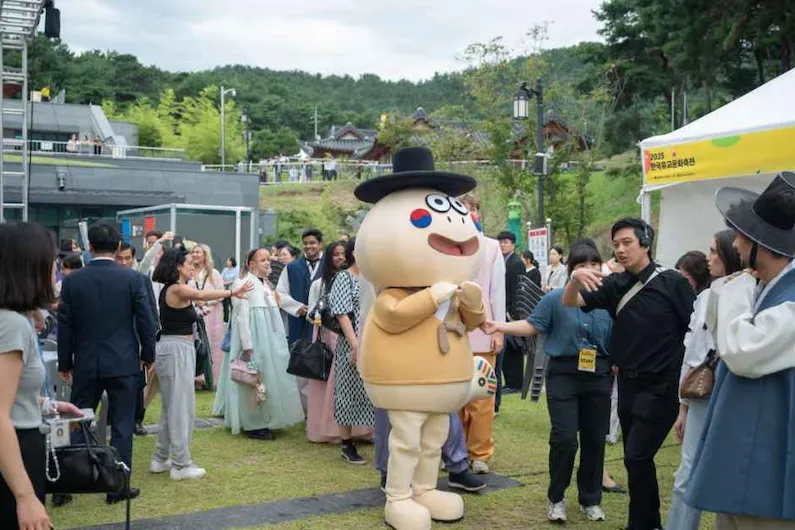
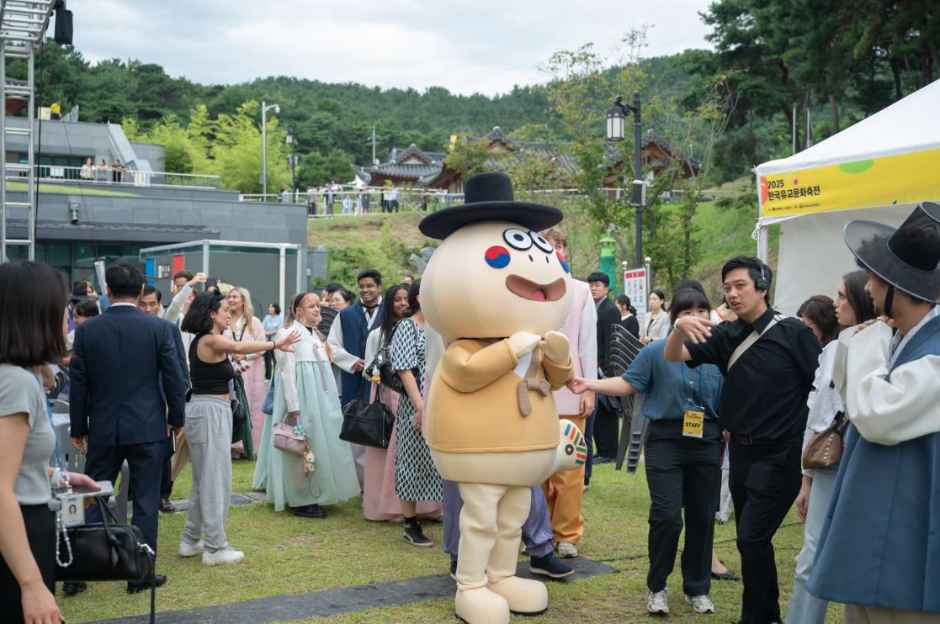
The 2026 Korean Confucian Culture Festival brings Confucian tradition into the everyday lives of modern visitors. Hosted by Chungcheongnam-do and Nonsan-si and organized by the Korean Confucian Culture Promotion Agency, the festival is built around the theme “Loyalty, Filial Piety, and Propriety Become My Daily Life.” Through performance, exhibition, experience, education, and academic programs, it connects core Confucian values to daily practice. The event runs from September 18 to 20, 2026, at the Korean Confucian Culture Promotion Agency and around Noseong-myeon, Nonsan-si.
The program is designed for a wide range of participants: children, families, adolescents, young adults, foreigners, and local residents. Highlights include the opening ceremony, the Chungcheong Spirit Provincial Resident Declaration, the Choi Tae-sung Humanities Book Concert, the K-Confucianism International Forum, performances and exhibitions, and participation-based competition and experience programs for families and youth. Through these programs, regional Confucian cultural assets and lifestyle culture can be experienced together, helping visitors understand and share the values of tradition in today’s life.
Main Programs
- Opening Ceremony
- Chungcheong Spirit Provincial Resident Declaration
- Choi Tae-sung Humanities Book Concert
- K-Confucianism International Forum
- K-Confucianism Concert
- Scholar Members’ Day
Side Programs
- Loyalty, Filial Piety, and Propriety Pop-up Exhibition
- Traditional Clothing Exhibition
- Special Exhibitions Related to Confucian Culture
- K-Pungryu Plaza
- Regional Cultural Performances
Consumer Participation Programs
- K-Confucianism English Speech Contest
- Writing and Drawing Contest
- Foreigner Scholar School
- Traditional Archery and Tea Ceremony Experience
- Scholar’s Table Cooking Class
- Family Experience Programs
- Stamp Tour
The participation programs are where the festival becomes most interactive. Visitors can try traditional archery and tea ceremony, join a Scholar’s Table cooking class, or follow the stamp tour through the festival grounds. The K-Confucianism English Speech Contest and the Foreigner Scholar School give international visitors a way into Confucian culture, while the writing and drawing contest and family experience programs offer younger participants and families a more hands-on entry point.
Other Details
- Participation programs for residents of Noseong-myeon and the Nonsan area
- Operation linked with local commercial districts and food
Practical Information
📍 Address: 10 Jonghak-gil, Noseong-myeon, Nonsan-si, Chungcheongnam-do
🛏️ Accommodations near the event
💰 Fee: Free admission (some experience programs have a fee)
📞 Inquiry: 041-981-9859
⭐️ Instagram: instagram.com/ikcc_official
🖥️ Website: kccexpo.co.kr
Korean Confucian culture refers to the ethical and social tradition that grew out of Confucianism on the Korean peninsula. Confucian ideas were known in Korea several centuries before the Joseon dynasty, with schools and texts appearing as early as the Three Kingdoms period. But it was in Joseon (1392–1910), when Neo-Confucianism became the official state ideology, that these ideas were systematically applied to government, family ritual, education, and everyday conduct.
Korean Confucianism draws on a set of core moral concepts: in (benevolence), ui (righteousness), ye (propriety), and ji (wisdom). These are not abstract ideals; they are expected to show up in concrete behavior. Filial piety, hyo, is the most familiar example. It includes caring for aging parents and observing the jesa memorial rites that honor deceased ancestors. Age-based respect is also embedded in ordinary life. Korean has a comprehensive system of honorifics, and forms of address, seating order, and even the decision to pour someone a drink can reflect one’s relative age and position.
The seonbi ideal reinforced this ethic. Seonbi were educated men who were supposed to act as models of integrity and self-cultivation, often choosing moral principle over office or wealth. The civil service examination system, which selected officials through rigorous study of classical texts, gave education a central place in Korean society. That legacy is still visible in the high value placed on schooling and in the status granted to teachers.
Modern Korea does not follow Confucian rules as a formal system. Most people do not govern family life according to the detailed ritual codes of the Joseon court. Yet the broader habits remain: the expectation that adult children will support their parents, the attention to hierarchy in workplaces and families, the preference for harmony in group settings, and the belief that education is the route to improvement. Some of these patterns are contested, especially when they clash with newer ideas about gender equality and individual autonomy, but they are still part of the ordinary background of Korean life.
For visitors, the Korean Confucian Culture Festival in Nonsan is less about viewing artifacts than about observing and participating in these ongoing practices. The rituals are not relics, but living conventions that continue to shape how many Koreans think about responsibility, respect, and relationships.
