Gwangju Namhansanseong Cultural Festival
🗓️ 2026.09.18 ~ 2026.09.20
To commemorate the 400th anniversary of the construction of the Namhansanseong fortress walls, Gwangju City’s representative festival, the ‘Gwangju Namhansanseong Cultural Festival,’ which sheds new light on the value of Namhansanseong, where history and culture breathe, will be held for three days from September 18th to 20th at Namhansanseong Provincial Park.
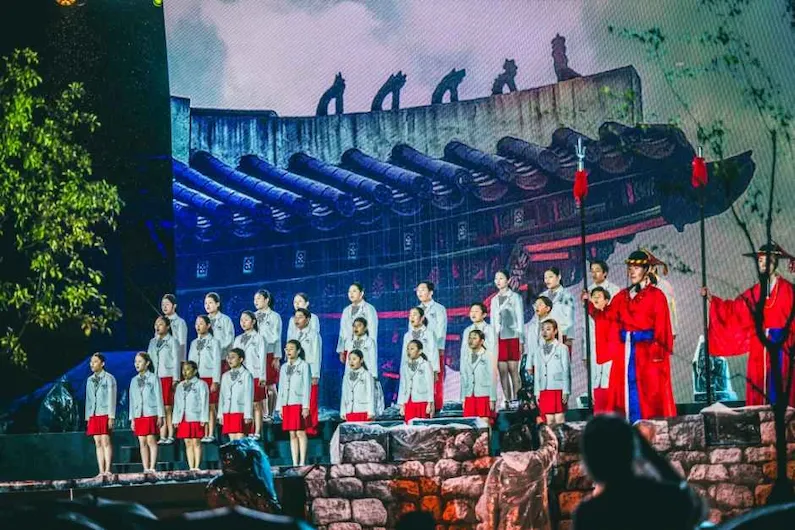
This festival is a meaningful occasion to reflect on the historical significance and cultural value of Namhansanseong, which is listed as a UNESCO World Heritage site, together with citizens. During the festival period, various performances and stage programs where tradition and modernity harmonize, historical experience programs where one can directly experience the history and culture of Namhansanseong, participatory programs that citizens can join and enjoy together, and experiential art markets will be diversely presented.
What to see and do
The festival program includes performances, hands-on experiences, an art market, and a food zone, giving visitors a range of ways to engage with the fortress and its heritage. Since admission is free, it is easy to join for a single program or stay for a full day of events.
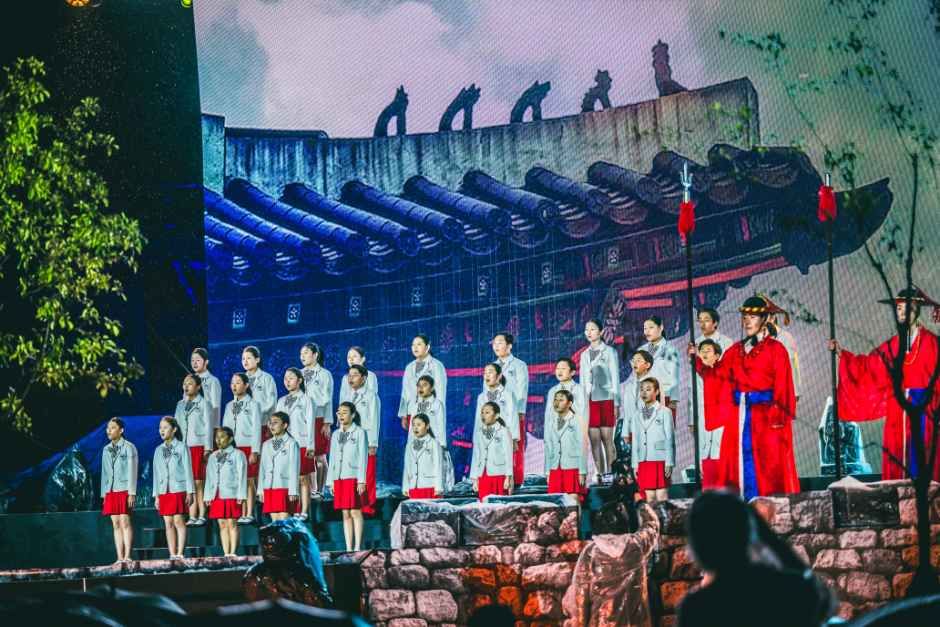
- Opening Ceremony: An opening performance with citizens to commemorate the 400th anniversary of the construction of the Namhansanseong fortress walls.
- Performances: Various performances featuring local art groups, busking, popular singers, etc.
- Experience Programs: Experience programs to encounter and enjoy nature and history throughout Namhansanseong.
- Art Market: Operation of an experiential art market linked with local workshops.
- Food Zone: A food zone where you can enjoy the unique tastes and representative foods of Namhansanseong.
- Visiting Library, Visiting Cinema: Meeting Namhansanseong closely through books and movies.
The mix of commemorative events, local artistic talent, and hands-on cultural activities gives the festival its own character within Gwangju’s annual calendar. Visitors can watch, participate, explore, and taste their way through the fortress site, all against the backdrop of a UNESCO-listed historic landscape.
Event details
📍 Address: 731 Namhansanseong-ro, Namhansanseong-myeon, Gwangju-si, Gyeonggi-do
🛏️ Accommodation near the event
💰 Fee: Free
📞 Inquiry: 1522-0338
⭐️ Instagram: https://www.instagram.com/gccf_festival/
🖥️ Website: https://www.nsart.or.kr/culture/business.do?act=detail&clbsId=163
Namhansanseong Fortress: History and Significance
Namhansanseong is a mountain fortress in Gwangju, Gyeonggi Province, built to guard the southern approach to Seoul. The site has defensive origins dating to the Three Kingdoms period, but the walls and structures that survive today were completed in 1626, during the Joseon dynasty. Its 400th anniversary will mark the completion of that construction in 2026.
The fortress was designed as an emergency capital for the Joseon royal family. It included palace buildings, military command posts, and storage facilities, and its fortifications combined natural terrain with masonry walls, gates, and watchtowers. The layout reflected the military engineering standards of the time and allowed a relatively small garrison to defend against a larger invading force.
Namhansanseong is best known for the siege of 1636, when King Injo and his court took refuge inside the fortress during a Manchu invasion. The garrison and refugees held out for nearly fifty days against a Qing army before Injo surrendered. The terms of that surrender affected Joseon’s relations with the Qing dynasty for decades afterward, and the event is a central episode in Korean political history.
The fortress was added to the UNESCO World Heritage List in 2014. The designation recognizes it as a significant example of East Asian military architecture and as a landscape shaped by Joseon-era political and philosophical ideas. Its walls, gates, and surviving buildings are preserved as historical evidence of that period.
