Mori no Beer Garden / Jingu Gaien
Enjoy BBQ at Jingu Gaien! Look forward to magic mugs that keep drinks cold and a plan debuting for the first time in 2026.
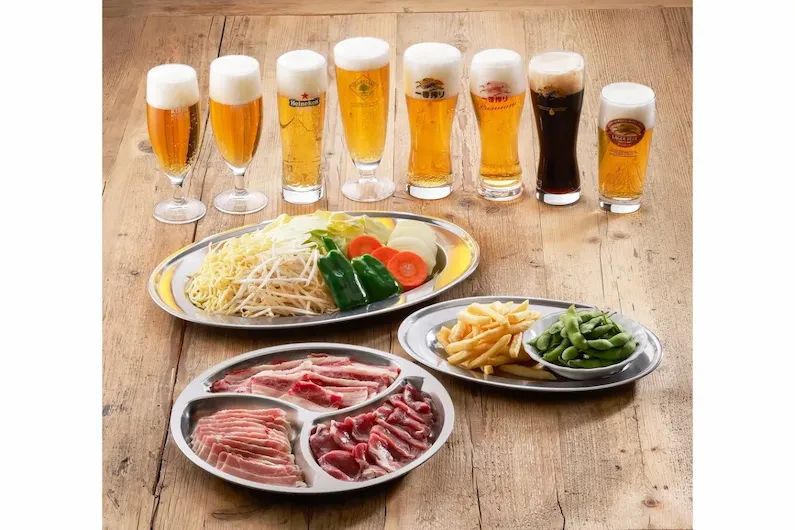
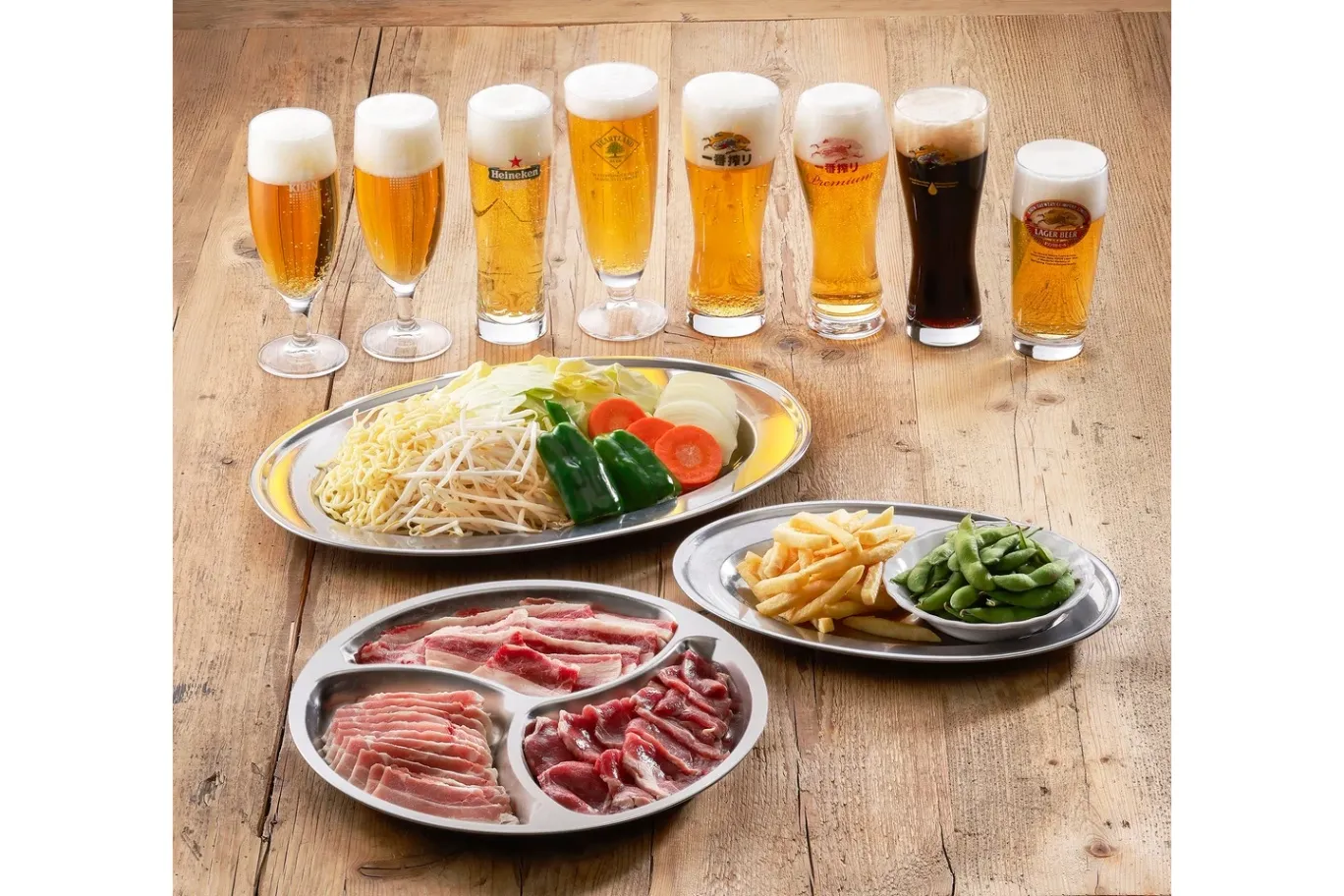
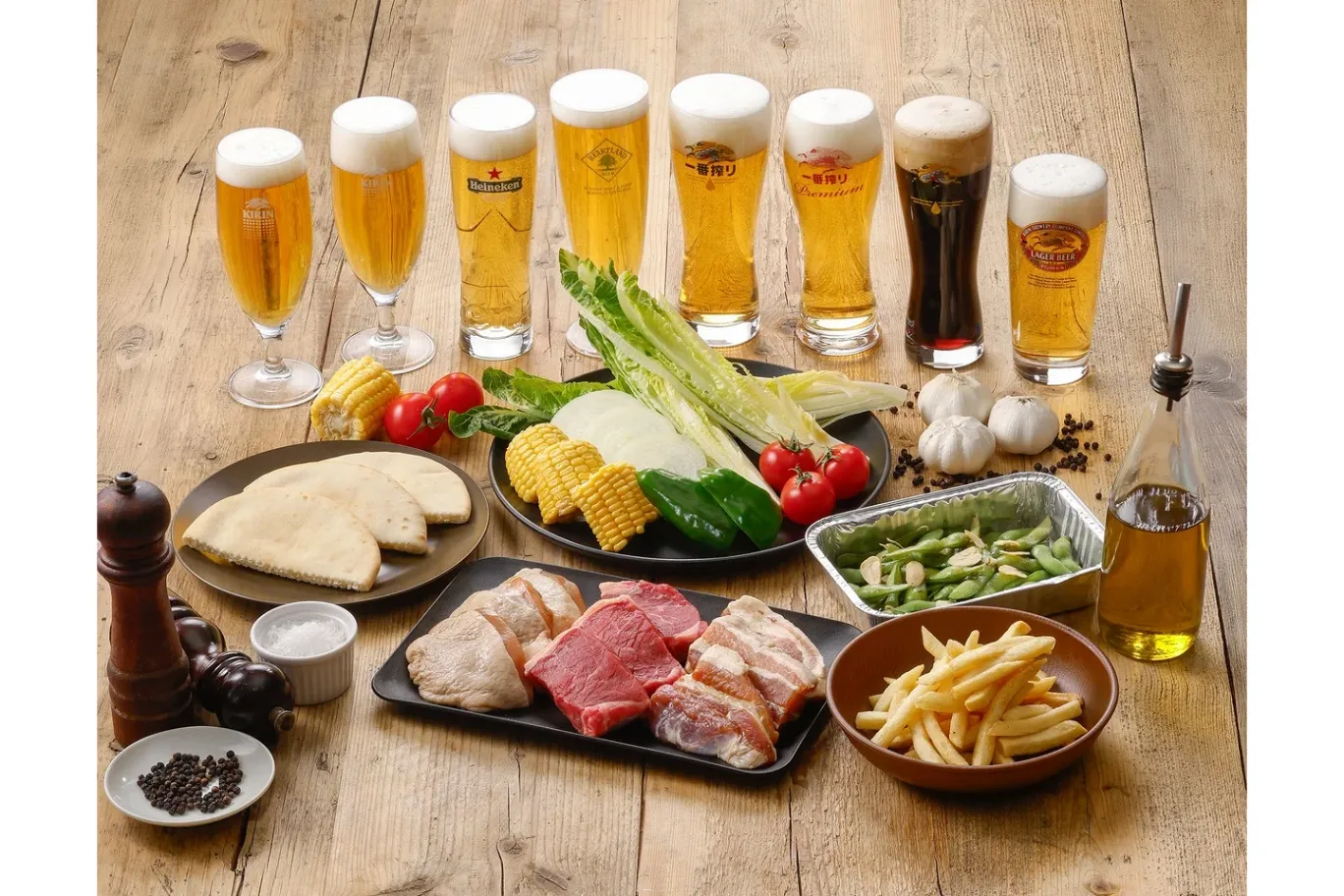
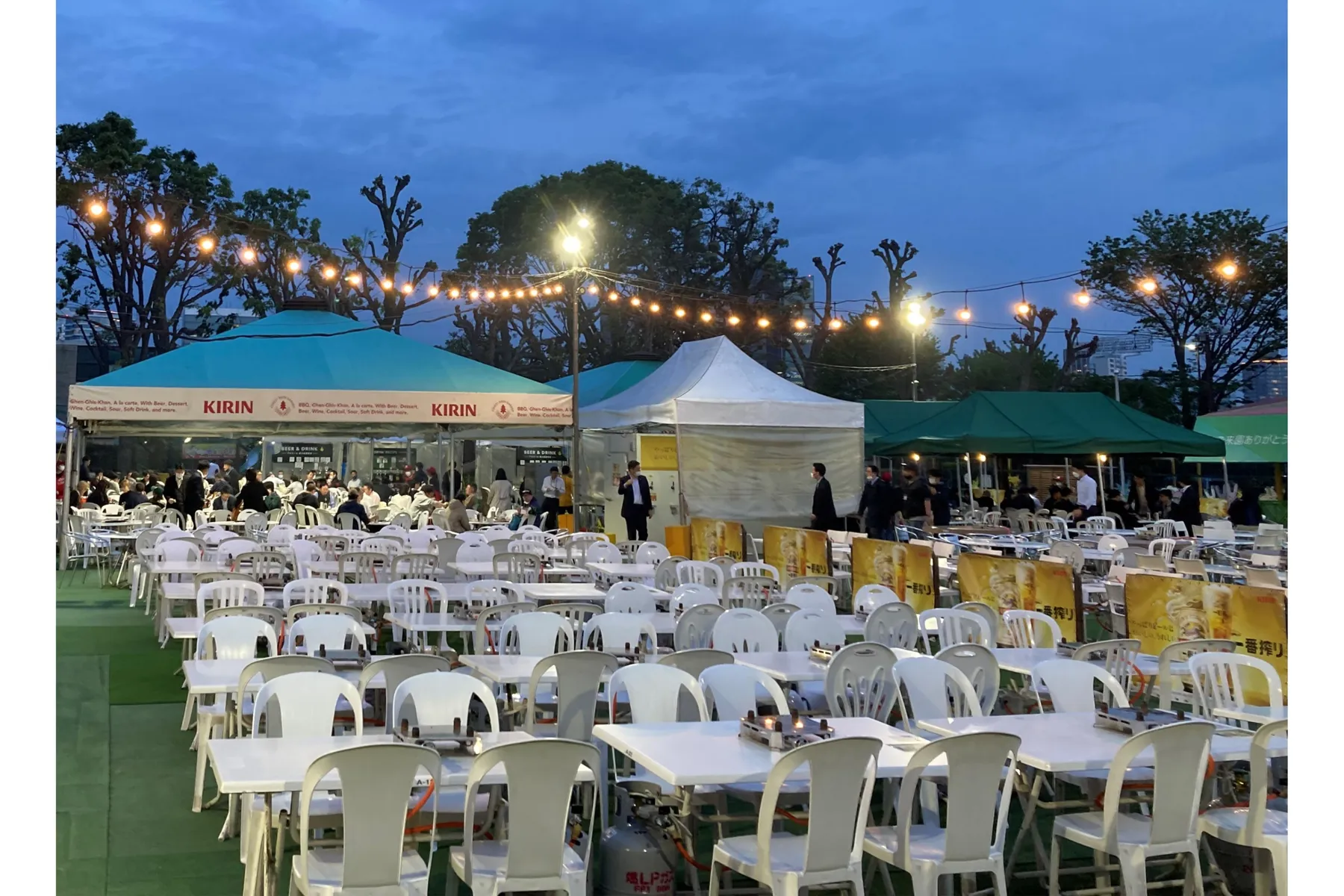
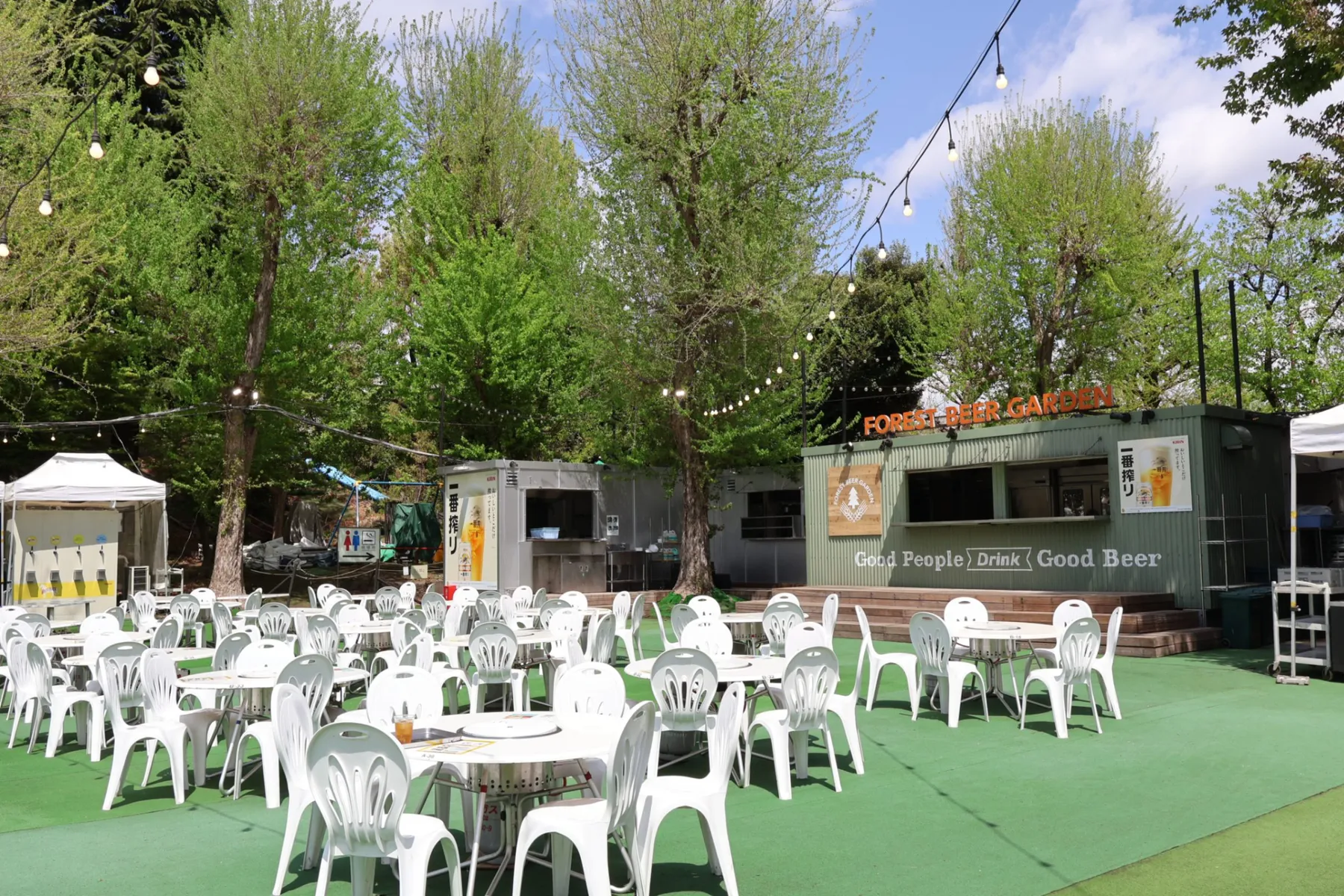
“Mori no Beer Garden” will open again this year within Jingu Gaien Nikoniko Park. In 2026, a new area will debut where you can experience BBQ with authentic Weber grills from the Weber company—an American brand renowned for its charcoal kettle grills since 1952. With the “Weber BBQ Plan with All-You-Can-Drink (6,980 yen),” you can fully enjoy US sirloin, domestic pork belly, and more. Additionally, as a standard plan, a barbecue menu featuring a welcome plate, three types of meat, and vegetables is available. With reasonable pricing for children, it is also perfect for families! A welcome point is the availability of beer servers and sour servers connected directly to refrigerators, as well as magic mugs that maintain coldness—ensuring your beverage stays chilled even during humid Tokyo evenings. Heat countermeasures have also been implemented, such as the installation of “Cool Mist Line (R)” cooling devices within the venue.
■ Heat Countermeasures
Mist showers, large fans
■ BBQ Style
Hands-free BBQ (Empty-handed BBQ)
■ Beer Handled
Kirin
■ Craft Beer Handled
4 types
■ Reservations
Web reservations available, no reservation OK (same-day seats available)
■ Number of Seats
900 seats (900 outdoor seats)
*Maximum capacity per group: 900 people
*600 seats under tents
13 tables of New Hands-free Weber BBQ seats under tarp tents
■ Rainy Weather Response
Outdoor but has a roof and can be conducted; conducted outdoors using tarps, parasols, etc.
■ Accepted Payment Methods
Credit card, QR code, electronic money, cash
Basic Information
| Venue / Nearest Station | Meiji Jingu Gaien<br>Shinanomachi Station (5 min walk) / Kokuritsu-Kyogijo Station (5 min walk) / Gaienmae Station (8 min walk) / Aoyama-itchome Station (10 min walk) |
| Location | 〒160-0013<br>1-1 Kasumigaokamachi, Shinjuku-ku, Tokyo<br>MAP |
| Venue | Mori no Beer Garden / Jingu Gaien |
| Event Period | 2026/04/22 (Wed) ~ 2026/09/30 (Wed) |
| Hours | Regular:<br>Start: Weekdays 16:30~, Sat/Sun/Holidays 12:00~<br>End: Weekdays, Sat/Sun/Holidays all until 22:00<br>*Last order: Food and drinks 30 minutes before closing<br><br>【Summer Time】July 18, 2026 (Sat) ~ August 31, 2026 (Mon):<br>Weekdays 14:00〜22:30 (L.O. 21:30) / Sat/Sun/Holidays 12:00〜22:30 (L.O. 21:30) |
| Inquiries | 03-5411-3715<br>https://www.royal-holdings.co.jp/contact/<br>*Phone reception hours 11:00~20:00 |
| Official Site | https://www.morinobeergarden.com/ — Click here for reservations |
*Listed content may be subject to change. Please check the official website of the facility or store for the latest information.

What is Jingu Gaien?
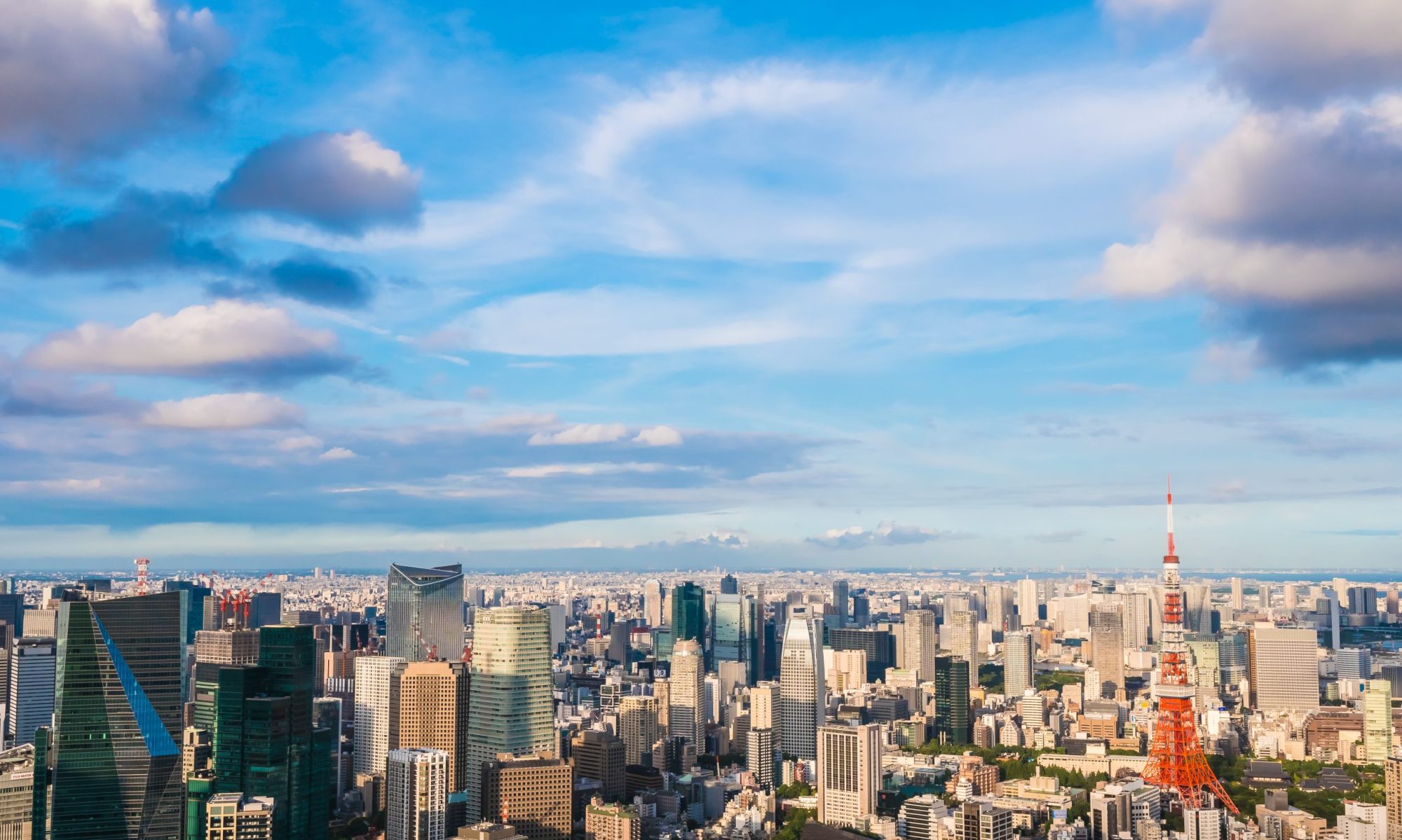
Jingu Gaien is a 330,000-square-meter park in central Tokyo, running from Shinanomachi through Aoyama to Gaienmae. Established in 1926 as an outer garden to Meiji Shrine, it functions as one of the city’s substantial green spaces, positioned among areas better known for commerce than for trees.
The park’s most recognizable feature is Icho Namiki, an avenue of ginkgo trees that turn yellow in autumn. The area also includes the Meiji Memorial Picture Gallery, sports facilities such as Meiji Jingu Stadium, and lawns used for recreation and occasional events.
Jingu Gaien sits at a particular intersection: it is more open to the surrounding city than Meiji Shrine proper, yet still buffered enough to function as parkland. The terrain varies slightly, the tree canopy is mature, and the built environment retains elements from its early decades. These characteristics allow it to accommodate seasonal programming without requiring extensive temporary infrastructure.
The park’s value to residents is largely a matter of logistics. It offers unprogrammed space—room for unscheduled picnics, walks, or gatherings—within reach of Shinjuku, Shibuya, and Roppongi. This proximity has made it a practical venue for evening events during warmer months, where the transition from daytime park use to nighttime activity happens without much friction. The ginkgo avenue, lit after dark, becomes a corridor between the daytime and evening functions of the space.
What distinguishes Jingu Gaien is not its transcendence of urban conditions but its negotiation with them. It remains visibly part of Tokyo rather than apart from it, which limits its capacity for retreat but expands its utility. For a city where truly undeveloped land is scarce, this compromise—accessibility traded against seclusion—represents a recognizable kind of value.
