The 1st Nagoya International Film Festival
“Creating the entertainment culture of a hundred years from now”
The Nagoya International Film Festival distinguishes itself from the typical film festival model. Rather than operating as a closed venue for criticism intended only for a limited number of enthusiasts and industry insiders, it positions itself as an open, urban-style entertainment festival where filmmakers, business people, and citizens converge. Set against the backdrop of the Meieki and Midland Square area, the event creates space for these groups to resonate and unite around shared cultural passion.
What does this mean for attendees? The festival offers proximity to filmmakers active on the world’s front lines, providing direct exposure to contemporary cinema at its most ambitious. It also functions as a launch point for creators who will lead the next generation. The organizing principle is clear: connecting chains of “emotion” and “discovery” from Nagoya toward the future.
Event Details
| Dates | April 3 (Sat) – 4 (Sun), 2027 |
| Time | 13:00–15:00 (Red carpet implementation time) |
| Location | Midland Square (Public roads around the Meieki south side plaza, B1F Atrium, 5F Midland Hall, 5F Midland Square Cinema, etc.) |
| Fees | Only movie tickets are paid |
| Contact | Nagoya International Film Festival Executive Committee — [email protected] |
| Website | https://niff.or.jp/ |
Access
By train:
- Approximately 5 minutes walk from the Sakura-dori Exit of “JR Nagoya Station”
- Approximately 3 minutes walk from the Central Ticket Gate of “Meitetsu Nagoya Station”
- Approximately 3 minutes walk from the Front Ticket Gate of “Kintetsu Nagoya Station”
- Approximately 1 minute walk from the Higashiyama Line South Ticket Gate of “Subway Nagoya Station”
By bus:
- Approximately 0 minutes walk after getting off at the Nagoya City Bus “Nagoya Station (Platform 21)”
- Immediately upon getting off the Aoi Kotsu Highway Bus at “Nagoya Station (In front of Midland Square)”
Nagoya houses the Toho Chukyo Studio in Midori Ward, one of Japan’s three major film production facilities outside Tokyo. Built in the post-war era on industrial land south of the city center, the lot includes soundstages large enough for kaiju films and standing water tanks for marine sequences—resources that remain scarce in Tokyo’s dense studio districts. Toho used the location to shoot tokusatsu effects sequences when productions outgrew their Tokyo backlots, capitalizing on the available warehouse space for miniature construction and wire-work rigs.
The Eizo Film Studio maintains a separate facility nearby, where crews have built and maintained period architecture for historical drama since the 1950s. Rather than dismantling sets after each production, Eizo kept its Edo-period street facades and castle walls standing, allowing directors to return for location shooting without reconstruction delays. This established Nagoya as a fabrication center rather than simply an exhibition market—a city that builds sets and weaves costumes rather than just projecting finished work.
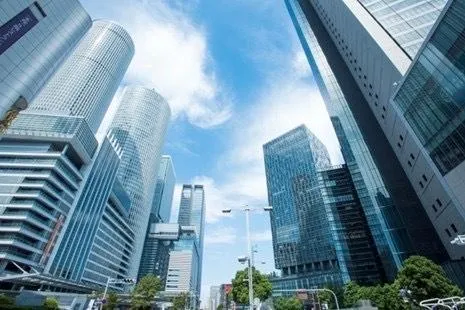
The Aichi Film Commission coordinates location shooting across the prefecture, matching productions to specific sites from the preserved tie-dyeing district of Arimatsu to the crystalline towers of Nagoya Station. The commission maintains databases of industrial corridors, coastal ports, and mountain villages within driving distance of the studio lots, allowing crews to return to editing suites without overnight travel. This logistical infrastructure reflects the region’s manufacturing base, where precision coordination and technical labor already defined the industrial culture.
Hosting an international festival here places visitors within a working production environment. Theaters sit near active soundstages where crews still build miniatures and rig practical effects; local hotels regularly house location scouts and armorers alongside actors. While many festival cities import cinema as a finished commodity, Nagoya maintains the equipment rental houses, prop workshops, and technical schools that produce the work. The event accordingly emphasizes craft—offering workshops in special effects and set construction alongside premieres—acknowledging that the physical labor of filmmaking remains visible here in ways it is not in cities devoted primarily to exhibition.
