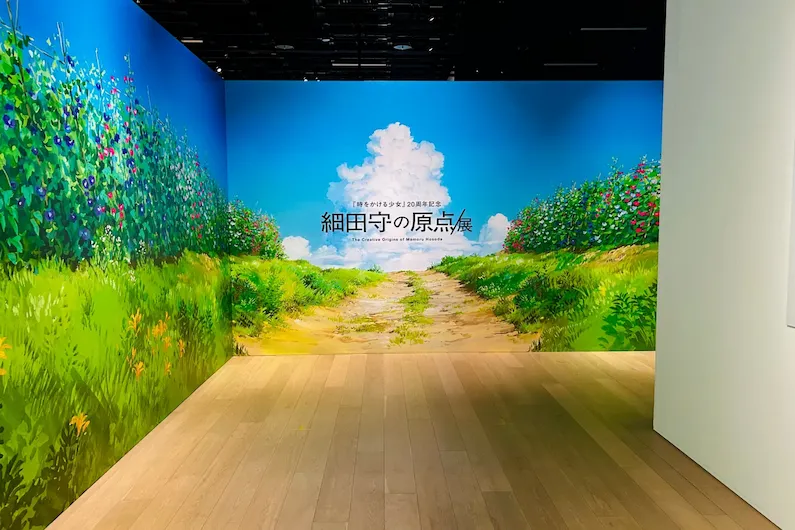
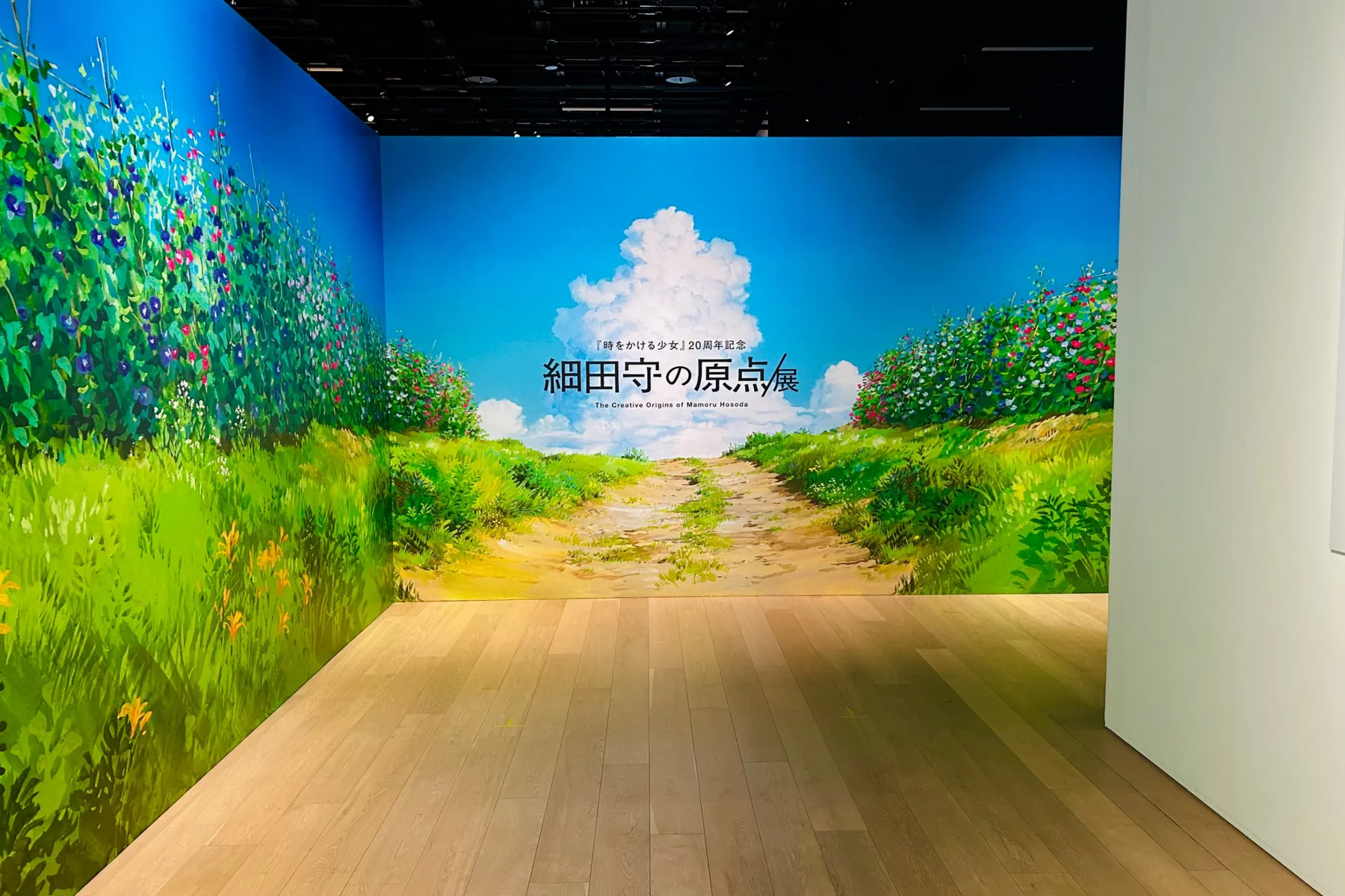
Mamoru Hosoda’s Origins Exhibition
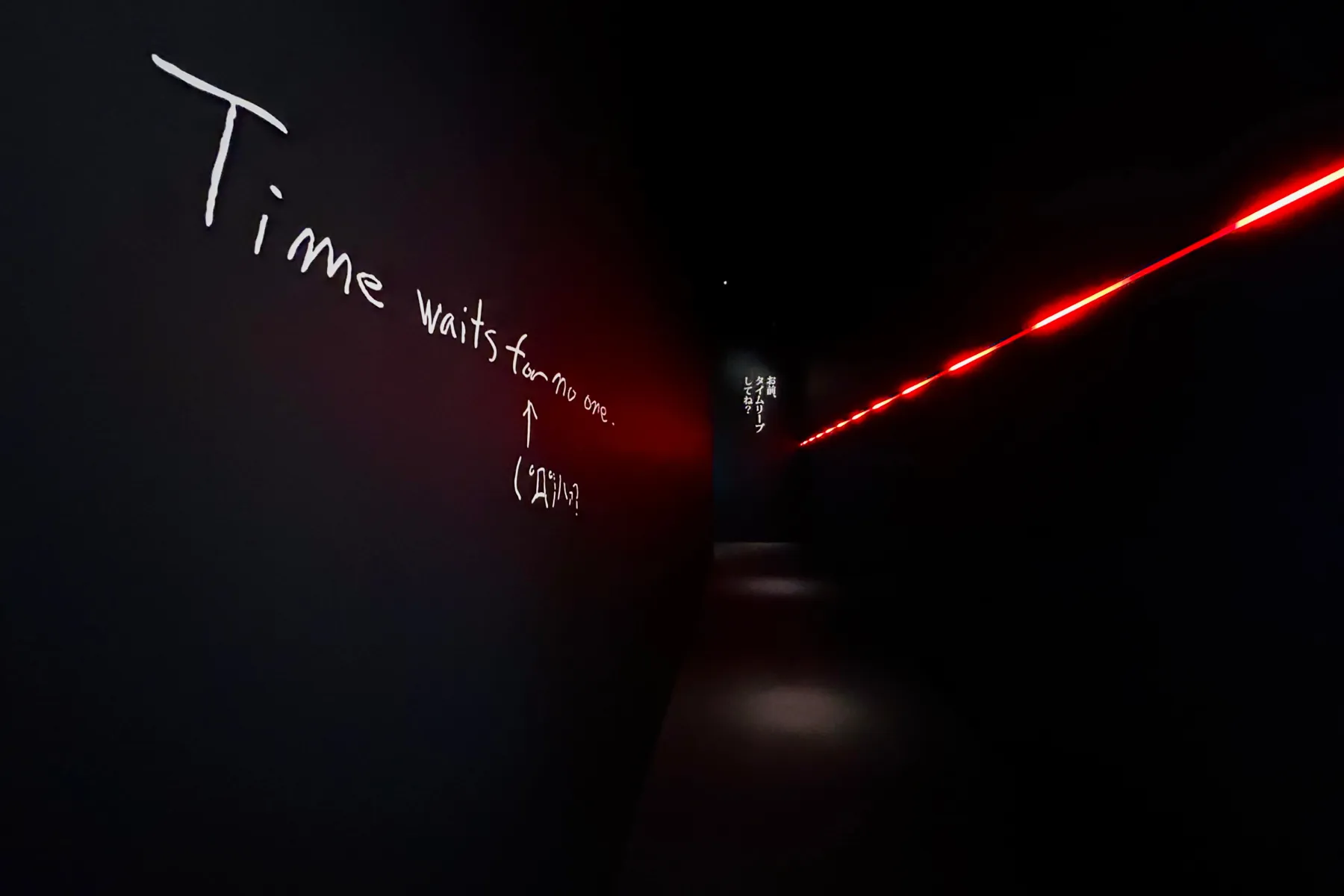
An exhibition approaching the “origins” before The Girl Who Leapt Through Time and an area where you can experience the world-view of “OZ” from Summer Wars
What precedes a celebrated directorial career? For Mamoru Hosoda—whose films have redefined contemporary Japanese animation—that question leads to unexpected places: 8mm film experiments shot during junior high school, live-action video projects crafted at Kanazawa College of Art, and oil paintings that reveal a visual imagination in constant evolution. This exhibition traces the complete arc of Hosoda’s development, from these early independent works through the breakthrough that established his reputation.
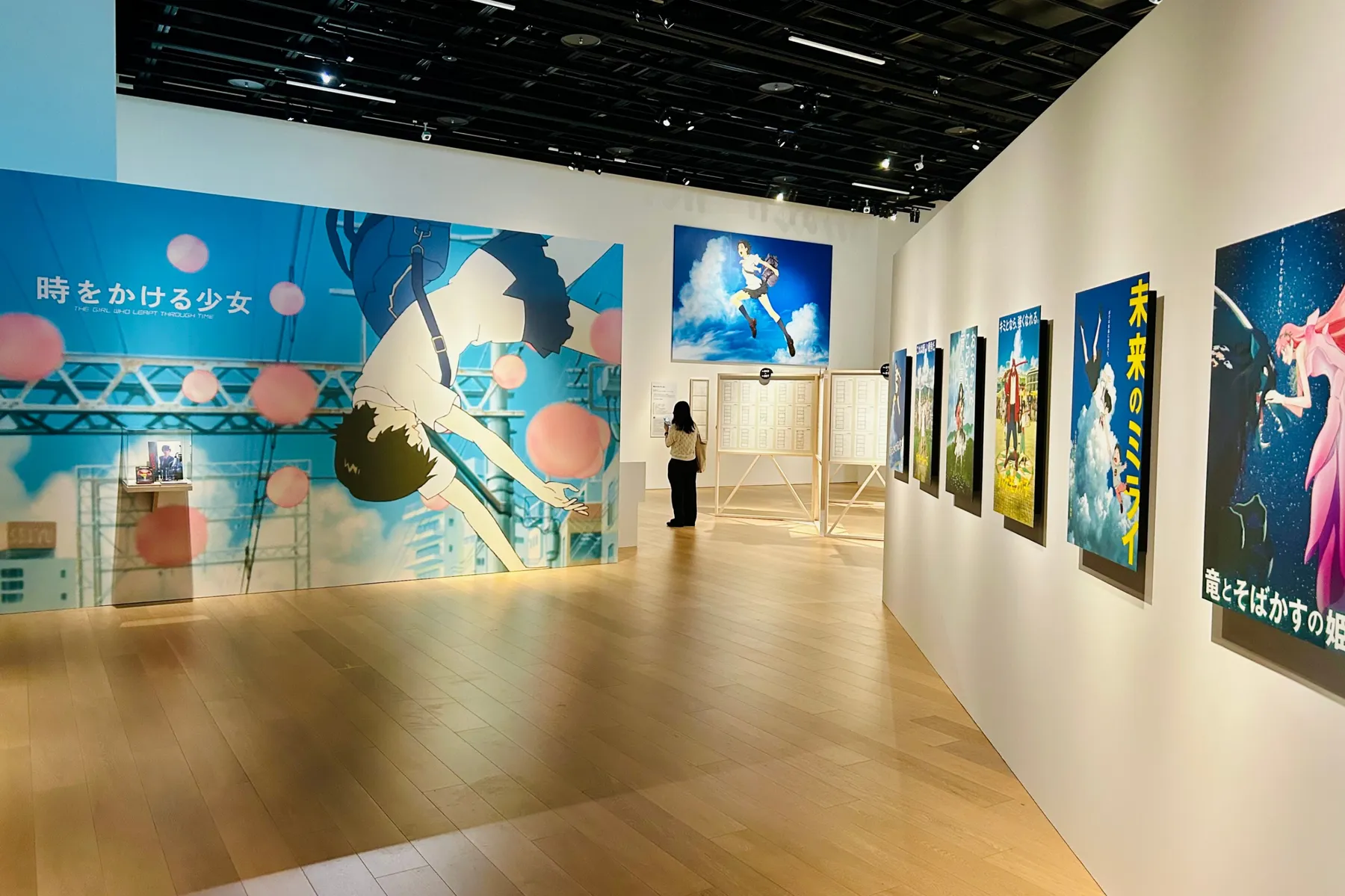
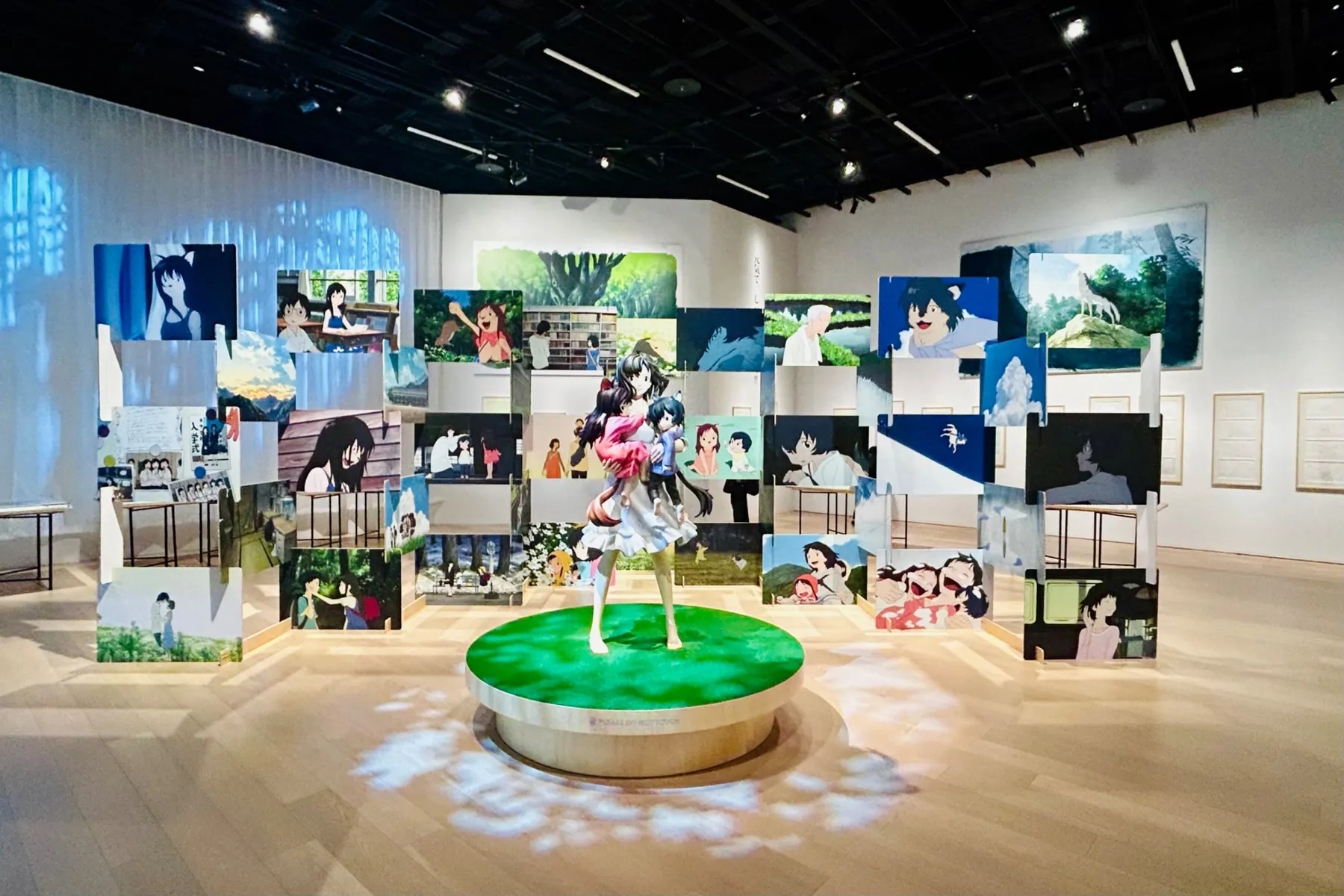
The exhibition’s scope extends well beyond the trilogy of The Girl Who Leapt Through Time, Summer Wars, and Wolf Children that most viewers associate with his name. Visitors will encounter production materials from his pre-feature directorial period—works that rarely receive public exhibition—alongside the familiar touchstones of his later career. The result is a comprehensive portrait of an artist whose commercial success emerged from decades of formal experimentation across multiple media.
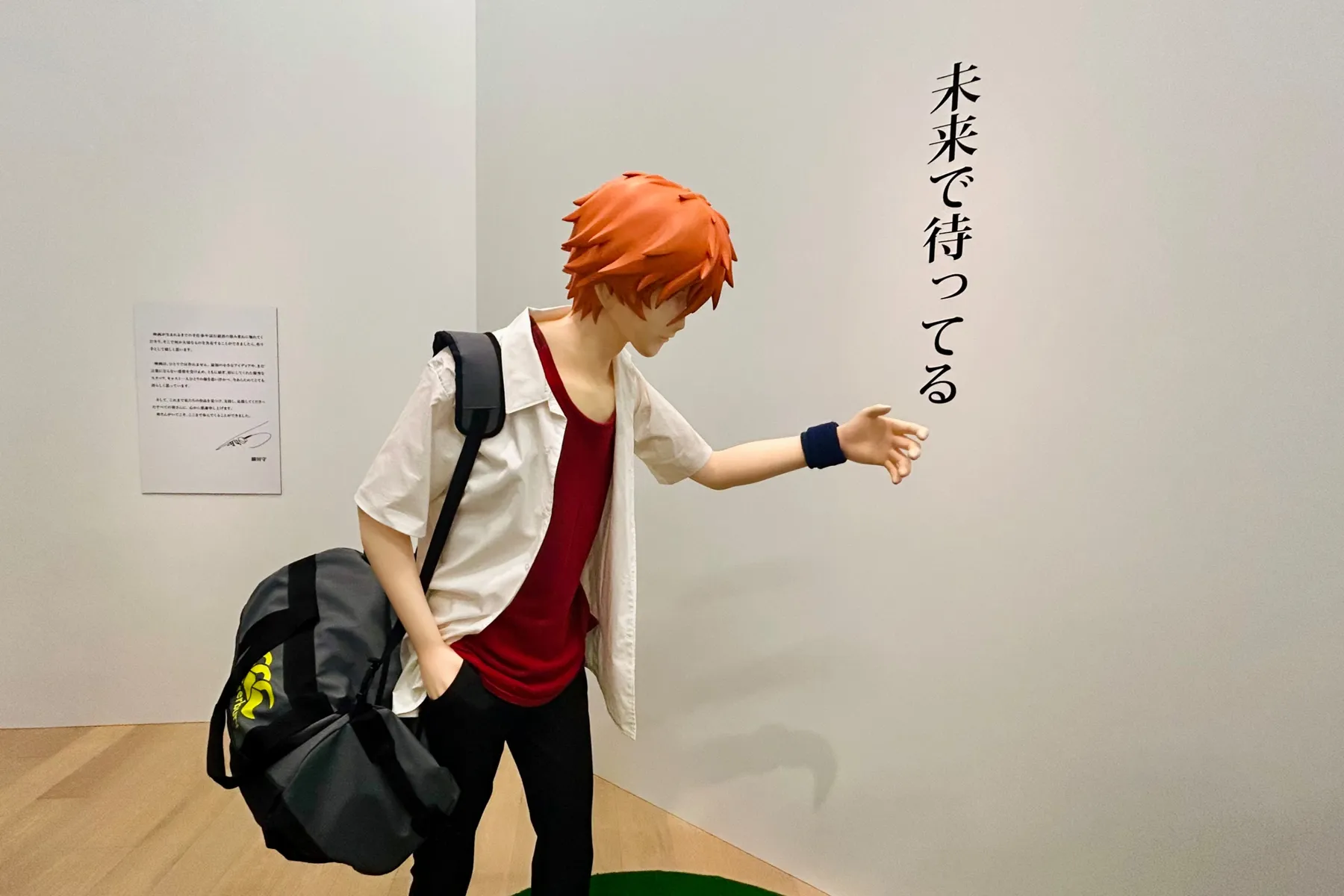
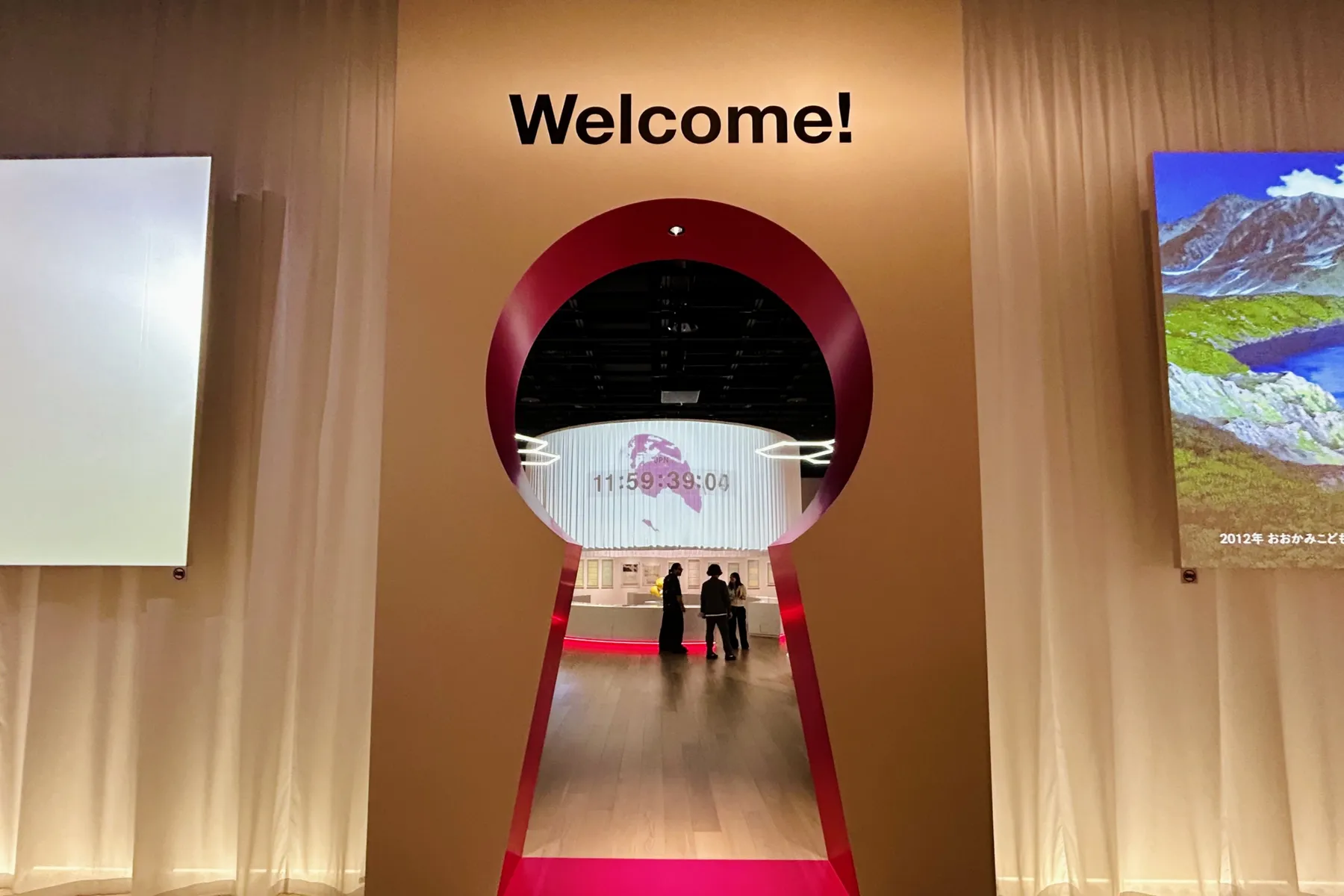
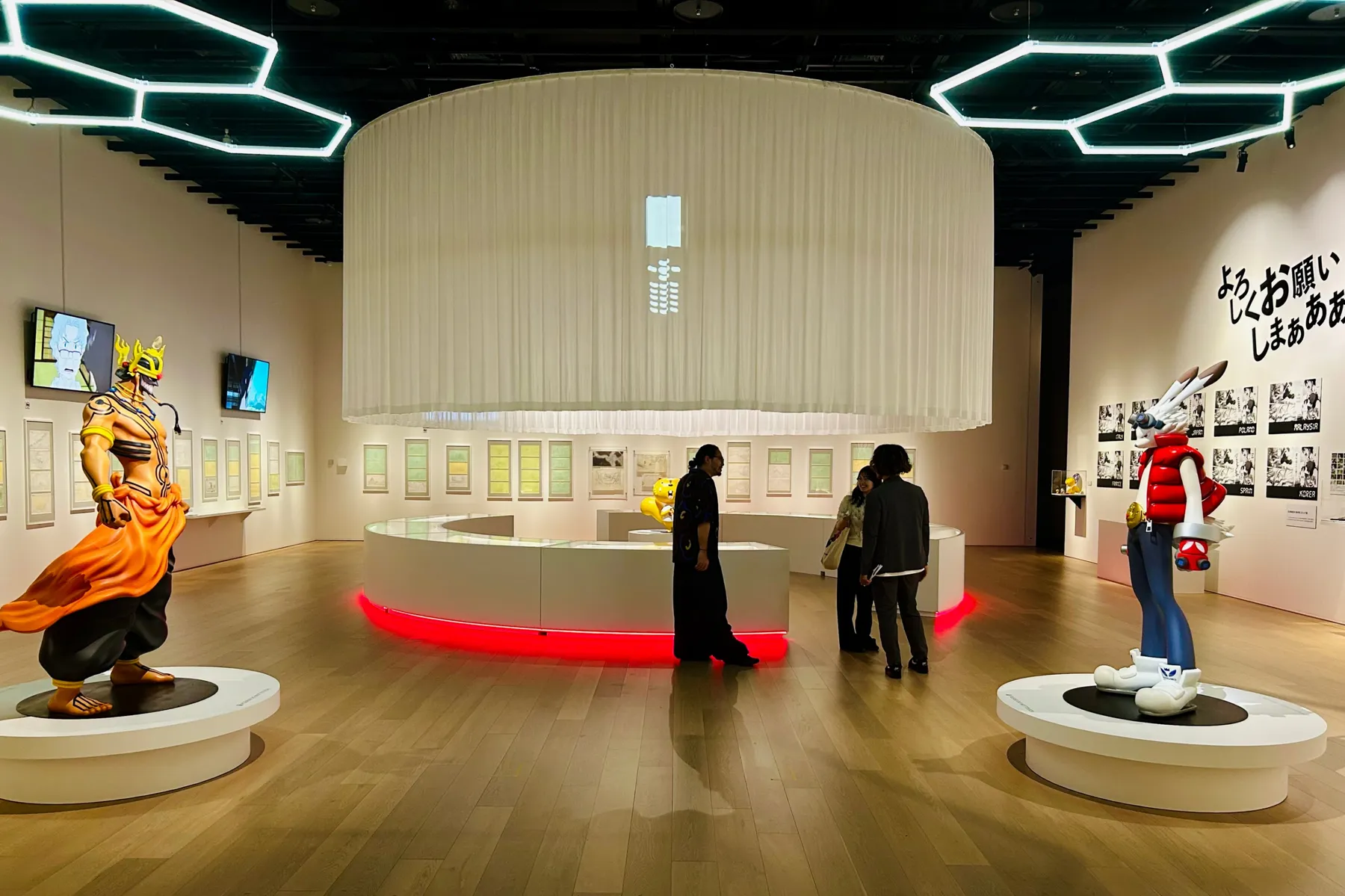
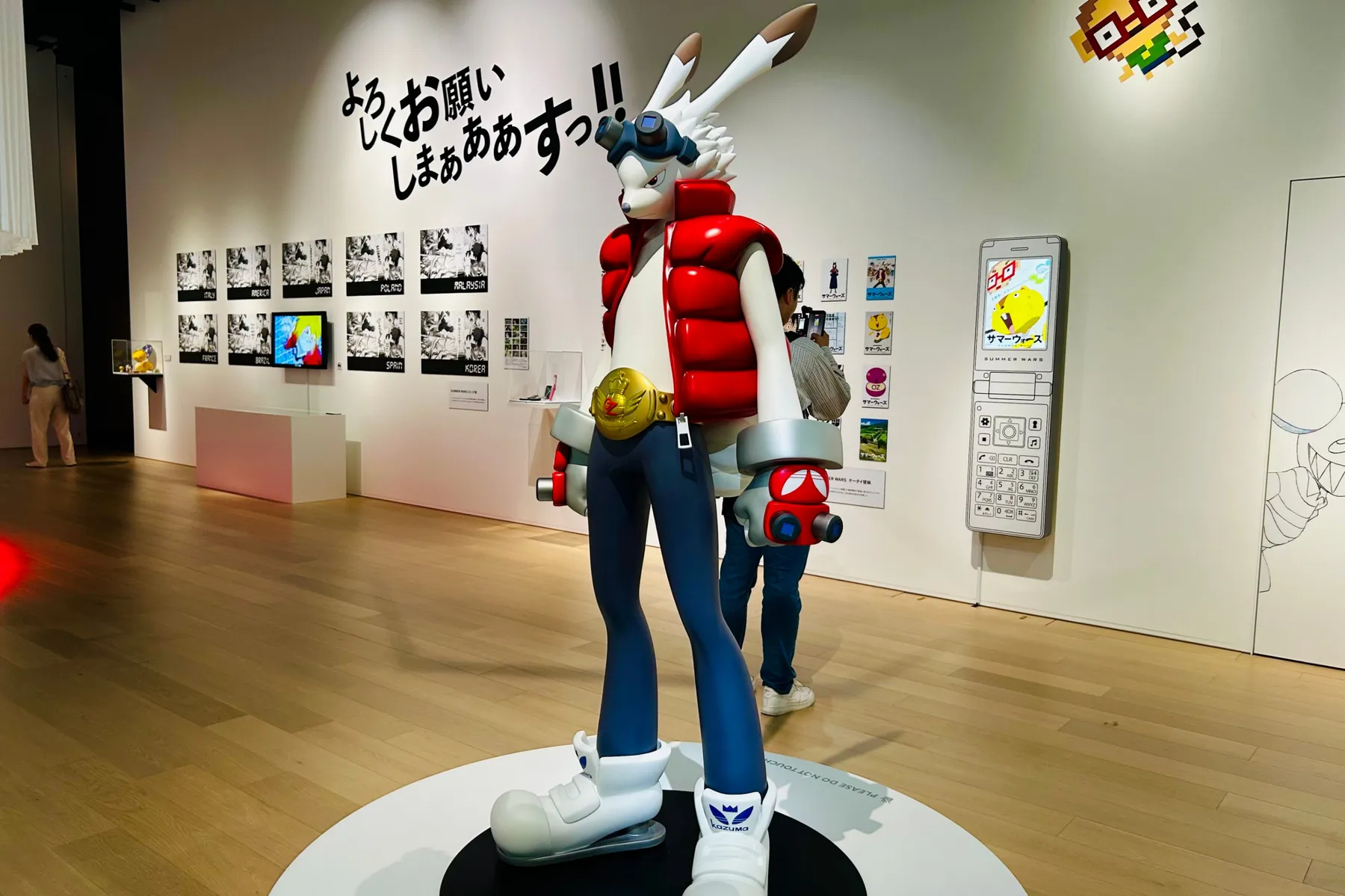
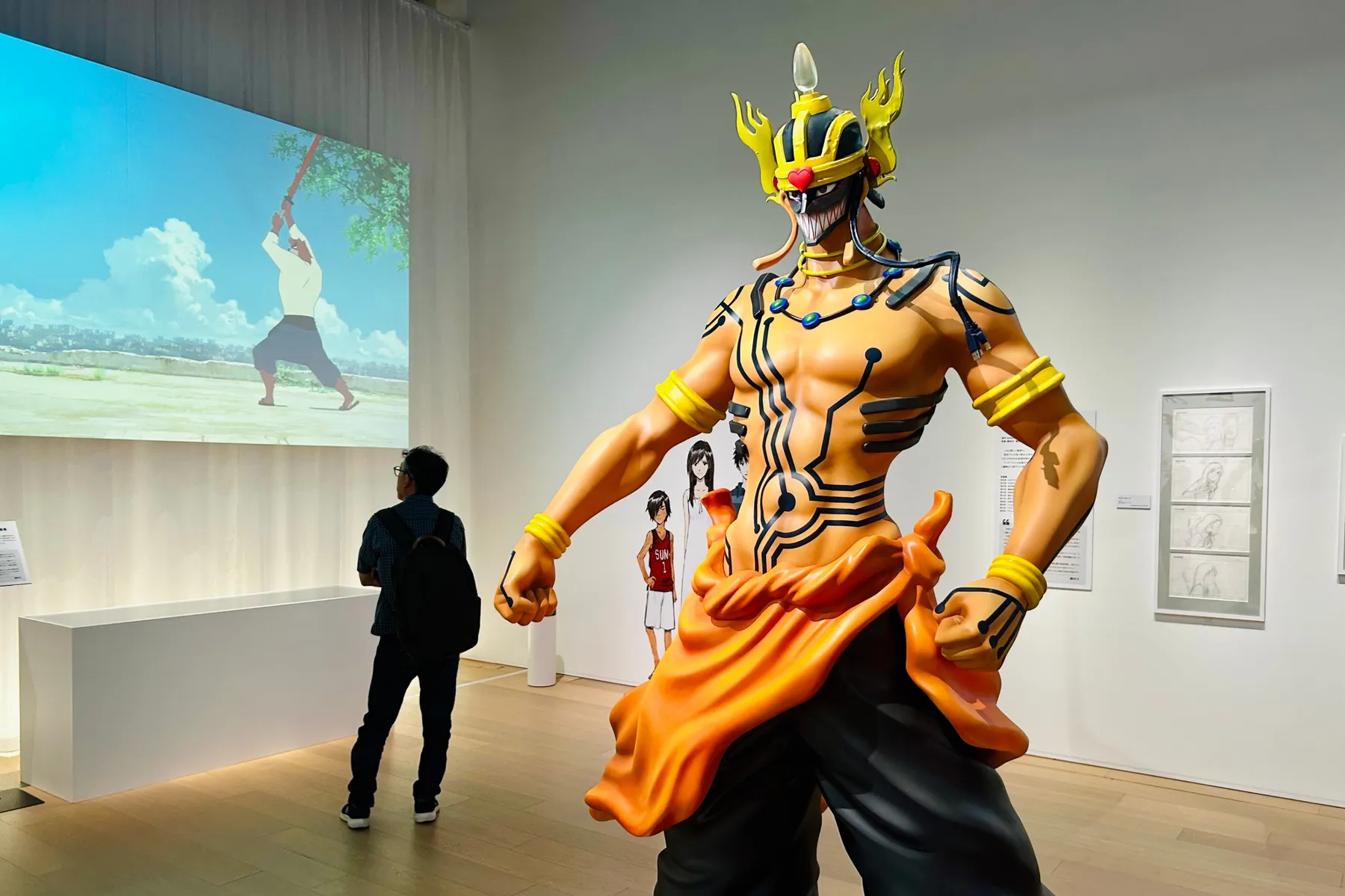
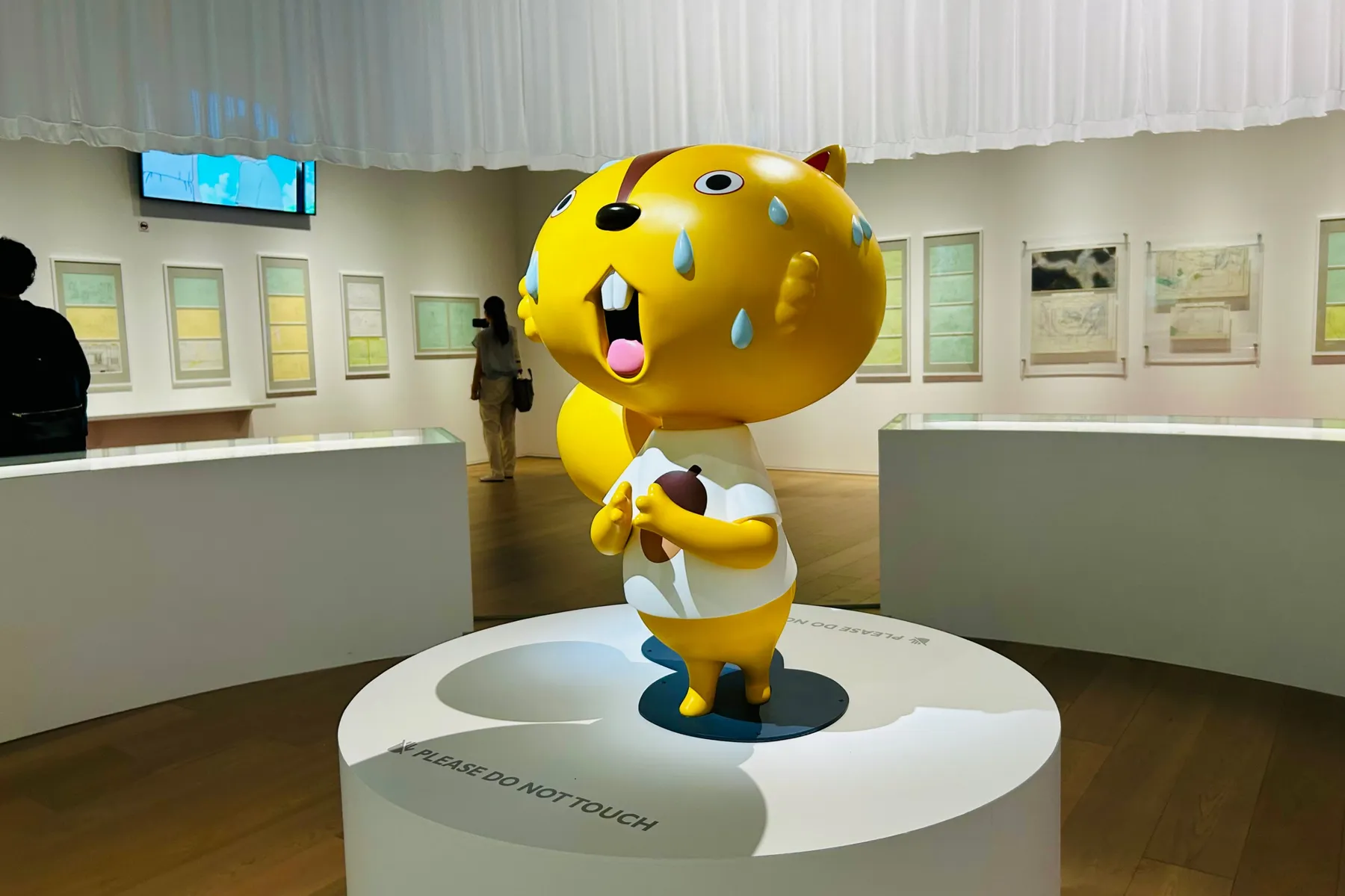
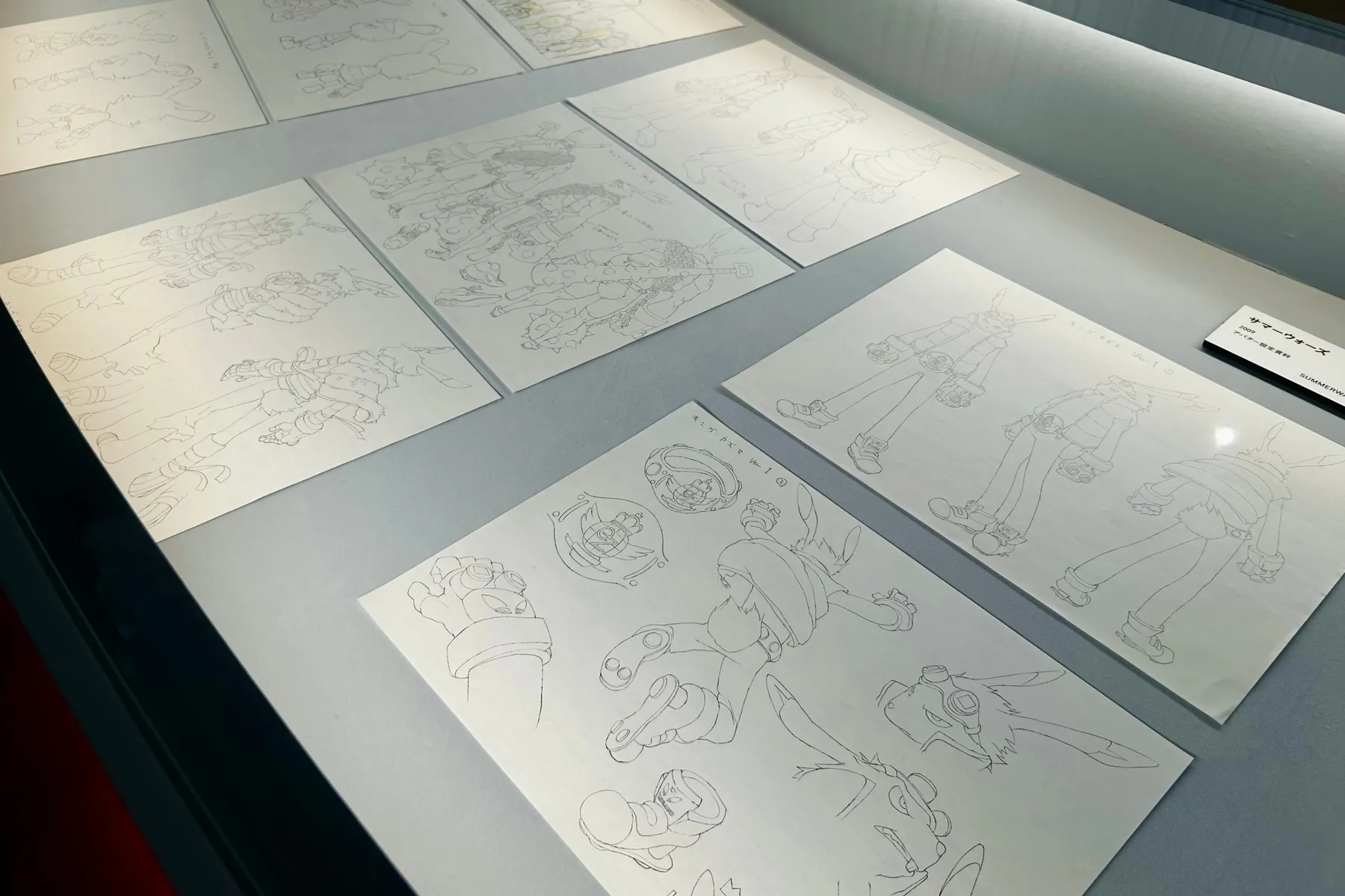
A particular architectural feature of this exhibition distinguishes it from standard animation retrospectives: the venue’s 5-meter ceiling height has been leveraged to create an immersive “OZ” environment, reproducing the virtual internet world central to Summer Wars. Within this space, life-sized figures of King Kazuma and Love Machine—characters who embodied the film’s exploration of digital identity and community—will be on display. The scale of this installation offers something unavailable in home viewing: physical confrontation with the aesthetic logic of Hosoda’s most technologically ambitious fictional world.
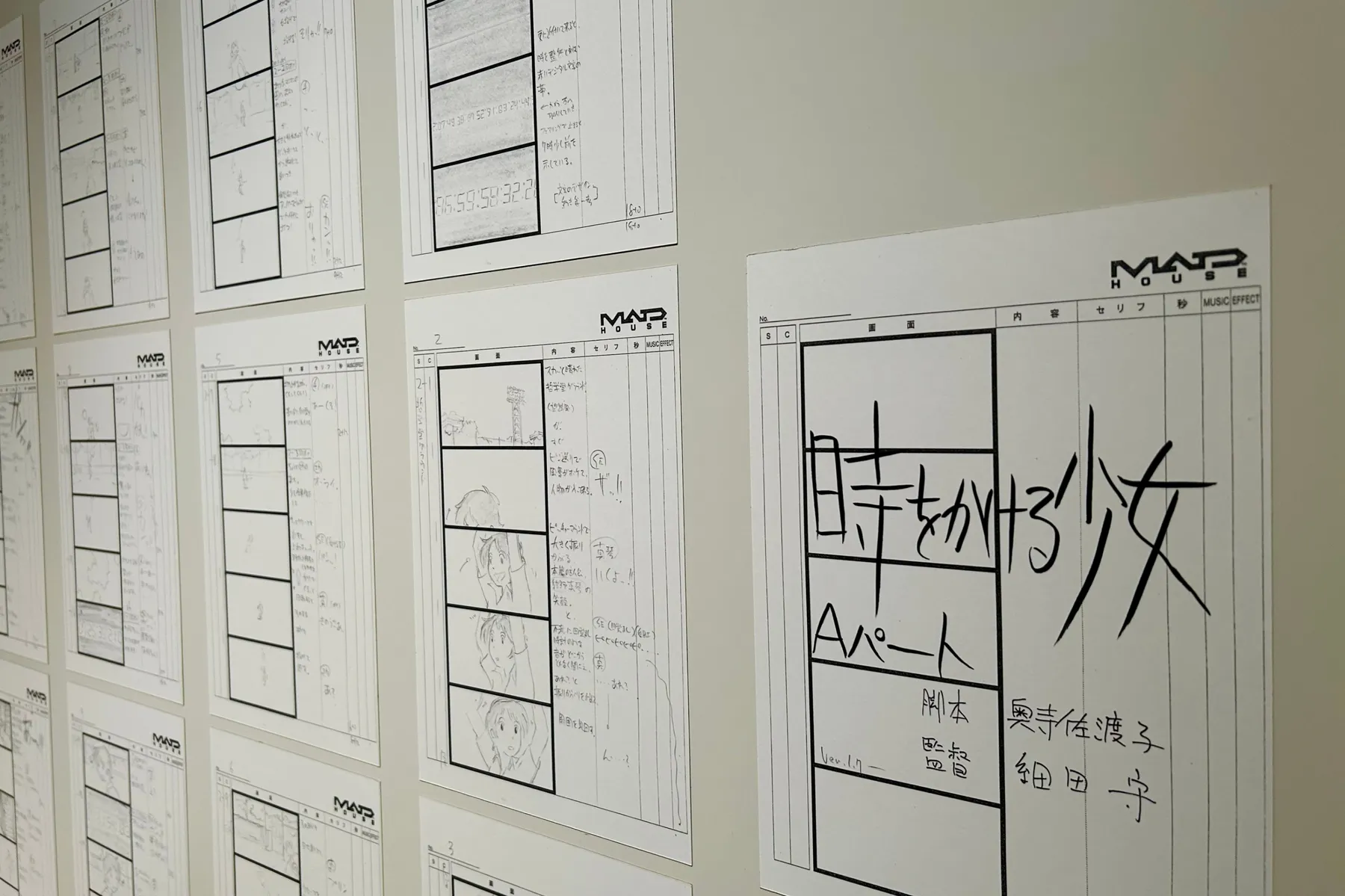
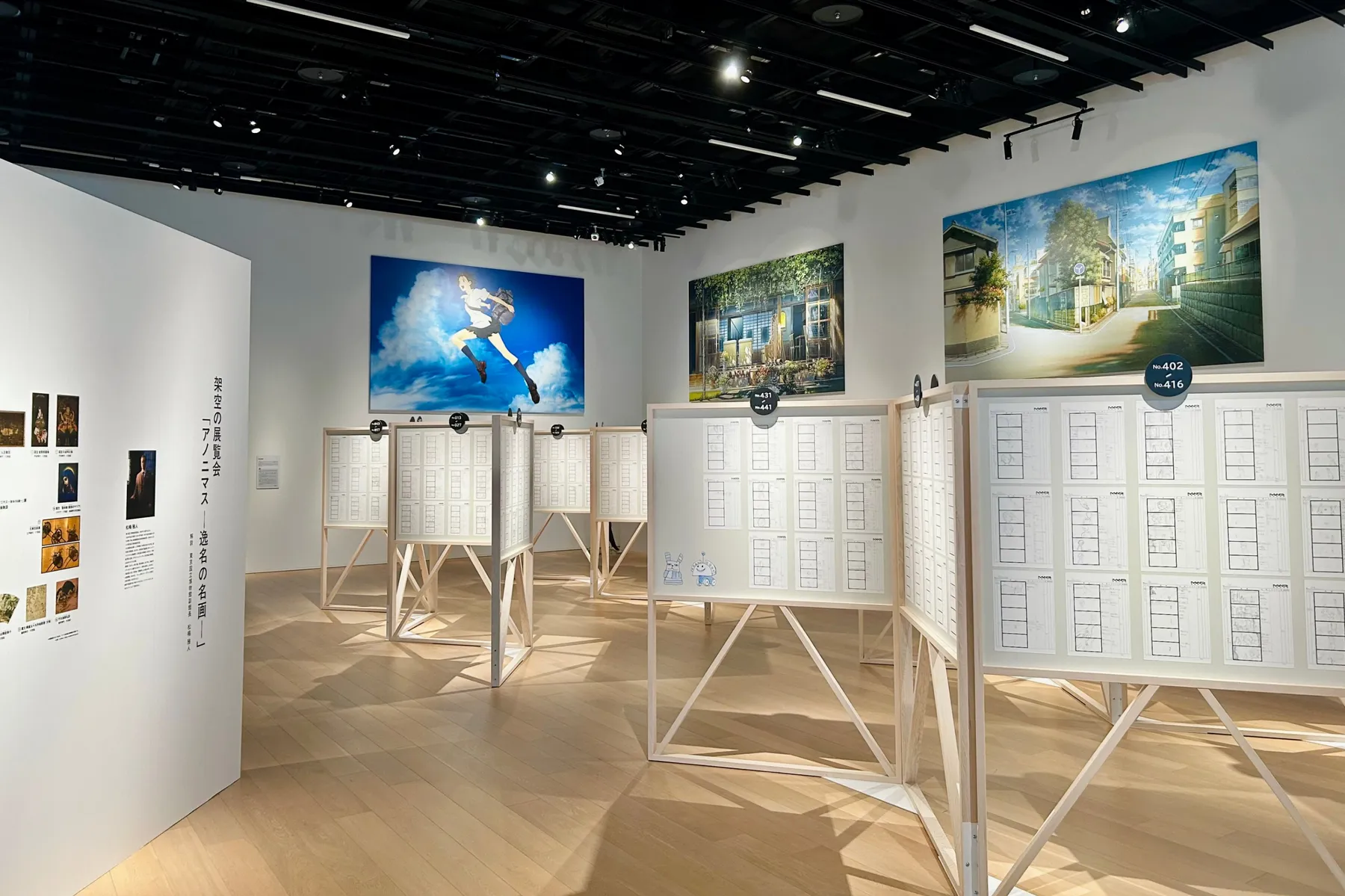
The production material collection is substantial—over 300 pieces encompassing storyboards, layouts, director’s corrections, original drawings, art boards, and character setting materials. For viewers interested in animation craft, these materials permit direct comparison between initial conception and final execution, illuminating the revision processes that shape finished films.
The exhibition also functions as a retail environment, with more than 100 original goods developed specifically for this showing. The merchandise strategy emphasizes portability: items designed to extend the exhibition experience into daily life. The product range includes pieces themed around the “blue sky” imagery that recurs throughout Hosoda’s work, alongside goods featuring signature scenes from his filmography. The positioning suggests these objects serve as mnemonic devices—tangible connections to narrative experiences that resist simple summary.
Practical Information
Venue
CREATIVE MUSEUM TOKYO
Nearest Station: Kyobashi (Tokyo)
Address
〒104-0031
TODA BUILDING 6F, 1-7-1 Kyobashi, Chuo-ku, Tokyo
MAP
Exhibition Period
June 20, 2026 (Saturday) – August 31, 2026 (Monday)
Hours
Standard: 10:00 – 18:00 (last admission 17:30)
Extended hours: 10:00 – 20:00 on Fridays, Saturdays, days before public holidays, and August 11–14 (last admission 19:30)
Admission Prices
| Ticket Type | Advance | Same-day |
|---|---|---|
| General / University Students | ¥2,300 | ¥2,500 |
| High School Students | ¥1,300 | ¥1,500 |
| Elementary / Junior High Students | ¥800 | ¥1,000 |
Advance tickets available until 23:59 on June 19, 2025
Inquiries
050-5541-8600
Official Channels
Website: https://hosodagenten.exhibit.jp/
X (formerly Twitter): https://x.com/hosodagenten_
Instagram: https://www.instagram.com/hosodagenten
TikTok: https://www.tiktok.com/@hosodagenten_
Exhibition details subject to change. Confirm current information through official channels prior to visiting.
What is Mamoru Hosoda known for?
Mamoru Hosoda makes animated films about families under pressure. He left Studio Ghibli in the early 2000s after a falling-out over a proposed Howl’s Moving Castle adaptation, then left Madhouse to found Studio Chizu in 2011. This independence matters: his work carries the marks of someone building a visual language without the institutional weight of Japan’s established animation houses.
His films typically begin with a speculative premise—a time loop, a virtual world takeover, a woman raising wolf-human children—and use it to examine how households absorb disruption. In The Girl Who Leapt Through Time (2006), a teenager discovers temporal displacement and uses it mostly to fix awkward social situations, until the mechanism itself becomes a source of loss. Summer Wars (2009) sends a math prodigy to a rural family reunion where a hacked global network threatens his future employer; the set pieces alternate between a digitized apocalypse and a grandmother rallying her scattered descendants through traditional competence. The film became his biggest domestic hit, though its actual insight about online infrastructure aging poorly gives it an unintentional period quality now.
Wolf Children (2012) remains his most fully realized work. The central conceit—a widow raising children who transform unpredictably—functions as a literalization of parental uncertainty that never collapses into allegory. Hosoda renders the children’s dual nature through mundane practical problems: school enrollment, medical records, a rural house that needs actual maintenance. The film’s attention to physical labor distinguishes it from more ethereal treatments of transformation.
The Boy and the Beast (2015) returns to surrogate parenthood with less discipline, though its depiction of a parallel Tokyo populated by anthropomorphic deities demonstrates his continuing interest in architectural space. Mirai (2018) condenses his themes into domestic scale: a four-year-old’s jealousy of his newborn sister generates temporal intrusions that remain ambiguous in origin, possibly imaginary, possibly not. The Academy nomination it received drew overdue attention to his work outside Japan, though the film itself sacrifices narrative clarity for emotional beats.
Bell (2021) revisited virtual spaces with explicit reference to Beauty and the Beast, this time concerned with how online identity enables both performance and genuine connection. The film’s release during pandemic conditions gave its imagery of physically separated people finding intimacy through screens an unplanned resonance.
Hosoda’s animation tends toward rounded, physically plausible figures rather than the more stylized conventions of television anime. His action sequences emphasize weight and momentum; his quiet scenes hold on faces longer than genre pacing typically permits. The Miyazaki comparisons he receives reflect less his actual aesthetic—he lacks Miyazaki’s ecological mysticism and appetite for mechanical detail—than the scarcity of Japanese animators who secure theatrical distribution abroad while treating children asthinking, feeling agents rather than marketing demographics.
His limitations are real. His female protagonists often exist in relation to maternal or romantic obligation; his technology narratives date quickly; his screenplays can resolve through emotional assertion rather than earned development. But within contemporary animation, his commitment to family as a subject rather than a backdrop remains distinctive.
