
Abeno Harukas Kintetsu Main Store Great Hokkaido Exhibition 2026: Taste the Best Seasonal Gourmet and Exclusive Treats of Autumn

Abeno Harukas Kintetsu Main Store Great Hokkaido Exhibition 2026: Taste the Best Seasonal Gourmet and Exclusive Treats of Autumn

Abeno Harukas Kintetsu Main Store “Great Hokkaido Exhibition”

The “Great Hokkaido Exhibition” is set to take place at the Abeno Harukas Kintetsu Main Store, serving as the centerpiece of the “Harukas Nippon Expo: Regional Revitalization Journey of Discovery – Autumn Hokkaido Edition.” This comprehensive event is designed to deliver the distinct tastes and cultural essence of Hokkaido throughout the entire building, offering visitors a concentrated experience of the region’s seasonal offerings.

The exhibition features approximately 130 types of seasonal ingredients and gourmet items, all of which have been curated by a renowned buyer possessing over 25 years of professional experience. The selection emphasizes exclusivity—items that are available “only now, only here”—ensuring that guests can enjoy the peak blessings of autumn. Notable highlights include corn from “Miyakawa Nosan” in Ebetsu City, which is making its debut at this event and is offered at the height of its sweetness. For those with a preference for sweets, the exhibition presents luxurious limited-edition parfaits crafted from “Tokachi Peaches” that have ripened under the abundant sun of the Tokachi region, alongside an assortment of sweets and croquettes made from the brand-name sweet potato known as “Yukkuri-imo.”

A particular point of interest is the “Honki no Nori Bento” (Serious Seaweed Bento), a limited collaboration between the Kintetsu Main Store and the distinguished “Shihachi Fresh Fish Store.” This meticulously crafted bento is a culinary masterpiece, utilizing hand-picked natural rock seaweed from Matsumae and “San-San-Zero” rice—a variety grown and direct-sown in Hokkaido—all topped with a generous portion of seafood.

Beyond the retail offerings, the eat-in corner provides a space where visitors can consume heaping seafood bowls, limited-edition ramen, and fresh nigiri sushi. To further immerse guests in the region’s atmosphere, the event includes a special feature focusing on “Zangi,” a beloved local gourmet fried chicken, as well as live commerce segments that connect visitors in real-time with the local Hokkaido area. This combination of high-quality produce and interactive elements ensures a 15-day experience that allows one to engage with Hokkaido through all five senses.


Event Details

Event Period: Wednesday, 2026/9/9 – Wednesday (Holiday), 9/23
Event Hours: 10:00 – 20:00
(Please note: Closes at 16:00 on 9/15; closes at 17:00 on the final day, 9/23. Eat-in & Bar hours are 10:00 – 19:15, though these begin at 10:30 on 9/9 and 9/16)
Location: Abeno Harukas Kintetsu Main Store, Wing Kan 9th Floor Event Venue (1-1-43 Abenosuji, Abeno-ku, Osaka City)
Fee: Free admission
Inquiries: 06-6624-1111 (Main)
Website: Official Event Page

🛏️ See hotels near the event

What is Hokkaido?

Hokkaido is Japan’s northernmost main island. It is sparsely populated, with much of the island given over to forests, farms, and fishing ports. Winters are long and snowy; summers are short. Those conditions favor dairy farming and crops such as sweet corn, potatoes, and melons, while coastal waters yield salmon, sea urchin, and crab.

Hokkaido’s cuisine relies on these ingredients rather than elaborate technique. Butter tops miso ramen, fresh milk becomes soft-serve ice cream, and seafood is eaten raw or grilled with rice. Large-scale settlement from Honshu began only in the late nineteenth century, so Hokkaido lacks the older culinary traditions of Kyoto or Osaka. Its reputation is instead based on the quality of local produce and the simple dishes that make use of it.
ALL OF EVANGELION 30th Anniversary Exhibition in Nagoya 2026: Dates, Tickets, and Must-See Highlights

ALL OF EVANGELION 30th Anniversary Exhibition in Nagoya 2026: Dates, Tickets, and Must-See Highlights

30th Anniversary Exhibition “ALL OF EVANGELION”

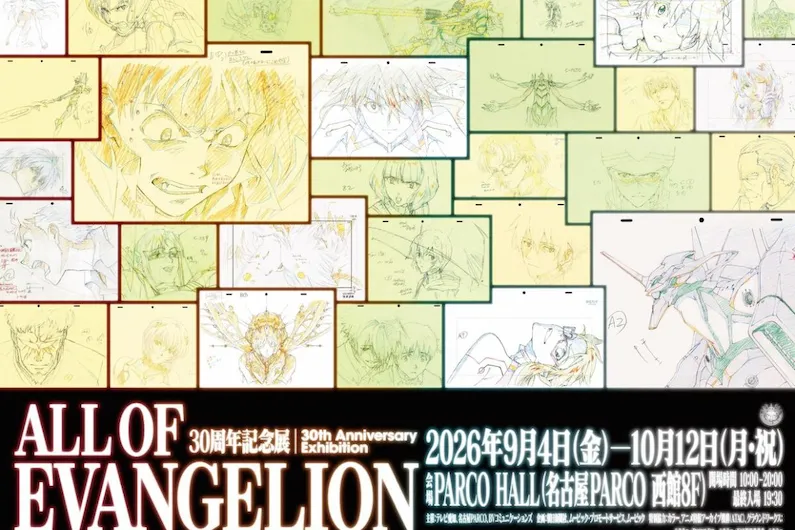
The Evangelion series, popular in Japan and abroad, began with the TV broadcast of Neon Genesis Evangelion on October 4, 1995, and will mark its 30th anniversary in 2025. For this anniversary, the exhibition brings together production materials central to the works: colorful cels from the TV series that have not been exhibited together until now, and meticulously drawn original drawings from the Rebuild of Evangelion films. Digital production materials adopted in the Rebuild of Evangelion films will be exhibited for the first time. Conceived as a festival where visitors can experience the series with their ears, eyes, and brain, the exhibition presents the appeal of an Evangelion that remains loved worldwide.

©Khara

Exhibition highlights

  • TV series cels — Colorful cels from the original TV series, shown together for the first time.
  • Original drawings from Rebuild of Evangelion — Meticulously drawn production materials from the films.
  • Digital production materials — Digital materials adopted in the Rebuild of Evangelion films, exhibited for the first time.

Exhibition details

Dates: Friday, September 4, 2026 – Monday (Public Holiday), October 12, 2026
Closed: No closing days during the period
Hours: 10:00 – 20:00 (Final admission 19:30)
Location: PARCO HALL (Nagoya PARCO West Building 8F; opens Friday, September 4, 2026)

Admission fees

All fees include tax.

Category Advance ticket Same-day ticket
Adults 1,900 yen 2,100 yen
High school / University / Vocational students 1,300 yen 1,500 yen
Children (Elementary / Junior High students) 700 yen 900 yen
Persons with disabilities – Adults 1,000 yen 1,000 yen
Persons with disabilities – Children/Students 500 yen 500 yen
  • Preschool children are free.
  • Visitors who hold a disability certificate, pediatric chronic disease certificate, atomic bomb survivor health certificate, or specific disease medical recipient certificate can enter at the discount rate for persons with disabilities, for themselves and one accompanying person.
  • The disability certificate app (Mirairo ID) is also accepted.

Ticket types

① Date and Time Specified Admission Ticket
Valid only for the specified date and time during the first three days of the exhibition: Friday, September 4; Saturday, September 5; and Sunday, September 6, 2026.

② Open Ticket
Valid for all dates outside the date-and-time specification period, with no need to choose a date or time at purchase: Monday, September 7 – Monday (Public Holiday), October 12, 2026.

For further details, check the Nagoya venue homepage.

Venue information

Access: Subway Meijo Line, Yabacho Station
Contact: TV Aichi Business Department, TEL: 052-229-6030 (Weekdays 10:00 – 17:00)
Homepage: https://tv-aichi.co.jp/ao-eva/

🛏️ See hotels near the event

Neon Genesis Evangelion, usually shortened to Evangelion, is a 1995 television series directed by Hideaki Anno and produced by Studio Gainax. The story takes place in a city called Tokyo-3, built after a global disaster. Shinji Ikari, a teenage boy, is brought there by his father to pilot a large humanoid weapon called an Evangelion. NERV, the organization running the project, assigns him to fight the Angels, hostile beings that appear one after another.

The series is often discussed as more than a robot-action show. It spends a significant amount of time on the mental states of its characters, especially the three young pilots and the adults who command them. Loneliness, self-worth, fear of rejection, and the difficulty of understanding other people are central concerns. The action sequences are carefully made, but the drama tends to turn on internal conflict as much as physical combat.

In the decades since its broadcast, Evangelion has been referenced widely across animation, film, and visual culture. Its imagery has been analyzed, parodied, and reinterpreted, and its production history has become part of its reputation. The upcoming 30th Anniversary Exhibition in Nagoya aims to mark this history. It gives both longtime viewers and newcomers an opportunity to see how the series was designed and why it continues to hold attention.

Osaka Antique Festa 2026 at Umeda Sky Building: Discover Rare Collectibles and Enjoy Kamigata Rakugo

Osaka Antique Festa 2026 at Umeda Sky Building: Discover Rare Collectibles and Enjoy Kamigata Rakugo

Osaka Antique Festa

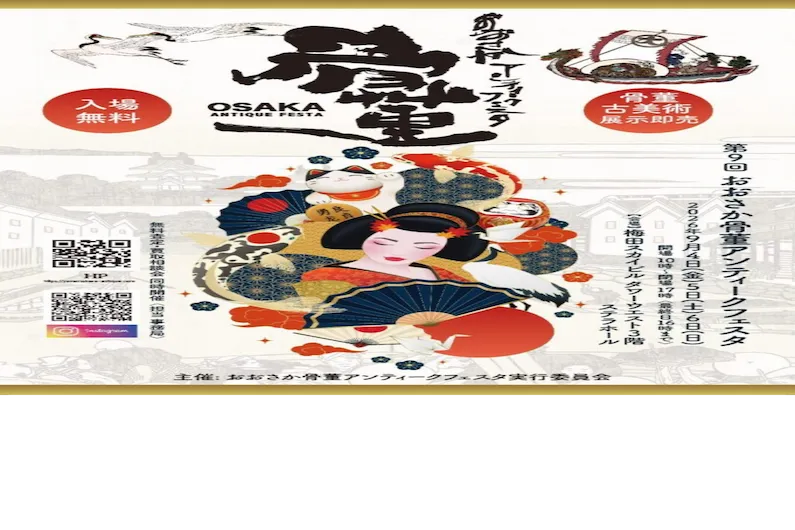
The Osaka Kotto Antique Festa is an exhibition and sale of selected antiques and collectibles at the Umeda Sky Building. Visitors can take part in auction projects held within the venue, and the event also features a contemporary art exhibition.

Additionally, a gathering to listen to Kamigata Rakugo will be held inside the venue on the final day, 9/6 (Sun). Two sessions are scheduled: ①12:00 and ②14:00. Admission is 500 yen for adults, free for those 18 and under, with same-day registration and unreserved seating. The performer will be Katsura Taizo.

The event also extends outdoors: an outdoor event featuring antiques and crafts will be held at the “Wonder Square” outdoor plaza on the 1st floor. Anyone is welcome to participate, whether you want to experience the charm of antiques, are looking for items for your collection, or wish to enjoy encountering new art.

Event Details

  • Event Period: 2026/9/4 (Fri) – 6 (Sun)
  • Event Hours: 10:00–17:00 (Closing at 16:00 on the final day)
  • Event Location: Umeda Sky Building Tower West 3rd Floor Stella Hall (1-1-88 Oyodonaka, Kita-ku, Osaka City)
  • Fee: Free Admission
  • Inquiries: [email protected]
  • Website: https://yumenokura-antique.com/

🛏️ View hotels near the event

Kamigata Rakugo is a form of comic storytelling from the Kamigata region, the area around Kyoto and Osaka. It developed alongside Tokyo rakugo, but the two have distinct performance styles. Tokyo rakugo tends to be quick and sharp; Kamigata Rakugo is slower and more relaxed, and it uses the Kansai dialect. In both, a single storyteller sits on a cushion and performs all the roles, using only a folding fan and a cloth to suggest objects and actions. The cast of characters ranges from merchants and servants to samurai and ghosts.

The stories themselves are humorous, but the humour is often gentle. Many are less concerned with punchlines than with the small mistakes and kindnesses of ordinary people, and they can end on a note of reflection rather than a joke. The pacing gives the performers room to suggest a character’s mood through posture and timing. Productions may also include wooden clappers (kotsu) for sound effects, and occasionally shamisen music, which gives performances a theatrical layer. The form has been practised for centuries and remains a regular part of the cultural calendar in Osaka and Kyoto. It offers laughter, but also a specific and local way of looking at human behaviour.

Osaka’s Yorimichi Sunset Cruise 2026: Experience the Magic Hour Over Nakanoshima’s Evening Scenery

Osaka’s Yorimichi Sunset Cruise 2026: Experience the Magic Hour Over Nakanoshima’s Evening Scenery

Detour Sunset Cruise

Yorimichi Sunset Cruise

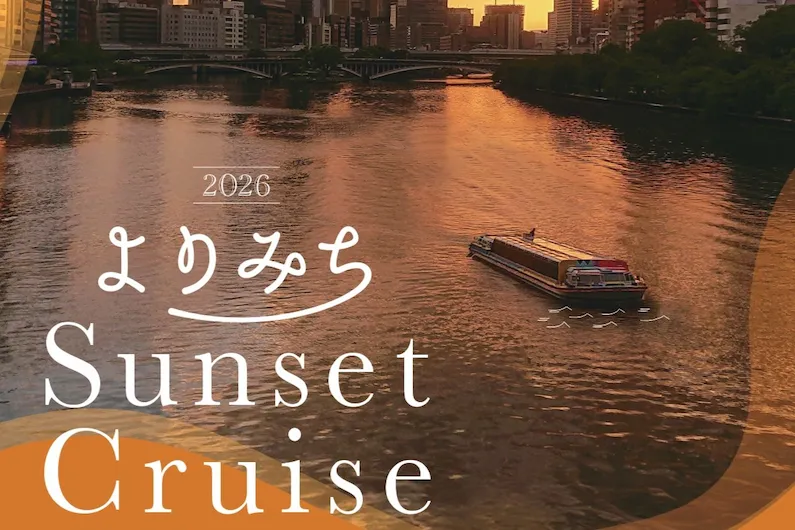
The Yorimichi Sunset Cruise—yorimichi means “detour”—is a limited-time boat ride of approximately 25 minutes that showcases the evening and night scenery of the Nakanoshima area. The route compactly tours landmarks that symbolize Osaka as a city of water: the three great bridges of Naniwa (Temmabashi, Tenjinbashi, and Nambabashi), the Osaka City Central Public Hall, the lush Nakanoshima Park, and the lively Kitahama Terrace.

The highlight is the “magic hour,” when the buildings in the city center gradually light up and the sky shifts from madder red to deep purple. The short duration makes it easy to fit into an evening, whether as a stop on your way home from an outing or as a reward after finishing a day’s work. Step away from everyday life for a moment and spend some special time on the boat.

Event Details

  • Event Period: Fridays and Saturdays from 2026/9/4 (Fri) to 10/31 (Sat)
  • Event Time: 17:45 departure / 18:15 departure (2 trips per day)
  • Event Location: Hachikengahama Pier (1-1 Temmabashi Kyomachi, Chuo-ku, Osaka City)
  • Fee: 1,600 yen
  • Contact: 06-6942-5511
  • Website: https://suijo-bus.osaka/cruise/cruise-498/

🛏️ View hotels near the event

Nakanoshima is a narrow island in central Osaka, enclosed by the Dojima River to the north and the Tosabori River to the south. Its name means “middle island.”

The island has been a civic center for more than a century. It holds a cluster of public buildings and institutions: Osaka City Hall, the Museum of Oriental Ceramics, and Nakanoshima Park, one of Osaka’s older public parks. The area’s brick buildings and broad riverside walks give it a slightly formal atmosphere, set apart from the denser commercial districts nearby.

During the day, people cross the island on their way to work, and visitors use the museums and park. In the evening, foot traffic thins and the river reflects the city lights. The Yorimichi Sunset Cruise runs along this stretch around dusk. From the water, you see a line of aging civic buildings on one bank and newer office towers on the other. The interest lies less in any single landmark than in the contrast between older public architecture and the city’s recent growth.

Ya Taiwan Fest 2026 at Hibiya Park, Tokyo: Savor Taiwanese Street Food, Cool Down with Shaved Ice, and Release Sky Lanterns

Ya Taiwan Fest 2026 at Hibiya Park, Tokyo: Savor Taiwanese Street Food, Cool Down with Shaved Ice, and Release Sky Lanterns

Ya Taiwan Fest 2026

A gathering of fantastical “Sky Lantern Experiences,” piping hot gourmet food to blow away the late summer heat, and cooling drinks and shaved ice!

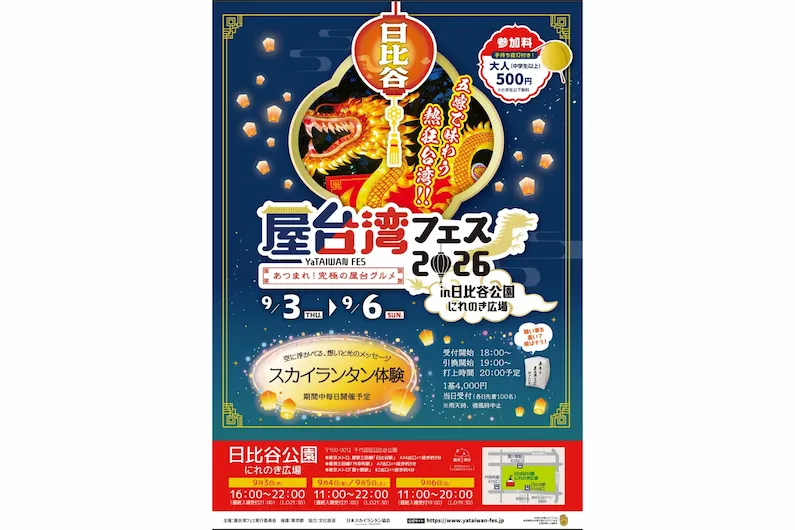
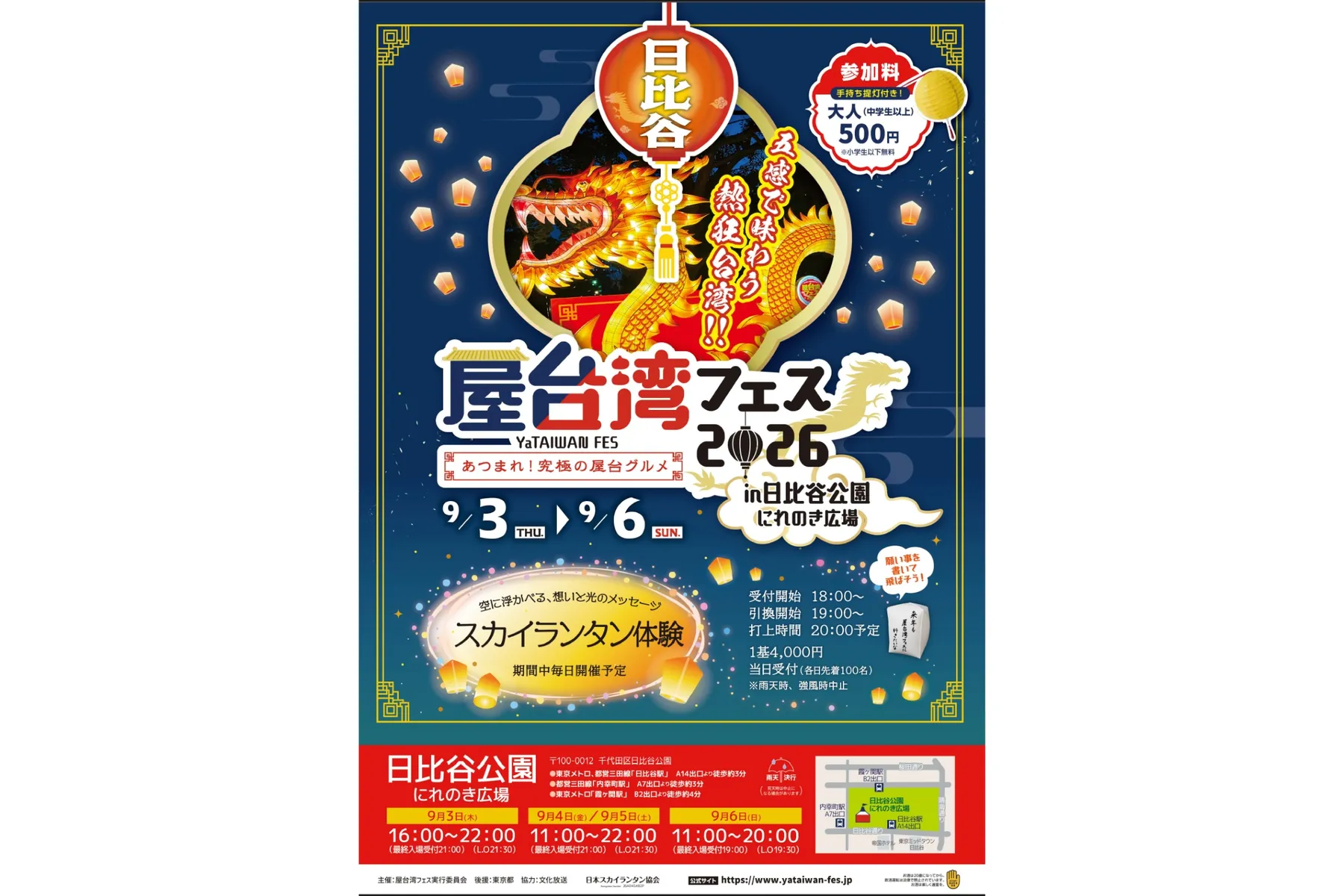
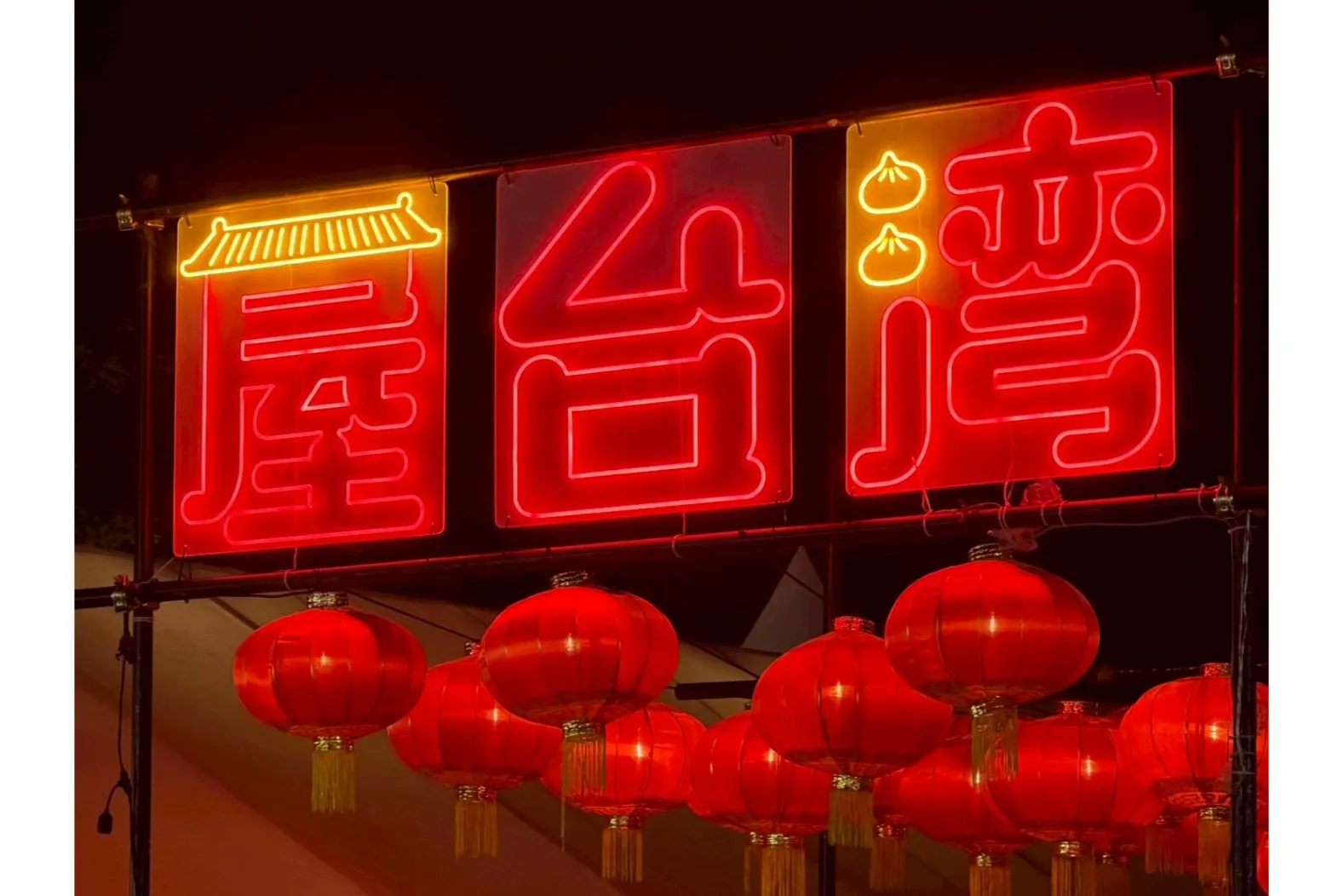
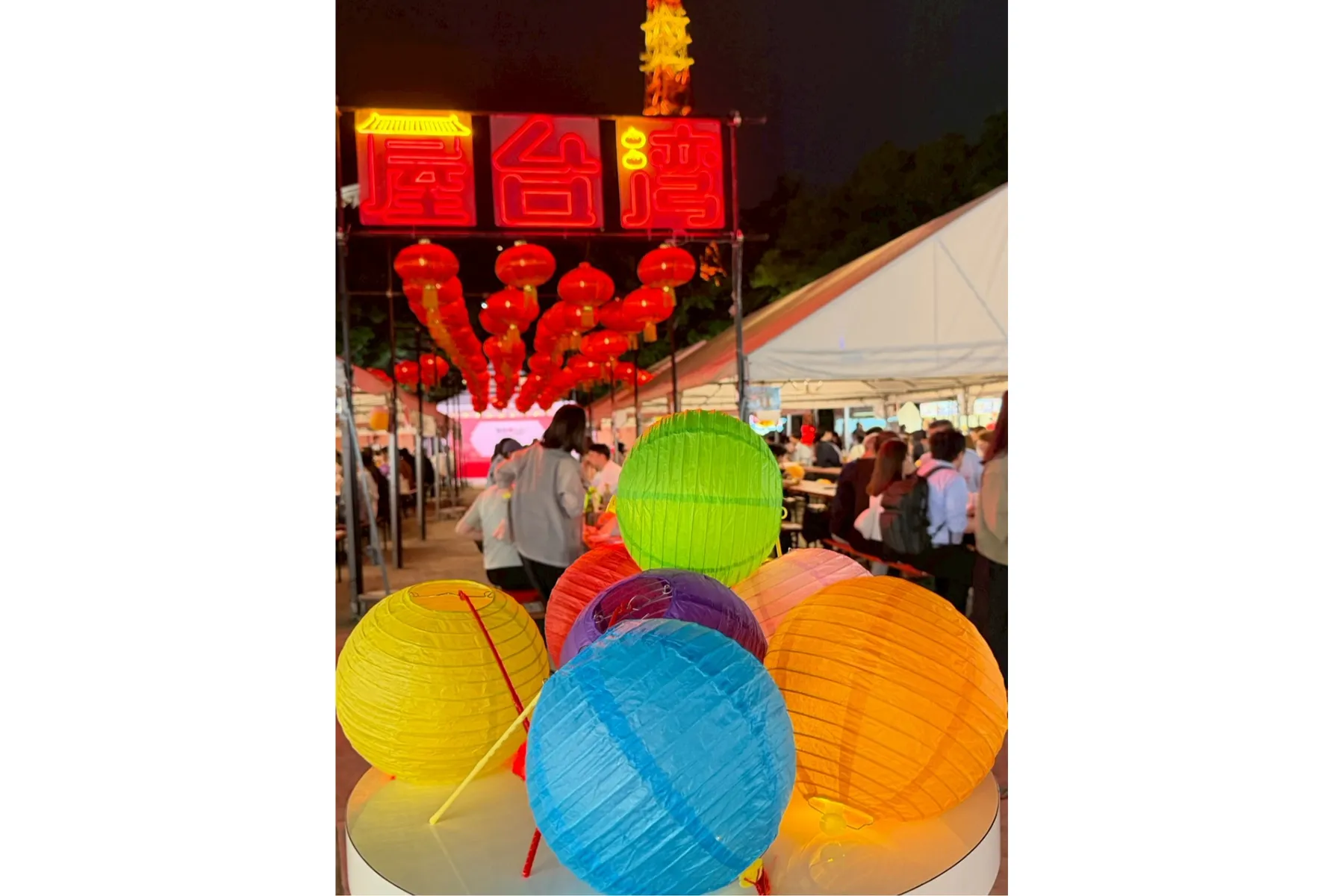
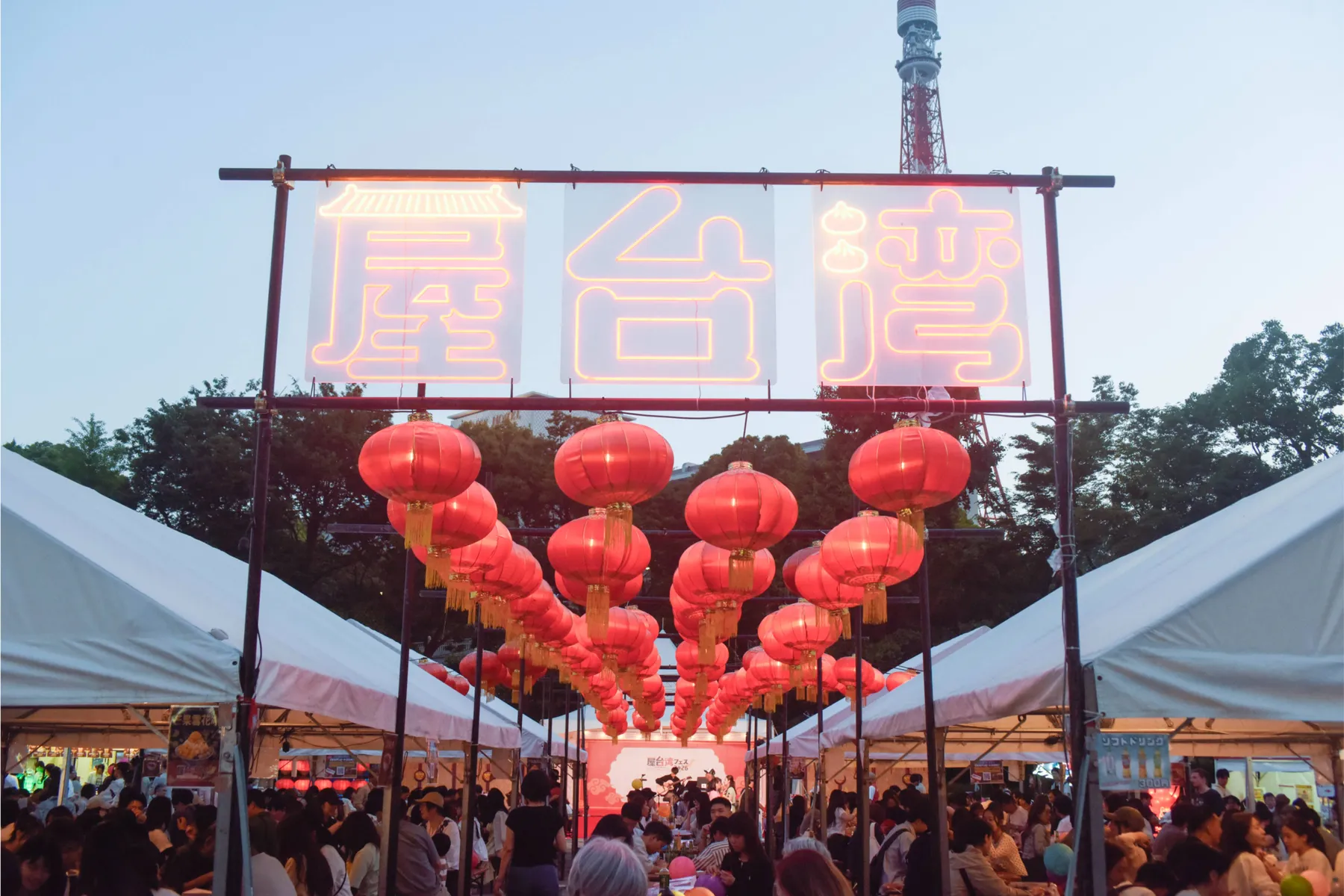
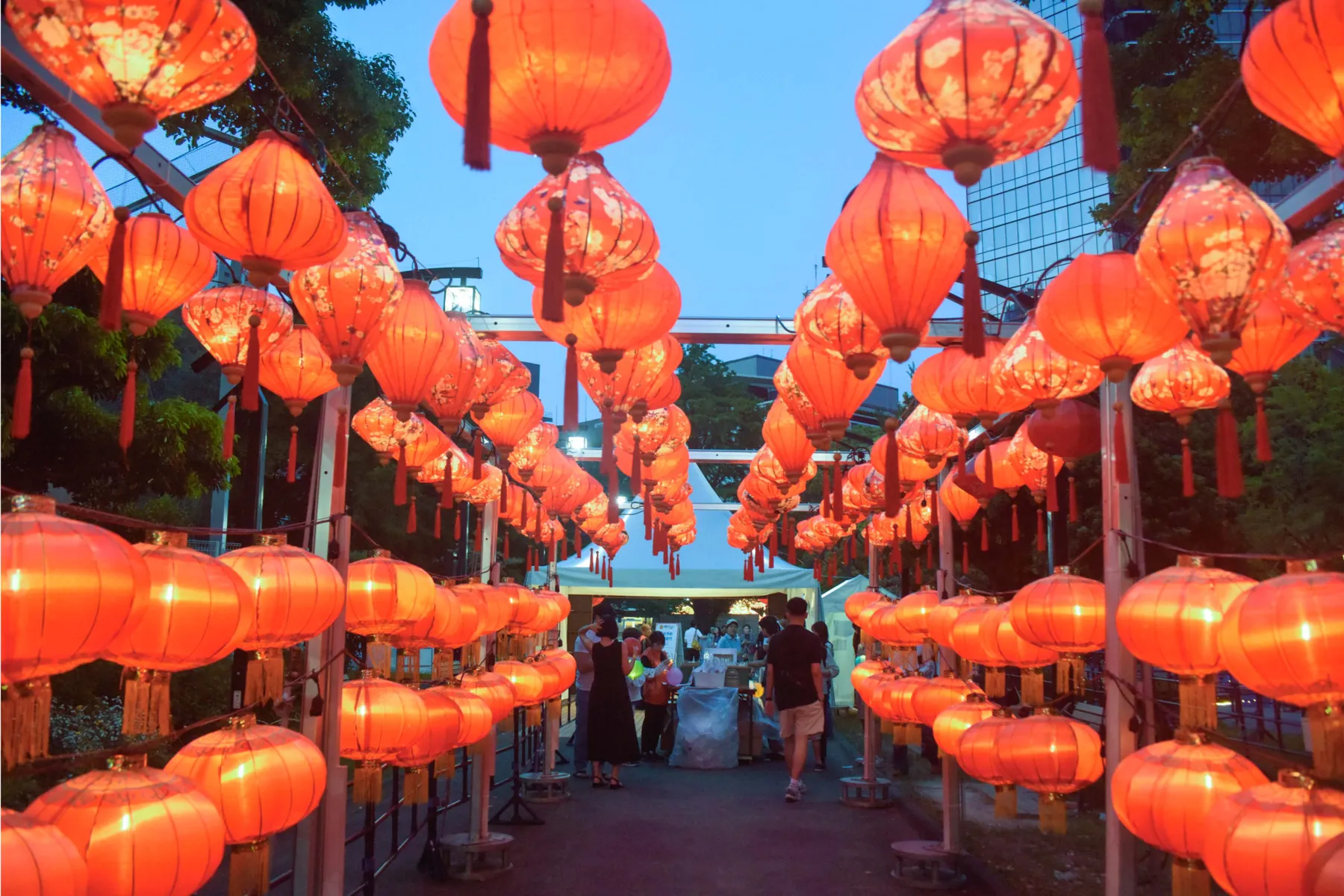
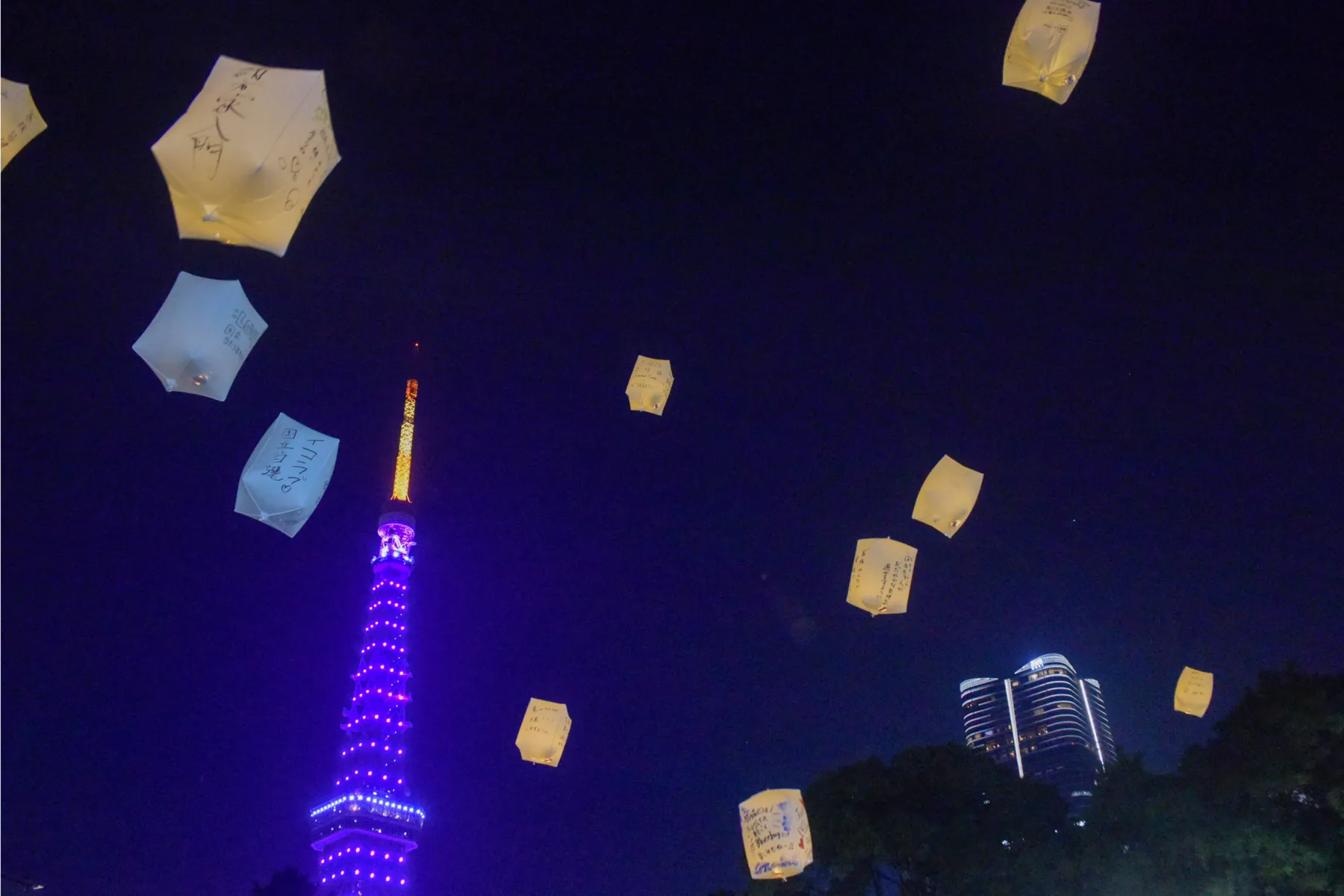
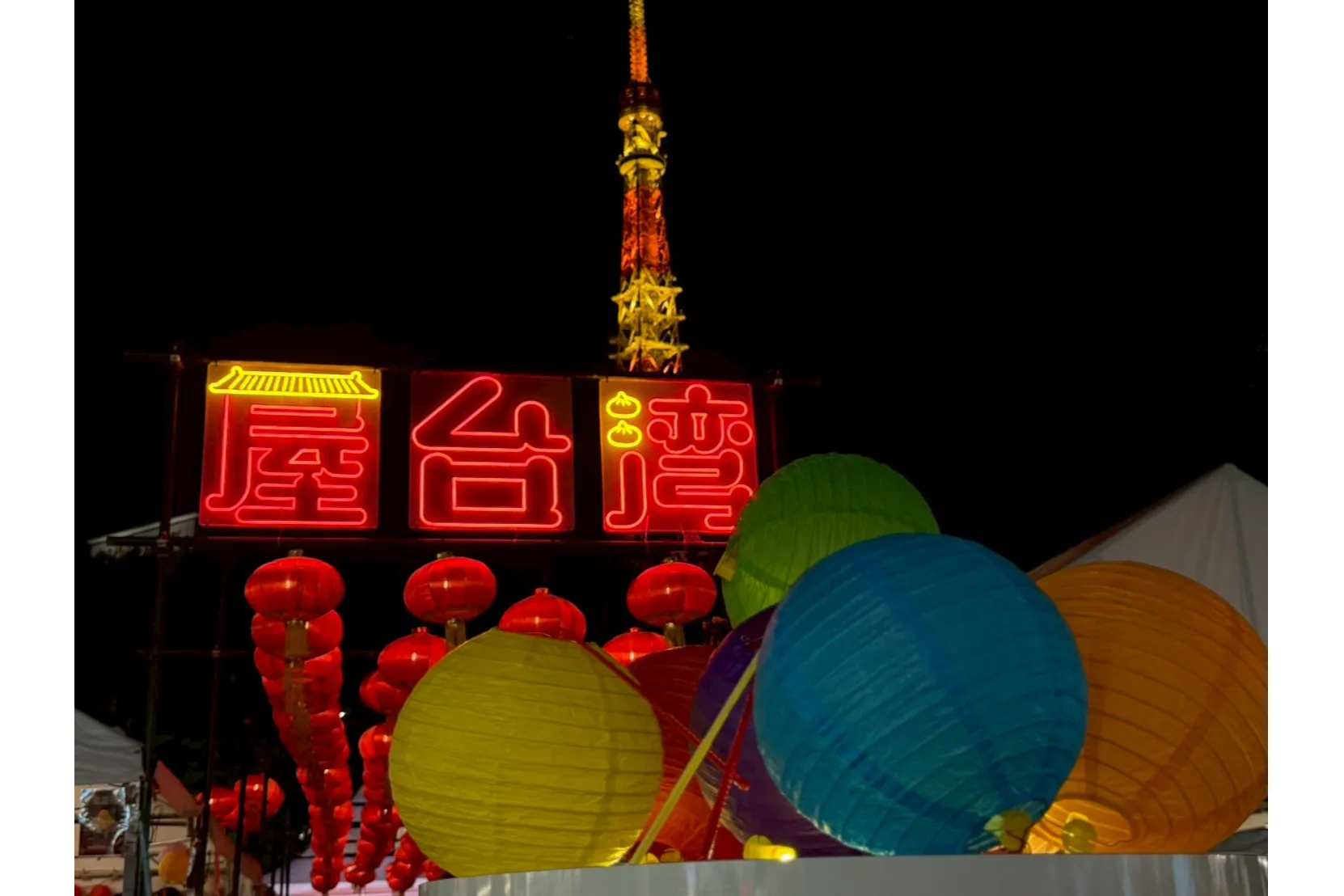
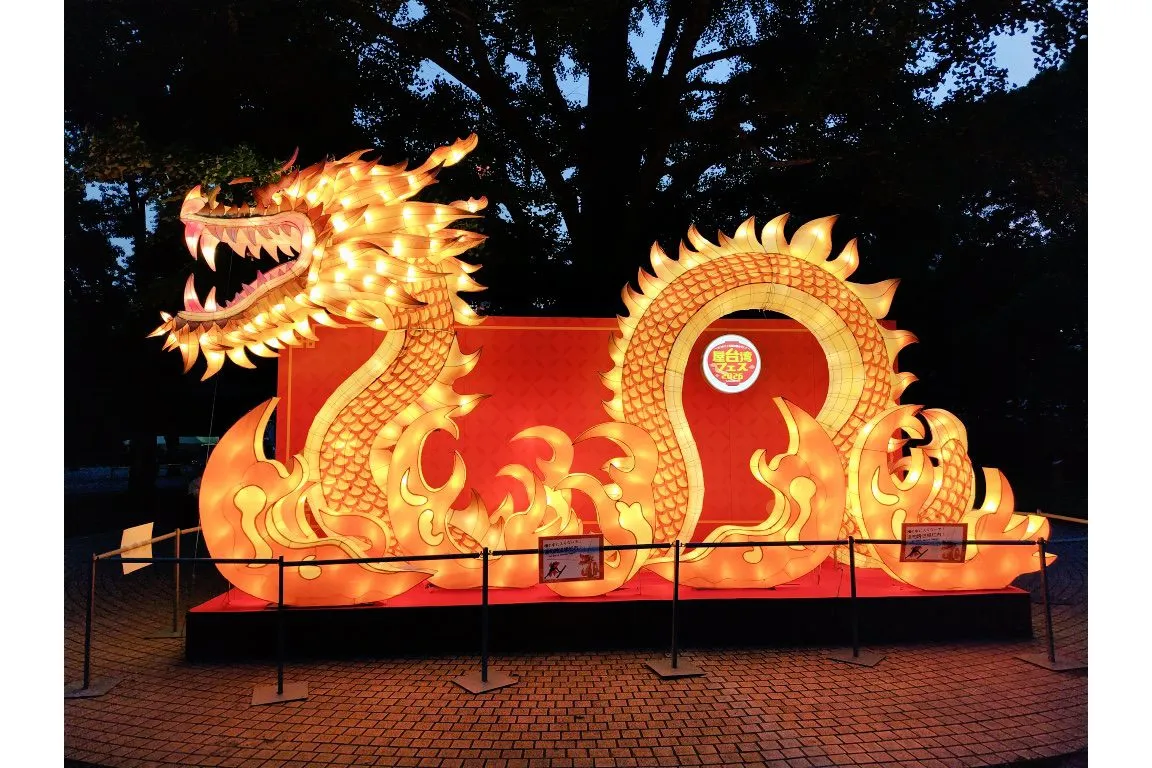
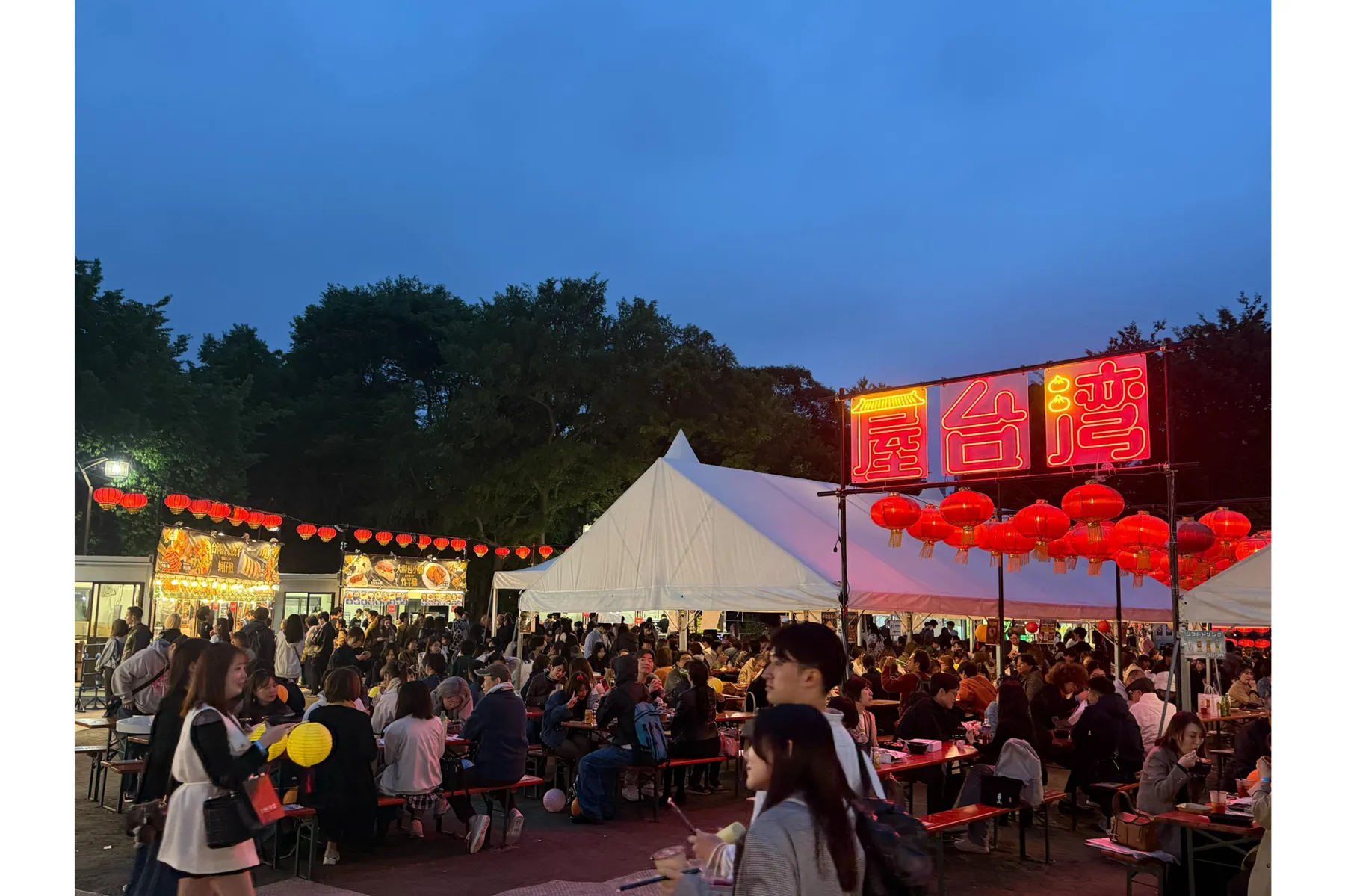
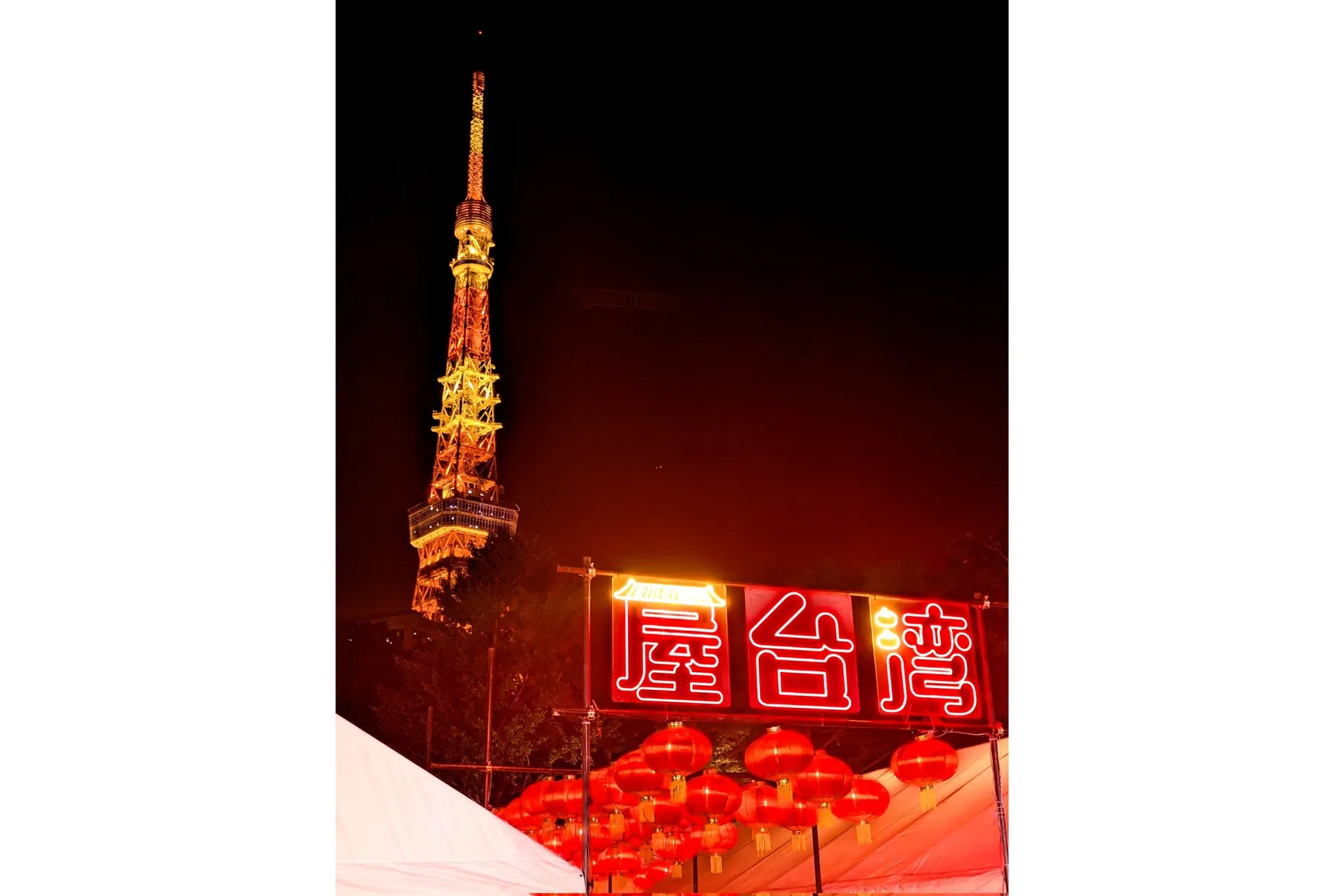
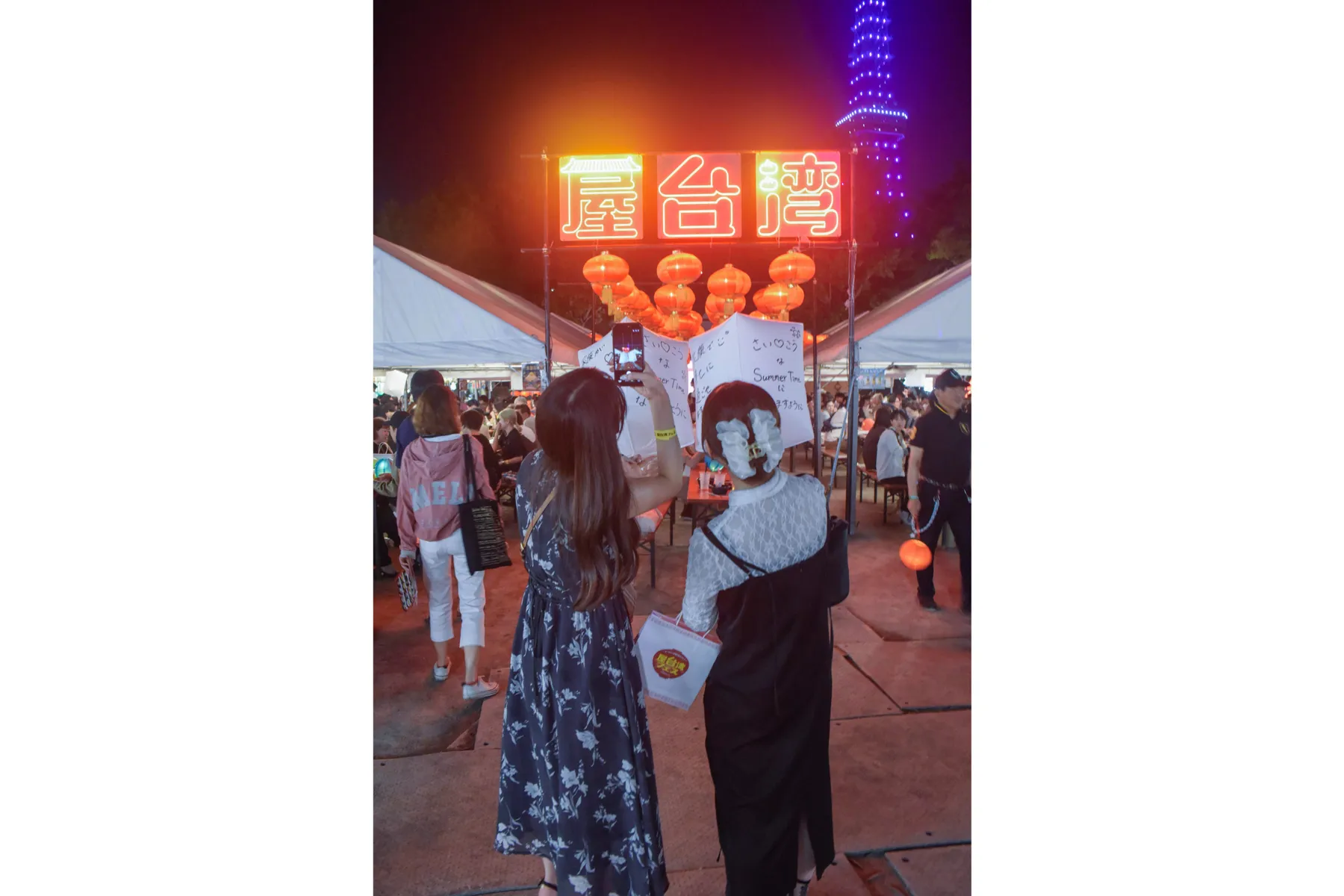
The Yataiwan Fes Executive Committee will hold the first “Yataiwan Fes 2026 ~Gather! The Ultimate Street Food~,” a street food event themed around Taiwan’s “Night Markets,” for four days from Thursday, September 3 to Sunday, September 6, 2026, at the Hibiya Park Nirenokki Hiroba. In addition to a gathering of Taiwan beer, sweets, and street food reminiscent of Taiwan’s popular tourist night markets, the “Sky Lantern Experience,” where lanterns with written wishes are released into the night sky, is scheduled to be held every day during the period. Why not visit the venue to fully experience the charms of a Taiwanese night market, from piping hot gourmet food you’ll want to eat even in the late summer heat to cooling drinks and shaved ice?

As the first edition of the event, it brings the atmosphere of Taiwan’s night markets to central Tokyo, with food stalls, games, shopping, and performances spread across the park.

Sky Lanterns in Hibiya Park!

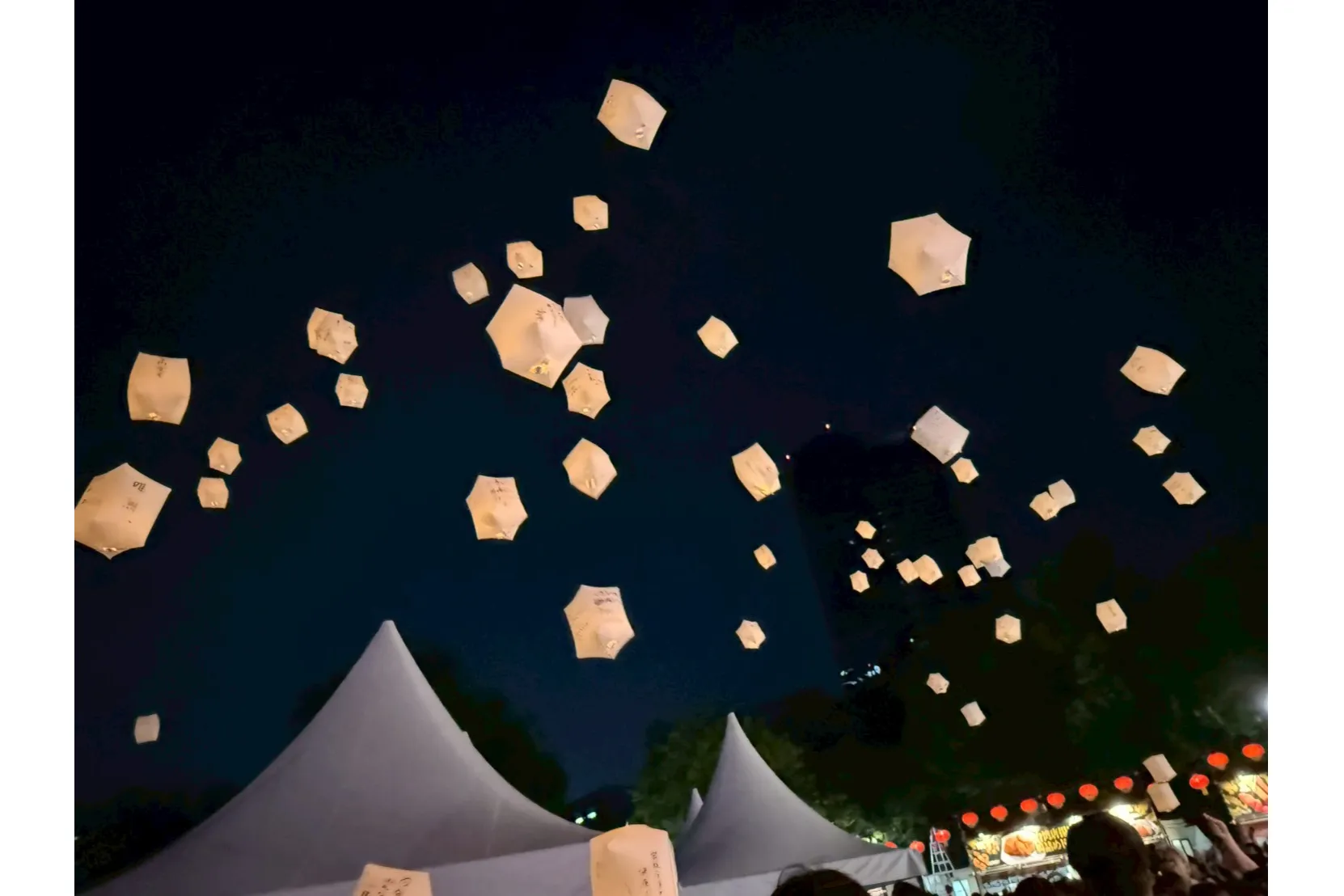
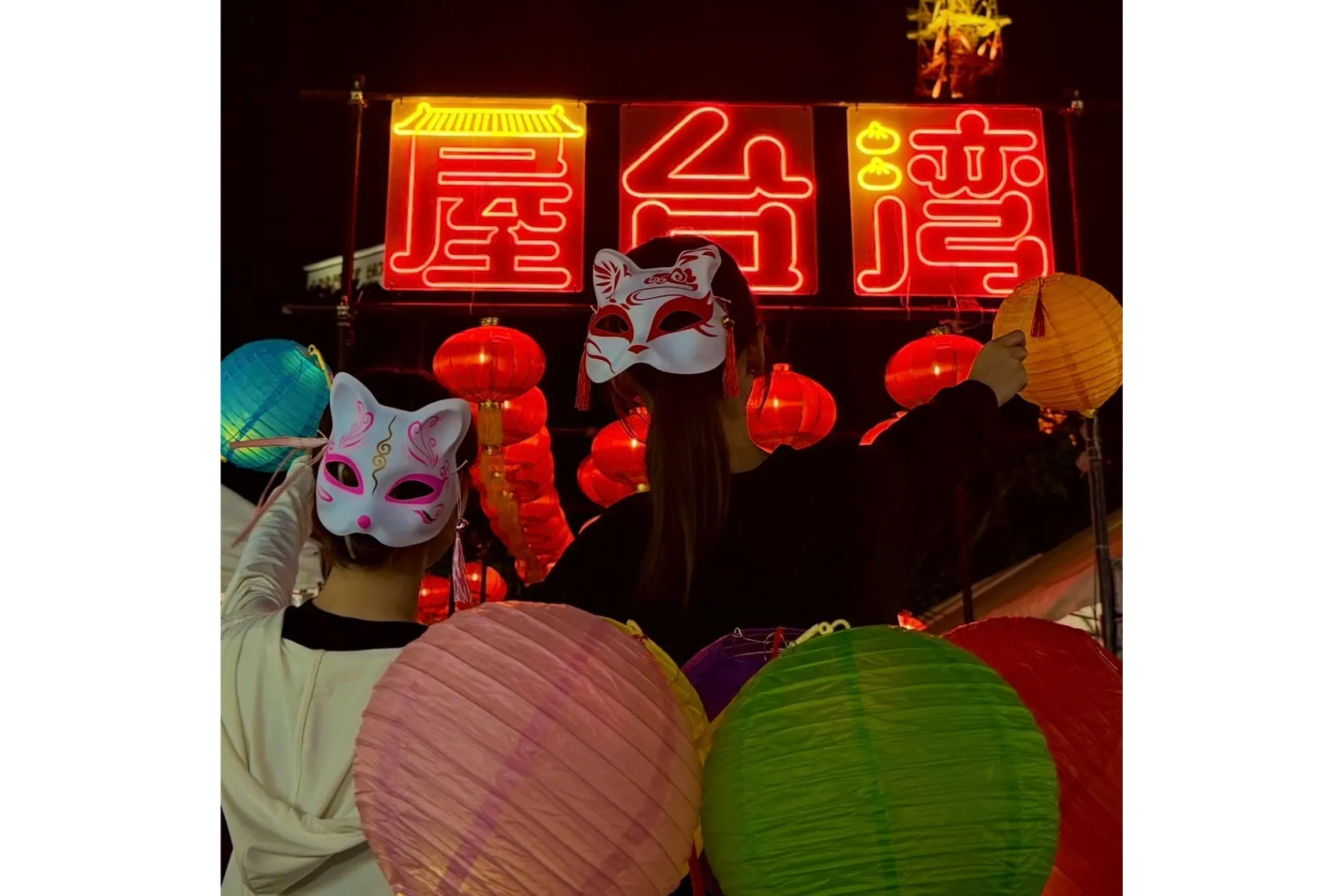
The “Sky Lantern Experience,” which reproduces the lantern release of Taiwan’s popular tourist spot “Shifen,” is scheduled to be held every day during the period. You can enjoy a fantastical moment of light by releasing lanterns written with wishes into the night sky.

  • Reception starts: 18:00~
  • Exchange starts: 19:00~
  • Launch time: Scheduled for 20:00
  • Fee: 4,000 yen per lantern (Same-day reception, first 100 people per day / No advance reservations)

*Cancelled in case of rain or strong winds

Shifen, a town in northern Taiwan, is known around the world for its sky lantern tradition, and this event recreates that experience in the heart of Tokyo. Since participation is limited to the first 100 people each day and no advance reservations are accepted, those hoping to take part should plan to arrive early.

Piping Hot Gourmet You’ll Want to Eat Even in Midsummer!

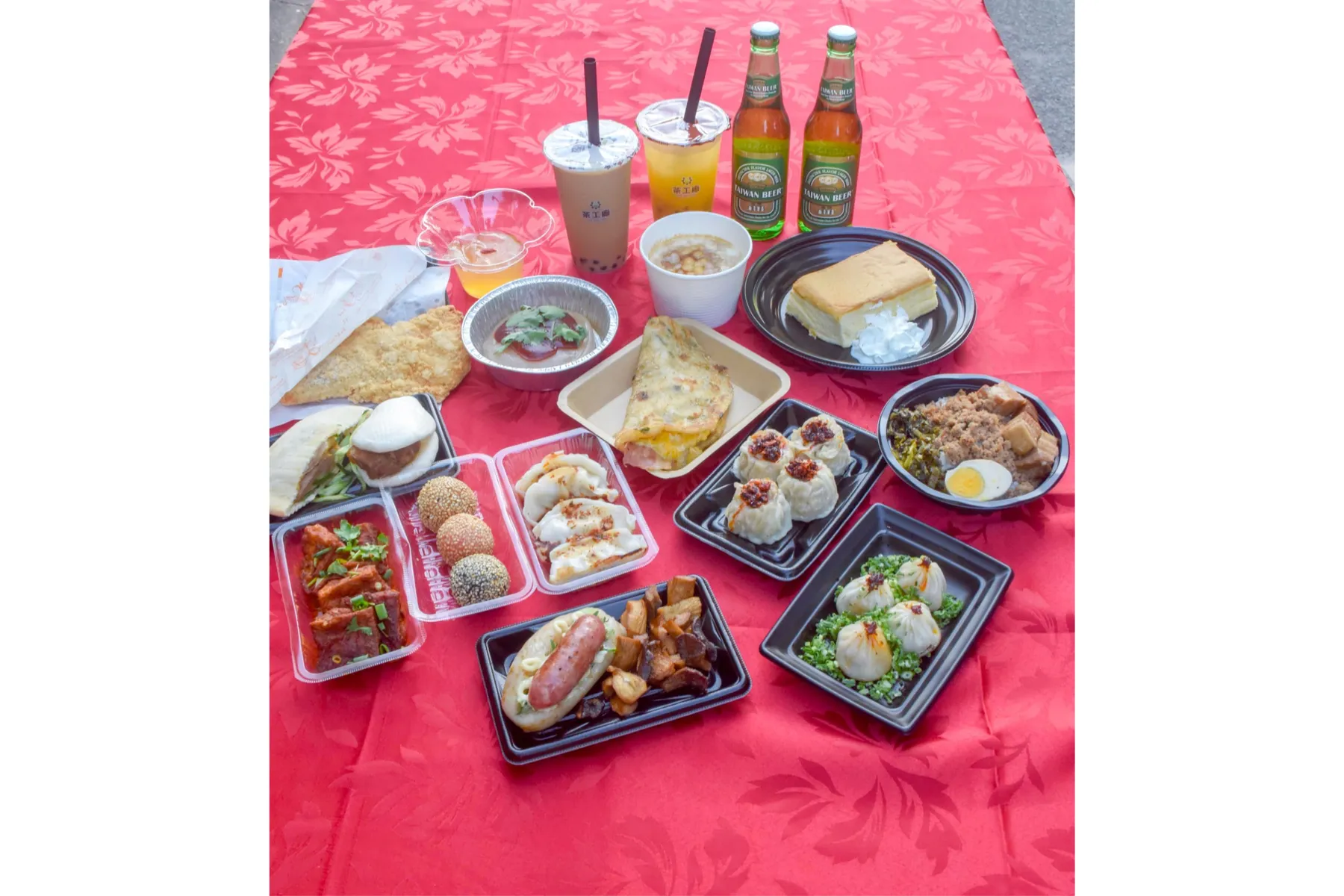
Even in the severe late summer heat of September, freshly made, piping hot Taiwanese street food will stimulate your appetite. A lineup just like the authentic locations will color the venue, featuring:

  • Beef Noodle Soup (Niuroumian)
  • Roasted Duck (Taiwan Duck)
  • Pan-fried Small Buns (Shao Xiao Long Bao)
  • Braised Pork Fried Rice (Lu Rou Fried Rice)
  • Scallion Pancake (Negi Pie)
  • Taiwan Fries
  • Braised Pork Rice (Lu Rou Fan)
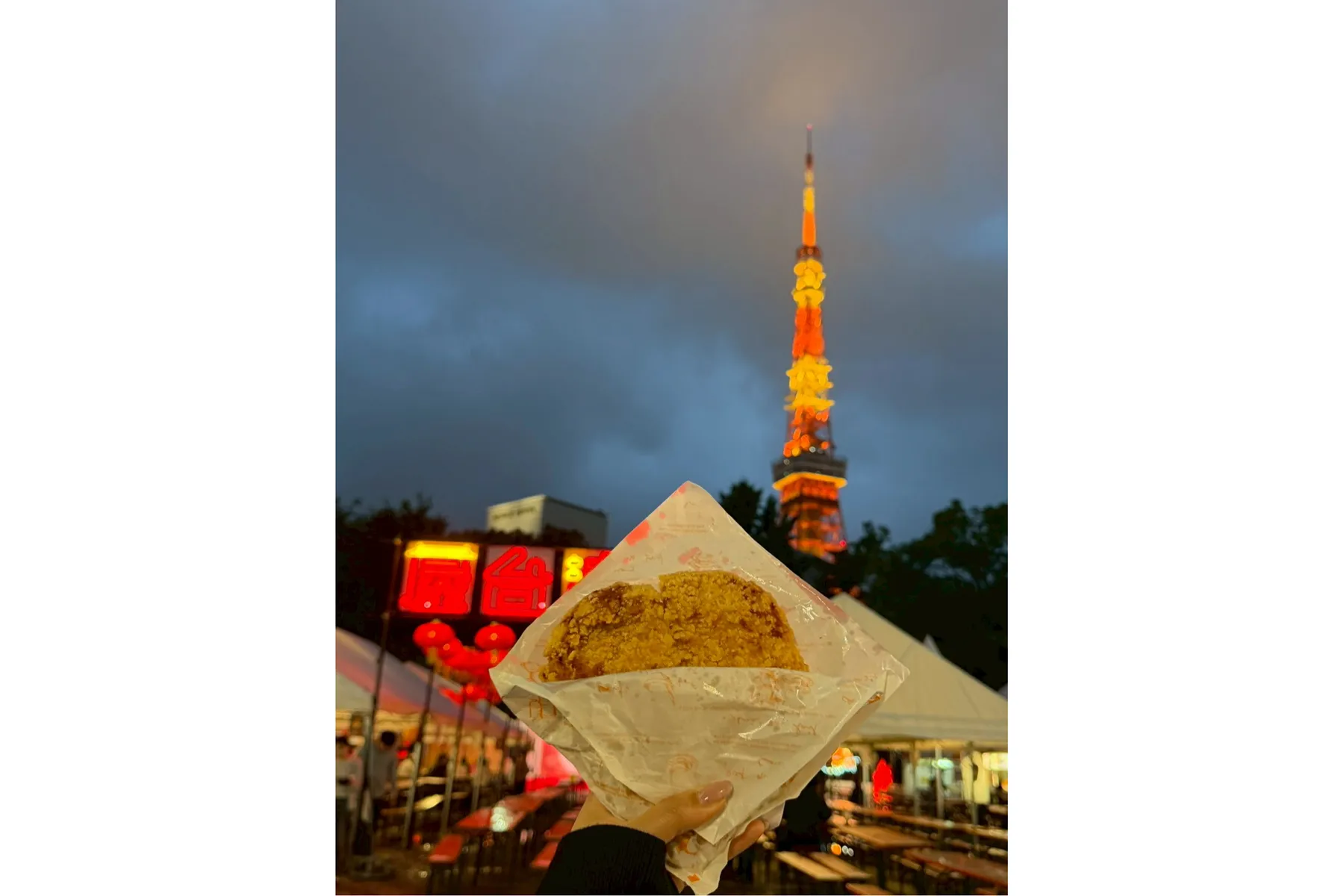
  • Large Fried Chicken Fillet (Da Ji Pai)
  • Sausage in a Sausage (Dachang Bao Xiaochang)
  • Meatball (Ba Wan)
  • Taiwanese Chinese Cabbage Dumplings
  • Oyster Omelet
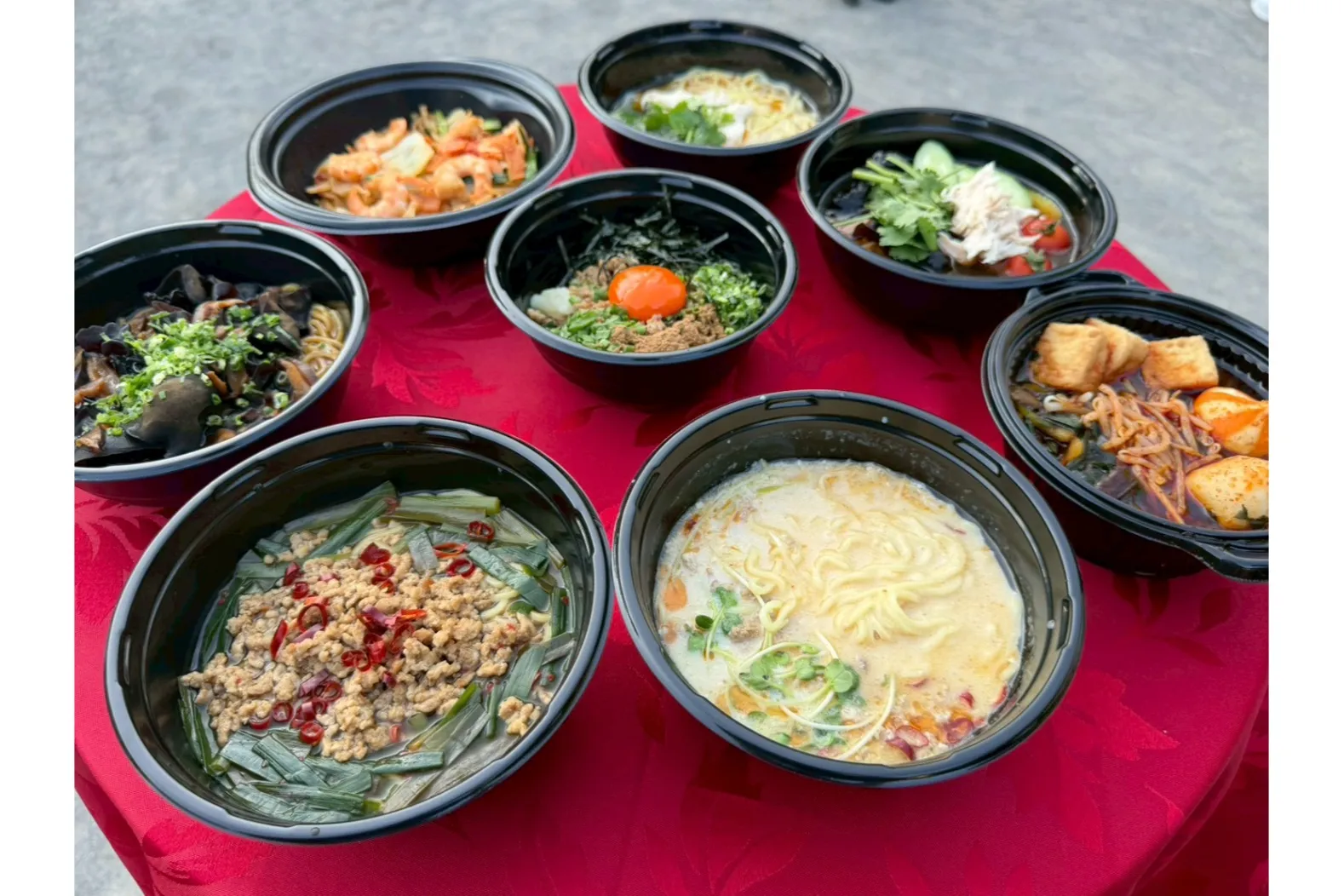
  • Taiwanese Dry Mixed Noodles (Taiwan Mazesoba)
  • Taiwanese Dan Dan Noodles (Taiwan Ramen)
  • Taiwanese Mapo Tofu
  • Pepper Buns (Koshou Man)

From hearty noodle soups and braised pork rice to the Large Fried Chicken Fillet and Sausage in a Sausage, the menu spans the range of Taiwanese night market classics.

Cooling Drinks & Cooling Gourmet (Shaved Ice)

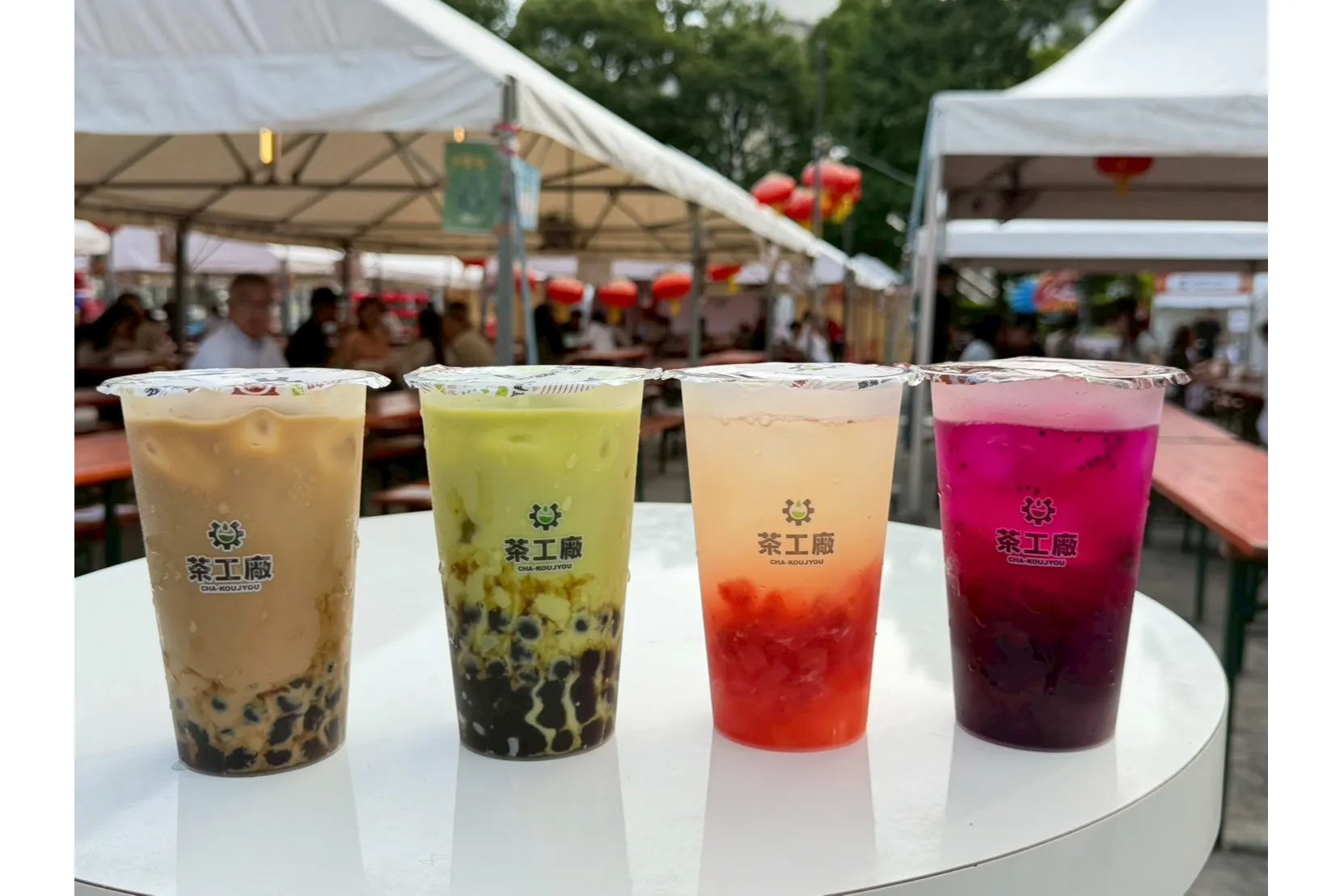
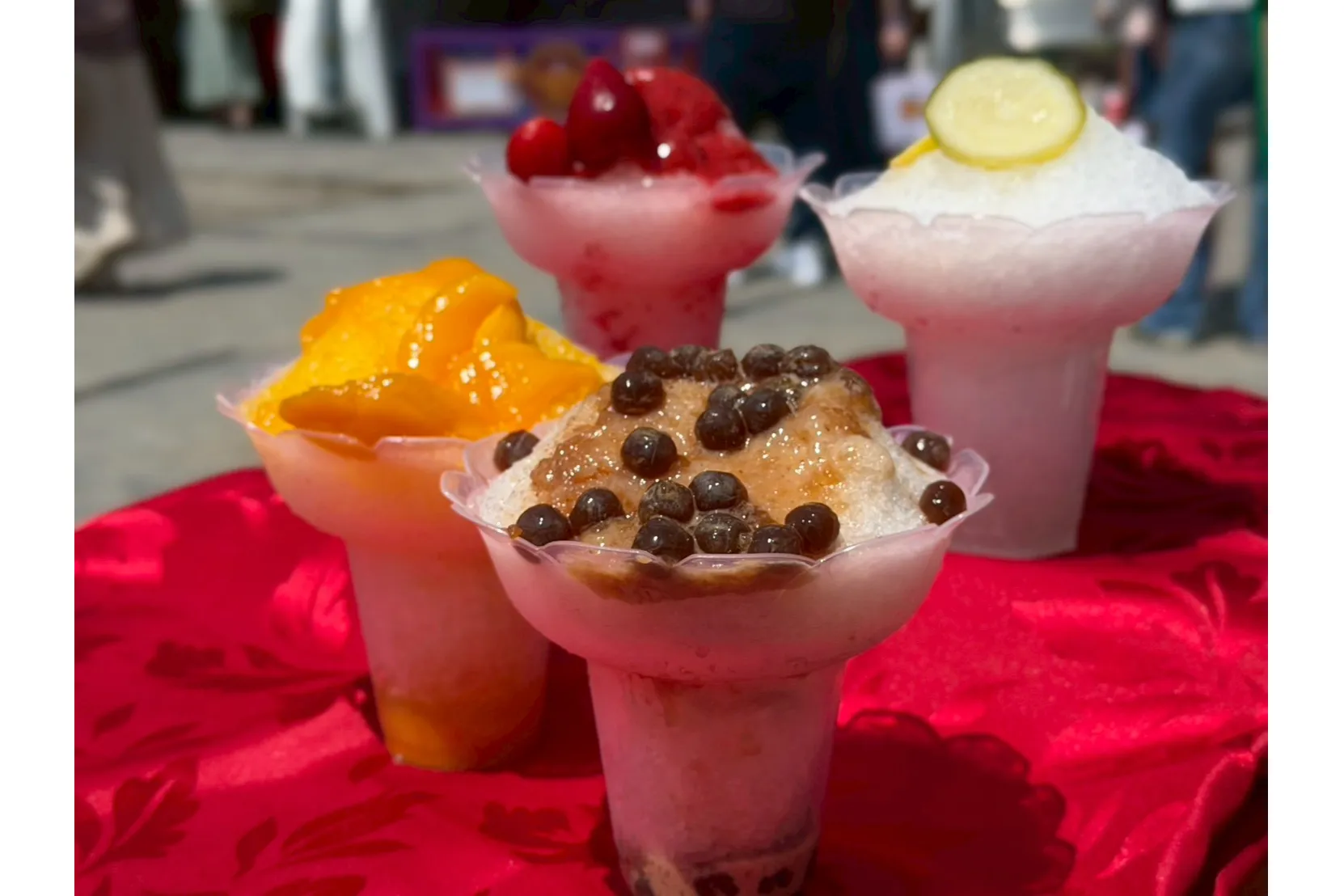
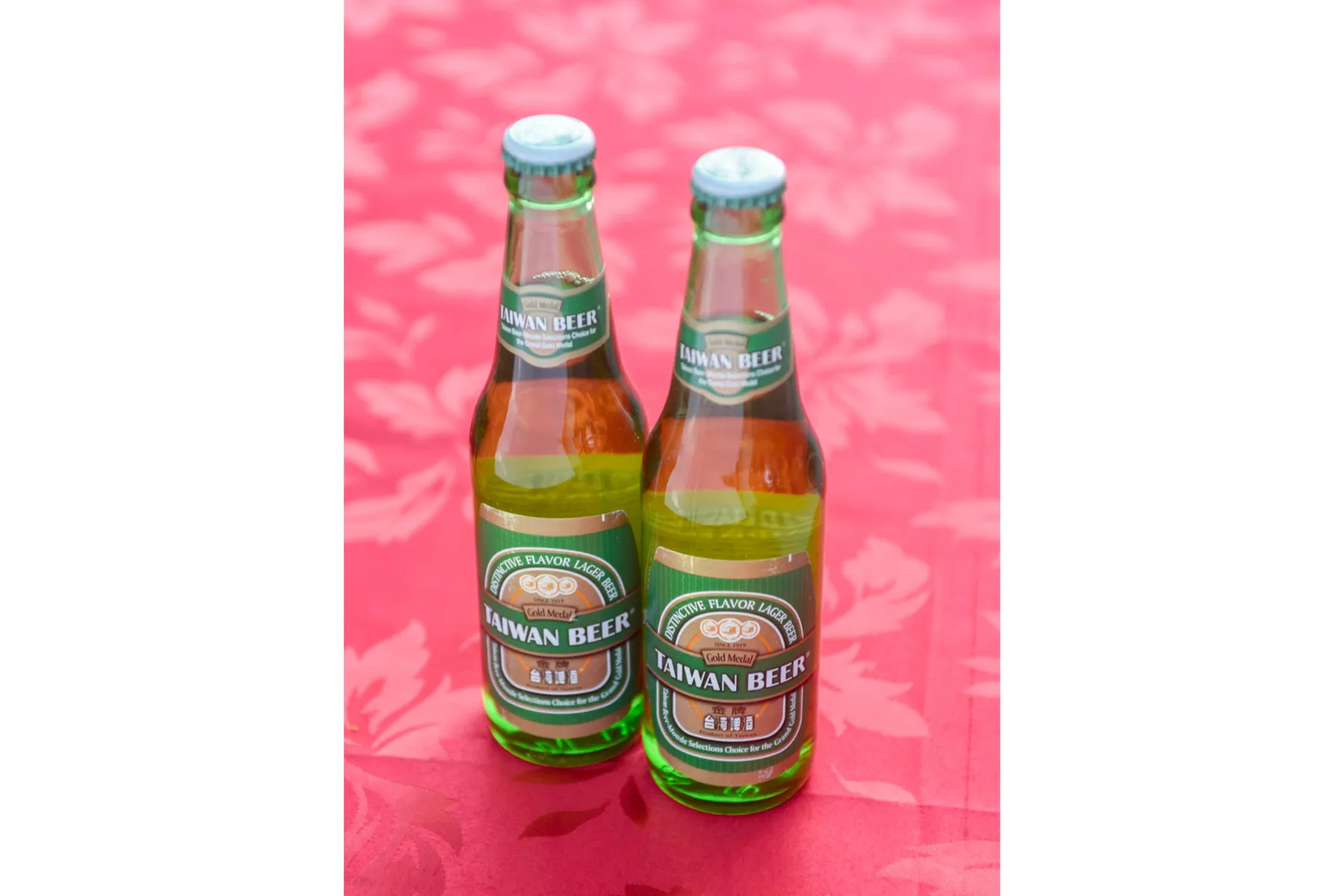
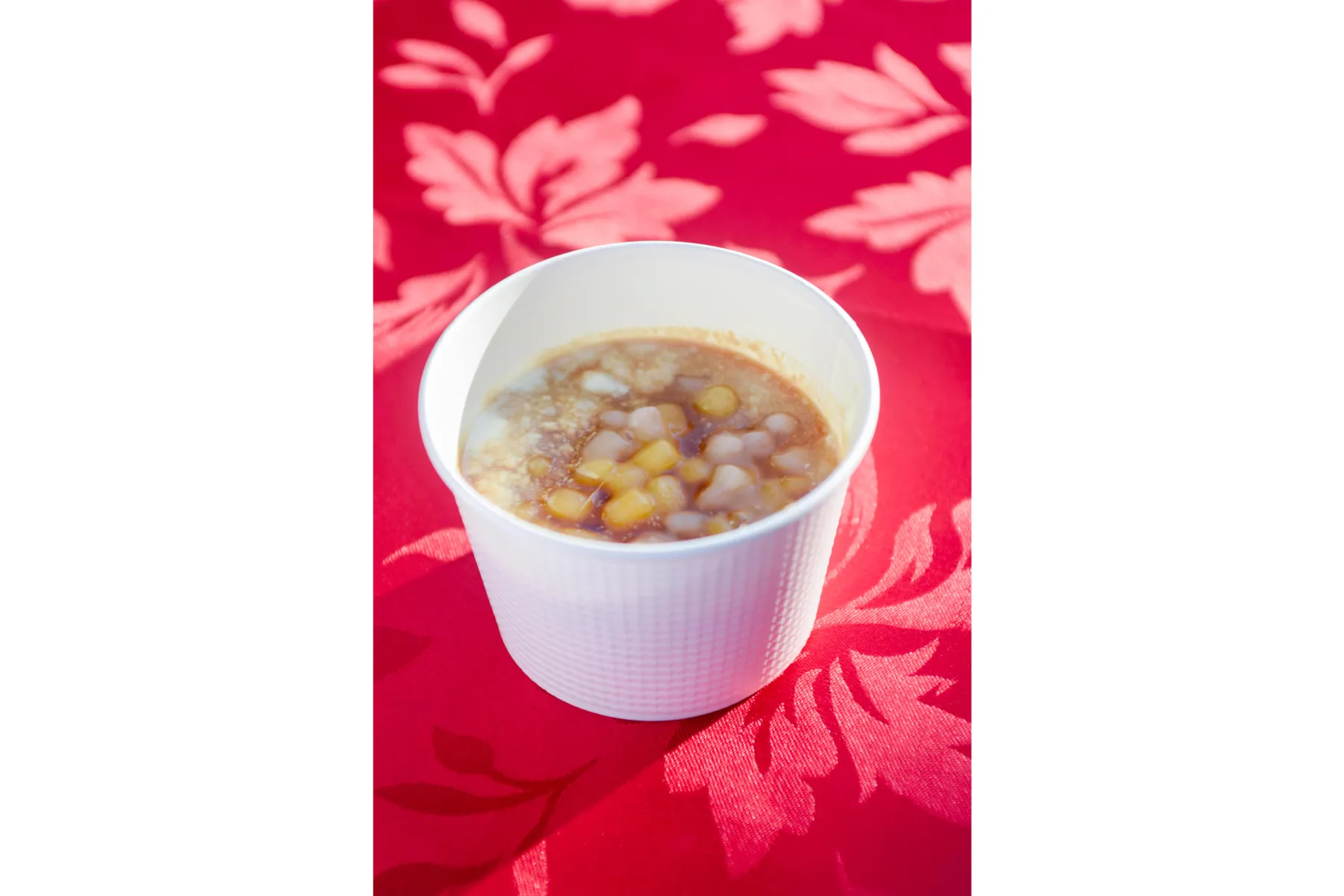
In addition to the “Taiwan Tavern” and booths where you can taste Bubble Milk Tea and Taiwanese tea, cooling sweets such as Tofu Pudding (Douhua), Rainbow Cotton Candy, and fluffy Taiwanese Shaved Ice will also appear. These offer a refreshing counterpoint to the piping hot dishes, making it easy to keep exploring the stalls well into the evening.

Other Ways to Enjoy

Classic Taiwanese night market games such as ring toss and mask making will also appear. You can also enjoy shopping at the “Taiwan Products (Taiwan Souvenirs/Goods)” corner, which features souvenirs, cup noodles, and soy milk imported directly from Taiwan. Musical performances and shows are also planned for the special stage.

*Please check the official website for detailed information.

Basic Information

Item Details
Location Hibiya Park
Nearest Station Hibiya Station / Uchisaiwachō Station / Yūrakuchō Station / Kasumigaseki (Tokyo) Station
Address 〒100-0012, 1-6 Hibiya Park, Chiyoda-ku, Tokyo (MAP)
Period 2026/09/03 (Thu) ~ 2026/09/06 (Sun)
Hours September 3 (Thu): 16:00–22:00 (L.O. 21:30)<br>September 4 (Fri): 11:00–22:00 (L.O. 21:30)<br>September 5 (Sat): 11:00–22:00 (L.O. 21:30)<br>September 6 (Sun): 11:00–20:00 (L.O. 19:30)
Admission Adults (junior high school students and above): 500 yen<br>Free for elementary school students and below<br>Includes a handheld lantern
Official Website https://www.yataiwan-fes.jp/
Rain Information Will be held in rain; cancelled in case of severe weather

*The posted content may have changed. For the latest information, please check the official website of the venue or the organizer.

🛏️ View hotels near Tokyo

屋台湾フェス2026_1
屋台湾フェス2026_2
屋台湾フェス2026_3
屋台湾フェス2026_4
屋台湾フェス2026_5
屋台湾フェス2026_6
屋台湾フェス2026_7
屋台湾フェス2026_8
屋台湾フェス2026_9
屋台湾フェス2026_10
屋台湾フェス2026_11
屋台湾フェス2026_12
屋台湾フェス2026_13
屋台湾フェス2026_14
屋台湾フェス2026_15
屋台湾フェス2026_16
屋台湾フェス2026_17
屋台湾フェス2026_18
屋台湾フェス2026_19
屋台湾フェス2026_20

What is Hibiya Park?

Hibiya Park is a public park in central Tokyo, a short walk from the Imperial Palace and close to Yurakucho, Kasumigaseki, and Hibiya stations. It opened in 1903 on land that had previously served as an army parade ground. At the time, it was an unusual project: a Western-style park built to give the city’s residents a place to walk, sit, and spend time outdoors. Its design was straightforward—wide paths, open lawns, flower beds, a central fountain, and rows of trees—and that layout has largely remained since.

The park has never been limited to quiet use. Over the years, its open areas have been used for charity bazaars, outdoor concerts, and cultural festivals. The Hibiya Open-Air Concert Hall gives the park a permanent performance venue, and the large plazas around it can accommodate stages, stalls, and seating. At the same time, the side paths and shaded benches provide a place to get away from the nearby office district.

For Ya Taiwan Fest, the park works for practical reasons. It is central and easy to reach, it has room for the festival’s market-style layout, and it is familiar with hosting crowds. The mix of food and live performances suits the informal, open environment, and visitors can eat in the grass or at tables without feeling cramped.

“Visible to Those Who Can See” Third Exhibition at Seibu Shibuya Store in 2026: Experience the Unseen Before the Iconic Venue Closes

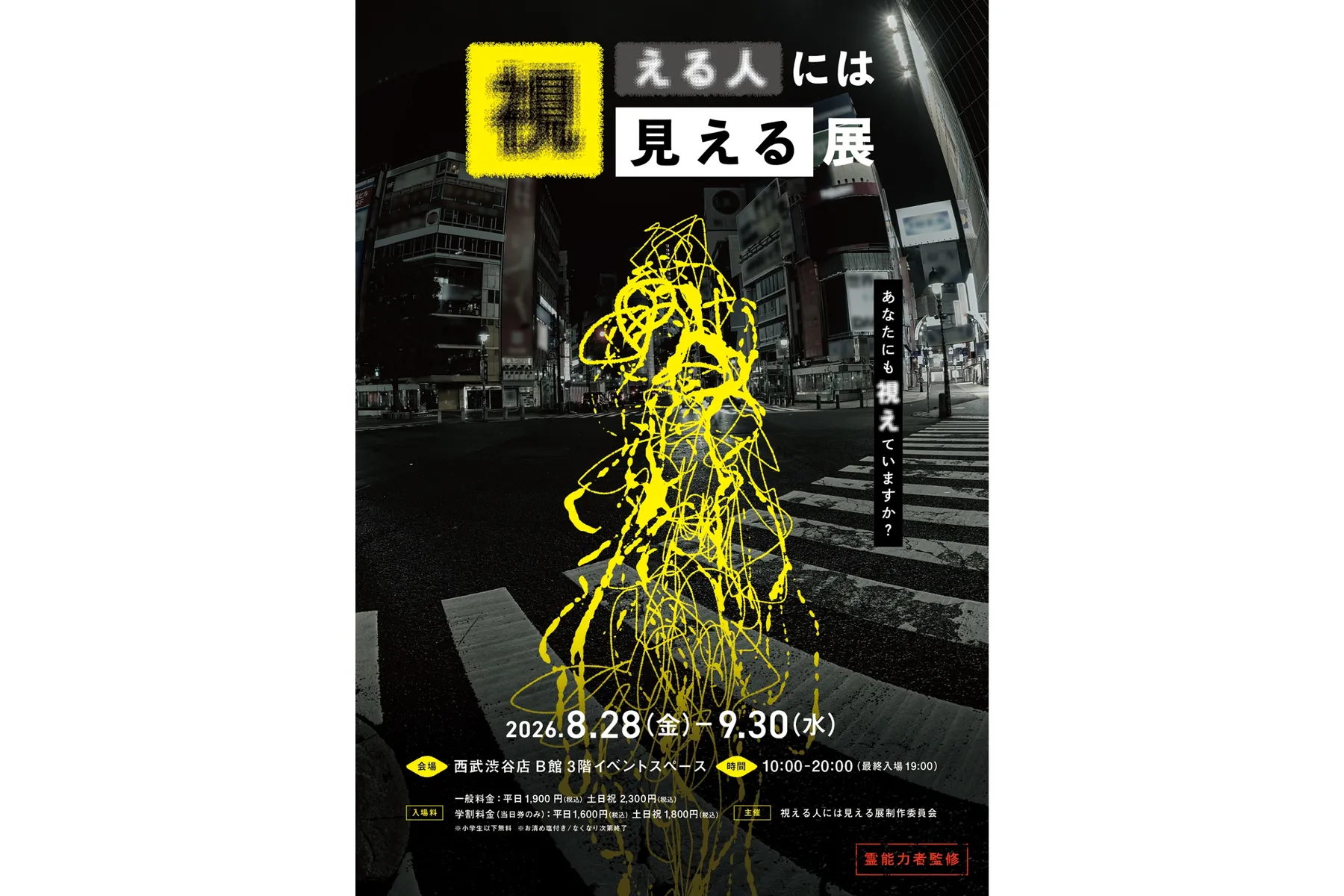
"Visible to Those Who Can See" Third Exhibition at Seibu Shibuya Store in 2026: Experience the Unseen Before the Iconic Venue Closes

An Exhibition for Those Who Can See

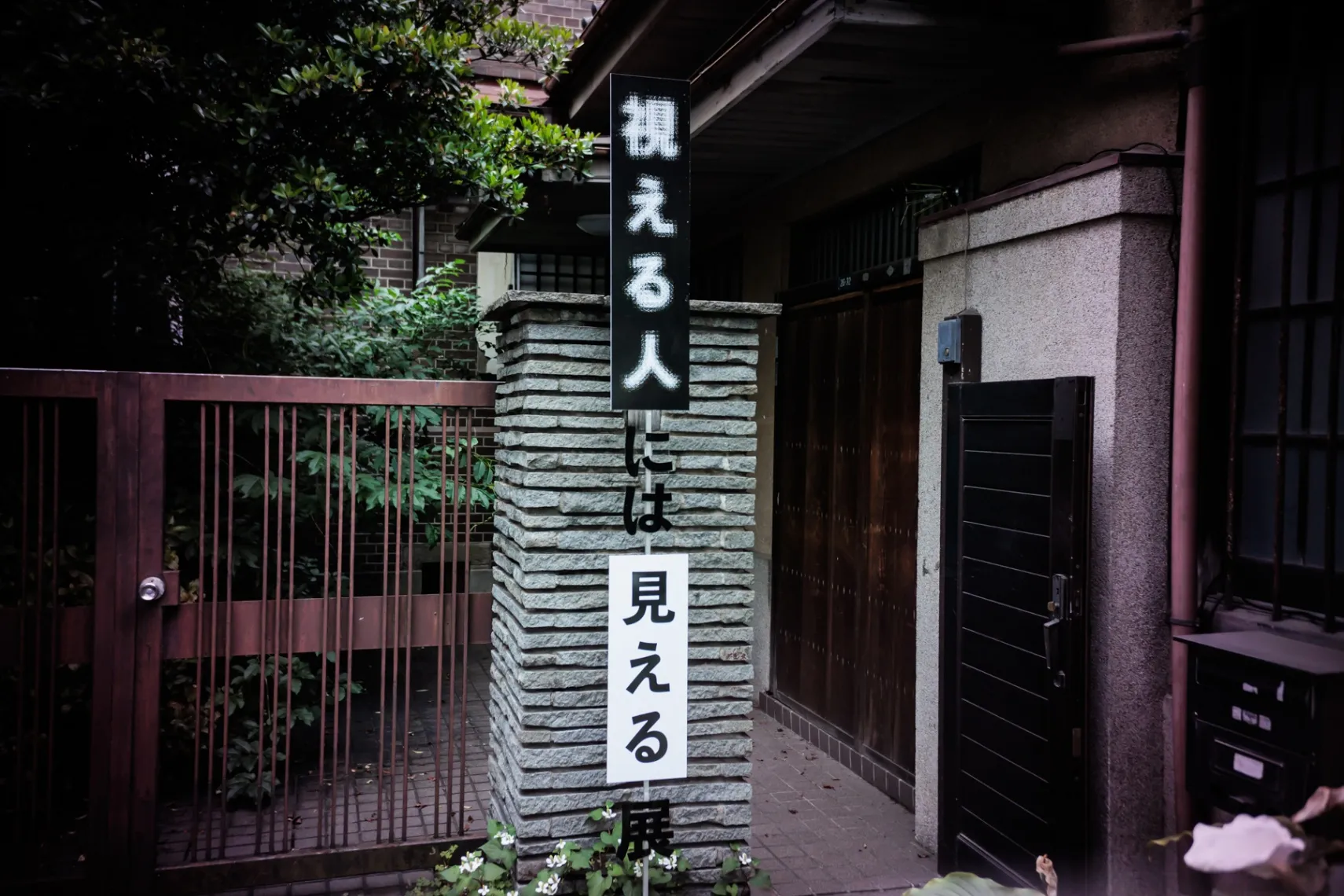
“Visible to Those Who Can See” is an experiential spirit photography exhibition that has drawn a cumulative total of approximately 40,000 visitors since its first run began in April 2025 at a private house in Namikibashi, Shibuya, followed by the second exhibition “Visible to Those Who Can See -Zero-” in Nihonbashi. Tickets frequently sold out, and the exhibition has received extensive coverage in various media. The experience of “borrowing the perspective of those who can see” has garnered a wide response.

The third installment opens August 28 at the Seibu Shibuya store, which will bring its 58-year history to a close at the end of September 2026.

The exhibition has been held in locations that retain the memories of the land. The first took place in a 93-year-old traditional folk house; the second, in a Nihonbashi building slated for demolition due to redevelopment. The Seibu Shibuya store continues that pattern. Why not take this opportunity to visit?

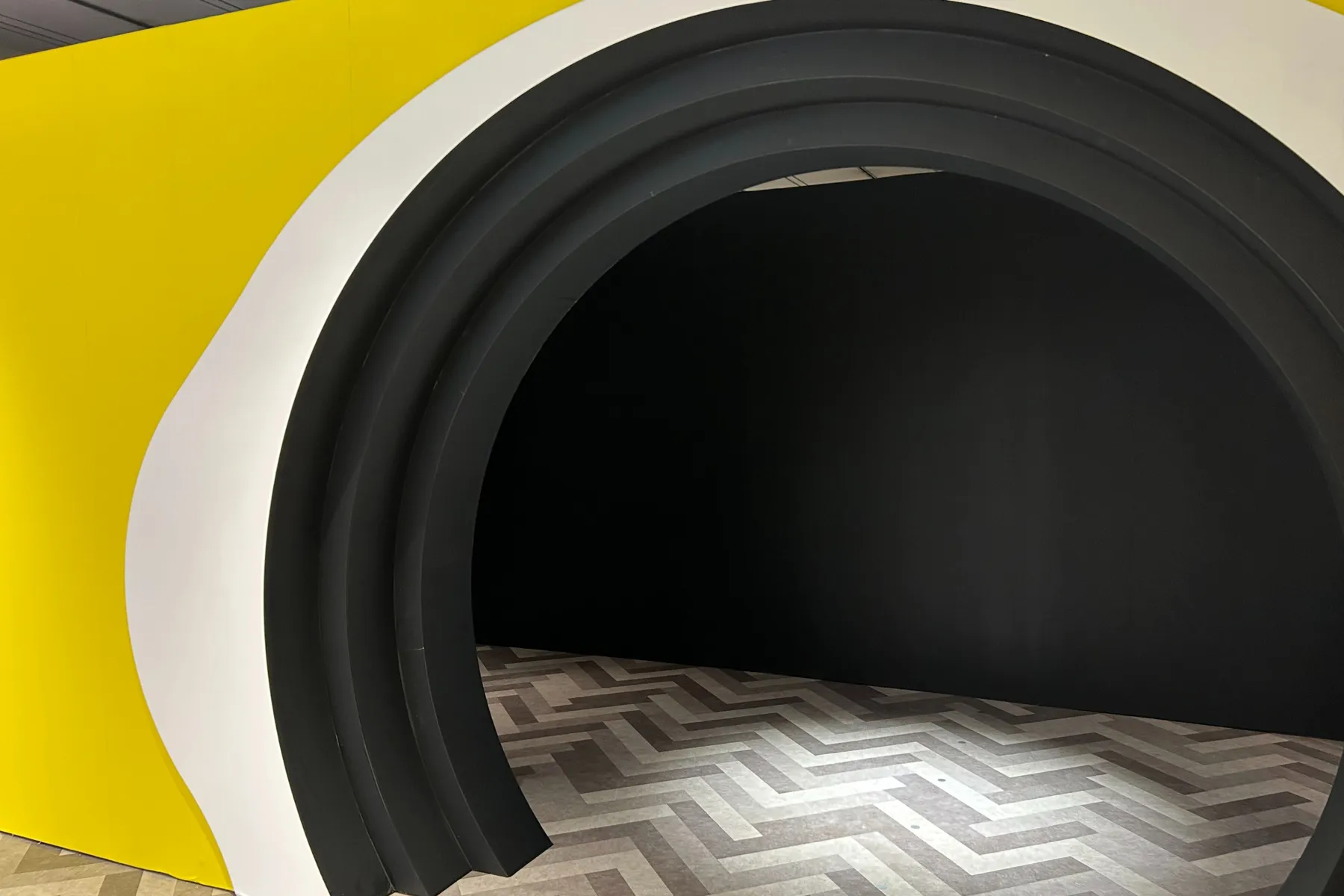
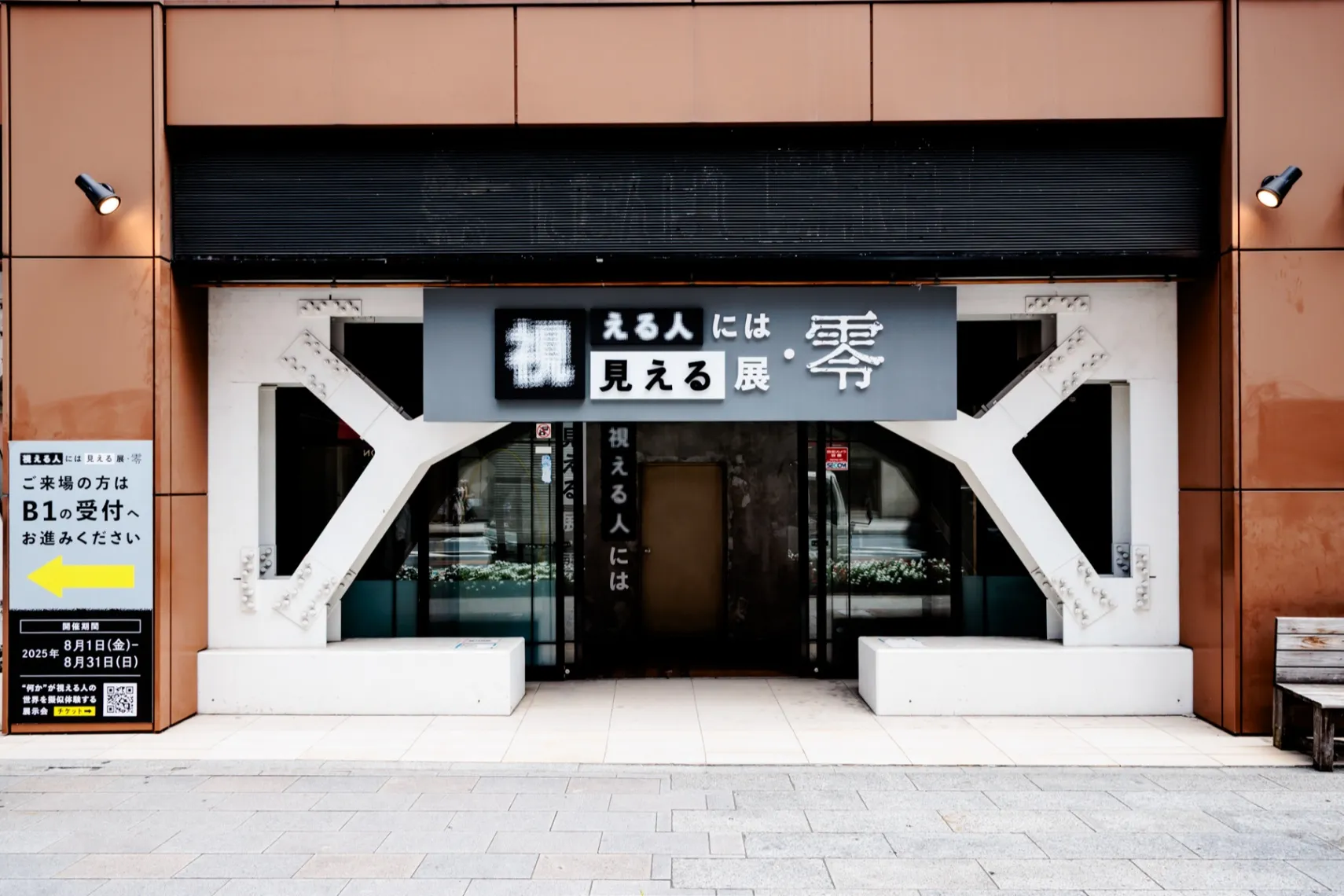
<Visible to Those Who Can See> Exterior (Shot in 2026: Let's Enjoy Tokyo Editorial Team)

What is “Visible to Those Who Can See”?

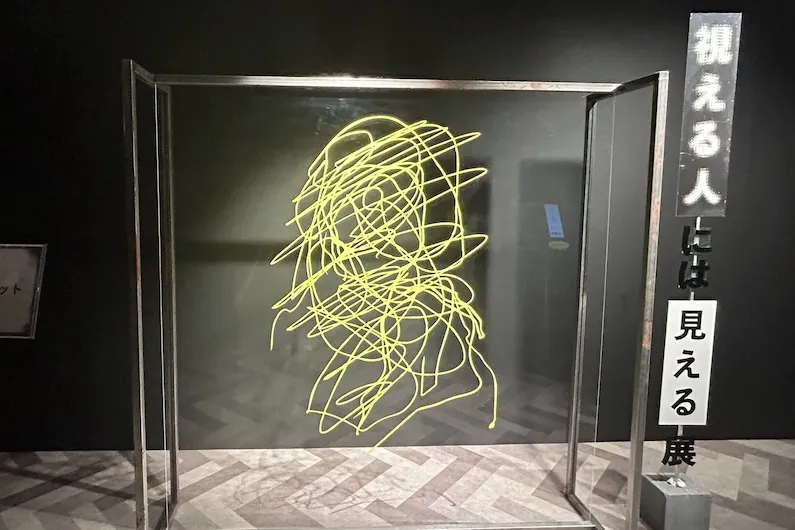
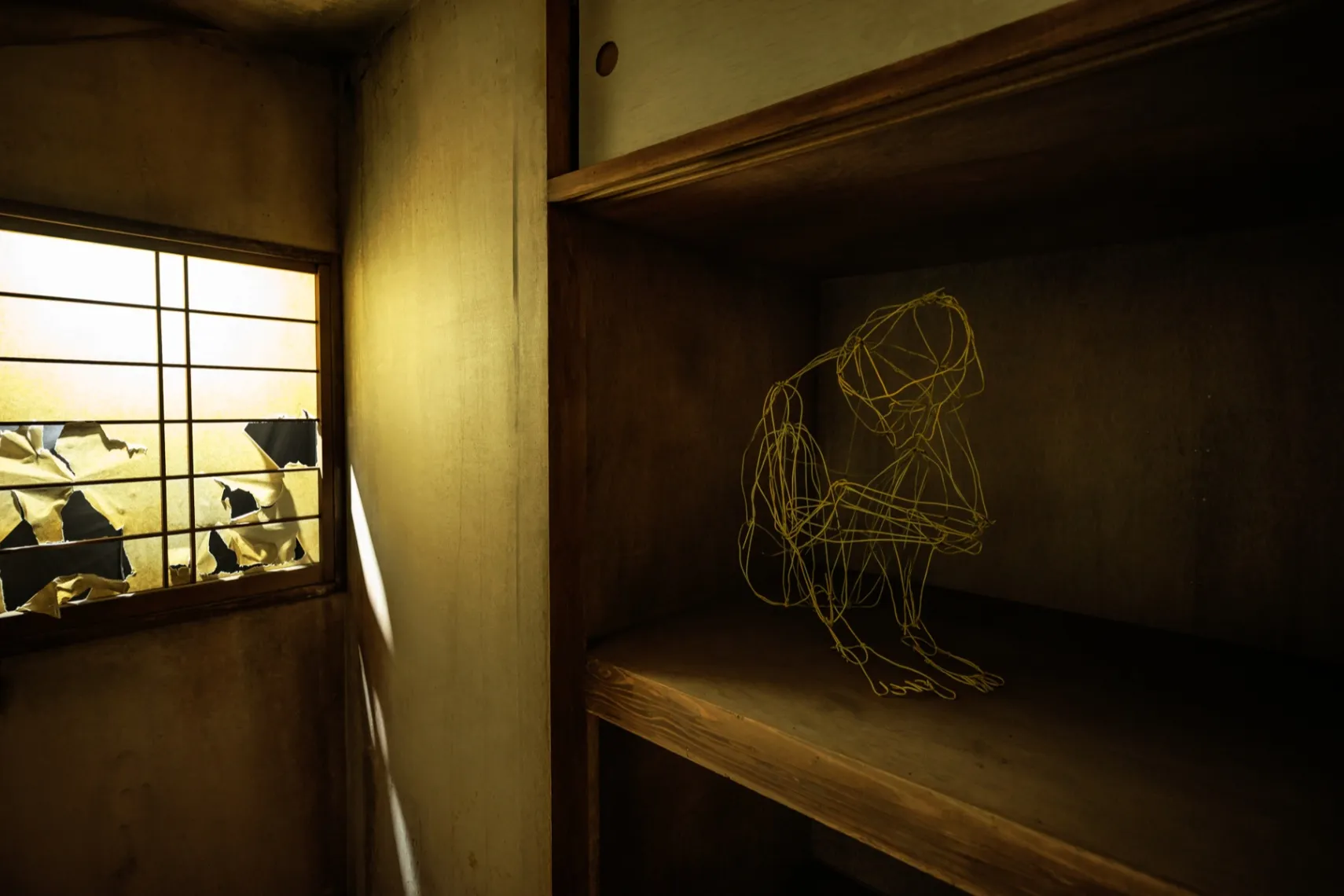
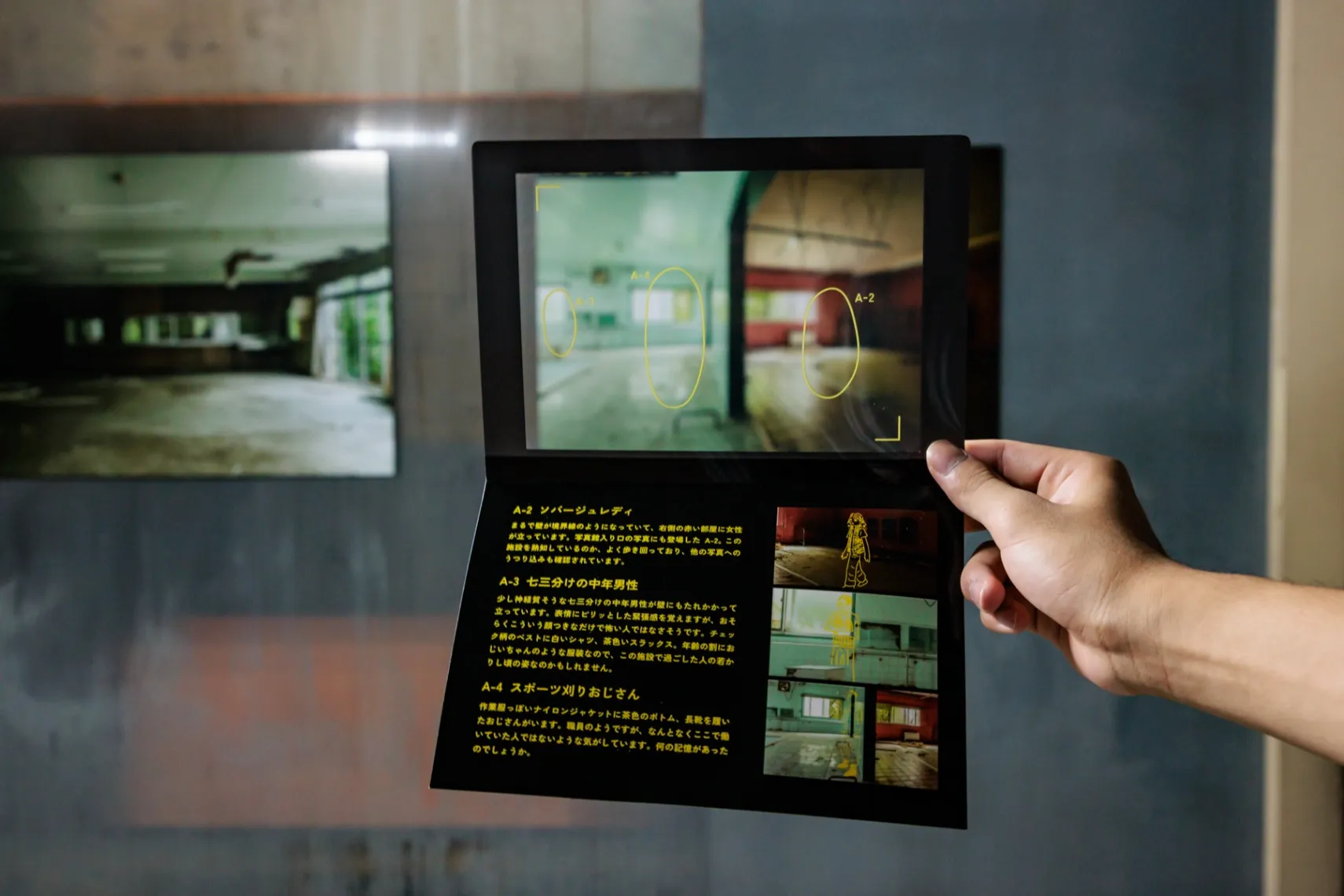
In this world, there are a fair number of people who can see “something” that others cannot. “Visible to Those Who Can See” is an exhibition where visitors can vicariously experience the world as seen by such “seers.” The photographs on display appear to be ordinary landscape photos at first glance, but each is a piece where “it is visible to those who can see,” confirmed under the supervision of a psychic.

The photographs document existences that linger in the places where they were taken. What looks like an unremarkable street or a quiet ruin to most viewers is, to a seer, a scene occupied by something else. For visitors who cannot see what the seers perceive, the exhibition is a chance to borrow their perspective, if only for the duration of a visit.

<Visible to Those Who Can See> Photo Spot (Shot in 2026: Let's Enjoy Tokyo Editorial Team)

Introduction to the Exhibition Experience

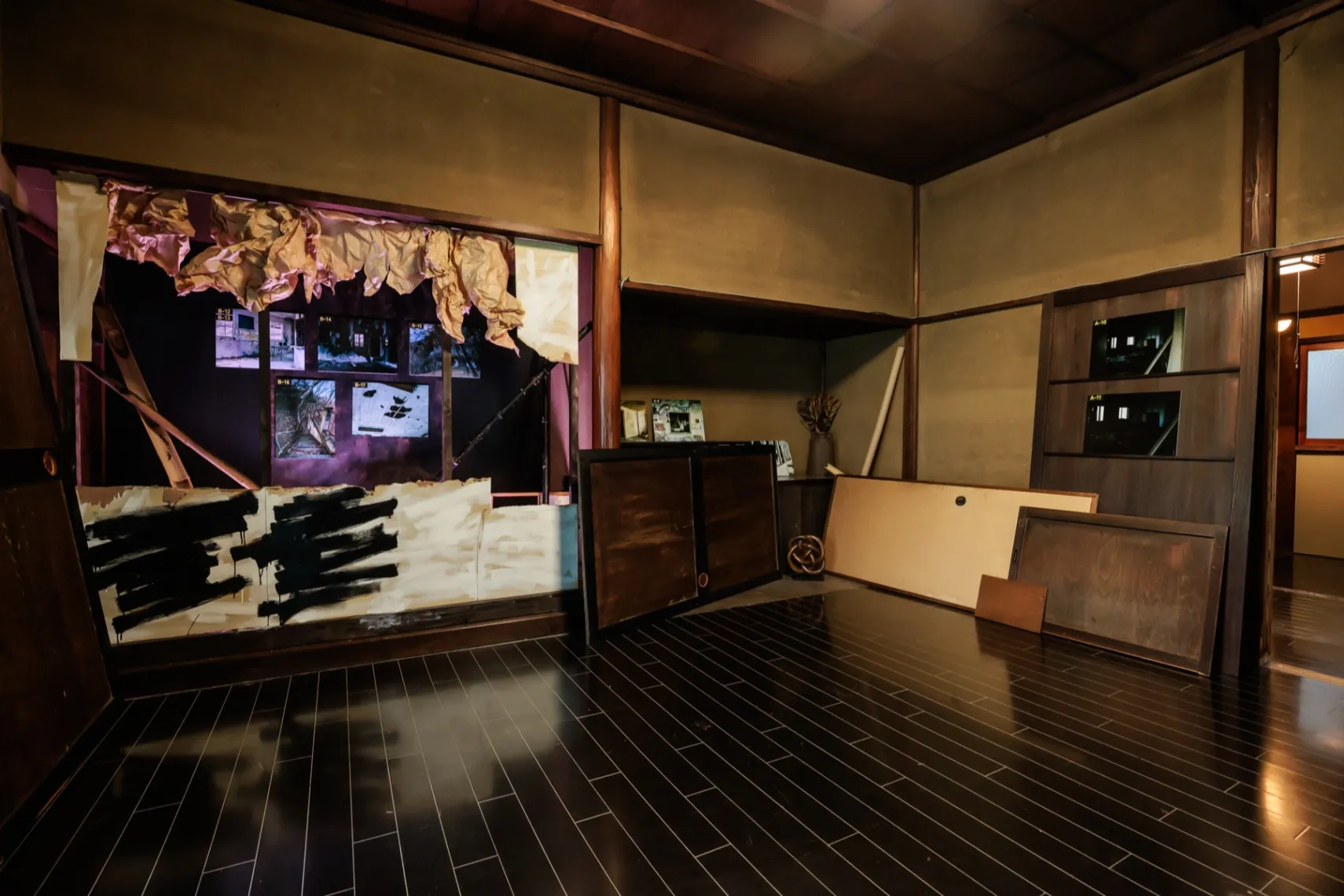
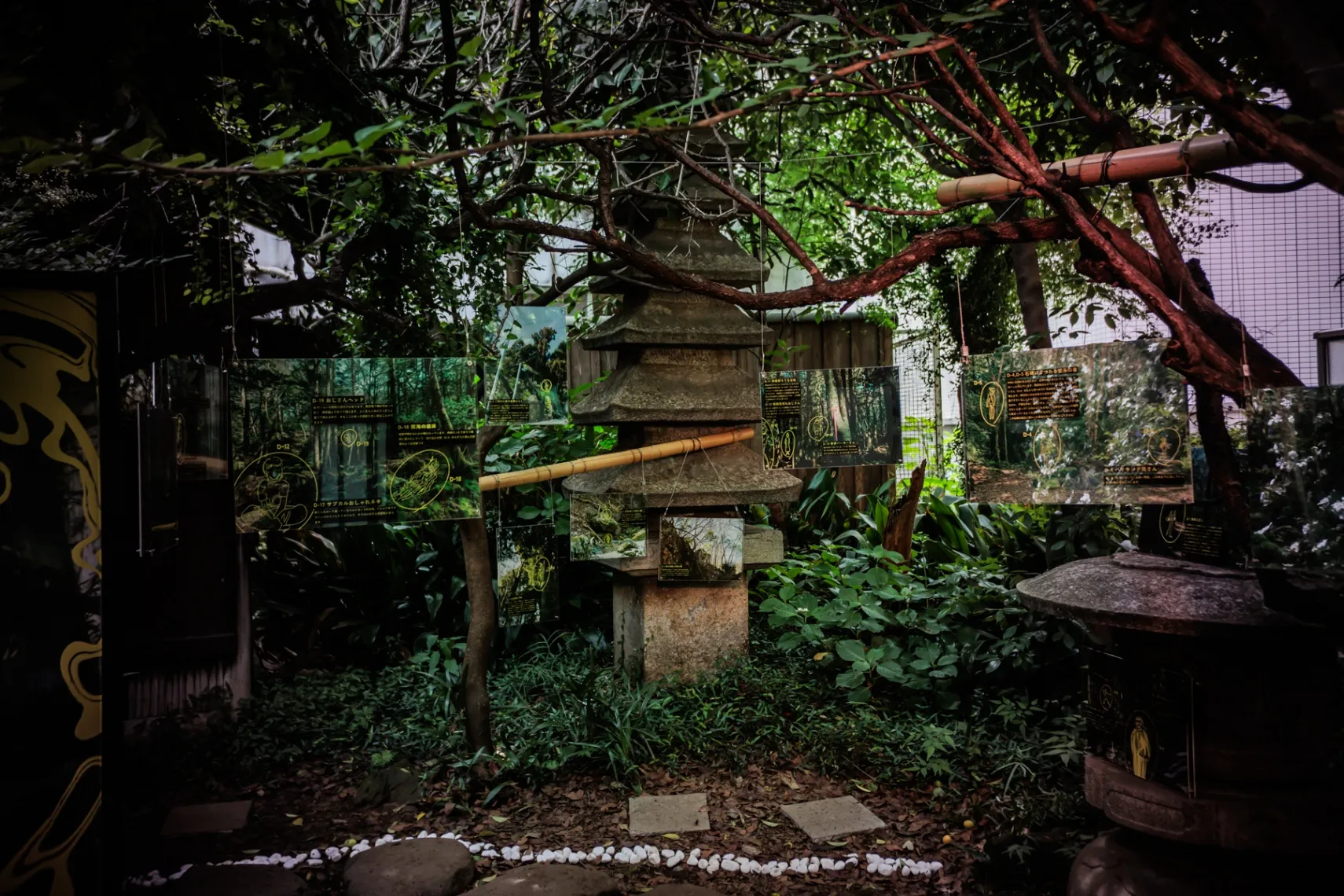
Until now, the project has visited ruins, cities, and power spots throughout Japan together with seers, photographing the existences lingering there. For this third installment, the team took on a new challenge: venturing abroad. Photography was conducted in the United States, Thailand, and China.

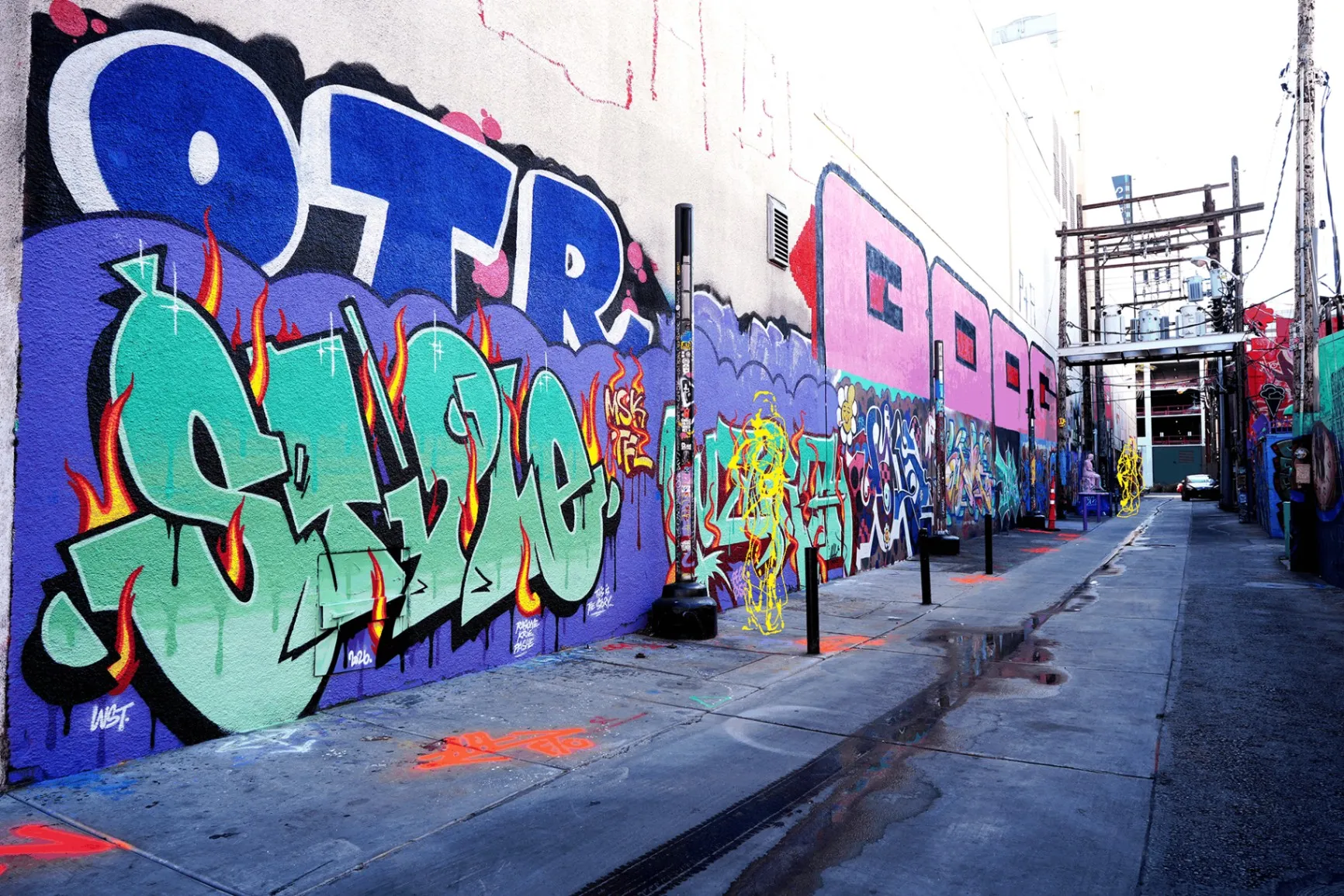
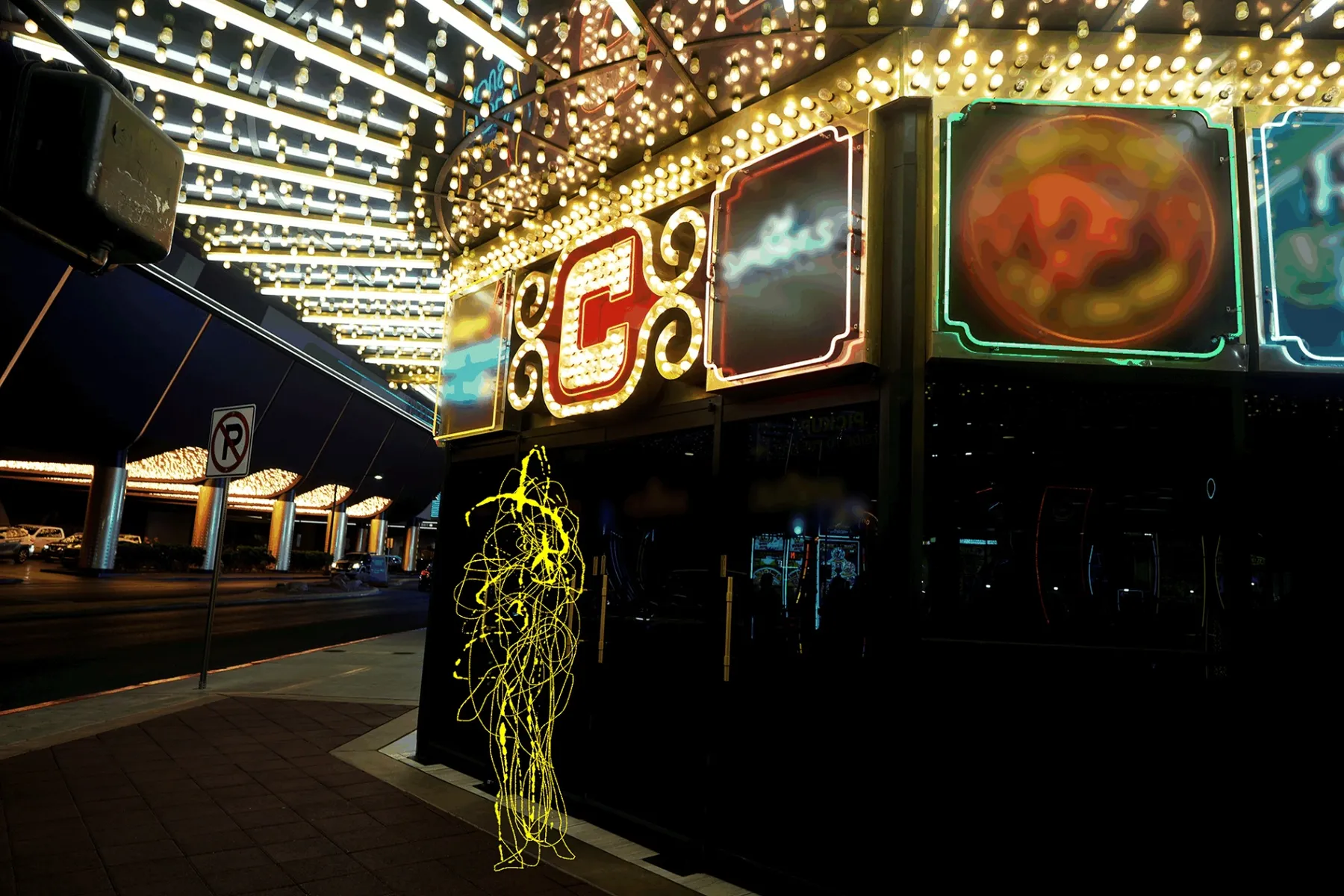
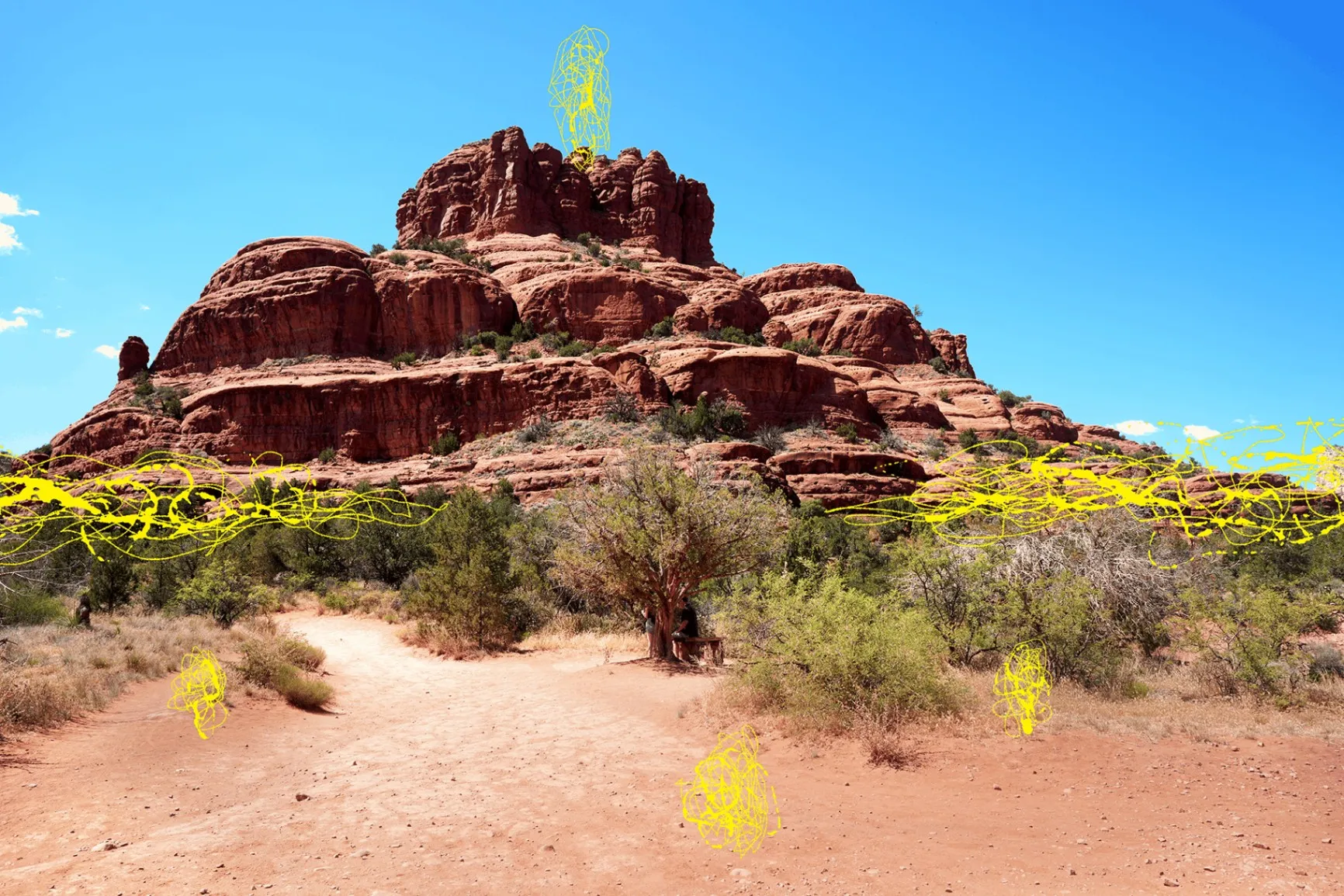
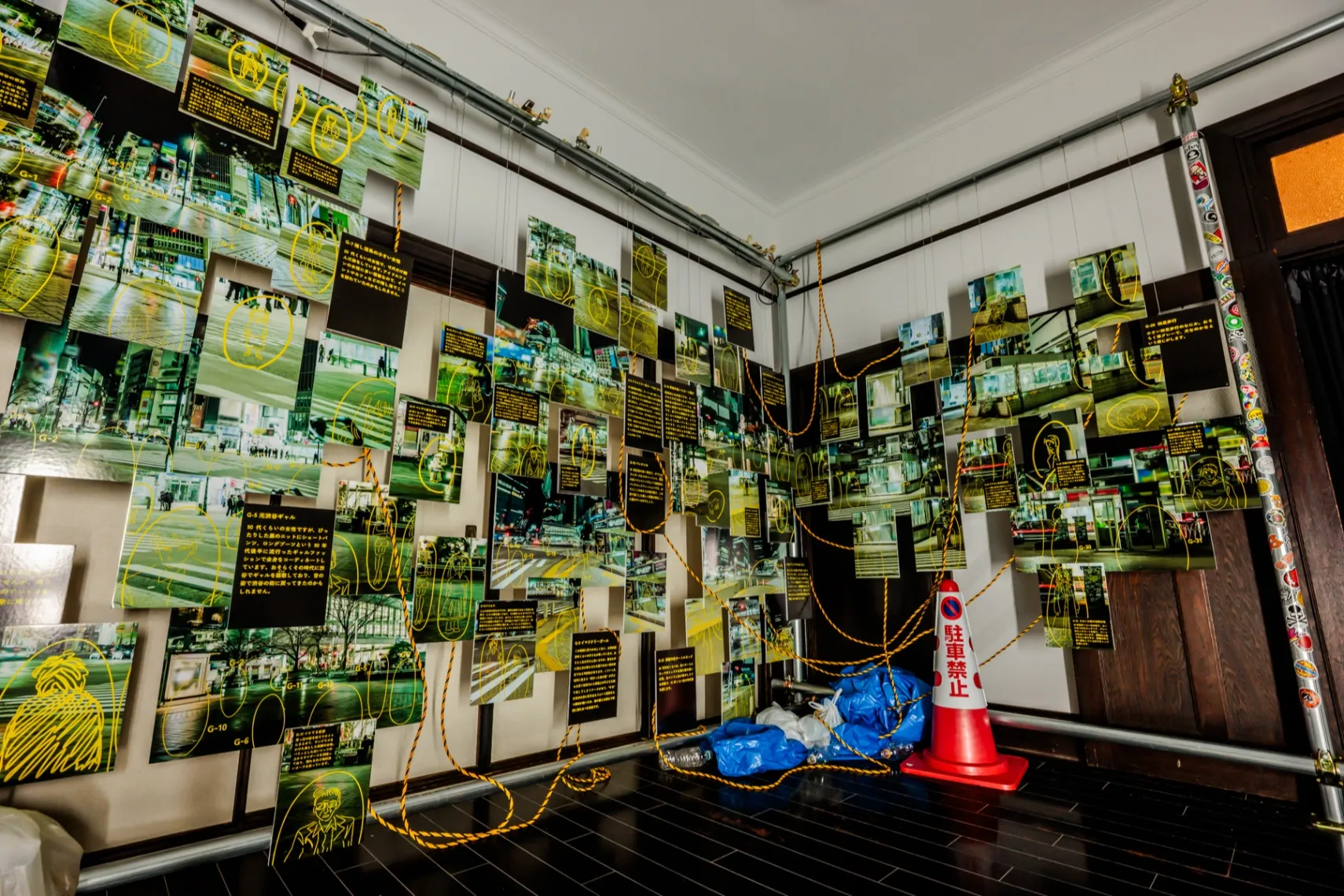
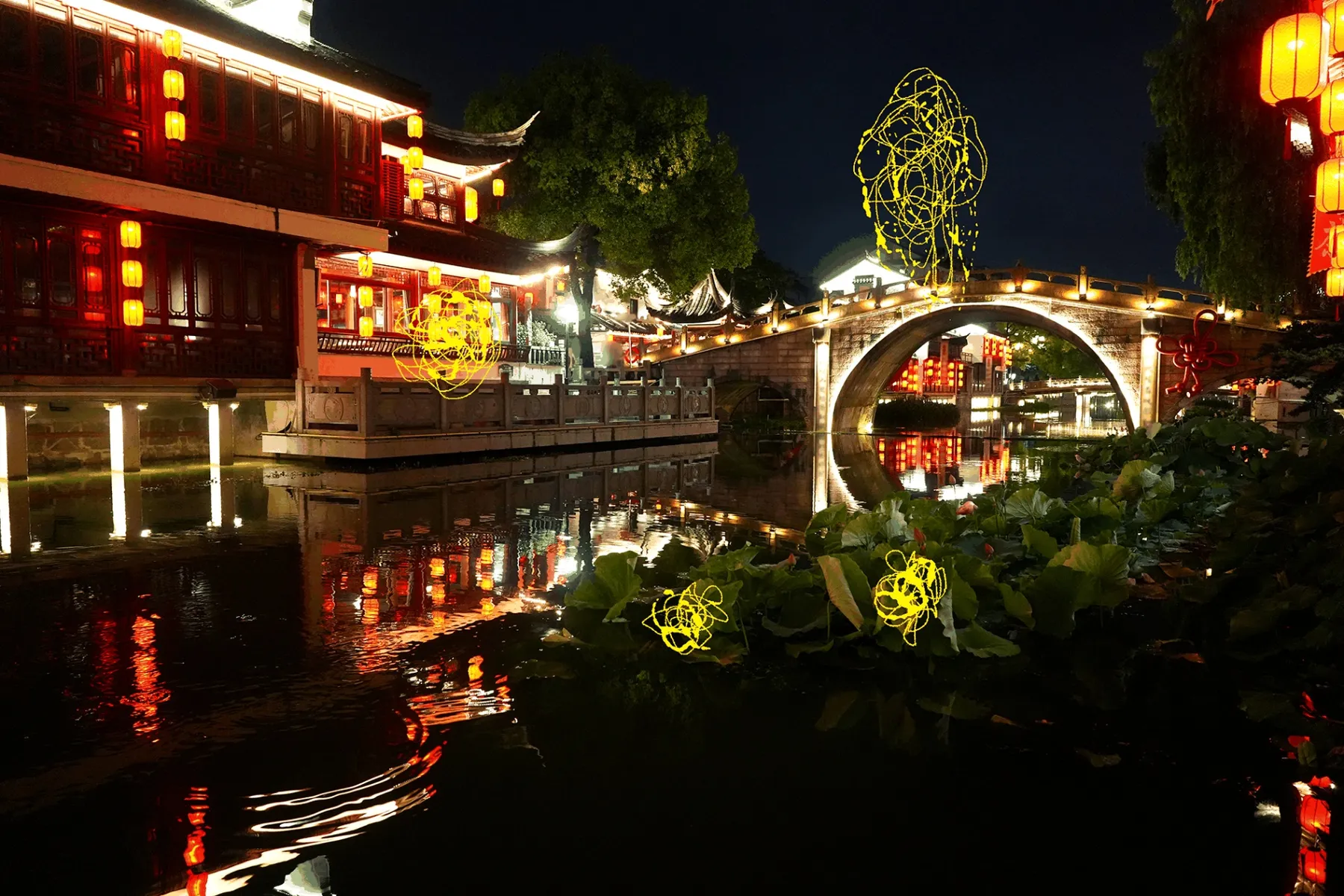
What do seers see in lands where cultures, histories, and forms of faith differ? The exhibition presents records of existences “seen” in various locations, organized into rooms named after the places where the photographs were taken: Shibuya, Shanghai, Bangkok, Ayutthaya, Las Vegas, and Sedona.

<Visible to Those Who Can See> "Shibuya" Room (Shot in 2026: Let's Enjoy Tokyo Editorial Team)
<Visible to Those Who Can See> "Shanghai" Room (Shot in 2026: Let's Enjoy Tokyo Editorial Team)
<Visible to Those Who Can See> "Bangkok" Room (Shot in 2026: Let's Enjoy Tokyo Editorial Team)
<Visible to Those Who Can See> "Ayutthaya" Room (Shot in 2026: Let's Enjoy Tokyo Editorial Team)
<Visible to Those Who Can See> "Las Vegas" Room (Shot in 2026: Let's Enjoy Tokyo Editorial Team)
<Visible to Those Who Can See> "Sedona" Room (Shot in 2026: Let's Enjoy Tokyo Editorial Team)

Voice Actor Yoshimasa Hosoya in Charge of Audio Guide

To allow visitors to enjoy the exhibition more deeply, the free audio guide will once again feature the voice of voice actor Yoshimasa Hosoya, following his narration for “Visible to Those Who Can See -Zero-.” Visitors can listen using their own smartphone and earphones.

  • Communication costs shall be borne by the visitor.
  • The audio guide cannot be heard once you leave the exhibition venue.
  • Please check the official website for details on the content.

Editorial Team’s Experience Comment

The editorial staff member who visited for coverage is a “non-seer,” so they participated with great curiosity to see in what form “those who can see” perceive things.

The venue was dim with unsettling sounds playing, and at first, they proceeded with hesitant steps.

As they moved forward and gradually grew accustomed to the atmosphere, it was interesting to make various discoveries, such as “The things that are seen also reflect the characteristics of their respective countries.”

However, just as they let their guard down, something shocking is conveyed in the “final room”…

Photography was prohibited there, so please visit and confirm for yourself.

The diagnostic test to find out if you are a “person who can see” is also recommended.

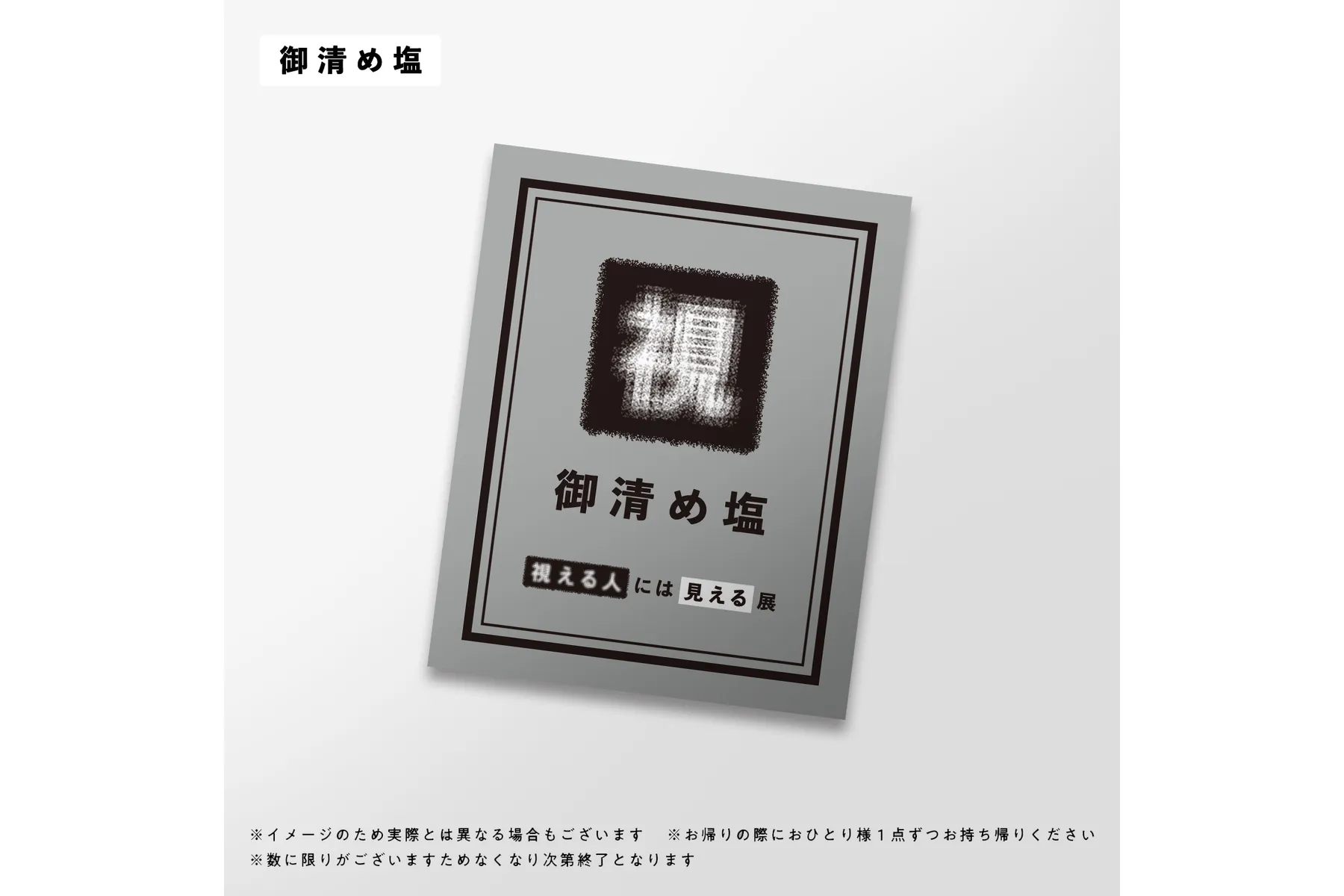
Even if you end up seeing something… you can receive “Purification Salt” at the end, so please participate with peace of mind.

<Visible to Those Who Can See> Experience Booth (Shot in 2026: Let's Enjoy Tokyo Editorial Team)
<Visible to Those Who Can See> Diagnostic Test (Shot in 2026: Let's Enjoy Tokyo Editorial Team)
<Visible to Those Who Can See> Purification Salt (Shot in 2026: Let's Enjoy Tokyo Editorial Team)

Basic Information

Item Details
Location / Nearest Station Seibu Shibuya Store / Shibuya Station
Address 〒150-8330, 21-1 Udagawacho, Shibuya-ku, Tokyo (MAP)
Venue Seibu Shibuya Store Building B, 3rd Floor Event Space
Period 2026/08/28 (Fri) – 2026/09/30 (Wed)
Hours 10:00–20:00 (last admission 19:00)
Fees Weekdays: 1,900 yen (tax included) / Weekends & holidays: 2,300 yen (tax included)
Free for elementary school students and younger
Student discount (same-day tickets only): Weekdays 1,600 yen / Weekends & holidays: 1,800 yen (tax included)
Official Website https://mieruhito.com/

A selection of exhibition merchandise is available at the venue.

<Visible to Those Who Can See> Merchandise (Shot in 2026: Let's Enjoy Tokyo Editorial Team)

The information on this page was published after the Let’s Enjoy Tokyo editorial team conducted on-site coverage and photography and confirmed the details with the “Visible to Those Who Can See Management Office.” The published content may have changed. Please check the official website of the venue or organizer for the latest information.

🛏️ View hotels near Tokyo

The Seibu Shibuya Store is a department store on the west side of Shibuya Station, across from the Hachiko exit. It opened in 1968 and has long been identifiable by its yellow sign and the repeating geometric pattern on its facade. The architecture belongs to the postwar modernist style common for Japanese commercial buildings of that period; the grid gives it a quieter presence than the surrounding signs and screens.

For much of its life, the store also functioned as a venue for contemporary art and design. Its exhibitions and installations were not just decorative additions to the shopping floors. They were treated as independent projects and were often the main reason people came. That program made the store unusual among department stores, and it gave the building a public role that went beyond retail.

The merchandising was similarly deliberate. Floors were organized by category and by a consistent visual point of view, from clothing and accessories to housewares, books, and restaurants. The selection tended toward established and emerging designers rather than the widest possible range of brands.

The store is scheduled to close in 2026. After nearly sixty years, its departure will remove not only a large retail operation from Shibuya, but also one of the more sustained attempts in postwar Tokyo to put commercial and cultural activity in the same building.

Vermeer’s Girl with a Pearl Earring Exhibition 2026 at Osaka Nakanoshima Museum of Art: Experience Dutch Masterpieces and Exclusive Collaborations

Vermeer’s Girl with a Pearl Earring Exhibition 2026 at Osaka Nakanoshima Museum of Art: Experience Dutch Masterpieces and Exclusive Collaborations

Vermeer’s “Girl with a Pearl Earring” Exhibition at Osaka Nakanoshima Museum of Art: Masterpieces of 17th-Century Dutch Painting, a Miraculous Return to Japan

An exhibition introducing works by Vermeer and Dutch genre paintings from the collection of the Mauritshuis in The Hague, Netherlands, will be held at the Nakanoshima Museum of Art, Osaka. This is a unique opportunity: two of the three Vermeer works owned by the Mauritshuis will come to Japan—the masterpiece “Girl with a Pearl Earring,” returning to Japan for the first time in 14 years, and “Diana and Her Companions.”

Girl with a Pearl Earring
Diana and Her Companions

This exhibition will be held exclusively at the Nakanoshima Museum of Art, Osaka. There will be no touring to other regions. In addition, 10 masterpieces of 17th-century Dutch painting will be exhibited, including Jan Steen’s “The Old Woman Singing and the Young Man Playing the Flute,” Paulus Potter’s “Bull Reflection in Water,” and Maria van Oosterwijck’s “Flowers in an Ornamental Vase.” There will also be a special visual experience available only here, where you can feel Vermeer’s world of light on a large screen stretching 20 meters in length.

The Old Woman Singing and the Young Man Playing the Flute
Flowers in an Ornamental Vase

■ The Ambassador is Dutch-born “Miffy”
Miffy dressed as the Girl with a Pearl Earring

Miffy, who like Vermeer was born in the Netherlands, will serve as the ambassador for this exhibition. Original plushies of Miffy dressed as the “Girl with a Pearl Earring” will also be available.

■ “Frieren: Beyond Journey’s End” Collaboration Newly Drawn Illustration
Frieren and the Girl with a Pearl Earring collaboration illustration

The fantasy manga “Frieren: Beyond Journey’s End” by Kanehito Yamada (original story) and Tsukasa Abe (art) is a story about traveling through a world reminiscent of the medieval and early modern Europe in which Vermeer lived. For this occasion, original goods will be sold featuring a special illustration newly drawn by Tsukasa Abe-sensei specifically for this exhibition, where Frieren overlaps with the “Girl with a Pearl Earring.”

Exhibition Details

  • Period: Friday, August 21, 2026 – Sunday, September 27, 2026
  • Hours: 9:30 – 17:00 (Last admission 16:30)
  • Location: Nakanoshima Museum of Art, Osaka, 5th Floor Exhibition Room (4-3-1 Nakanoshima, Kita-ku, Osaka City)
  • Fees: Adults 3,000 yen, High school/College students 1,500 yen, Elementary/Junior high students 500 yen *Date and time reservation system

Notes:

  • Persons holding a disability certificate (Physical Disability Certificate, Rehabilitation Certificate, Mental Disability Health and Welfare Certificate), including one caregiver, will receive half off the daily fee (proof required). Please purchase at the ticket counter on the 2nd floor on the day of your visit (no advance reservation required).
  • For this exhibition, persons aged 65 and over residing in Osaka City will also be required to pay the general admission fee.

Contact:

  • Inquiries: 06-4301-7285 (Osaka City General Call Center / Naniwa Call; Reception hours 8:00 – 21:00, open year-round)
  • Website: https://vermeer2026.exhibit.jp

🛏️ See hotels near the event

What is the significance of Vermeer’s Girl with a Pearl Earring?

Vermeer’s Girl with a Pearl Earring is a tronie, a type of character study that emerged in the Dutch Golden Age. Tronies were not commissioned portraits, nor were they narrative scenes. They were studies of expression, costume, and light, made to display the artist’s skill rather than to tell a story or advertise a sitter’s status. In this painting, Vermeer moves away from the domestic interiors with which he is most often associated. One female figure stands against a dark, flat background. She has turned to look over her shoulder, lips parted, with an earring catching the light. The painting does not claim to be a likeness of a particular woman; the subject remains anonymous. The pearl, a small patch of paint with a bright highlight, is a reminder of how much Vermeer could achieve with a limited number of strokes.

For art historians, the work matters because it embodies what a tronie was supposed to do. It allowed a painter to demonstrate technical skill and sensitive observation of human presence without the constraints of allegory, moral narrative, or portraiture. It also shows Vermeer’s interest in optical effects: the way light can fall on skin, fabric, and metal, and how a viewer’s eye can be led to a single point in the composition.

The painting’s fame is not entirely a modern phenomenon. It has long been admired by specialists, but its wider popularity grew considerably after the publication of Tracy Chevalier’s novel in 1999 and the subsequent film. When it is shown at the Osaka exhibition in 2026, it will be a good opportunity to see the work in person. The painting is small, about 44 by 39 centimetres, and much of its effect depends on the delicate handling of paint and the contrast between the figure and the background. The background has darkened with age, making the figure seem more isolated than it would originally have been. In that sense, the painting is not only a famous image; it is also a demonstration of how a seventeenth-century Dutch painter could turn simple materials into a convincing human presence.

Yoiji Toro 2026 at Tokyo Station: 100 Lanterns, Expanded Yaesu Fireworks Projection Mapping & Summer Food Stalls

Yoiji Toro 2026 at Tokyo Station: 100 Lanterns, Expanded Yaesu Fireworks Projection Mapping & Summer Food Stalls

Evening Lanterns 2026

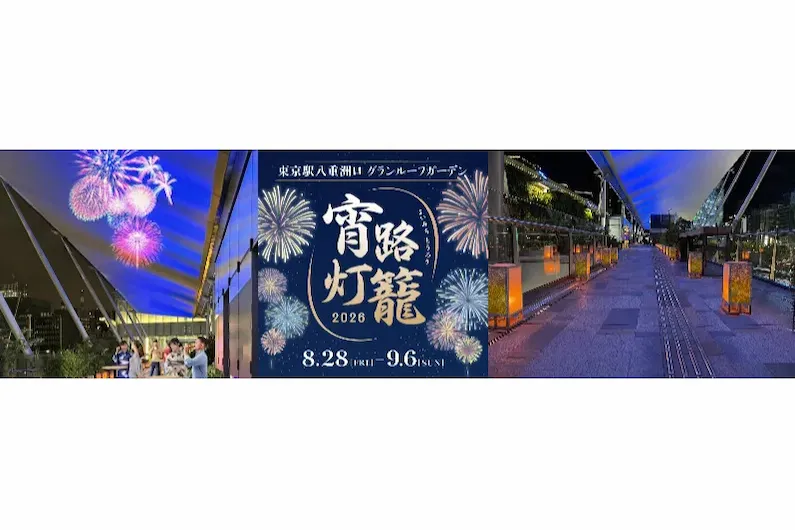
Projection mapping “Yaesu Fireworks” expands to 2 areas this year! “Yoiji Toro 2026” held, featuring approximately 100 lanterns coloring Tokyo Station in summer.

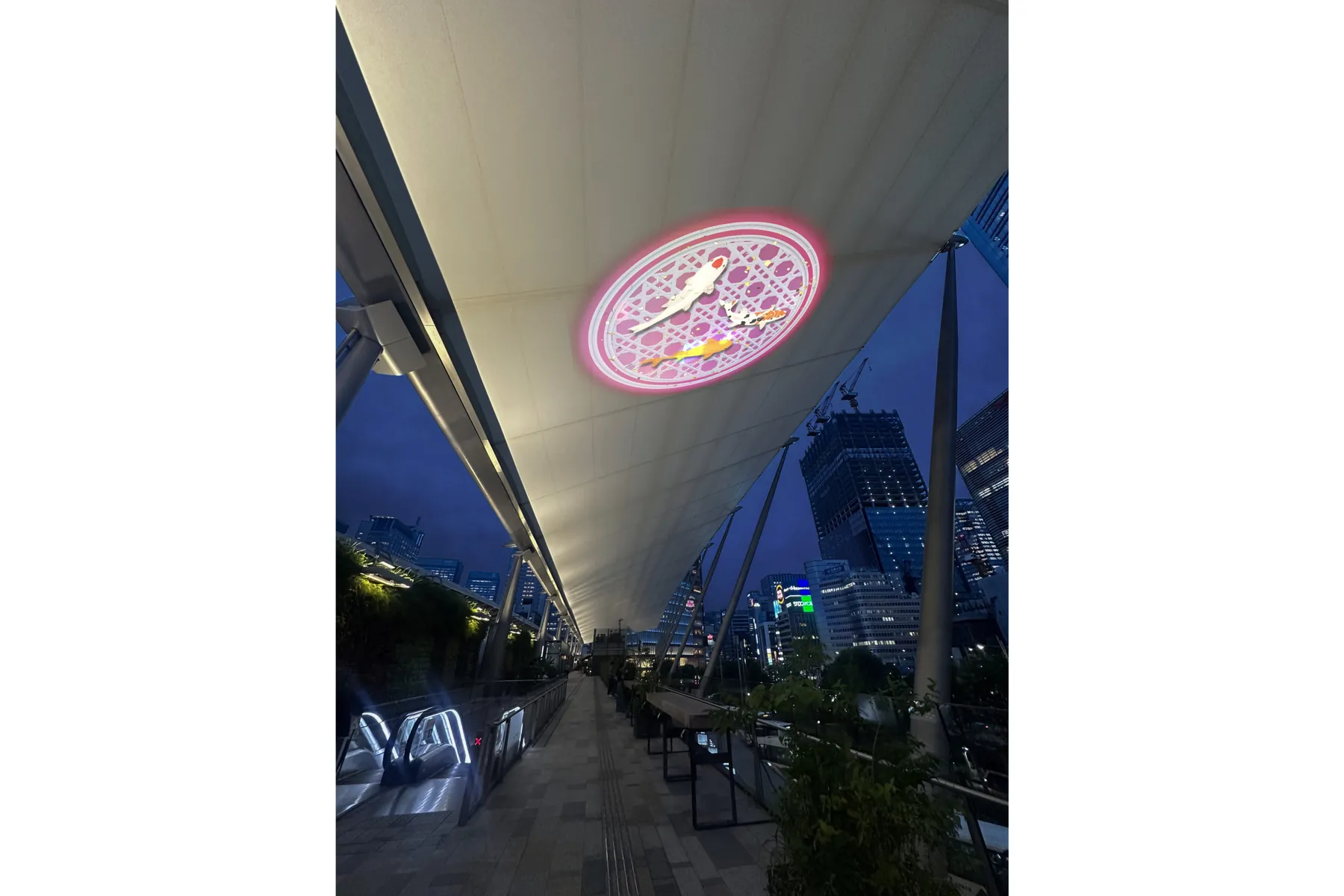
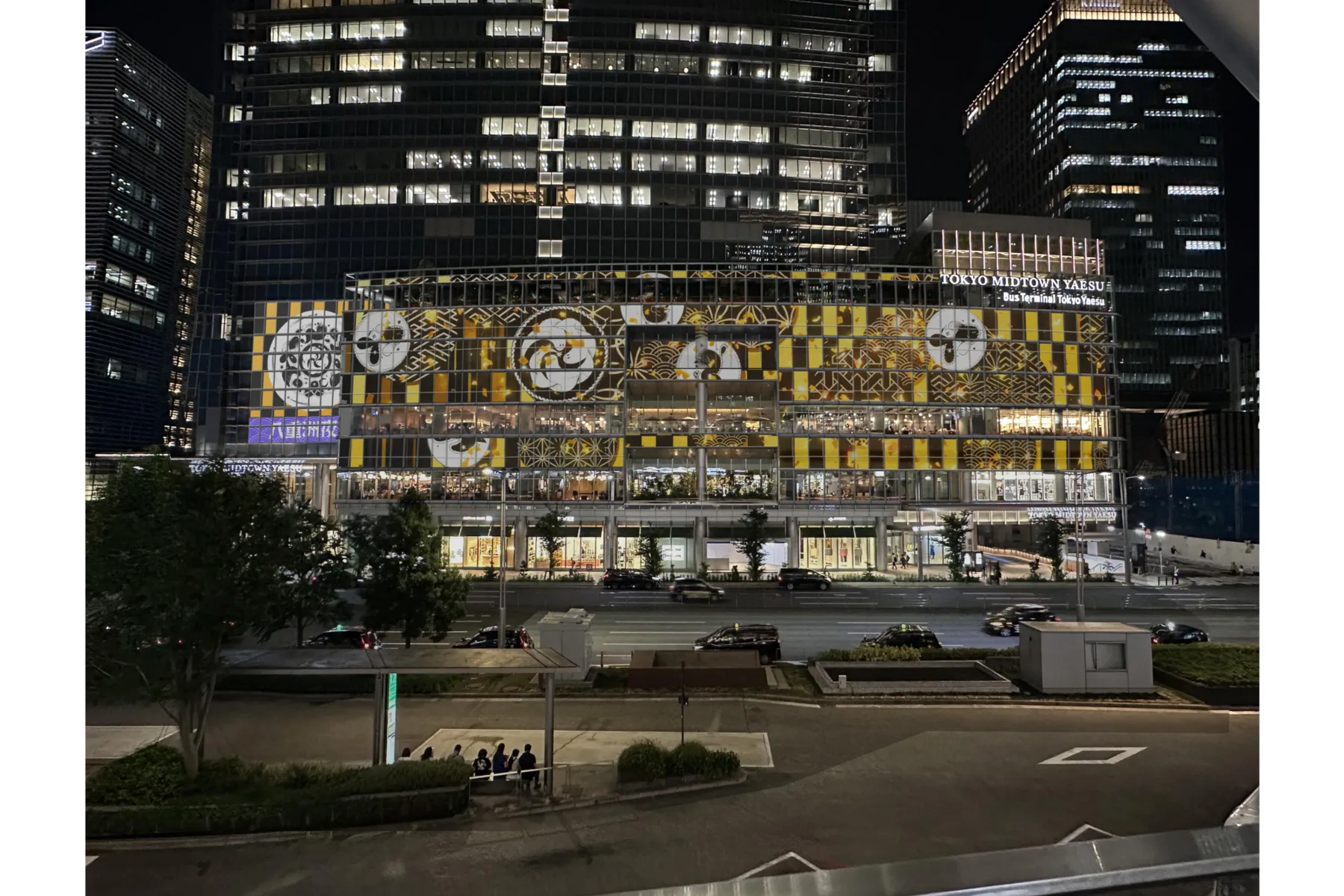
The summer tradition of GranRoof returns for its fifth iteration with “Yoiji Toro 2026.” This year, the event centers on the theme of “Yaesu Fireworks,” employing approximately 100 lanterns and sophisticated projection mapping across the GranRoof Great Roof to transform the urban landscape of Tokyo Station into a serene space of light. In a significant expansion over previous years, the projection area has grown to encompass two distinct locations, deepening the immersive experience for visitors.

To cultivate a genuine festival atmosphere, the event features a variety of takeout food and beverages, with specialized stalls operating exclusively on weekends. These stalls offer unique treats, including the “Shinkansen Sugoi Katai Ice” (Shinkansen Super Hard Ice Cream). Furthermore, the “Yaesu Lantern Walk”—a collaborative rental project with Tokyo Midtown Yaesu—introduces an interactive element this year; the color of the rented lanterns changes as visitors reach specific checkpoints throughout the venue. Whether you are looking for a casual evening stroll or a moment of respite from the city heat, the Yaesu area offers a multifaceted seasonal experience.

A Fantastical Fireworks Space at Tokyo Station

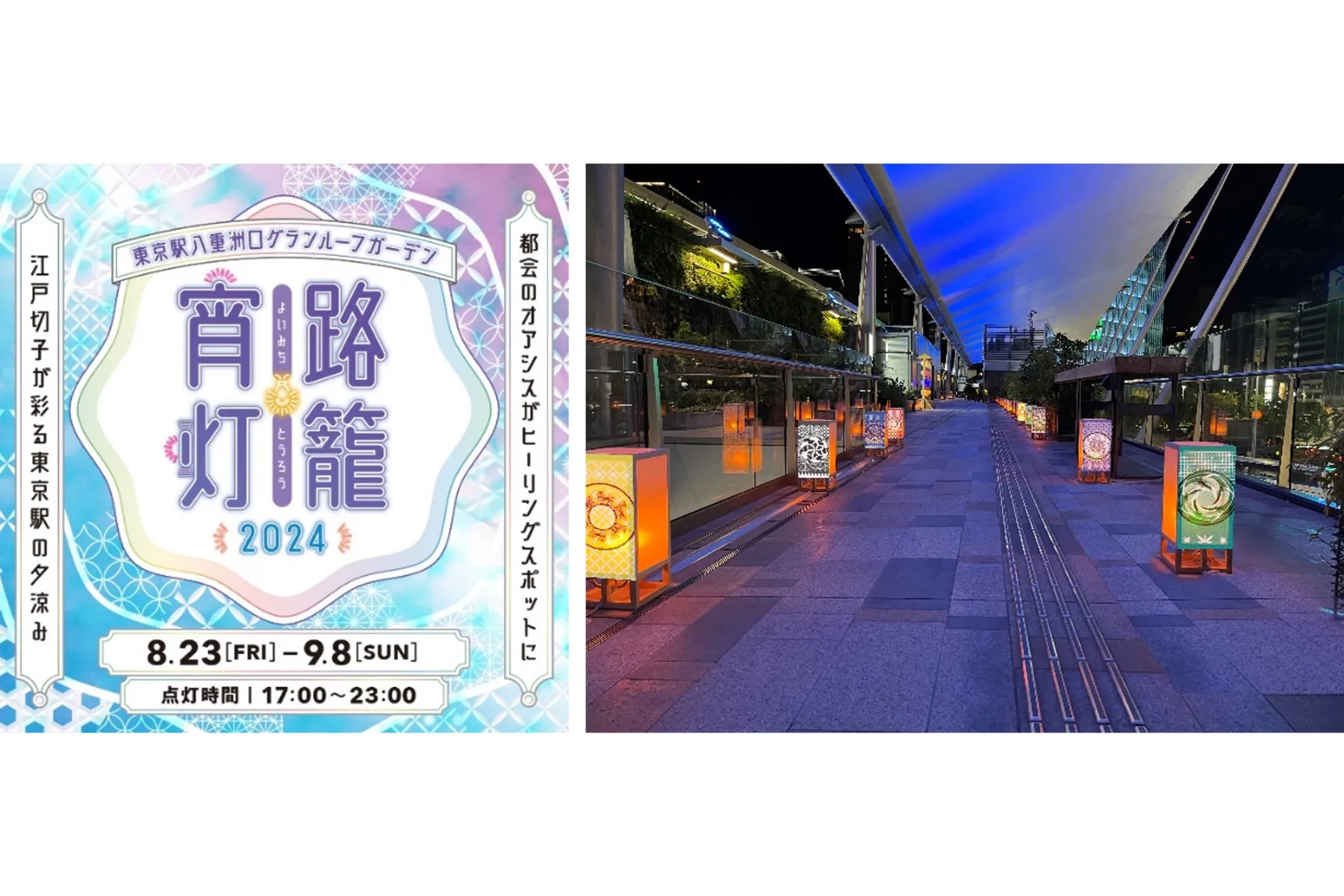
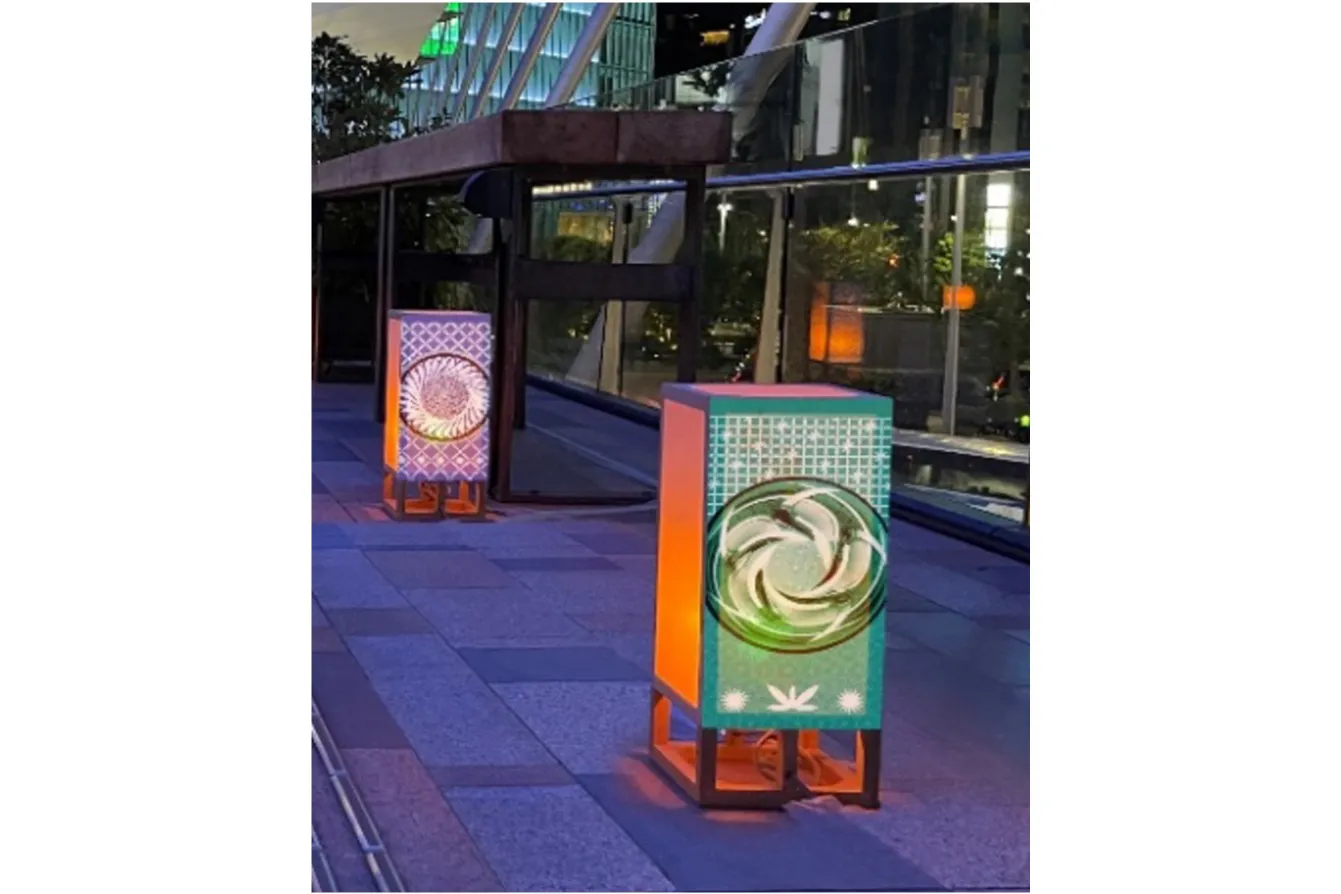
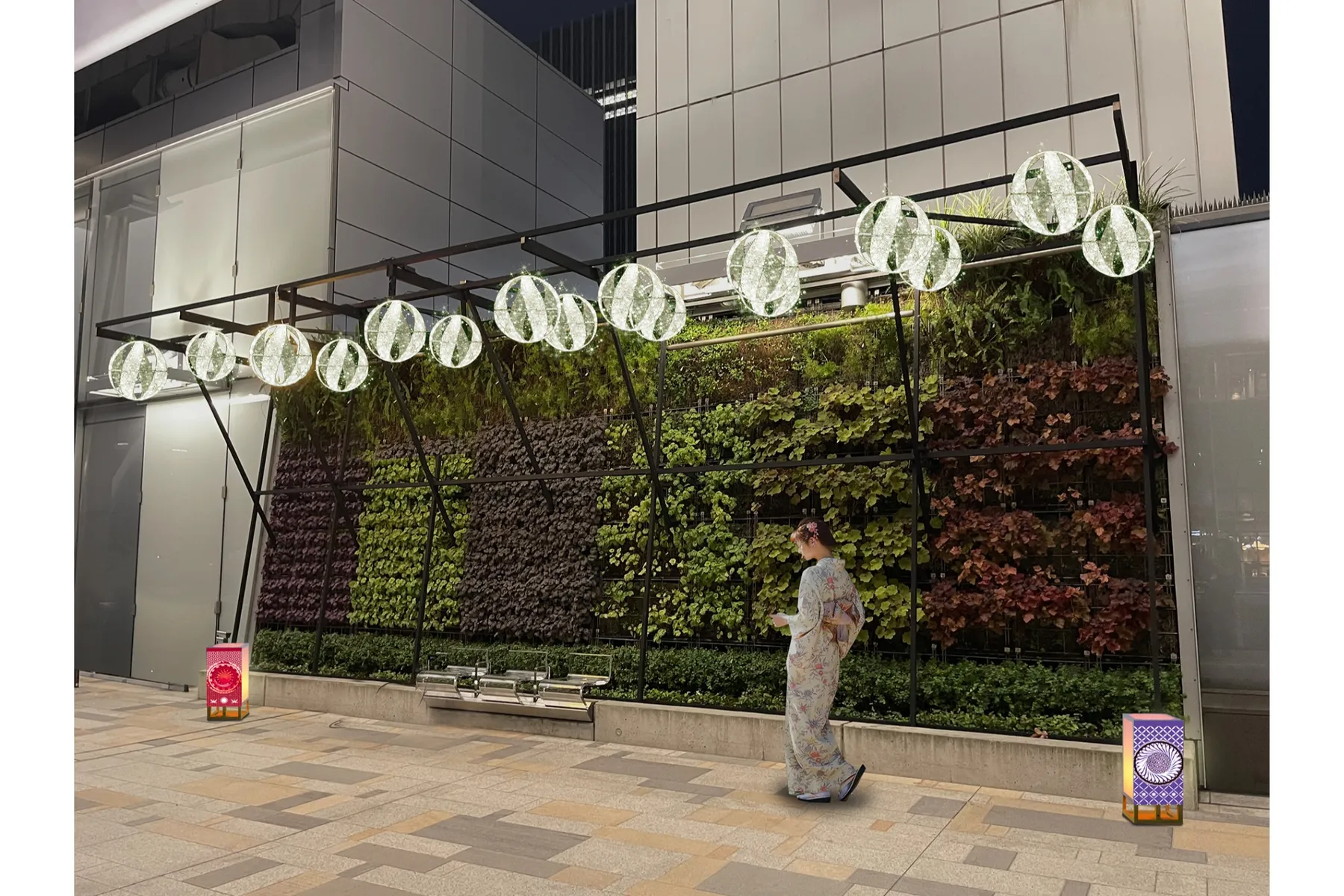
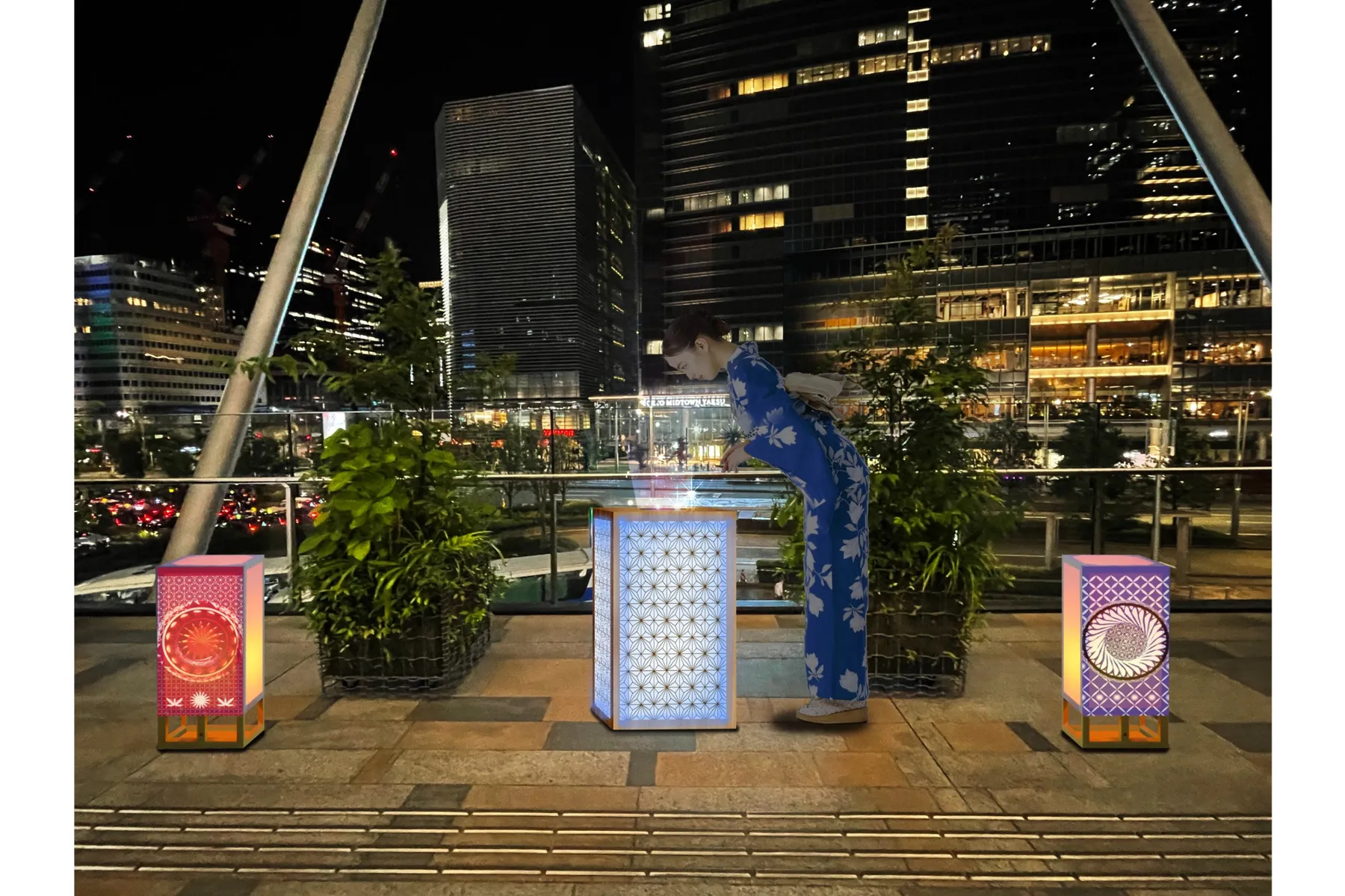
The venue deck is illuminated by approximately 100 lanterns, each featuring one of three intricate patterns inspired by traditional fireworks. These installations work in tandem to envelop the entire area in a soft, fantastical glow, providing a visual departure from the typical bustle of Tokyo Station.
*All images are for illustrative purposes.

Expanded Projection Mapping: “Yaesu Fireworks”

The “Yaesu Fireworks” projection mapping has been expanded to two locations this year, now including displays on the Grand Staircase. This expansion creates a more dynamic and healing environment, utilizing synchronized imagery and sound production to evoke the feeling of a traditional summer festival—an experience designed to make visitors momentarily forget their city surroundings.

Interactive Installations and Photo Opportunities

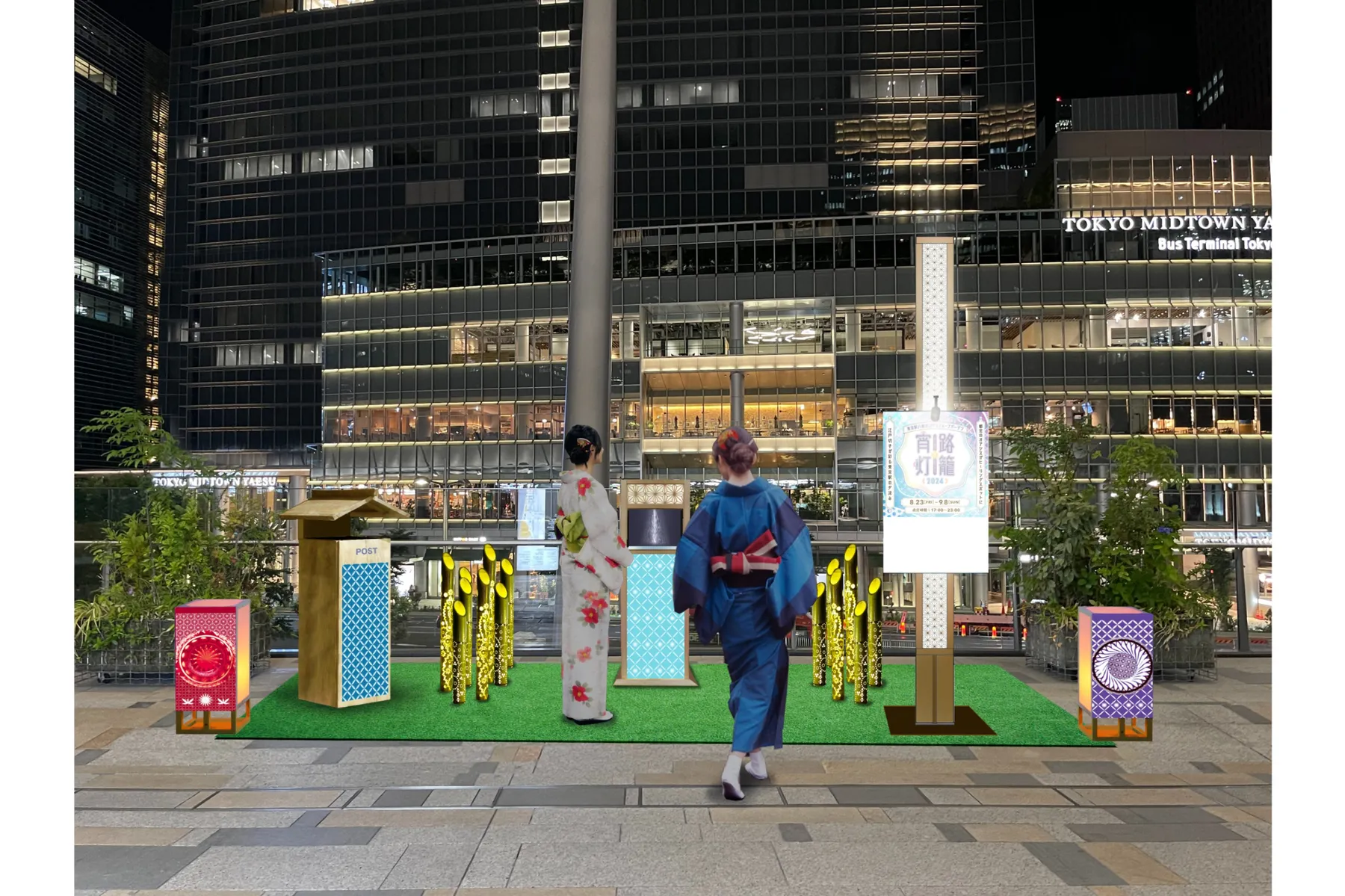
Several themed decorations are placed throughout the venue to enhance the atmosphere and provide commemorative photo opportunities:

  • Wind Chime Bench: A designated area for guests to take a break while listening to the cooling sounds of wind chimes.
  • Fireworks Ball: Floating, illuminated spheres that mimic the appearance of fireworks in the night sky.
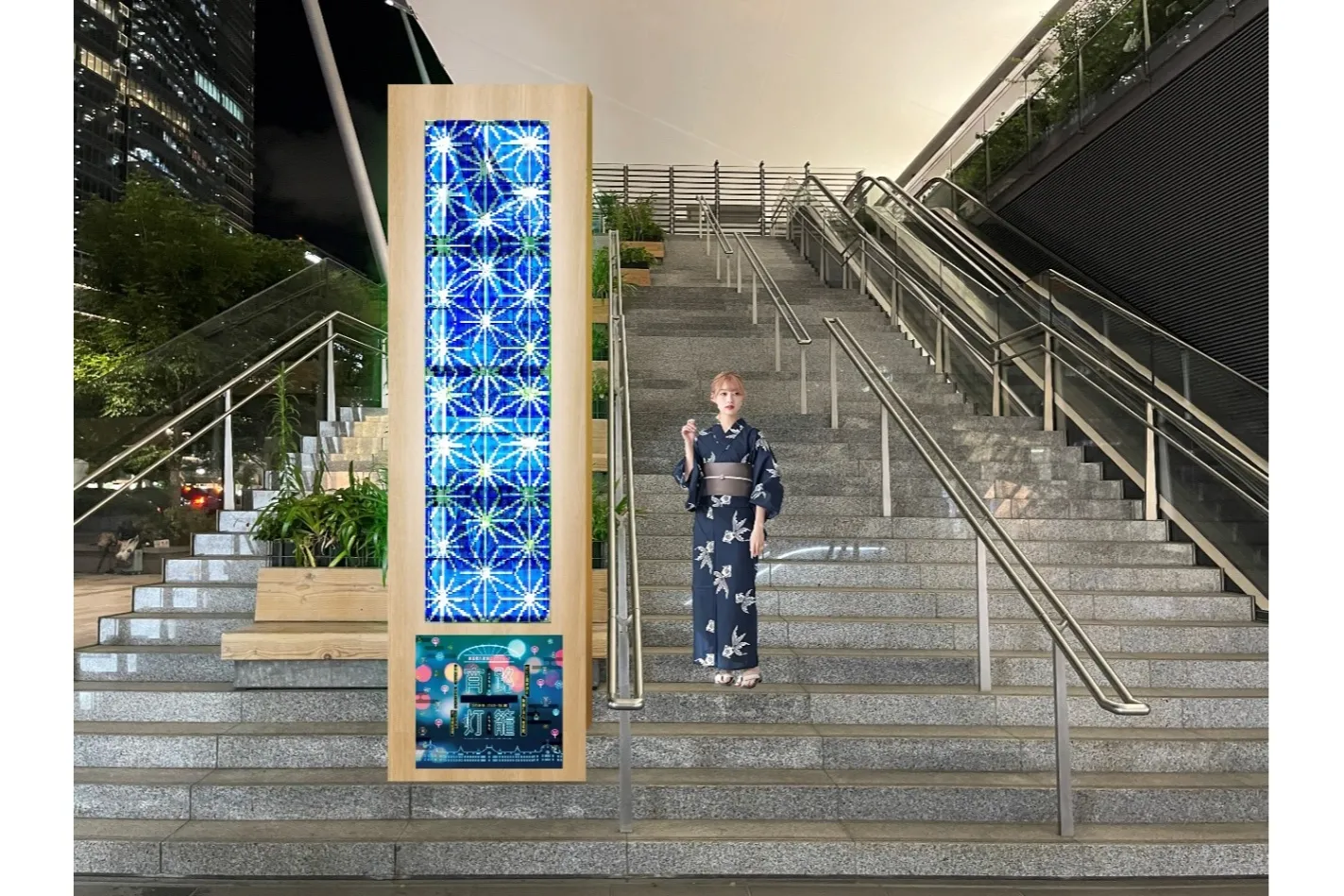
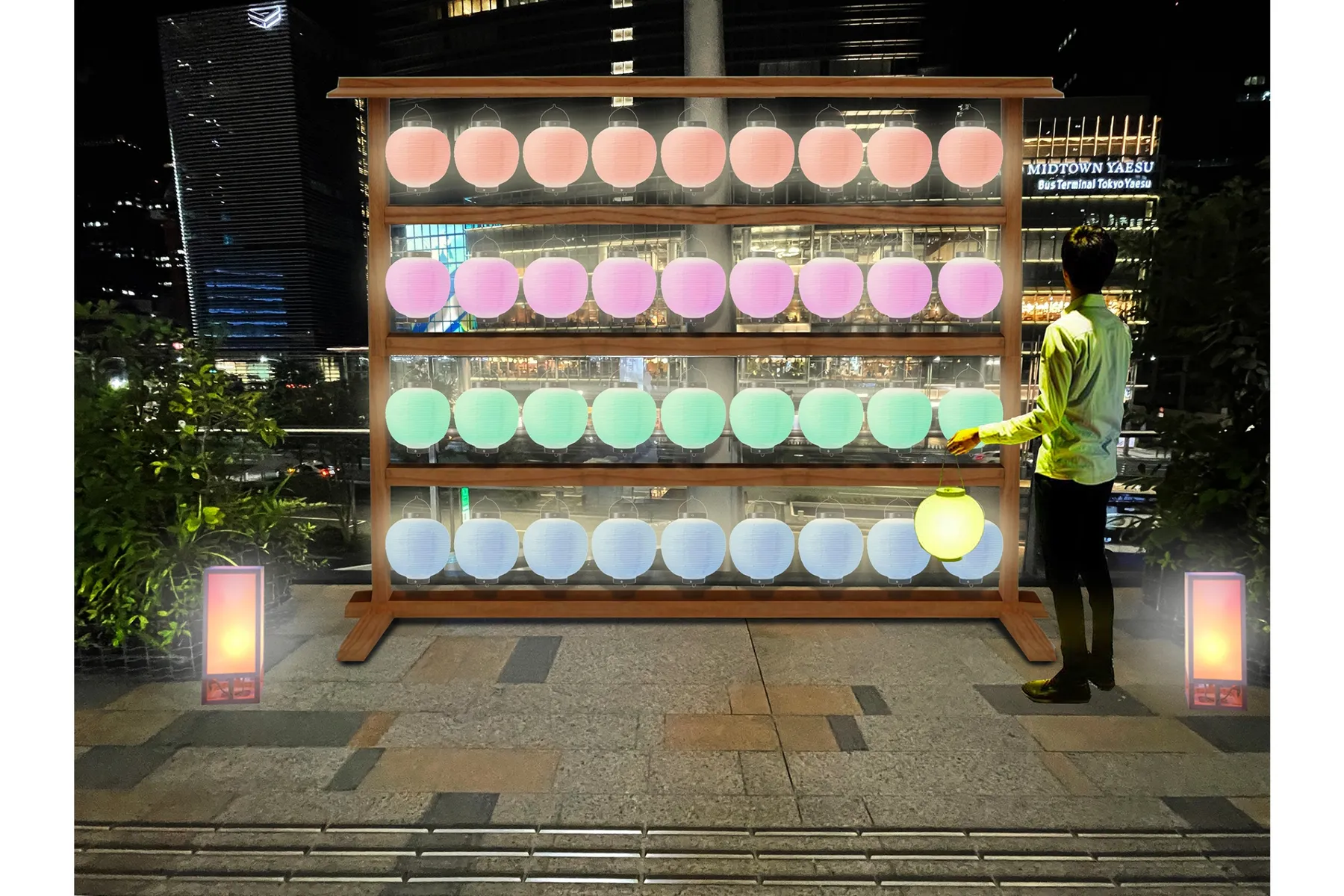
  • Fireworks Wall: A large-scale installation linked to the event’s key visual, where visitors can engage with “firework-color fortunes.”

Special Culinary Offerings: “Choi-nomi Sets” and “Yoiji Drinks”

From August 28 (Fri) to September 6 (Sun), four select stores on the 2nd floor of “Gransta Yaesu” (the restaurant area of GranRoof Garden) will offer exclusive takeout menus. These include three “Choi-nomi” (light drink) value sets pairing recommended beers with appetizers, as well as two new soft drink additions for this year.

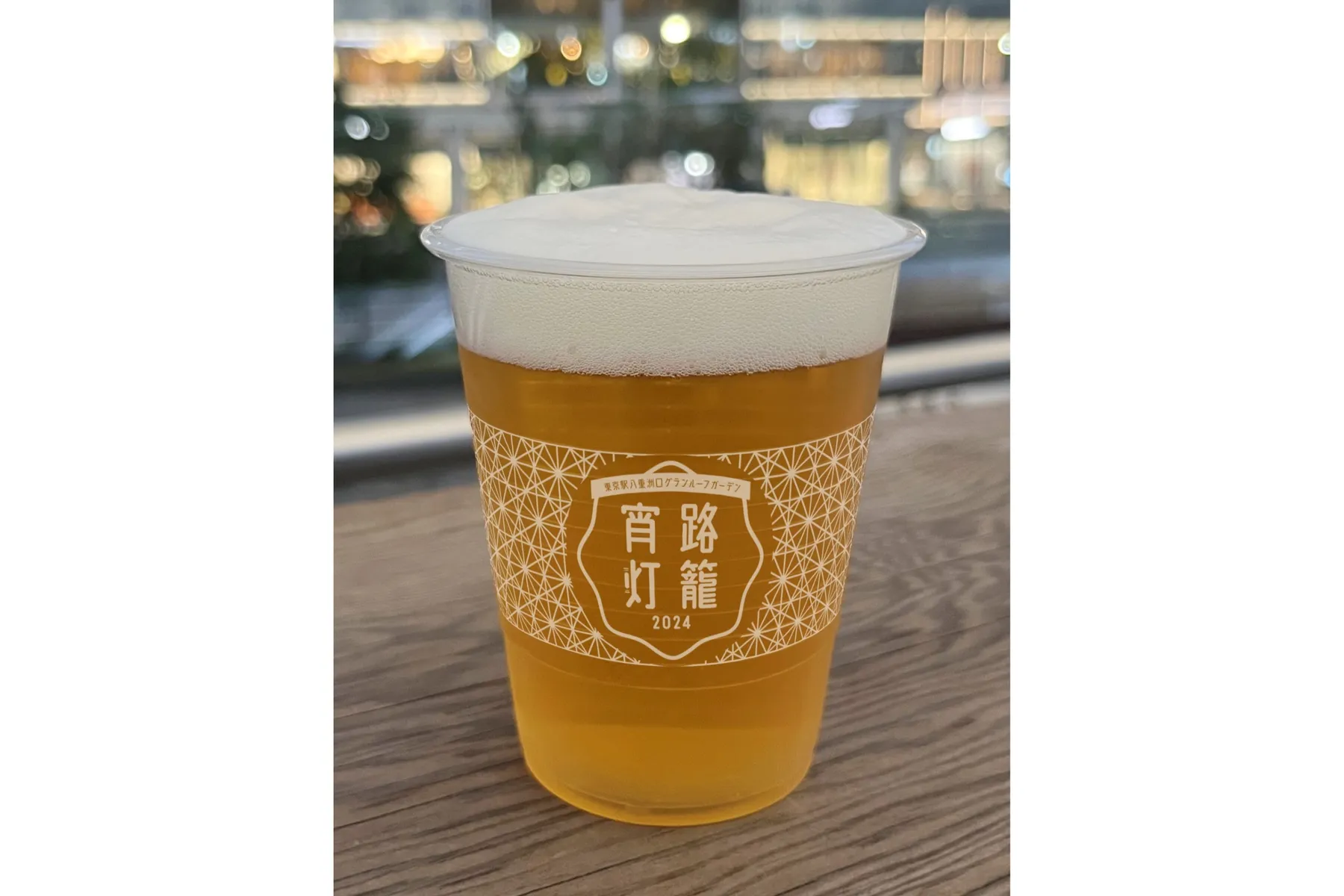
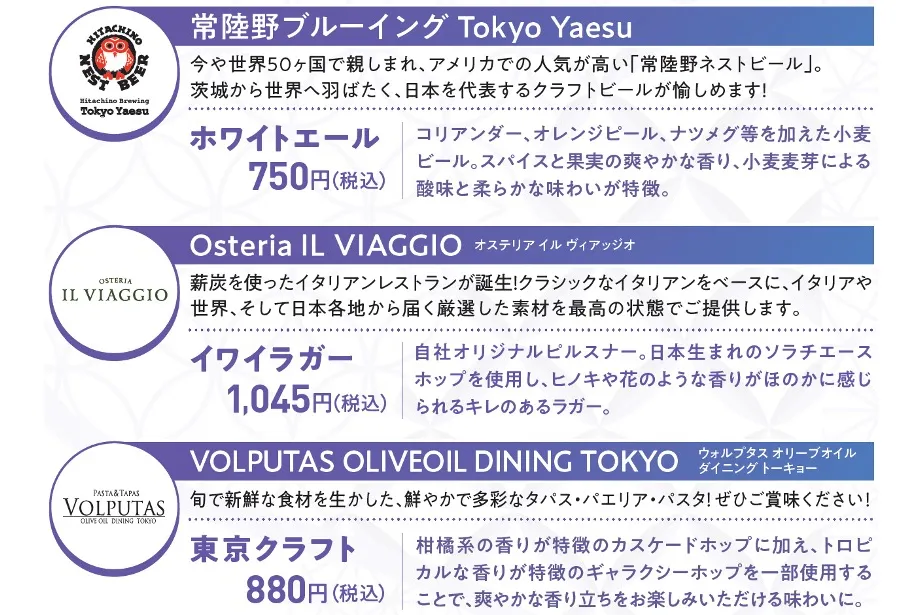
  • Hitachino Brewing Tokyo Yaesu: Hitachino Nest Beer White Ale [Regular Size] & Mixed Nuts with Shichimi Brown Sugar Flavor — 1,000 yen (tax included)
  • VOLPUTAS OLIVEOIL DINING TOKYO: Tokyo Craft Draft Beer & French Fries — 950 yen (tax included)
  • Osteria IL VIAGGIO: Kirin Heartland (Draft Beer) & Inca no Mezame Potato Frites — 1,265 yen (tax included)
  • feb’s coffee &TOKYO scone: Peach Fireworks Soda (800 yen / tax included) or Melon Cream Soda (850 yen / tax included)

Weekend Nighttime Stalls: “Yatai Yoiji”

Operating exclusively on Fridays, Saturdays, and Sundays, the “Yatai Yoiji” stalls provide a curated selection of drinks and snacks. A highlight of these stalls is the “Shinkansen Sugoi Katai Ice,” a premium vanilla ice cream made with Hokkaido fresh cream. This treat is identical in both taste and packaging to the famous “hard” ice cream sold onboard Shinkansen trains.

Stall Details:

  • Dates: August 28, 29, 30 and September 4, 5, 6 (6 days total)
  • Business Hours: 18:00–20:00
  • Items: Canned/bottled alcohol, soft drinks, and Shinkansen snacks
  • Operator: JR East Service Creation Co., Ltd.

The “Yaesu Lantern Walk” Collaboration

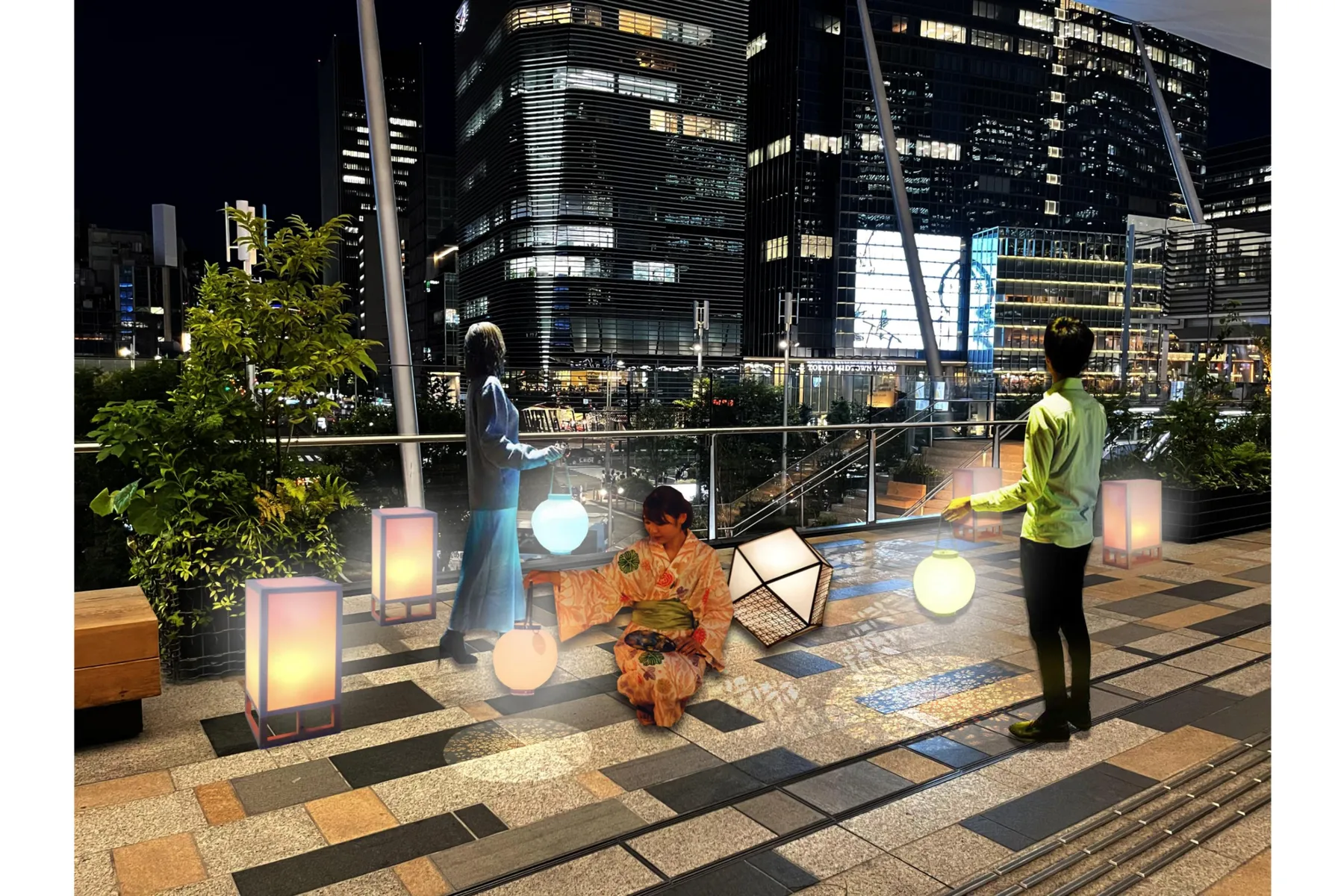
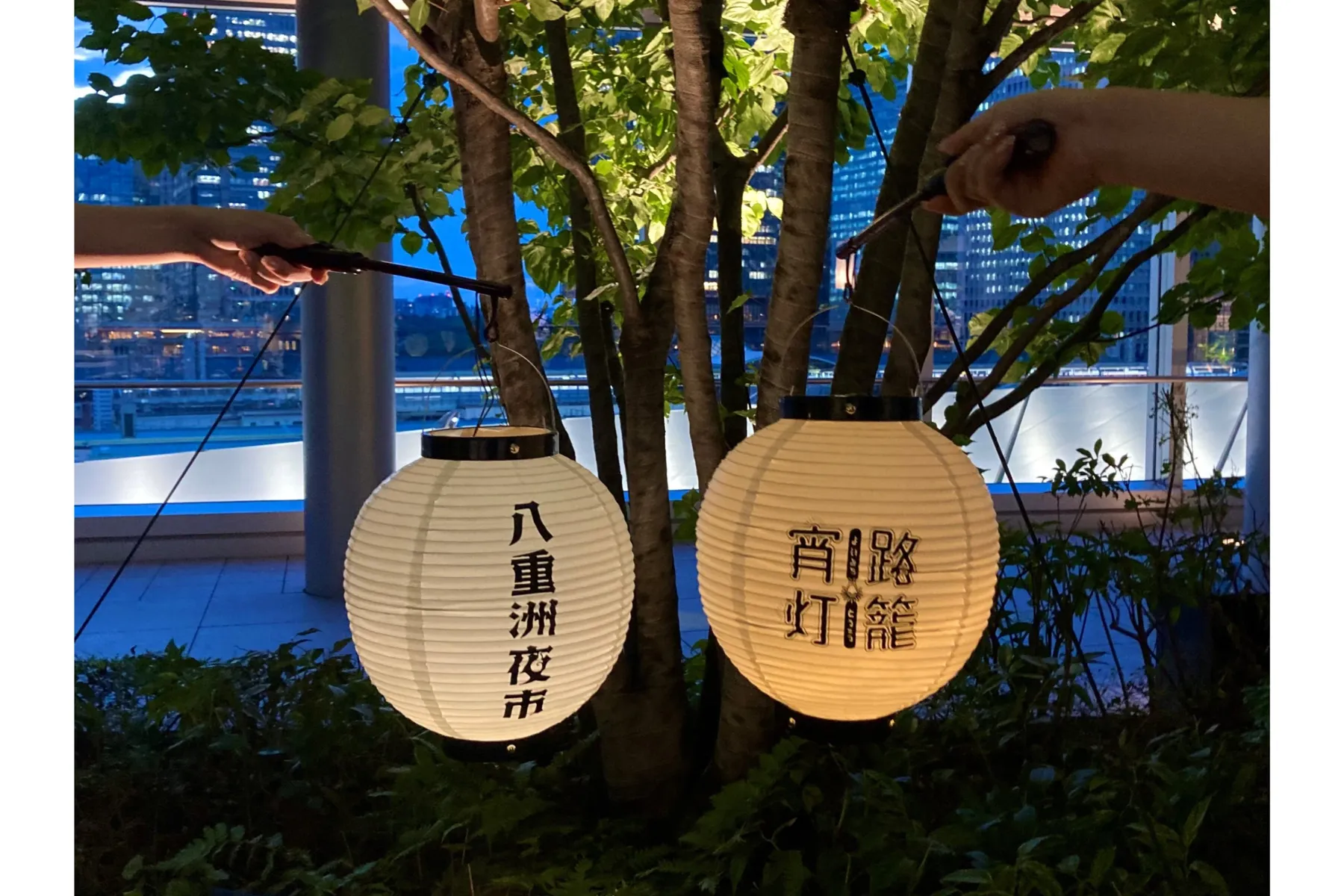
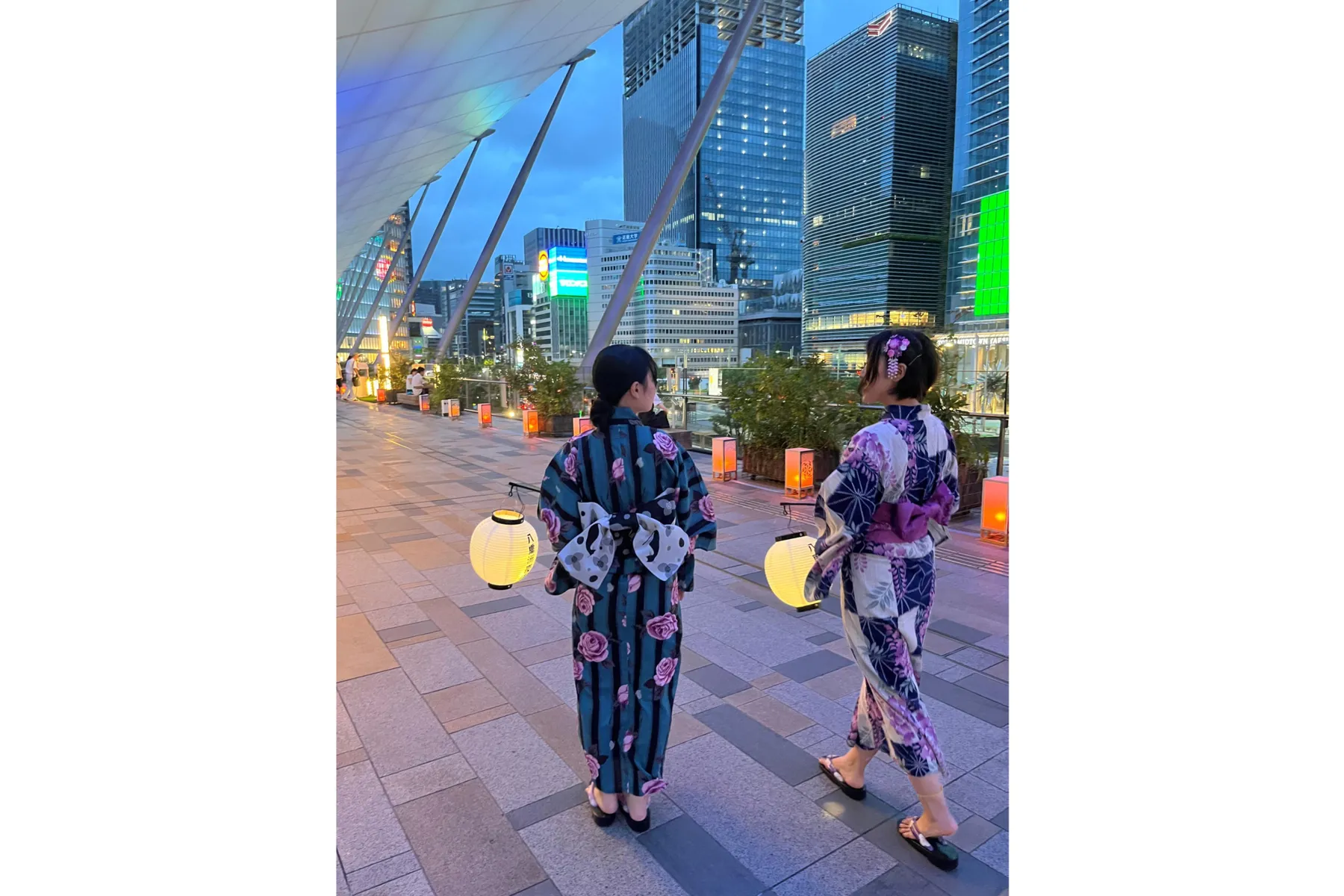
In a joint effort between Tokyo Station, Tokyo Midtown Yaesu, and Yaechika, the “Yaesu Lantern Walk” invites visitors to explore the neighborhood with a free rental handheld lantern. This project bridges the “Yoiji Toro” event and the “Yaesu Night Market” held at Tokyo Midtown Yaesu.

This year, the walk features an interactive update: as you visit five checkpoints across three different facilities, the light color of your lantern will change. Those who can correctly identify all five colors upon reaching the goal may participate in a lottery to win a gift certificate set valued at 1,500 yen.

Rental Information:

  • Dates: August 28, 29, 30 and September 4, 5, 6 (6 days total)
  • Time: 17:00–20:30 (Final return: 21:00). *Note: On September 6, the event ends at 20:00 (Final return 19:30).
  • Reception: JR Tokyo Station GranRoof 2F GranRoof Garden and Tokyo Midtown Yaesu 1F Atrium
  • Participation Fee: Free

For further details, please consult the official website.

Basic Info

  • Location / Nearest Station
    Tokyo Station (JR East)
    Tokyo Station
  • Address
    〒100-0005
    1 Marunouchi, Chiyoda-ku, Tokyo
    MAP
  • Venue
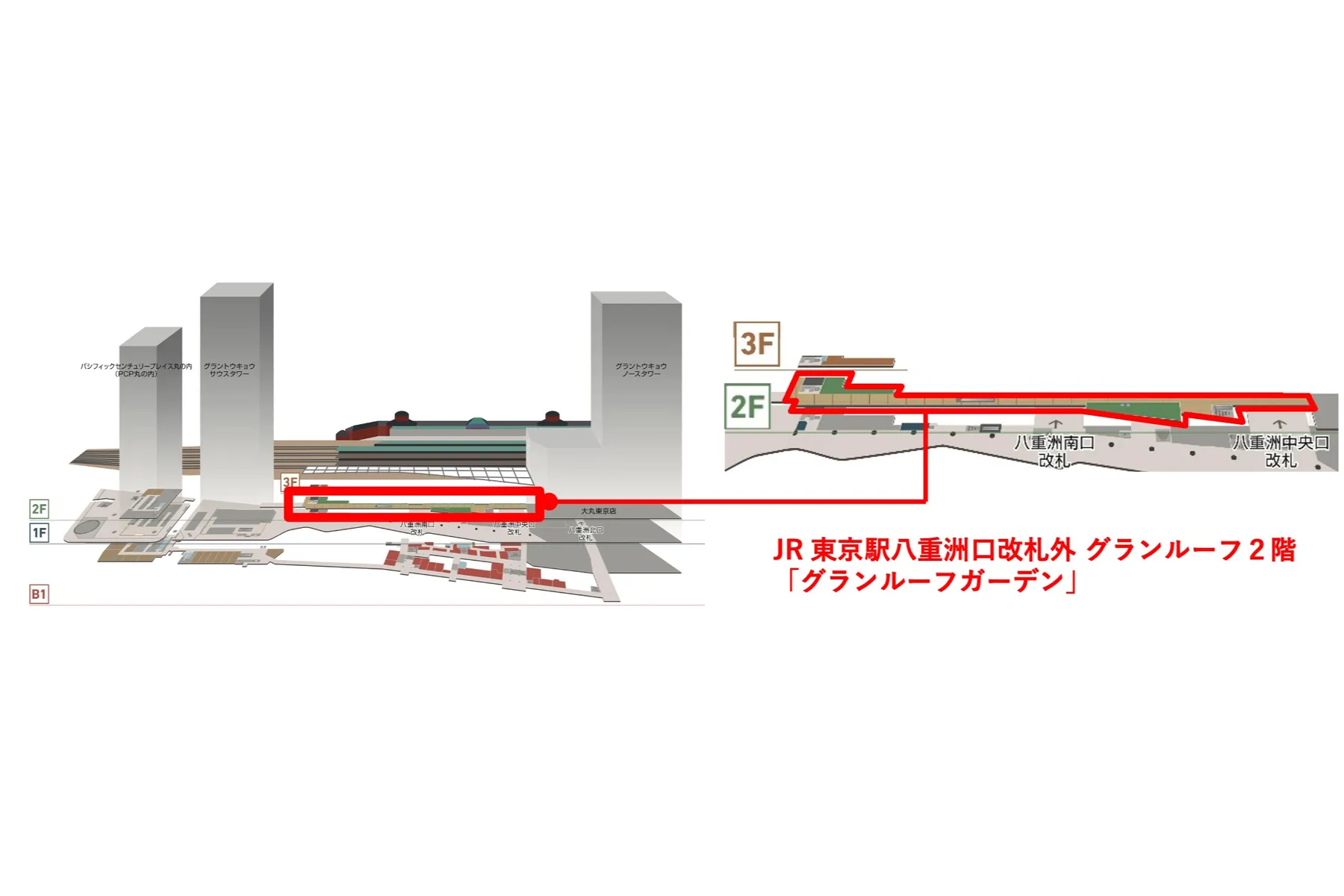
    JR Tokyo Station Yaesu Exit (outside ticket gates) GranRoof 2nd Floor “GranRoof Garden”
  • Period
    2026/08/28 (Fri) ~ 2026/09/06 (Sun)
  • Time
    Lighting time: 17:00–23:00
    *Projection mapping display time: 18:00–23:00
  • Fees/Costs
    Free (Food and drink costs apply separately for “Choi-nomi Set,” “Yoiji Drink,” and “Yatai—Yoiji—”)
  • Other URL
    Tokyo Station City

*Posted content may be subject to change. Please check the official website of the venue or organizer for the latest information.
🛏️ See hotels near Tokyo

宵路灯籠2026_1 宵路灯籠2026_2 宵路灯籠2026_3 宵路灯籠2026_4 宵路灯籠2026_5 宵路灯籠2026_6 宵路灯籠2026_7 宵路灯籠2026_8 宵路灯籠2026_9 宵路灯籠2026_10 宵路灯籠2026_11 宵路灯籠2026_12 宵路灯籠2026_13 宵路灯籠2026_14 宵路灯籠2026_15 宵路灯籠2026_16 宵路灯籠2026_17

What is Yoiji Toro?

Yoiji Toro is a summer evening event around Tokyo Station built around traditional Japanese paper lanterns. The name combines yoiji, the relaxed early-evening hours of a summer night, and toro, the classic Japanese lantern. It is a straightforward name for a straightforward event: a set of illuminated lanterns placed in a public space, with food and projection-mapping added around them.

In 2026, the event will place 100 illuminated lanterns on the Yaesu side of Tokyo Station. The station plaza will be the main venue, and the lanterns will define the walking route through it. The program also includes a larger projection-mapping display with fireworks imagery along the Yaesu skyline and a group of summer food stalls. Together, these elements make the event less a single exhibit and more an evening program: visitors can look at the lanterns, watch the skyline projection, and eat at the stalls without treating any one part as the main attraction.
Experience Vienna Ball Culture in Osaka: Join the 2026 “Invitation to a Vienna Ball” Tea Party at Osaka City Central Public Hall

Experience Vienna Ball Culture in Osaka: Join the 2026 "Invitation to a Vienna Ball" Tea Party at Osaka City Central Public Hall

“Invitation to a Vienna Ball” Tea Party: Continuing the Dream from the Osaka Expo

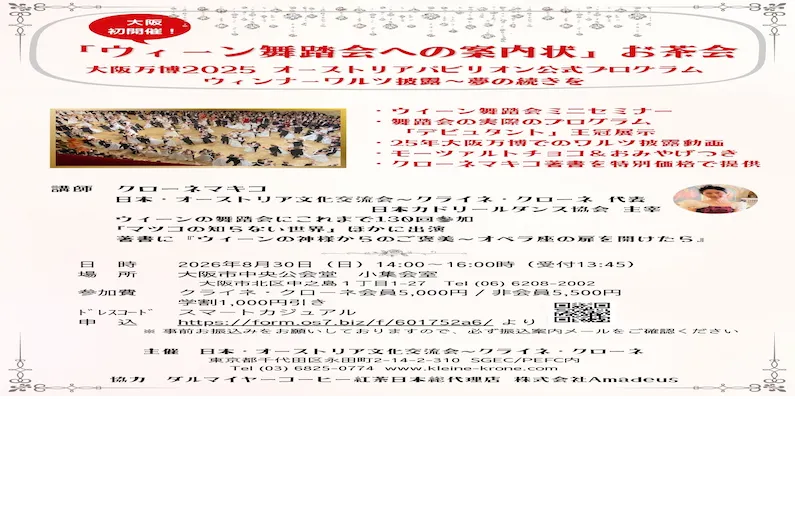
The Vienna Ball Seminar Tea Party introduces the charm of Vienna’s authentic balls, a social tradition that continues today. For the first time, it will be held in Osaka on Sunday, August 30, 2026, at the Osaka City Central Public Hall, a designated Important Cultural Property in the Nakanoshima area. The event is designed for people who are curious about real Viennese ball culture but prefer a relaxed, casual atmosphere over a formal dance floor.

Lecturer Makiko Krone, who has participated in balls approximately 130 times and is known for her appearance on “Matsuko’s Unknown World,” will lead the seminar. Using actual images, videos, and a performance video from the official program of the Austria Pavilion at Expo 2025 Osaka, she will explain the atmosphere of these balls, how they are organized, and how first-time visitors can enjoy them. The title of the tea party reflects this link to the Expo: it continues the dream of the Austria Pavilion’s official program.

The venue will also feature an exhibit of a “debutante” crown, Mozart chocolates, and souvenirs, making the event enjoyable even for those who cannot dance. The dress code is smart casual, so guests do not need formal ball gowns or tailcoats to participate.

Event details

  • Date: Sunday, August 30, 2026
  • Time: 14:00–16:00
  • Venue: Osaka City Central Public Hall, Small Meeting Room (1-1-27 Nakanoshima, Kita-ku, Osaka City)
  • Fee: 5,000 yen for members; 5,500 yen for non-members
  • Student discount: 1,000 yen off for both members and non-members
  • Payment: Pre-payment by bank transfer
  • Inquiries: 03-6825-0774
  • Website: Vienna Ball Seminar News

🛏️ See hotels near the event

What is a Vienna Ball?

A Vienna Ball is a formal dance event held in Vienna during the winter Carnival season. The tradition dates from the 19th century, when the imperial court and the city’s aristocracy held regular dances; after the Congress of Vienna, these gatherings expanded into public balls. Today hundreds are organized each year by professional associations, trades, and cultural institutions, in venues such as the Hofburg Palace, the Konzerthaus, and the Musikverein.

The evening follows a set program. Debutantes and their partners perform a choreographed polonaise and are presented to the audience. The orchestra plays a series of waltzes, after which the conductor announces “Alles Walzer!” — “Everyone waltz!” — and the floor opens to all guests. The dancing continues until the early morning, with waltzes, polkas, quadrilles, foxtrots, and tangos played by live ensembles.

The setting is formal as well. Ballrooms are large and decorated with chandeliers, parquet floors, and rows of tables where guests can sit between dances. Dress is formal: evening gowns for women, dark suits or tails for men. The evening also has a social dimension. Guests greet each other, ask fellow dancers to dance, drink wine or sparkling wine, and eat late-night dishes such as goulash soup and sausages.

Individual balls differ according to their organizing groups. Some are tied to a profession; others are hosted by musical or cultural institutions. What they share is a fixed framework: live music, formal dress, and ballroom dancing.

In Osaka, the 2026 “Invitation to a Vienna Ball” tea party at Osaka City Central Public Hall will offer an afternoon introduction to the tradition, with Viennese music, a historic hall, and a look at the etiquette and dance forms of the Viennese ball.

Namba Unkai 2026 at Namba Parks, Osaka: A Complete Guide to the Sea of Clouds Experience

Namba Unkai 2026 at Namba Parks, Osaka: A Complete Guide to the Sea of Clouds Experience

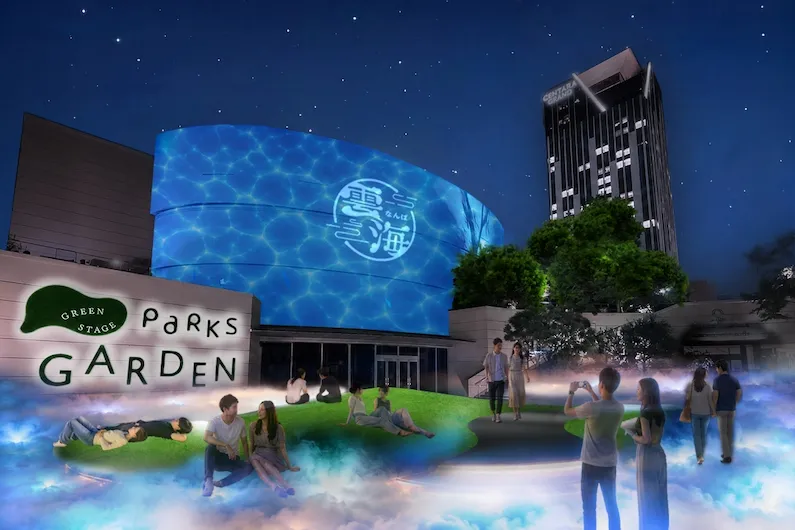
Namba Unkai (Sea of Clouds)

Namba Unkai sea of clouds

“Namba Unkai,” an immersive event where the entire “Parks Garden” rooftop garden of Namba Parks is enveloped in a mystical sea of clouds, will be held for the first time. The name “Unkai” is the Japanese term for the sea of clouds seen from mountain summits; this event recreates that effect using mist and lighting, high above the streets of Osaka.

Namba Parks, in Osaka’s Naniwa Ward, is a complex whose rooftop garden rises in terraces from the 2nd to the 8th floor. The event uses that vertical layout to create a journey: instead of one static display, the sea of clouds takes on different forms as visitors move upward.

From 17:30 to 22:00, performances using mist and lighting take place at 00 and 30 minutes past every hour. The mist drifts through the garden, lit so that the surrounding city disappears from view, leaving the impression of standing above a layer of clouds.

The Sea of Clouds Stroll (#UnkaiSanpo)

The heart of the event is the “#UnkaiSanpo” (Sea of Clouds Stroll). Visitors explore six different seas of clouds, each changing expression as they move from the 2nd to the 8th floor. Every level presents a different atmosphere, and the character of the cloud sea shifts as you climb.

Super Unkai Time

Every day at 21:00, the “Super Unkai Time” takes place: the sea of clouds occurs simultaneously across all areas of the garden, enveloping the entire rooftop at once. This spectacle can be seen only once a day and lasts for approximately 3 minutes.

Oboro Lantern Rentals

To complete the nighttime atmosphere, original “Oboro Lanterns” are available for paid rental. “Oboro” denotes the hazy, blurred quality of light in Japanese, and the lanterns produce exactly that kind of soft, diffusing glow. The rental fee is 500 yen, and reservations are made in advance through the event website.

Namba Unkai mist and lighting

Family DAY during Silver Week

On 9/22 (Tue/Holiday) and 9/23 (Wed/Holiday), during the Silver Week holidays, a “Family DAY” will be held for two days only. On these days, the sea of clouds will also occur during the daytime: from 11:00 to 22:00, mist will be generated sequentially from the 2nd floor, every hour at 00 and 30 minutes. “Super Unkai Time” will be held twice, at 14:00 and 21:00, giving daytime visitors the chance to experience the simultaneous cloud sea as well.

Event Information

  • Event Period: 2026/8/28 (Fri) – 11/1 (Sun)
  • Event Time: 17:30 – 22:00 (*On 9/22 and 23 only, also held from 11:00 – 22:00)
  • Event Location: Namba Parks Parks Garden 2nd to 8th Floors (2-10-70 Nambanaka, Naniwa-ku, Osaka City)
  • Fee: Free (*Original lantern rental is 500 yen / WEB advance reservation system)
  • Inquiries: 06-6644-7100
  • Website: nambaparks.com/nambaunkai

🛏️ View hotels near the event

What is Namba Parks?

Namba Parks is a mixed-use complex in Osaka’s Namba district, built directly above Nankai Railway’s Namba Station. It was completed in two phases, in 2003 and 2007, on the site of the former Osaka Stadium. The architect, Jon Jerde, designed it as a series of terraces that step up from the street and support a large, publicly accessible rooftop garden.

That garden is the defining part of the project. It spans several levels and contains walking paths, lawns, seasonal planting, and water features. Because the terraces are staggered, the garden can be entered from more than one floor of the building. Jerde described the form as a canyon: the facades are treated like rock walls, and the open spaces recede as they rise. The result is a structure that reads as landscape as much as building, but the effect is achieved through consistent design details rather than a single dramatic element.
The lower floors hold the commercial parts of the complex: shops, restaurants and cafés, a cinema, event spaces, and a health club. A multi-level atrium organizes the interior, and the upper shopping floors open onto the garden terraces, so visitors can move between shopping and open air without going back to street level. An office tower rises above the first phase, and the later phase added more retail and leisure floor space.

The connection to Nankai Namba Station is direct, and the Nankai Airport Express stops there. Travelers from Kansai International Airport can reach the garden within the building before continuing to other parts of the city. For residents, it offers a route through the district that does not begin and end at ground level.

During the Namba Unkai event, the same garden is used for a temporary installation: fog generators produce a low cloud layer that settles among the plants and pathways. Visitors can walk through the mist, and the event gives the rooftop the appearance of a “sea of clouds.” When the event ends, the garden returns to its normal use as a planted public space.

Analytics